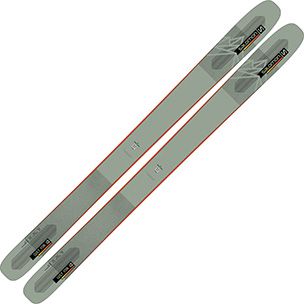



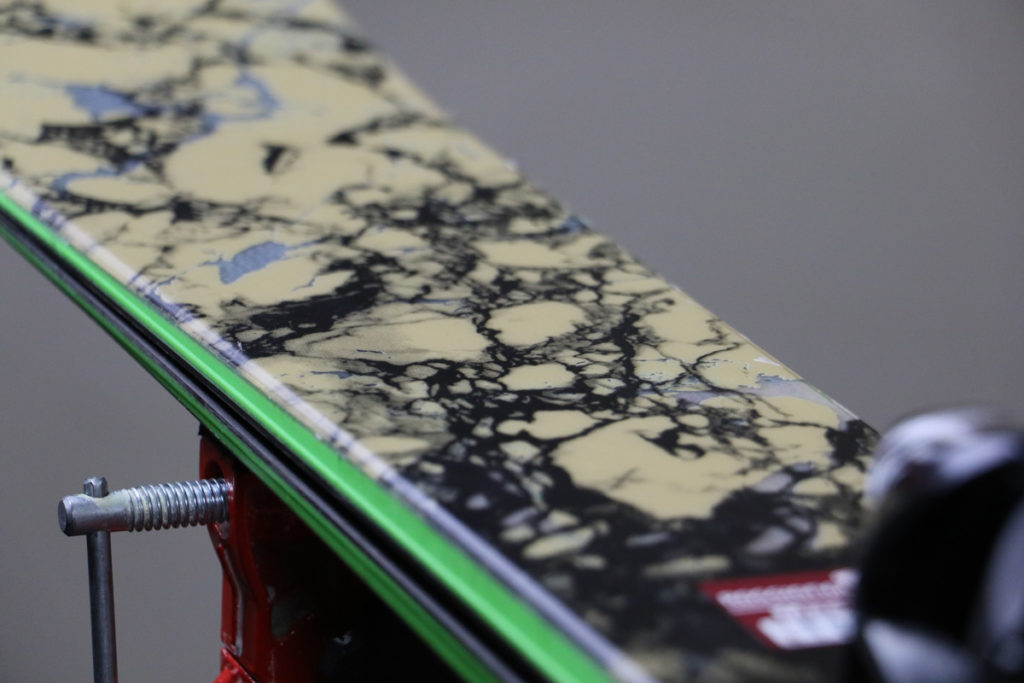
Rossignol completely redesigned their freeride collection for the 2020/21 ski season and just about all of those skis are back again for 2022, including this BLACKOPS Sender, which in many ways, could be considered the flagship model of the new line. There is, of course, a Sender Ti, but with limited available lengths and a burly feel, it’s not for everyone. This Sender, on the other hand, comes in a huge array of lengths and has performance that’s more appropriate for a wider range of skiers without giving up too much on the stability and power end of the spectrum. Rossignol uses a lighter paulownia core in the Sender as opposed to poplar in the Sender Ti. Instead of ABS Line Control Technology, we get vertical Visco struts. The Sender also drops the full sheet of metal along the base, but still has a partial sheet for binding retention. We also get their Damp Tech Tip and Diago Fiber, which smooths out vibration damping and adds torsional stiffness respectively. The shape is exceptionally similar to the Sender Ti. Camber underfoot is paired with a good amount of tip rocker, but with a flatter tail. There’s not nearly as much early taper as in skis like the Soul 7 it replaces. There is a little bit, which mostly will help smooth out turn initiation, rather than making it ski short like the aggressive taper lines on the Soul. Ranging from 100 to 106 mm underfoot dependent on length, the Sender is on the narrower end of the freeride spectrum, positioning itself as a versatile soft snow ski.
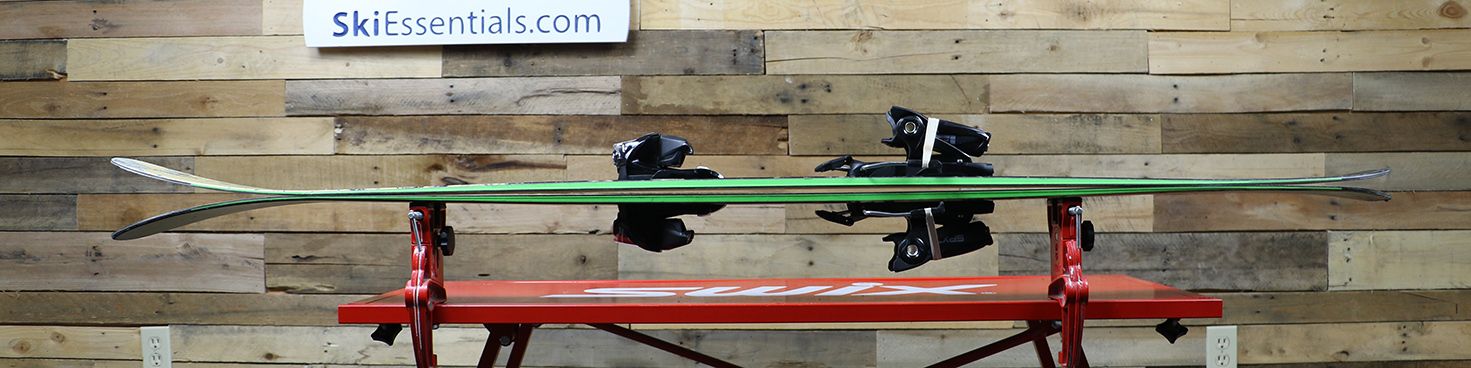
ROCKER PROFILE

Rocker / Camber / Rocker
CORE MATERIALS
Double LCT Visco, Diago Fiber, Damp Tech
PREFERRED TERRAIN



All Mountain, Powder, Big Mountain
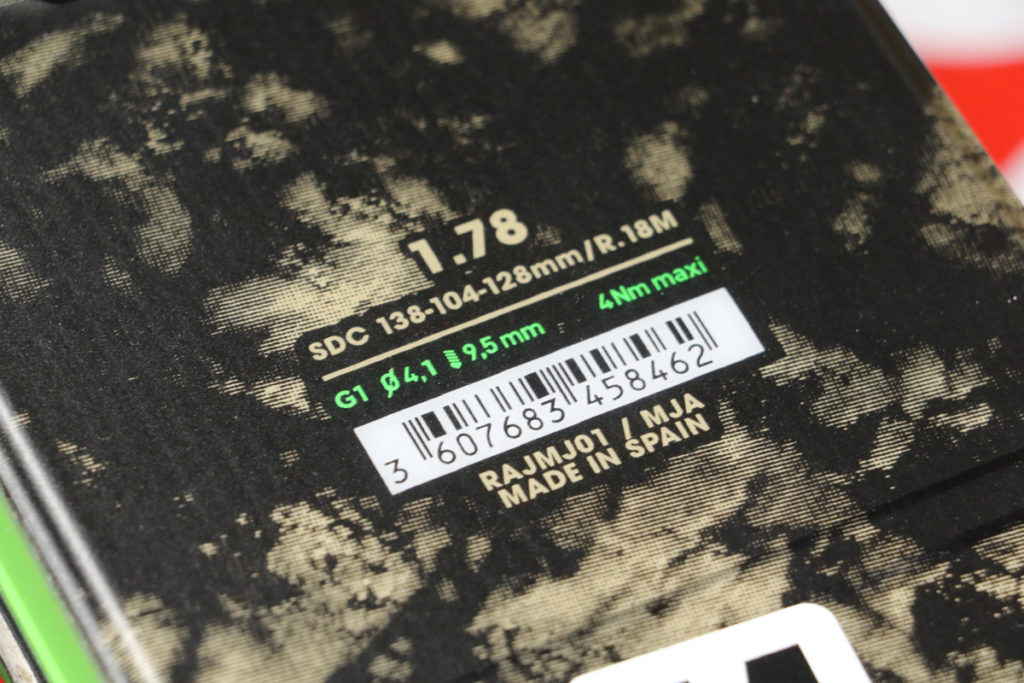
Brian Cooke skied the 186 cm length, which is the longest available length for the Sender and features a 106 mm waist width and 21 m turn radius. Brian also tested the Sender Ti, and it was interesting to see how his scores and feedback differed from the heavier, stiffer ski. Interestingly, his scores didn’t drop as much as you might expect. Stability fell from 5 out of 5 to 4 out of 5 and the same is true with torsional stiffness/edge grip, but 4 out of 5 scores for those criteria are still impressive. All his other scores were relatively consistent across the board between the two, and indicator that if anything, the two skis are more similar than different. “It's light enough plus it can handle variable conditions. I'd rather have the Sender Ti version for harder days, but this was fun for soft snow and spring conditions. It was very stable, light and playful. Not quite as snappy as the Ti version, but I could see a lot of smaller or less aggressive all-mountain skiers happy on this ski. Plus, with so many people getting into some touring, this would make a decent 50/50 ski in the same vein as QSTs.” We think Brian hit the nail on the head with his assessment of the Sender and Sender Ti. It’s noticeably lighter than the Sender Ti, which makes it a far better choice for a 50/50 resort/AT ski. It’s also important to highlight the fact that Brian still described it as “very stable” so it’s not like moving from the Sender Ti to the Sender means you completely lose necessary stability. The Sender is still a strong ski.
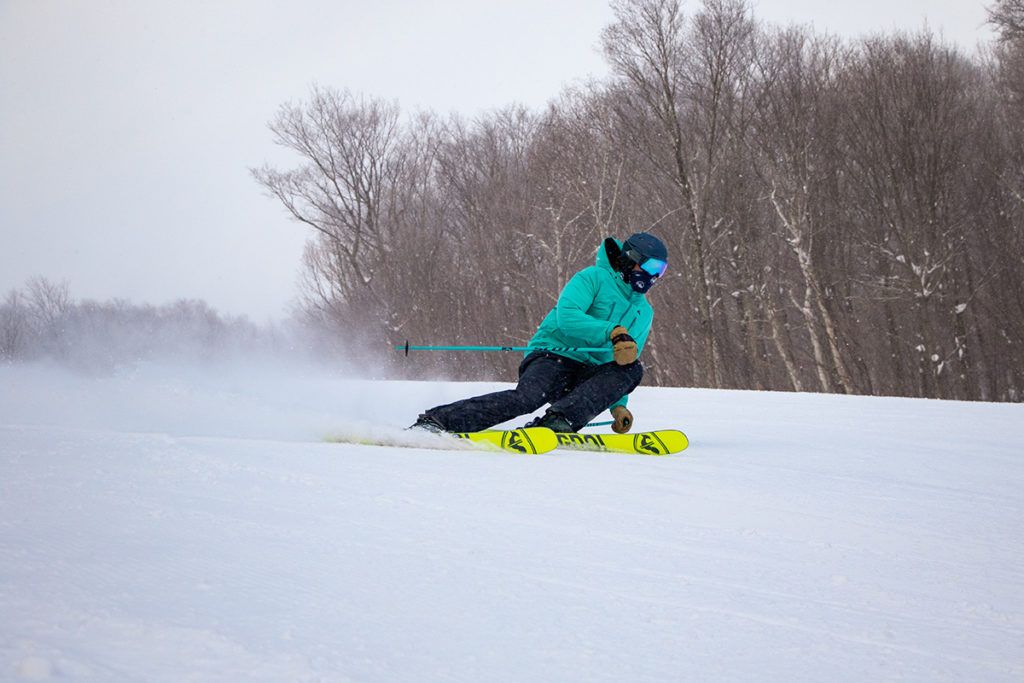



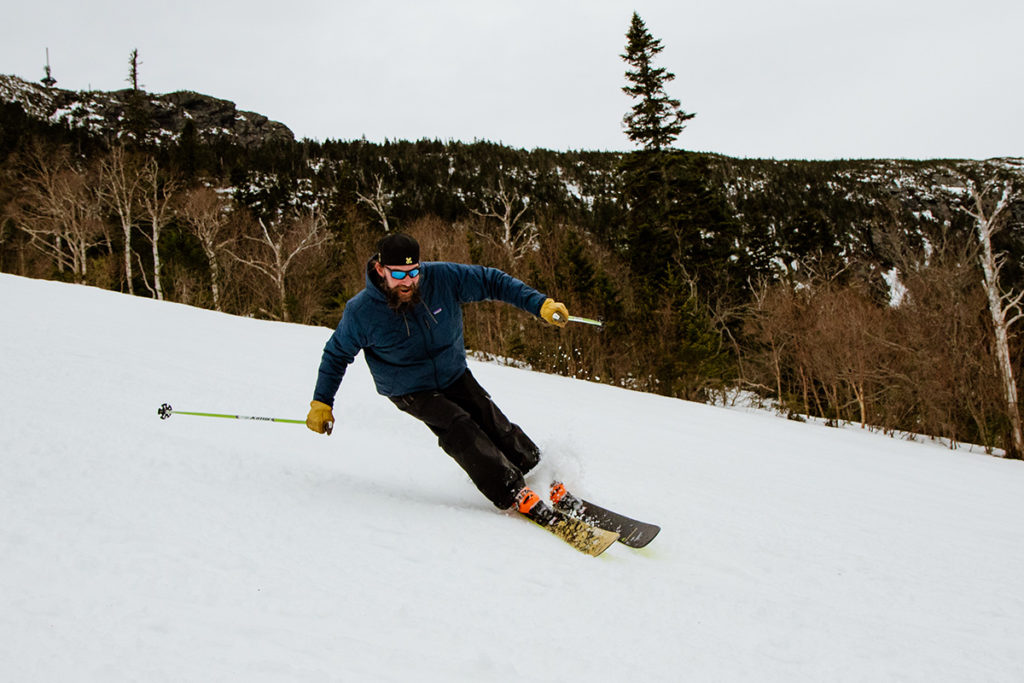
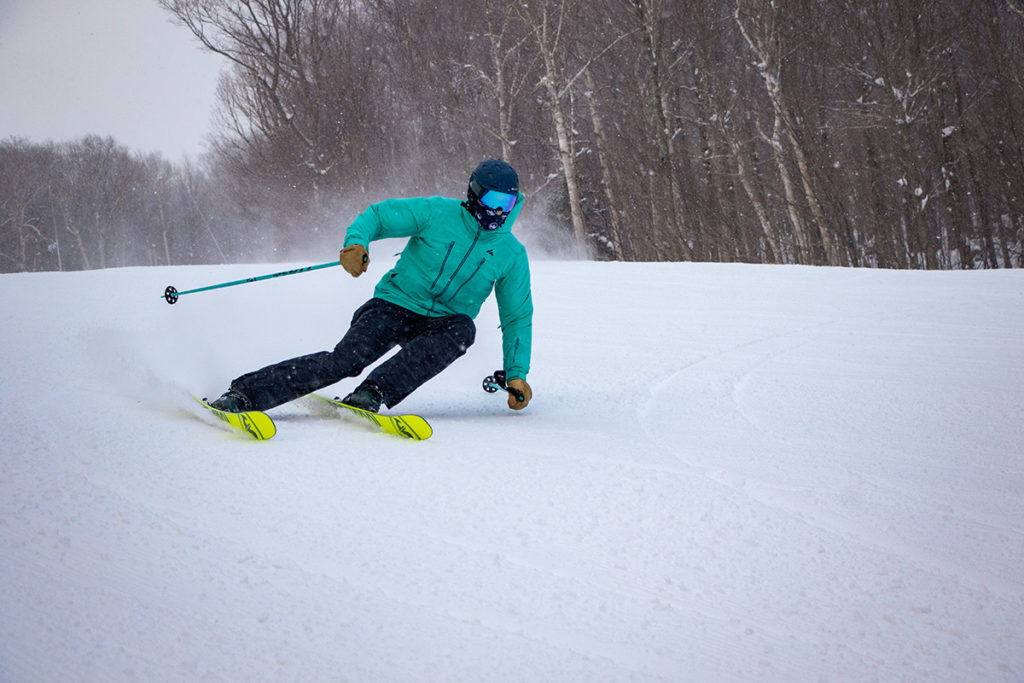

Reuben Jalbert had a similar reation to the Sender. He also skied the 186 cm, which he described as “just right.” We got two full 5 out of 5 scores from Reuben for quickness/maneuverability and overall impression, with the rest of our criteria receiving solid 4 out of 5 scores. “Smooth, stable, and all-around tons of fun. As a lighter skier (~155 lbs) the 186 had enough "ski" to feel perfectly stable, but was still light and soft enough for me to really flex on shorter turns. I had no fear taking this length through some tighter trees and they were maneuverable enough for some top to bottom bump lines. A great all-mountain option for lighter, but aggressive skiers.” While the Sender Ti can feel like a burly big mountain ski, the Sender feels a lot more versatile. It’s far easier to wiggle through tight trees and overall is a less fatiguing ski that feels a little more playful. What’s really cool about it is you still get plenty of power for most skiers.
We understand that a lot of skiers gravitate towards the “best” or “most powerful” ski in a collection, but with the Sender and Sender Ti, that might not be the best method for selecting your ski. We like to think of the Sender Ti as more of a big mountain, hard-charging, Freeride World Tour type of ski. Sure, it can be used around the rest of the mountain too, but it’s more demanding. The Sender is going to be a better option for most skiers out there. I think a good way to think about it is if you’re not sure if you need the extra power of the Sender Ti, you probably don’t.