

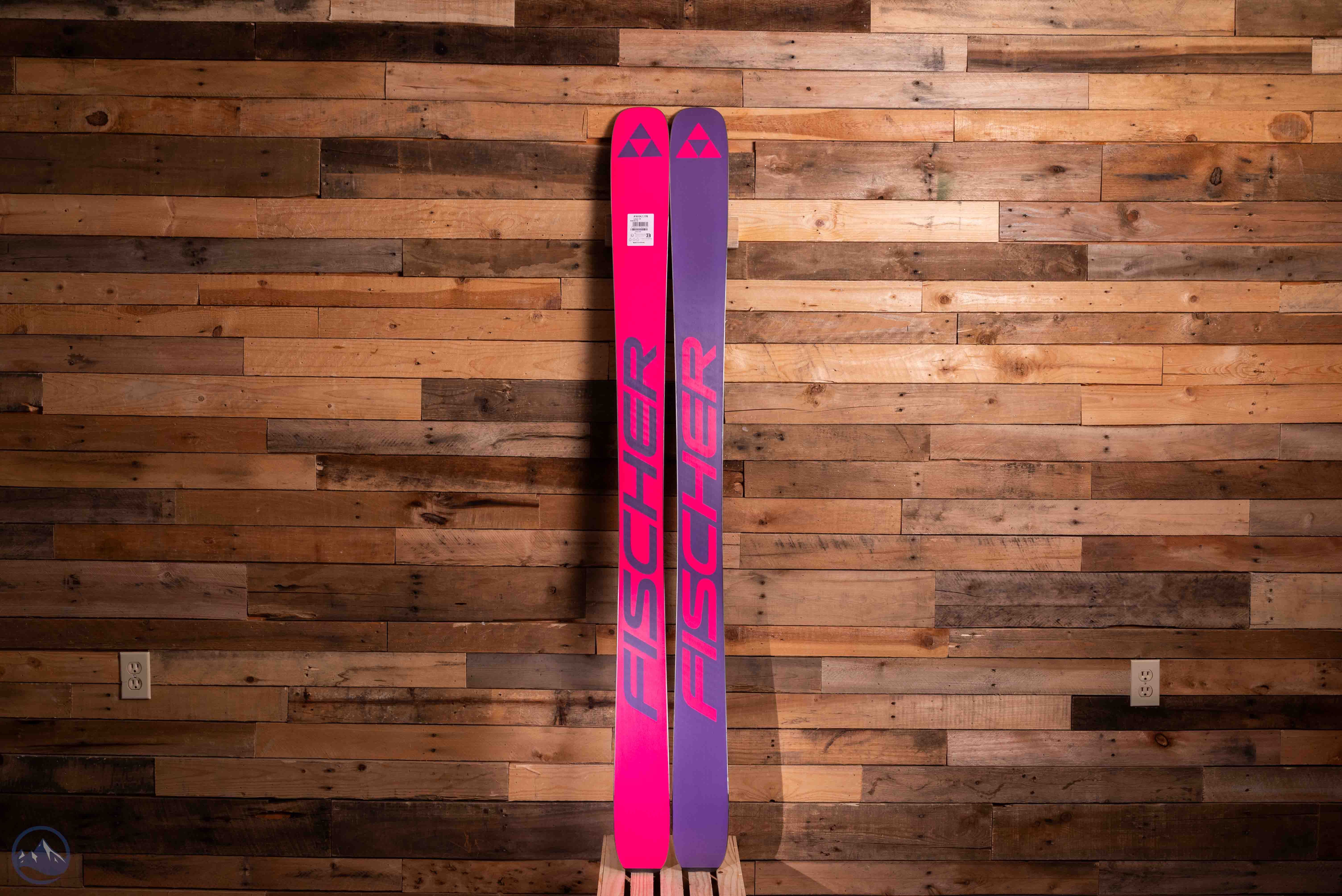
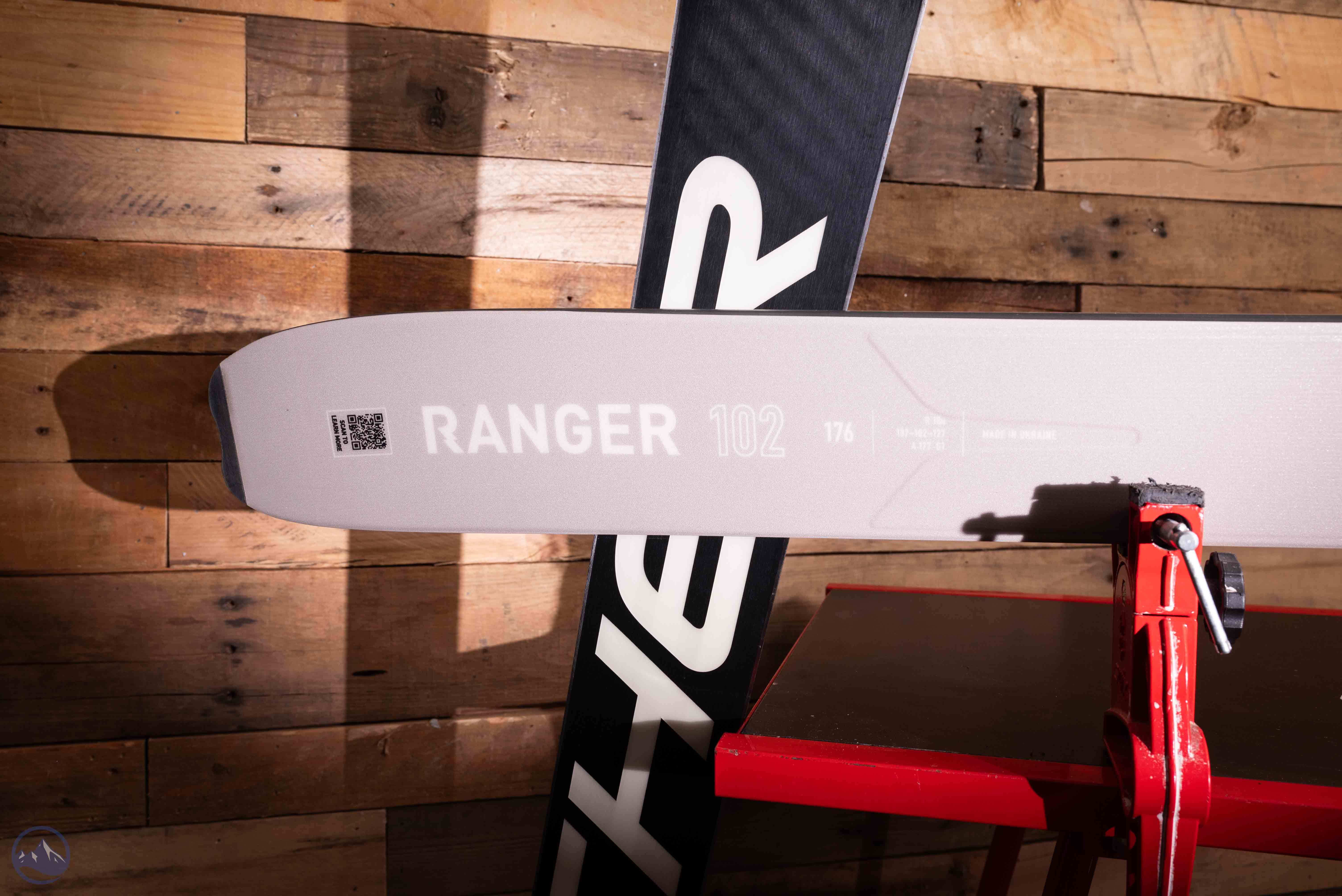
2026 Fischer Ranger 102



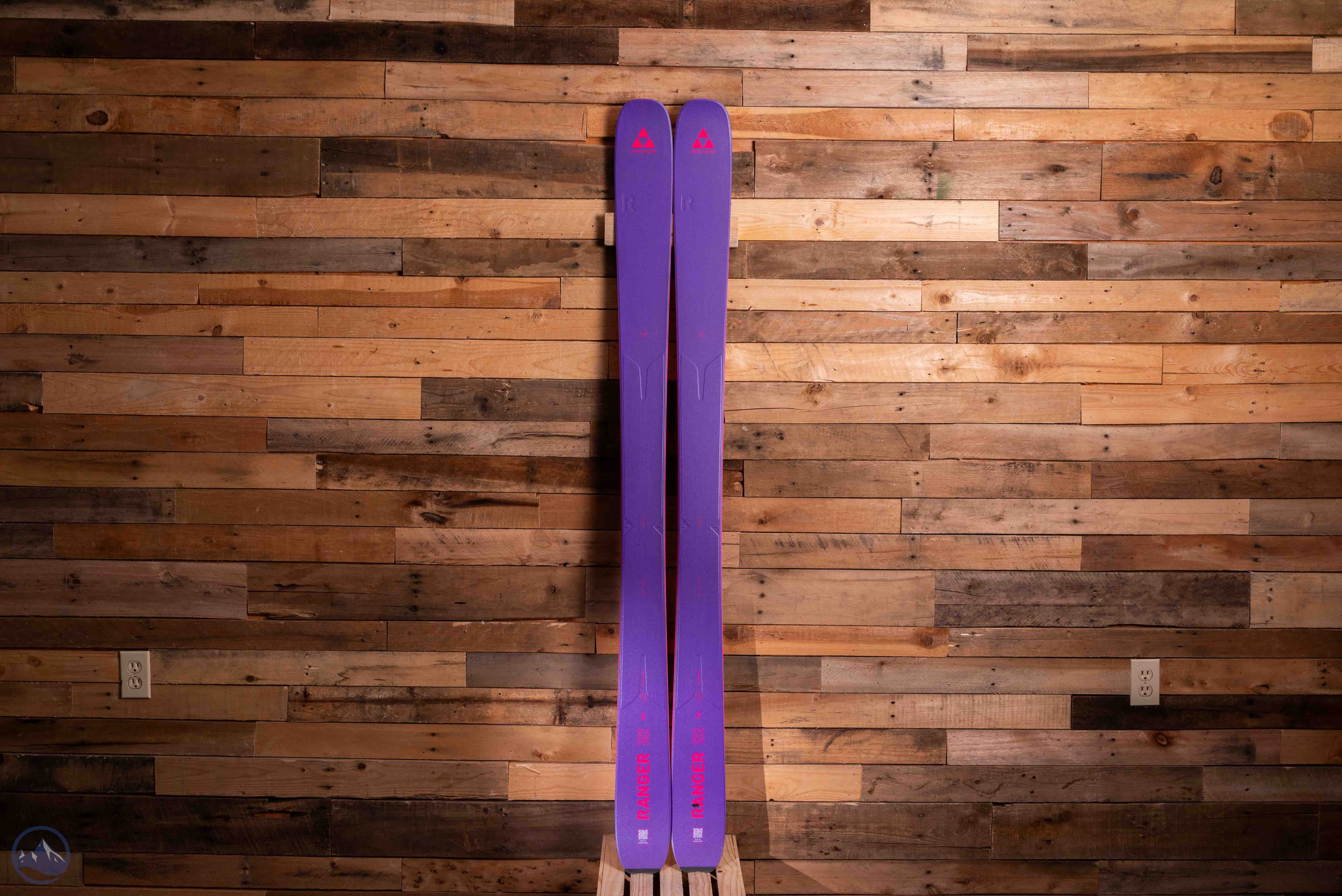
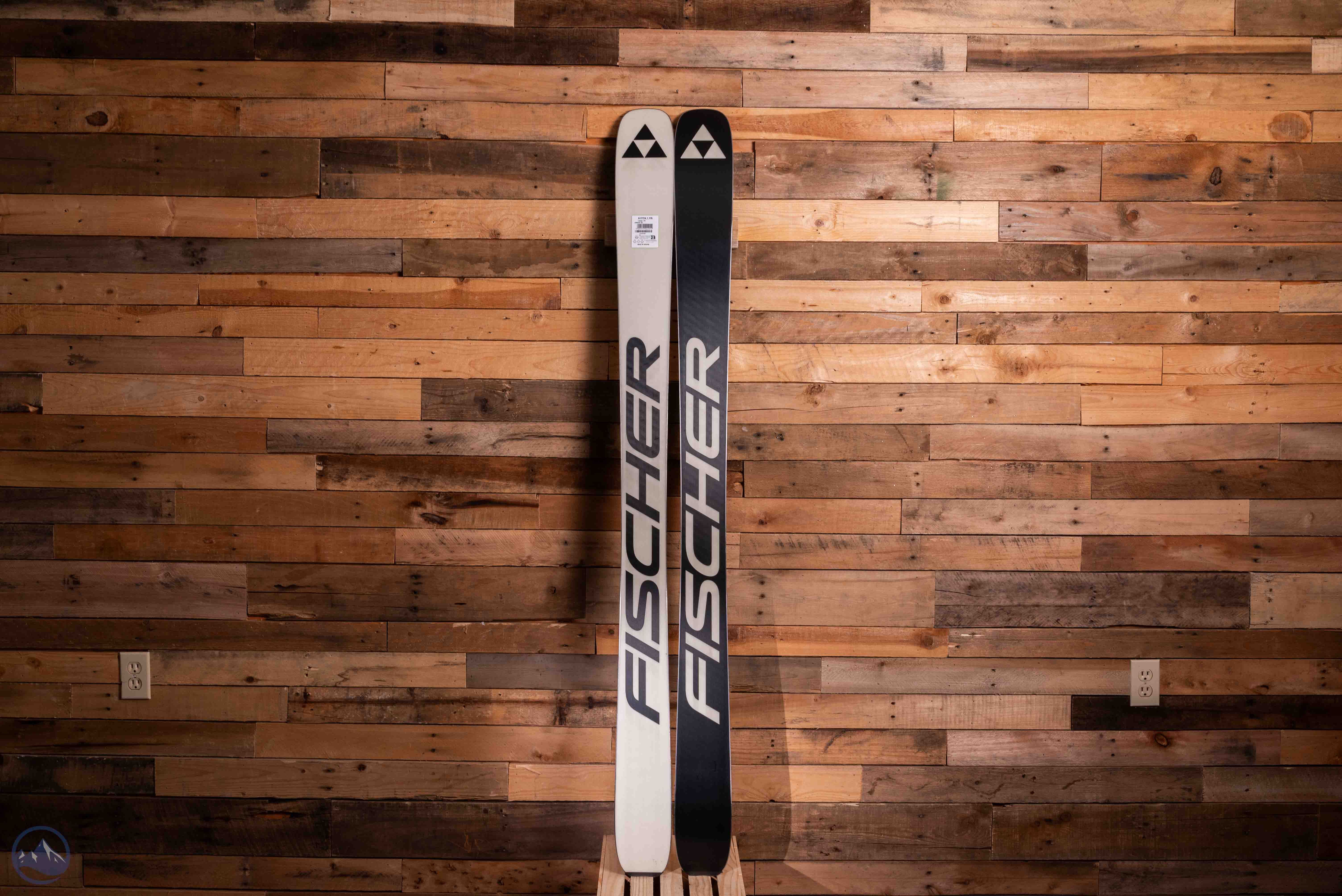
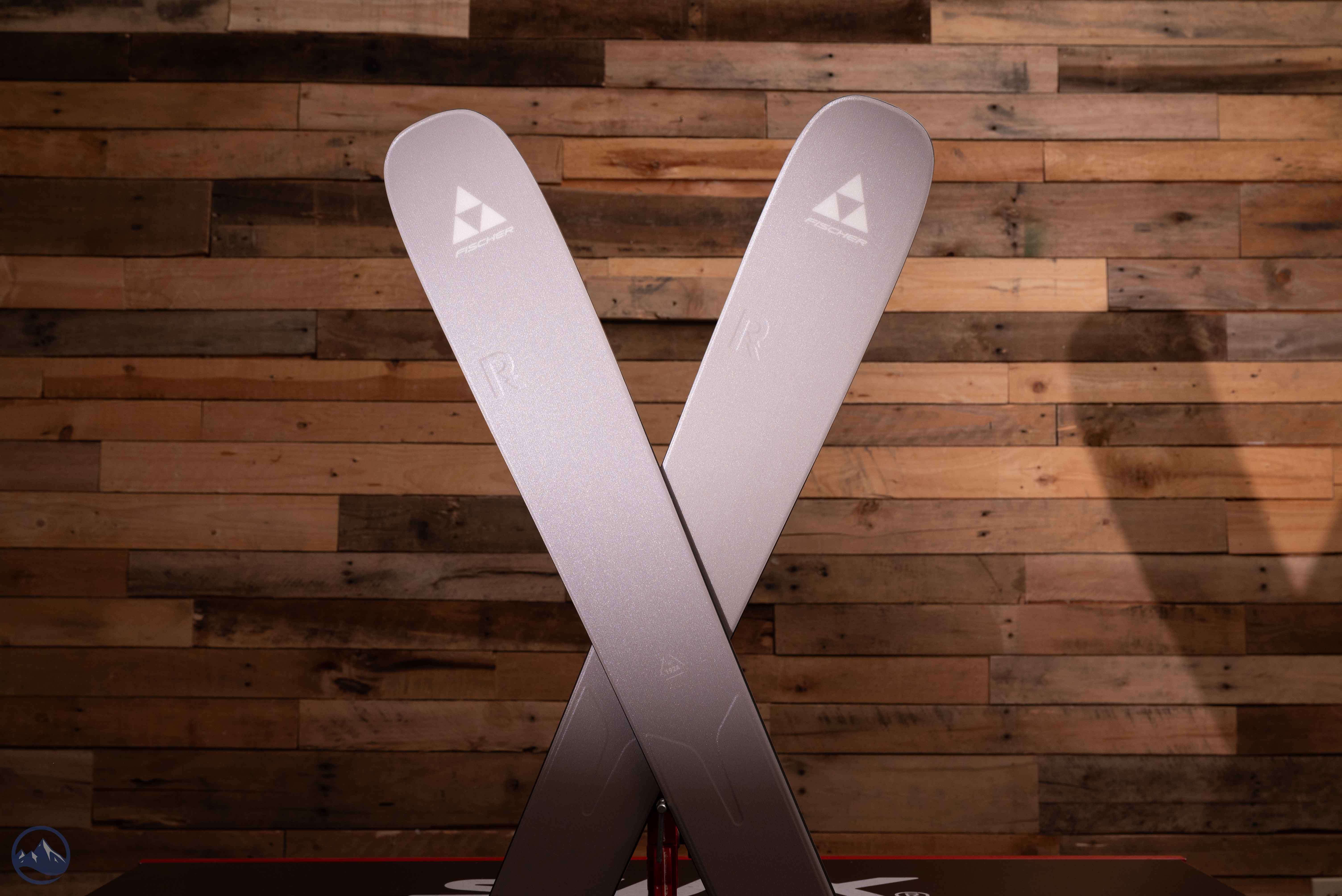
As a carryover model for 2026, the Fischer Ranger 102 returns as a well-rounded freeride ski for softer snow applications. While the 102 is getting a bit wide for pure all-mountain use, it settles nicely to the softer snow zones around the mountain. Due to the weight and the strength needed to make this ski turn, it’s better suited to advanced and expert skiers who are looking to spend most of their time either in, or in search of, soft and deep snow. Versatility is the standout characteristic here, as the 102 is totally happy both on and off-trail. For how well it floats, it’s amazing how well it carves.
- Recommended terrain
- All-Mountain, Freeride, Powder
- Ability level
- Advanced, Expert
- Rocker profile
- Rocker/Camber/Rocker · Fischer Freeski Rocker
- Construction
- Poplar/Beech Wood Core, Titanal, Sintered Base
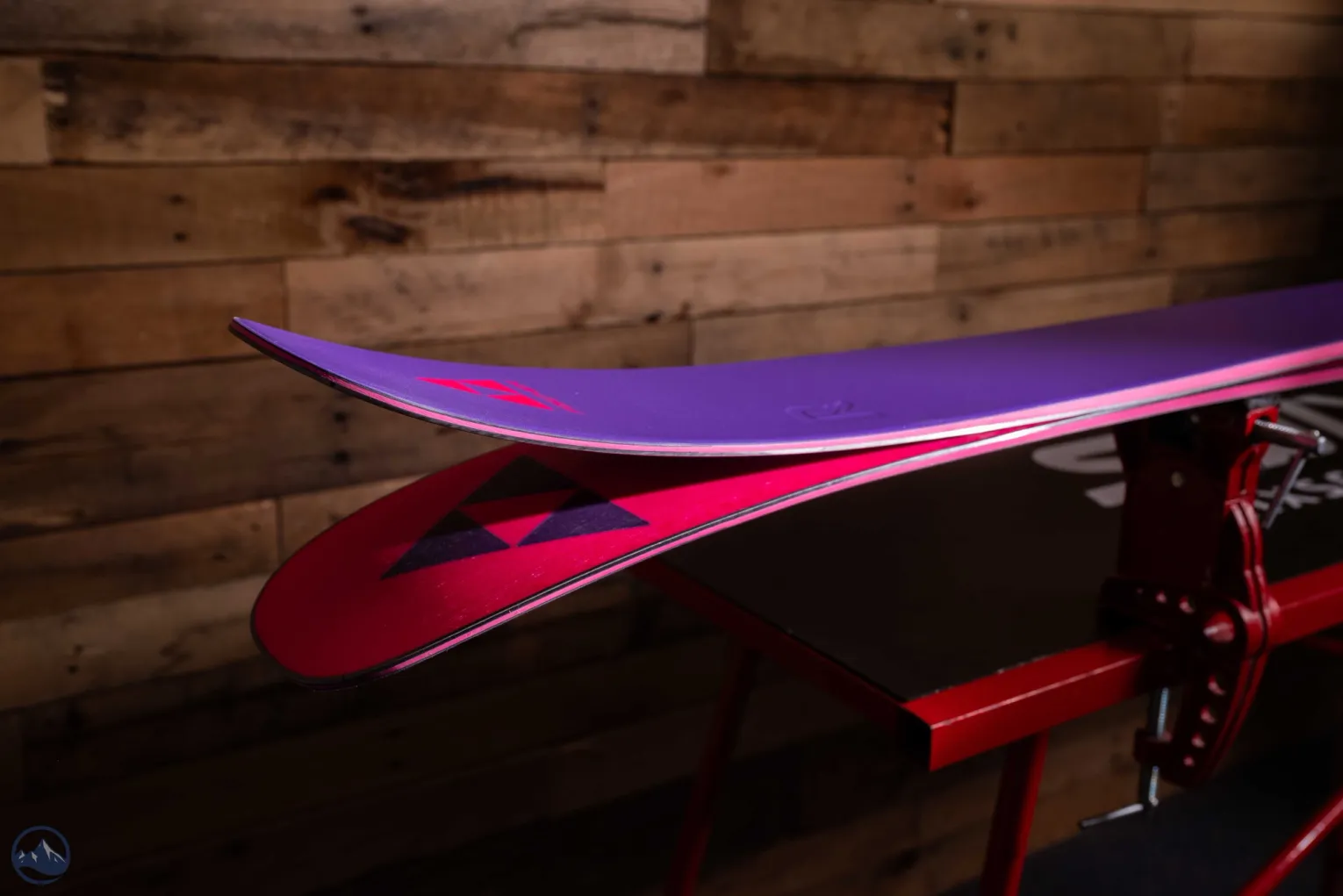
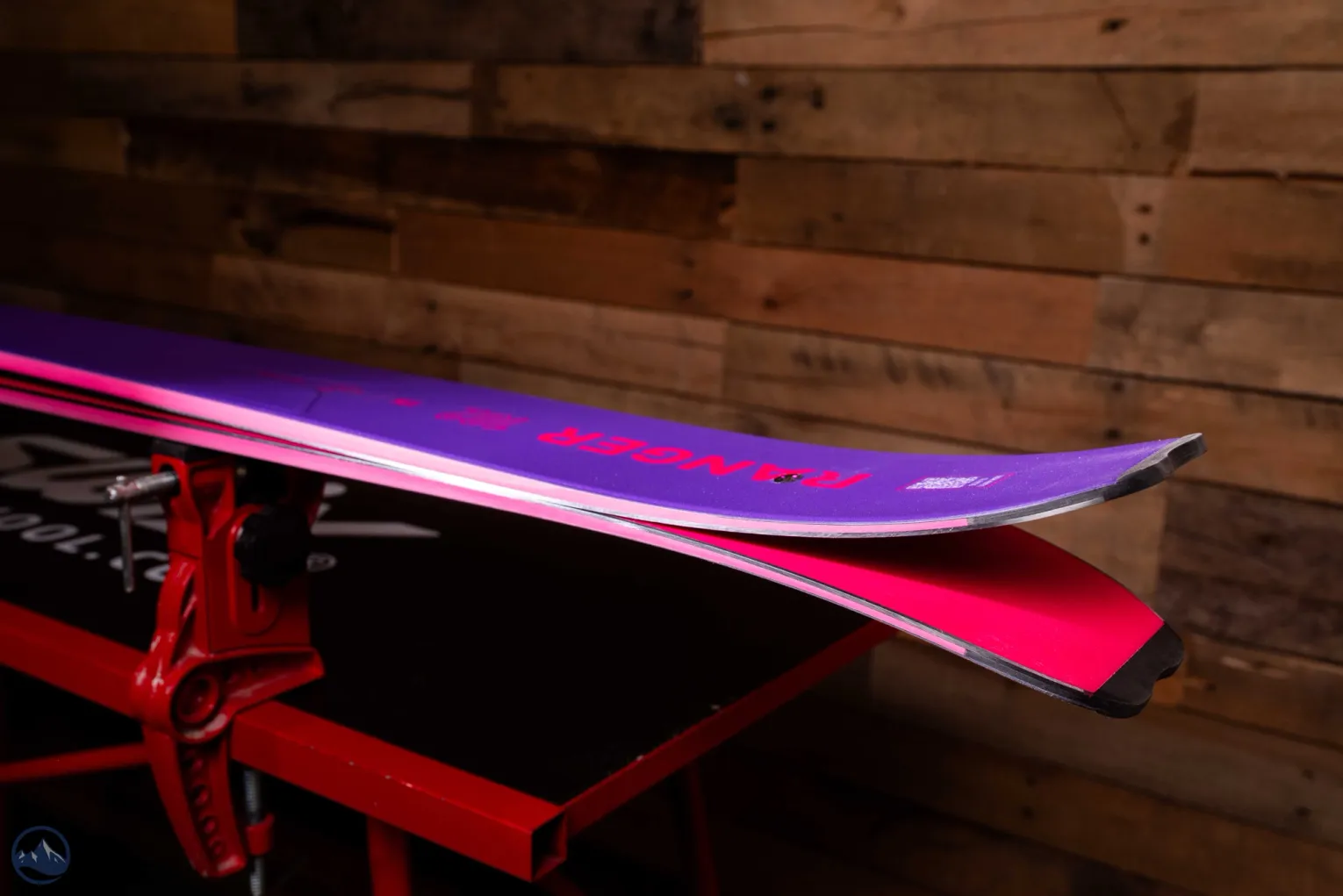
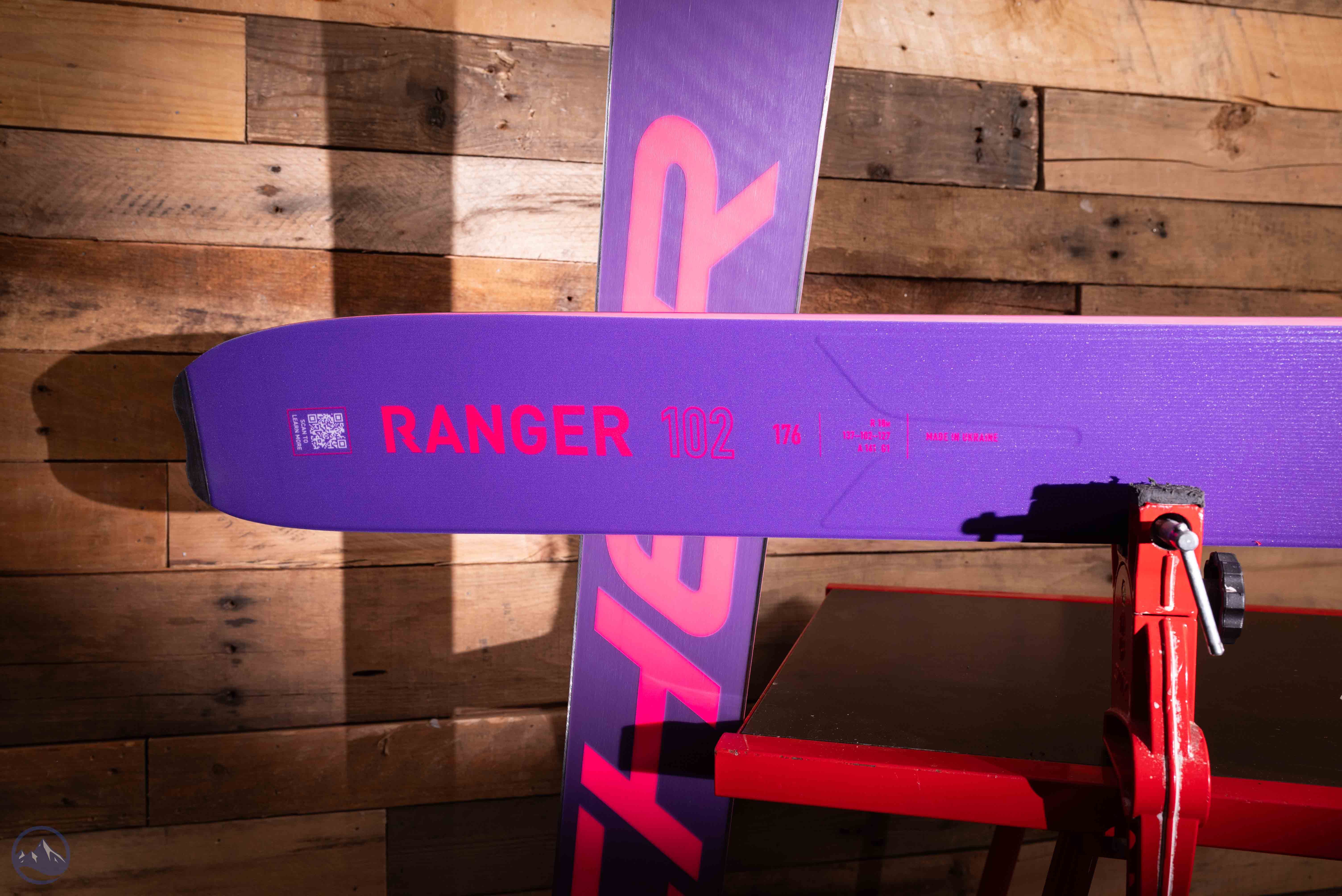
Fischer steps up the build here in the 102 with a blend of sturdy woods. Built with a mix of poplar and beech in the wood core, the ski gets a nice combination of light weight, high energy, and sturdiness. The poplar tends to be a bit lighter and more poppy while the beech adds to the density and dampness of the ski. They don’t stop there with damping, though, thanks to the implementation of their Shaped Ti 0.5mm titanal laminate. In the 102, the metal is mostly full width underfoot, and it tapers in the central portion while remaining longer in the arms over the edges. This gives the ski a damp feeling underfoot with some confident grip while the forebody, shovel, and tails all remain more flexible and floatier for softer snow. In the middle of the ski, Fischer’s Flex-Cut notches in from the sides to create a V-shape that increases the consistency and roundness of the flex. In the 183, the ski weighs 2050 grams, putting it in the slightly heavy category, but the lightness of the swing weight balances it quite effectively. Megan Papineau notes that “So once I realized you really have to engage the front of the boot the ski gets up on edge aggressively but is still so playful and bouncy!”
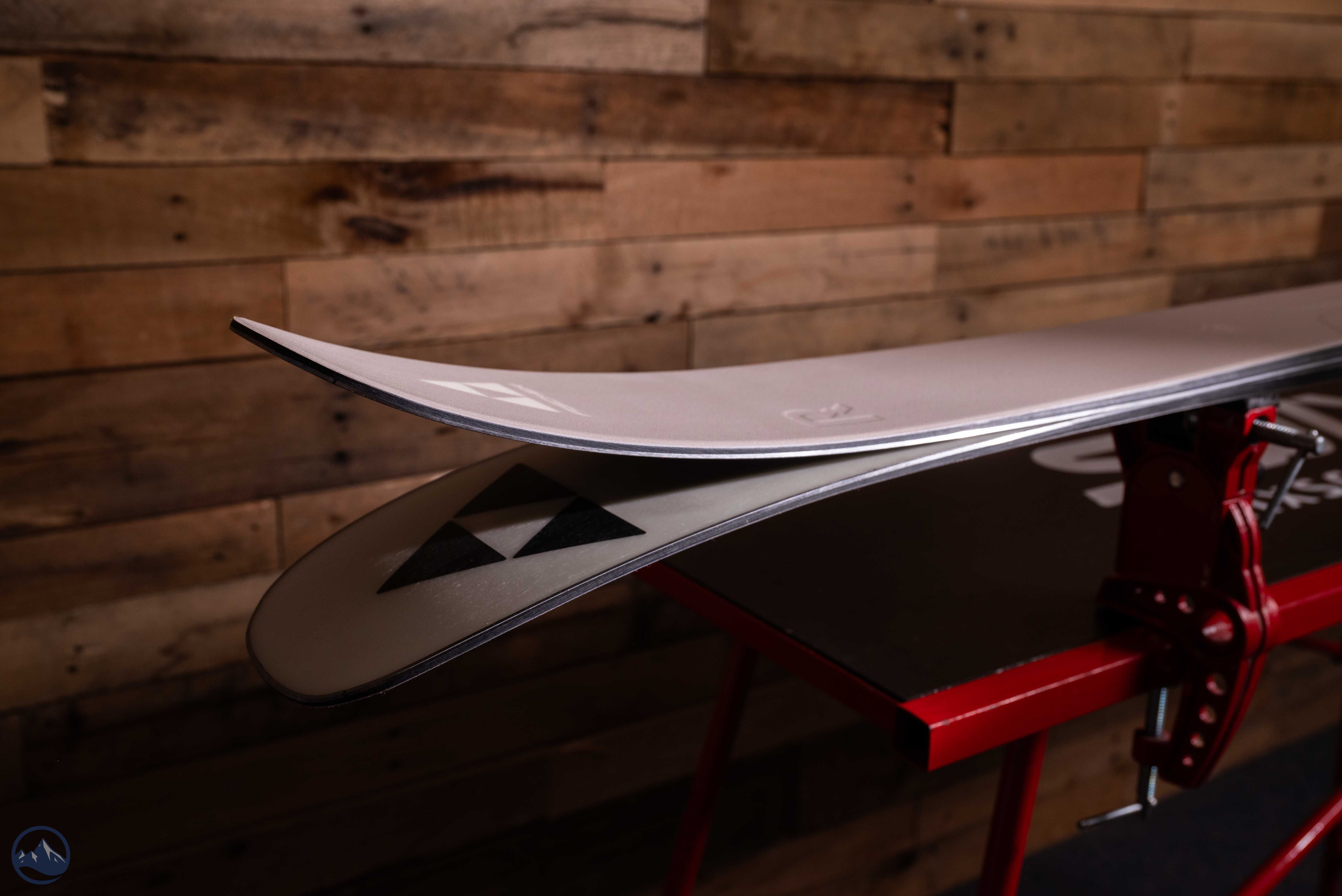
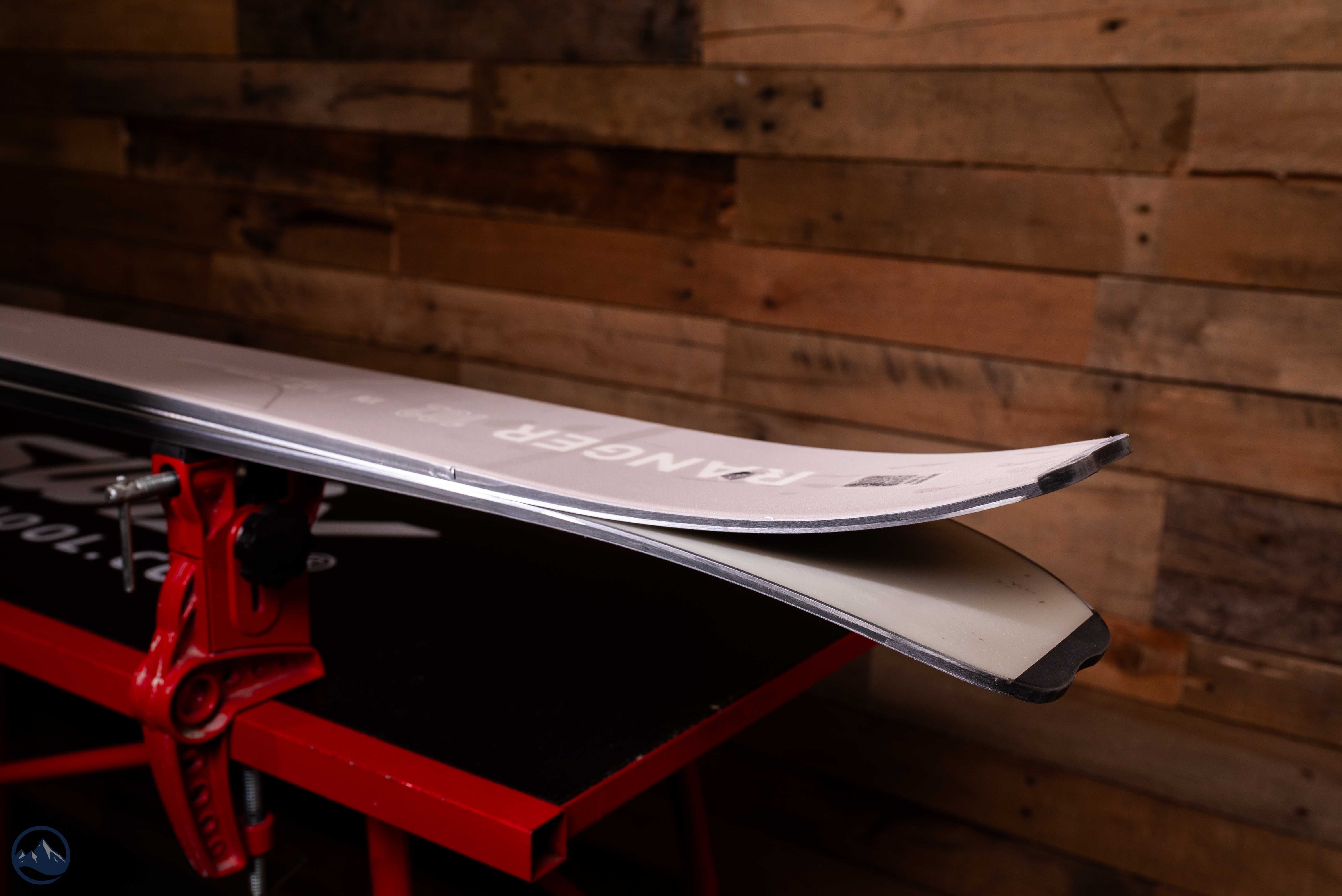
 The Rocker / Camber / Rocker profile of the 2026 Fischer Ranger 102
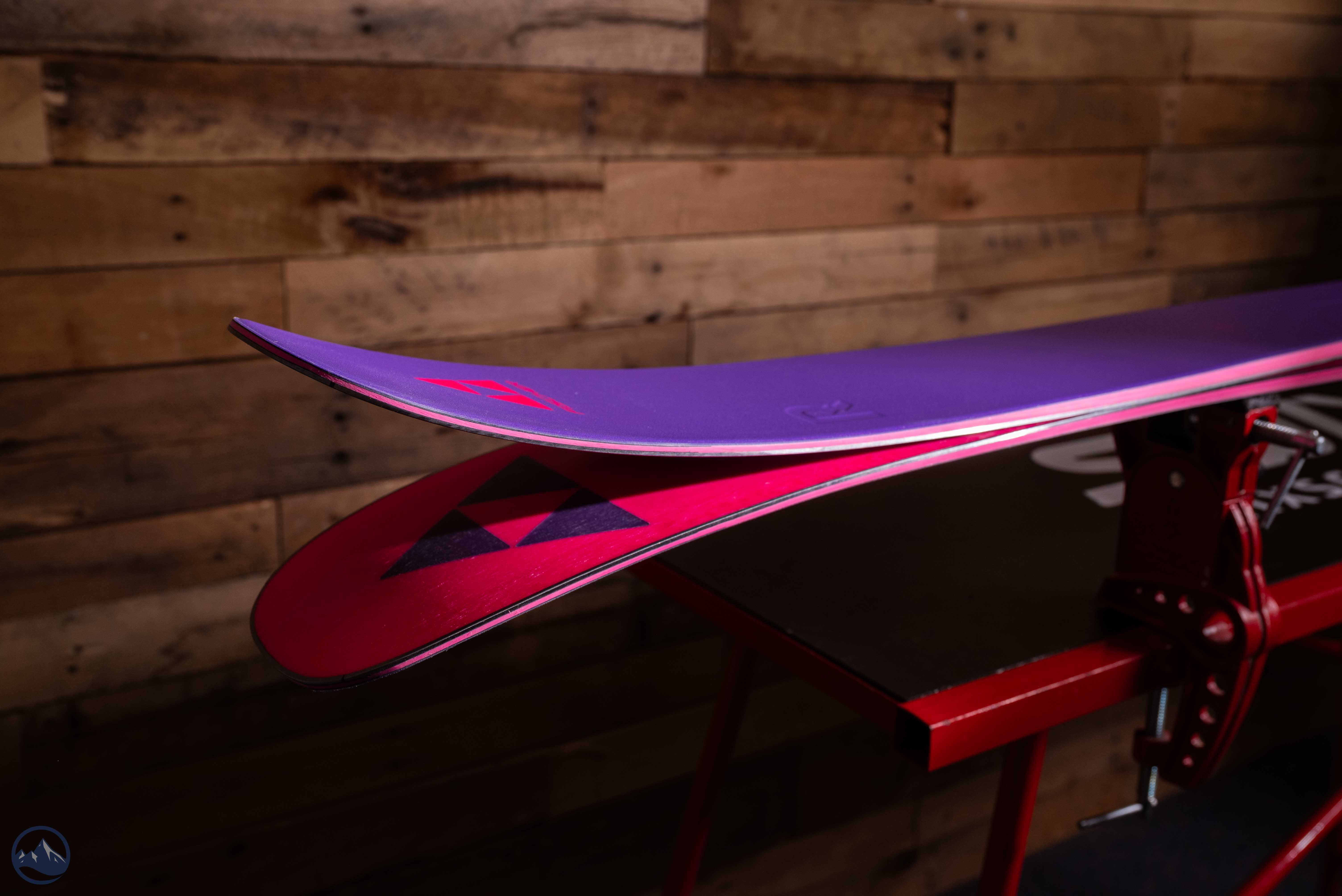
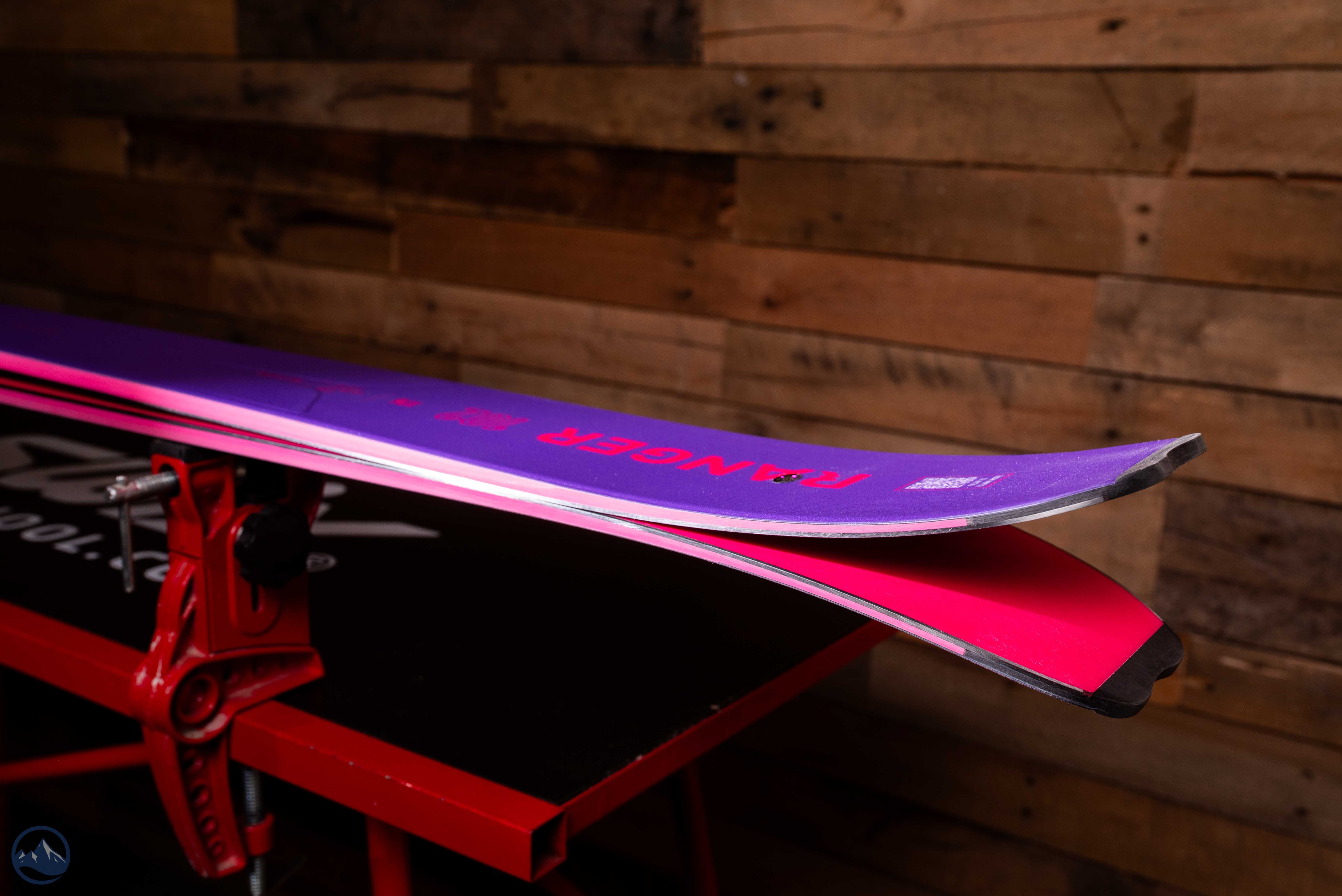
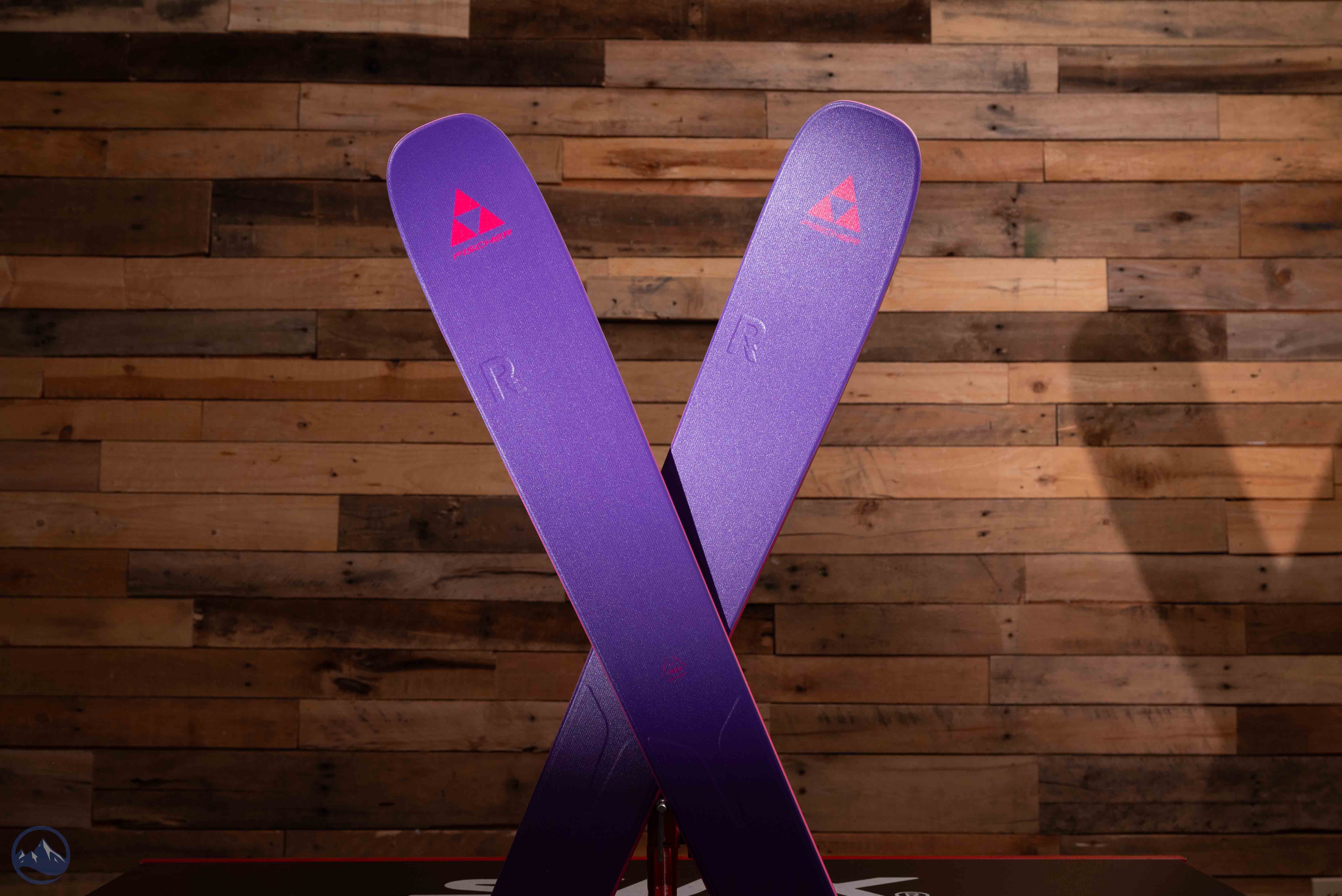
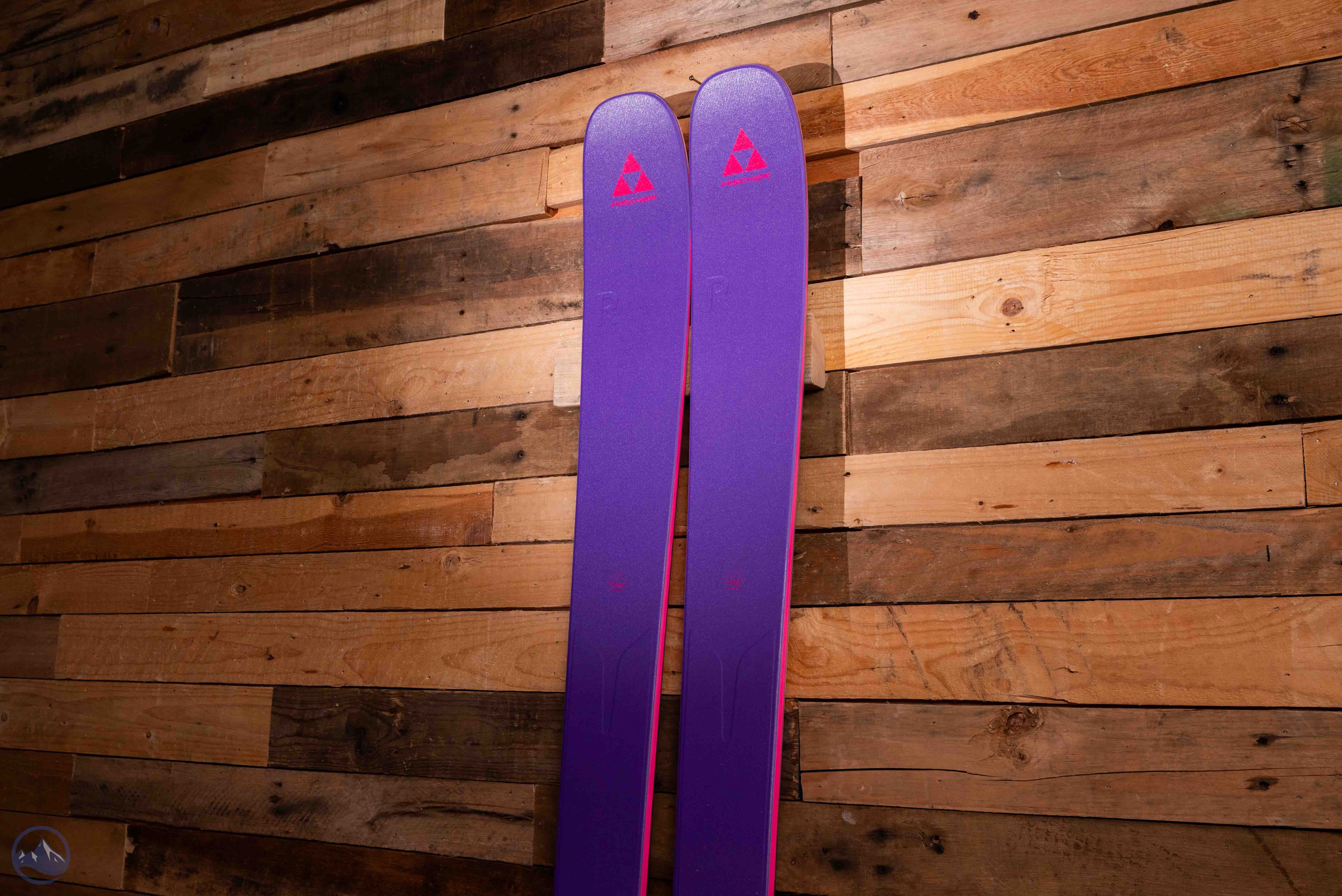
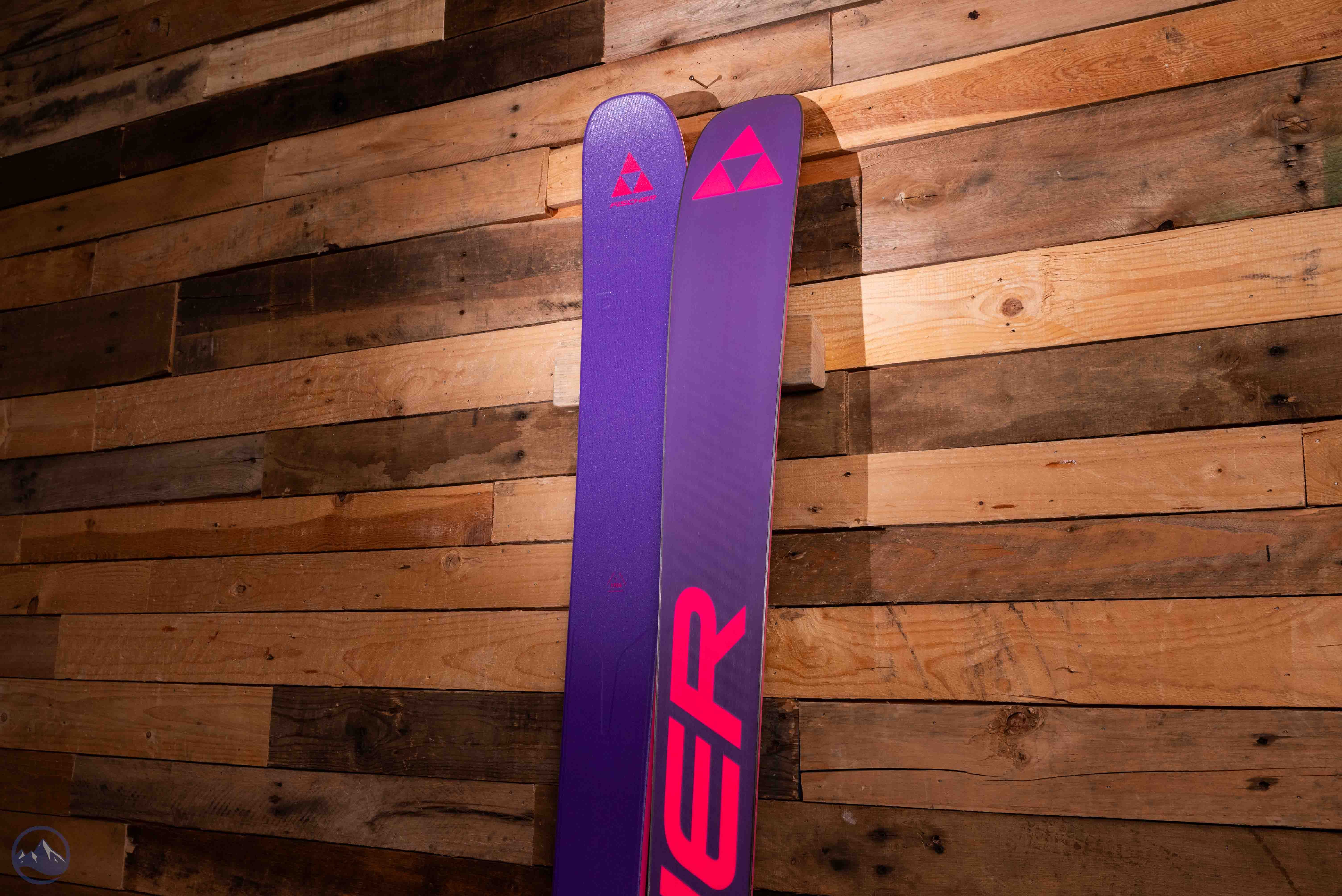
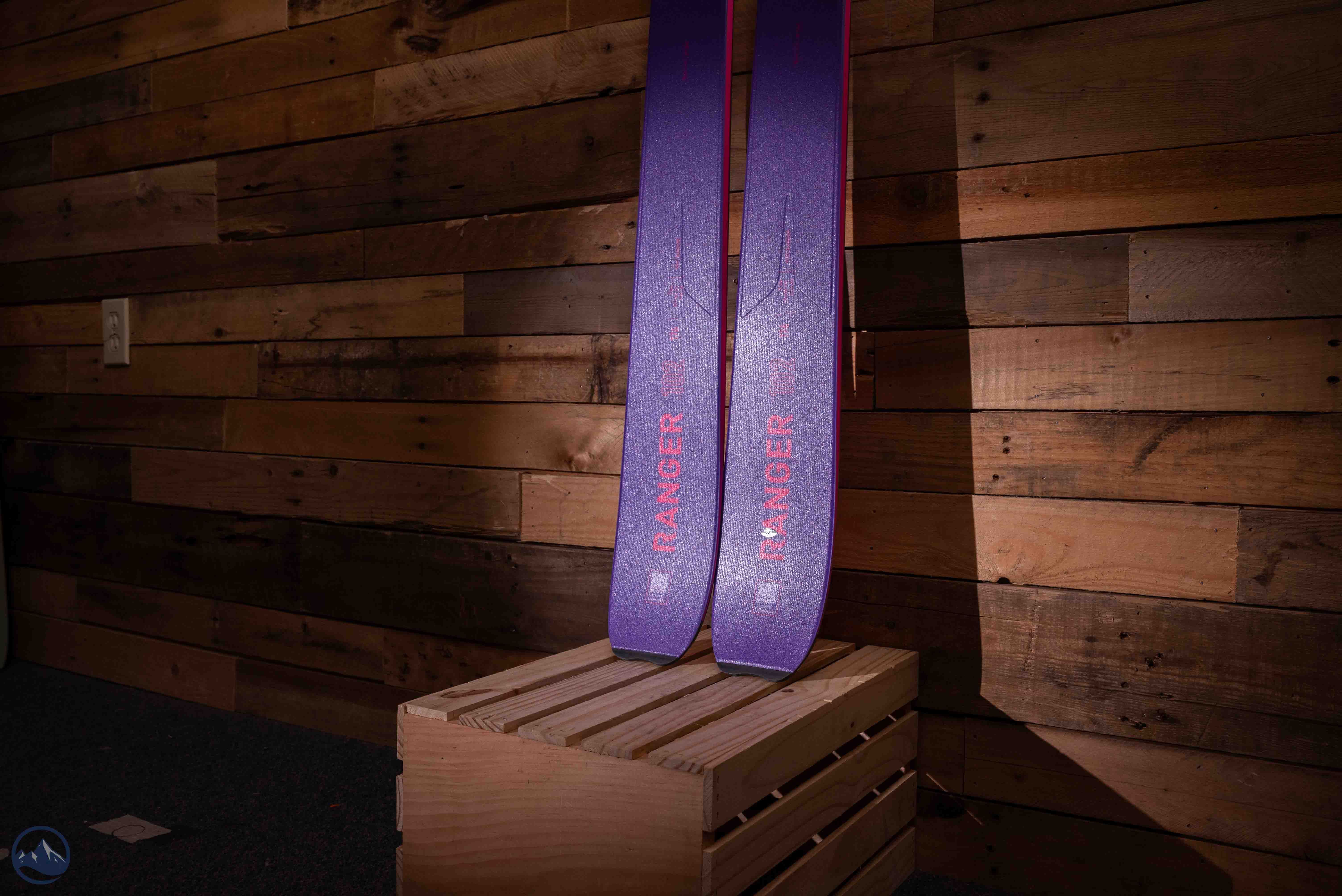
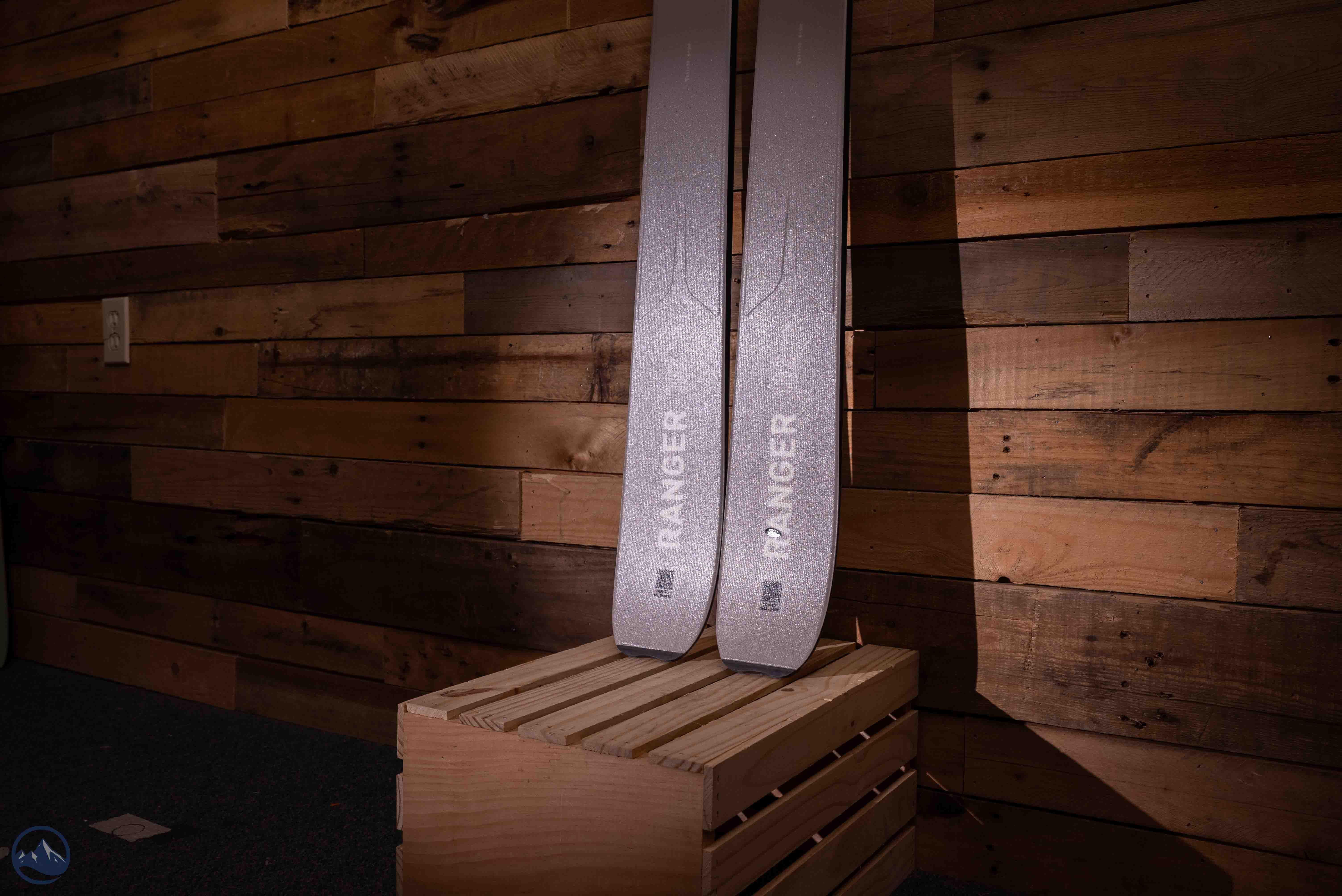
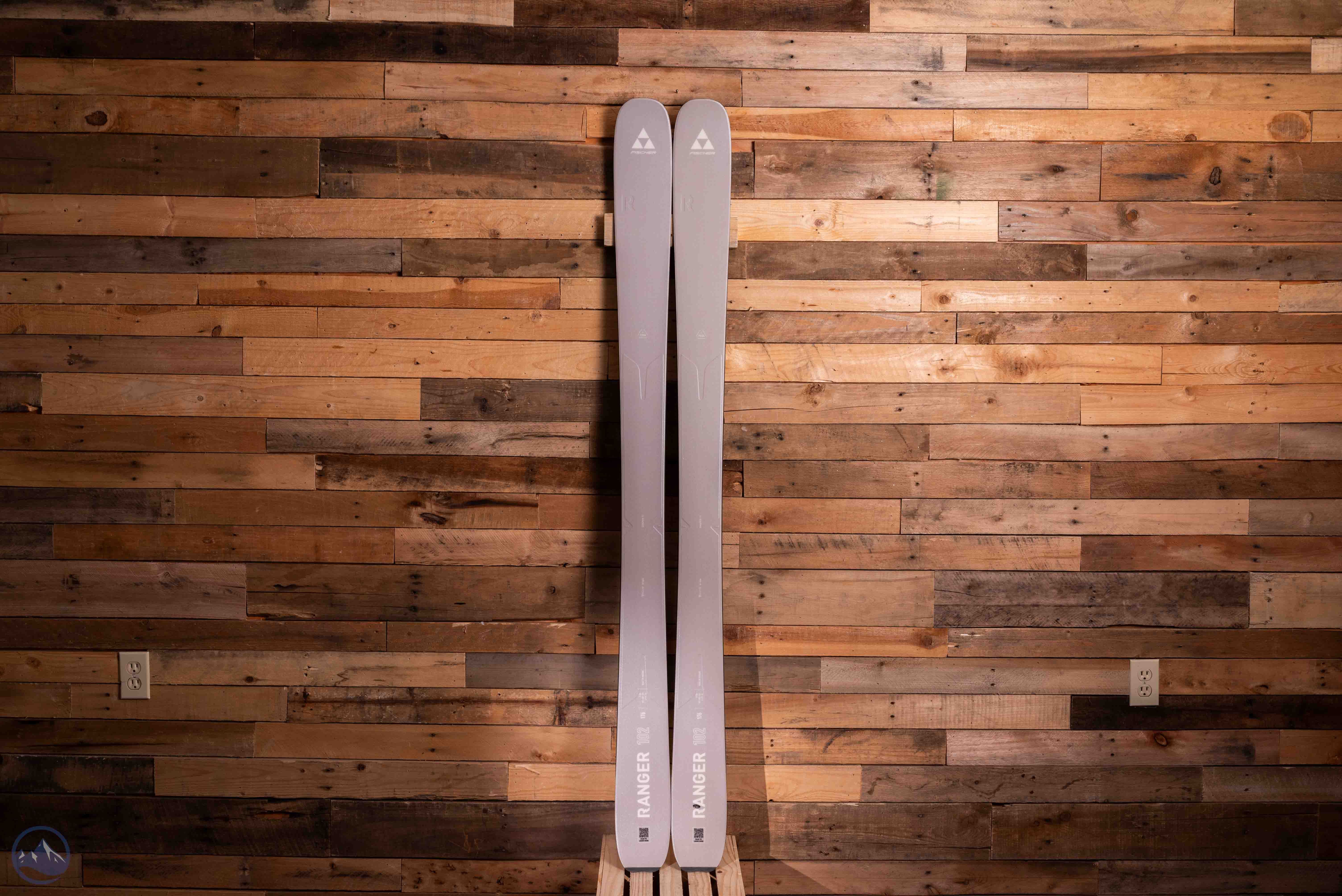
102 is a great place to be for various conditions and terrain. In addition, blending the build with the shape is one of Fischer’s best attributes. The fact that the metal does not extend to the tips and tails allows for the ski to feel a bit lighter, so it’s tough to talk about shape without bringing the build back into the conversation. Regardless, the ski has a spoonier shape in the shovel and more of a traditional look in the tail. The 103 mm waist in the 183 uses a 138 mm tip and a 128 mm tail to create a 19-meter turn radius. For a ski this wide, that makes a lot of sense and allows the skier to have more input as to the shape and duration of the turn. The idea is to spend more time in softer snow, so this aligns well with that footprint. There’s dramatic splay in the tips and tails that make it float well for the width, and the tail almost has that twin tip quality that affords creative skiing bordering on freestyle intent. These shaping intricacies lead the Ranger 102 to be one of the more well-rounded and far-reaching skis out there in terms of overall soft snow application, and we’re all about it. Tester Eli Moskowitz states that “The Ranger is an easy ski to hop on and feel at home. I think it was a good all around ski, it did not have any standout features I but it was just a good all around ski.”
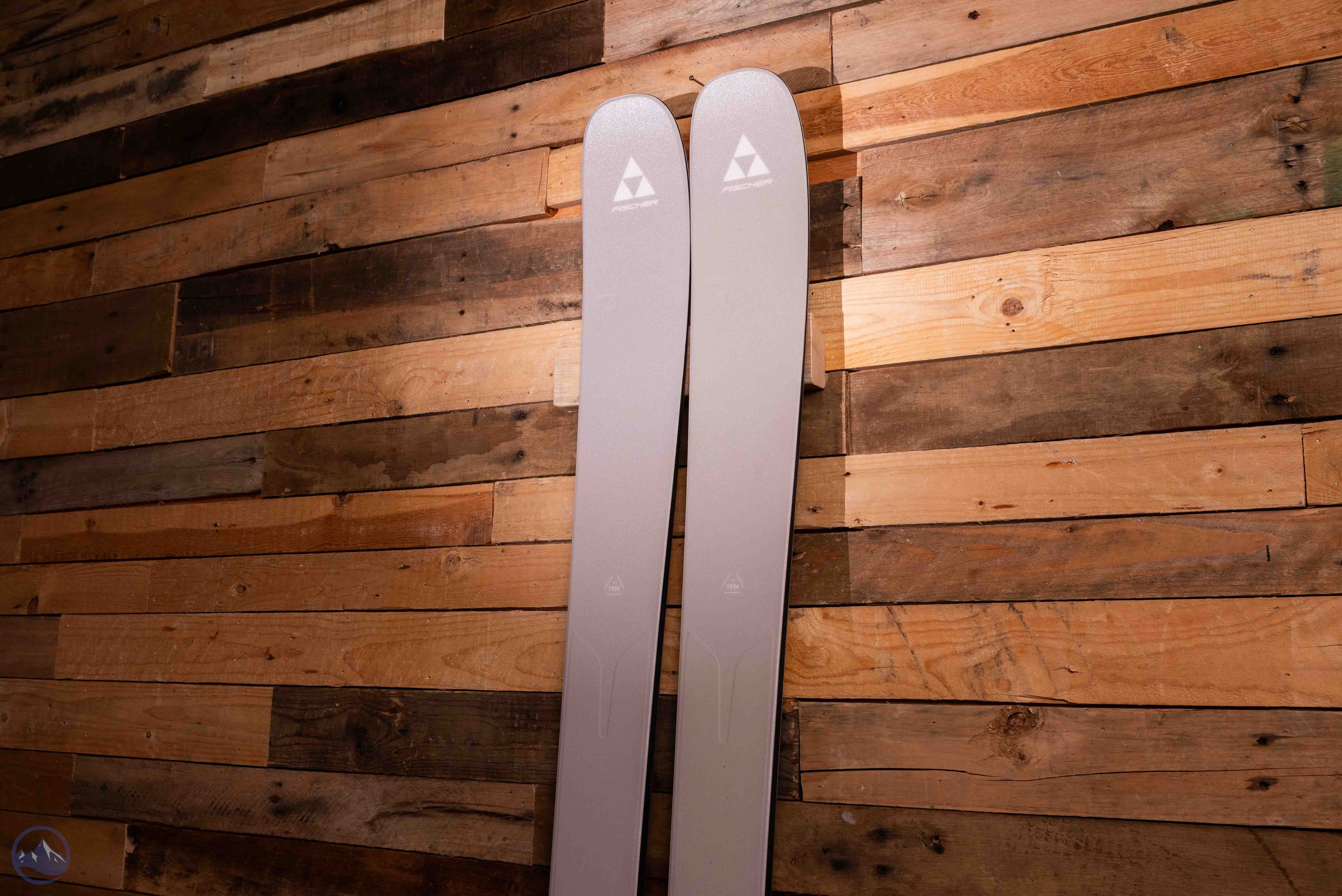
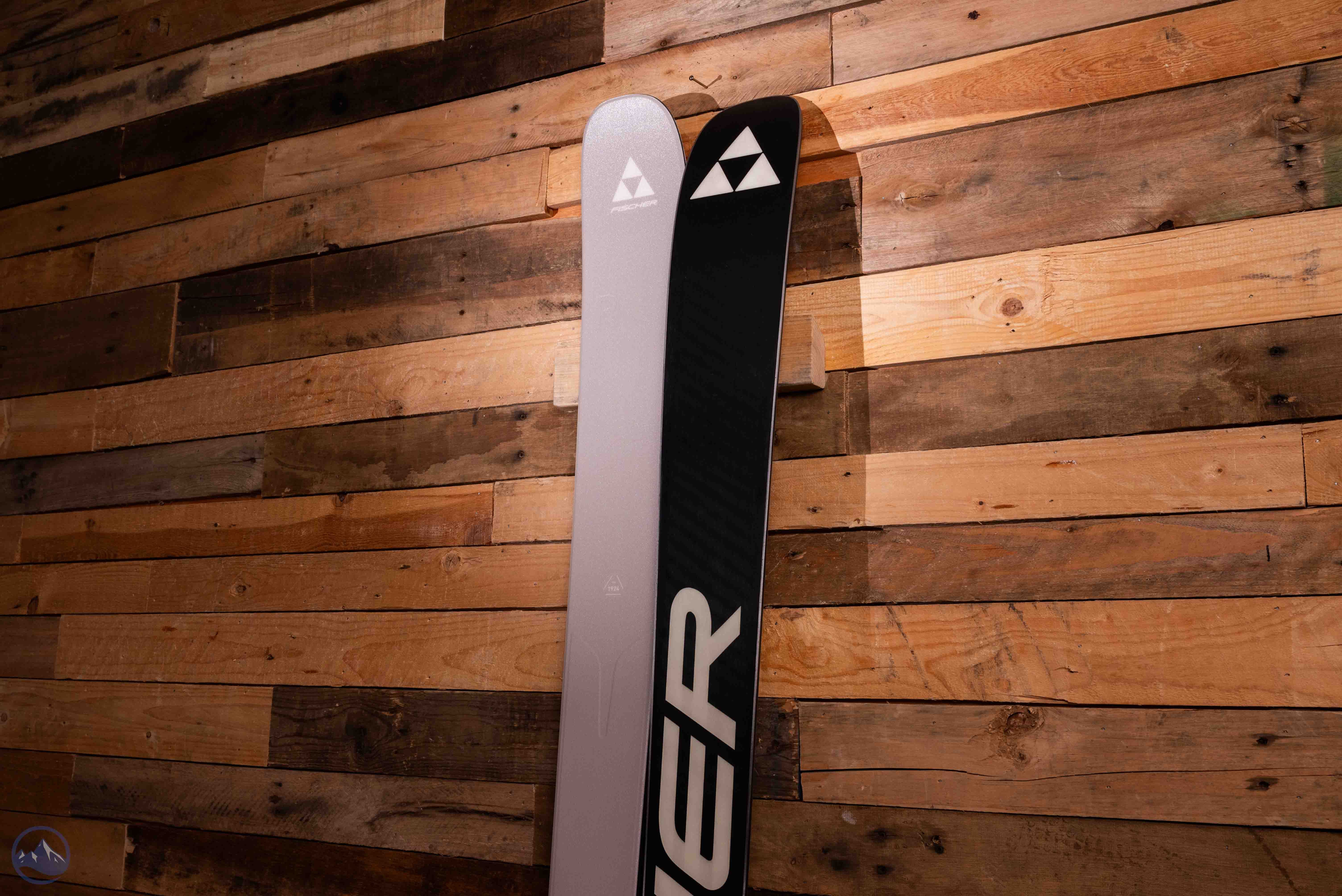
This 2026 Fischer Ranger 102 blurs a lot of lines. While it’s somewhat easy to turn in softer snow, the weight and the intent put this ski more squarely into the advanced and expert realm. More accurately, those skiers will be able to find the peak of this ski’s performance spectrum easier than a progressing intermediate looking for a wider all-mountain/freeride ski. We’ve found that it’s great in soft snow and open areas, allowing for fun-loving and playful skiing no matter what. With clean looks and variable character, this is a great option for advanced and expert freeride skiers.
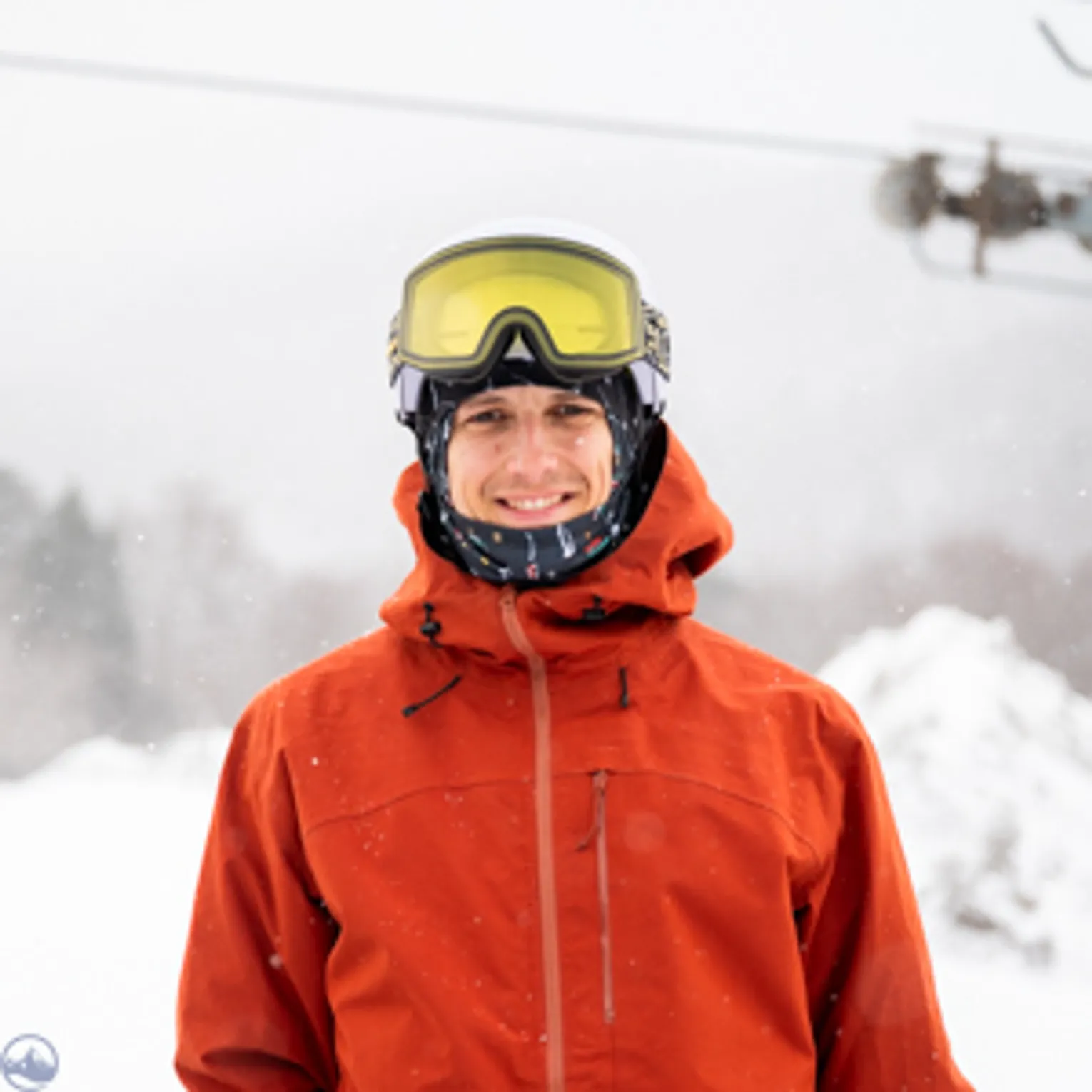
- Ability
- I'm A Pro
- Height
- 5'10"
- Weight
- 160
- Days / Year
- 100+
- Age
- 31
- Years Skiing
- 29




Explore More



