2021 VOLKL BLAZE 106 MEN'S AND WOMEN'S SKI REVIEW
Way back in October, we met with the product development team from Volkl to chat and preview the new 2021 Blaze collection. If you haven’t watched it, go back and check out our interview with Andi Mann, Lead Product Manager for all Volkl skis. In that video we talk a lot about what the goals were for developing these new skis, how they are built, and chat in depth about what sets them apart from other skis. As promised, we’re following up that introductory video with a full review of the widest Blaze for men and women, the Blaze 106.
To summarize, or if you haven’t watched the interview with Andi, these are designed to be lightweight, intuitive freeride skis. The Blaze 106 that we’re going to talk about here is replacing the 100Eight. Although it has a similar goal as that ski, its design, performance, and overall feel is quite different. Let’s take a moment to look at the shape and construction of the Blaze 106.
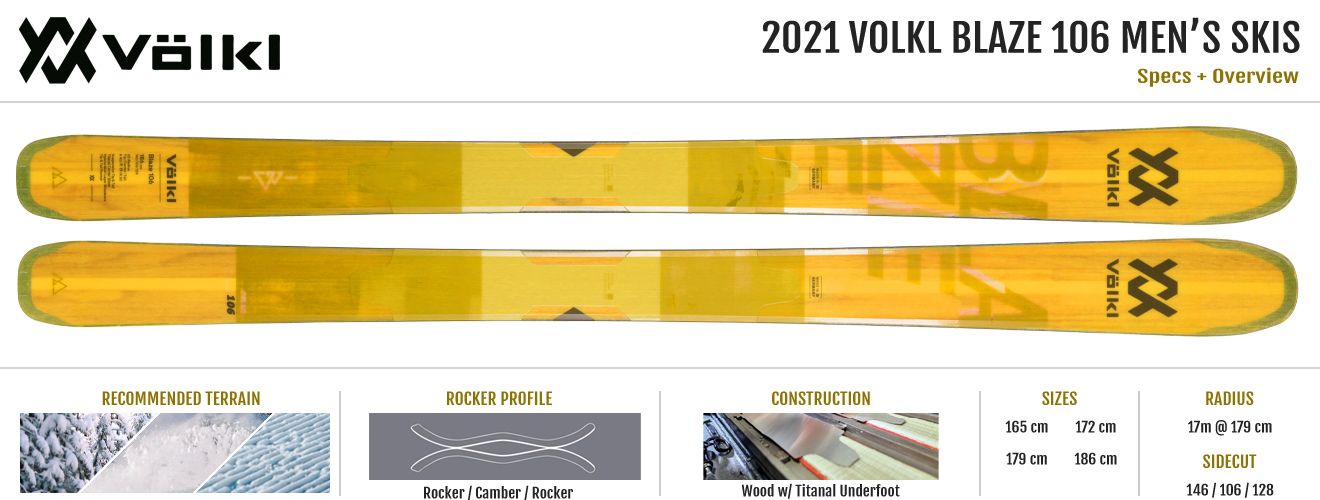
The transparent topsheet reveals lots of construction detals, which is pretty cool. Volkl developed a new Hybrid Wood Core for the Blaze skis. You can easily see the vertically laminated strips of wood running through the ski, and they extend all the way through the tips and tails, matching the actual shape of the ski all the way to the end. Right in the center of the ski there is actually a strip of synthetic material as well, which doesn’t just reduce weight, it actually adds specific performance attributes to the ski like energy and responsiveness. Underfoot, you’ll find a rather interestingly shaped sheet of metal. It’s full width where your toe and heel piece will go, but a little thinner in the middle, then tapering and ending just before and behind the bindings. It’s easy to assume this is just for binding retention, but it actually is important to the ski’s performance too, which we’ll get to.
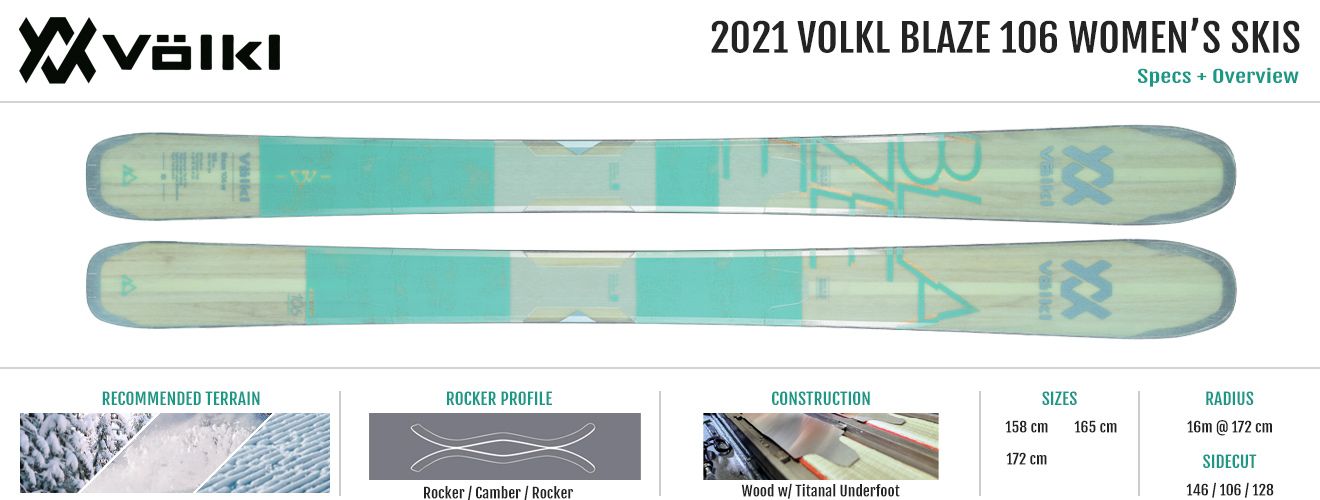
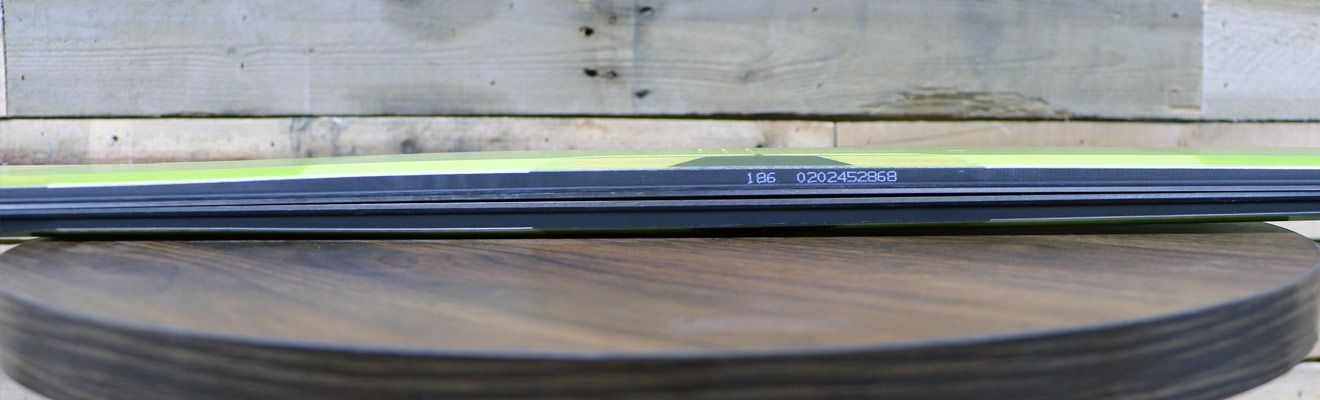
The shape of the Blaze 106 is very interesting. It might not catch your eye among a wall of banana-rockered skis, but when you start to look more closely, there’s a lot going on. The camber height is very low underfoot, but there is camber, which is a significant change if we’re comparing it to the 100Eight. The rocker profile is long, but low. There are undeniably some similarities between its shape and that of the 100Eight, but camber underfoot and the 3D.Radius really sets it apart. We’ve talked about 3D.Radius before in skis like the Kendo 88 and Mantra 102, but it’s further enhanced in the Blaze 106. The 186 cm Blaze 106 has a 40 m radius in the tip, 19 m radius underfoot, and 30 m radius in the tail. That’s a huge range, not to mention 40 m is a huge radius. So, the recipe of the Blaze 106 is a shorter radius underfoot paired with metal and camber, then long radii in the tips and tails paired with long rocker and a huge turn radius, oh, and not much early taper at all. It’s a very unique shape, and how straight the Blaze 106 is in its tips and tails, especially in longer lengths, sets it apart from just about anything else out there.
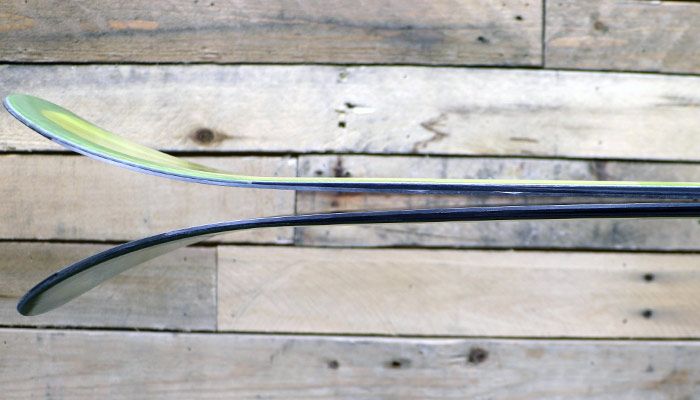
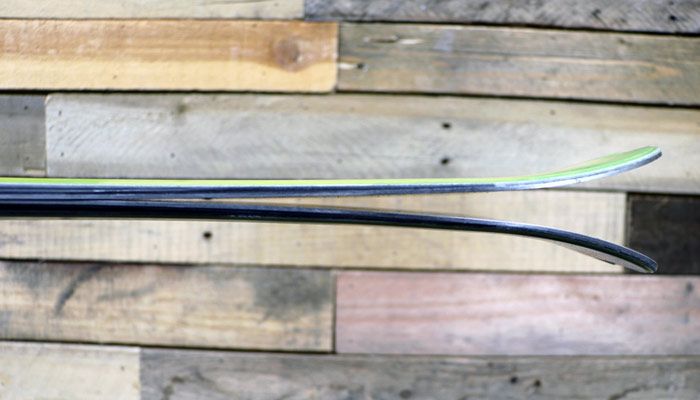
The idea behind this design is to retain the precise feel that Volkl has developed a reputation for, and give the ski a more intuitive, easy-going feel with the ability to make a wide variety of turn shapes. It’s pretty darn cool. When I first saw this ski and sat with Andi to talk about it, it all made sense in my head, but it was a rewarding experience getting to ski it for myself. The ski just works really well. First, it’s incredibly light on your feet. As Andi mentioned in his interview, it should be one of the lightest freeride skis on the market for 2021. We’ll have to see if that holds true as we get a chance to weigh more skis, but I’ll be surprised if many skis are lighter. Making my first turns on the Blaze 106, I noticed the shorter radius underfoot. When you’re not in super deep snow and when you’re making relatively traditional turns, the ski feels precise, responsive, and energetic. It’s snappy, loves to pop in and out of turns, and it’s just a lot of fun to ski. It’s pretty amazing how responsive it feels considering how little camber it is, but that blend of metal, camber, and a shorter radius underfoot really works. It’s super nimble through trees, moguls, and other tight terrain. It also holds an edge quite well for a ski this light when linking carving turns.
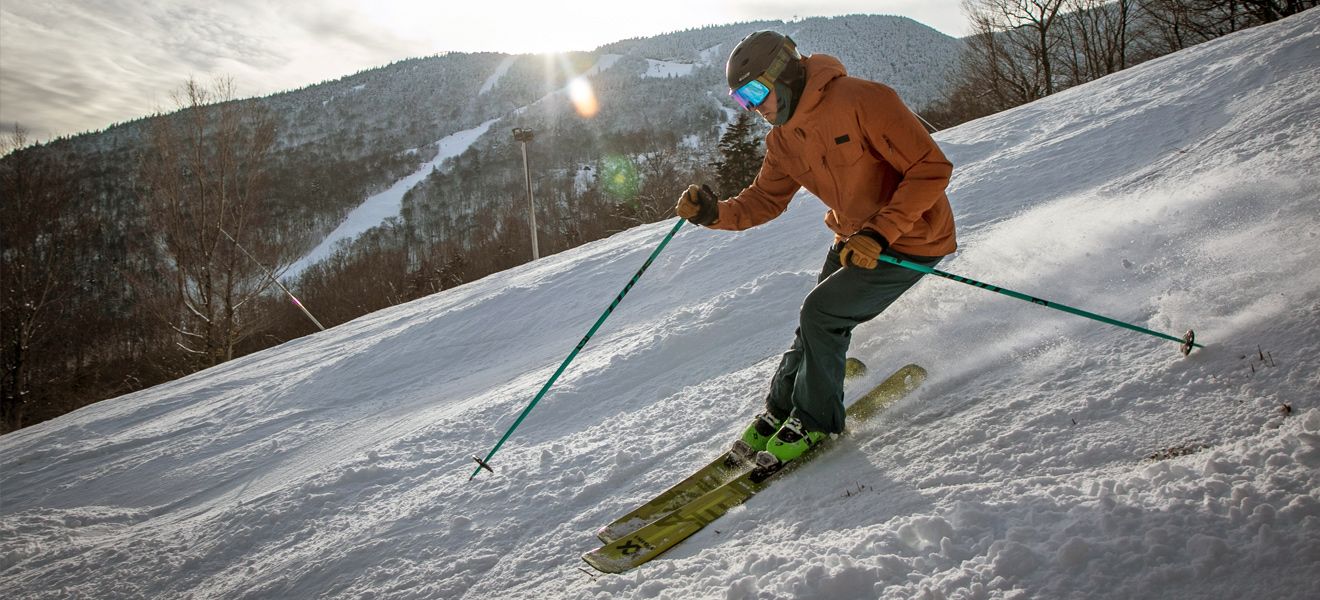
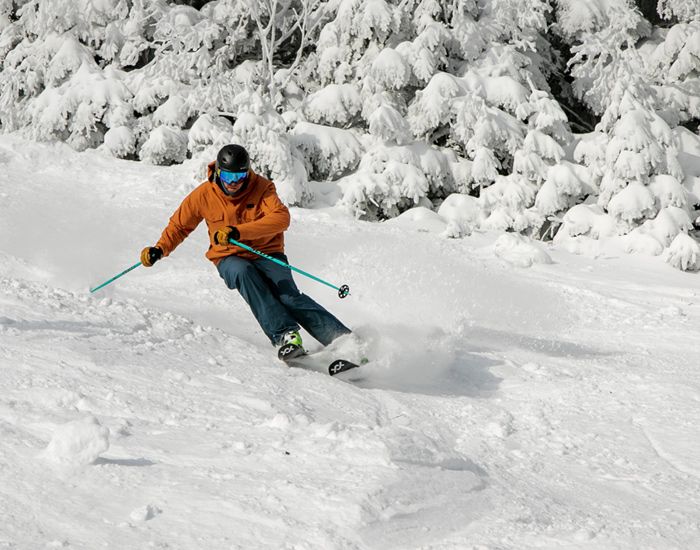
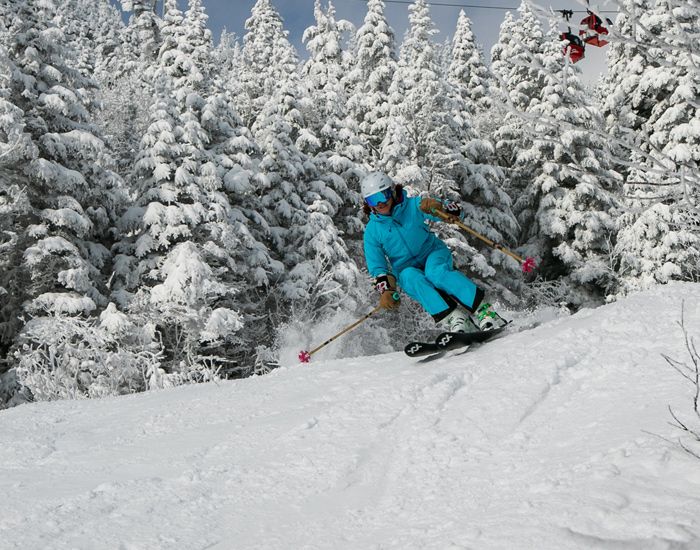
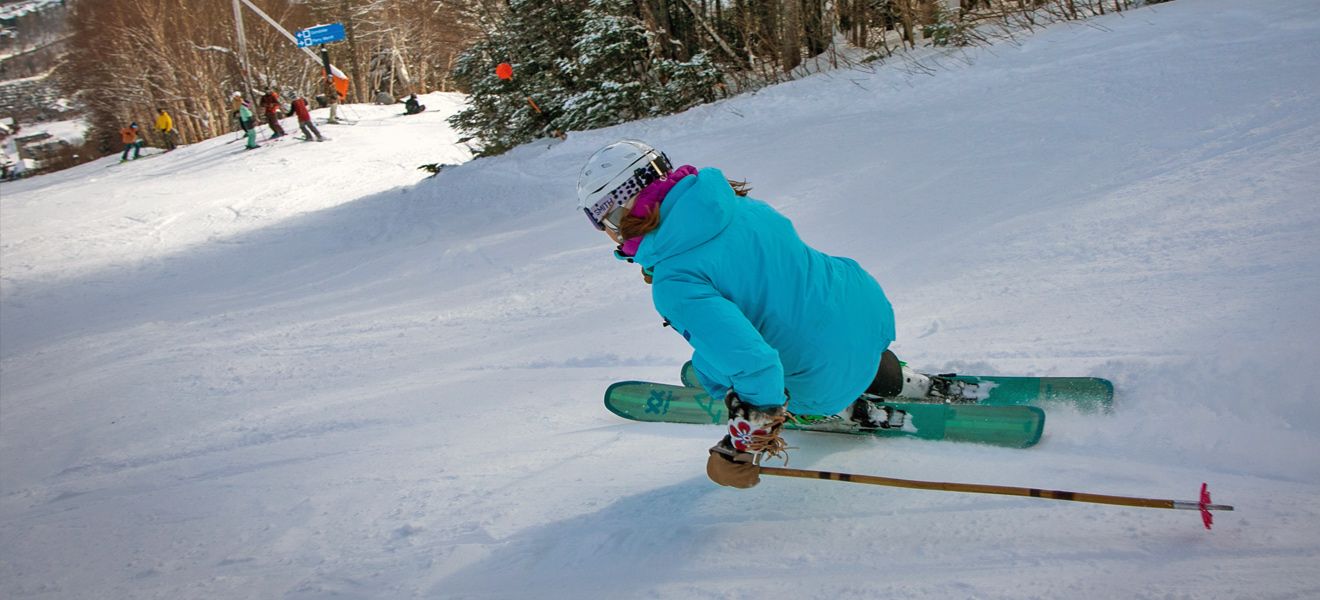
When you get into deeper, softer snow, you really start to feel that long radius in the tips and tails. A ski with a long radius lets you do a lot of different things in powder. Short radius powder skis can feel too catchy and unstable when you throw them sideways. Remember when Shane McConkey side-slipped that spine in Alaska? You couldn’t do that on a short radius ski, it just wouldn’t let you. You could, however, do it on the Blaze. I knew it was going to happen, or at least I expected it might happen, but the way you can release the edge on this ski and get it to smear or surf in soft snow is crazy. I started laughing out loud with I first felt it. I normally expect to get that feeling on skis with a ton of rocker, like the old Volkl Two, but the Blaze is a way different shape. I think of this type of skiing as going straight, then completely sideways, then back to straight again. The Blaze 106 supports this style of skiing very well, and arguably better than any other ski that can also make short, round turns. It’s super cool, and it’s not something I had ever experienced in a ski with a profile this flat.
What that means is you can do a lot of different things on the Blaze, and it can work for a lot of different skiers. I personally love that I can ski it with two distinctly different styles. I can ski with a more traditional style and link fun, responsive turns when skiing with friends, co-workers, family, etc. On the other hand, I’d feel perfectly comfortable taking it on a deep mission into the backcountry with the plan of skiing waist deep snow and making a whole bunch of modern-freeride slashing and smearing turns. That versatility also makes it a really, really good choice for a backcountry or sidecountry touring ski. It feels lighter than the 100Eight it replaces, and although that ski had a similar smearing/slashing ability, it didn’t have nearly the responsiveness or quickness of the Blaze 106. We expect a lot of people will be mounting the Blaze 106 with a binding like the Kingpin 13 or Duke PT.
Volkl set out to make a ski that complements their existing Kendo/Mantra/Katana line and I think they did a phenomenal job. When I sat down to talk with Andi, we spoke about the importance of retaining the Volkl feel, but in a freeride/soft snow package, and I think they did just that. This ski can do a lot of different things, and you could say it has two different personalities, but its quality, precision, and overall performance feels very worthy of the Volkl name.