2022 DPS PAGODA 100 RP SKI REVIEW
The engineers over at DPS must be really busy. It feels like every season they have a new way of building skis. For 2022, it’s all about expanding the Pagoda line that was first announced for the 2020/21 season. Alchemist construction is gone from the lineup, and 3 out of their 4 construction methods all now fall under the Pagoda title. For 2021, we had Pagoda Piste and Pagoda Tour. Not we have an additional construction that directly replaces Alchemist, and that’s just called Pagoda.
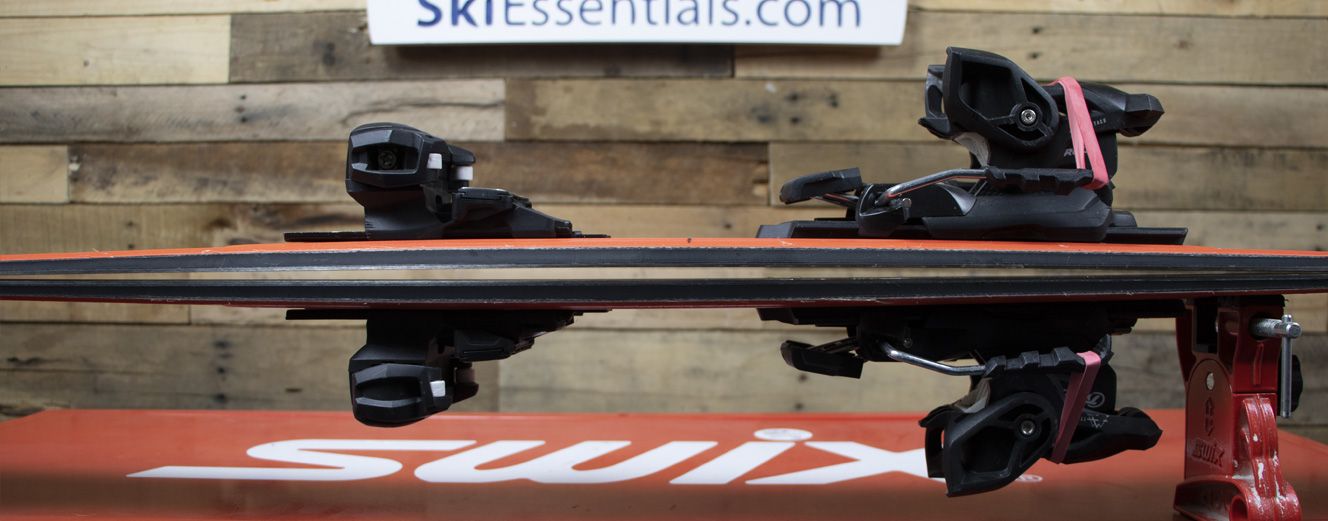
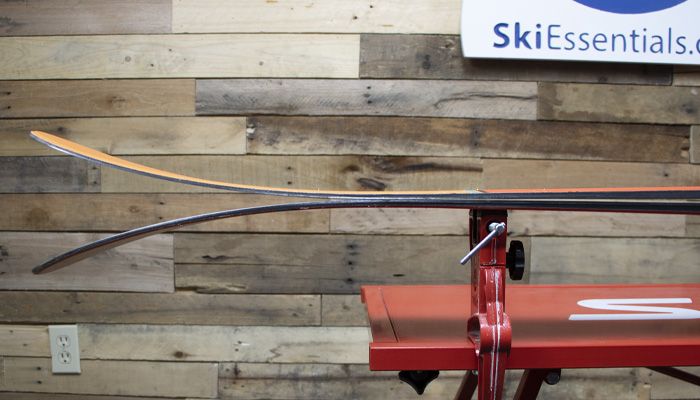
Enter the Pagoda 100 RP. This ski is a direct replacement for the Alchemist Wailer 100 RP and when we say direct, we really mean direct. In fact, it shares the same exact dimensions as the ski it replaces. If you’re familiar with DPS, you’re probably familiar with their two main shaping concepts, C2 and RP. All RP skis feature about 45% rocker, with more in the tip than the tail, fairly abrupt early taper, and they all have a 15 m turn radius. Objectively, that’s a lot of rocker, a lot of taper, and a pretty darn short turn radius, especially considering the widths of some of the RP skis.
AT A GLANCE
|
|
2022 DPS Pagoda 100 RP Skis |
|

AVAILABLE SIZES |
TURN RADIUS |
SIDECUT |
CORE |
STRENGTHS |
|---|---|---|---|---|
153, 163, 171, 179, 184, 189 cm |
15 m at All Lengths |
132 / 100 / 117 mm @ 179 cm |
Ash, Paulownia, Aspen, Carbon Fiber |
Quickness, Versatility, Maneuverability |
The difference is, then, entirely in the construction. Alchemist construction used an aspen wood core that was sandwiched between two sheets of aerospace grade carbon fiber. Pagoda construction follows a similar trend as Pagoda Piste and Pagoda Tour by using multiple different types of wood in the core, and the way they do it is really cool. In the middle of the ski there is a sheet of ash wood stacked on top of a sheet of paulownia wood. They’re not exactly the same width, but they’re close. The ash wood is just a little bit wider, so sticks out over the paulownia as you reach the edges of the ski. Then, along the edges of the ski, there’s aspen wood. What’s particularly interesting about this is DPS has listed the same weight for the Alchemist Wailer 100 and Pagoda 100. This intrigued me, so I did some research. Those 3 different types of wood have 3 different densities. Ash is about 40 pounds per cubic feet, aspen about 26, and paulownia about 19. By adding the layer of ash, DPS is giving the ski a little more oomph and vibration damping, which we also saw in the Pagoda Piste construction, which used a similar sheet of ash, but no paulownia. Adding in the paulownia offsets the denser ash wood, which allows DPS to keep the weight down. The 179 cm length is listed as 1805 g for both skis, which is nice and light for a versatile all-mountain ski like this.
So, what does all that mean for performance? Well, in a lot of ways, the performance is very similar to the ski it’s replacing, which isn’t surprising. Both use carbon, both have the same shape, and they weigh the same. The difference is felt mostly when linking turns on groomers. The Alchemist construction was impressive for how well it provided necessary vibration damping, but Pagoda takes it to another level. As DPS states, “this vibrant construction performance extremely well in both resort and backcountry settings. Its unique horizontally layered core quiets unpleasant inconsistencies felt in less-than-perfect snow, while allowing the electricity of carbon to elevate the senses during the precious moments of soft-snow euphoria.” Quite a description, but it’s entirely accurate. The ski does an excellent job of absorbing variations in the snow surface, rather than reacting and bucking the skier.
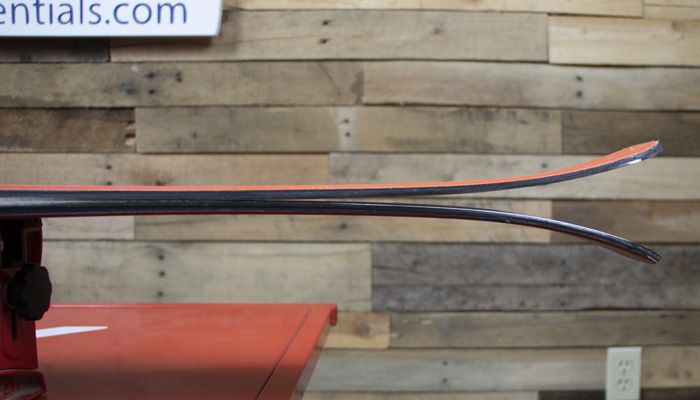
The 15 m turn radius definitely comes in to play on groomers. It makes some very responsive, tight turns when you want it to. Edge grip is impressive, even more impressive when you remember the effective edge is about 55% of the ski’s length on firm snow. We give a ton of credit to the quality of carbon fiber that DPS uses. They’ve talked about it at length in the past, but for whatever reason, this carbon feels smoother, damper, and stronger than most carbon skis we’ve tested. It’s similar to the feat of engineering from Elan in the Ripstick Black Edition skis, but the application of carbon is different. So, relatively quick, round carves are a ton of fun on the Pagoda 100 RP. You can get it to open up into bigger turns, but it doesn’t love super-fast, giant turns. There are much better skis for those who want to make big Super-G turns, but that’s not a focus of the Pagoda 100 RP at all.
Realistically, even groomers in general isn’t the main focus of this ski. Its shape and overall performance really shines when you take it off trail. The quickness provided by the lightweight feel, responsiveness of carbon, and the abundant rocker and early taper is incredibly useful in our tight Vermont terrain. These skis make the most challenging line on the mountain feel that much easier because of how quickly you can get it to come around. Something that we’ve been discussing internally is DPS’ use of the word “surfy” in describing the Pagoda 100 RP. We can understand why they’ve used that term, but I also think it’s fair to say there are far surfier skis out there. Skis with big fat tips and tails and massive turn radii feel surfier, at least to me. You can release the tail edge super easily on this ski, but it’s reactive and energetic and always feels ready to make the next turn. A really surfy ski needs more skier input to want to snap back into the next turn. Both can be fun, but I do think most skiers will prefer and benefit more from the quicker, more responsive feel of these skis as opposed to a super-surfy ski.
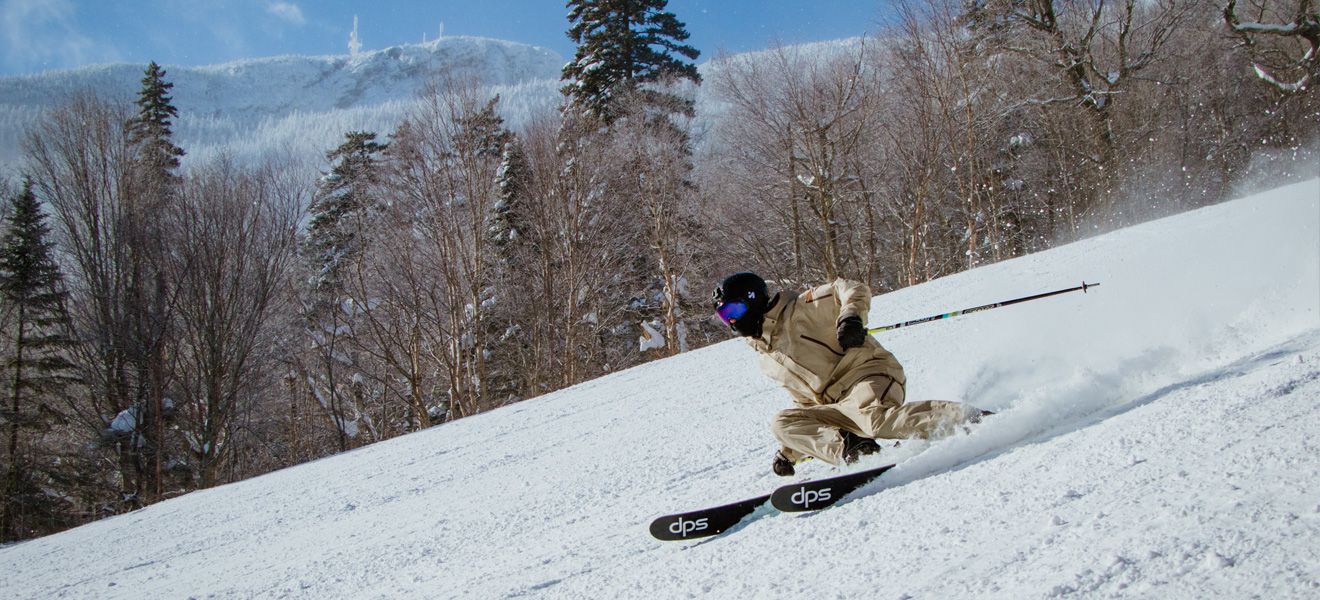
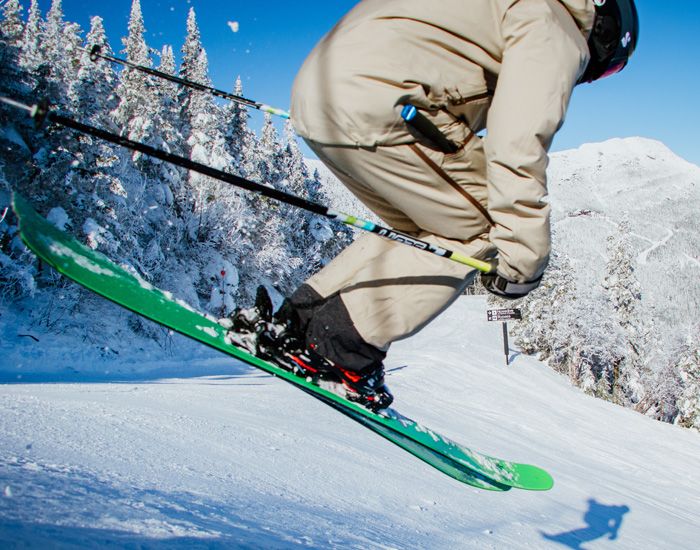
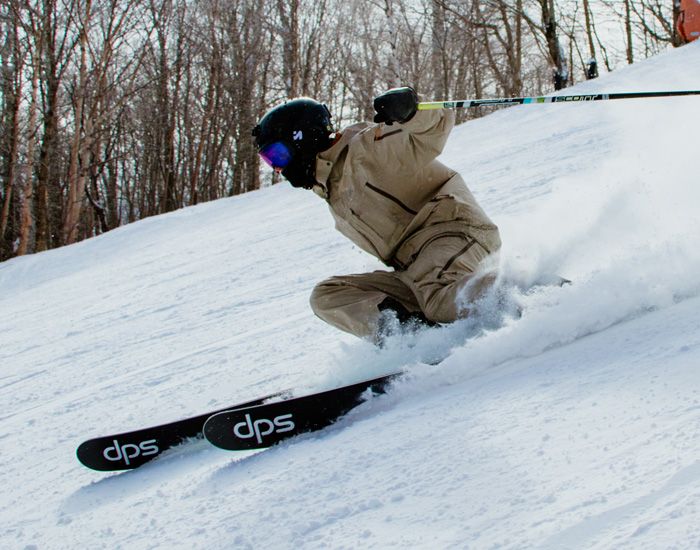
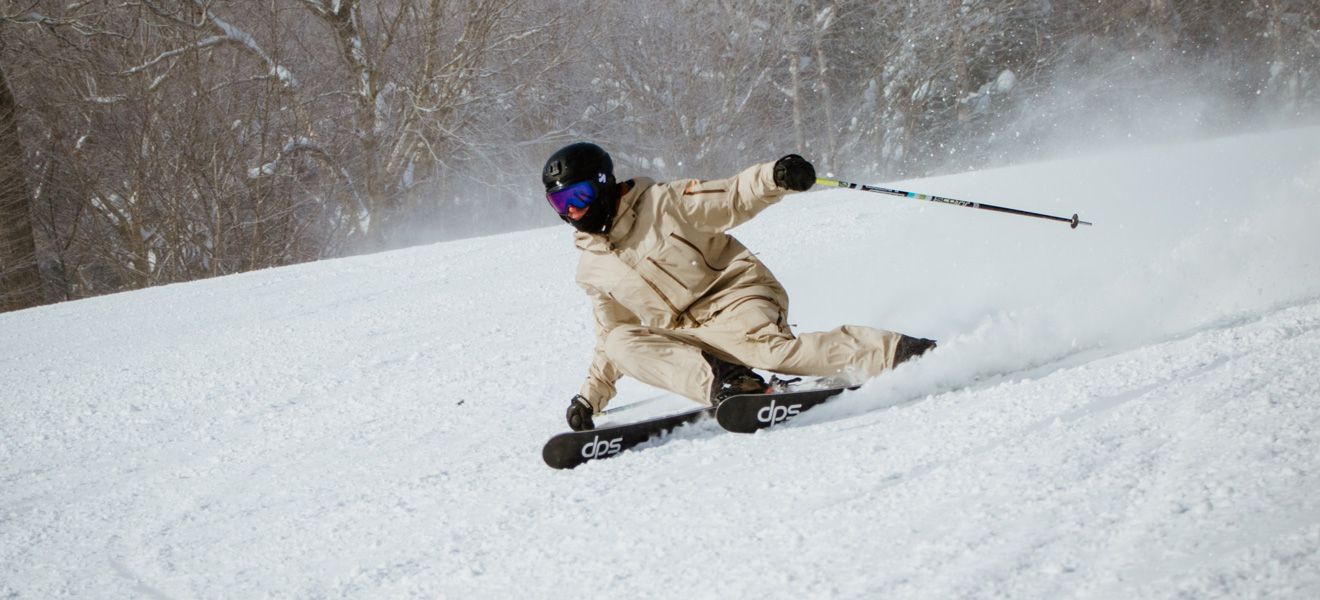
Then there’s the soft snow performance of these skis. With the wide tip shape and lots of rocker, they have more float than most skis in the 100 mm width range. Even when you start to sink a little, that tip rocker helps bring you back to the surface and the kicked up tail doesn’t fight that. It won’t just plane out over everything at slow speeds, rather feels like it kind of bobs up and down in powder, but I like that a lot. Bobbing up and down means you’re getting more face shots, and also means it’s easier to control speed, which once again comes in handy in technical Vermont terrain.
We also think it’s important to bring up the application for alpine touring. Even though DPS has a specific line of Pagoda Tour skis, these are still exceptionally well versed for touring, especially for someone who wants something that can cross over between the resort and the backcountry. 1800 grams is certainly light enough to justify using a hybrid alpine touring binding like the Shift or Duke PT, and we expect some skiers will go even lighter to a full-on pin setup. Light enough for the ascent and super versatile for whatever conditions you encounter on the way back down. Also, generally, when skiers are touring, they’re not speed demons on the way back down due to fatigue and the idea that you don’t want to waste all the effort you put in. Skiing at moderate speeds, the Pagoda 100 RP is very happy, where some other skis don’t feel like they come alive until you start to charge.
As always, we’re pretty darn impressed with what DPS has come up with. Sure, it’s similar to the ski it’s replacing, but we loved that ski too, and this one is just that much better.