2022 Specialized Stumpjumper Evo Comp Mountain Bike Review
This has been an interesting summer here at SkiEssentials. New website, we just had our first ever in-person warehouse sale, and now we do bike reviews. That last part has certainly been the most interesting for me personally, especially considering our focus thus far on Specialized. Specialized is a new bike brand for us, and I haven’t thrown a leg over a Specialized bike for over a decade. I know, wild, right? Not sure how that happened having attended numerous Outerbike shows and demos, but it did. So, at least for me, it’s been very rewarding and a great learning experience working my way through some of Specialized offerings. We started on the Stumpjumper Expert, moved on to the Stumpy Pro to feel the spec difference, and this time, we moved up a click in suspension travel, but down a click or two in spec level, to the Stumpjumper EVO Comp. Compared to the “regular” Stumpjumper, we get a 160 mm fork, 150 mm of rear suspension travel (140/130 in the Stumpy), and a slightly slacker head tube angle at 64.5 degrees.
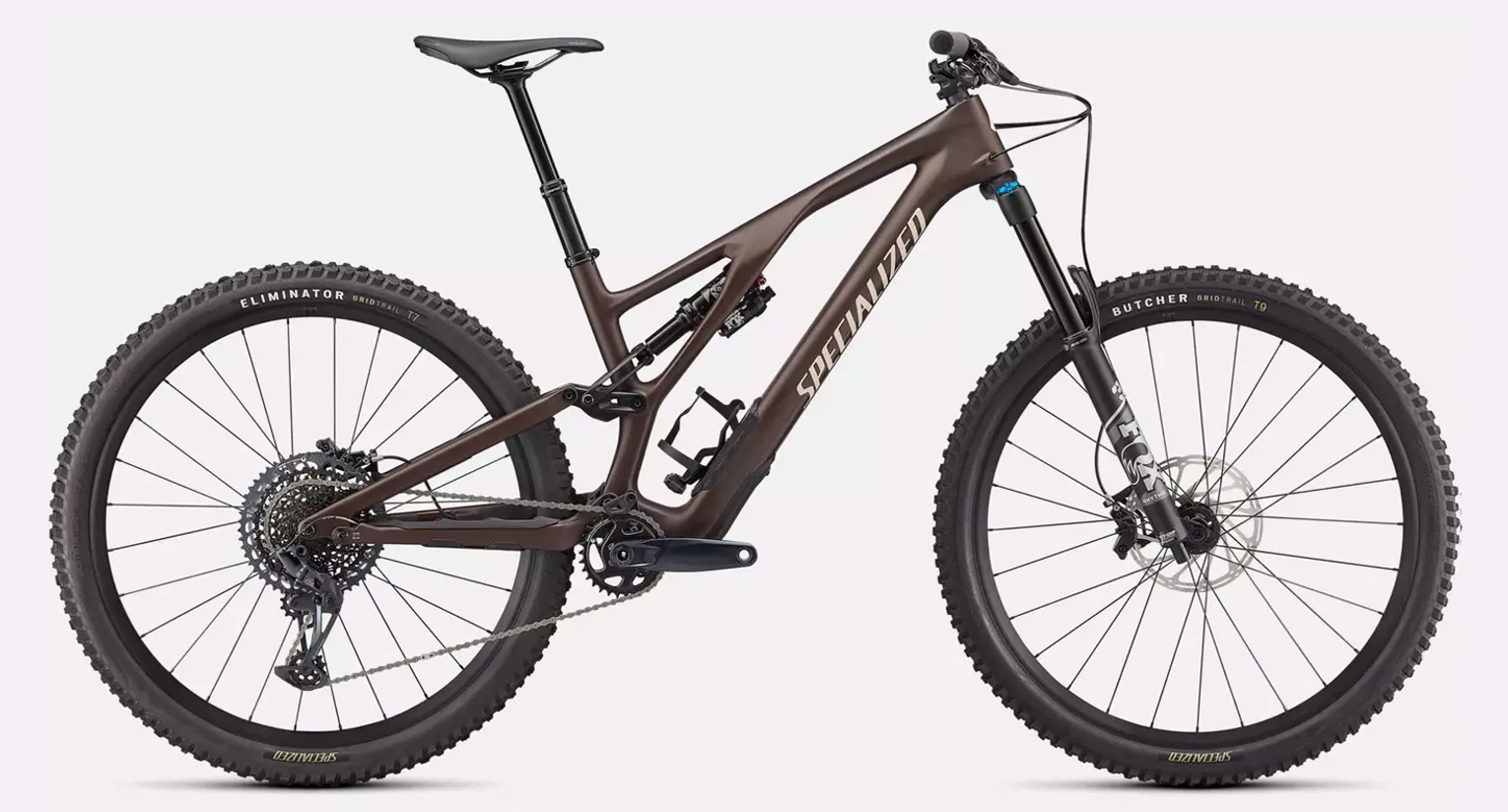
Matt Stromecki was my partner in crime while testing this bike, and I’m excited to leave you with some of his thoughts, but let’s run through a few key specs before we dive into how it rides. First, this bike at full price was $5400. On Specialized’s website, it’s down to $3999. That’s a steal for a brand new bike of this capability. You can easily spend twice that on a Stumpjumper EVO. Will it ride twice as good? I’m not so sure about that. Regardless of your answer to that question, the value in the Stumpjumper EVO Comp is undeniable. With that value, you’re getting a Fox Float X Performance rear shock and a Float 36 Rhythm fork. Not the best, not the most adjustable, but perfectly suitable for aggressive riding. Similar to the Stumpjumper Expert we reviewed, the first thing I would do is swap the handlebar and grips to carbon bars and some better grips. I don’t often single out grips in a review, but the grips on this bike felt pretty bad. Small complaint, but a complaint nonetheless.
At a Glance:
2022 Specialized Stumpjumper Evo Comp
| FRAME | FRONT/REAR TRAVEL | WHEELS | DRIVETRAIN | PRICE |
|---|---|---|---|---|
| Carbon Chassis | 160mm / 150mm | 29" x 2.3" | SRAM GX Eagle, 12-speed | $3,999.00 |
The SRAM Code RS brakes didn’t have quite the stopping power I’d like, either, but this is barely an issue. I don’t think I would’ve noticed had I not come off a bike with better brakes. The G2 RSC brakes on the Stumpy Pro stopped on a dime, so, I guess I was used to that. Aside from those few things, everything felt great to me. Drivetrain is just fine, mostly GX, but I’ve never had an issue riding a bike with GX. Wheels could be better, but again, they’re just fine. You know what I’m actually impressed by? These Specialized branded tires. They’re quite good!
So, before I leave you with Matt’s experience, I wanted to share some of my overall reactions. Unsurprisingly, the Stumpjumper EVO doesn’t climb as efficiently as the regular Stumpy, but it’s not bad either. It has a smooth, easy-going personality on the climb. If you ask too much of it, you’ll be a bit disappointed, but if you’re okay with a more moderate pace on the climbs, it does great. The cockpit is comfortable, the bike feels balanced underneath you, and it just churns right along. I did find the front wheel felt a bit floppy at slower speeds and on tight switchbacks, but I’ve owned and ridden bikes that felt far worse in that regard. Doesn’t bother me too much, and you benefit from the same geometry on the descents. On those descents, the bike is definitely more capable than the regular Stumpy, especially when the going gets rough. Tough, chundery sections of trail were no problem for the Stumpjumper EVO, which I loved. The bike still feels relatively nimble, too, just not as quick or responsive as (especially) that Stumpjumper Pro. On the other hand, it still jumps well, so it doesn’t feel sluggish by any means. It basically just feels more forgiving. It’s an interesting concept. My instinct if a new rider were asking me which bike would be better would be to go with the regular Stumpy, but now I’m not so sure. The Stumpjumper EVO isn’t hard to ride by any means, and when descending, definitely feels more forgiving with the slacker angles and longer travel.
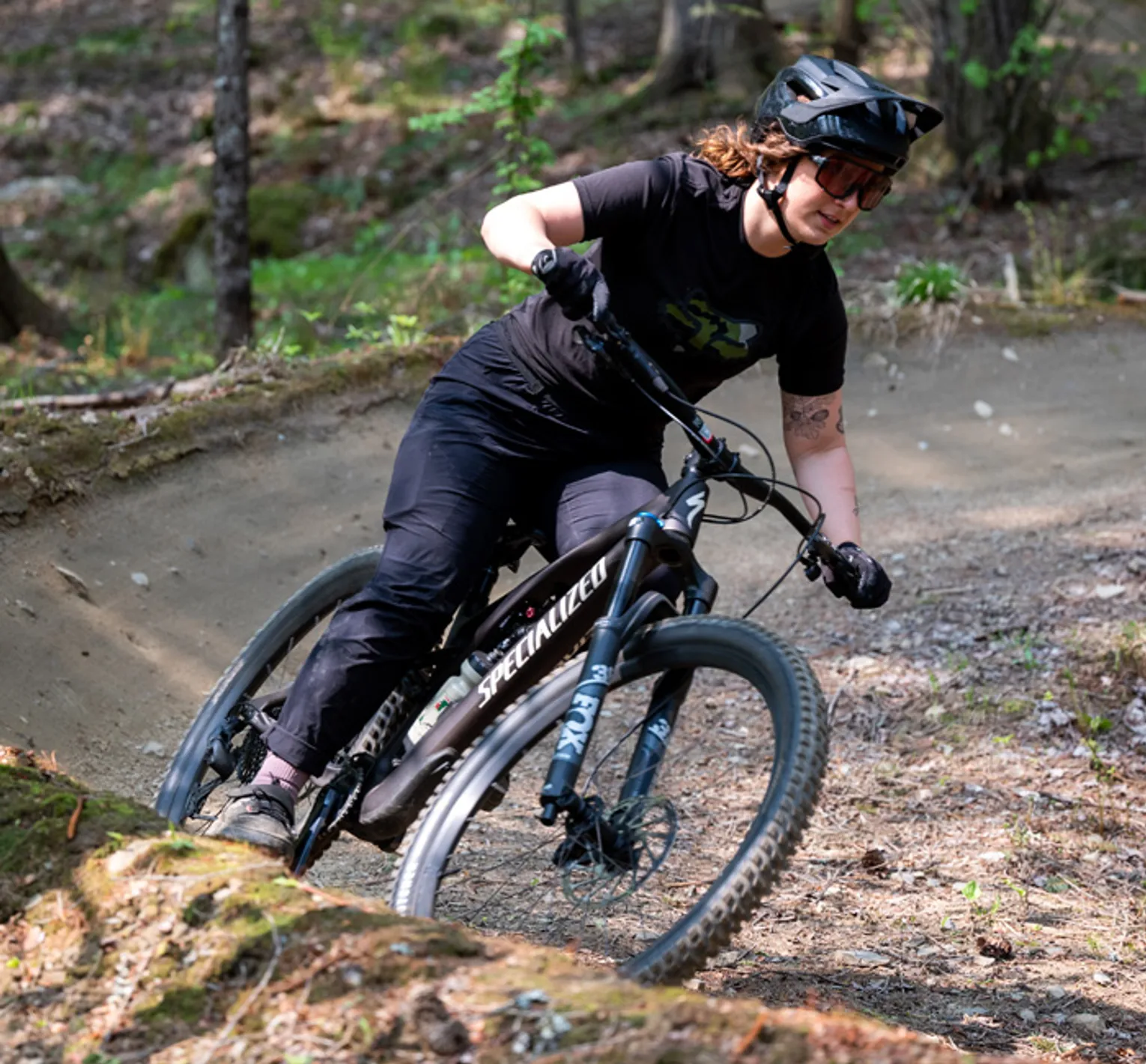
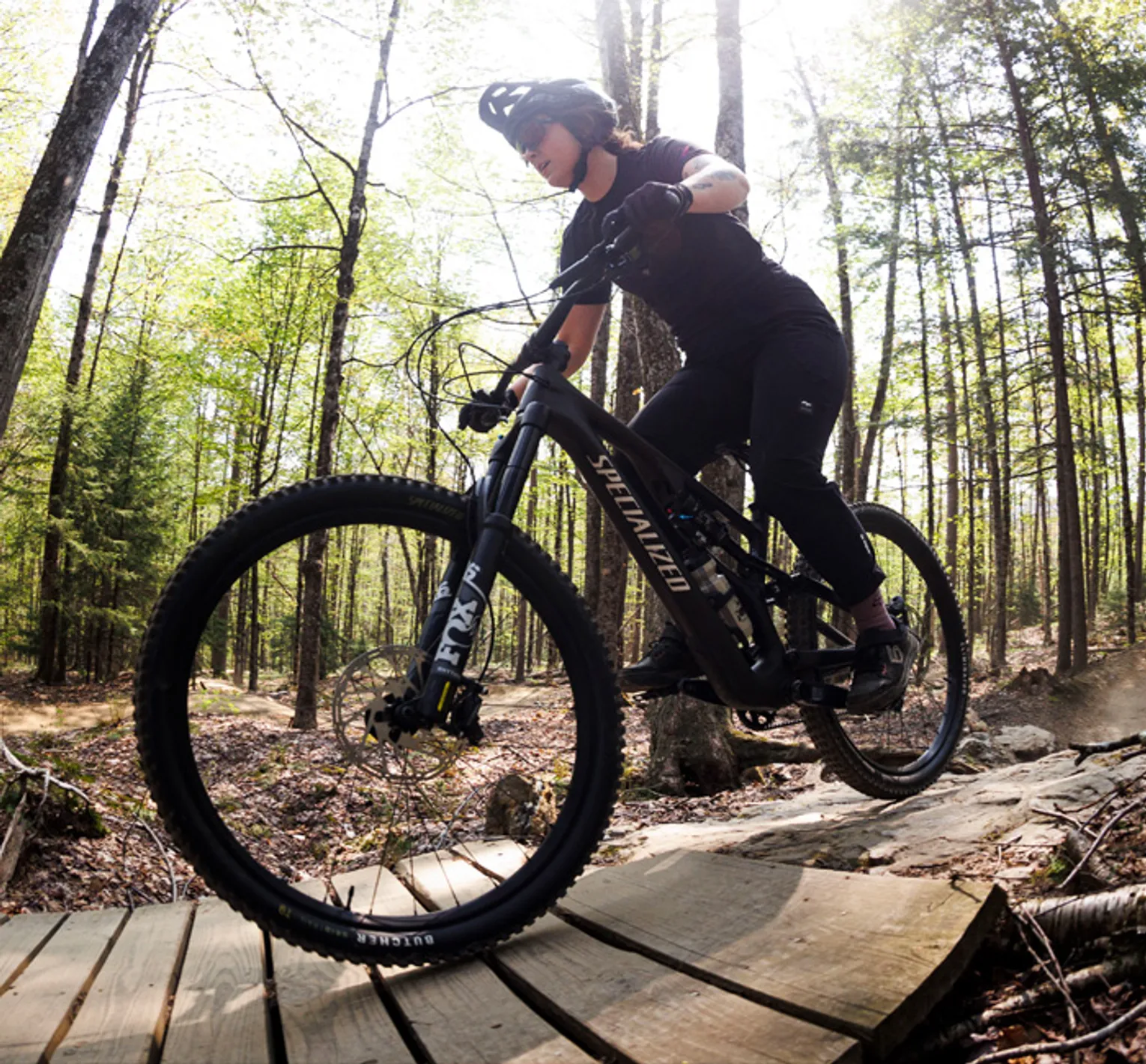
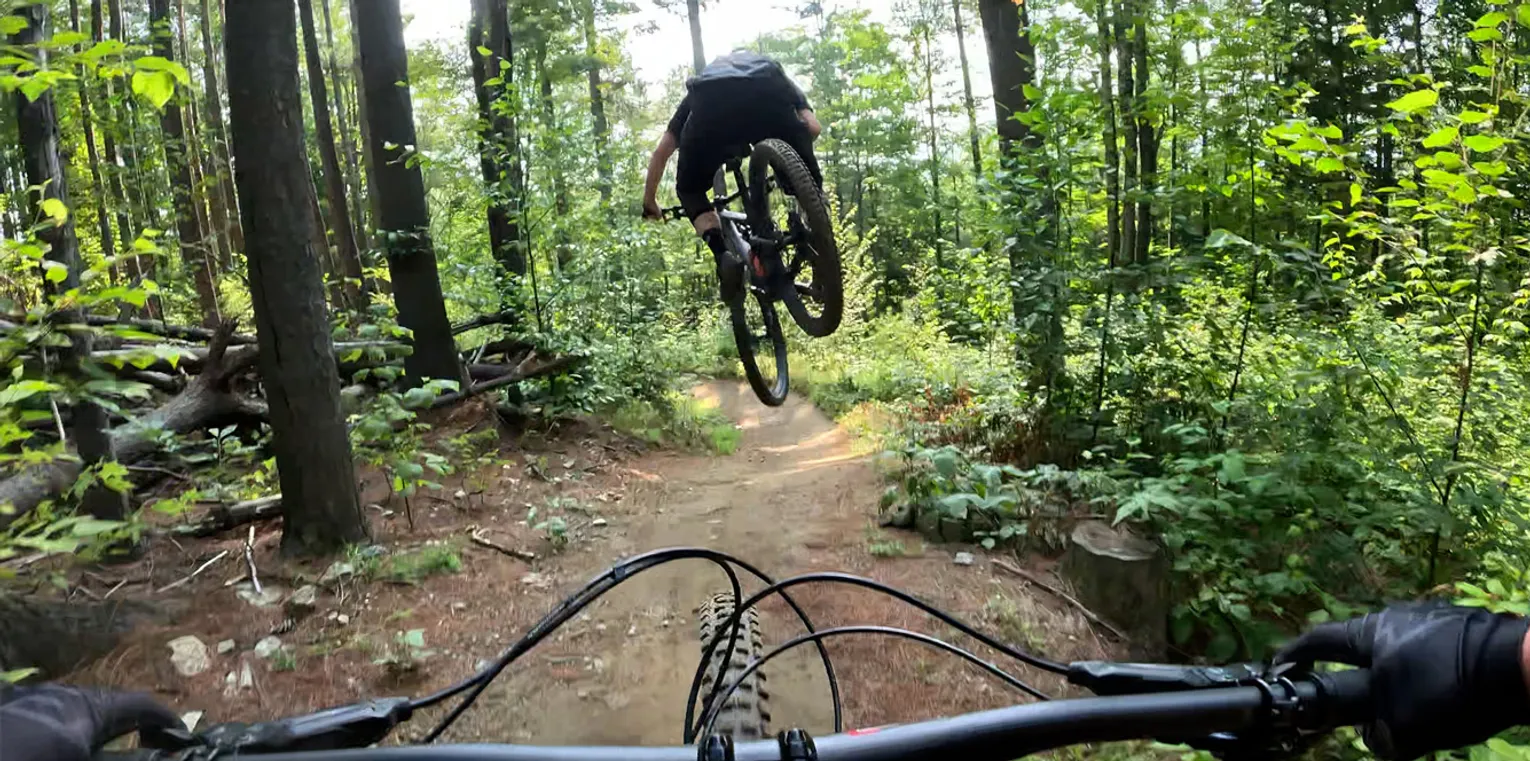
Now, I’ve been on a bit of a personal journey to discover what my next bike will be. As a reminder, I’m currently the owner of a 2021 Scott Ransom 910, which is a pretty darn big bike. 170/170 mm for travel and a Float 38 fork. Sure, it’s got that silly TwinLoc stuff (sorry Scott, I hate it), but it definitely rides more like an Enduro/Bike Park bike than a trail bike. After riding the Stumpjumper Pro and now this Stumpjumper EVO Comp, I can’t believe I’m saying it, but I think I actually prefer the shorter travel bike. It’s snappy, it’s quick, and I just don’t go bike enough to need the longer travel anymore. It’s amazing how the risk/reward scenario changes as you grow into your late 30s. These days, I value precision, responsiveness, and efficiency more than the ability to go huge, and also more than forgiveness as I’ve logged a couple decades as a pretty serious mountain biker at this point. That said, I can’t deny how good the Stumpjumper EVO is, and as you’ll learn soon if you keep reading, the younger, more risky Matt Stromecki absolutely loved this bike.
Matt's Thoughts:
The Stumpjumper is such a household name within the mountain bike community as a bike that does everything from cross-country pedaling to enduro world series racing. I have always wanted to swing my leg over one of them to see what all the hype was about and this summer I have had the pleasure to do just that with not only the Stumpjumper EVO Comp, but the Stumpjumper Comp as well as the Turbo Levo. After spending a morning on the EVO Comp, I can certainly see why this bike is so popular. It’s highly versatile, approachable, affordable, and most of all... Fun!
Starting with climbing performance, the Stumpjumper EVO Comp certainly lacks a bit of efficiency. However, this is not surprising given that it is a big bike with a lot of travel. It’s an enduro style bike and that kind of bike will never climb as well as a Cross-Country bike which is designed for climbing efficiency. The 160mm of travel in the fork, 150mm of travel in the rear, as well as its progressive and downhill oriented geometry make it one that is more fun going down than up. However, it is definitely not bad at climbing. While pedaling up steep technical root sections, the front wheel never left the ground, which is something that can happen with bikes like this. Tight switchback corners were a breeze once I got acquainted with how it liked to be turned. I found that taking the outside line and then swooping into the inside is what worked best for those tight corners. Another attribute that I found to be helpful when climbing was the EVO Comp’s ability to maintain momentum while climbing. I felt that I could keep a consistent speed instead of the bike lunging after each pedal stroke. Overall, I was very impressed with its climbing ability given its geometry specifications and amount of travel.
Moving onto downhill performance, where the EVO Comp truly comes alive. Super stable on all fronts for me in the corners, jumps, and technical roots and rocks. In the corners the bike feels planted and supportive which gives you confidence to really lean it over. Although it is a full 29er, it cornered extremely well. Maybe that is due to the wheelbase or the suspension geometry? Either way, it feels great, and it will not back down to any high-speed bike park style berms or loose flat trail corners. Jumping on the EVO Comp was a treat for me. I felt like it was very intuitive on the take-off which made being in the air very comfortable. The combined geometry setup that I was running was right down the middle and in the “default” settings so nothing wild or extraordinary. Going into the ride I had the preconceived notion that I would immediately want to make it as slack, long, and low as possible. But after riding it in the default settings, I would not change a thing. It was the perfect combination for me and my riding style.
A talking point that I found very interesting about the Stumpjumper EVO Comp was how much adjustability there is with its geometry. There are so many minor changes to the front and rear of the bike that can make it best suit the rider and type of riding that it is used for. If you want it to be geared towards better climbing and long distance pedaling, there are multiple adjustments you can make that will significantly assist with that goal. Conversely, if you want it to be a downhill plow that will roll over anything and eat up a gnarly descent, there are many ways to make it do just that. I think that this is incredibly useful because a broader demographic of riders can make this bike truly customized for themselves without sacrificing a whole lot.
Finally, the price point of this bike is astounding in the best way possible. $3,999 for a bike with these components and a carbon frame is a deal that is hard to pass up, especially when you can turn it into multiple different types of bikes with its adjustability. These days bikes are very specific in their application, but there has been a recent shift into the customization of their geometries, so that riders can get the most out of their preferences and paychecks. I for one am a huge fan and cannot wait to see where this trend goes.