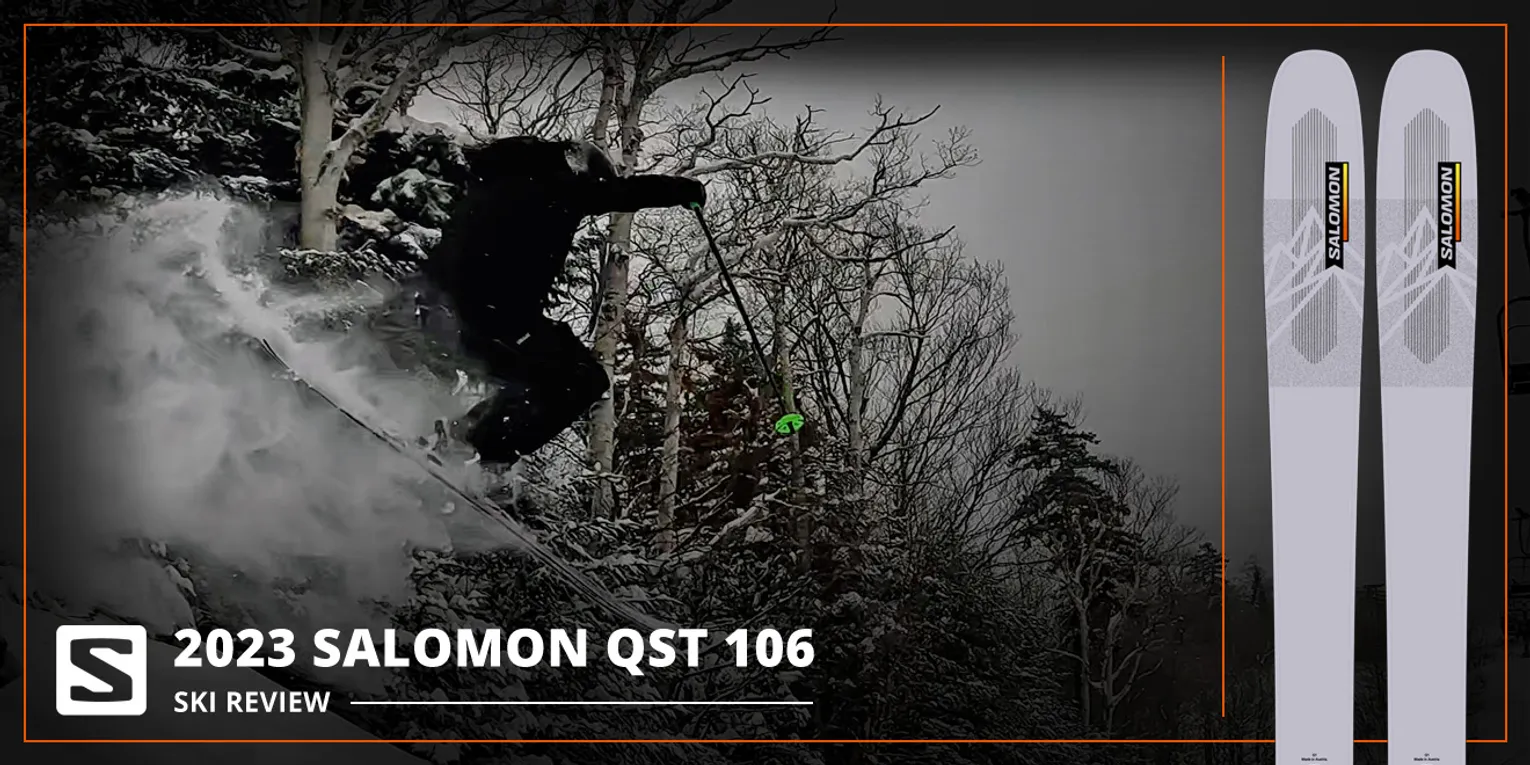
2023 SALOMON QST 106 SKI REVIEW
Each year's QST is better than the last. I feel comfortable making this blanket statement, mainly regarding the 92, 98/99, 106, and Blank. Every time they alter the a QST, they seem to do it for the better, and that's pretty impressive. The 106 is the latest ski to follow this trend, and I really like how they went about it, both bringing the 106 along with the 98 and Blank's personality, and at the same time, leaving alone a lot of the things that made the previous 106 so fantastic. We've always felt that one of the 106's best qualities was high-speed skiing through crud, broken snow, and chop. The new ski carries that forward as well as adding more taper for pure powder performance. The rocker profile remains one of the most smooth and playful of its class, making it stand out in a pretty crowded field of highly versatile ~105mm underfoot skis. It's easily one of the best floaters, is strong and stable when conditions and terrain get challenging, yet it remains incredibly approachable, easy to turn, and a whole lot of fun. It's more of a straight-stick on the groomers, and that's okay, but does make some other similar-width skis stand out as better "carvers," even though skiers aren't really looking at this category for on-piste performance. Overall, it's quiet and capable and totally intuitive, thankfully and successfully continuing the trend of improving QST's.
Sometimes when a manufacturer changes a ski, or a line of skis, it takes us by surprise, or at least isn’t necessarily something we expected. That situation accurately describes last season, when we were shown the new QST 98 and QST Blank. While they retained the same theme, there were changes to their shape and construction that we wouldn’t have guessed, and the resulting performance kind of shocked us. We’ll get to that more later in the review, but Salomon did a heck of a job shortening the effective edge of the ski with increased rocker and taper, while retaining a strong feel. If you’ve read or watched our review of the 98 or Blank, you know we really liked those changes to the ski. More playful, more fun, more float, yet still a strong ski.
Fast forward to this season. About a month ago, a 2023 QST 106 arrived at our warehouse. With the 98 and Blank changing last season, we couldn’t help but anticipate the same changes trickling down to the 92 and 106 respectively, and that’s exactly what we get. For the 2022/23 ski season, the QST line is more consistent from 92 to Blank in their shaping concept, construction, and overall feel and performance. So, what are those changes, again?
AT A GLANCE
|
|
2023 Salomon QST 106 Skis |
|

AVAILABLE SIZES |
TURN RADIUS |
SIDECUT |
WEIGHT |
|---|---|---|---|
165, 173, 181, 188 cm |
19 m @ 181 cm |
139 / 106 / 126 mm |
1980g / 181 cm |
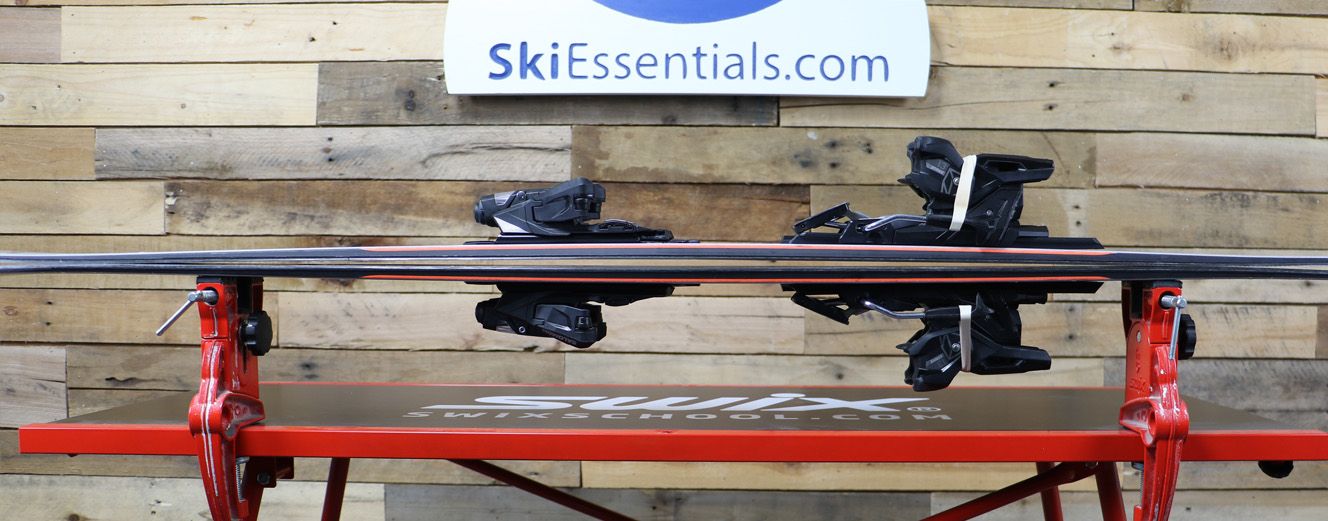
In theory, we could almost skip this part, especially if you’re familiar with the 98 and Blank, but let’s run through it as a reminder anyways. Both the construction and shape of the QST 106 changes compared to the current ski. Construction is certainly very similar to the previous model, but there are some differences too. We still get a full poplar wood core, we still get Salomon’s C/FX material, and we still get Cork Damplifiers in the tip and tail. New for the 106, however, is Salomon’s Double Sidewall technology. A high density ABS material is injected underfoot, which combines with the full-length sidewall to create a stronger platform underfoot, which is really important to the ski’s performance. In a lot of ways, the Double Sidewall counteracts some of the changes to shape in order to retain good stability, edge grip, etc.
The shape is certainly the most noticeable difference between the outgoing 106 and the new ski when you just look at them. The same changes we saw to the Blank and 98 are applied here. To start, the tip shape is very spoony now. It has noticeably more early taper than the previous ski, and the naked eye can pick up what looks like maybe a few cm longer tip rocker. It’s really the taper shape, however, which results in a shorter effective edge, at least on firm snow. The tail gets the same treatment. More taper, slightly longer rocker, but in the tail there’s also increased splay. It has more of a twin tip vibe, although it’s not really what we would consider to be an actual twin tip. Interestingly, the turn radius of the 106 stays the same. That was a big change to the Blank with the turn radius dropping significantly from the outgoing 118. In the 106, however, it remains at 19 m in the 181 cm length.
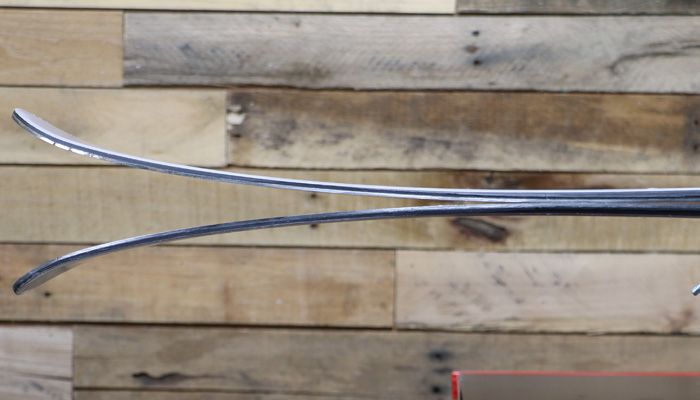
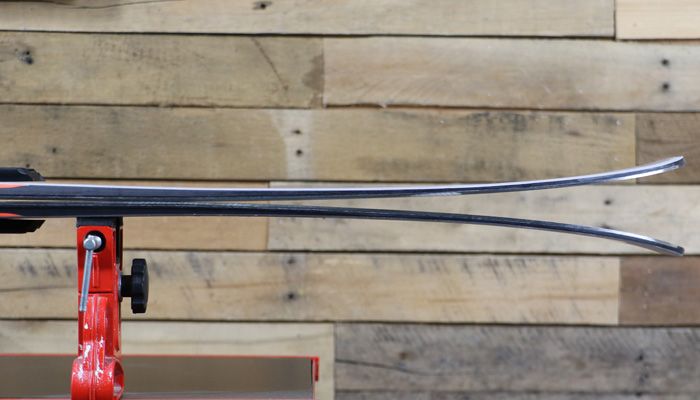
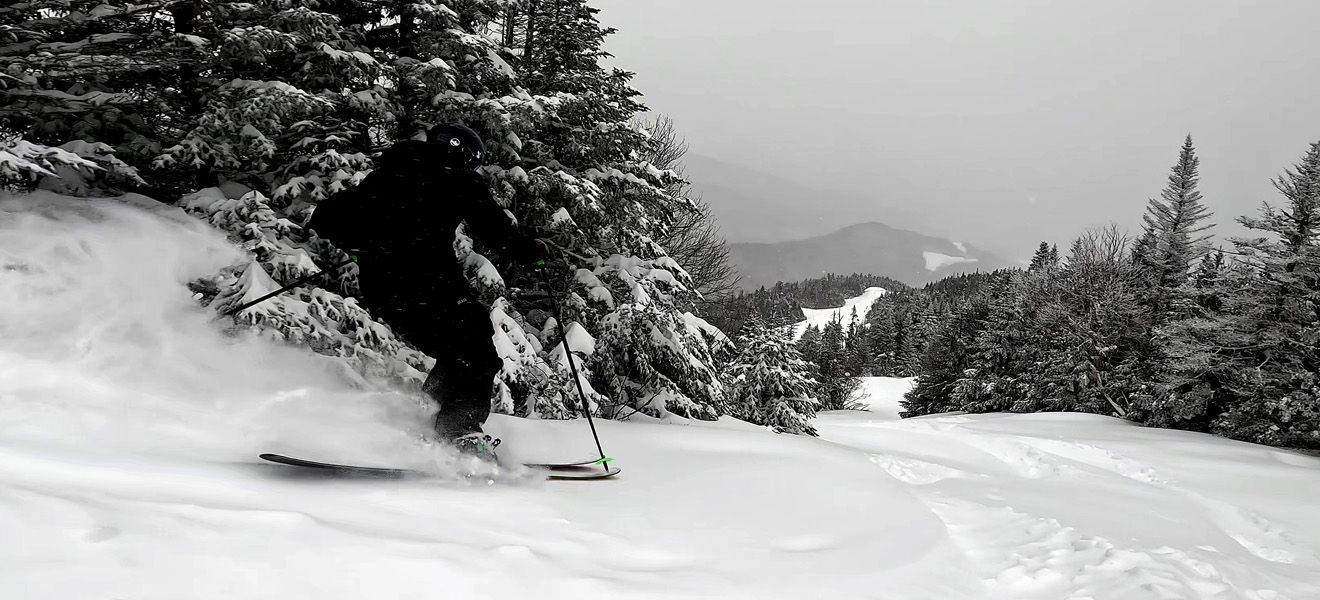
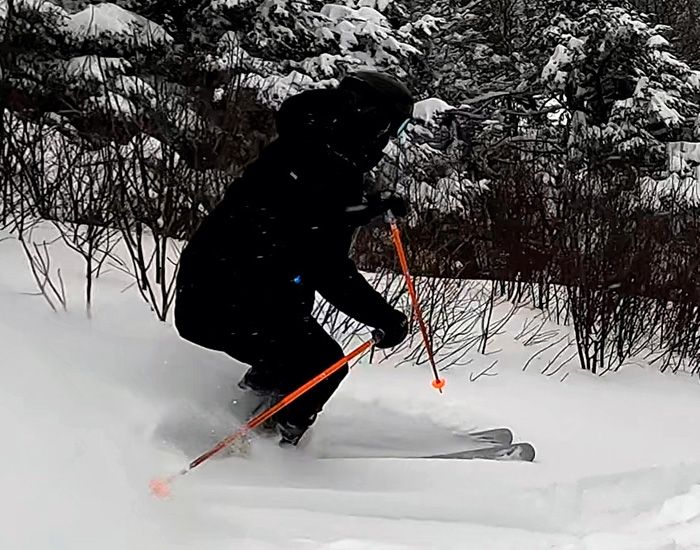
So, what’s the benefit of this new shaping concept? Similar to how we felt on the 98, this new shape provides more float and overall superior powder performance. The ski is more intuitive in how it dances and plays through deeper snow conditions. I love the increased splay. It’s not as noticeable in the tip, but I do think there’s a little more curvature to the tip shape that helps keep the ski bobbing back up every time it sinks under the snow a little. Sure, there’s not as much float in the 106 as the Blank, but for a mid-100 freeride ski, it might have the best powder performance we’ve ever felt. It’s at least in that conversation… best mid-100 powder ski. The other benefit to the new shape is its agility and maneuverability. With a shorter effective edge and that new rocker/taper shape, the QST 106 is very easy to flick around. It’s not the softest flex pattern, so when you ski like that you have to be more deliberate with your flicks and not just mindlessly throw it around, but its combination of precision and quickness is awesome. It’s the type of ski that makes you feel like a better skier. Anything that can do that gets two big thumbs up from me.
That ability to release the tail edge and get the ski to maneuver and pivot really comes in handy here in Vermont. We felt the same thing on the Blank. It’s just so much easier to navigate it through our tight trees than the previous 106. That ski certainly wasn’t bad, but this ski is certainly quicker, which is a huge asset here in New England. The 181 cm length worked perfectly for me both in powder and trees. At 5’10 and about 150 lbs, that length was easy for me to maneuver, yet had plenty of float too. Sometimes, I’ll want to go longer for powder applications, but the float and overall feel of this ski allows you to ski it in shorter lengths than you might expect. It makes sense that the longest length tops out at 189. A lot of skis go longer, especially powder skis, but I don’t think anyone will feel like they need a longer 106 to achieve more float.
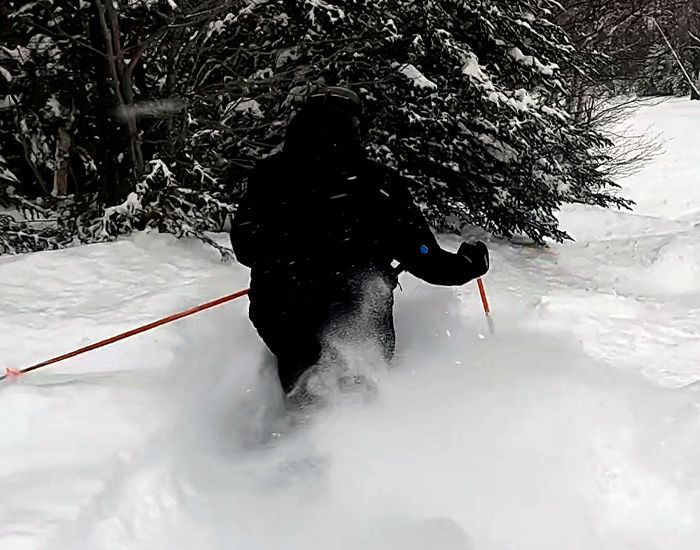
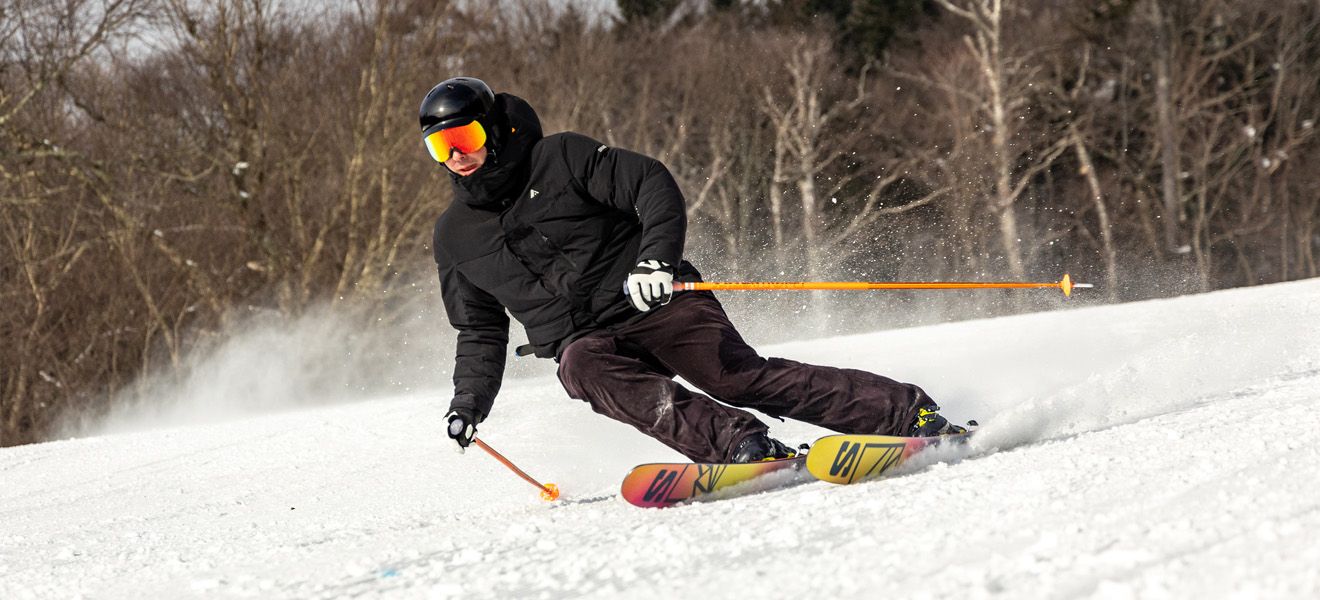
Now, that brings us to firm snow conditions and everything else. Powder is great, but we’re not always skiing powder. At 106 mm underfoot, we expect some versatility out of this ski, and I think this is where the conversation gets really interesting. By shortening the effective edge, one would expect the ski to be less stable. One of our favorite things about the previous 106 was its ability to tank through choppy snow conditions. It did that better than most skis, and we’d be kind of bummed if the new ski lost that capability. This didn’t necessarily surprise us, as we experienced a similar phenomenon on the 98, but the Double Sidewalls really help retain a strong feel underfoot and that stable, damp feel we’ve come to expect from this ski. You can still let it run through choppy snow conditions without any issues.
On groomers, it might not be the best carver in its class, but plenty of people don’t really care about carving performance when skis get this wide. Rest assured, for those that do, it still carves pretty darn well. It’s really just that by increasing the taper shape in the tip, the ski is a little less responsive, or rather less eager when entering a turn. Some skis feel like they’re pulling you into a carve. These don’t, but that’s okay. As we’ve said before, it’d be pretty boring if everything was the same. On the contrary, you the skier has to tell the ski what to do when you’re on a groomer. We’ve used a similar term to describe Dynastar’s M-Pro line with their long rocker and taper. It’s a real “skier’s ski.” It allows you to leave your own personal mark on the mountain, rather than feeling like you’re along for the ride on a ski that thinks for itself.
There are a couple other things I want to mention about this ski. One, Salomon makes precut skins for it. That’s cool. It’s certainly a ski you could mount with a Shift or another type of touring binding for some uphill access. That said, I think it’s best as a hybrid resort/AT ski than a dedicated AT ski. The 181 cm length comes in at 1980 g. That’s certainly light enough for some jaunts into the backcountry or sidecountry, but might be a little heavy for someone logging multiple laps or long ascents. Then there’s the freestyle influence. By increasing the amount of splay in the tail of the ski, they are giving it a little more of a freestyle feel. For whatever reason, despite them having very similar shapes, the 98 felt like more of a twin tip to me. I did play around with mount point on that ski more than the 106, however, so maybe a little more testing is in order to determine its true switch skiing capabilities. I did pop a few 180s just skiing around the mountain and it does just fine skiing switch, so I expect moving the mount a little forward would further improve that, even potentially to the point of switch landings in powder and stuff like that. That’s something Salomon’s team riders wanted on the Blank, and there’s certainly some of that influence in the 106 too.
Superb float for its width, excellent maneuverability and agility, versatility for a huge variety of snow conditions, and some customization both in where you mount it and with what. What more can you ask for, really? Put a new Strive 16 on it and you have an absolute weapon for the resort. I could see someone out west never skiing anything else. Here on the east, you might want to at least own a Stance 90, 96, or QST 92 to complement it, but I expect we’ll see a lot of these here in Vermont next season.