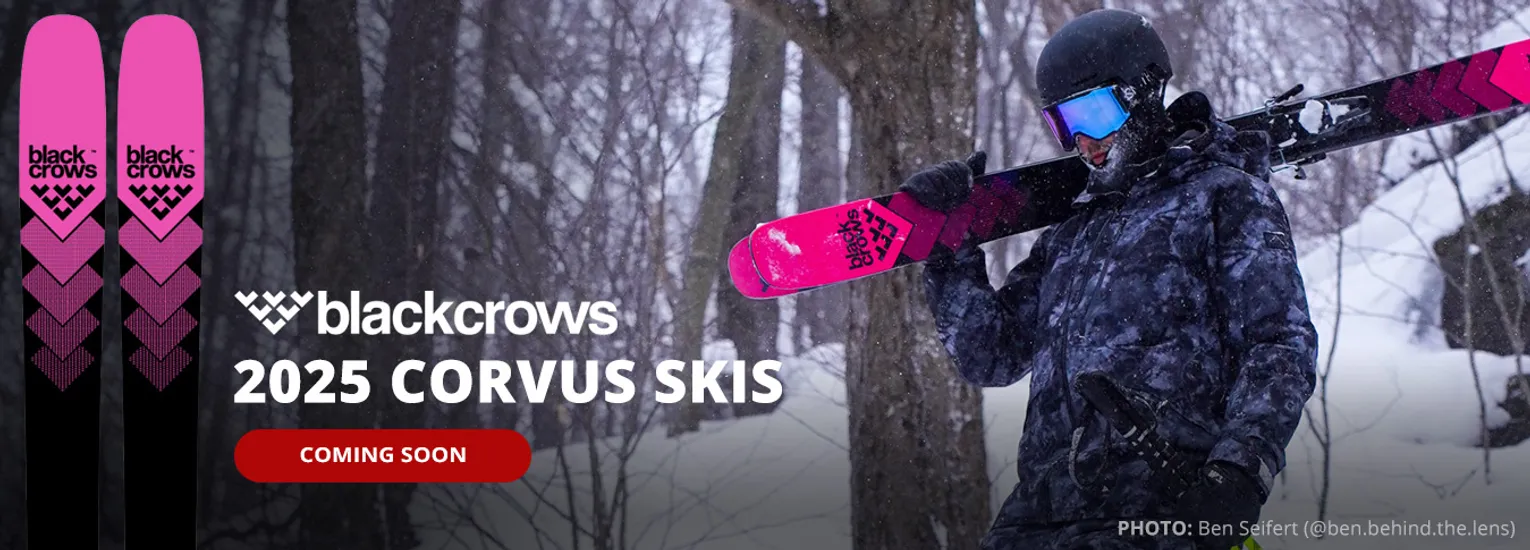
2025 Black Crows Corvus Ski Review
By making wholesale changes to Black Crows’ original ski, the Corvus takes a turn to the freeride side of the spectrum. For 2025, we get a whole new ski, complete with a changed build, shape, and profile to create a floatier, driftier, and smearier personality. Since 2007, the Corvus has been the signature model within Black Crows’ line, offering strong, directional performance for thrill seekers and big mountain skiers. Mostly, the Corvus has been a relatively straight, flat, and sturdy ski that propels expert skiers to the next level in terms of high-speed skiing and rigorous terrain. We get a bit of a reprieve for 2025, but just a bit. While some aspects of the ski point to a friendlier option, there are others that solidify the Corvus’ position as a truly high-performance freeride beast. It’s more of a give and take to create something new and exciting—for the most part, it seems to work, and at the end of the day, we’ve thoroughly enjoyed the new Corvus no matter the terrain or snow conditions as it is basically one of the coolest ~110’s out there today.
While the older Corvus was built with a poplar wood core, fiberglass laminates, and two titanal plates underfoot, the new one trades for a blend of poplar and beech core with a single titanal plate. We also get a thicker core that utilizes less material overall, reducing carbon footprint. The beech, since it’s part of the core of the ski, adds to the smoothness and energy of the ski while the slight loss of metal damping doesn’t seem like that much of a downgrade. Corvus, over the years, was extremely stiff and sturdy, not only from a construction standpoint but also from a shaping one. This new profile also fits the new build properly, allowing for more of a freeride feel. It works together and stands alone. The flex is now more generous and progressive because of the build, allowing for a smoother and more playful feel in softer snow and with more of a creative character. The new ski in the 186.2 sits on the scale at 2075 grams while the previous version was 2150. The slight downtick in weight is mainly due to the drop of the additional titanal plate. The new ones, in addition to being slightly lighter overall, also feel lighter due to the shape and profile.
At a Glance:
2025 Black Crows Corvus Skis

| AVAILABLE SIZES | TURN RADIUS | SIDECUT | WEIGHT | PRICE |
|---|---|---|---|---|
| 169.4, 176.3, 181.0, 186.2, 191.4 cm | 25 m @ 186.2 cm | 137 / 110 / 1201 mm | 2,075 g @ 186.2 cm | $1,079.95 |
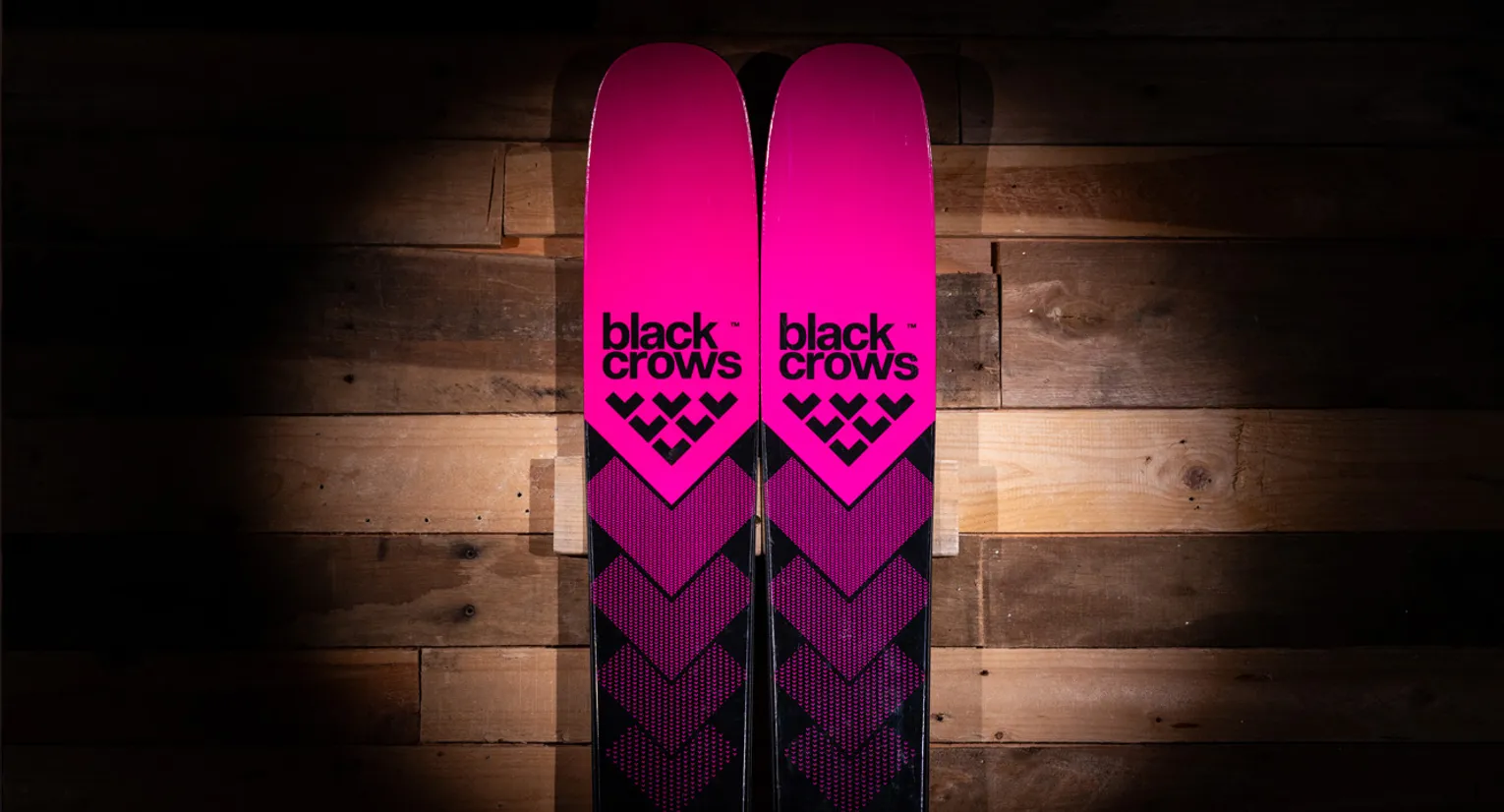
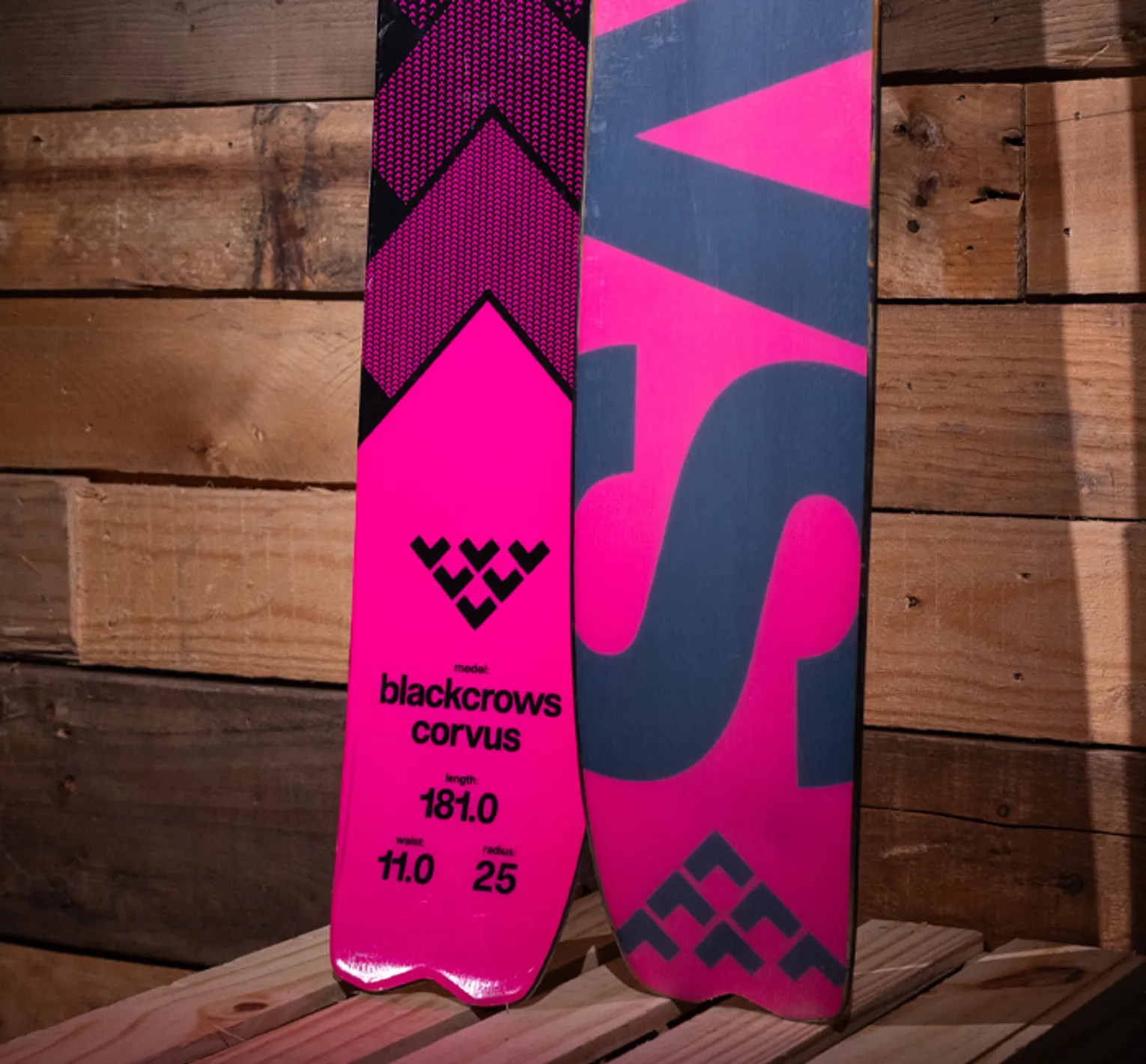
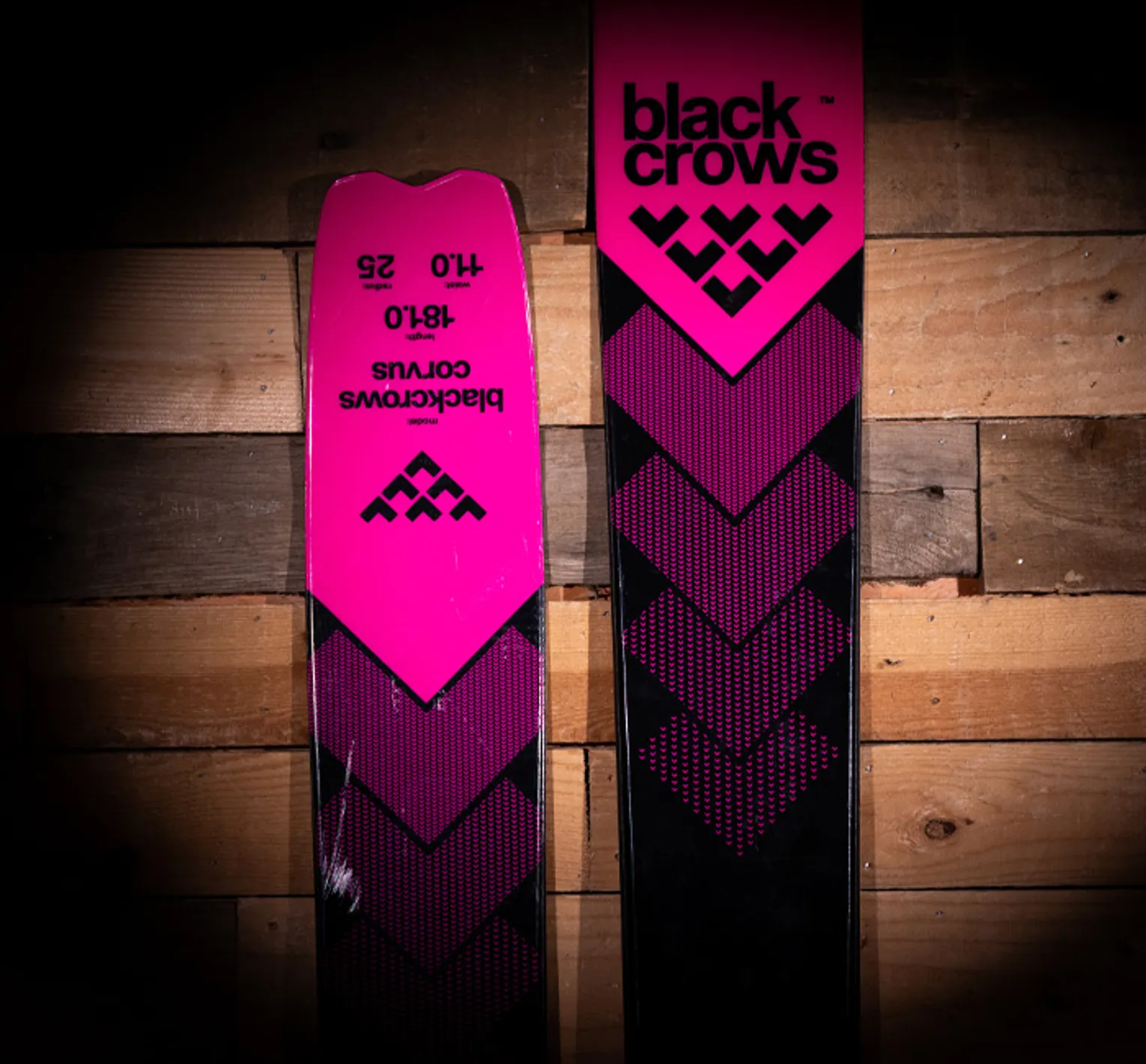
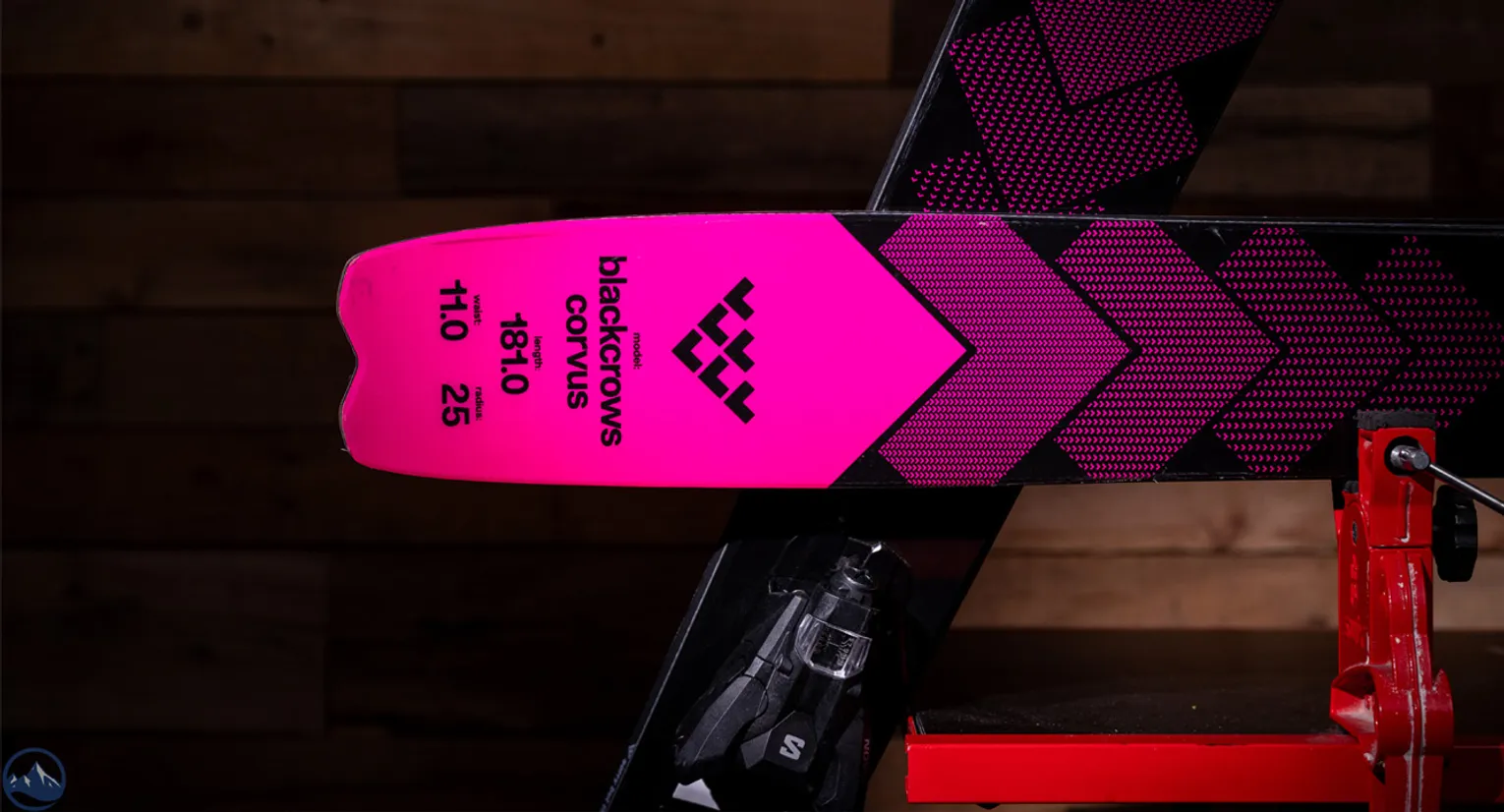
This footprint is where we see a larger change. The profile is now a lot more dramatic, as is the taper shape. Leaning now towards increased mobility, the Corvus is better for pure powder flotation, keeping the ski out of the snow and ready for action. It does not come at the cost of power, though, as the beech involved in the wood core contributes to the overall strength. Not only is the shovel more rockered and tapered than before, the tail is way curvier. We often remarked at just how flat and straight the Corvus was and how that created a very specific character. With the new Corvus, we simply can’t have that same conversation. What we can do is appreciate how the new construction aligns with the shape and profile to better fit into the modern Black Crows lineup. As a mid-point between the Anima and Atris, the Corvus now allows for strong and capable skiing with a more playful mindset. At 110 mm underfoot, the skis now have a straighter cut. This seems to go against what the new Corvus is going for, but it makes sense when considering the profile. Sure, you’re getting less true edge engagement, but you’re gaining surface area contact. This makes you feel more connected with the snow, mainly because there’s more compliance. This helps with smoothness and predictability. The older Corvus was of a simpler mind—just point and shoot and the ski will take care of the rest. This new shape and profile makes the skier a more active participant in the process. For most, this seems preferable to simply holding on for the ride of your life. Now, with a 25-meter turn radius, up from 21 in the previous model, the 2025 Corvus is more amenable to different turn shapes and styles. Even in the woods, this makes for increased mobility and agility. We were able to ski this Corvus in a bunch of different conditions and terrain, but our colleague Matt Stromecki seemed to get the best of it. We’ll defer to his experience and expertise when it comes to on-snow discussion.
Matt's Experience:
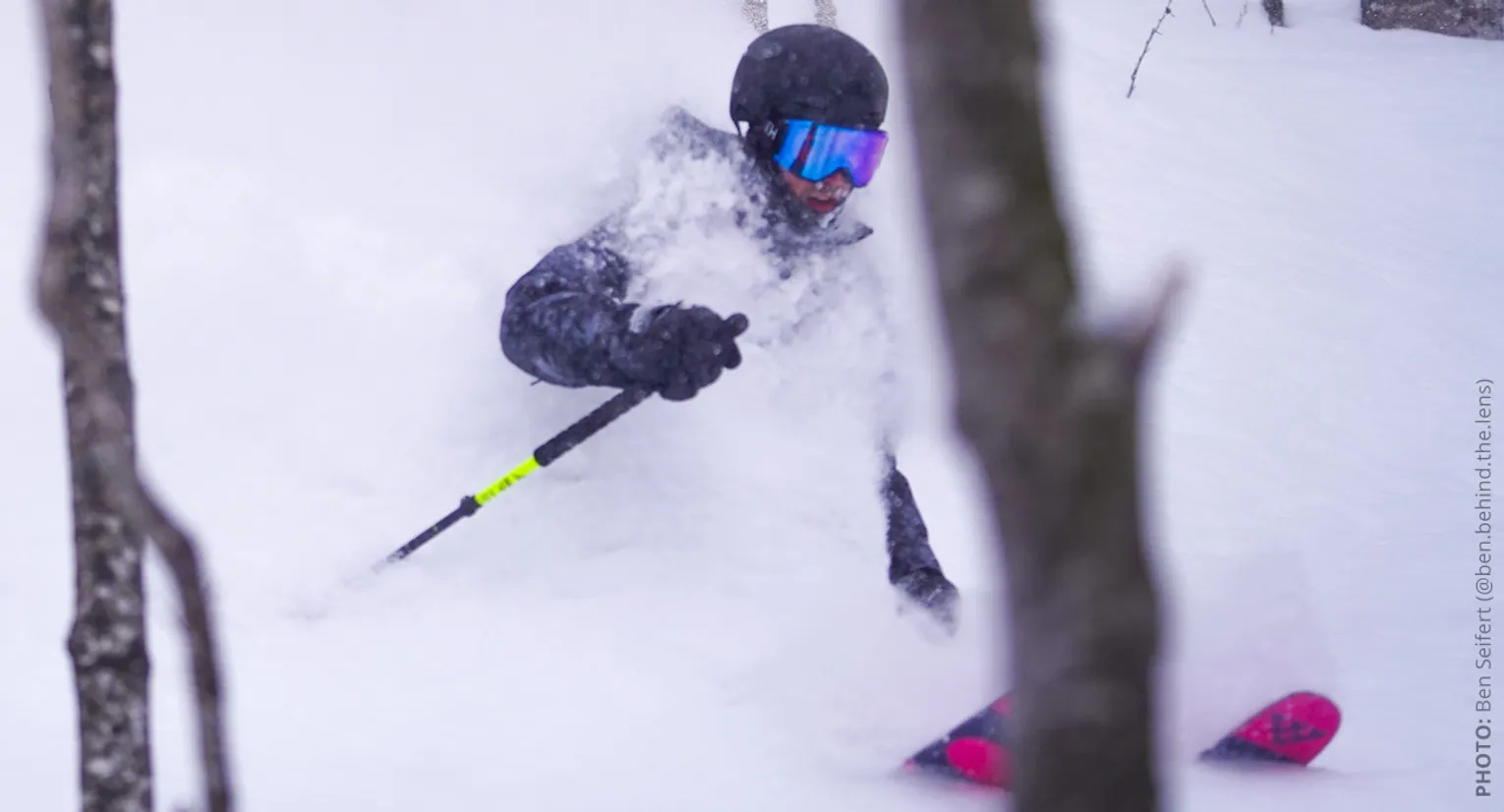
I spent my time on the 186 cm length, which felt great here at Stowe with our tight trees and technical terrain. Off trail in deep snow, the Corvus was just incredible. Easy to maneuver, slarvy, smeary, wiggly, and extremely easy to pivot which was quite the opposite to what I was expecting given its reputation as a brute projectile. Instead, it felt easy to manipulate and forgiving, which I very much enjoyed when squirming through our tight trees. It was easy to ski the Corvus in many ways by weighing and driving certain parts of the ski. The dramatic taper in the tail coupled with its generous tail rocker allowed you to sit back a little bit and use the tail essentially as a rudder when needing to wiggle and quickly change direction. Then you could stand more centrally and allow the tip rocker to come into play and pivot on a dime and bounce through the deep snow with ease. Then if you need to get the tips to hook up and generate some power, you can drive the fore section of the ski. They are extremely intuitive and forgiving in the tight trees without feeling cumbersome or tough to move around. Typically, when you hear these types of descriptive words, they come with the sacrifice of stability and damping, but I did not find that to be the case. Cliff drops, airs, and rough runouts were no problem and I never once felt like they got squirrely or uncomposed. These attributes and performance characteristics were experienced in perfect conditions however, with 30 inches of fresh snow that was so light it could only be described as cold smoke. In heavier, wet, or dense snow they would likely feel a bit different but let us remember what these 110 mm waisted skis are designed for... powder and big mountain lines. The Corvus is not necessarily intended to be a daily driver or a ski that you reach for when conditions are less than ideal.
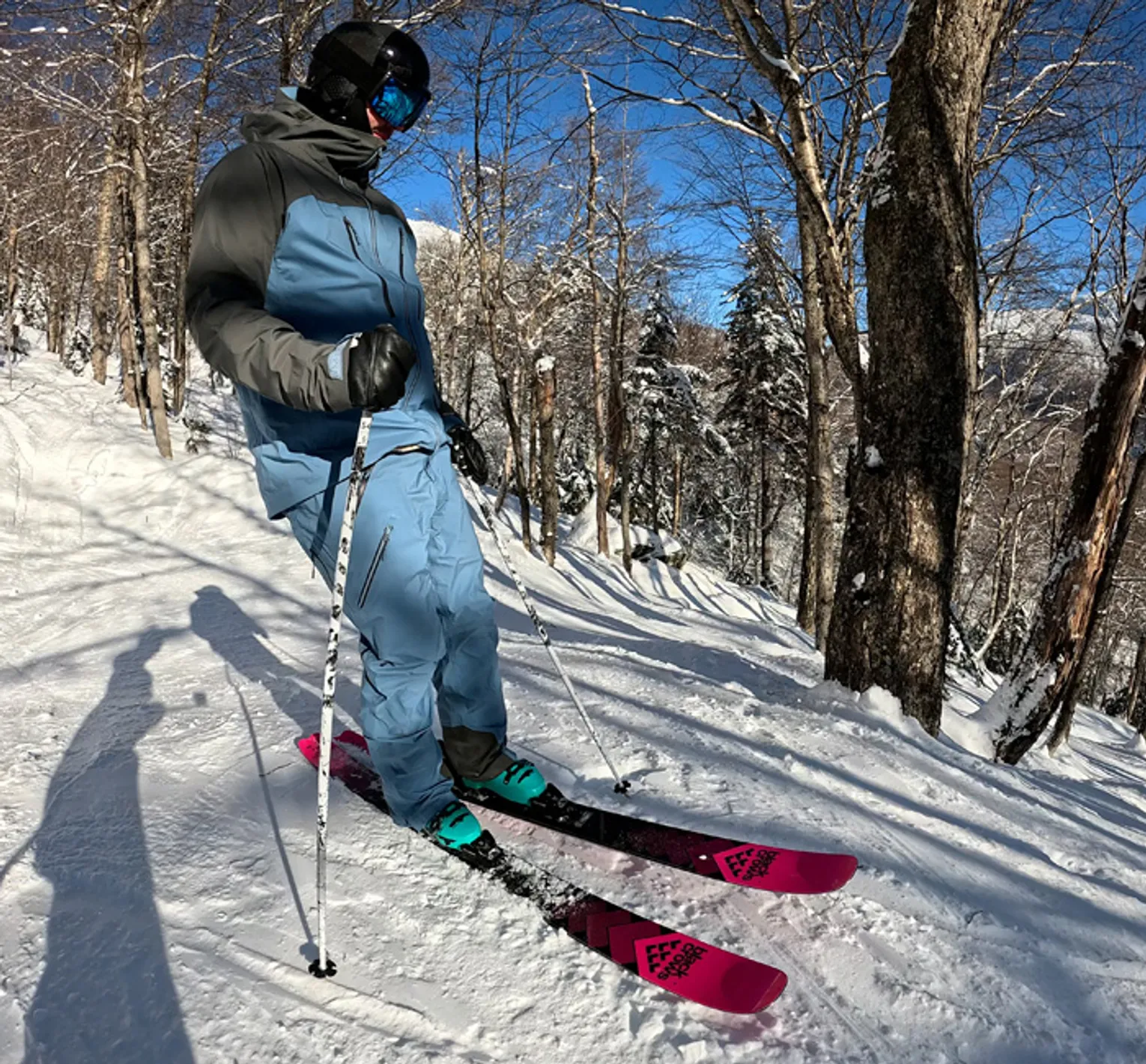
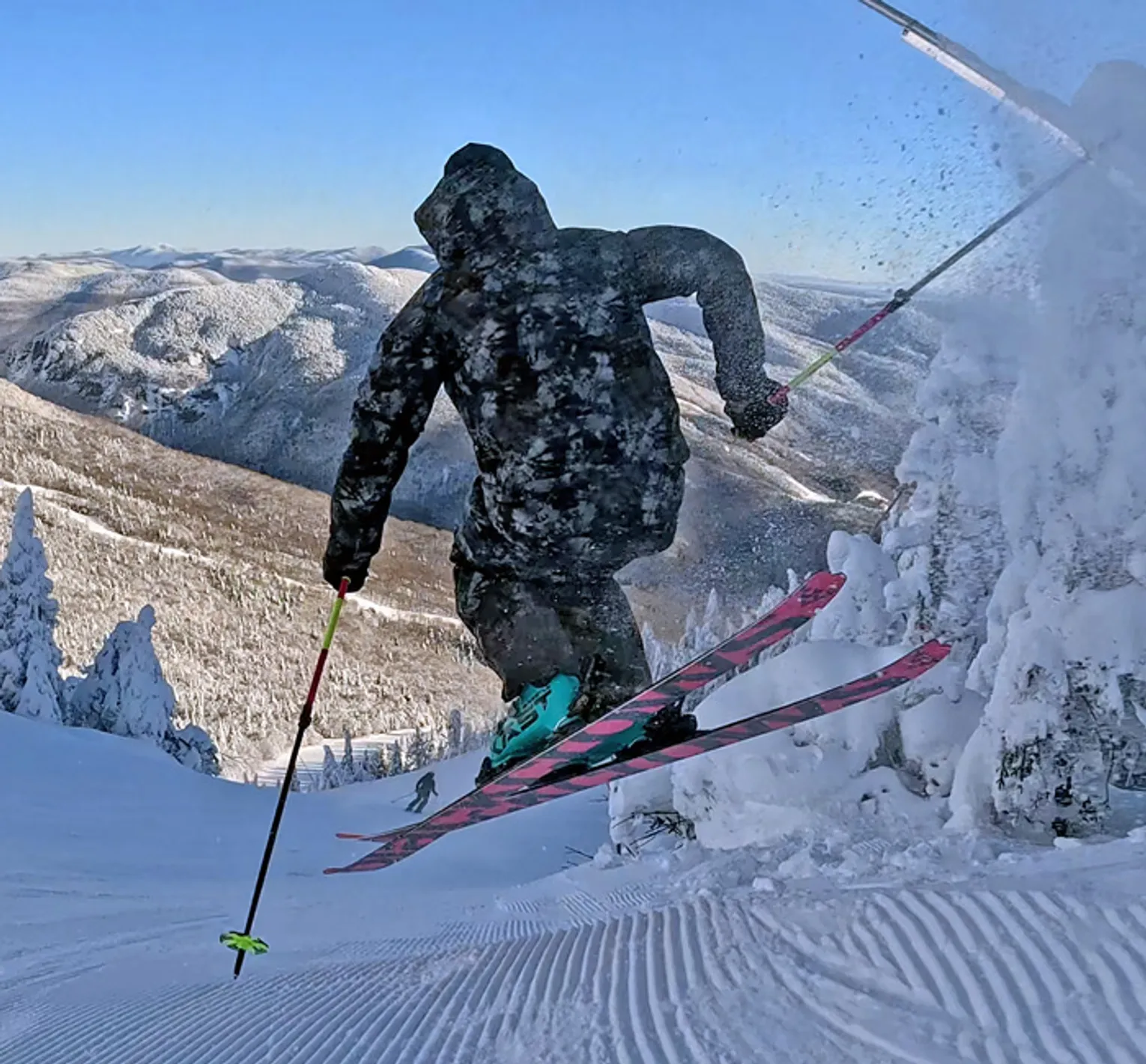
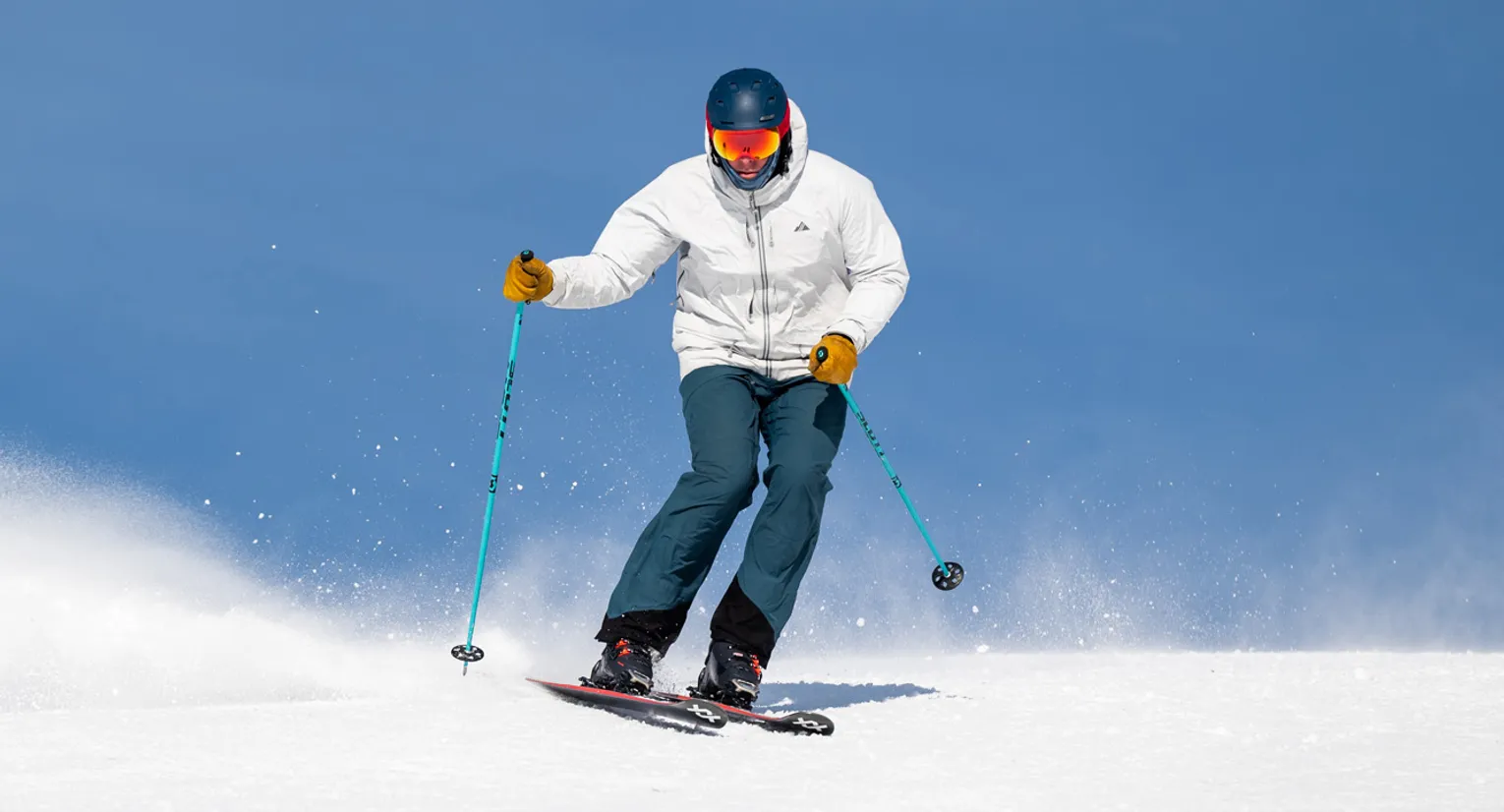
On-piste is a slightly different story, and not a bad story by any means but certainly different. Fortunately, I skied the Corvus on days where there was a ton of fresh powder on-trail to get a sense of what they would feel like in a big mountain format as well as on some nice groomer mornings. On the powder days, they seemed to get deflected quite a bit when the snow became varied and chopped up which was very surprising given its intended application. This is mostly a symptom of ski length. If I was on the 192 cm length, this issue would be resolved, and they would have more of a crud busting attitude. But then, how much maneuverability would I be sacrificing with the added length? Probably a significant amount. But this then begs the question of where and in what scenarios are you going to be using this ski. If I was to have this ski here in Vermont, the 186 cm length would be my pick as I would be using them mostly off trail and in the tight trees. However, I would 100% rather be on the 192 cm length when in wider open and steeper terrain with higher speeds. On groomers, the Corvus was not really in its element as the 25-meter turn radius begged for speed rather than turns. When carving, they certainly had a speed minimum and if you didn’t get them up to speed before initiating as turn, they felt lazy and unwavering to engage. But once up to speed and generating some edge angle, they came alive and were more than happy to make round arcing turns from one side of the trail to the other without hesitation or difficulty.
This move away from the traditionally shaped and profiled Corvus is an interesting one. By aligning with the more freeride side of the spectrum, they’re putting this ski closer to existing models, increasing cohesion throughout their line. This is a bit different from the ski company, but it makes sense as they continue to evolve. They’re still falling short of developing a traditional “line” of skis, but they’re inching closer! Corvus loses some of its strength and power and directional character, but it more than makes up for it when it comes to playful powder performance. This ski could certainly have changed its name as well as its build and shape because it’s so vastly different in character and application. With a more flexible and floaty nature, Corvus appeals to a more modern freeride skier. Will some be sad and nostalgic about the OG Black Crows ski? Likely. Will more skiers enjoy the new ski? We certainly think so.