2025 Blizzard Skis in Austria - Trip Report Part 2: Off Snow Recap
About a month ago, we shared out recap of skiing and testing 2025 Blizzard Skis at Kitzsteinhorn, Austria. While the on-snow portion of the trip was incredible, our time off snow was equally as enjoyable and certainly more educational. Seeing the Blizzard factory firsthand was a valuable and memorable experience for me and really helped me better understand and grasp not only the technological accomplishments of their operation, but also how deeply ingrained Blizzard is in the culture and day-to-day life of Mittersill.
Of course, growing up in the good ole U S of A is great, and we have our own accomplishments to be proud of, we certainly don’t have the vast history of a place like Mittersill. The first evidence of settlement in the area is around 2200 BC, with considerable history and development in the 13th and 14th centuries. This isn’t necessarily intended to be a history lesson focused on Mittersill, but I think it’s nice to have some context. Walking around the streets, you can feel the history and culture. You can also feel the connection to Blizzard skis.
Just a short drive from Kitzbuhel, as you round a corner with Mittersill in the distance below, the view is simply breathtaking. What looks like a quaint little town is nestled between huge peaks. Of course a ski factory is located here. With the size of the mountains and the proximity to world class skiing, where else would you want to have a ski factory? Before we get into the details of my experience in and around the factory, I think it’s important for readers to understand how important Blizzard Skis and the Blizzard Factory are to the Mittersill population. The amount of pride and the way the people identify with Blizzard is so thick you can touch it. Seemingly everywhere you go, there’s someone talking about Blizzard, wearing a Blizzard logo, or asking you what your connection is to Blizzard. Maybe that last part was because so many people in our group were also wearing Blizzard logos, but I don’t think it’s an unusual occurrence in the area. We quickly developed a favorite little spot to grab a quick beer during our stay in Mittersill, and of course the owner and only server had a robust history with Blizzard. So much so, he practically refused that we pay for drinks. This was reciprocated through a plethora of new Blizzard merchandise. I wish I had a picture of his face when Sarah Lauridsen handed him his new Blizzard gear. How his face displayed a combination of pride, gratitude, and appreciation not just for the gesture, but for the brand, was the most obvious example of how deeply rooted Blizzard is in the amazing little town of Mittersill.
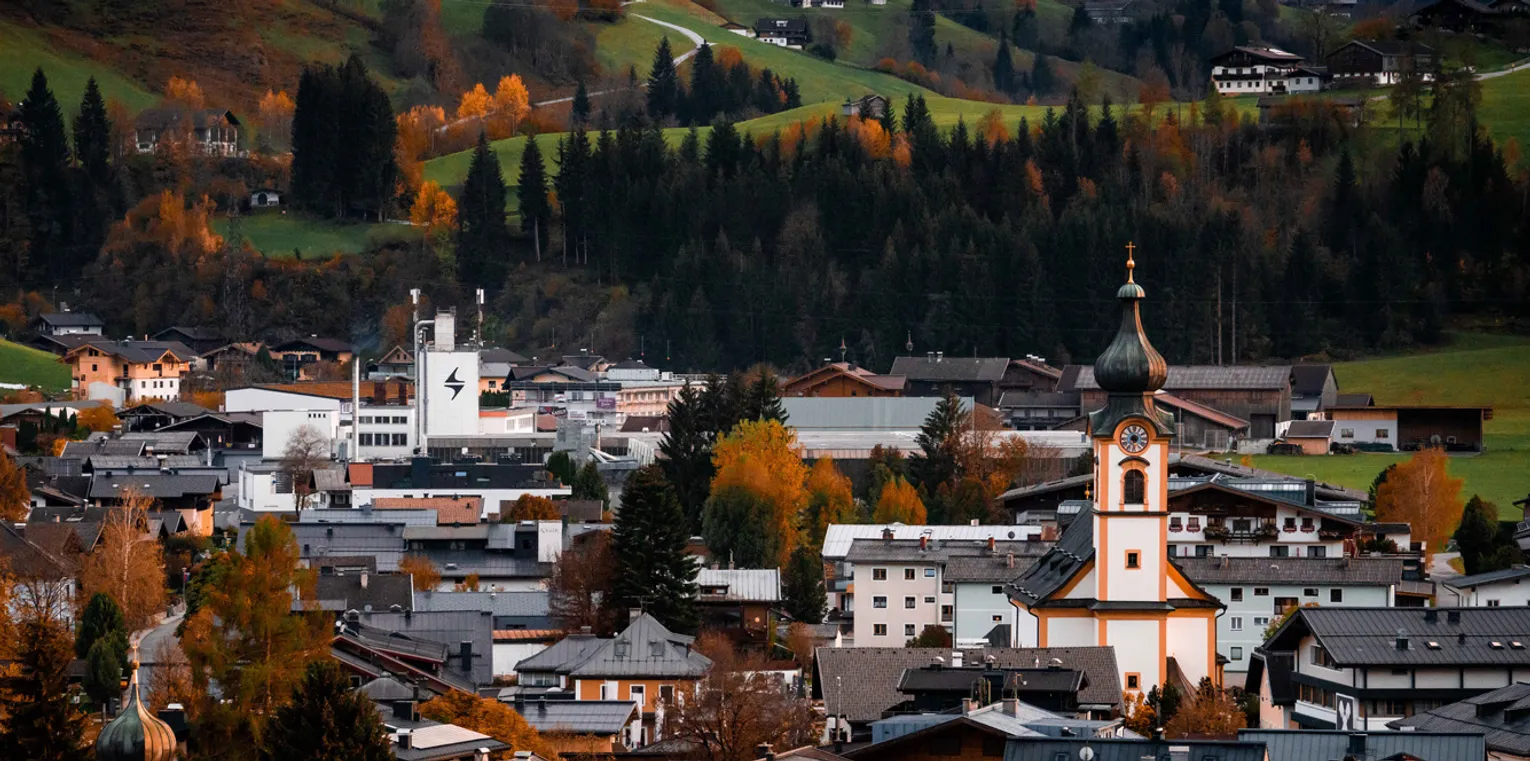
The factory itself is quite a sight. If you stop to take in that view I mentioned, which is from miles and miles away, it’s impossible not to spot it. An expansive white building with a unique roofline is highlighted by one of the highest rising towers in the area, which of course is finished with a striking Blizzard logo. It truly is the skyline of Mittersill. Walking to the factory on foot, however, is a different experience. You literally walk through history, circle around the home of the founder of Blizzard, Anton Arnsteiner, and find yourself at the gate to what feels like Disney World for an avid skier and especially a fan of Blizzard Skis. The factory and associated offices have been extremely modernized compared to the original buildings, but the history is still right there, right in front of you, and you can touch it.
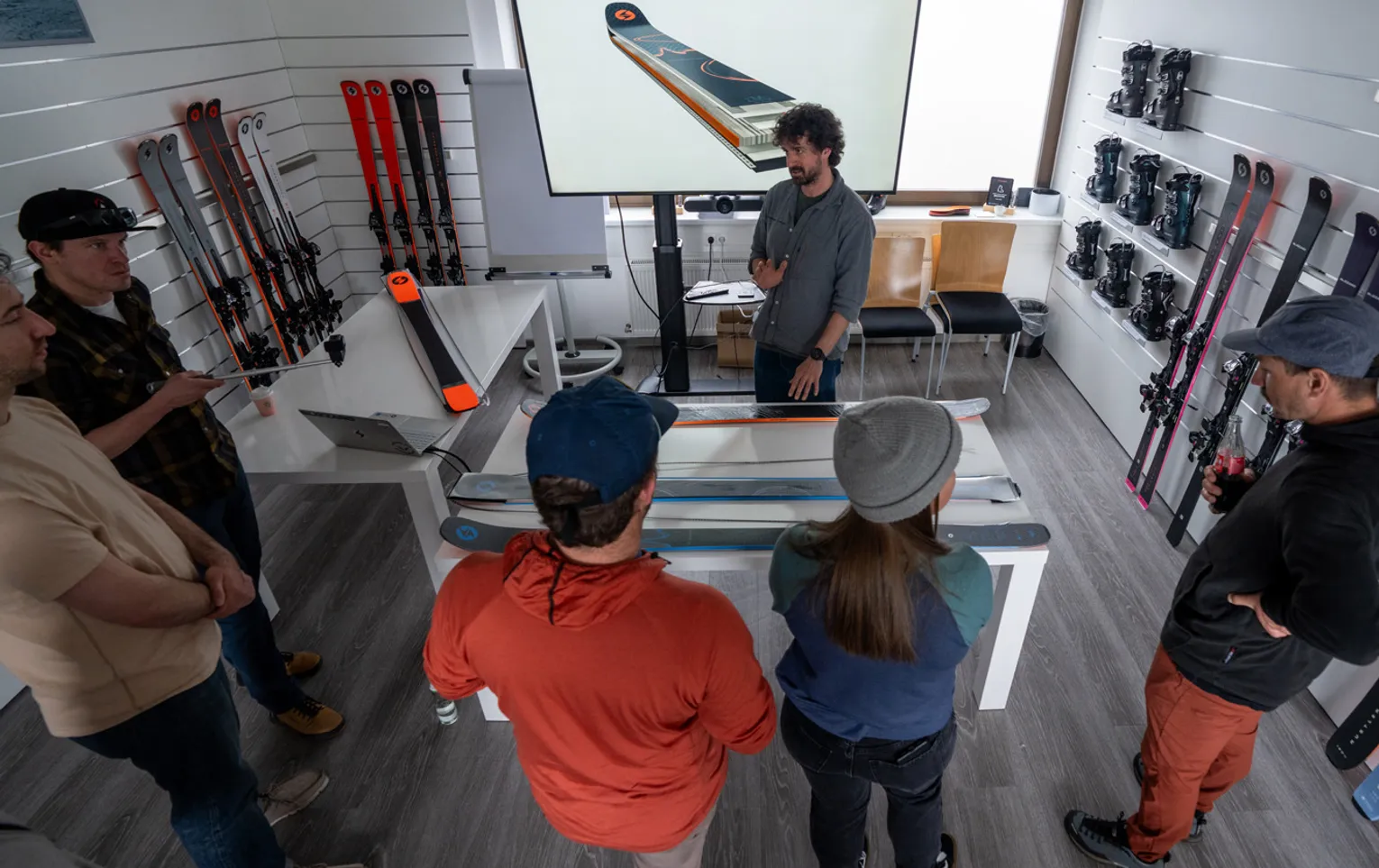
Inside the building, we started in the administrative area, where display rooms and conference tables dotted the multi-story wing of the Blizzard headquarters. Here, Gianluca Bisol, the International Product Manager for Blizzard, walked us through the construction of the new Anomaly and new Black Pearl collections for 2025. While it certainly wasn’t my first time learning about the new construction methods or how Flux Form has been tweaked from Rustler/Sheeva into Anomaly/Black Pearl, it was the best presentation I could’ve possibly wished for. If you want to experience it for yourself, watch the video embedded in this article. If you think you know everything about how these skis are put together, you’re probably wrong. It was also incredibly rewarding to get insights into the development and construction straight from someone like Gianluca. His knowledge, expertise, and perhaps most importantly his passion, were all palpable.
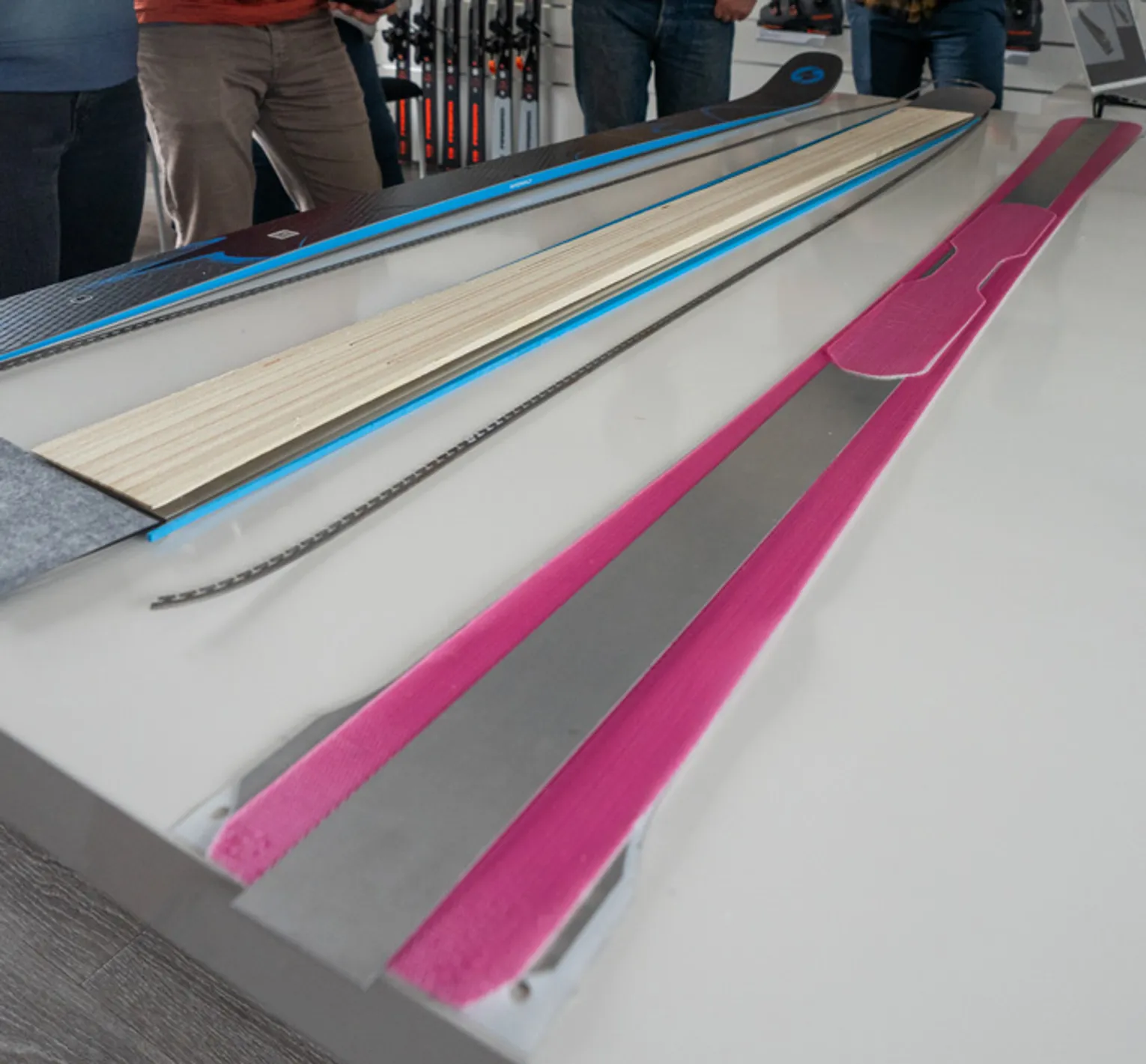
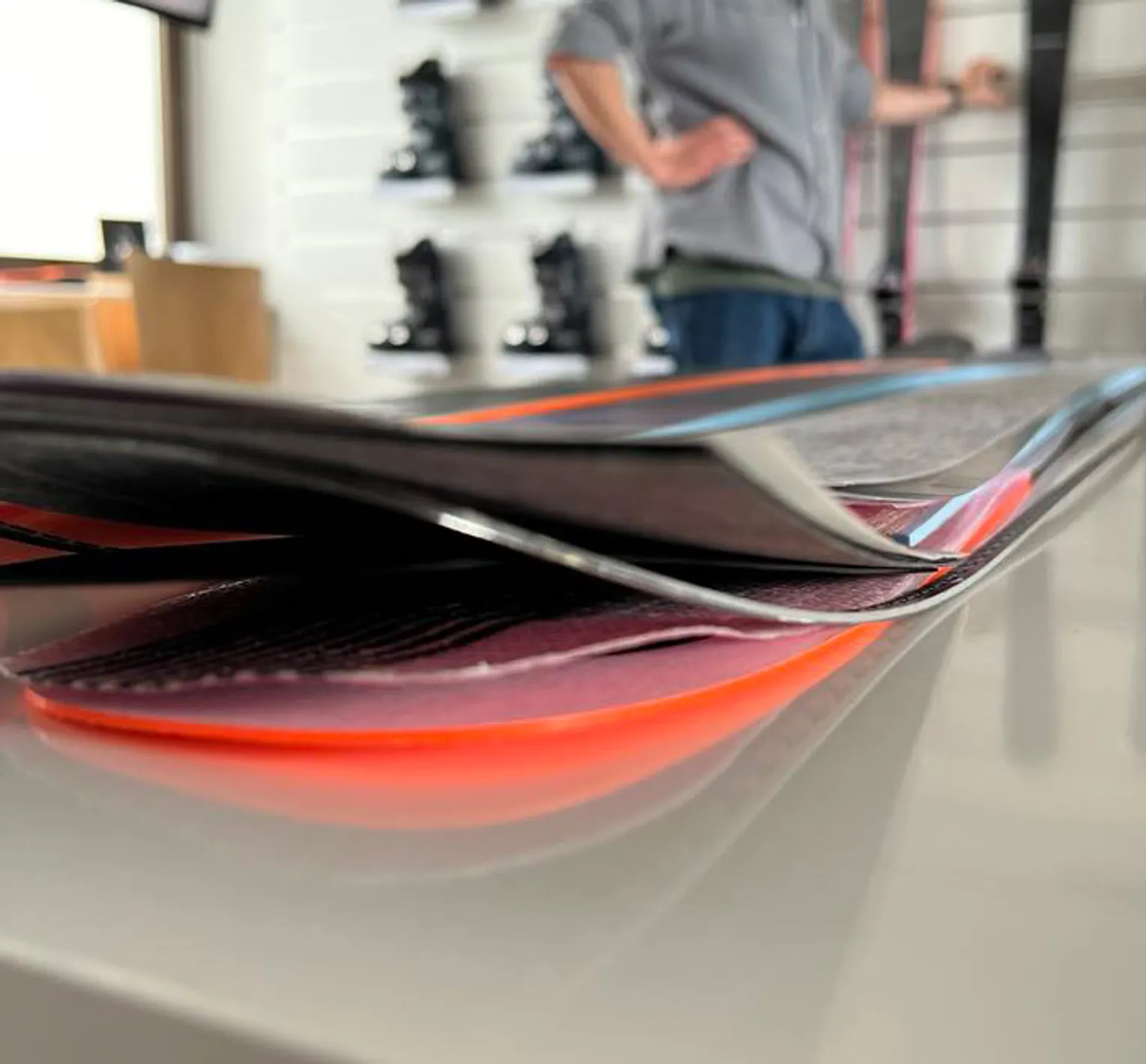
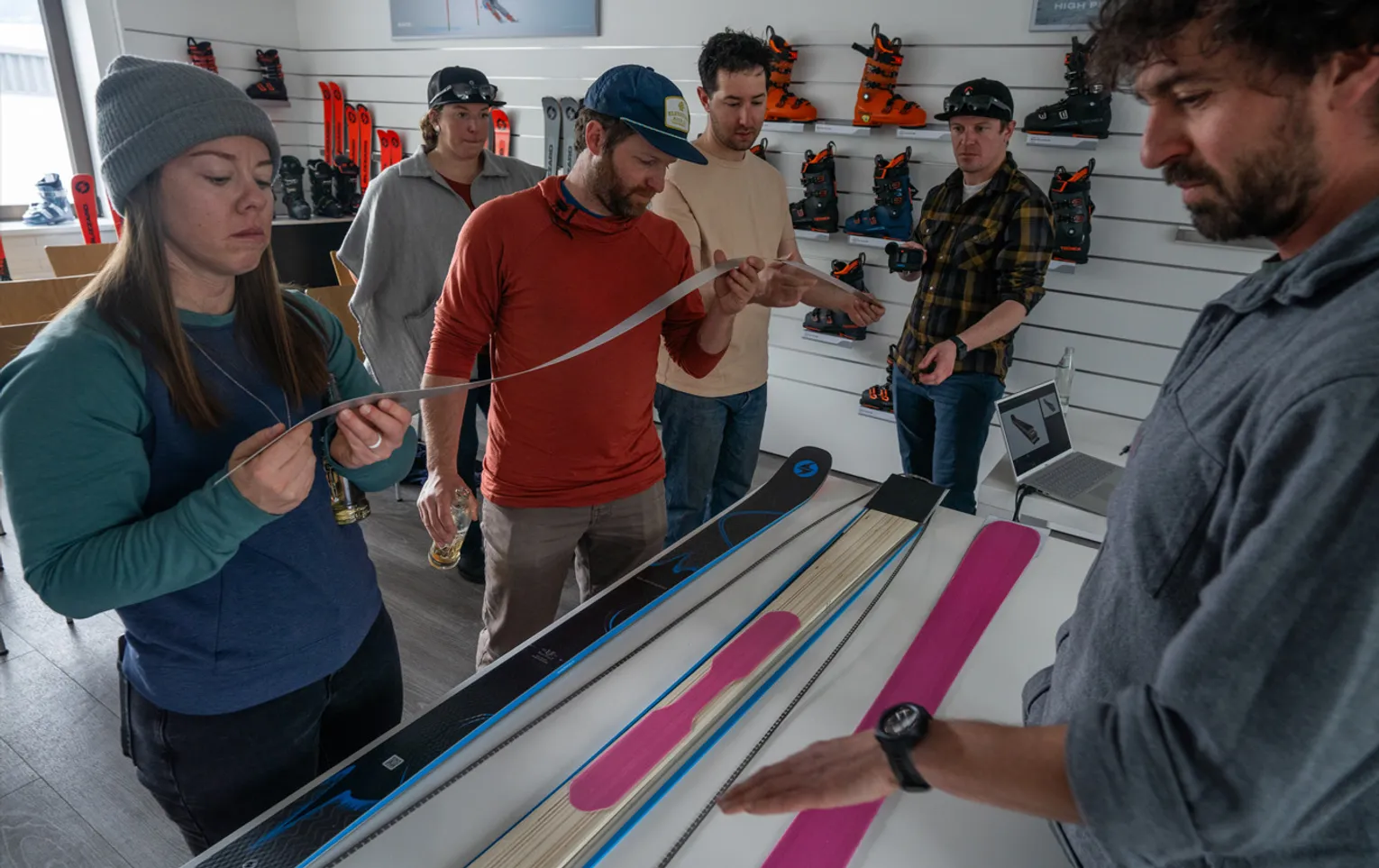
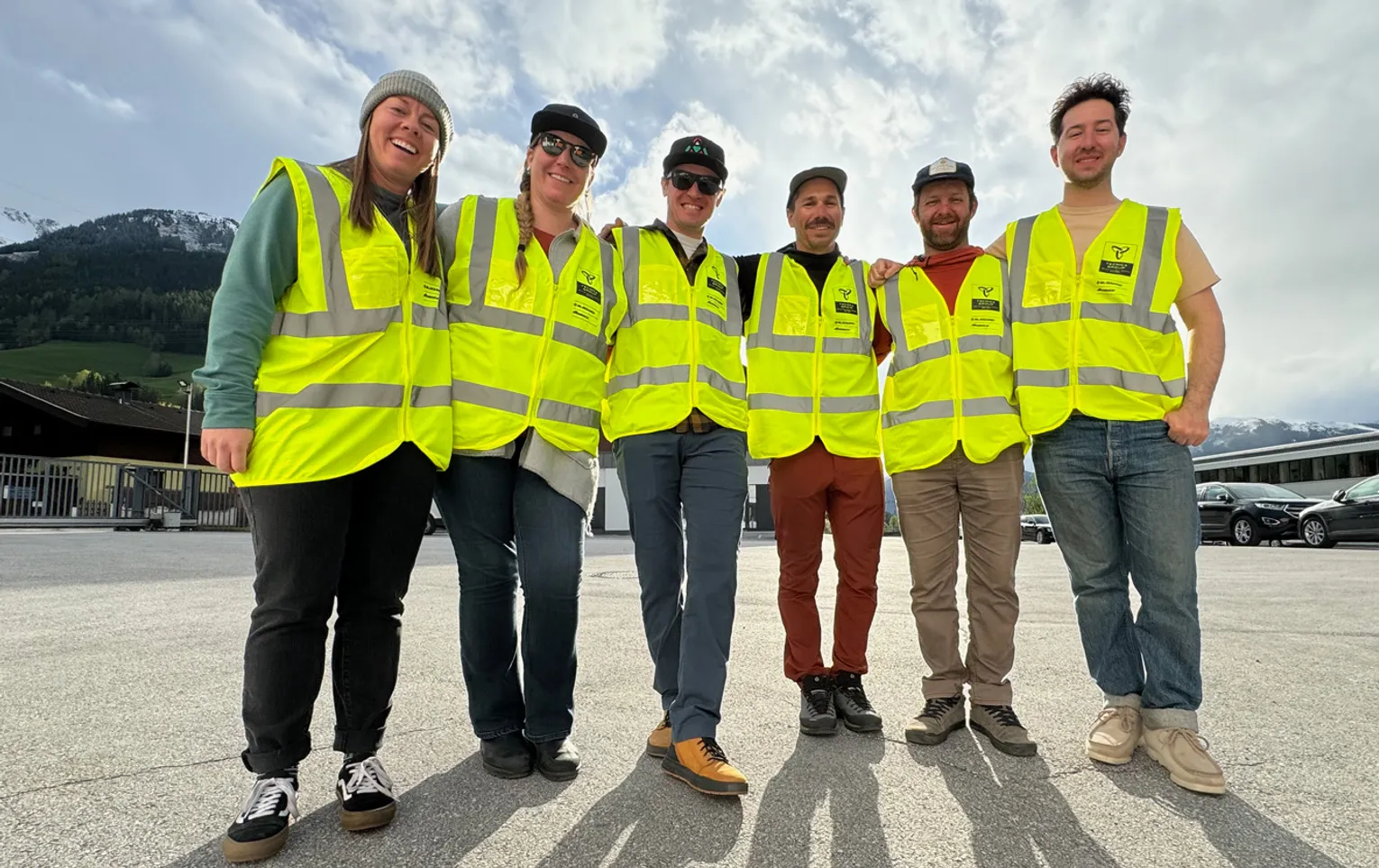
Next, we donned blaze yellow safety vests, which basically were intended to make it obvious we didn’t work there. A brief negotiation ensued surrounding the question of whether we could keep these yellow vests. A secondary thought involved potentially just skiing in them the next day. Ultimately, the Blizzard Factory still has those vests. You’re welcome. Or thank you. Whichever.
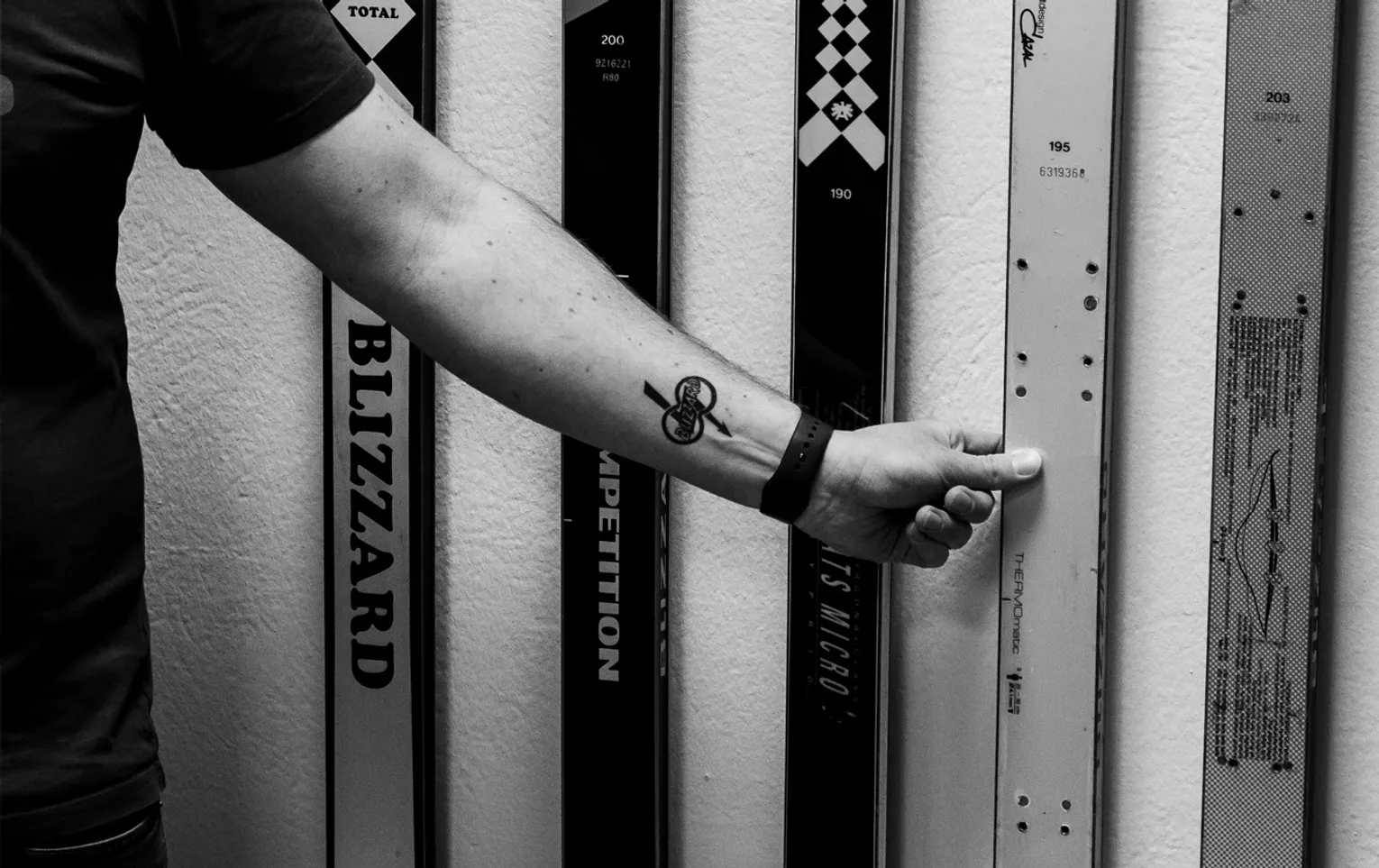
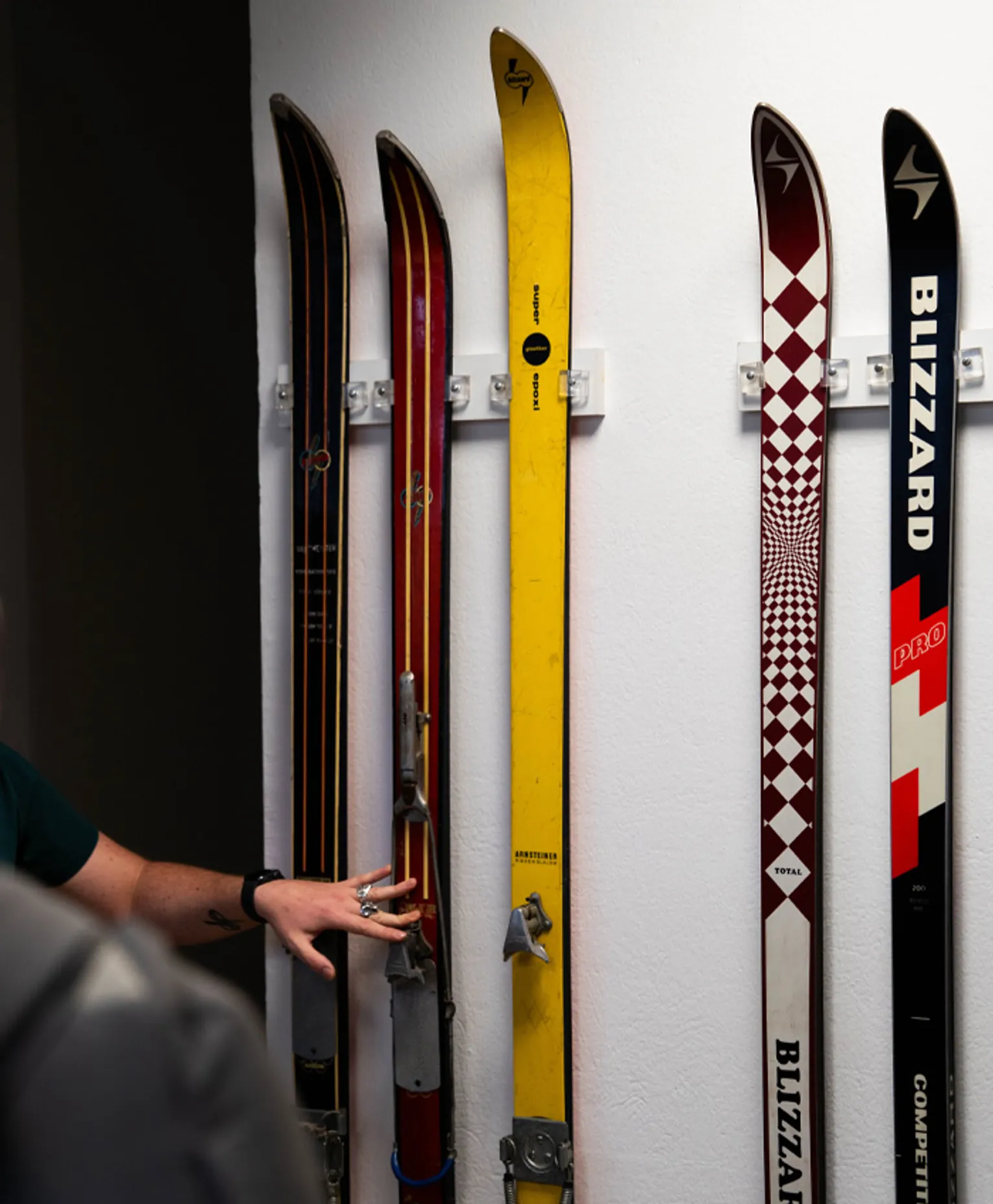
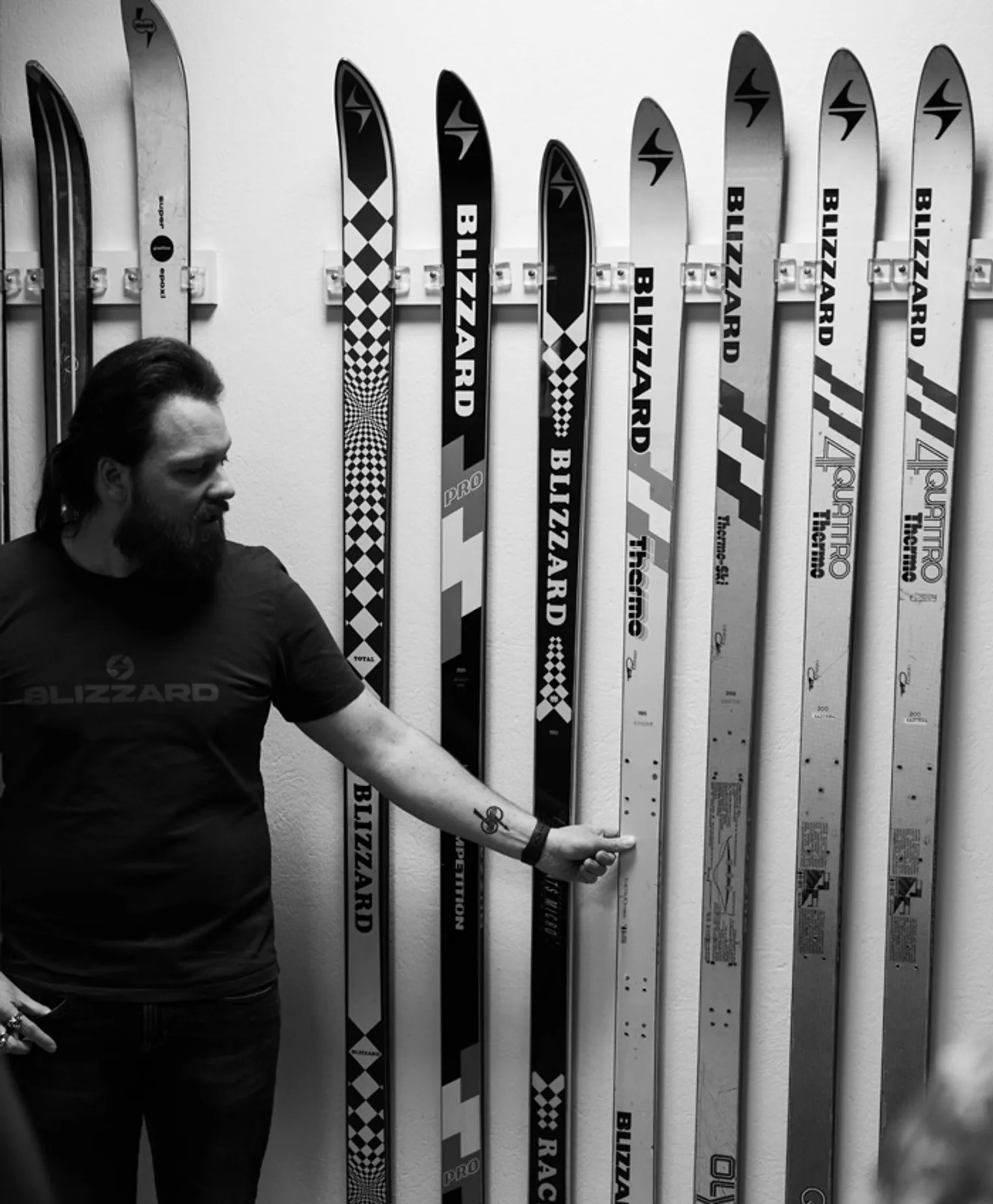
We then walked over to the actual factory building, where we were met by Steiner Thornsten, head of Blizzard Marketing for Germany, Austria, and Switzerland. Remember talking about all that Blizzard pride and heritage? The way that Steiner talked about the brand was like a proud parent talking about their offspring and how they would carry on the family legacy. It’s not a job for these people. It’s a lifestyle, as cheesy and cliché as that might sound. Steiner took us on a journey through the history of Blizzard Skis with their impressive Wall of Fame as an excellent prop. These days, I think most skiers consider Blizzard a leader in innovation and progression in ski construction and technology, and that’s been the case since 1945. Blizzard was there for several first-ever accomplishments. First ever ski with an actual screen-printed graphic, first ski to use cap construction instead of vertical sidewalls, first ski to include an integrated binding plate or what we like to refer to as system skis, and the list goes on and on. Of course, ski development really took off in the mid to late 90s as new shapes and new concepts took the place of the long, straight skis that dominated the market. Once again, if you want to experience Steiner’s presentation on your own, just click play on the video with this article. His thick Austrian accent may be hard to understand at times, but it certainly adds to the authenticity.
After our history lesson, we joined Stefan Moser, the lead engineer for the entire Blizzard factory. Stefan is a soft-spoken individual. He’s one of those guys you can just tell knows just about everything there is to know about, well, just about everything. His knowledge and experience are incredible, and while he might not be the most outgoing person you’ll ever meet, the more you get him talking about ski construction, the more his eyes light up and the stories start flowing.
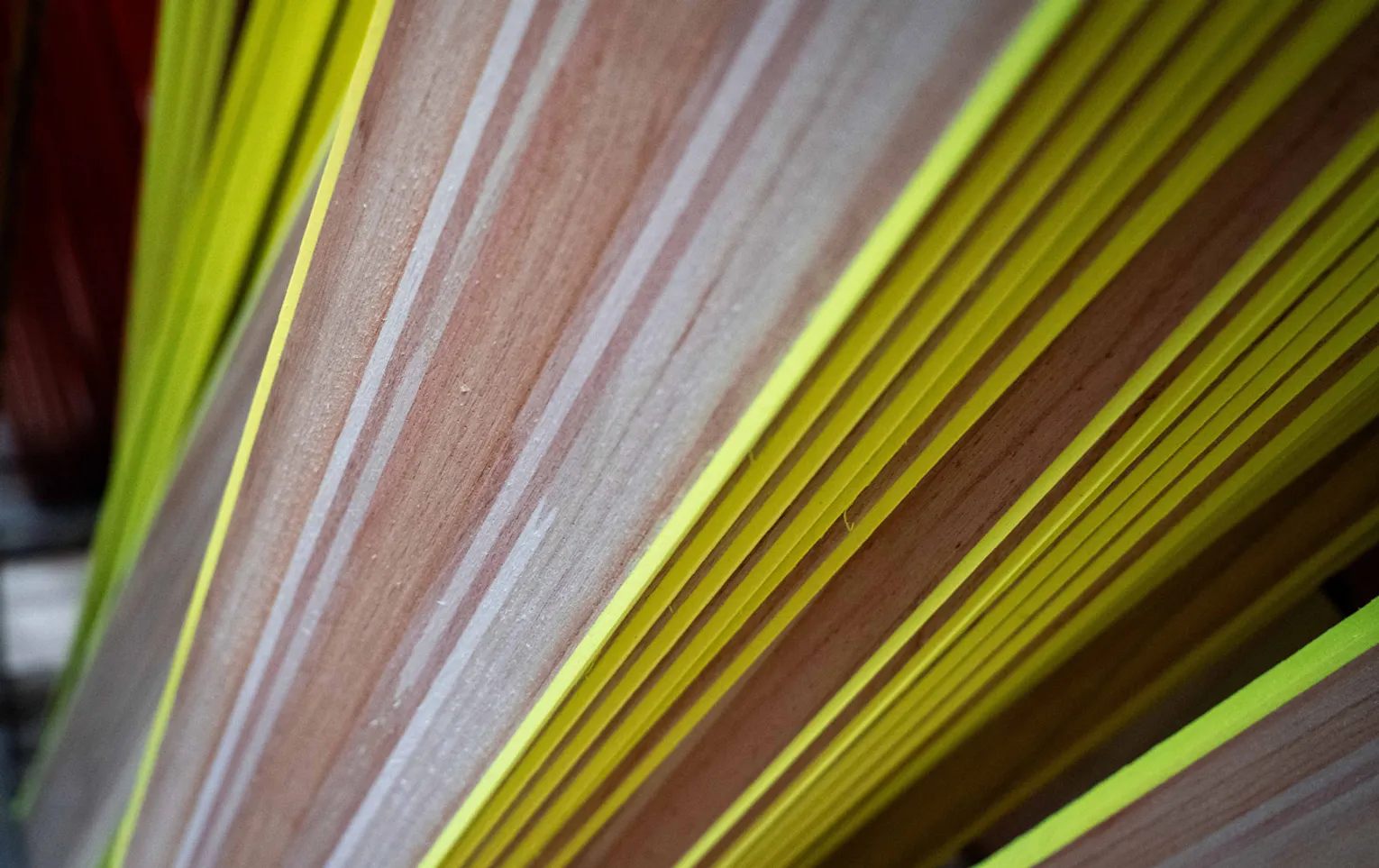
It would be impossible to communicate everything I saw in the factory in text. I’m also not allowed to talk about certain procedures. Considering that, I’m not going to try to be all encompassing in this recap. Rather, I’d love to share what stood out as highlights to me. First, I will always love seeing all the raw materials and what it takes to turn them into a ski. The racks of wood cores that had yet to be milled into their thickness and sidecut shapes were impressive, and there was something about seeing a wood core basically in the shape of a 2x4 (not actually, just squared edges) that was eye-opening for me. Can you bend a 2x4? No. Well, yes, but you’d have to be really strong. Similarly, can you bend a wood core before it’s milled? Certainly not by hand. We’ve talked about it a lot over the years, but the thickness of the wood core is the biggest controller of flex, and it was awesome to get to see that process with my own eyes. It’s testament to how important that milling process is and how precise it must be. Speaking of wood cores, I’ve seen a True Blend core in person before, but seeing so many of them was striking and it’s obvious not only how much time goes into creating these cores, but also how much money. If you’re ever curious why skis cost so much, go walk around a ski factory. You’ll start to ask yourself how it’s even remotely possible for them to be under $1,000.
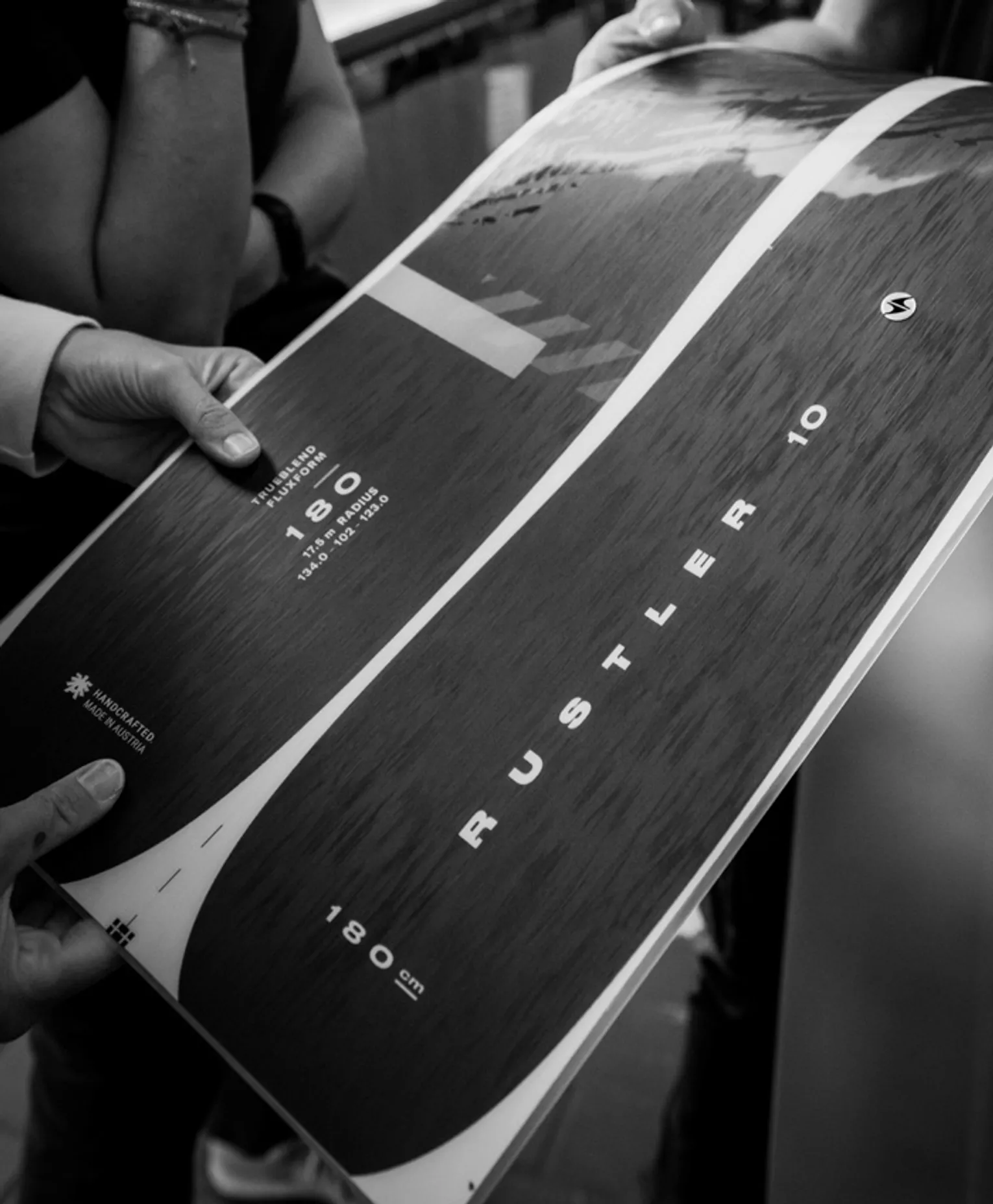
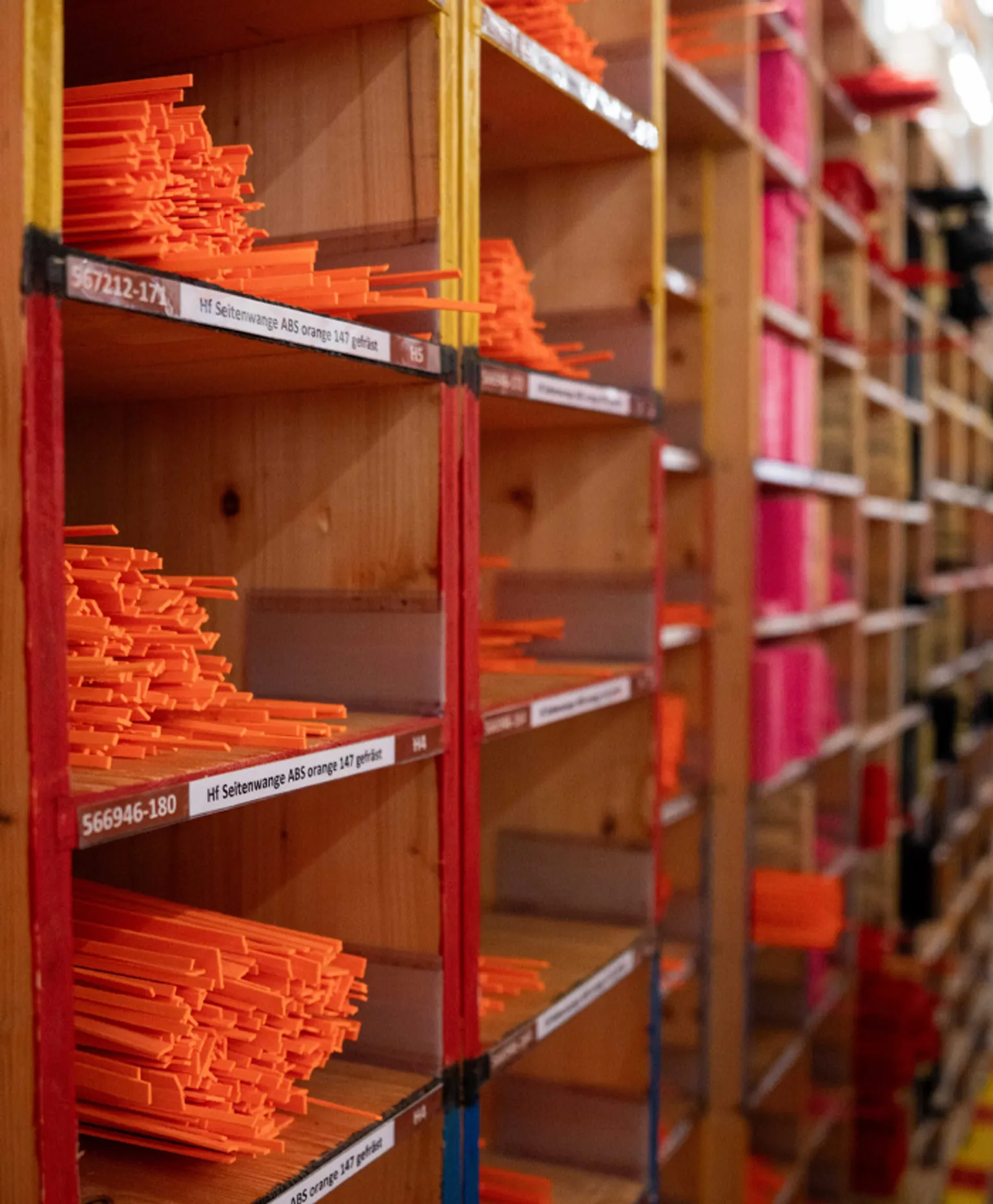
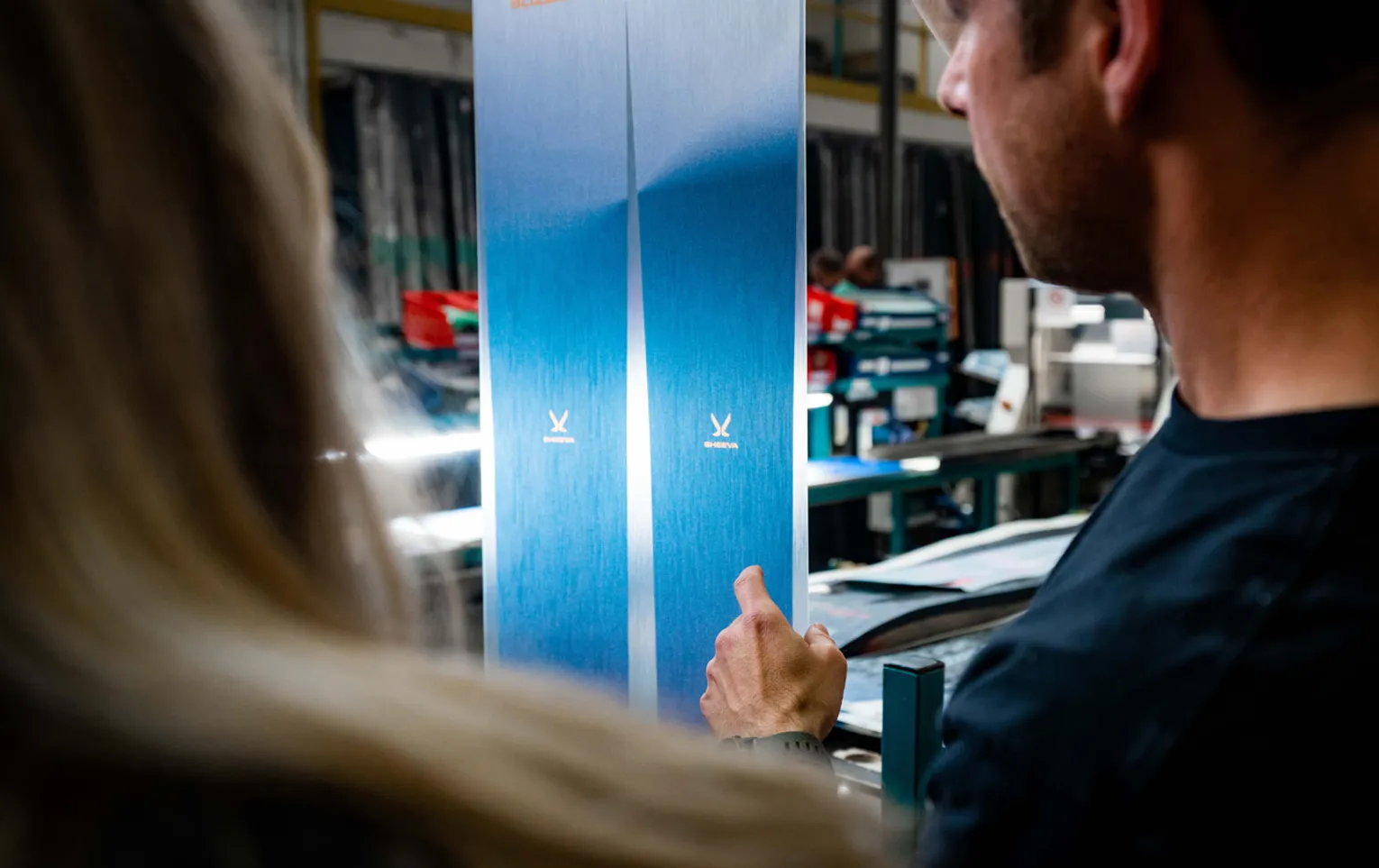
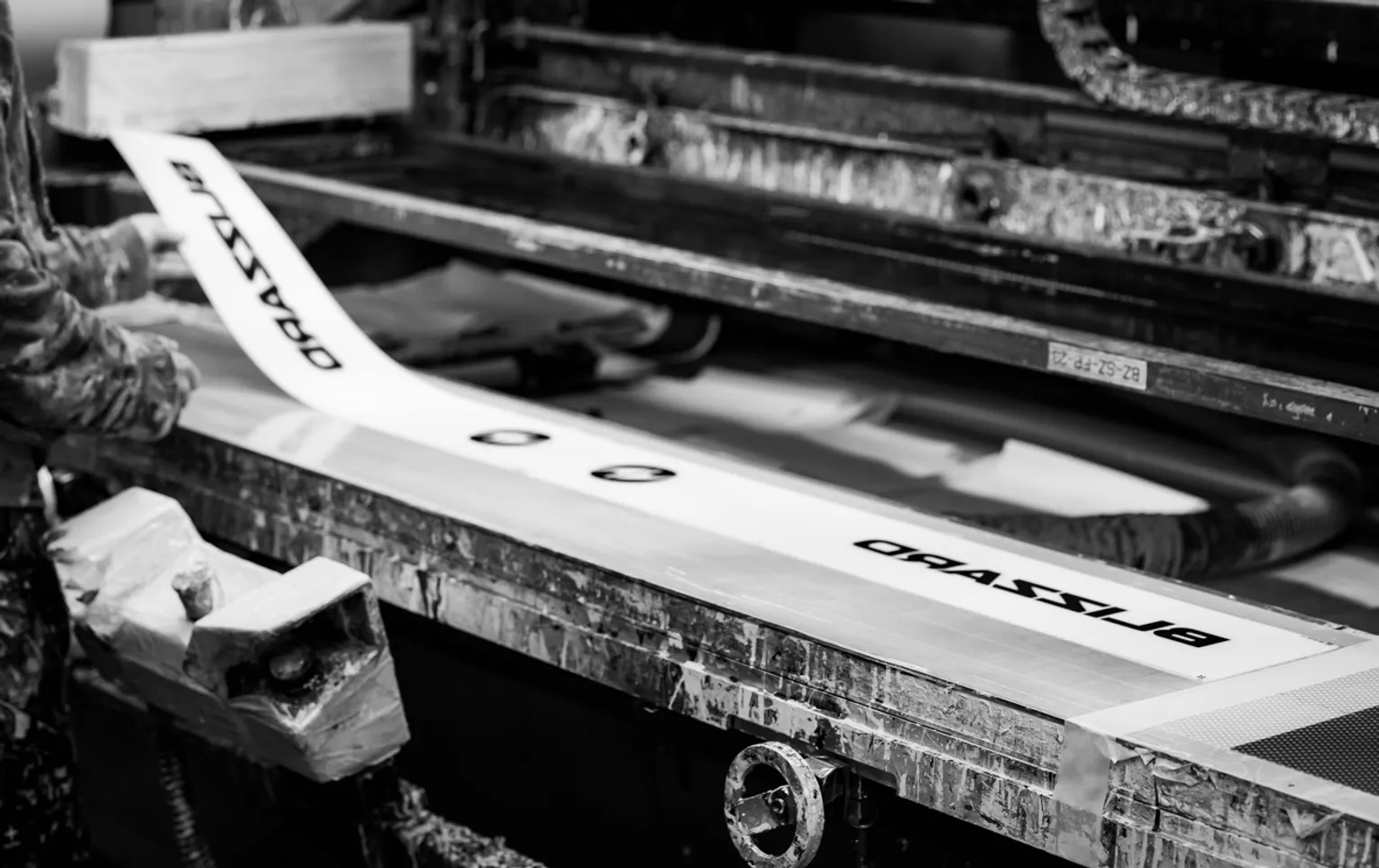
Another experience that stood out to me on our factory tour was just how many people are involved in the production of a single ski. It takes a literal team of dedicated professionals to make it happen, and while you’ll see your fair share of CNC machines, the amount of human hands that touch a pair of skis before it’s finished is just so gosh darn cool. The team of mostly women who oversaw basically the entire graphics department was incredible. Also, if you’re asking why it was mostly women, apparently, it’s just that they do a considerably better job than the men. Pretty interesting. If you’re curious why your skis look so good, you better be giving credit to those women. While we were standing and watching these women work absolutely awe-struck, a random nozzle above us started misting. Of course, the question you must ask next is “why is there mist coming from the ceiling,” and of course there’s an automatic system in place that allows for an extremely specific amount of humidity that these graphics need to properly cure. Is cure the right word? Not sure. Where’s Stefan when I need him? Probably building more skis.
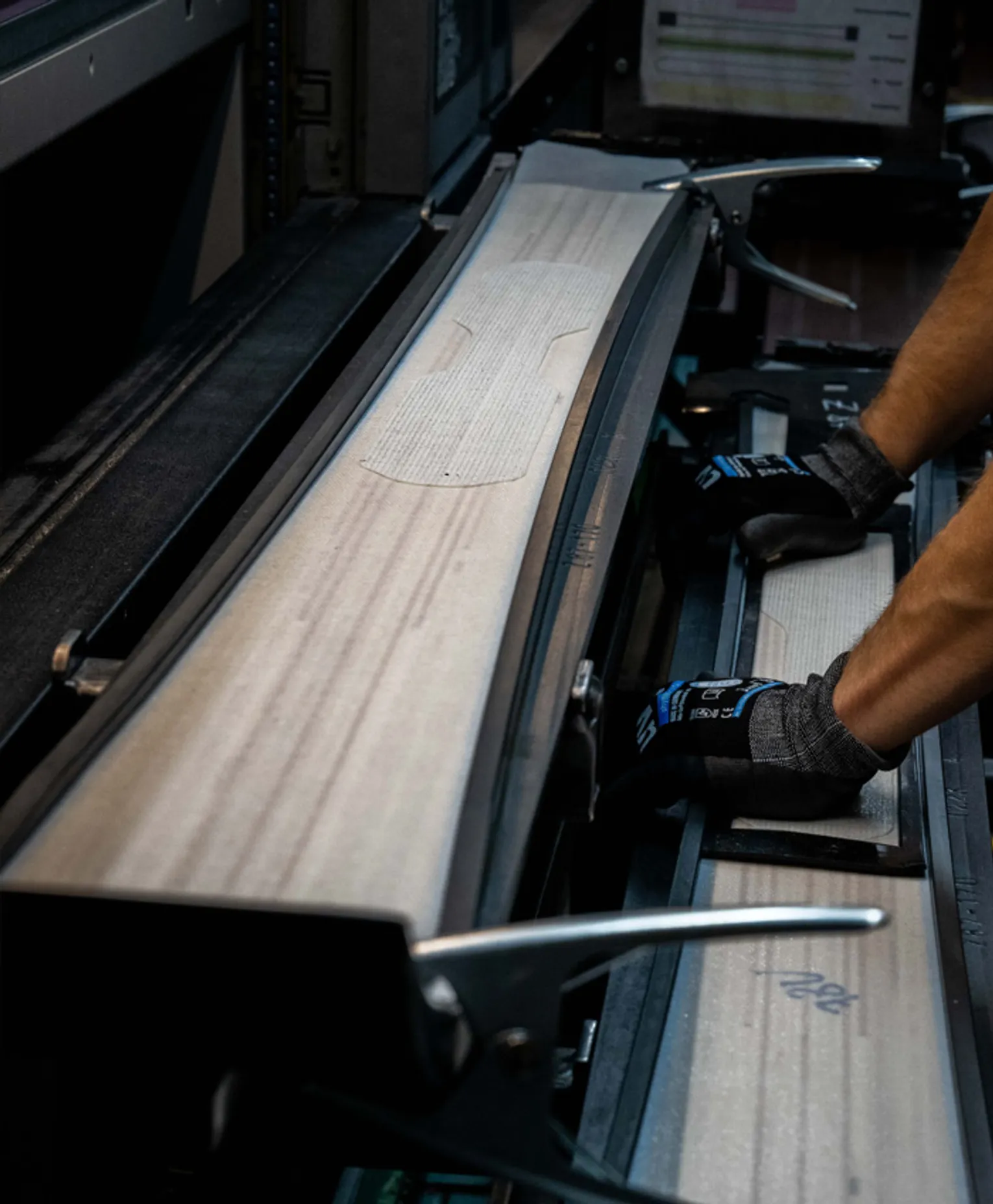
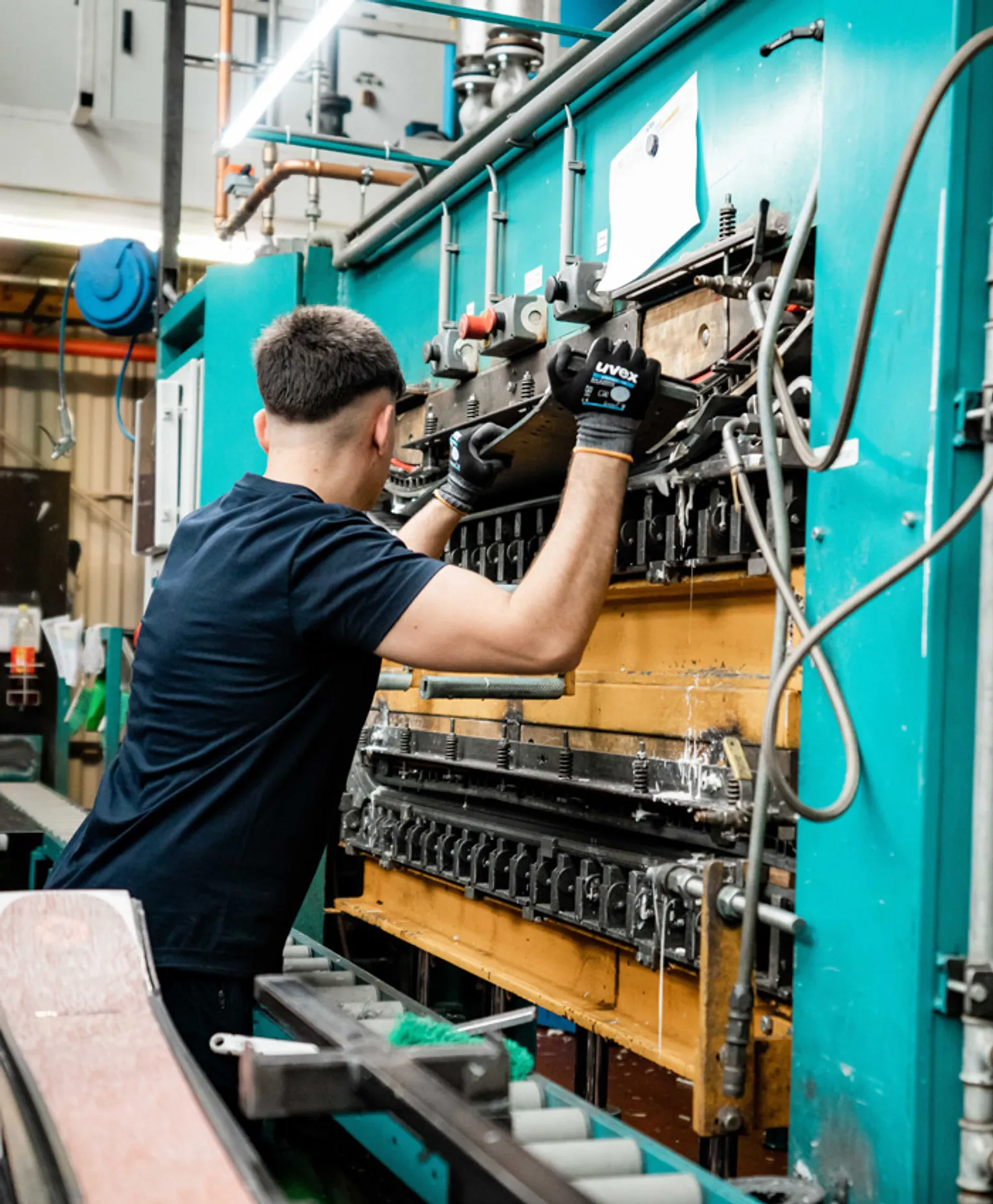
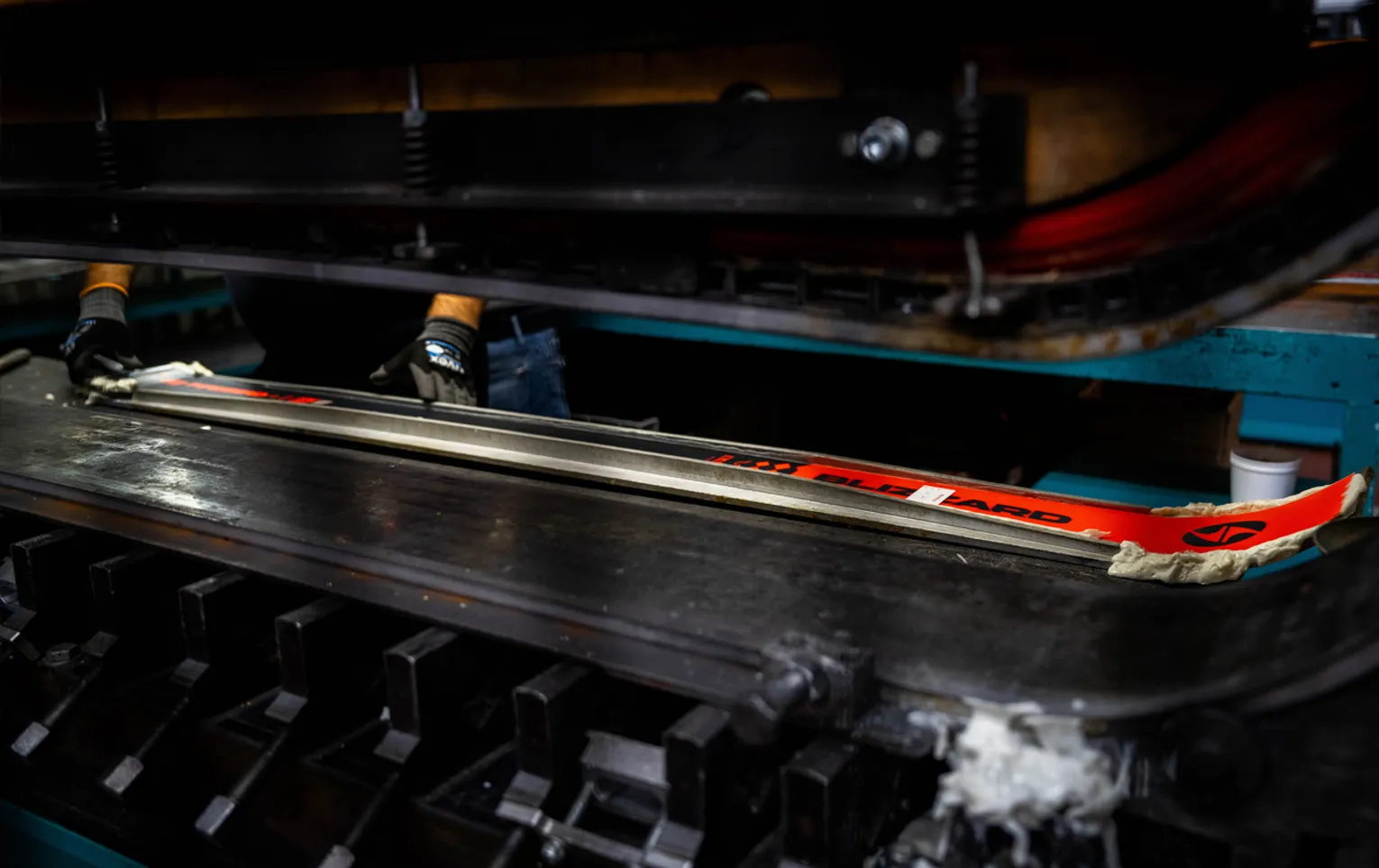
The team of individuals running the ski presses was also quite impressive. I’m not sure I’ve ever seen someone complete so many precise steps with so much perfection. These guys churn through skis. Of course, they succumb to the amount of time it takes the ski to be pressed, one of those things I’m not allowed to talk about, but their ability to just fly through skis is amazing. Go watch the video to see Gianluca explain all the different parts of the Anomaly and Black Pearl skis. Those ingredients must be put in the press by hand and perfectly placed. How do they ensure everything is perfect? Quality Control, of course! A fitting end to our factory tour, watching the Quality Control department check every single ski that came out of the press was so cool. There was one individual in particular who I’m told has been doing it for a long time. I can’t recall how long, but his hands ran over a pair of skis in a way I’ve never seen before. He could feel differences in skis, not just see them. If you’re wondering, in the amount of time I watched him, I think he only identified one single ski that didn’t meet his standards out of… I’m not sure.. 50? 100? And it wasn’t like the ski was that bad; he seemed unsure, but my takeaway was that the Blizzard Factory doesn’t miss much. Almost every ski he ran his hands over made it to the “good” rack. I’m sure that’s not what it’s called. Maybe it is. Who knows.
Walking around both Mittersill and the Blizzard Factory was incredible. History is everywhere for you to see. The people behind the brand and who are responsible for the construction of your favorite skis are just that: people. They’re not machines, they’re not just random hires off the street, they’re dedicated, passionate professionals who absolutely love manufacturing skis. I don’t know how else to put it, but once again, if you ever find yourself wondering why skis cost as much as they do, think about the Blizzard Factory. Think about all those hands that touch each pair of skis. Think about the materials and how they’re prepared, stored, treated and tweaked. Think about all the testing involved in deciding what the final recipe should be. The more you think about it, I bet the more you’ll feel the way I did. How are they actually so inexpensive?