2026 Black Crows Serpo Ski Review
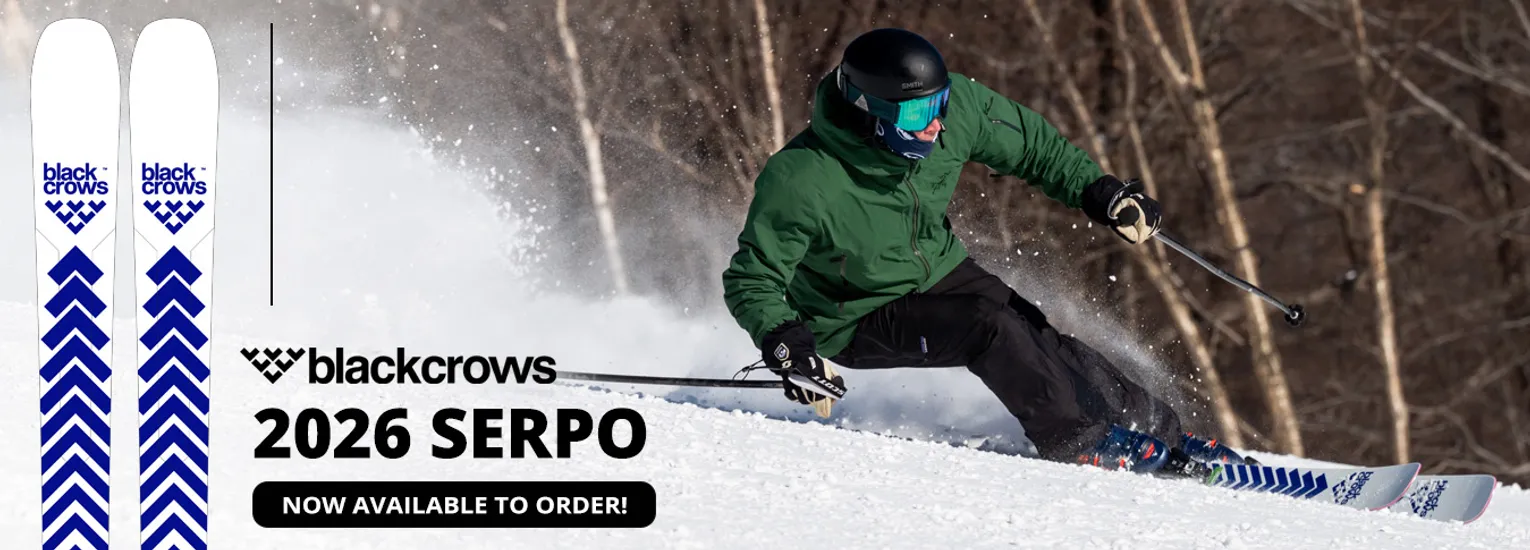
Energy and playfulness. Those two attributes combine to accurately describe the amazing Black Crows Serpo. We often find that skis capable of holding somewhat opposing characteristics at the same time end up being the most fun and engaging. That theory is certainly true with Serpo, and with the ski returning structurally unchanged once again for 2026, we get at least one more year of amazing Serpo zip and performance. Black Crows is a fun ski brand because if they find a shape and build that works, they run with it. This ski first came about for the 2022 season, so we’re now going into the fifth year of the same build and shape. Crows keeps up with graphic updates, though, and that continues into 2026 with a fun blue top and sick pink sidewalls. We revisited the Serpo on snow this year and came across very similar conclusions as we did all those winters ago—this ski rips everywhere and does so with a high level of entertainment.
At a Glance:
2026 Black Crows Serpo Skis

| AVAILABLE SIZES | RADIUS | SIDECUT | STATED WEIGHT | PRICE |
|---|---|---|---|---|
| 152.3, 160.2, 168.2, 174.1, 180.1, 186.3 cm | 20 m @ 180.1 cm | 131 / 93 / 115 mm | 1,825 g @ 180.1 cm | $959.00 |
To recap construction, what makes these skis unique is their use of metal. Most Black Crows skis, Serpo included, use a poplar wood core and fiberglass laminates. Serpo adds double titanal plates underfoot which extend to the tips and tails in an H-shape. The metal coincides very nicely and neatly with the rocker profile as the titanal stops where the rocker starts. The H-shape utility stands out here as well. The arms in the front are longer than those in the back. In the tail, we get a bit more of an edge-to-edge feel, delivering a lot of the energy and rebound that we’ve known and loved from Serpo. The lack of metal in the central spine of the forebody of the ski allows for increased articulation and a more playful feel. That sense, especially in softer snow, extends past the metal and into the rocker at both ends, but is especially noticeable in the tips in variable snow conditions and more technical terrain. Unlike some other skis in the line: Sato, Camox, or Atris, the Serpo isn’t as consistent in flex from tip to tail. These skis are pretty flexy in the tips, a bit stiffer in the tail, but quite stiff underfoot. This allows for progressive flexing of the ski and varying points of pressure to create a particular effect. For Serpo, this means a gentle and floaty nature in softer snow and a high-energy and intense feel on firmer snow. In terms of weight, these skis sit on the scale at 1740 grams per ski at the 180 cm length—pretty light for a ski with multiple metal laminates. A lot of this has to do with the thinner core profile overall, especially in the tips and tails.
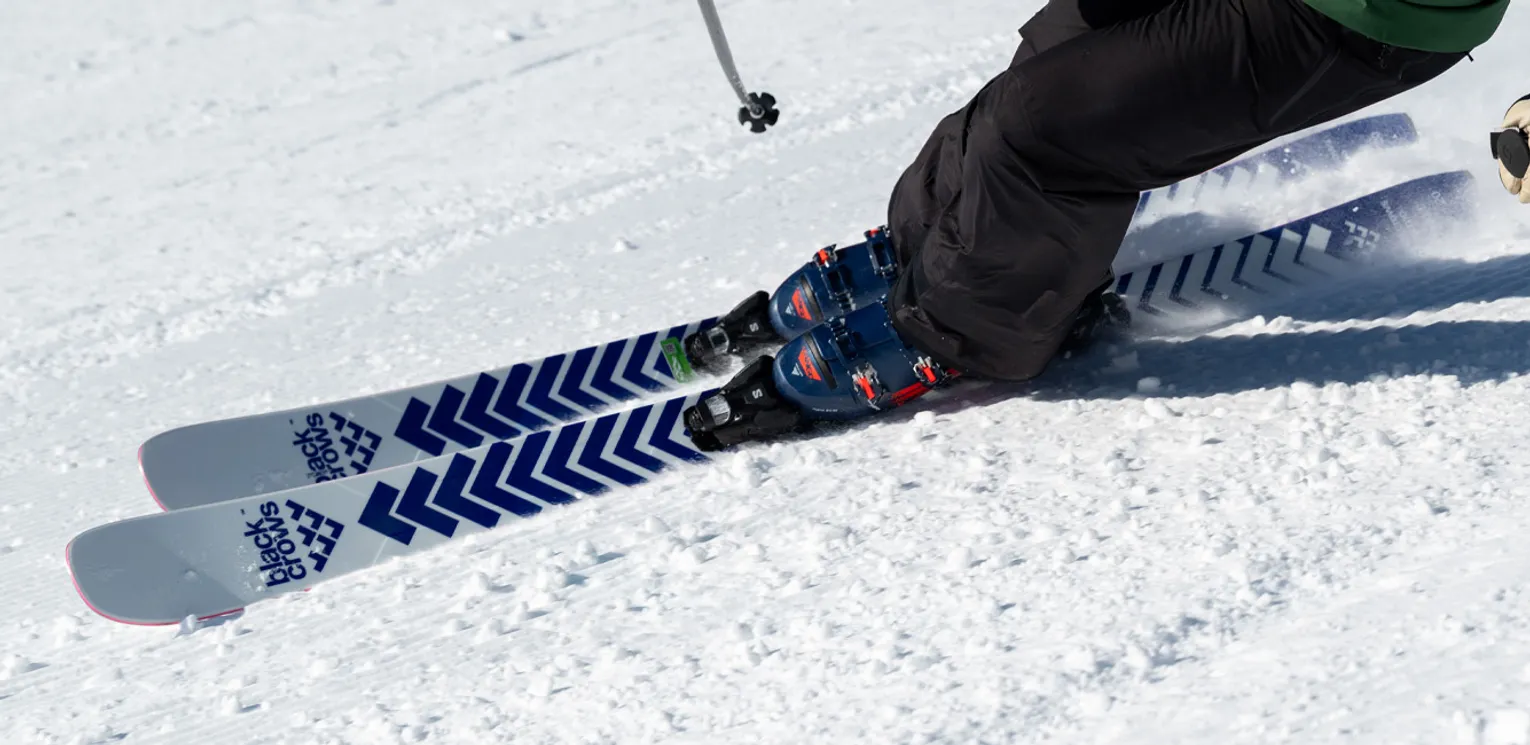
While many skis have a good sense of marrying shape, profile, and construction, Serpo absolutely nails it. With measurements of 131/93/115, these skis have a bit more of a directional and pin tailed footprint. The big benefit here for aggressive skiers is that it results in a fall-line oriented ski with a 20-meter turn radius. Now, you don’t have to be aggressive to get the benefits here, but this is a ski that’s driven highly by skier input. There are more intuitive skis out there—Salomon QST 94, Armada Declivity 92 Ti—but these allow for more subtle and nuanced skiing on the part of the pilot. Generally, it seems that skis with slightly longer turn shapes call for more skier input while those with shorter arcs work better for those who don’t want to think too hard about it. Black Crows puts in just enough tip and tail rocker in order to make the ski versatile, but when that bend pairs with the lack of metal, it makes the ski come alive in a multitude of snow conditions. There’s not as much taper or rocker here as is found in the wider Justis, placing more emphasis on Serpo's insistence to be used in an all-mountain format.
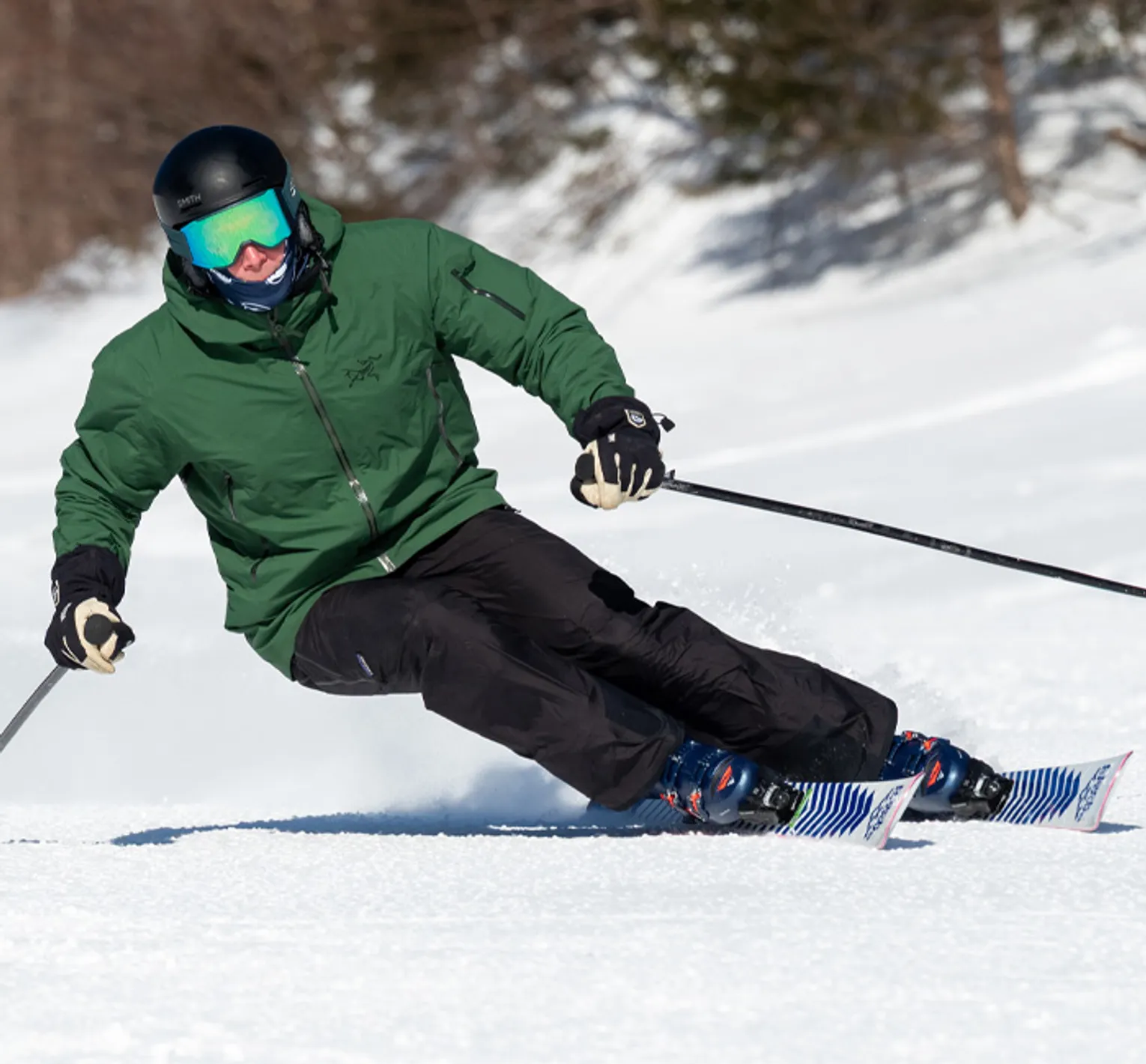
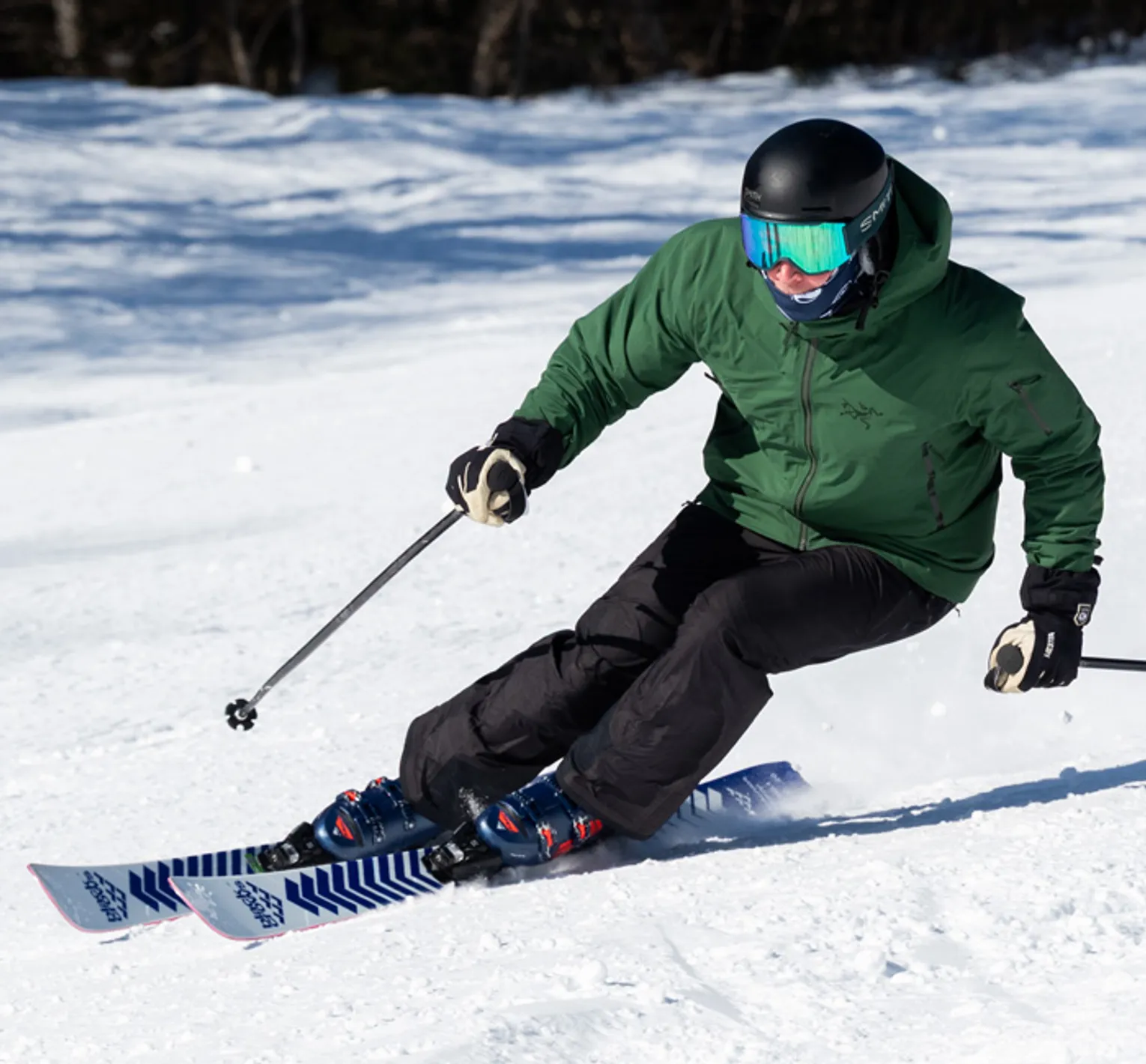
On snow, Serpo delivers the same top-end performance and energy as it always has. In an on-piste format, the ski operates crisply and feels somewhat narrower than the width indicates. The metal is a big factor here as it increases edge grip and torsional stiffness. With the arms along the side, the ski can twist as needed but keeps the edge fully engaged in the snow. This helps the ski combine power and smoothness. In the tail, the ski progressively goes from strong and sturdy to light and flickable. As a result, there’s just a ton of energy and zest coming out of the back third of the ski. The rebound is one of the on-trail highlights here—not many other skis out there have this type of electricity coming out of the tail. While the 20-meter radius is easy and fun to achieve, it’s also fairly simple to break free from that and shorten it up. When you do, it’s not as easy to make round turns, rather, you must skid a bit to get there. Skis like the QST 94 are able to make more S-shaped turns in a shorter format, but others like this Serpo, with a longer arc, need to be manipulated more. As such, it’s not as good in a steering format as skis with shorter radii, but that doesn’t make them any less fun, just different. While the ski does function better on softer groomers, it’s still at least decent on ice. There’s not much that can replace waist width when it comes to truly firm snow, but for a 93, this is a fantastic hard pack carver.
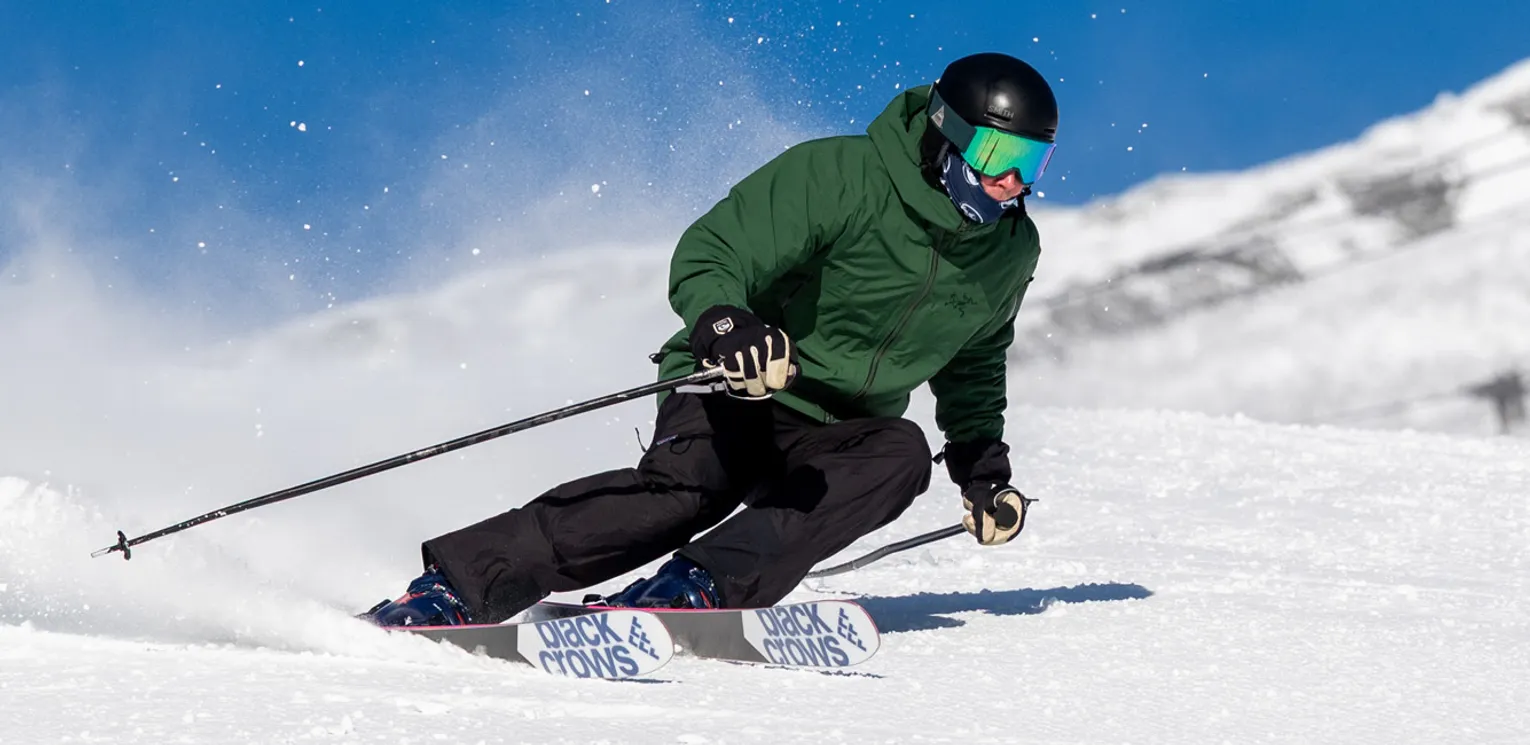
When the snow gets soft and the terrain gets jumbled, the Serpo punches way above its level. This became evident when we got on it this past season on a snowy, windy, and cold day. Whenever wind gets involved, the snow conditions can vary and change quickly. We can see soft drifts, scoured terrain, and deep piles on any given run. On this particular day, we dealt with softer snow rather than denser, which I think is a good thing. That said, the wind fills in some spots while stripping others. Generally, when the wind has removed snow, it’s baring something firm underneath. Serpo can handle the transitions between deep and soft gullies and firm and rough patches with ease. The blend of tip and tail shape and flex combined with the sturdy metal underfoot makes it easy and natural. On Hayride, one of our more fun and variable trails here at Stowe, the right side is always interesting, consisting of bumps, some trees to play in, and a few steep pitches mixed in. As a result, you can jam in a bit of everything here, which is prime Serpo territory. I was surprised at how well the ski handled the soft snow flotation aspect of the runs, as it has great mobility and steering capacity in deeper snow. Despite the more directional shape and style, it’s quite playful and willing to be used in more of a freeride sense. Also, it’s great in the bumps. There’s a nice blend of support underfoot and through the tail to go along with an amenable shovel for fall-line and zipper-line skiing. In the trees, you can tell that there’s a tail that wants to be engaged, but at least the long radius keeps the ski from feeling hooky or catchy. Further, it’s light enough to be manipulated into making different turn shapes and styles even in the glades and tighter trees.
Some ski companies are better than others at leaving well enough alone. Black Crows seems to be in that crowd, allowing the ski to do the talking. This keeps them from having to re-tool every other year, attempting to come up with something fresh and cool. They nailed it the first time, so why bother re-inventing the wheel. These skis are shining examples of proper all-mountain skis with uncommon versatility, energy, and power. By mixing shape, profile, and construction seamlessly, the Serpo continues to be one of the most interesting and unique skis out there. It’s a high functioning ski for skiers who want to be firmly in the drivers seat.