


2026 K2 Cortex 140 Ski Boot Introduction & Interview with Tom Pietrowski
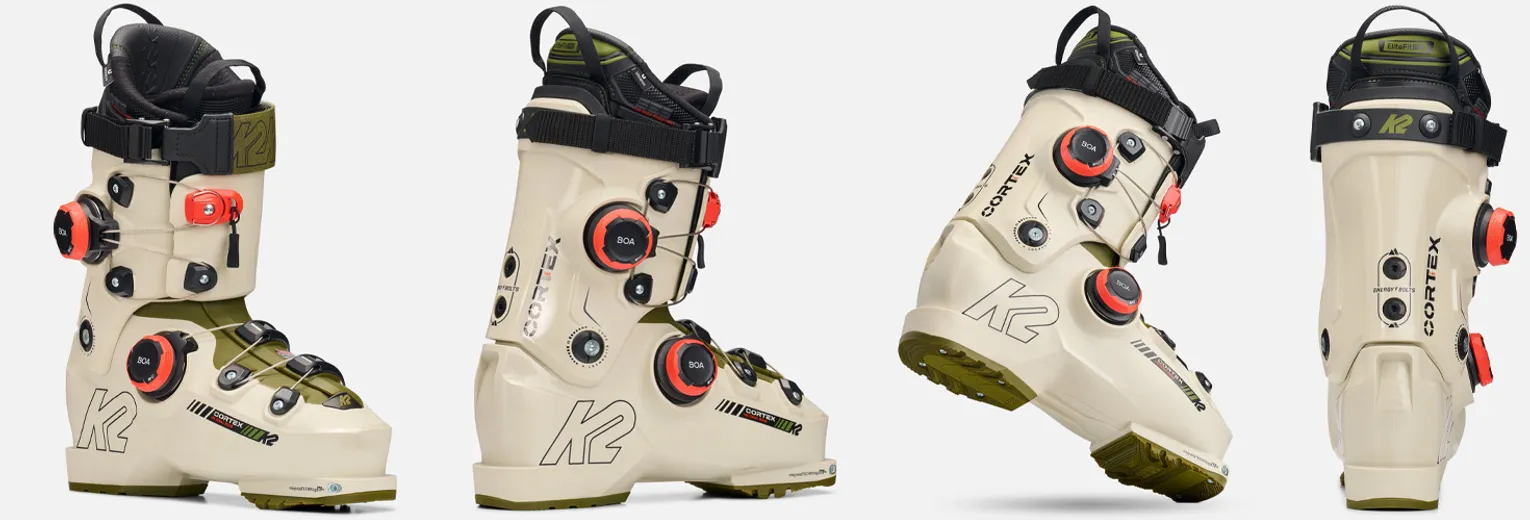
K2 boots have come a long way in a relatively short time. For a company that doesn’t have a race department from which to base their recreational boots, they do a pretty darn good job. This also frees them up to do very interesting and unique things with boot construction, as we found to be the case years ago with the Spyne series of boots. They can be athlete and engineer-driven, with creativity as a strong point as opposed to a hindrance. For 2026, we get a whole new Cortex line from K2, upping the performance and fit from the Recon and Mindbender series, and bringing a Zonal, or Double BOA closure system into the mix. We have been skiing the top boot in this line, the Zonal 140 BOA, a low-volume, Double BOA, 140-flex monster with front tech fittings, a full lace up liner, and all sorts of adjustable parts and pieces. While this review specifically deals with the 140, Cortex also offers a 130, 120, 125W and a 105W, all in low-volume lasts.
At a Glance:
2026 K2 Cortex 140 Ski Boots
| FLEX INDEX | LAST WIDTH | BUCKLES | WEIGHT | PRICE |
|---|---|---|---|---|
| 140 | 96-98 mm | Dual Boa | 2,283g @ 26.5 | $949.99 |
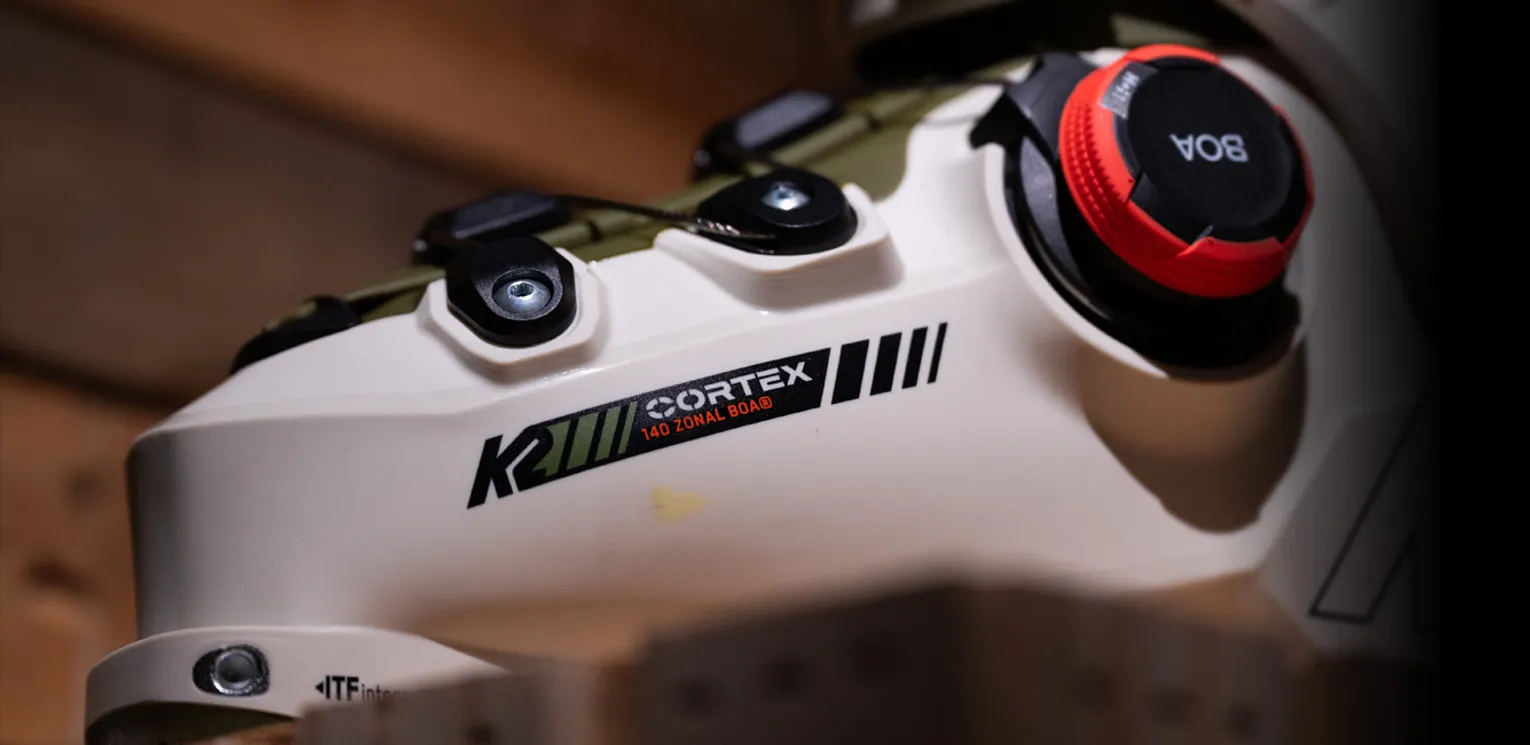
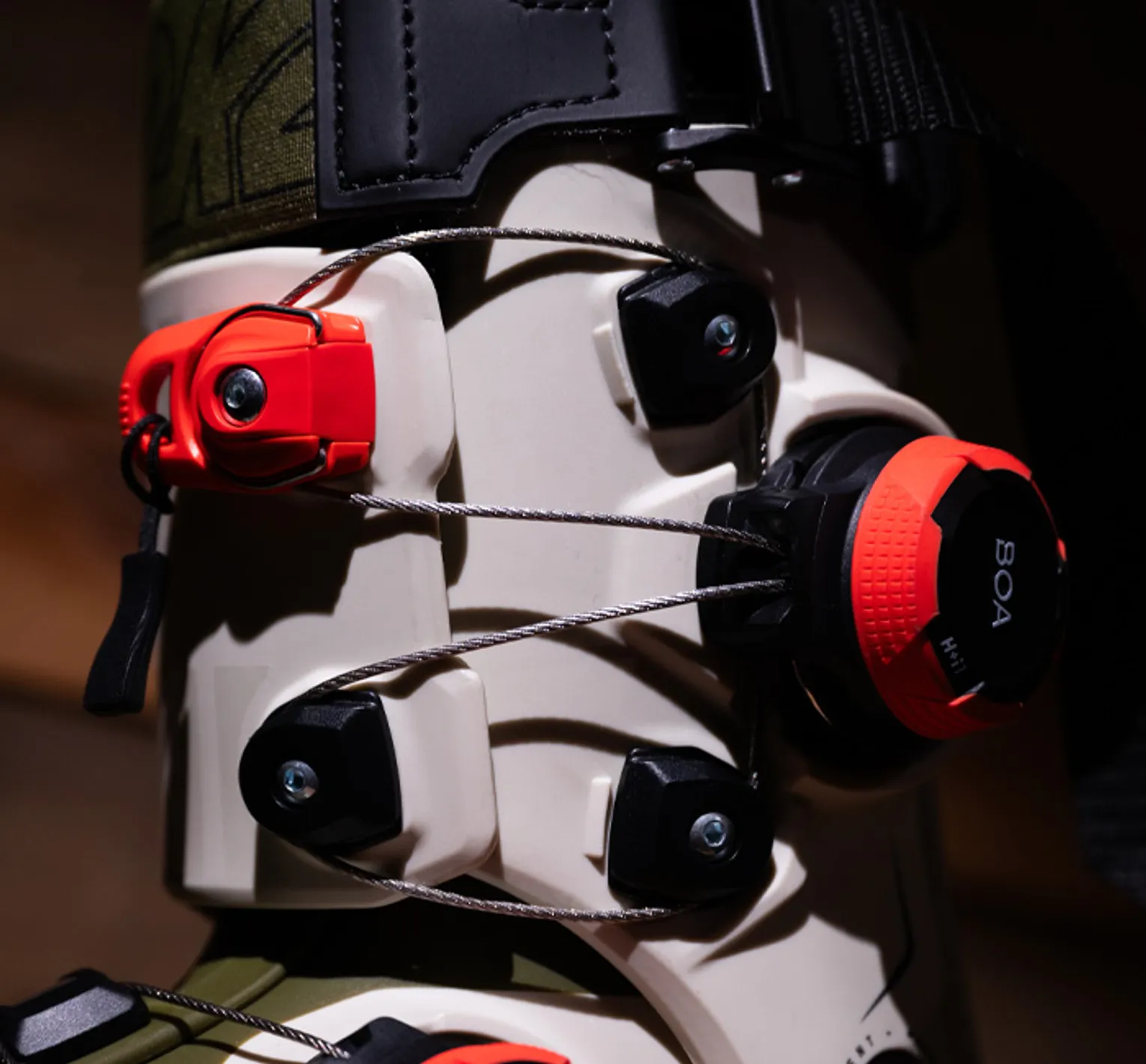
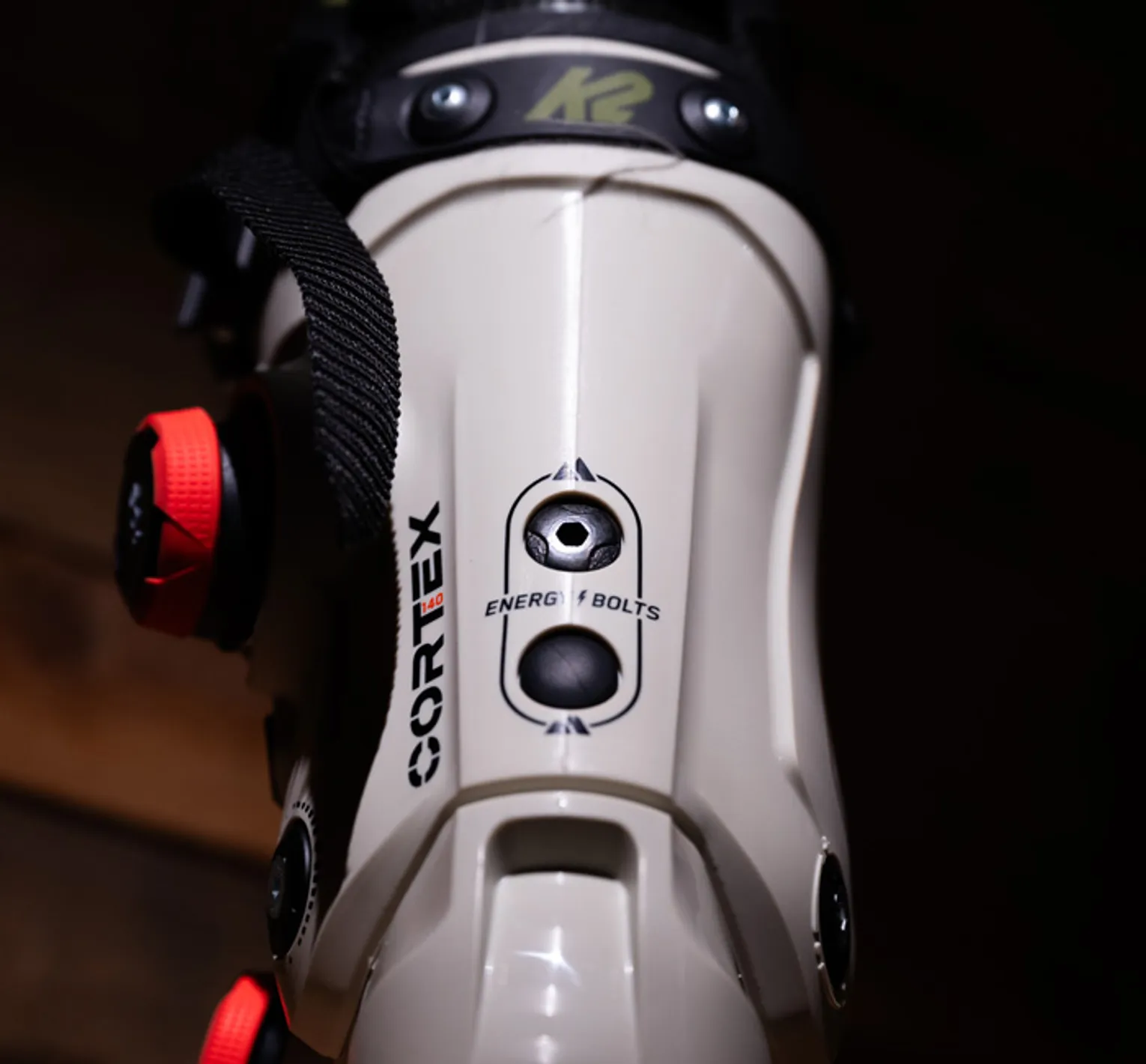
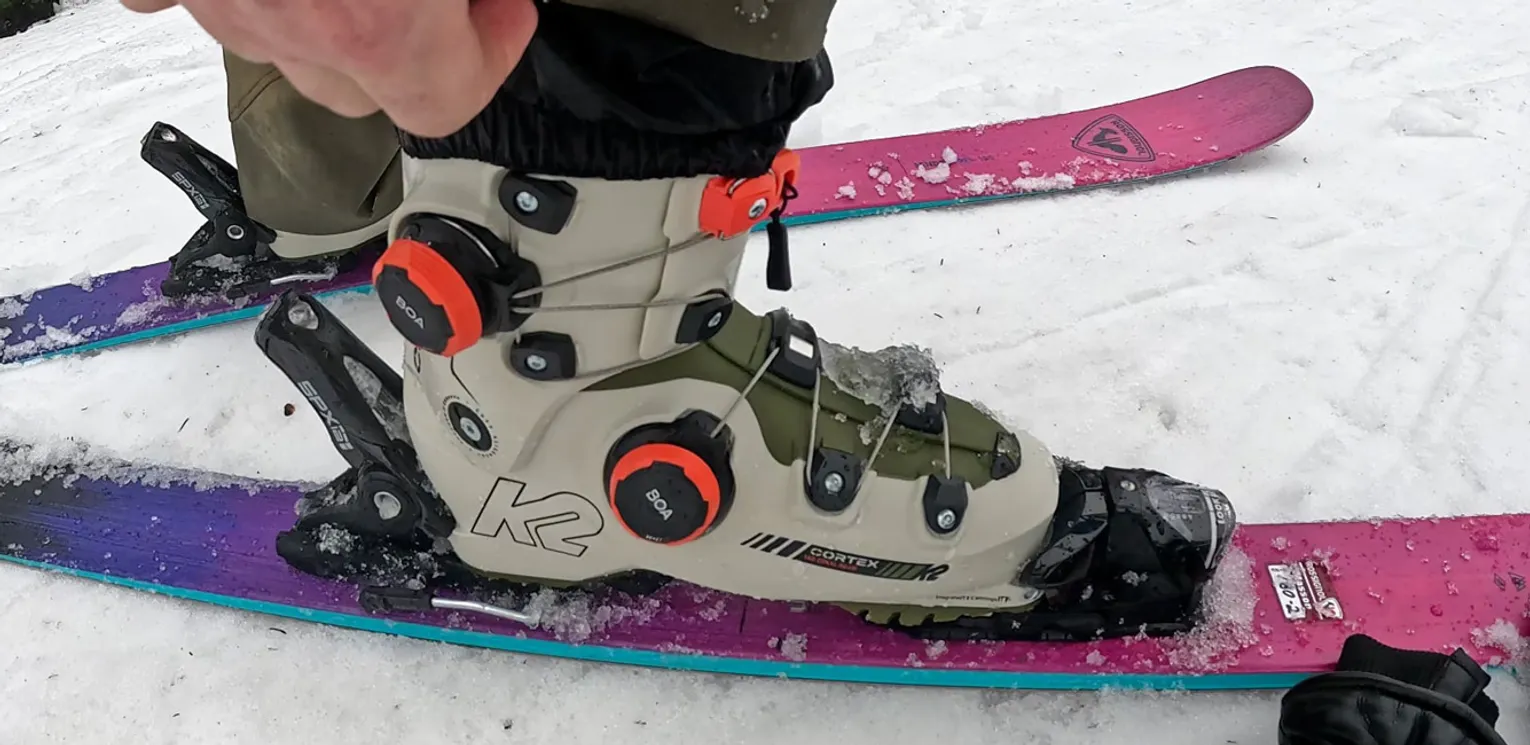
From a nuts-and-bolts standpoint, this is a real-deal ski boot with traditional two-piece construction. Both the upper cuff and lower shell are made from thick and stiff TPU plastic. This shell is fully heat-moldable, and I (Bob) have had an easy time of punching individual spots for extra room where needed—the plastic stretches easily and smoothly from a boot fitter standpoint. In addition, we get a softer plastic along the instep, making it easier to get in and out of the boot, which is a good thing as it’s on the stiff side for sure. K2 lists the last at 96-98 mm, so it’s quite narrow. The big story here, as has been the case in the boot world for the better part of last year, is the use of a BOA dial on ski boots as a closure system. For 2026, many boots went to a Double BOA system, with one set on the shell and another on the cuff. The Cortex series of boots is the first to use a Double set of dials on a low-volume boot. As a result, K2 has a bit of a corner on the LV Double BOA market, which is pretty unique. In this 140, K2 uses a Powerplate that affixes to the upper shell behind the flaps to add extra stiffness and response. They also incorporate tech fittings to the toe so you can use these as (heavier) touring options for big-mountain lines. There’s no walk mode, though, but instead a set of Energy Bolts in the spine to deliver maximum precision to the turns.
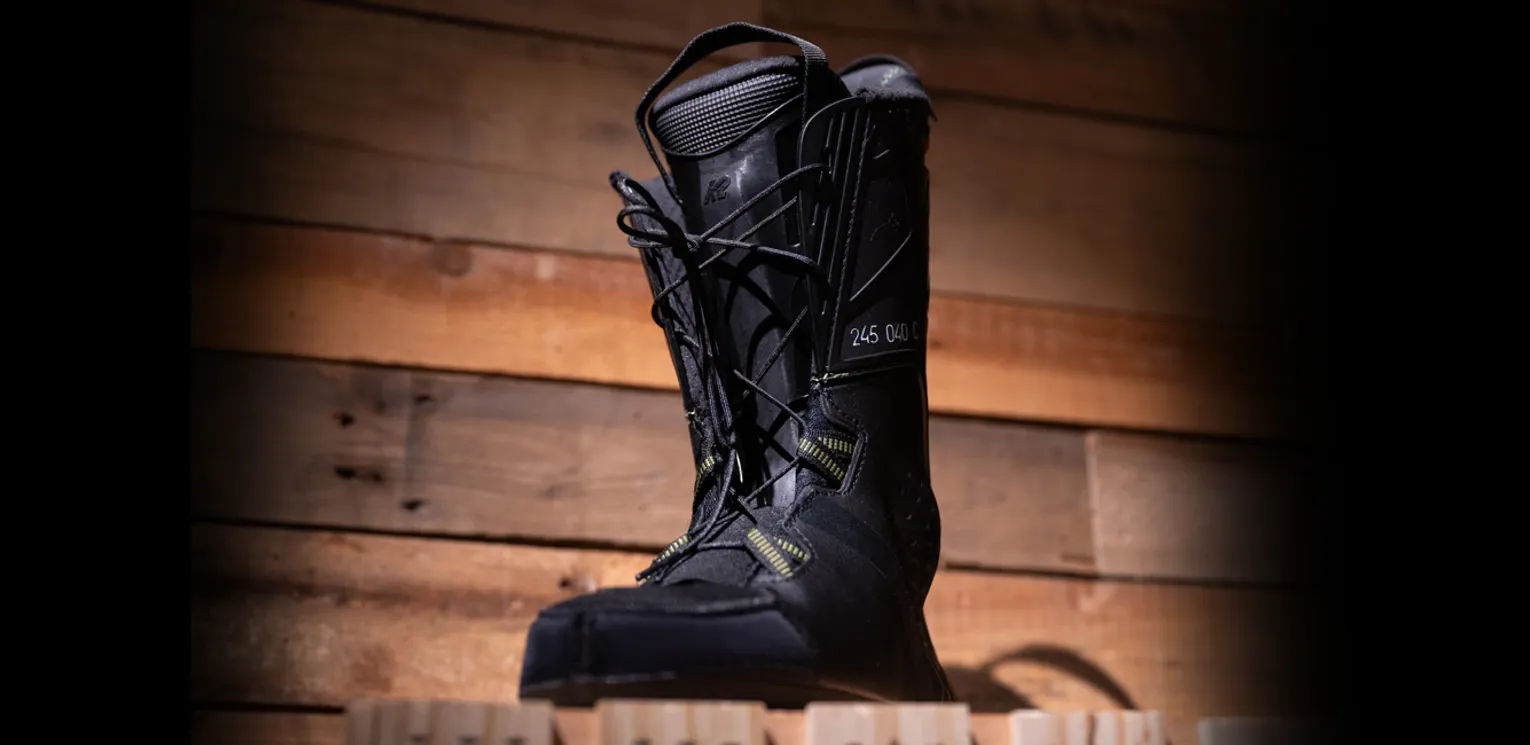
As for the EliteFit Pro liner, K2 brings the high-performance heat to the mix. These liners are low-volume, thin, and totally moldable. They have strong pre-formed ankle pockets and tight heel grip. Additionally, they include laces and eyelets so you can get even more of a true race-like fit if needed. On the upper portions of the liner, K2 carved out notches along the lateral side of the liner so you can insert their Ski Edge Sensitivity shims. I remember having these little plastic shims on a pair of Tecnica boots back in the early 90’s so it’s nice to see that some technology comes full circle. These simple shims create more leverage and a direct connection to the sides of the liner, offering better transfer of energy to the edges of the ski. So far, we have not felt the need to use these shims, mainly because the boot is already pretty darn precise. There’s a movable tongue so you can adjust instep pressure (good for me), and a rear spoiler. Overall, this is a very good liner that is minimalistic in nature—a good thing for a boot that’s aimed to be low-volume and high-performance.
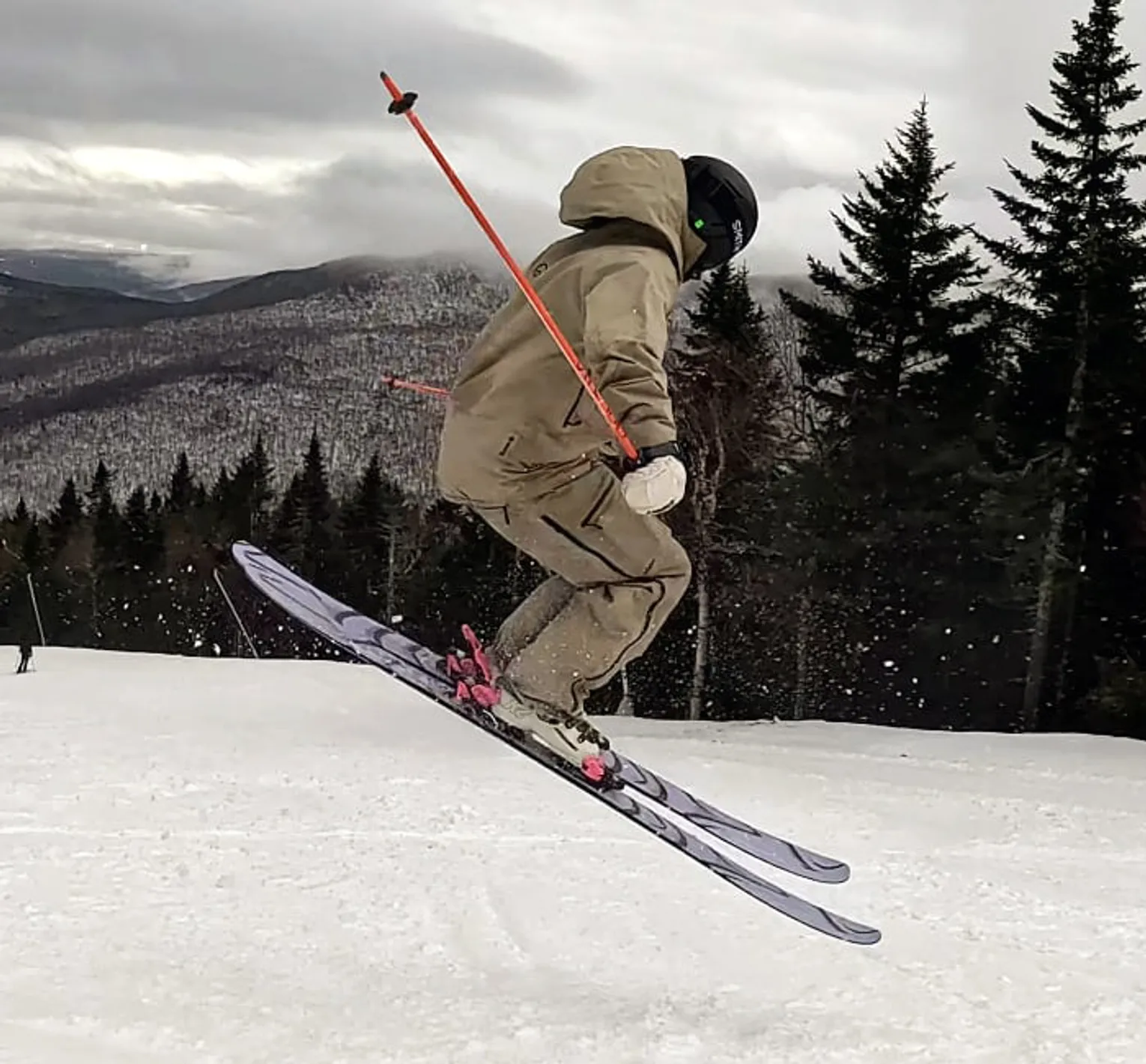
On snow, the Cortex 140 is a total beast. This thing is about as rock-solid as boots come in the recreational world, and we’re here for it. We’re mainly used to skiing in 130 flex high end boots, so it’s not like this is a drastic change, but after going through some molding and customization, it’s clear that this Cortex 140 is a high-octane boot with an unflinching character. It’s a snug fit to be sure, but the heating of the liner and the stretching of the forefoot was about all I needed to be reasonably comfortable in this boot. As I’m normally a Mid-Volume boot person, I do have to go a bit harder on the boots from a customization standpoint. That said, I was able to ski most of the morning, with only minimal fit issues—impressive for a first day actually. We had some soft snow, and it was relatively warm, about 40-degrees, so more spring-like than true harsh winter. Nevertheless, the boots felt stiff and supportive. Other boots can tend to get softer when it gets warm, but there was minimal foot movement and zero overflexing—these 140’s lived up to their stated number. There’s a ton of power and energy here, as the boots were able to overpower the skis, rather than the other way around. As such, you do have to be a bit more central in the boot if you’re on a more flexible ski. They carve like a dream, with total confidence and stability. It’s a smooth and consistent flex pattern with minimal hinging and maximum power transfer. Even in shorter turns and more technical terrain, these boots felt quick and agile despite their heavier weight. Speaking of weight, I’m sure there are skiers out there who don’t mind touring in heavy boots with no walk mode, but I’m not one of them.

Ski boot testing is very interesting, and it’s also very difficult. Fit, as we talk about all the time, is the most important aspect, bar none. If your boots don’t fit, nothing else matters. You may as well just go home. When you are able to align the proper fit with the according performance, then good things happen. Finally, narrower footed skiers will be able to get into a low-volume Double BOA boot with a 140-flex rating—this is something that’s never happened before in the history of skiing, and that’s a pretty cool thing. With the BOA closure system in place, and likely becoming more mainstream over the coming years, we feel a nice, even wrap in the fit, with constant pressure in all the right places. While some purists may wish for a four-buckle boot, this new Cortex line offers more of a glimpse to the future, pushing the progression of boot technology and performance into the next generation.
