


2026 K2 Cortex 140 Ski Boot Review
K2 has a very interesting story when it comes to ski boots. They’ve never had a race boot, so on one hand that puts them at a performance disadvantage with little to no research and design filtering down from the race room. On the other hand, this totally opens them up and gives them the freedom to design boots as they see fit with no adherences to an established product. It’s in this latter realm that the Cortex boots were born and sitting atop that list is the Cortex 140 Zonal BOA ski boots. We’ve seen mid-range boots like Spyne, Pinnacle, Mindbender, Recon, and even Fl3x come through the lines over the years, but never a real solid low-volume alpine boot shell. The Cortex 140 answered that question real quick.
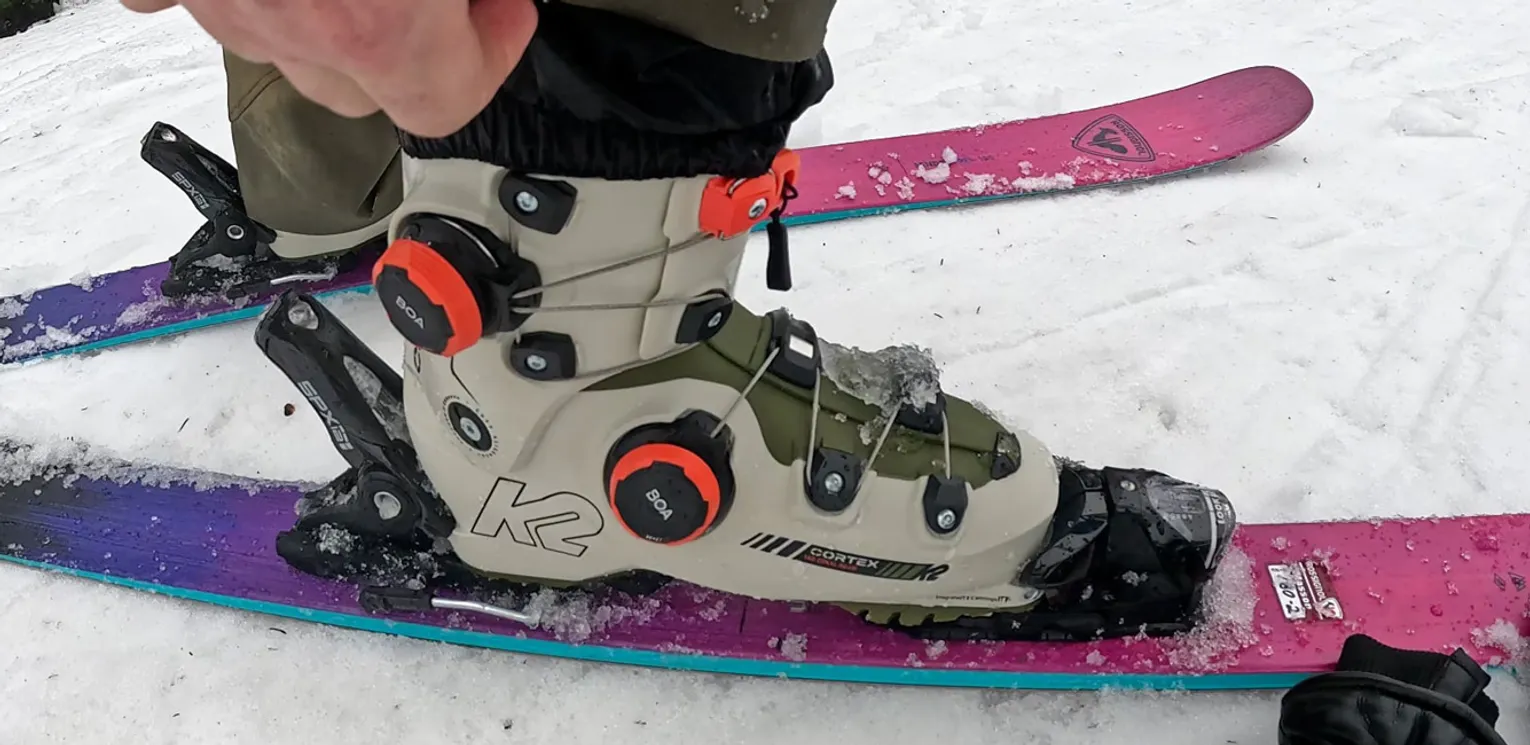
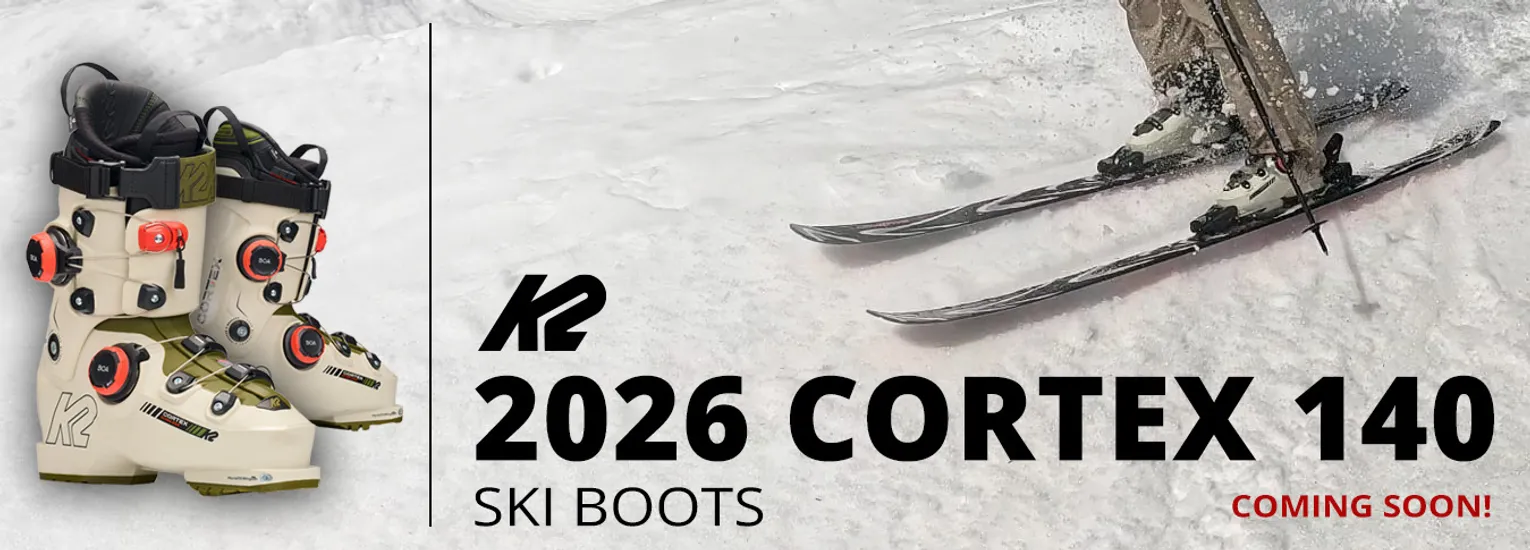
There are a number of things going on with this boot that separates Cortex 140 from the crowd. Starting with the build, we get a TPU (Thermo Polyurethane) shell and cuff that’s extremely thick and heavy, especially in the lower shell. Prior to diving into BOA, it’s important to note that the cuff has one solid piece of overlap plastic as opposed to individual wings, furthering the performance of athe boot. Behind this thick plastic we get even more plastic in the form of a removable power plate. You can adjust this plate as well as take it out depending on how much leverage and stiffness you want out of the boot. Along the instep, we get a softer TPU material to help with entry and exit (more on that later). These boots come with a softer boot board, which is about the only soft thing that these boots possess. Everything else is on the harsher side of the spectrum. The cuff is riveted to the shell for direct connection and there’s a dual-sided cuff alignment for plus or minus 2 degrees of adjustment. Few boots are offered with both GripWalk and Alpine soles anymore, and Cortex 140 is one of them. Also in the toe, K2 gives us tech toe fittings for touring on hybrid bindings or CAST systems. With a weight of almost 2400 grams in the 26.5 size, we’re not sure who’s going to take them up on that offer, but it’s nice to know it’s there.
At a Glance:
2026 K2 Cortex 140 Ski Boots
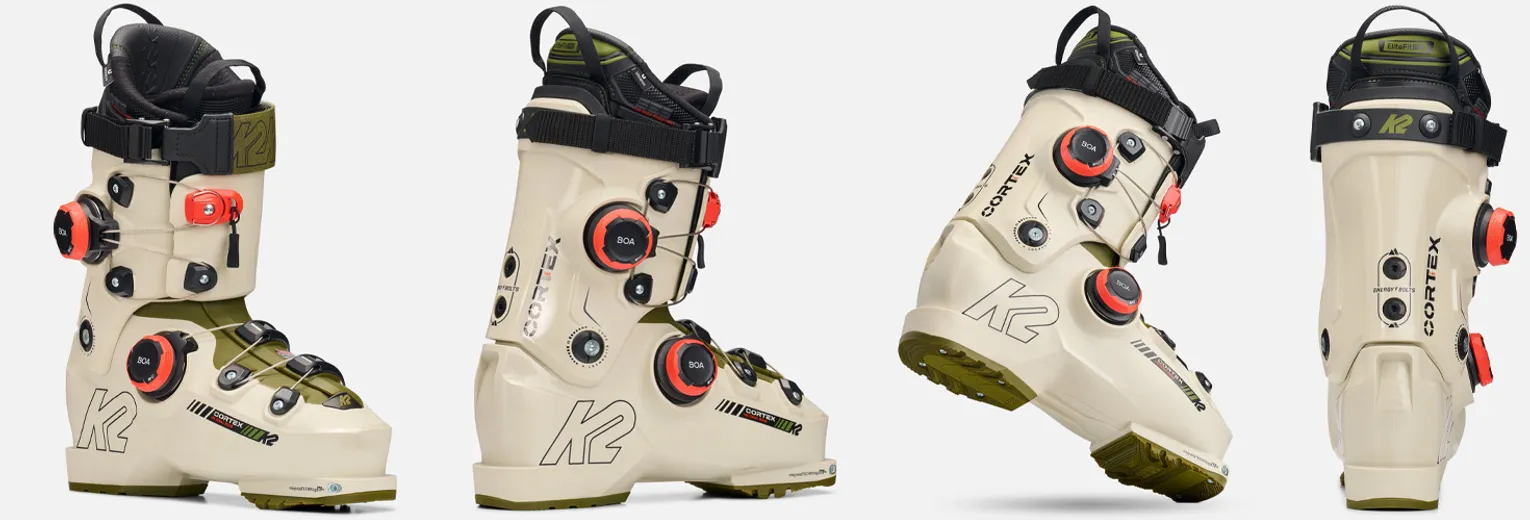
| FLEX INDEX | LAST WIDTH | BUCKLES | WEIGHT | PRICE |
|---|---|---|---|---|
| 140 | 96-98 mm | Dual Boa | 2,283g @ 26.5 | $949.99 |
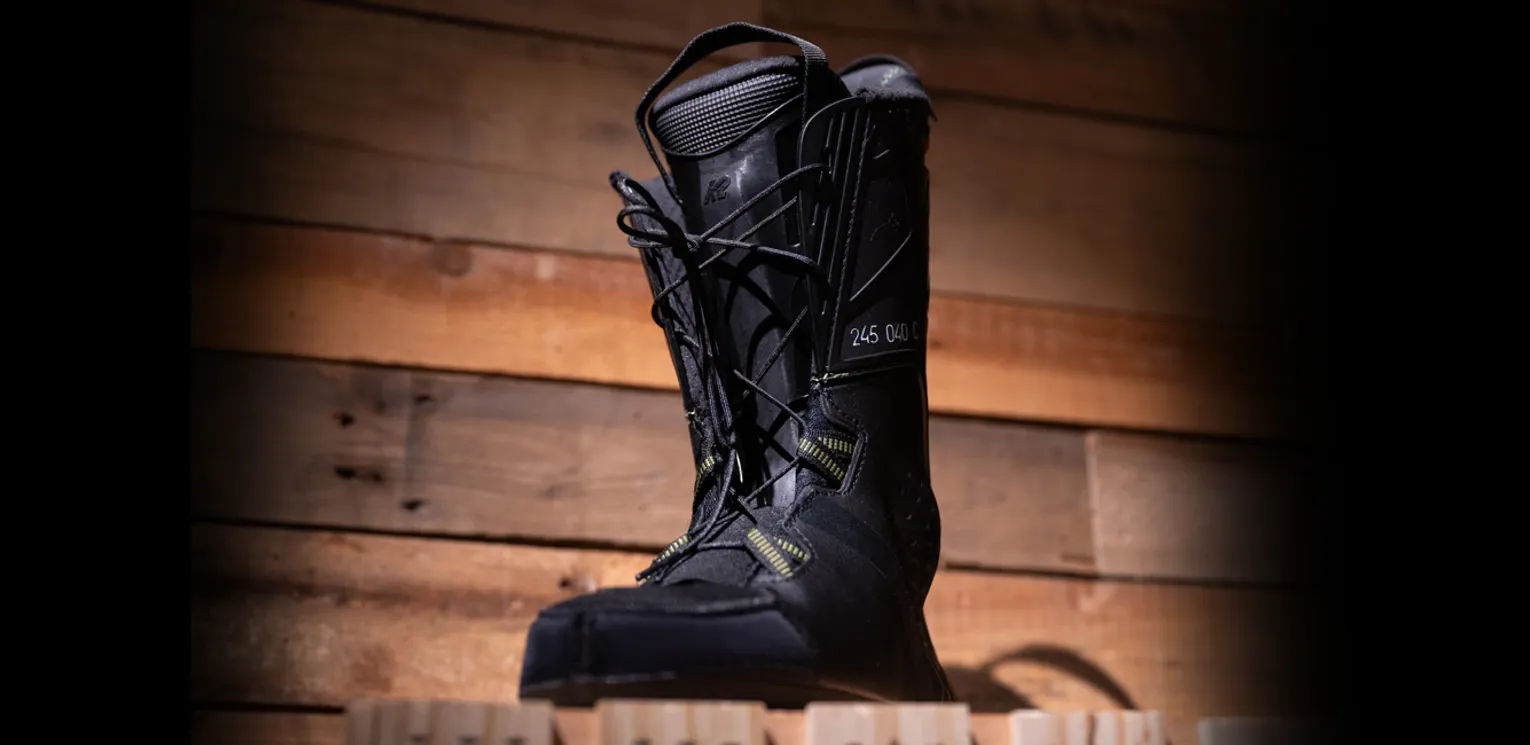
K2 uses their EliteFit Pro lace up liner in this boot, and it’s about as minimal as it gets. The ankle pockets are pre-molded with customizable foam, and we took full advantage of heating and molding this liner to get the most room possible. While the tongue of the boot is adjustable, the velcro isn’t as polished or perfected as in some other boots with the same feature. On a few occasions, I simply ripped the tongue out of the boot while trying to marginally adjust, making me take off and re-install the tongue. When these boots are cold, that is no small feat. The liners also have Ski Edge Sensitivity shims that can be installed along the medial and lateral side for increased leverage. It’s a small thing, and something that I remember my 1992 Tecnica TCS boots having, so there’s a bit of history here behind this technology. Other than that, there’s really not a whole lot going on with the liner—it's thin.
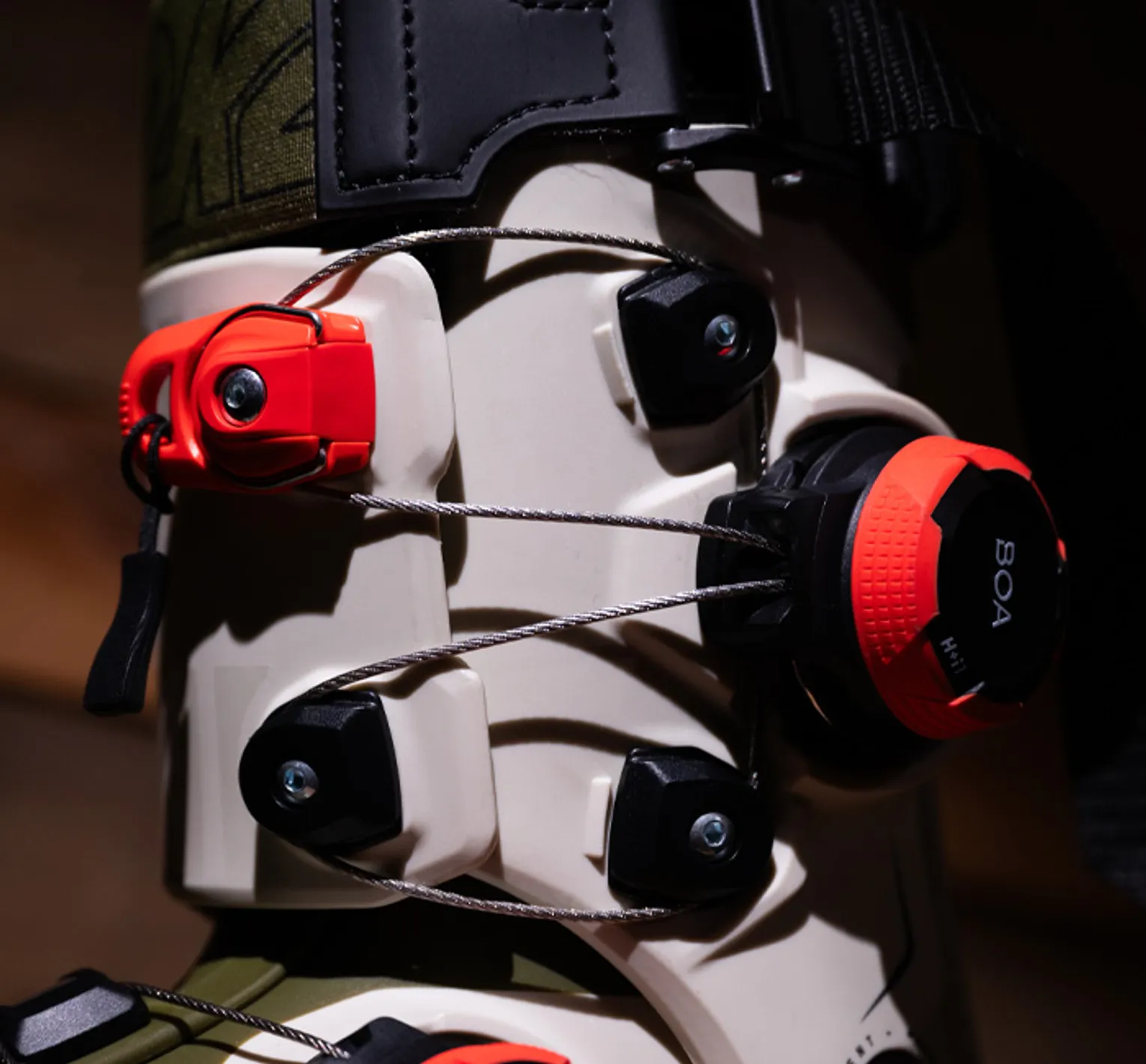
The closure system is where it gets a lot more interesting and exciting, with the Double BOA technology taking center stage. At first, the lower BOA found in boots offered an increase in comfort but now we’re finding that the upper BOA on the cuff is actually preferred by many skiers from a performance standpoint. The cables close smoothly and naturally, fully enveloping the foot. The main issue that we’ve found with the 140 is that the plastic is so stiff that it’s tough to tighten enough if needed. This plastic just doesn’t want to bend, especially when cold. I’ve had a bit of a rough time fine-tuning the tightness of the boots, but given the performance, it’s tough to argue that this is a deal breaker. We did notice, however, that the dual BOA does make it more difficult to enter and exit the boot, especially with a ZipFit liner. The stock liner is easier to use, so that’s something to take into account if you have an aftermarket liner of any type. In addition to the dual dials, K2 also uses their one-piece elastic cam strap to snug up the cuff. It’s a high-end piece, but again, it is kind of difficult to find a sweet spot of tightness. Overall, I do feel the upper BOA at least adds a more secure and predictable flex to the boot and that’s in conjunction with the stiff plastic. Comparably, the Nordica Speedmachine 130 Double BOA boot also feels more connected to the shin, so there’s something to this upper BOA for sure.
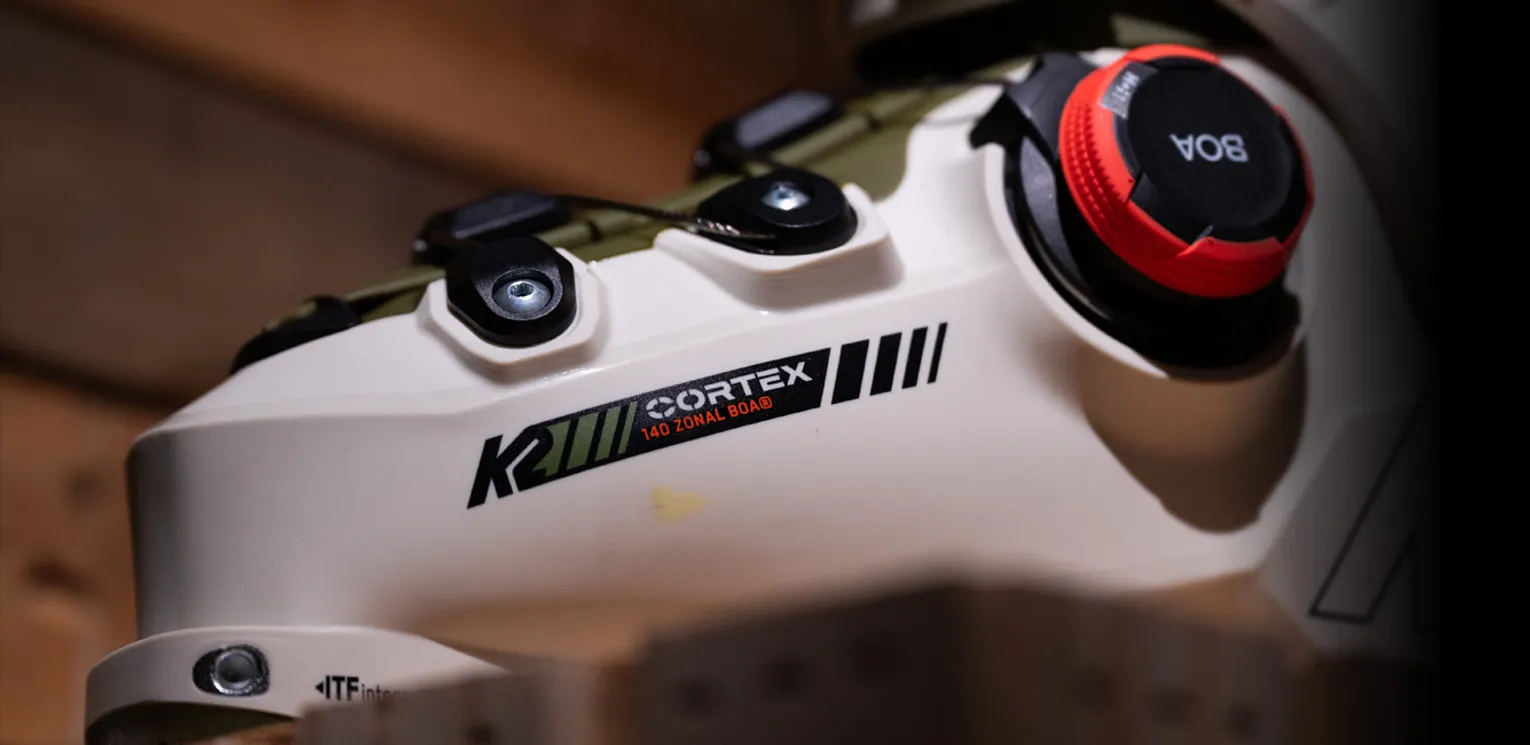
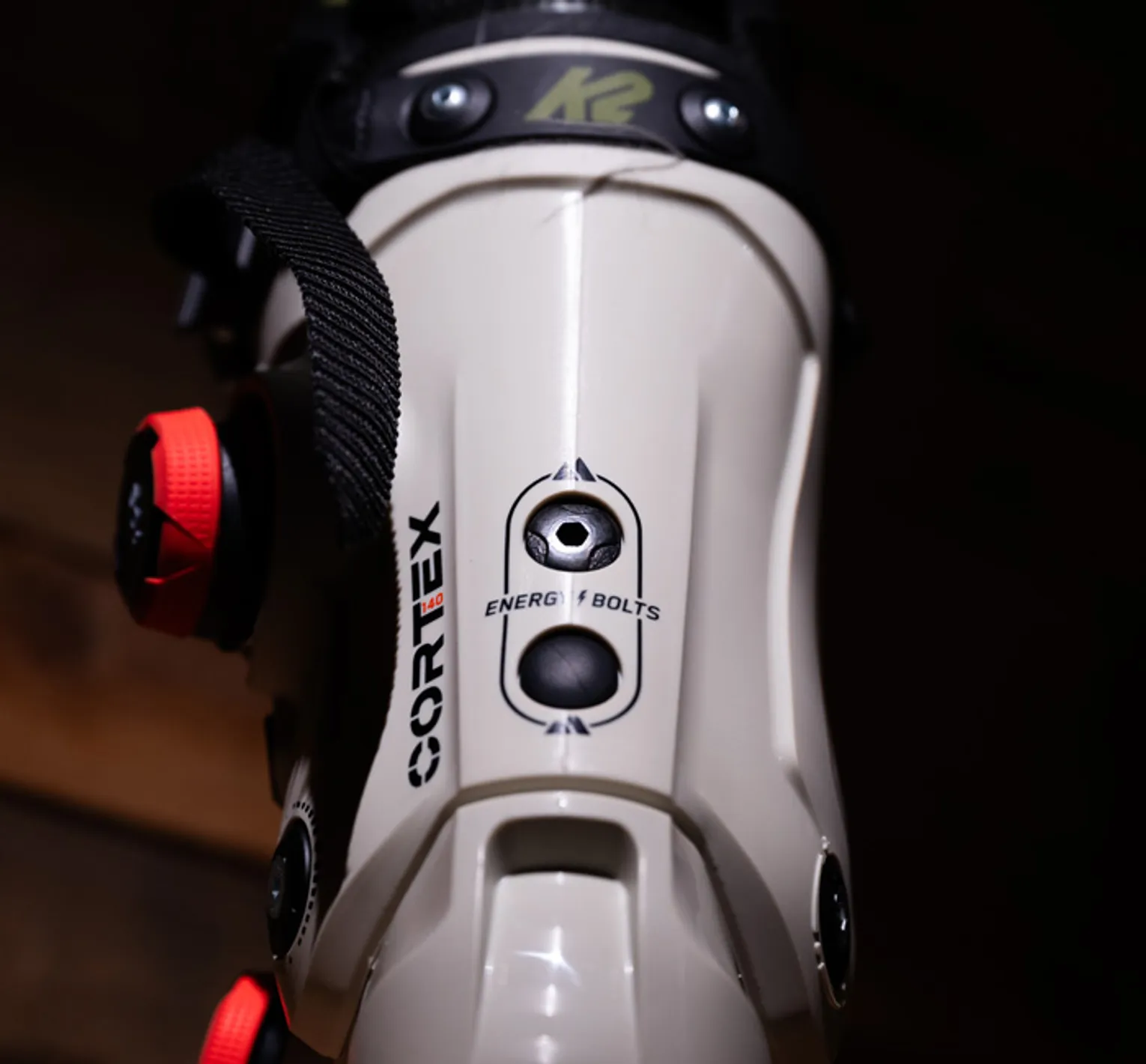
When it comes to fit, this is a narrow and tight boot. K2 lists it as a 96 mm last, so 98 for me in the 27.5. I had to stretch and grind the forefoot and toe area to make room, and overall, it ended up being pretty darn good. In fact, there’s a bit of room, even, in the ankle area, but the stiffness of the boot holds firm and doesn’t allow for much movement. It’s low over the instep but hardly crushing. No modifications were made here, other than heat-molding the liner, so I’d say for how narrow the forefoot is, the rest of the boot is somewhat roomy. By adding the power plate and the ski edge sensitivity wedges, you can snug up the fit with extra plastic. Since the lower shell is so thick and robust, I had a good amount of success grinding a lot of material out, opening up some much-needed volume in the forefoot zone and through the toes. Even if this boot ends up being a bit roomy on your foot, the plastic holds you firmly in place, and that’s the biggest and most notable asset to this Cortex 140.
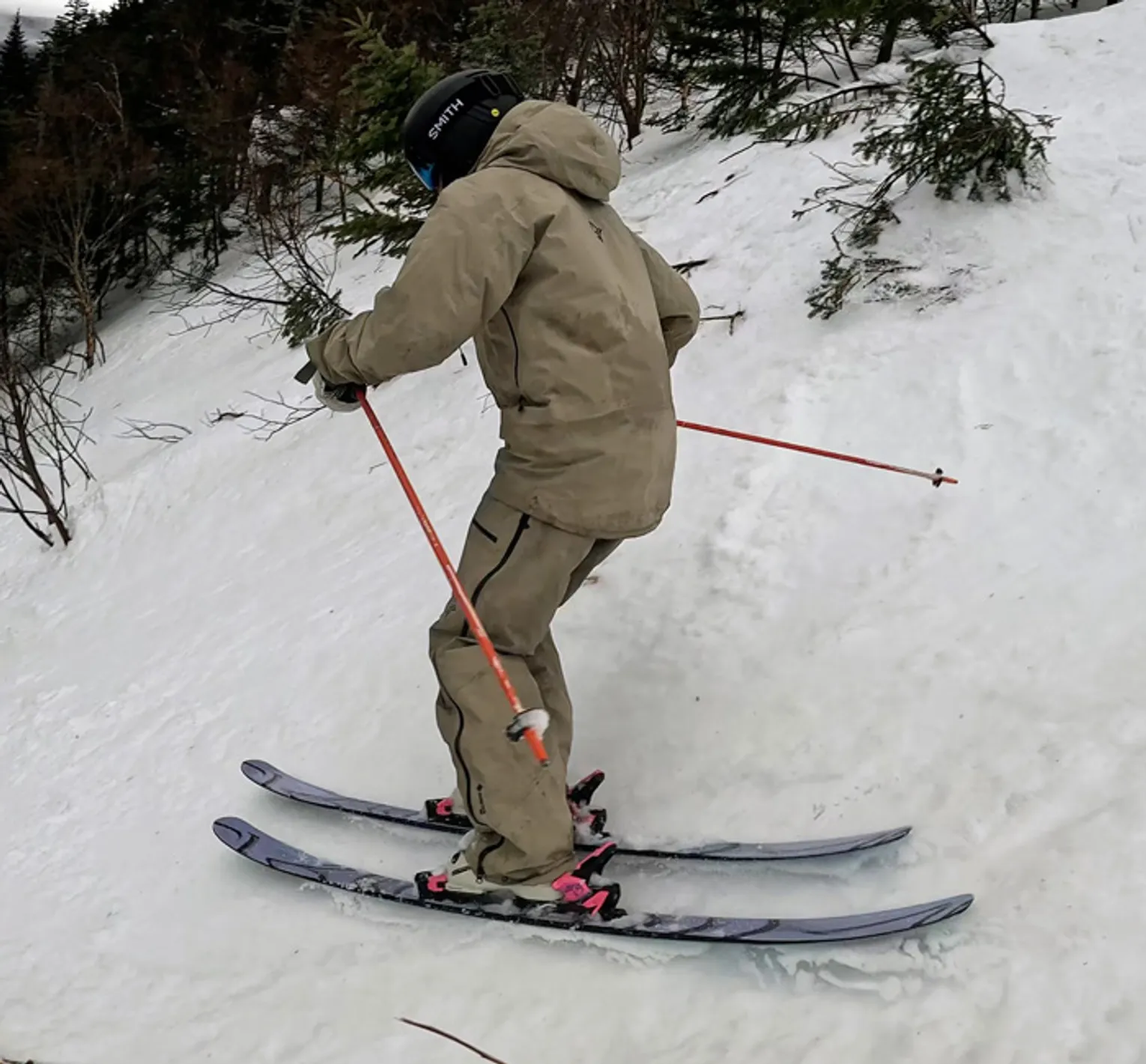
On snow, this thing is a beast. It’s heavy, strong, and totally in control. You can push through this boot with total confidence. The lower shell, rather than the upper cuff, ends up doing a bulk of the heavy lifting when it comes to energy transfer. The cuff is fine, but not overly remarkable in terms of taking the movements of your lower leg and putting them to the ski. It’s really the shell that takes each and every twitch from your foot and relays it on down the line. Cortex 140 is not an overpowering boot, but it will keep pace with your input and not totally punish mistakes. It doesn’t really matter what terrain or snow conditions you’re in, the boot reacts accordingly. I skied it a bunch this spring, with warm temperatures and soft conditions. Cortex 140 does not change all that much, whereas the other boot I’ve spent the most time on this year, Tecnica’s Mach 1 130 LV, feels a lot softer in the springtime. During our warm ski test on day 1, I skied the Mach with the ZipFit and my heels were moving and somewhat irritated by the end of the long ski day. On day 2, Cortex kept my foot in the same place all day, even as temps climbed into the 50’s. I thought this was a great side by side test of how temperature affects certain thicknesses of plastic. Clearly, the thicker the plastic, the less the change. Cortex 140 pairs really well with skis of equal stiffness, so a Volkl Revolt 101 or Mantra 88 deliver proper grip and power when driven by Cortex. More flexible and playful skis do fine, but they align better with the more amenable and energetic Mach or Speedmachine style boots. This Cortex can drive some serious skis. It’s a damper feel, though, so if you’re used to more energy and responsiveness from a boot, this may feel different than what you normally ski on. There’s no chatter or vibrations here, only direct power.

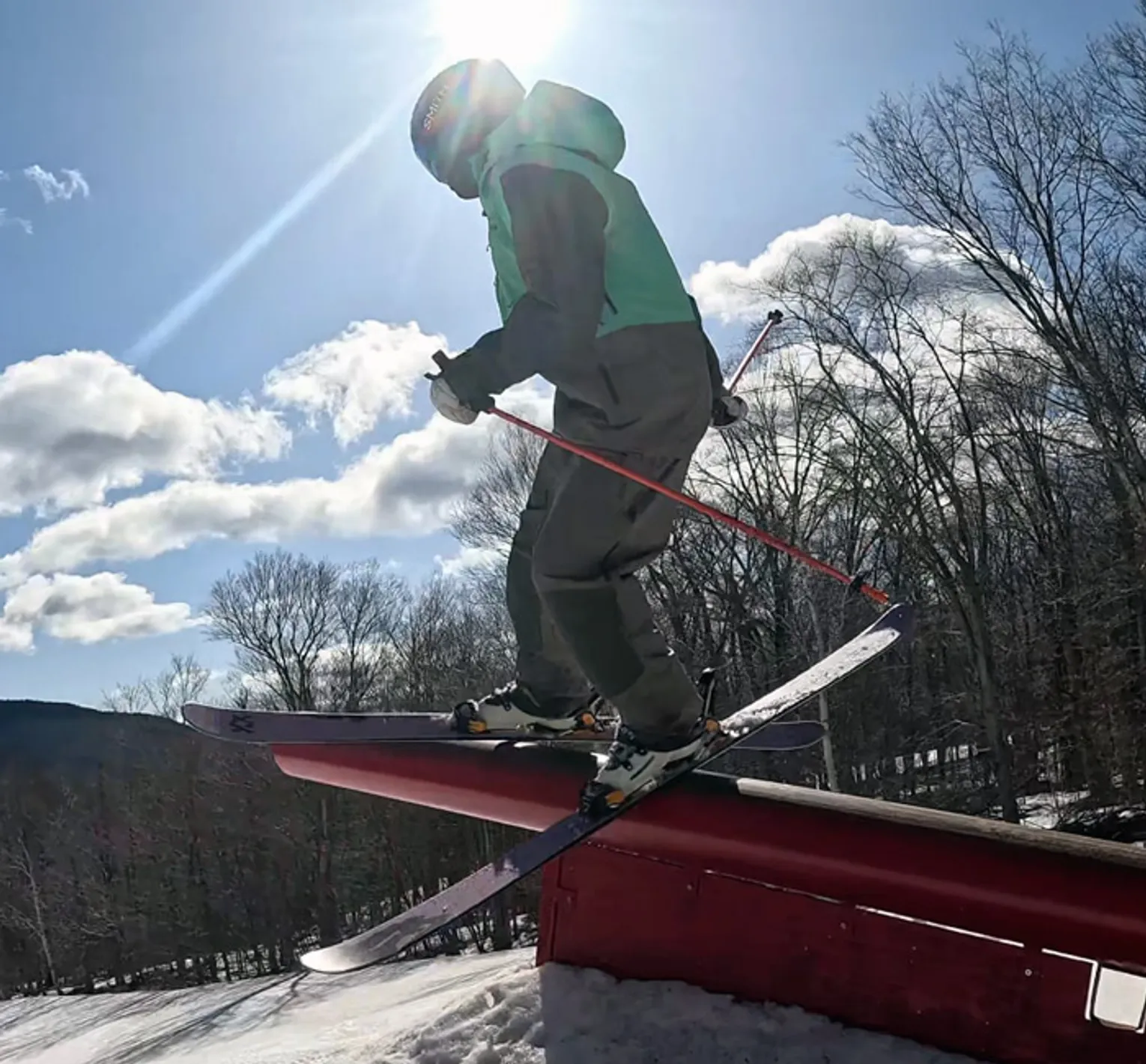
Now, the performance is great and warrants recognition. The convenience, though, and ease of use, are a bit of a different story. Getting the boots on when warm is no issue. You have to be cognizant to not pull up on the tongue, and you do have to navigate the myriad miles of BOA cables, but the plastic in the instep is very helpful in allowing for a proper spread and entry. When cold, these things are rocks. Good luck getting them on your feet. Same with off. At the end of a morning, it can be a chore to remove the Cortex 140. Jeff has landed on lacing up the liner and going racer style, but I just can’t bend my knees or ankles well enough to do this. I have to undo the boot and basically kick one off with the other at the calf. When the boot is on, I do experience slight losses of circulation, most likely due to the lower instep, and this is where the BOA system kind of struggles. In order to get the blood flowing again, I have to “pop knobs” and loosen the strap for the lift ride. Then at the top, I have to re-do the whole thing. Getting the BOA dials back to where they work the best is no small task and for me, takes a bunch of fiddling and re-tightening. It’s much more subjective and fluid than simply landing on the first buckle of the Mach 1 and calling it a day. In the end, it’ll be up to the skier to determine if the increase in potential comfort, power, and performance is worth a bit of futzing with the dials. For me, if I’m looking for a boot to connect to the snow with no complaints, it’s a yes.
When it comes to ski boots, there really isn’t anything else like this on the market today. It’s one of the only low volume dual dial boots out there. And it has toe tech fittings. And it’s a 140. This is the type of flexibility that K2 has when it comes to boot development—if you want something different and outside of the normal parameters, that’s what you need—a lack of a race department and a blank canvas.
Shop In Stock Cortex Boots:
2026 K2 Cortex 105 Zonal Boa Women's Ski Boots