

2026 Look Pivot 2.0 Collection Ski Binding Review
There are few products in the ski world that provide as much longevity as the design of the Look Pivot binding. For 2025, we saw the first major updates in quite a while to the heel piece, addressing pivotal areas for improvement, but overall, this is still the same wonderfully awesome and somewhat quirky binding that has developed not only a performance following, but also a cult-like one. Now in 2026, those updates have found many new colorways—some aligning with individual skis from the Rossignol and Dynastar brand, while others are more subdued and will pair great with anything. Overall, these bindings are not only a conversation starter but are also found on the feet of some of the best skiers in the world who simply wouldn’t click into any other binding. These Pivots offer a different level of confidence and performance than anything else on the market, and the 2.0 version takes it to the next level.
I’ve always referred to ski bindings as the steering wheel of the setup. It’s the part that connects the skier to the ski, and as a result, needs to function in a way that both adheres to and elevates the experience. Since ski bindings are first and foremost a piece of safety equipment, they have a specific set of rules that they must follow—you can’t simply nail your boots to your skis—these things must release properly, safely, and consistently. Due to the ski industry’s testing protocol, all bindings must pass certain testing or else they won’t be able to be sold. As a result, it’s tough to determine whether one binding is inherently safer than another. The few cases may be with Knee and Tyrolia’s Protector, but other than that, pretty much all bindings are held to the same standards. Look has always had this ace up its sleeve with the Pivot heel and the one-piece metal toe. By creating a binding that adheres to the safety markers while also simply out-performing other bindings has been a trick of tricks.
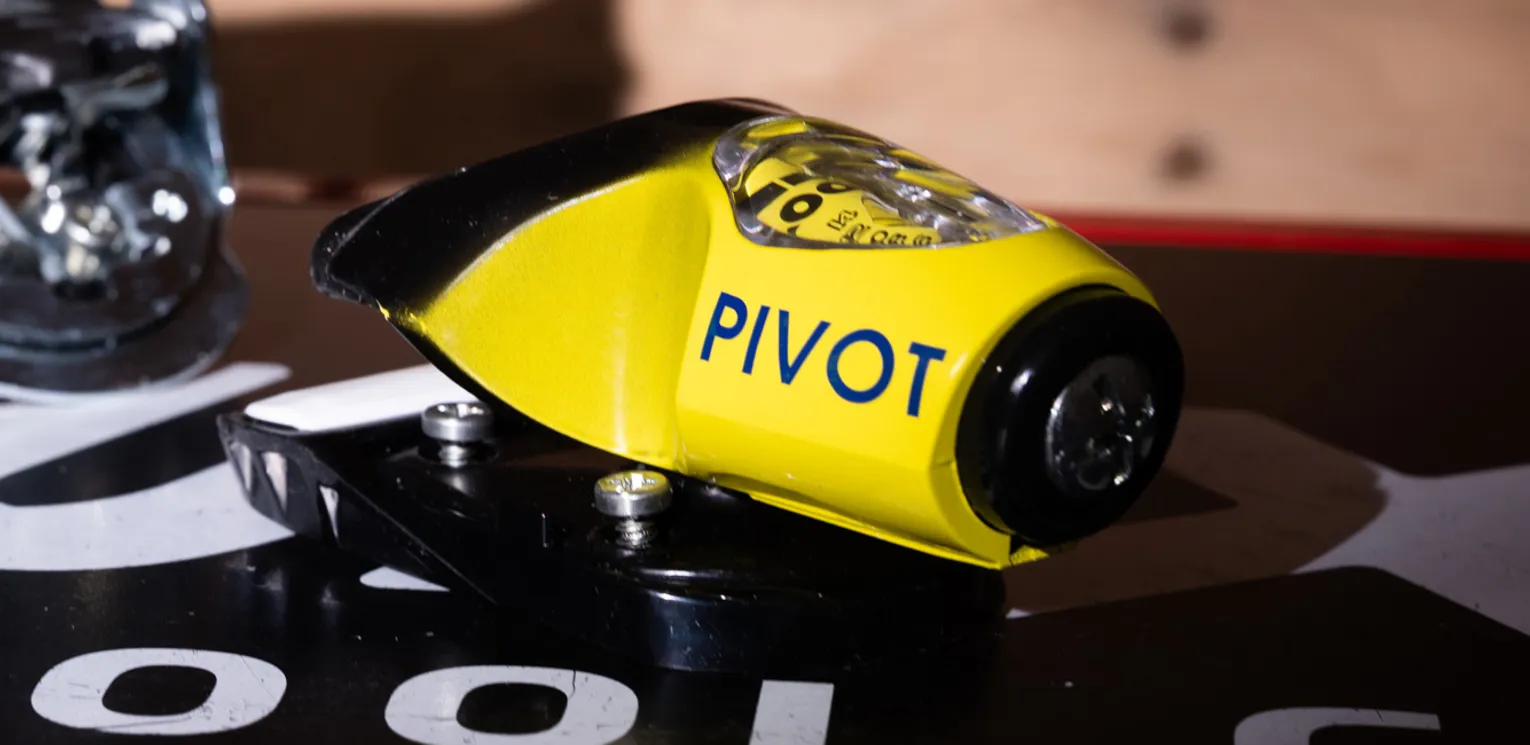
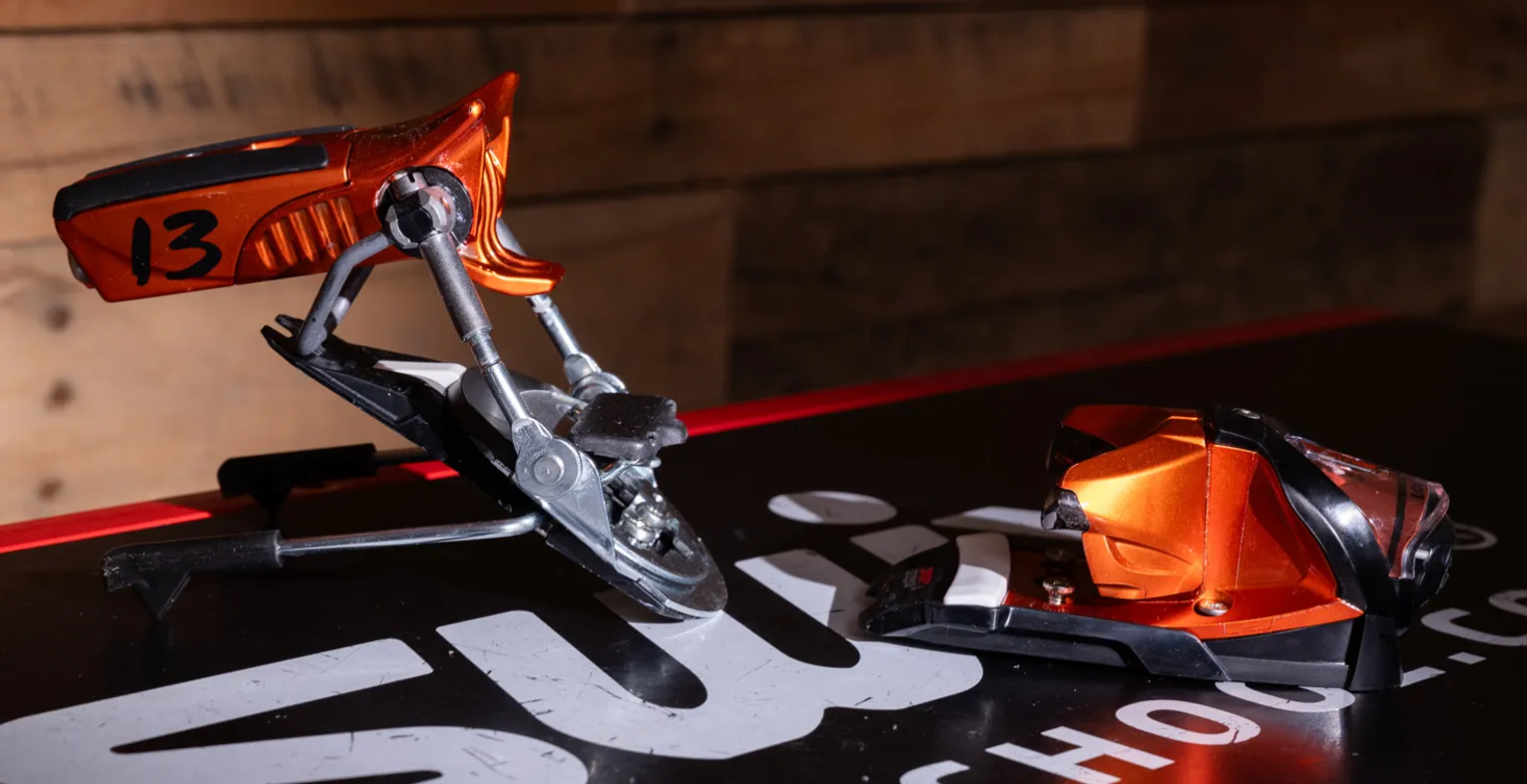
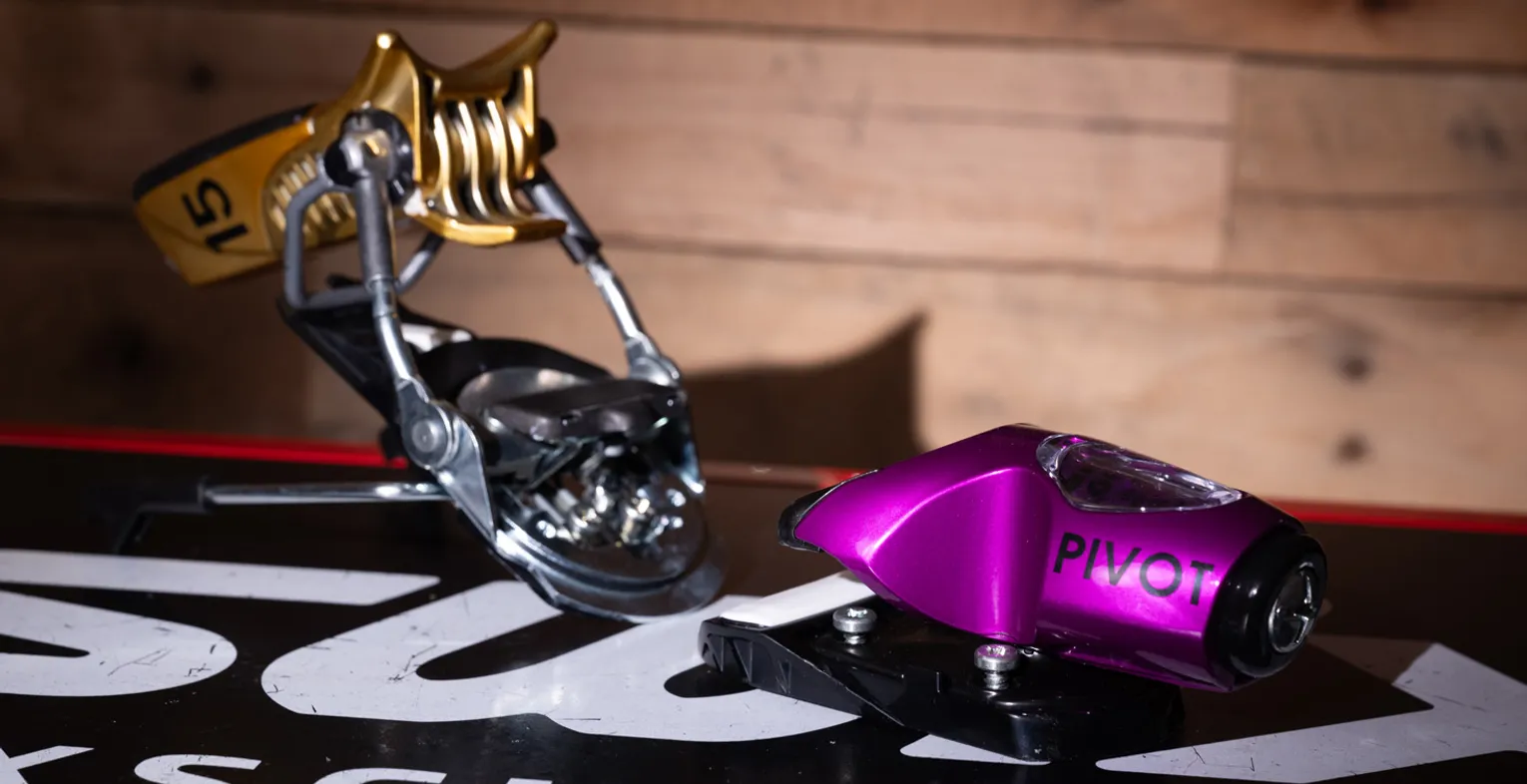
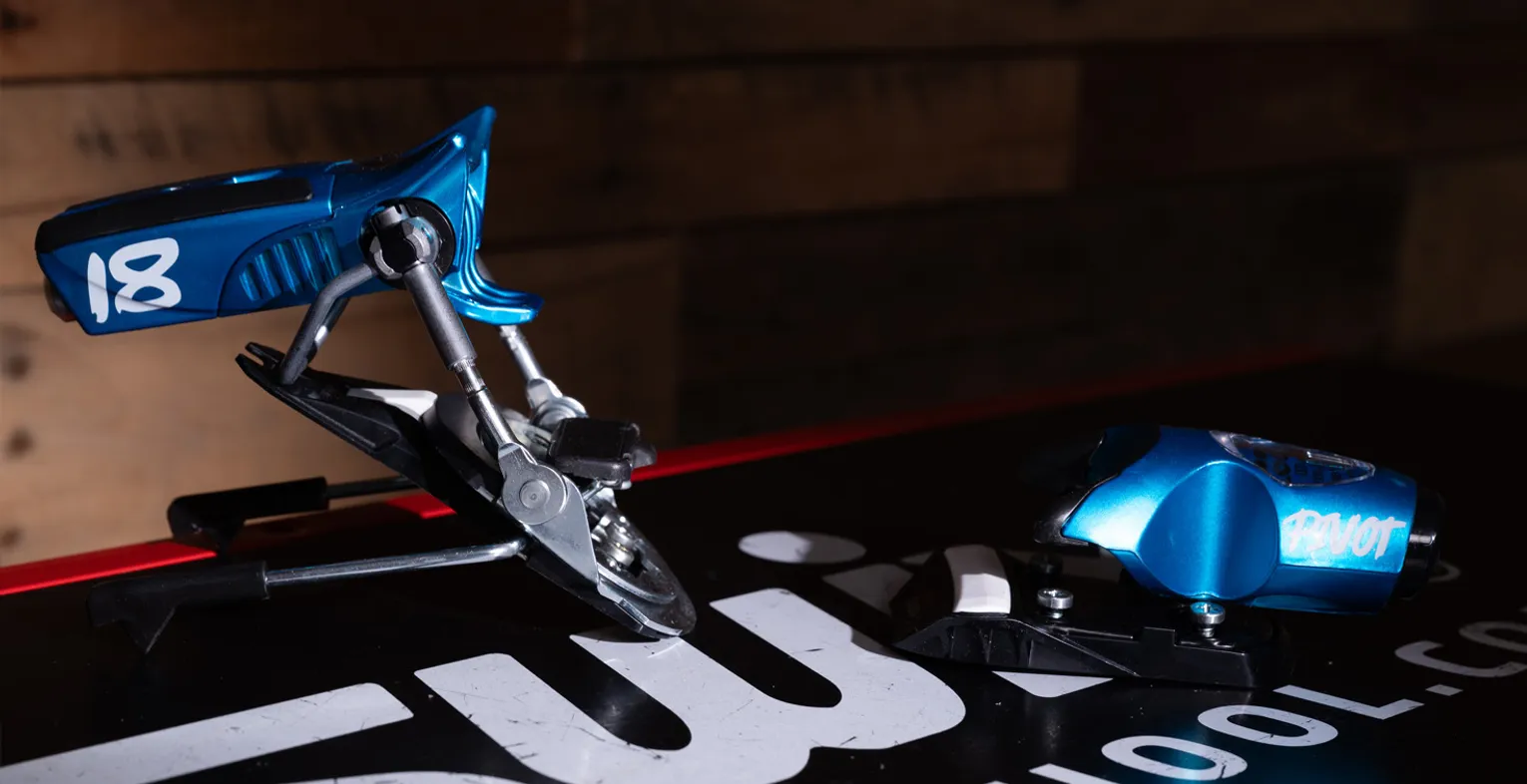
In the Pivot 2.0 15 and 18, we get the Race Aluminum Toe Piece, which is as solid of a binding part as you’ll ever find. The hole pattern, once it went to four holes, has been undisturbed for years. Other than the spring in the front, there is only one moving part, keeping things simple and consistent. This toe piece is capable of 180-degrees of release—not many bindings can offer an upward release as part of its resume. It’s solid, relatively indestructible in fact, and will likely outlive your skis, boots, and outerwear. The toe piece, and bindings as a whole, are alpine and GripWalk compatible. This upward release occurs independently of the heel, adding a level of safety that few other bindings have, and none at this level of performance. The 15 and the 18 are the same, but when we get into the 13’s and lower, we start to see some compromises—although they do not overly affect the binding. The new 13 uses a Full-Action Toe Piece which has a wider jaw for more transmission as well as a 10% wider platform for increased efficiency. While you’re getting those upgrades, you’re missing out on the solid metal toe in lieu of multiple pieces of plastic. Still, this is nothing that other bindings don’t do—most bindings are mostly plastic—Look is the exception with Pivot 2.0. 99% of skiers will find the Pivot 13 more than acceptable for aggressive skiing.
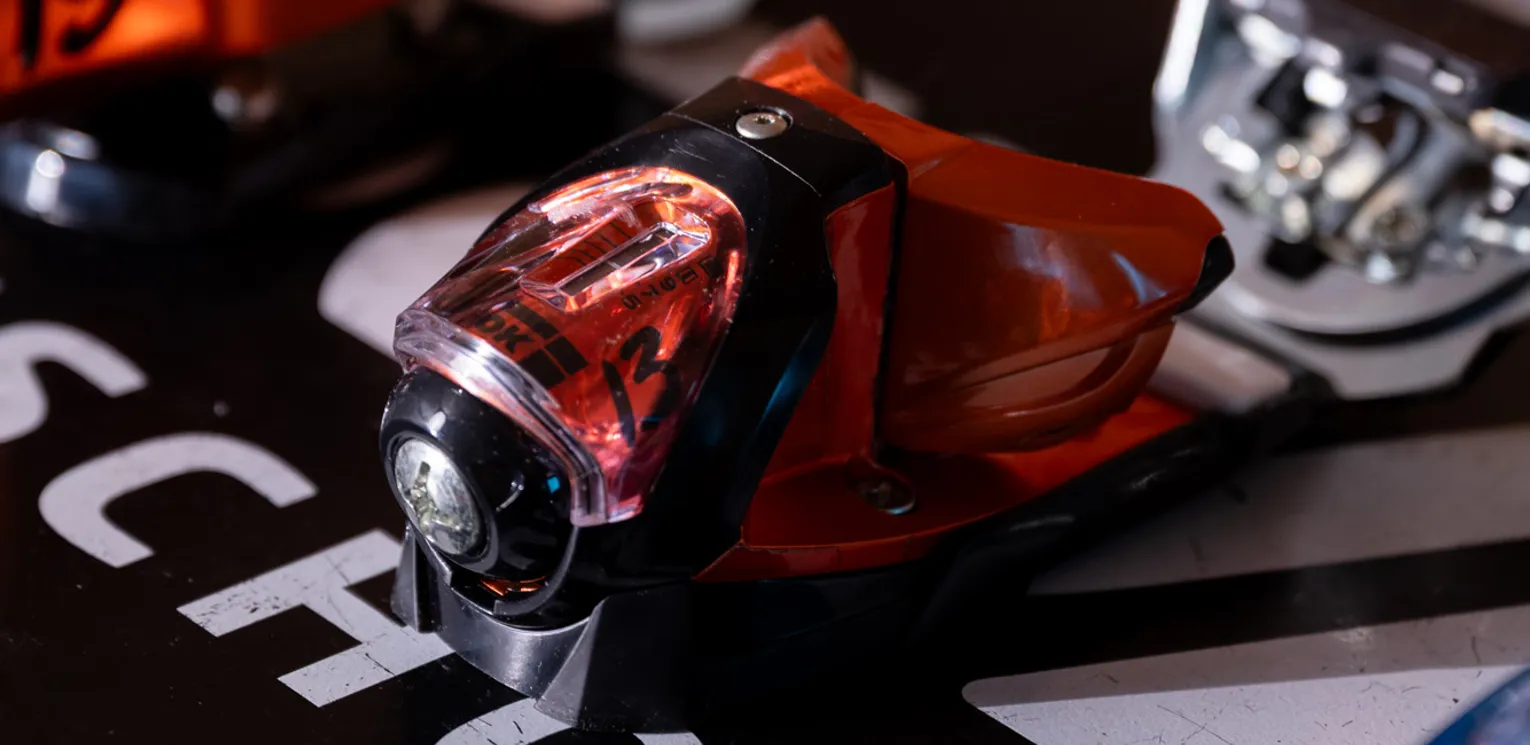
The Pivot 2.0 heel is where we see the majority/all of the updates. To list, we get a 105 mm brake added to the 75, 95, 115, and 130 split (still waiting on that 85!). Now, the Pivot heel is adjustable to one smaller and one larger boot size, effectively placing a 20 mm range of adjustment in length. While many skiers simply step on the back of the heel piece to eject, those of us who know better use our poles. The older Pivot heel had a plastic pole tip area, and as you can imagine, this zone degraded over time. Now in Pivot 2.0, the pole tip area is metal reinforced to increase longevity. Binding techs will rejoice at this one—there's now a Posi-Drive toe and heel adjustment as opposed to a flat head heel. We can also get an allen key in there as well. Also making techs happier, we get a longer area below the heel to eliminate finger and thumb injuries—these bindings had a bad habit of crushing digits if you left them below the heel while manually throwing the lever—hopefully this helps people stay away from excruciating pain. Along the side of the heel tower, Look has added reinforced skid plates to reduce cosmetic scratching when clicking and clacking skis together. These are the major pieces of the 2.0 that bring this binding into a more modern style. Staying the same is the full turntable heel piece that swivels around the tibial axis. This offers lateral elastic travel and adds to the shorter mounting zone.
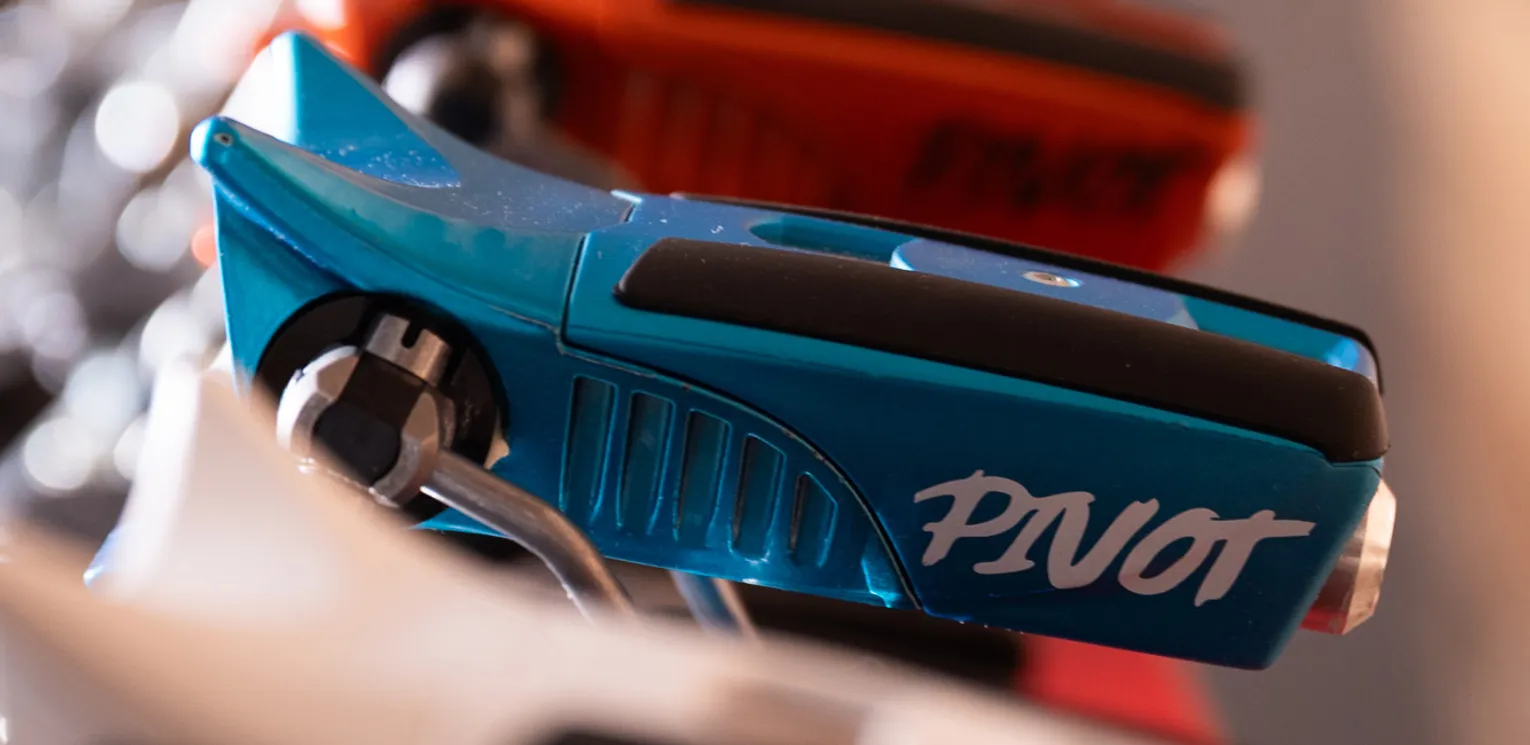
Performance-wise, there are a number of items that stand out and which are specific to Pivot. First, and we talk about this a lot, is that shorter mounting zone. Because there’s no heel track, the screw pattern is brought up to right under the skier’s heel. With minimal material behind that area, the bindings end up taking up less of the ski’s overall length. As a result, we feel a more natural and energetic flex on snow, delivering increased performance and pep. The longer heel pieces and plates create a flatter spot on the ski which can be fine if you’re looking for increased carving control but also lessens the natural feel of the ski. Next up is the stand height and ramp. The toe sits up 18 mm from the ski while the heel is just a bit higher at 19 mm. This drop of 1 mm is about as flat as it gets out there in the binding world, providing a more neutral and natural stance. Boot angles, both inside and out, as well as personal preferences keep this stance from being labeled as “better” or “worse” but rather it’s all about what you like and your comfort. That said, it’s still quite a bit different from the more dramatic drops in heel to toe that we see in many other bindings.
At a Glance:
2026 Look Pivot 2.0 13 Ski Bindings
| DIN RANGE | STAND HEIGHT | BRAKE WIDTHS | BOOT COMPATIBILITY | PRICE |
|---|---|---|---|---|
| 4 - 13 | 18 - 19 mm | 75, 95, 105, 115 mm | GripWalk & Alpine | $349.95 |
Look touts their long elastic travel as a key component in the performance and overall success of the Pivot and Pivot 2.0. The ability of the binding to be elastic for both suspension and safety puts this Pivot 2.0 above many others. Look states the Elastic Travel at 45 mm, which is a lot. We often think about elastic travel as the amount of motion a binding can have before releasing the boot. That’s more of a safety and confidence thing, and it totally makes sense. Additionally, elastic travel also means suspension—the Pivot 2.0 returns to center faster than others, allowing the skier to get back into their intended line seamlessly. Look notes that these bindings are designed to minimize rolling in order to increase energy transfer. This puts the skier more in the driver's seat when charging hard or skiing aggressively. Years back we were speaking with some sales representatives from Marker who scoffed at the Pivot binding, noting that they were like “bear traps,” and we couldn’t help but wonder what type of backhanded compliment this was. Surely, we want our boots locked into our skis, given that the release values are the same? This interaction always struck me as odd, perhaps tinged a bit with jealousy and envy.
At a Glance:
2026 Look Pivot 2.0 15 Ski Bindings
| DIN RANGE | STAND HEIGHT | BRAKE WIDTHS | BOOT COMPATIBILITY | PRICE |
|---|---|---|---|---|
| 6 - 15 | 18 - 19 mm | 95, 105, 115, 130 mm | GripWalk & Alpine | $449.95 |
While the above is mainly stats and Look’s company line, how, in reality, do they fare on snow, and is it really all sunshine and rainbows? To start, there’s an appreciable difference in snow feel and ski flex with the Pivot, most notably on skis with a lot of natural energy. I view the Pivot as having the capabilities to “unlock” a ski’s potential. Blizzard’s Rustler 9 or 10 are great examples here. With a nice round and even flex, and a very energetic core, a ski like this can be deadened by a longer track binding. With the Pivot, that ski finds its true flow, delivering an increase in electricity to the skier. In addition to performance upgrades like this, we also get a boost of confidence in big mountain zones. The bindings simply feel more locked in than the others. With fewer moving parts, the Pivot 2.0 has fewer points of failure. With direct metal connection to the boot and the ski, we see a burly nature overall in both toe and heel. It feels as though the boot sole will fail before the binding—that's how much trust Pivot fans have in their favorite product.
At a Glance:
2026 Look Pivot 2.0 18 Ski Bindings
| DIN RANGE | STAND HEIGHT | BRAKE WIDTHS | BOOT COMPATIBILITY | PRICE |
|---|---|---|---|---|
| 8 - 18 | 18 - 19 mm | 75, 95, 105, 115, 130 mm | GripWalk & Alpine | $449.95 |
But no, it’s never all gleamingly positive—there are some finicky parts to this binding as well. The first, and probably biggest issue most non-Pivot diehards have with the bindings are the user-unfriendliness. The heels need to be centered to step in. If you have any tiny bit of snow on the bottom of your boot, you will not get the best thunk. If unnoticed, this can result in pre-releases. Since the binding isn’t too loud to begin with, some skiers simply don’t notice that they’re not all the way in. Upon exiting, the heel throw sometimes just ejects your boots but remains in the upright position, forcing you to manually depress the lever. It’s not a deal breaker, obviously, for most fans, but for unfamiliar Pivot skiers, this can be unnerving and annoying. Second, and this is one of my peeves with the Pivot, is that the brakes don’t tuck in as well as other bindings. If you’re not 100% matching a 95 brake with a 95 mm ski, the overhang (or underhang) doesn’t usually allow for total brake tuck. Griffons, Attacks, and Strives all have better brake retention than Pivot, especially with slightly different waist width to brake width ratios. I’ve experienced brake drag in carving turns and it drives me nuts. Additionally, the lack of 85 mm brake stinks. There are so many good skis that come flat in that range that are screaming for a Pivot. Stockli Montero AR, Black Crows Mirus Cor, Blizzard Anomaly 84, Elan Wingman 86 Ti Black Edition...the list goes on, and even includes many of the amazing 88’s which I personally find too narrow to put a 95 brake on. Showing our Vermont bias, I’d rather have seen the 85 brake added over the 105. Cost is a double-edge sword. On one hand, these are expensive bindings. The Pivot 2.0 15 currently retails for $449.95--not cheap. That said, most premium bindings are creeping up to the $400 mark and beyond these days, so comparatively, they fit in but are still expensive at the end of the day. On the flip side, they hold their value really well and last for a long time. If you ever re-sell a pair of skis with Pivots on them, they will sell fast and for good money.
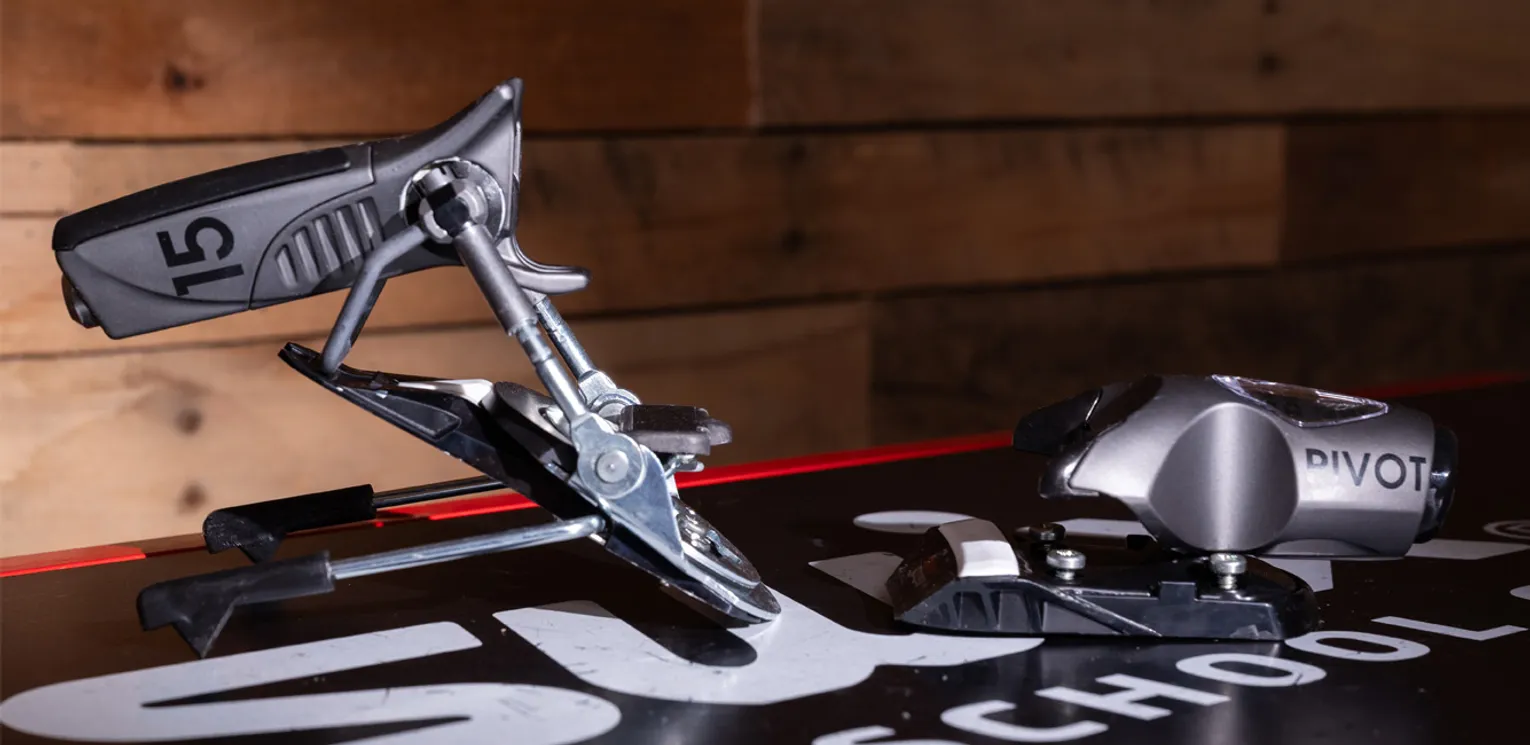
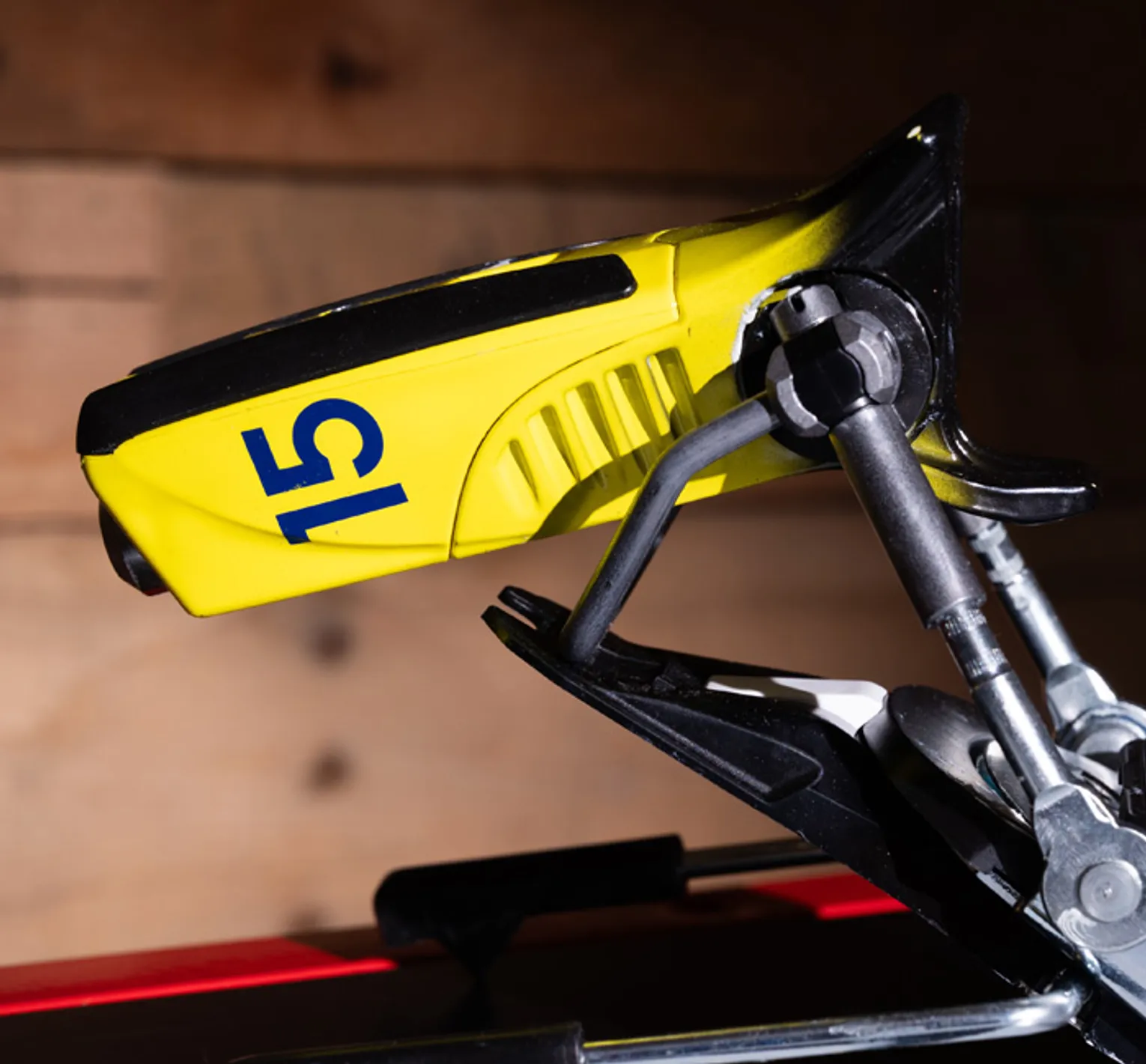
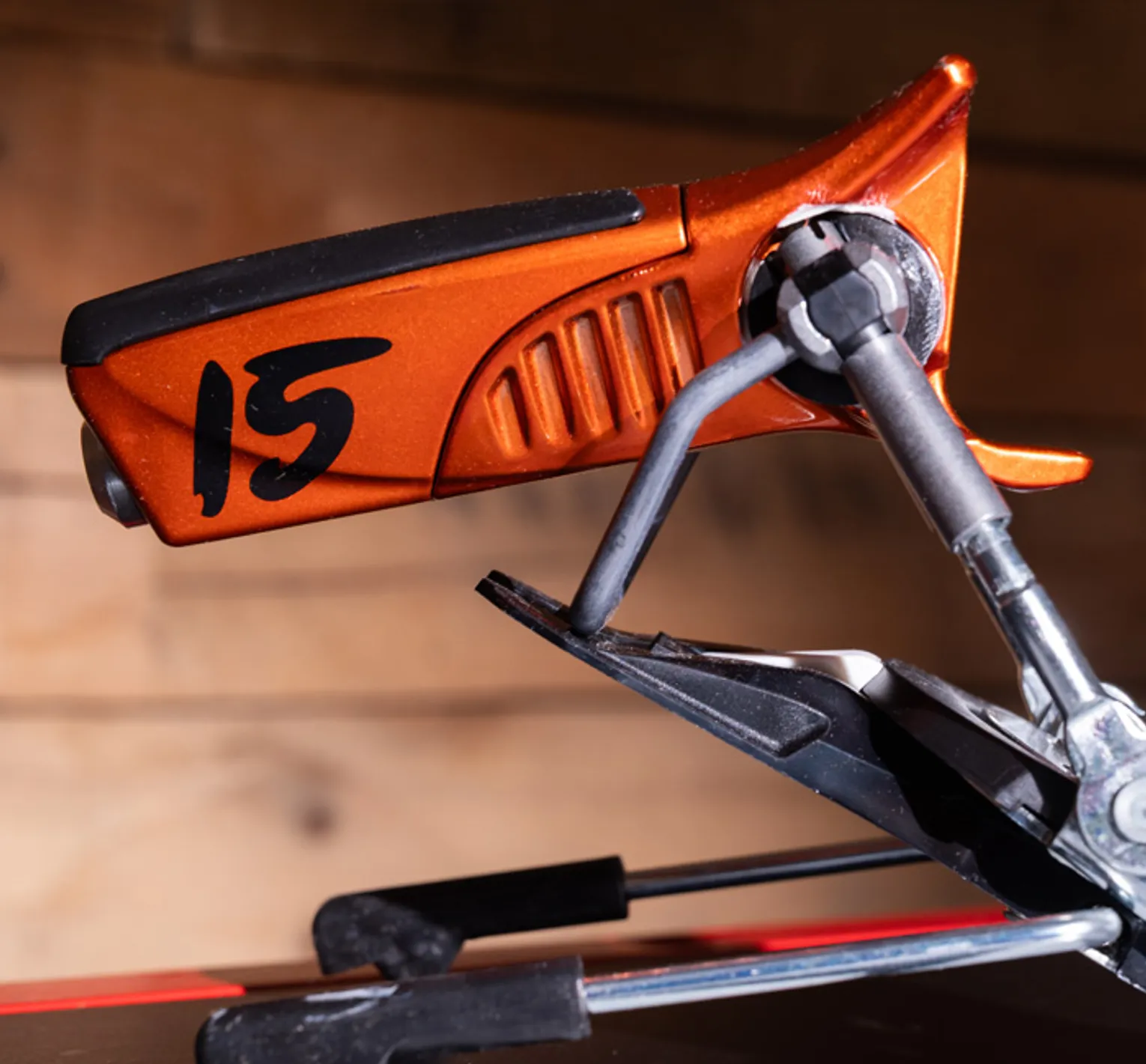
Just some of the many, many color options available for the 2026 Look Pivot 2.0
Sorry, that was a lot of words for a relatively simple binding with few moving parts. The bottom line here is that the new Pivot 2.0 is an upgrade in the heel—frankly the part of the binding that needed the work. Otherwise, it remains the same cult classic. It’s a solid piece of ski equipment that functions insanely well in aggressive situations. It offers more confidence and composure than any other binding on the market today. It somehow adheres to stringent safety regulations while at the same time increasing the ski’s performance. It’s important to note that bindings don’t really have “performance levels,” rather they allow the ski to perform—some more than others. In the case of the Pivot 2.0, we’re seeing the best possible relationship between boot and ski.
Currently Available Look Pivot 2.0 Bindings: