2026 Volkl Mantra 84, Mantra 88, and M7 Mantra On Snow Review
While we were able to do a full review of last year’s Volkl Mantra M7, it’s always nice to revisit a (new) classic. By adding in some new Mantra widths (84 and 88) to the conversation, we think it’s a good time to go over the whole line while still focusing on Volkl’s marquee ski. At 96 mm underfoot, the M7 sits squarely in the middle of the powerful all-mountain division. As such, it’s designed to be an everyday ski for advanced and expert skiers who have a strong technical background and appreciate the finer points of ski construction and design. For 2026, the M7 receives a graphics change but remains the same structural ski.
To recap on construction, the M7 Mantra, and the new Mantras 88 and 84, are all built with a multi-layer wood core consisting of poplar and beech. Volkl shows its dedication to edge grip and control with this build by placing the denser beech on the outer portions and the lighter poplar in the center. When you place the sections of the tailored titanal frame over the beech on the sides, Volkl effectively doubles-down on the amount of emphasis and control that they place on edge grip. We get a full sheet of metal below the core, and then the three upper sections of titanal in the frame style along the top. These three portions work in harmony, with slight overlap in the central part to allow for pure flex. In the tips, we get a tailored carbon tip with stringers placed in strategic directions to fully control turn initiation while keeping the swing weight on the lighter side. These “Tailored” parts of the M7 have been directly placed into the narrower 88 and 84 skis.
At a Glance:
2026 Volkl M7 Mantra Skis

| AVAILABLE SIZES | 4D TURN RADIUS | SIDECUT | WEIGHT | PRICE |
|---|---|---|---|---|
| 163, 170, 177, 184, 191 cm | 25 / 40 / 16.8 / 22 m @ 177 cm | 139 / 96 / 121 mm | 2,090 g @ 177 cm | $849.99 |
Last season, we noted that the new M7 had a flatter overall profile, with less splay in the tips and tails and increased low rocker. For such a strong and powerful carver, there’s not a whole lot of camber here—perhaps that’s a nod to the older version of these skis that were fully rockered. Either way, it allows for a few things. First, the flatter profile enhances the 4 Radius Drive technology because it allows the skier to play around with different edge angles easier. If it were more cambered, it’d be a lot more difficult to find the mid radii of the ski to change and alter turn shape and style. Second, the flatter profile allows for smoother performance in softer snow. These are actually pretty decent floaters as a result. This filters into the 88 and the 84, with those two models punching above their levels in the flotation department as well. All of these skis feature multi-radius sidecuts, but the 88 and 84 still have the 3D Radius sidecut while the M7 uses the 4 Radius Drive. It doesn’t seem like this separates the skis too much, but it is notable, especially with the slight increase in tip taper of the M7 versus its narrower brethren. For the most part, and to keep it simple, these skis can all make any turn shape at any point—more than the versatility of the M7 from a conditions and terrain standpoint, I find the versatility of turn shape to be the biggest takeaway from the 4 Radius Drive. There’s basically no need to state a radius—they can make them all.
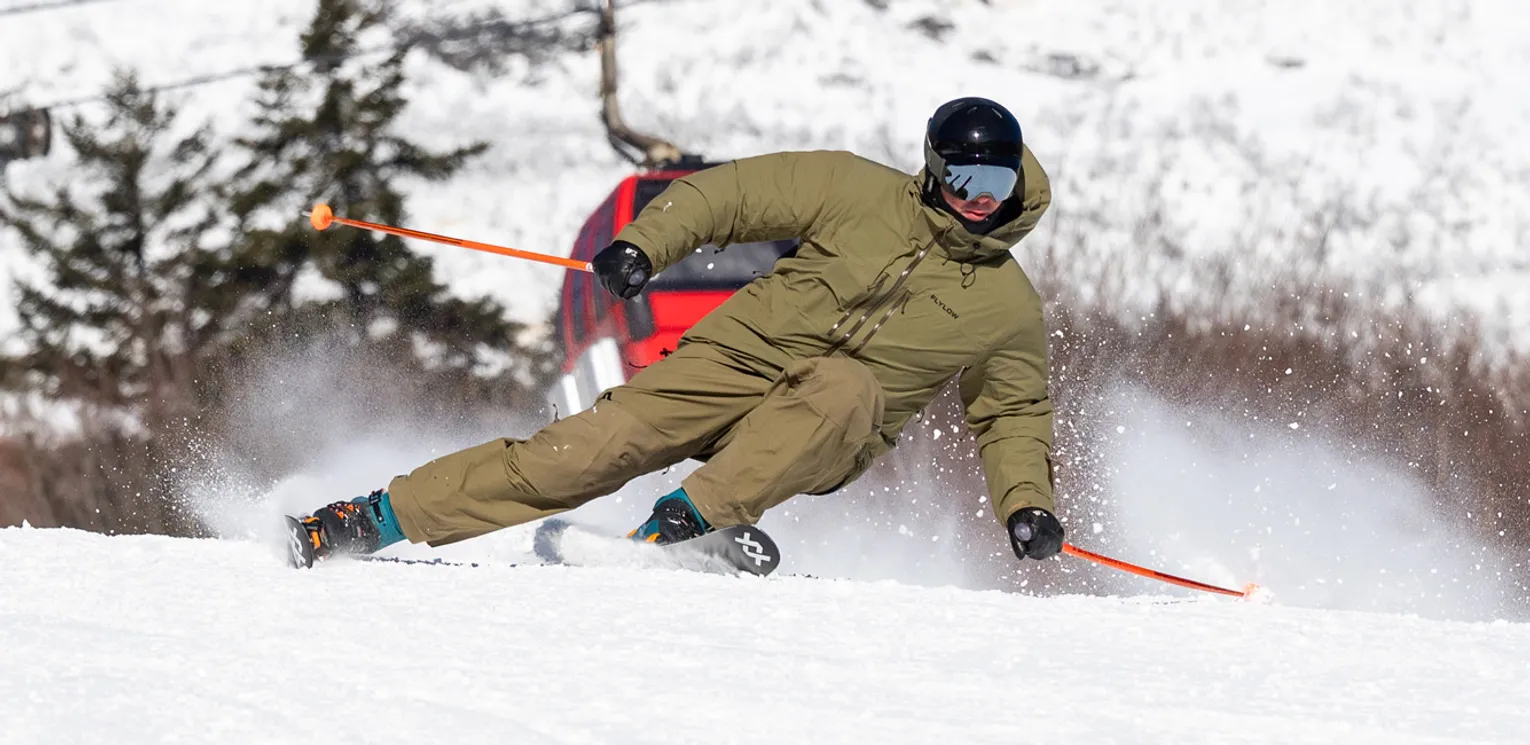
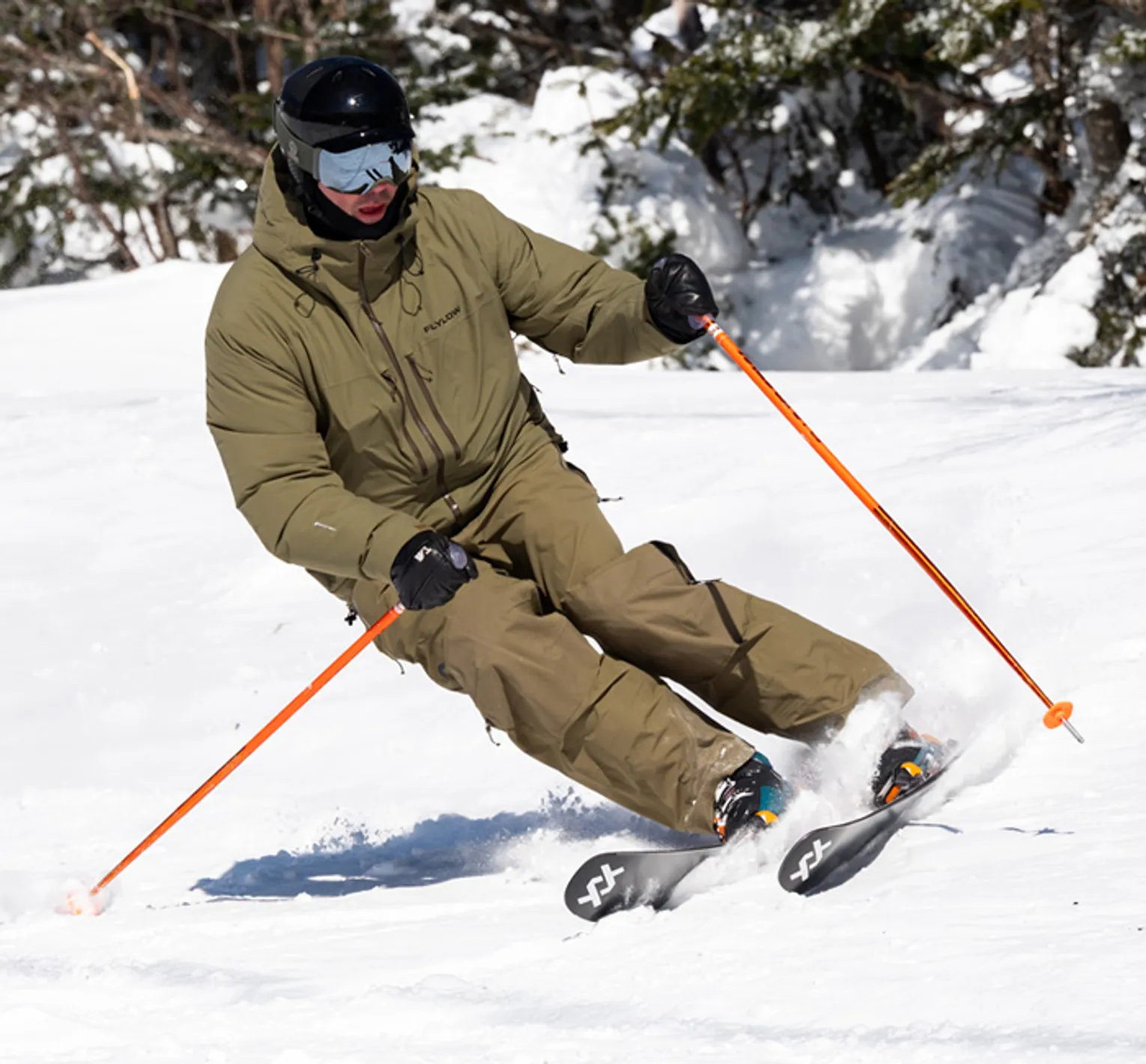
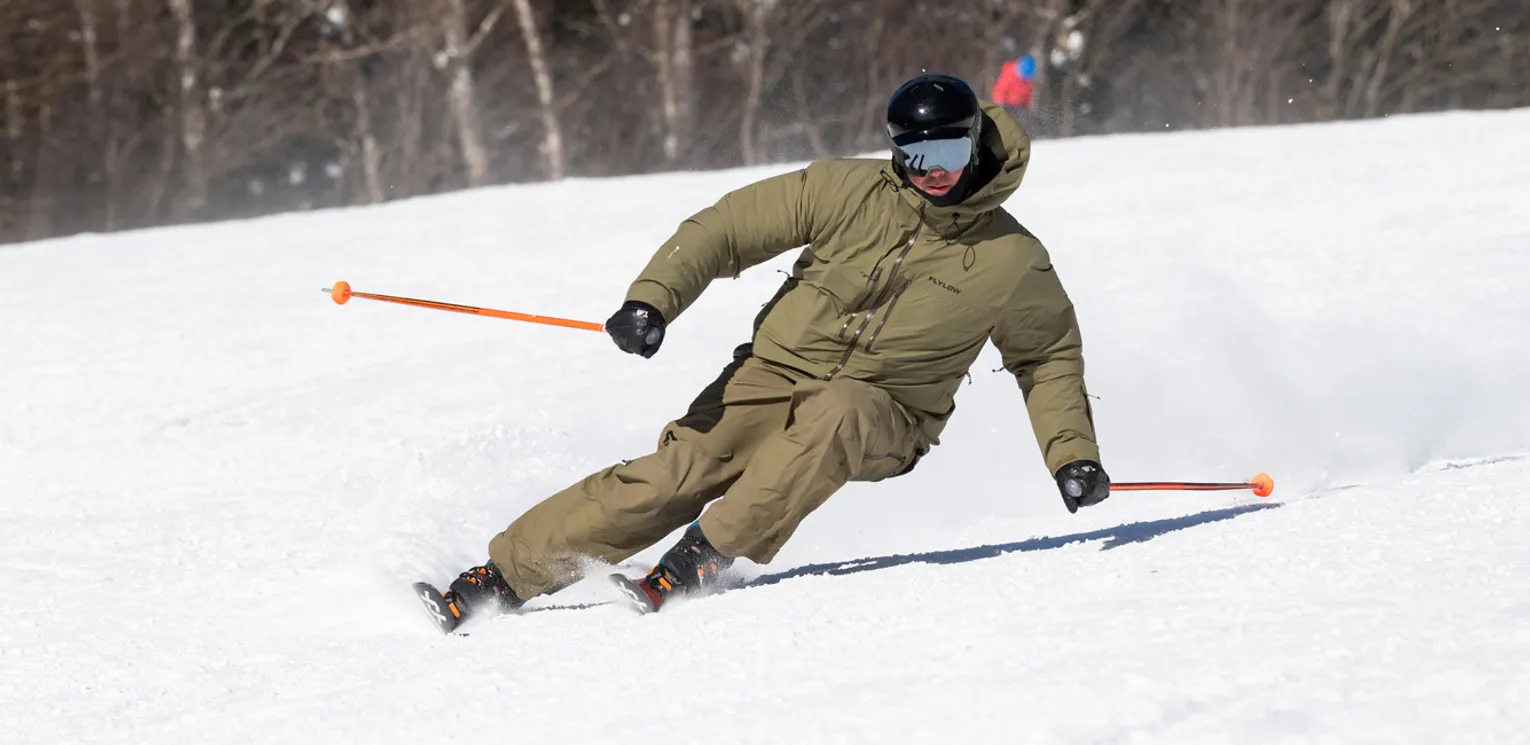
This is especially noticed on groomers, where the M7 is a step beyond most any other ski in this width range. The turn initiation is crisp, predictable, and enjoyable. The mid-section of the ski will hold on any firmness of snow, from raw ice to packed powder. There is total confidence in the edge grip here and you can really stand on the ski to make it engage. When you are finished with one turn and want to start the next, the ski is already there—with vigor. The rebound of these skis is off the charts—it's an electric feel that propels you from one carve to the next. I simply wish my back was twenty years younger and that I had more of a technical or racing background to truly be able to maximize these skis and their potential when it comes to carving performance. I (Bob) am 6’2” and 225 pounds, so by the books I could ski a 184, and I do okay on it. I feel a lot more engaged and connected to the 177, though, especially around here in Vermont where the trails are tighter and narrower. The build of the ski is so sophisticated that there’s no real need to size up to access performance.
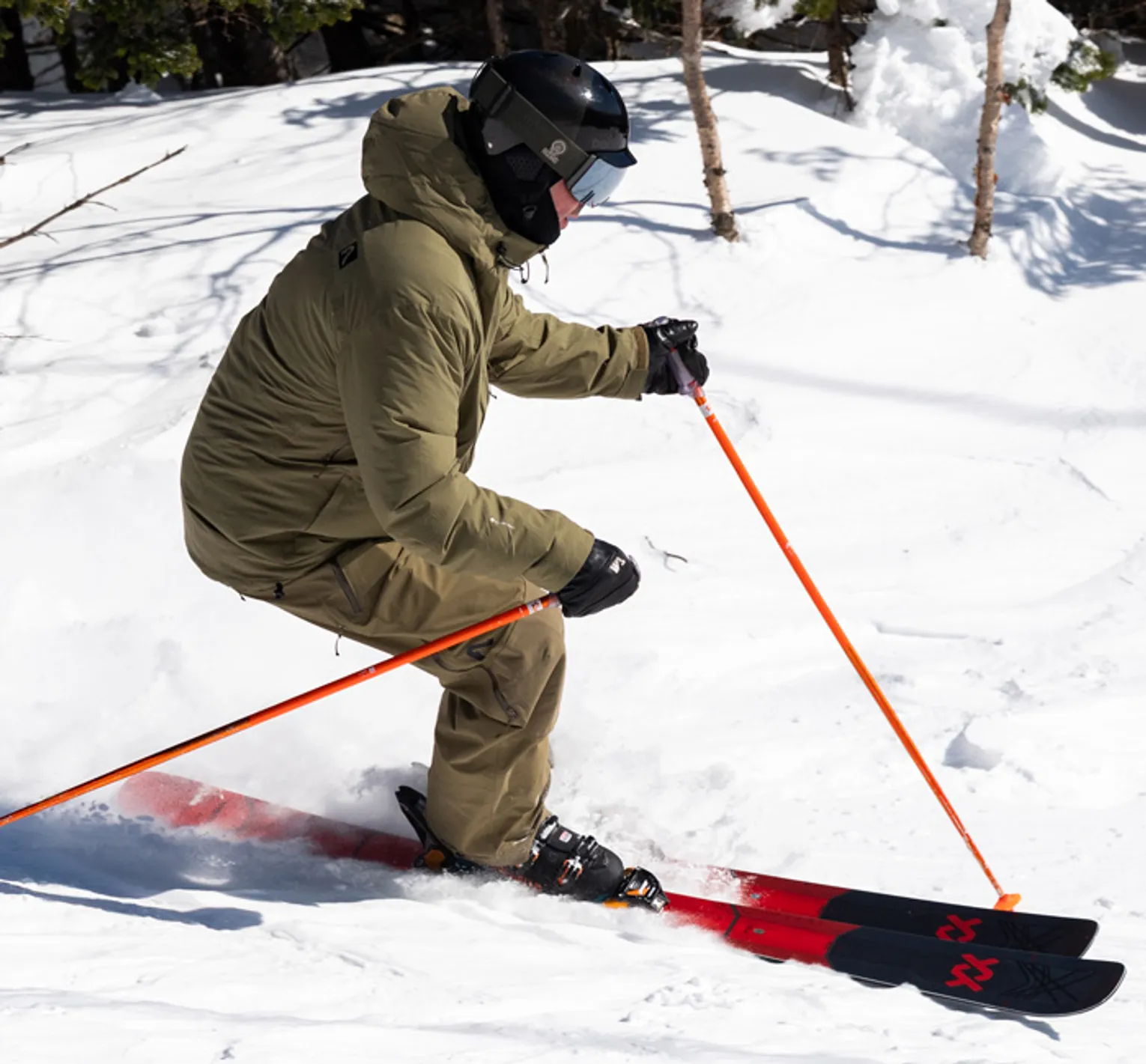
When the snow gets softer, and the lines get more technical, the M7 does not shy away. It does, however, require more of your attention and energy. In fresh snow, it fares quite well due to the longer rocker and lower camber—this is a unique profile for such a strong ski, and it isn’t copied anywhere else in the industry. We’ve found that skiing it more two-footed with feet closer together is helpful here as the skis do desire to turn, and the stiffness and response makes the skis wander a bit if you’re not paying attention. In crud and chop, the M7 simply does not care—it simply crushes right through any adverse snow conditions without a thought in the world. In the trees, as long as you’re able to wrangle the appropriate length, they fare just fine—it's not the most playful or maneuverable ski out there, but it works as long as you work it. They are stiff, so while they react instantly to input, they also require more of it—that's the balance for excellent and optimum on-trail performance. This is not a dancer-style of ski—there's not a whole lot of smearing, surfing, or playing. M7 operates best when driven by a strong skier who knows how to use the thing and is okay with a more precise ski in softer snow.
At a Glance:
2026 Volkl Mantra 84 Skis

| AVAILABLE SIZES | 3D TURN RADIUS | SIDECUT | WEIGHT | PRICE |
|---|---|---|---|---|
| 163, 170, 177, 184 cm | 29.2 / 16.2 / 25.5 m @ 177 cm | 129 / 84 / 110 mm | 1,890 g @ 177 cm | $699.99 |
When talking about the new 88’s and 84’s, pretty much everything that’s said about the M7 can be funneled down to the narrower lengths. The 84, clearly, is the most firm-snow oriented and the quickest from edge to edge. The 88 mixes the softer snow preferences of the M7 with the hardpack focus of the 84 to create a wonderful middle-ground. The Kendo has been a favorite of advanced and expert all-mountain skiers for years, and that will certainly continue into the future with the new Mantra 88. As for Kanjo skiers, well, the story is a bit different. While Kanjo 84 featured a lighter build with a titanal band and a fiberglass frame, the new Mantra 84 has the full diesel build with total shape/profile sharing with the wider skis. Basically, and sadly for some, we’re not going to get to say Kanjo anymore. This is a big departure for Volkl in the mid-80's category, likely separating Blaze 86 from that grouping, and that makes perfect sense to us.
At a Glance:
2026 Volkl Mantra 88 Skis

| AVAILABLE SIZES | 3D TURN RADIUS | SIDECUT | WEIGHT | PRICE |
|---|---|---|---|---|
| 163, 170, 177, 184 cm | 29.2 / 16.2 / 25.5 m @ 177 cm | 134 / 88 / 114 mm | 1,930 g @ 177 cm | $799.99 |
The M7, however, is still going to be the main event here, and the ski that we’ve been focusing on for this year. I’m sure we’ll spend more time on the 84 and the 88 in the near future, but for now, it’s clear that the M7 is still a very special ski. It’s smooth, damp, powerful, and extremely energetic. It’s hard to believe that the rebound in these skis comes from a 96—they just feel so darn precise for having so much mass. Volkl is all-in on the technological aspect of ski construction, and in no other ski is that manifested better than in the 2026 M7 Mantra.
There are, of course, also two wider Mantra skis, the 102 and 108. We'll follow up with another article and video at a later date covering those heavy hitters!