2027 Elan ACE SC11+ Ski Review
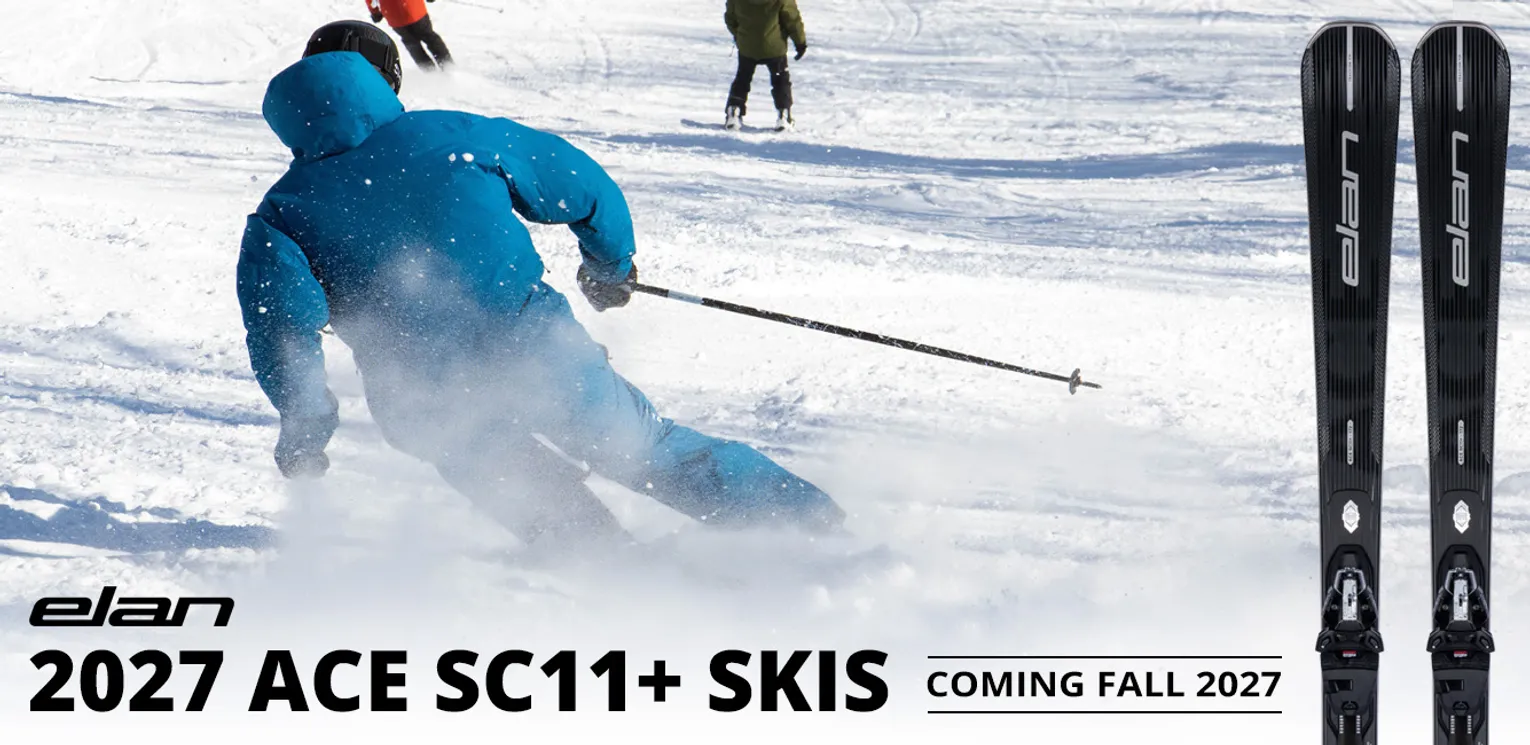
Back in January, we headed to Pico in Vermont for the first formal industry demo for upcoming 2027 skis. One of our main goals was to get on and review the new Elan Ripstick 88 Black Edition. Unfortunately, so were a lot of other vendors, so we had to wait. As a consolation, our friends at Elan set us up with another new 2027 ski, the ACE SC11+. We were told that this ski, more so than many others, was packed with fun and excitement. Now, we’re certainly fans of wider frontside skis, but the offerings from Elan, outside of Wingman, have for the most part passed us by. From the first turns, it was evident that the Elan representatives were right on the money. The ACE SC11+ rips. We spend a lot of time on groomers, and we’ve noted over the years that if a ski can make a mellow groomer feel like exciting terrain, then the ski has some serious game. What we came to learn more about, as we spent more time on this SC11+, is that it has quite the high-end ceiling as well. With new construction and shaping principles, this ski manages some of the cleanest and most confident carved turns of almost any ski in the mid-70's, providing a smooth, powerful feel that has few limitations from a frontside perspective.
At a Glance:
2027 Elan ACE SC11+ Skis

| AVAILABLE SIZES | TURN RADIUS | SIDECUT | WEIGHT | PRICE |
|---|---|---|---|---|
| 144, 151, 158, 165, 172, 179 cm | 14 m @ 172 cm | 130 / 74 / 110 mm | 3,250 g/ski with Bindings @ 172 cm | $1,149.99 w/ Fusion X Binding |
As we move forward with Elan’s engineering, one of the key aspects that we’ll be talking about is their Active Suspension Drive. Within the ACE line, the ASD is a new way of thinking about ski suspension. We often compare skis to cars, and in this case it’s reasonably accurate to compare their ASD technology to a leaf spring. This ski uses two sheets of metal, with one on the bottom of the core. The upper laminate is split into three parts, and this is where the leaf spring analogy comes in handy and things get interesting. We get one portion under the bindings, extending out towards the tips and tails. Underlapping that laminate, we get two more layers—one that occupies the forebody of the ski and the other that takes up the aft section. As a result, these three metal layers function as a leaf spring, combining to provide energy, smoothness, and power. Between these metal overlaps, we’re also getting layers of rubber that even further smooth out and dampen vibrations. They are not kidding in the naming—these skis fuse activity with suspension in a very real way. Elan’s wood core, their Race Frame core, consists of poplar and beech stringers, so you are getting a denser and more stable feel than in skis like Ripstick or Wingman. As a result, the flex is stiff—this is a real-deal on-piste ski that demands angles, speed, and skill to maximize performance. Elan’s TractionTip technology mills out some of the wood from the shovel to increase edge contact and initiation at lower speeds and in slightly less aggressive skiing.
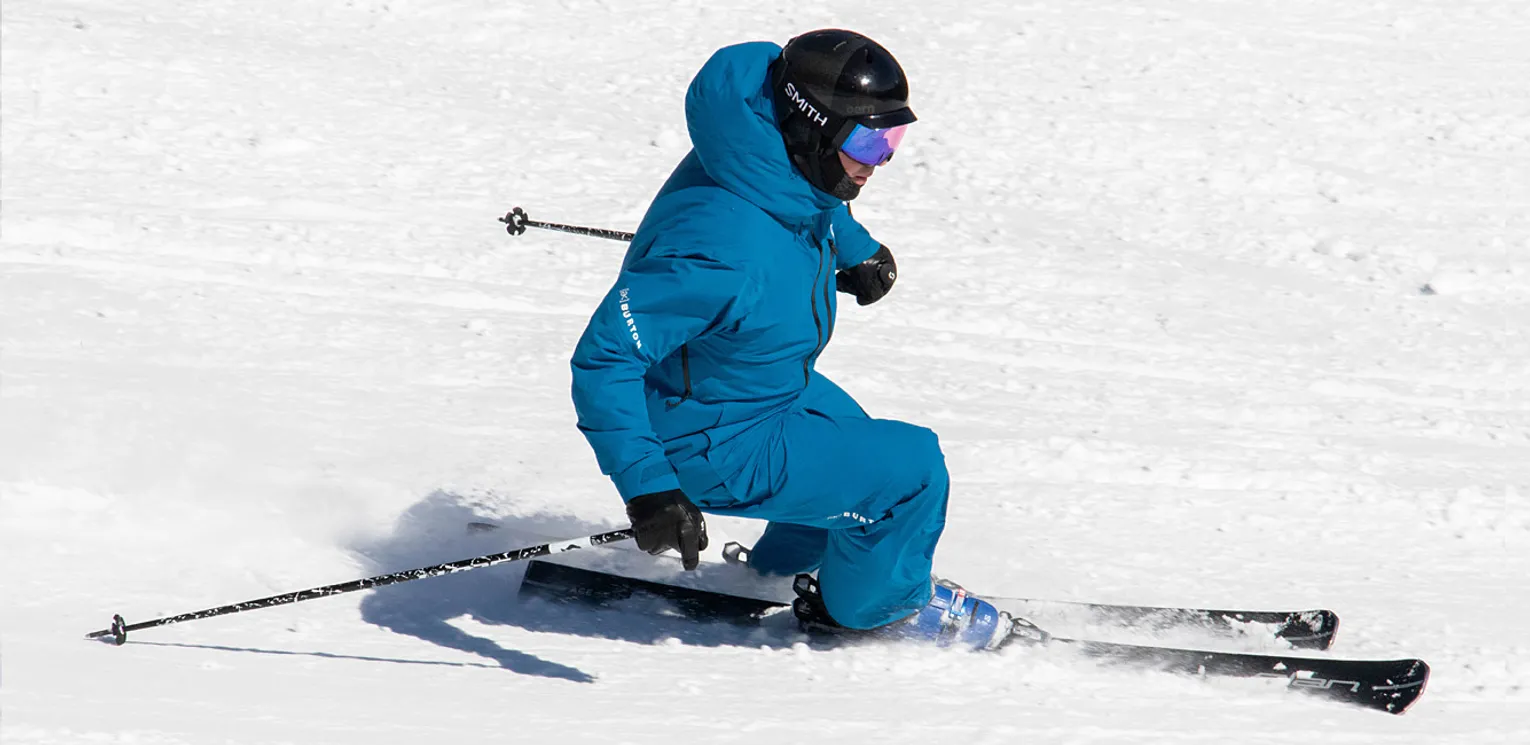
At 74 mm underfoot, these skis fit into the mid-fat realm for front side carving. They’re not full-on race skis with a super narrow waist and a straighter cut, nor are they mid-80's carvers that can also function as an all-mountain ski. They already have the Wingman for that. This ACE SC11+ splits that difference, offering planted and stable performance without feeling out of balance. It can take a lot of skill and training to properly wield a 66-68 mm underfoot race-like ski, but once you get to the mid-70's there’s some more forgiveness here in terms of the platform on which you stand. The 179, which is the longest length, and the one we spent most of our time on, generates a 15.4-meter turn radius. It’s fun to find but does take a bit of effort as the ski is quite stiff and it has zero taper or rocker. This fully cambered ski provides a ton of pop and energy out of the turn, while the flat and square tail hold on tight until the finish. There is a ton of edge grip in these skis, and the blame for that falls squarely on that mix of classic shape and strong build. The footprint of this ski is that of a carving-specific machine for sure. It’s also a new and interesting conversation for us because the ACE SC11+ does not use Amphibio shaping or construction, so this does not have a right/left specific ski.
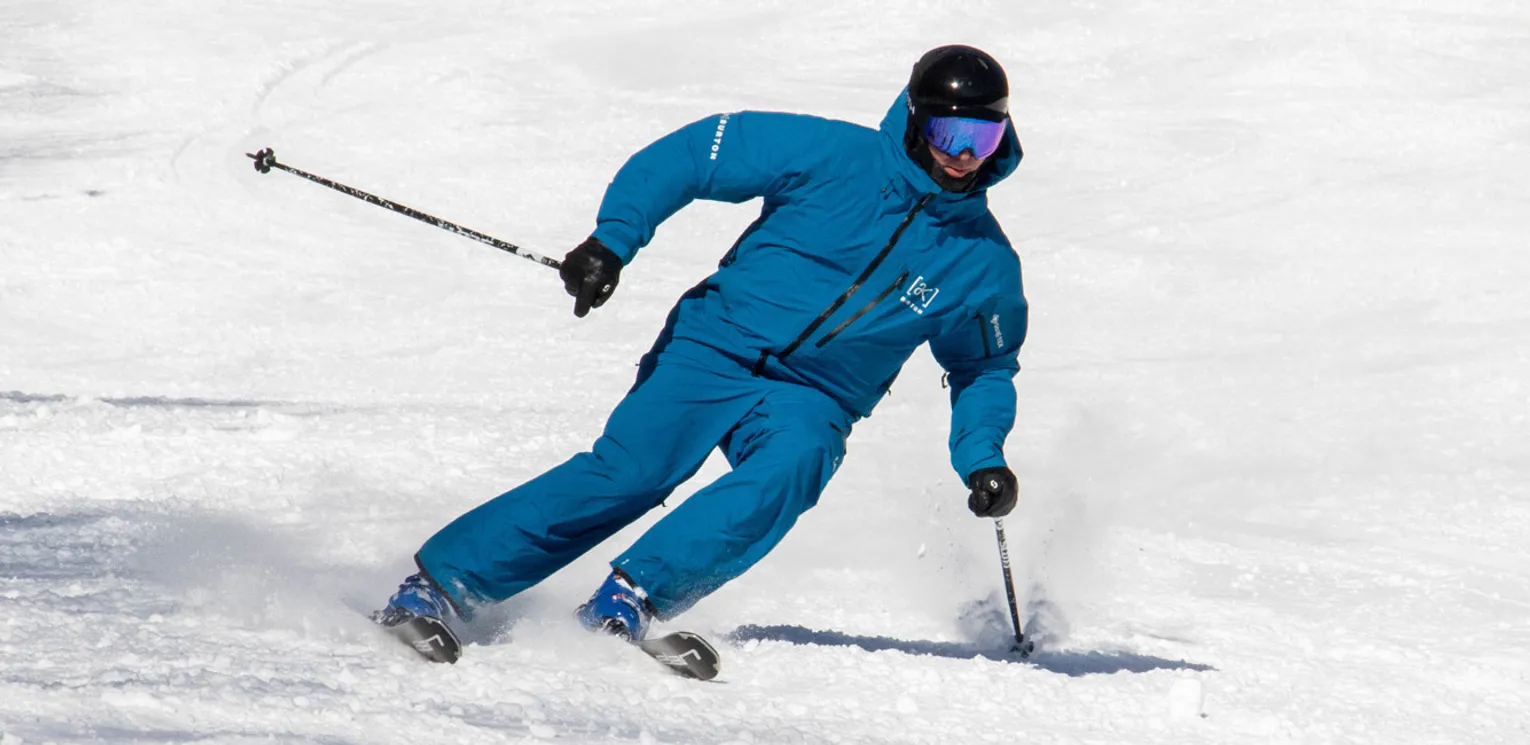
When it comes to performance, the ACE SC11+ is all about leaning into the carve and generating some insane angles. We used this ski on pretty firm surfaces and it held its ground with ease. This is one of those skis whose marketing lingo is backed up by its snow feel. TractionTip provides the jumping off point for these amazing turns, driving the ski directly across the fall line and into the carve. Throughout the turn, no matter how hard you stand on the ski, the Active Suspension Drive keeps you engaged and confident. At the tail, the square shape rockets you into the next one with no delay. Making linked carved turns on the ACE SC11+ is incredibly rewarding and relatively easy. It’s certainly one of the more confidence-inspiring carvers we’ve been on in recent memory as it’s able to adapt to different levels of pressure, speed, and intensity. Some skis get bogged down by their radius, waist width, or their build, but these SC11+’s take notes from the skier and apply them directly to the snow. There’s an impressive level of connection to the turn and the ski that we don’t find all that often—those sensations jump off the page when skiing the ACE SC11+. Even at speed, in longer turns, the ski holds up remarkably well, but there’s still a disparity here between this ski and a straighter cut GS ski. When you want to tighten up the turns, the SC11+ does just fine, but it is harder to get a good skid or release if needed—you do need to plan ahead.
Just for fun, we took these skis into some of our favorite off-piste zones as well. While there’s no need to tout the SC11+’s off-trail capabilities, it is important to note that they did feel equally solid. In the bumps, the skis still have that smooth suspension feeling, but you do need to work to release the ski’s tail if you’re making quicker and less rhythmic turns. Overall, the non-groomer aspect of this ski is fine—neither exceptional nor rotten, giving a bit of versatility to the ski without jeopardizing its amazing on-piste acumen.
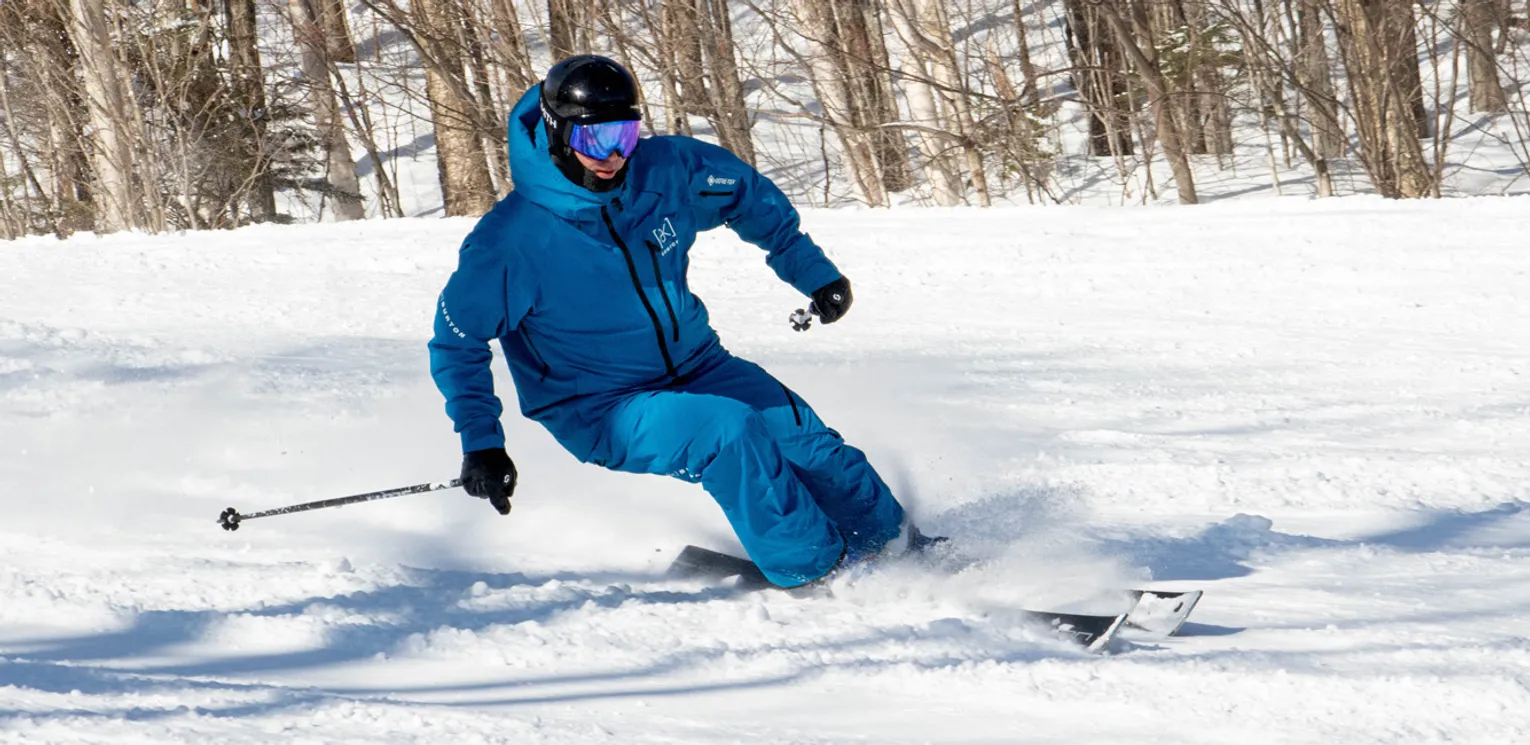
This is a fairly specific ski with a strong frontside lean. It lives and operates in its zone quite well, providing a solid and stable platform for advanced and expert skiers. Carving on groomers is a whole lot of fun and having a ski that accentuates that process is a big piece of the skiing puzzle. We don’t view this as an all-mountain ski for most skiers, but if you spend most or all of your time on-piste, it’s certainly worthy of a look as a prime daily operator. This is a ski that truly adheres to its design and does what it claims with confidence, poise, and power.