2027 Volkl Revolt 112 Ski Review
At a Glance: Revolt 112

| AVAILABLE SIZES | TURN RADIUS | SIDECUT | WEIGHT | PRICE |
|---|---|---|---|---|
| 178, 185, 192 cm | 20.3 / 19.1 / 19.9 | 134 / 112 / 126 mm @ 185 cm | 2240 g | $849.99 |
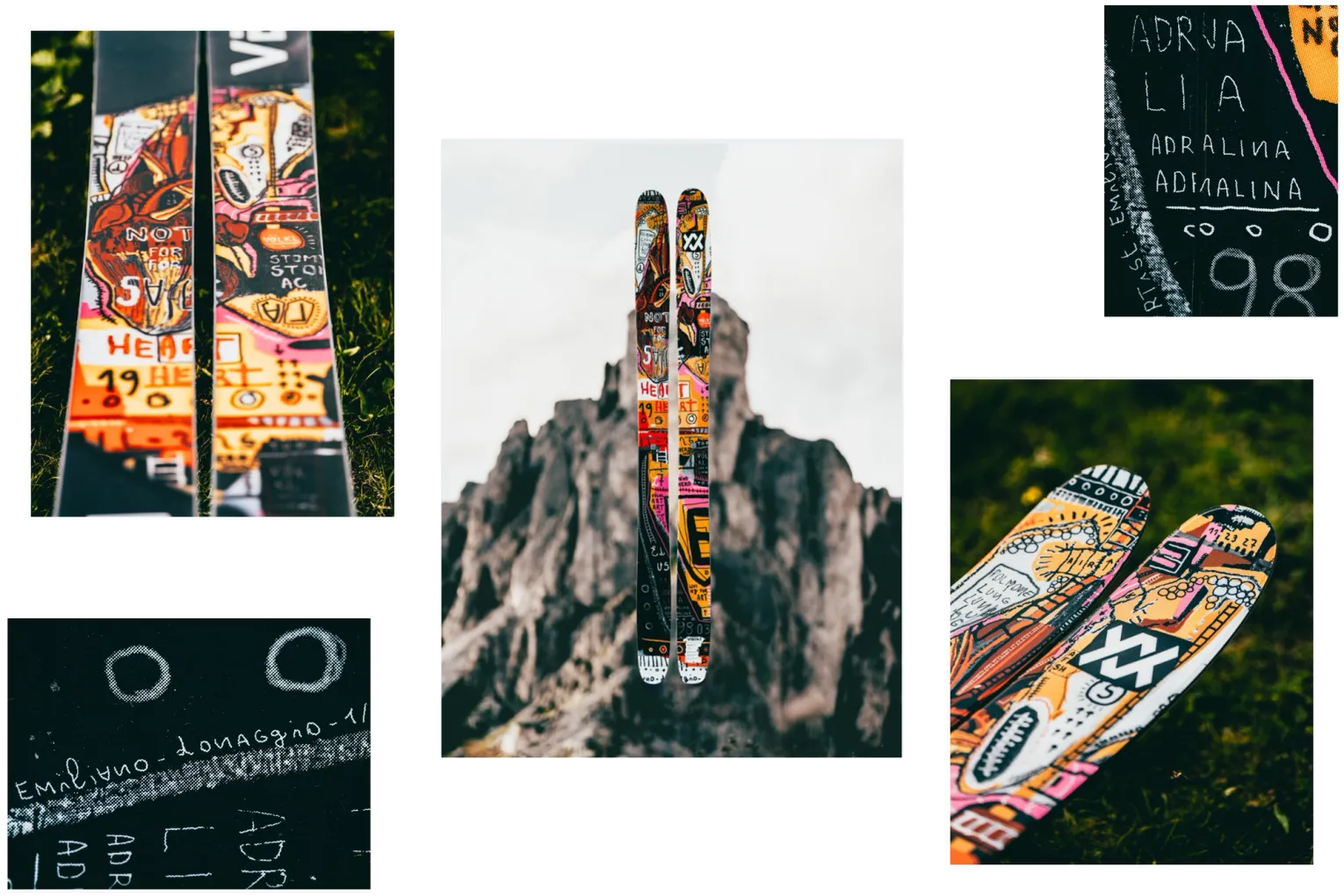
The 2027 Volkl Revolt 112 is a new ski that is blazing its own path. The Revolt line started with the Revolt 95 ten years ago, and it’s been an interesting journey for the German brand’s freestyle department. While early models focused on park and pipe skiing with a central mount point and a flexible yet durable nature, these days, there are all sorts of Revolts, ranging from stiff and burly competition freeride skis to tweener slopestyle models and to full-on playful powder skis. The new 112 sits between the 104 and the 121 in terms of being more playful, surfy, and creative, and we’ve loved skiing it every chance we’ve had so far this winter.
Without taking too much time to place this ski, it is important to note that it’s not just a “wider 104” or a “narrower 121,” it is, in fact, it’s very own ski. The construction is similar, but the shape and profile are way different. When the Revolt 101 came out to complement the wider 114, it was easy to point to those two skis and note that yes, they’re definitely the same ski, just pared down in width. Revolt 112, however, certainly has its own character and persona to make it stand out from the other freeride/freestyle inspired Revolts. In fact, while it’s not going to be a focus of conversation, it is at least noteworthy that there’s a more similar taper shape and rocker profile to the Revolt 96 than the wider ones.
From a construction perspective, there’s not a whole lot of technology or sophistication here—they keep it pretty simple. We get a multi-layer wood core consisting of aspen and maple and that’s about it. They do use a rather thick and chunky amount of that wood, though, so these skis end up having a solid and sturdy feel to them despite not having metal. The thickness of the wood core adds to the weight, as these are not particularly light skis. In the 185, we get a measured weight of 2192 g/ski while in the 192 cm length that number jumps to 2404 g. This puts them right up there along with other Clydesdales in this group like the Rossignol Sender Free 110 and Dynastar M-Free 112. That said, they’re still quite flexible, so you get an interesting mix of steady composure blended with surfy agility. Line Bacon 108 and 115 come to mind here as similar twins with a hefty yet flexible feel. The flex is consistent, too, so there are no hinge points or surprises to talk about—just pure float and surf.
The shape and profile is where this ski separates itself from the herd. While it falls into the twin tip category, I can’t help but notice the tail isn’t nearly as dramatic in splay as the tips. This (relatively) flatter tail shape adds to the smoothness of the ski by keeping more of it in contact with the snow while the flexible nature and drastic taper make it super mobile. These skis use sidecut measurements of 134/112/126, creating an 8 mm total taper drop from tips to tails. For reference, Revolt 104’s is 10, Revolt 96’s is 9, and the 121’s is 8. This creates a relatively symmetrical feel and certainly takes the feeling further away from directional status. The sharpness of the taper, combined with its length, are the bigger stories here in both tips and tails. The overall footprint of this ski, especially the front half, has some DPS vibes here. The tails are more unique and individualistic, but a solid argument could be made that the dramatic taper shape conversation that we have is eerily similar to that of a Wailer 112. The splay isn’t as much, but the taper is quite close. The tail shape has more symmetry with the tip, while skis with more of a directional nature will have greater distances between them. This affects turn radius as the widest parts of the skis are certainly closer to the center than in many other skis. Volkl does use their 3D Radius sidecut here, but it’s not as pronounced as their directional skis. The 185 basically averages out to a 20-meter arc while the 192 is a bit longer at a bit over 22-meters. Again, with skis like this, it seems to matter less and less due to the flex and drama in the footprint. We found that they make quicker carves just as easily as they make sideways slash turns and everything in between. The radius, at any rate, does not seem to hinder or exaggerate any specific type of turn shape.
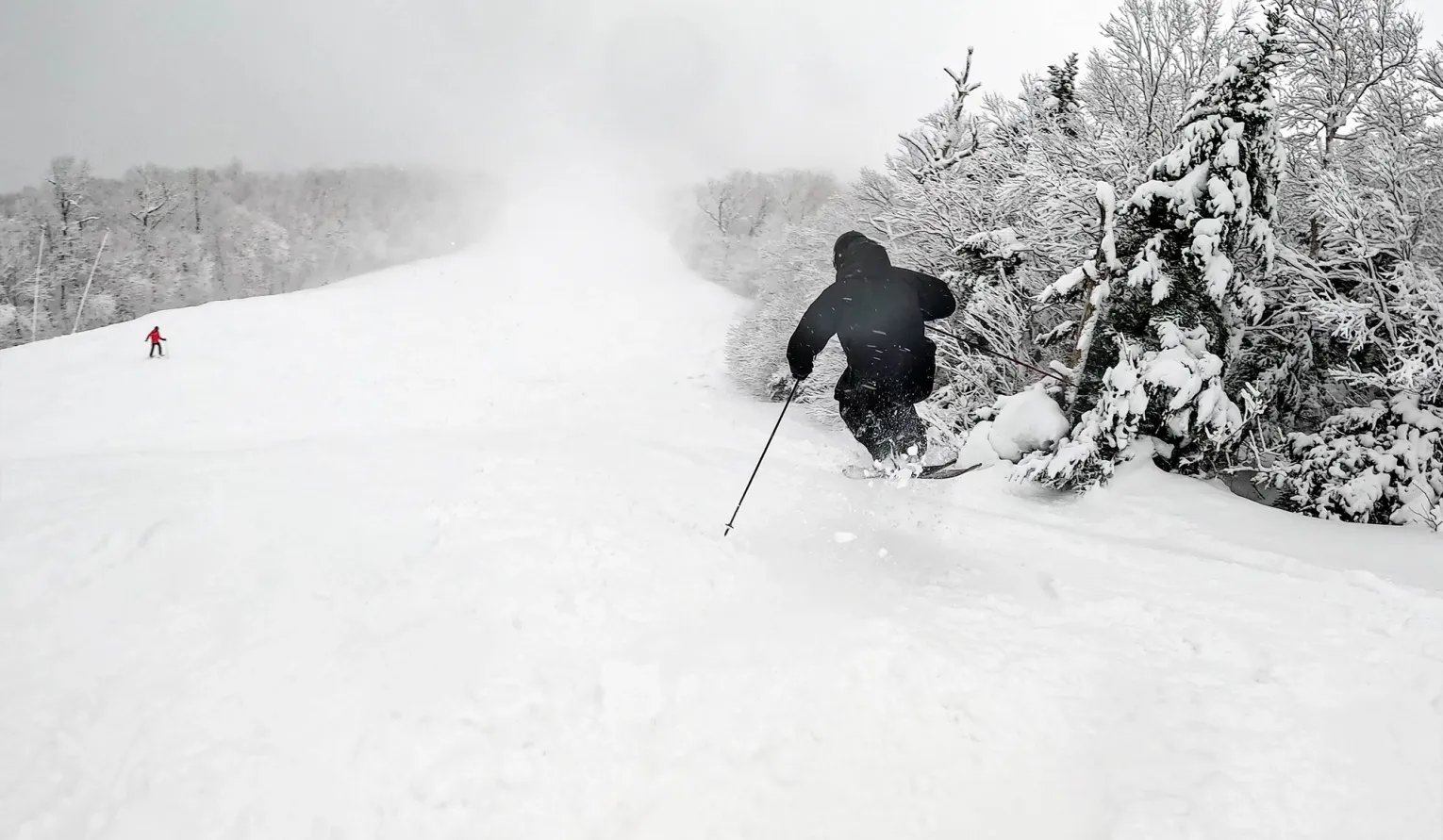
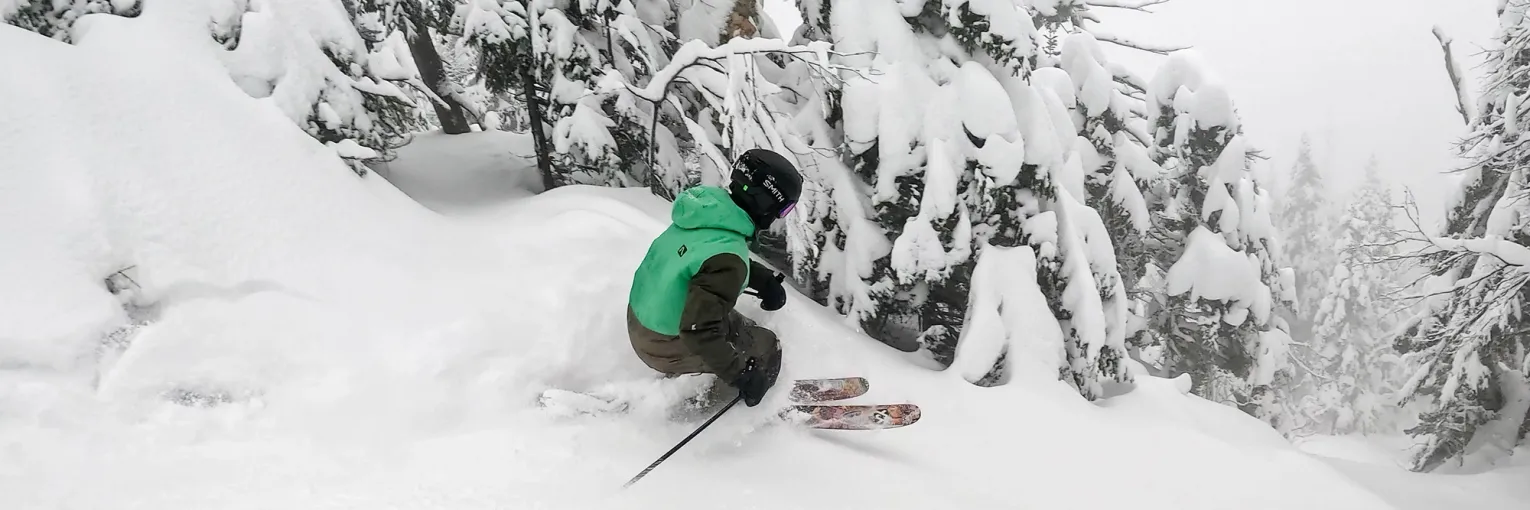
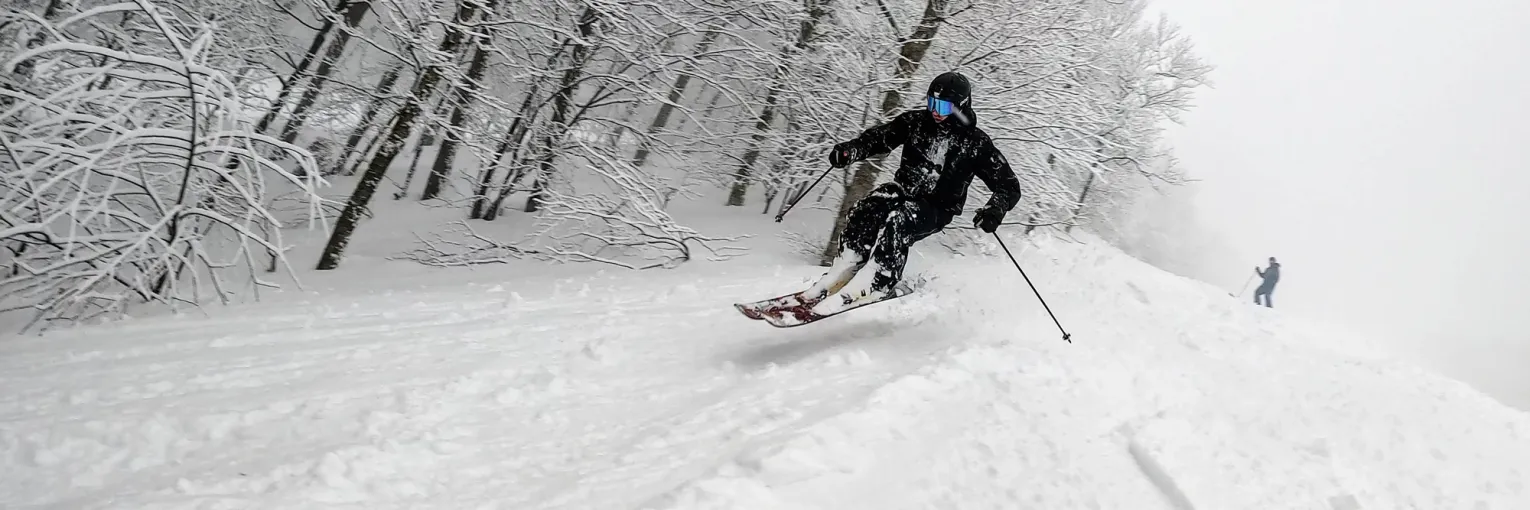
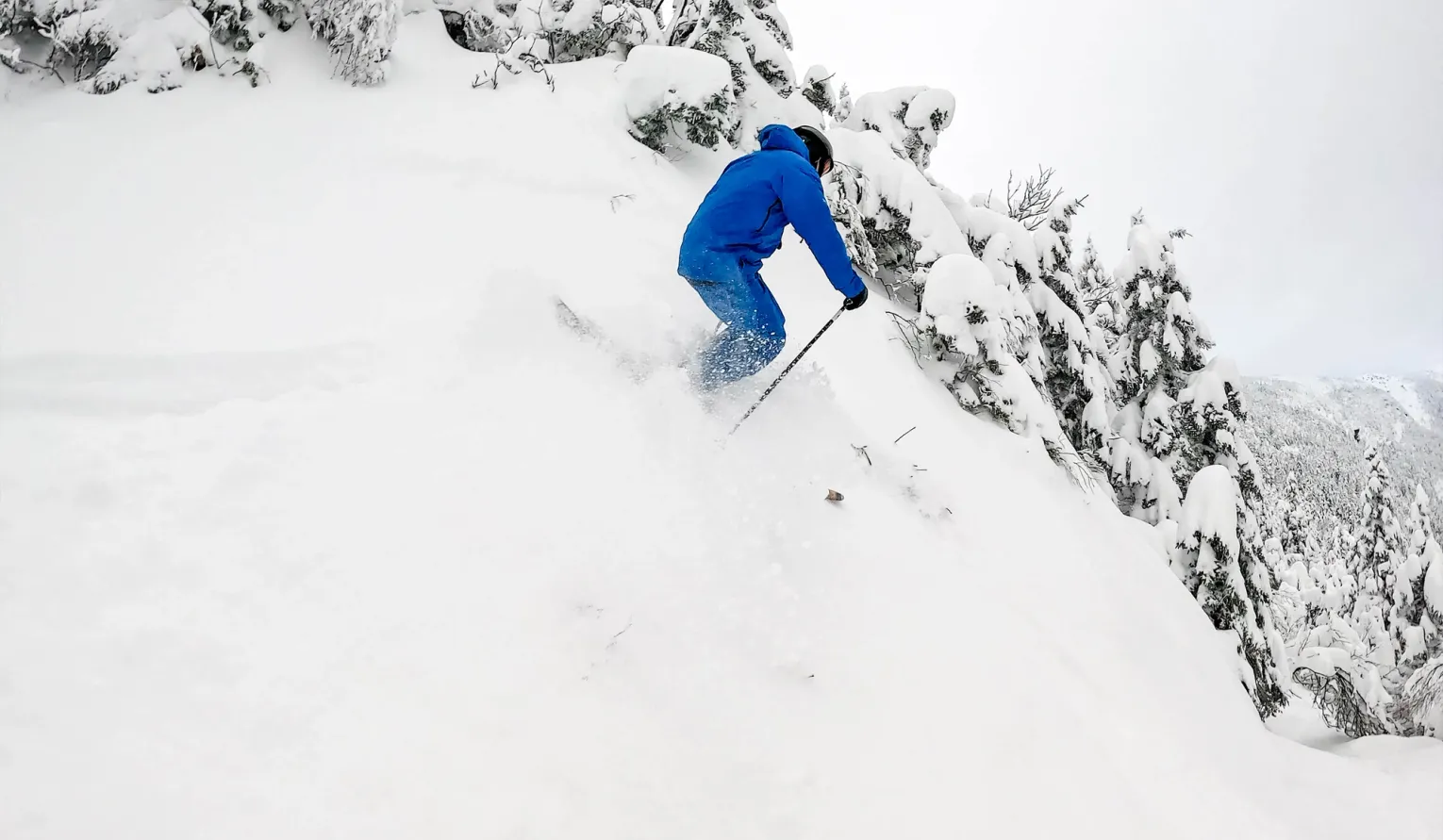
Fortunately, we have had some awesome days to ski these 112’s. The main takeaway here is that they are excellent in powder and are an absolute blast in our tighter trees here in Vermont. While I am not a Revolt 112 skier on paper, mainly from the “freestyle” angle, I did find these skis to work extraordinarily well due to their mobility and ease of turning. The weight still exists, but for a heavier skier like me, it’s almost a bit of a blessing. While some other heavier skis may want to sink and find the bottom, the shape and profile of the Revolt 112 combats that desire, keeping it easily afloat in almost any depth of snow. We don’t normally have wide-open powder spaces here in Vermont, so we have to dive into the woods to get the goods. This is where the Revolt 112 separates itself from more directional skis that take a bit longer to come around—this ski is so swively in the tighter and more technical spaces. It makes narrow corridors, chutes, and couloirs totally skiable (and turnable) rather than having to sideslip or straight-line. The more central mount point puts you right in the center of the ski, and it makes it feel like you can make any turn at any time. This is where the interesting part happens for directional skiers who may not have a twin tip like this on their radar. You don’t have to be a freestyle skier to enjoy this ski, and you can also move the mount point back if you so desire. The recommended mount point is –2cm from the center. Matt and I are –2 from the line (–4 from center) on our 192 while Jeff kept his on the line in the 185. Even at –2, there’s still a lot of tail behind you, but the taper makes it feel shorter and more mobile. For such a heavy ski, it’s incredibly easy to throw sideways, get some playfulness, bounce, and creativity involved without losing confidence or stability. There’s a certain poise in this ski that we’ve noted in pretty much all modern Revolts, but the shape just brings the soft snow performance to the next level.

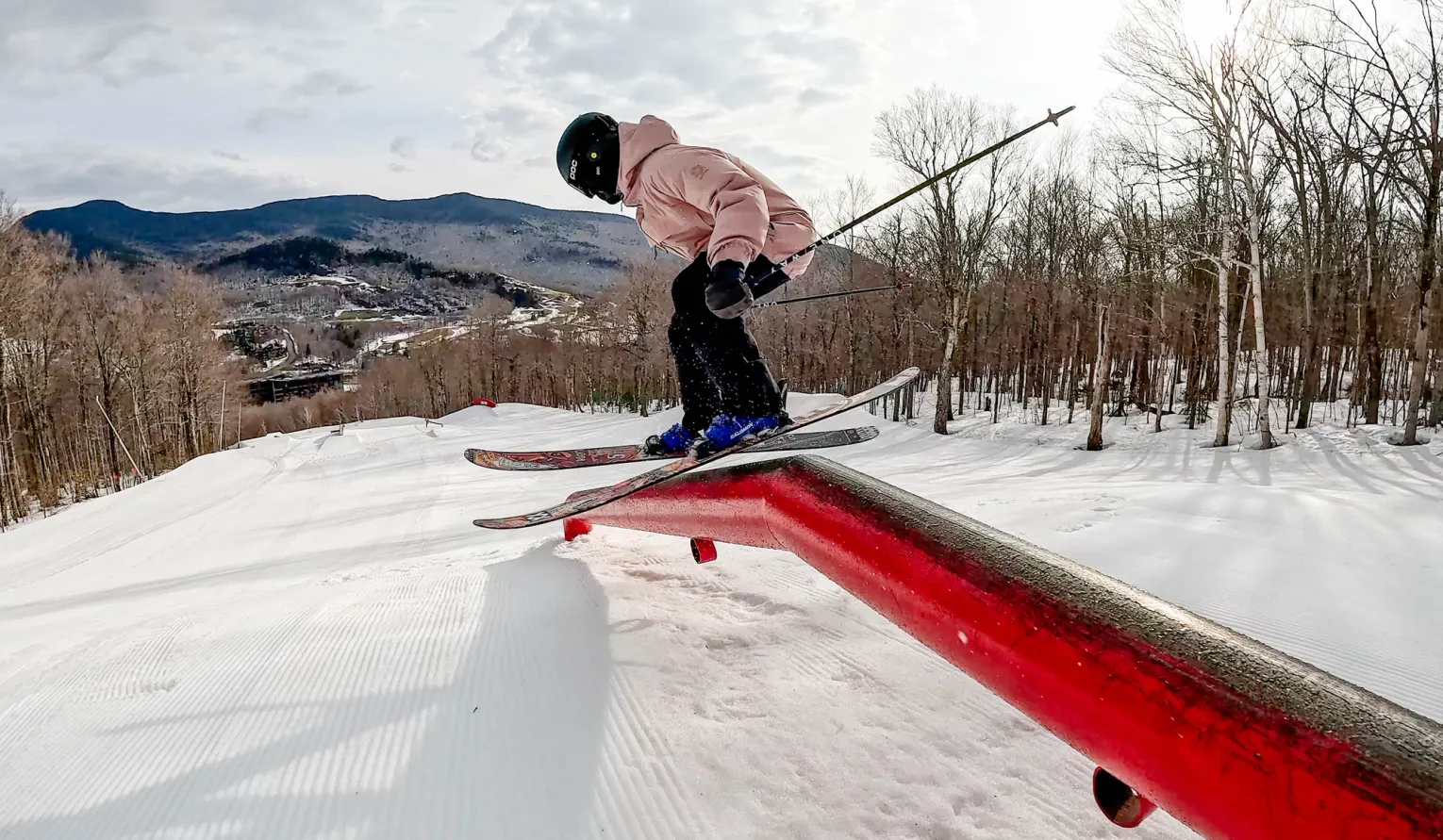
While powder and soft snow are the main strengths of this ski, it’s also fun to note where else we enjoyed it. It’s a twin tip Revolt, after all, so side hits, park, and other natural features are all in this ski’s wheelhouse (albeit on the heavier side). We get a lot of fun little jumps around the mountain here, and it only adds to the creativity of the ski run. While narrower Revolts like the 104, 96, and on down to the real park skis obviously function better in a resort slopestyle setting, the 112 is perfect for those looking for more backcountry freeride air time. We also had some spring days on these skis, and we’re not surprised that they handled corn and mushy snow with ease. It’s incredibly fun getting this wide-bodied ski up on edge and feeling the mass take over and deliver a smooth and predictable feel even at speed. In powder, it feels like the 112’s like to operate at more moderate speeds, but in spring conditions, they like to run, and we were more than happy to accommodate. Even in quick turns along the edge of the trail, the mobility stands out as this ski can duplicate the tree-skiing quickness into on-piste short swing turns. While not a strength, it’s nice to know that a wide, hefty ski like this still has the capacity of nimbleness. On firm, smooth snow, there’s certainly more to be desired when it comes to carving performance, but like the other Revolts (twin tip or directional) these 112’s outperformed expectations.
The Revolt line is a bit more interesting and challenging than some others. Even within Volkl, it’s easy to point to the Mantra line and note that all of the Mantra skis, from 84 to 108, basically share the same character and style just in different widths. With Revolt, other than the construction being somewhat the same, the shape, profile, and intended use cases vary wildly. In that light, it’s even more interesting that adding a 112 to the mix actually enhances the line by creating a unique and individual shape outside of the rest. We love the surfy and smeary nature of the ski and genuinely appreciate its ability to ski outside of its intended box. I'm not sure Vermont trees were the first thing in the designer’s mind when the 112 concepts came about, but we’re more than happy to find alternate uses for a wonderful ski. The Revolt 112 was designed with creativity and a surf mentality, leaving it up to the skier to determine the best use case for them and their preferences. In that light, the Revolt 112 is a sublime ski for advanced and experts who don’t want to be limited in any way.