MARKER DUKE PT TOURING BINDING REVIEW
It’s not often that we review a binding on SkiEssentials.com. When we do, you can be sure there’s a good reason. It’s been over 2 years since we reviewed the new Salomon (Atomic, Armada) Shift binding. This review follows the same trend. We have a new binding option in the non-frame touring binding world, and another that’s designed to be much stronger than your typical tech-fit bindings. We’re pleased to review the all-new Marker Duke PT.
If the Shift made frame bindings outdated, the arrival of another solid option basically makes them obsolete entirely. Frame bindings have traditionally been the choice of skiers who want to have versatility between the resort and backcountry, and also for those who want the strongest possible binding for hitting backcountry jumps, big cliffs, etc. The Duke PT is designed for exactly the same application, but it’s far, far better than any frame binding.
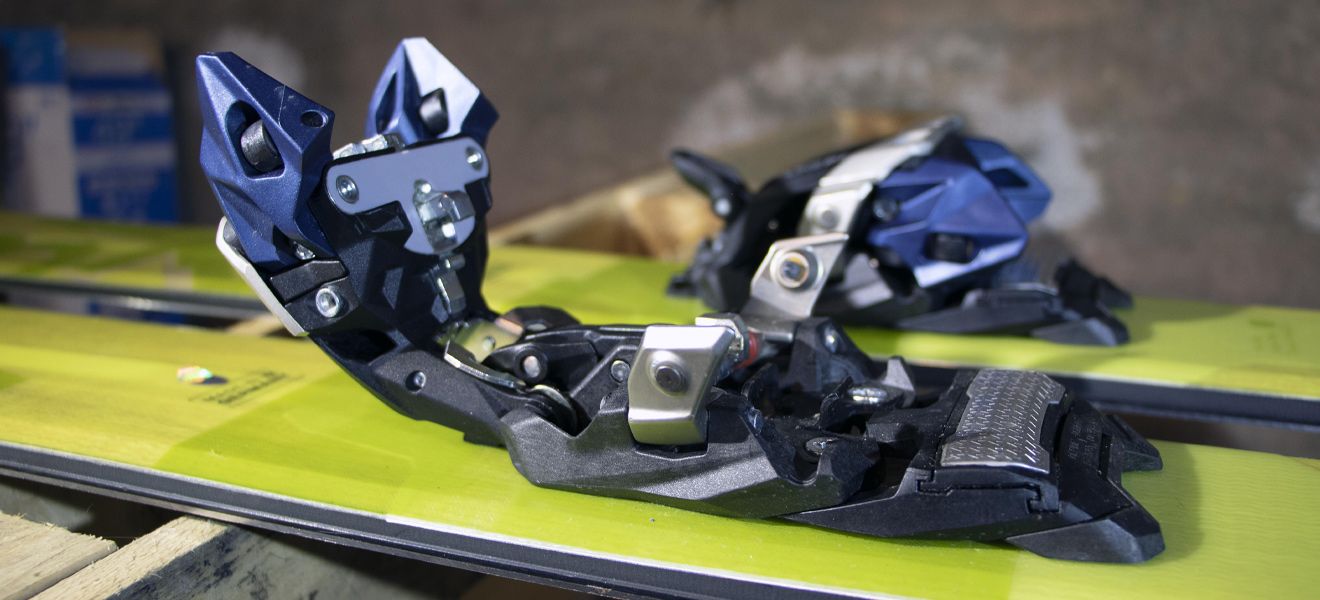
At first glance, it looks robust and strong, and it is. The most innovative part of this new Duke PT is the toe piece. Marker calls it a Ride & Hike Toe. Like the Shift, it converts between a pin-tech binding for the uphill and an alpine-style, DIN certified binding for the downhill. The difference here is you actually flip the whole toe piece forward to reveal the pins underneath. You have the option of either removing the toe piece entirely or leaving it in a locked position folded forward on the ski. With the toe piece removed, it looks like a true tech-fit toe, and it performs like one too. You’re securely locked in place with little to no wiggle or movement whatsoever. For the heel piece, all you have to do is flip a little lever on the brake, step down hard, and it locks the brake up for touring.
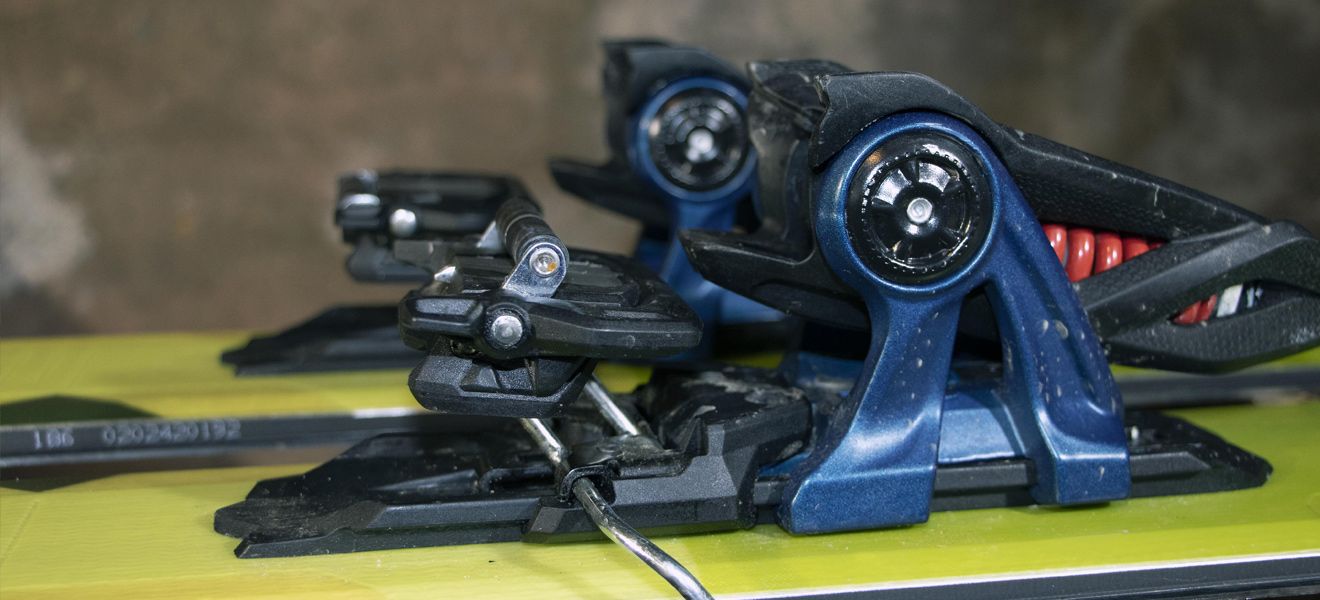
When you’re ready to descend, you simply flip that lever forward again and the heel piece is ready. For the toe, you simply line it back up, push down gently on two metal tabs, then flip it back towards the heel and it locks into place. It’s a satisfying feeling when you lock the toe back into alpine mode. Before skiing it at all, you can tell it’s a strong, solid, and safe binding. The same is true about the heel piece. If you’re ever skied a Marker Griffon, or really the Jester is the more accurate comparison, you already know how well those bindings perform. Tons of pro skiers trust the Jester’s performance, and a huge reason is the heel piece. You get excellent power transmission and elastic travel out of it.
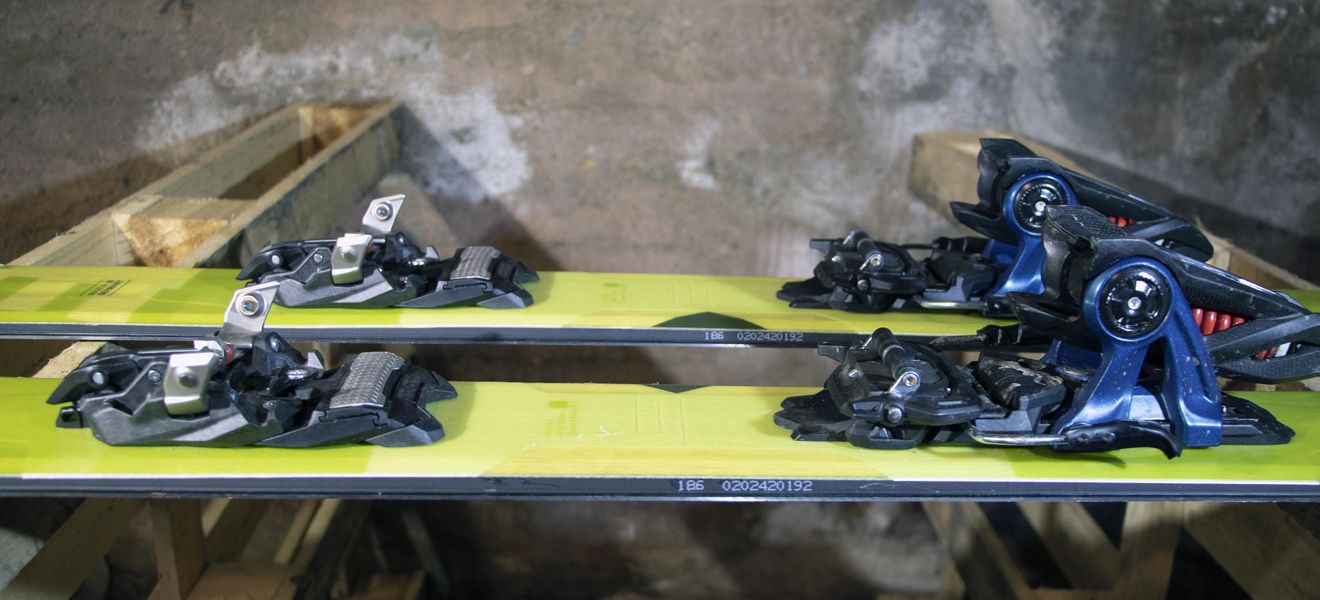
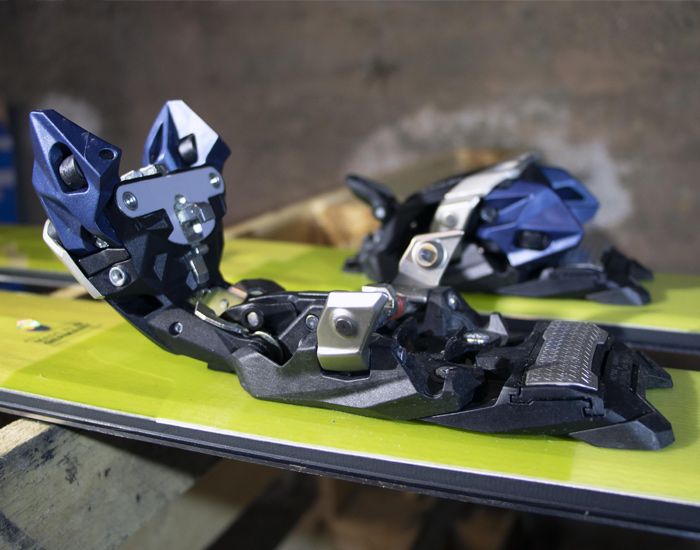
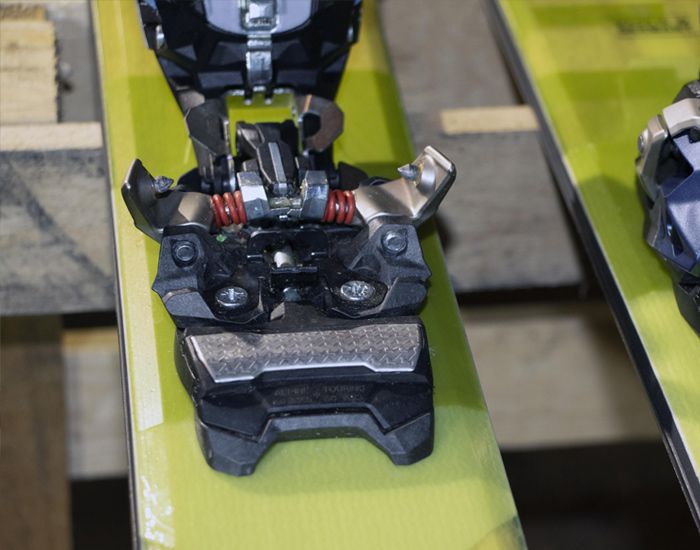
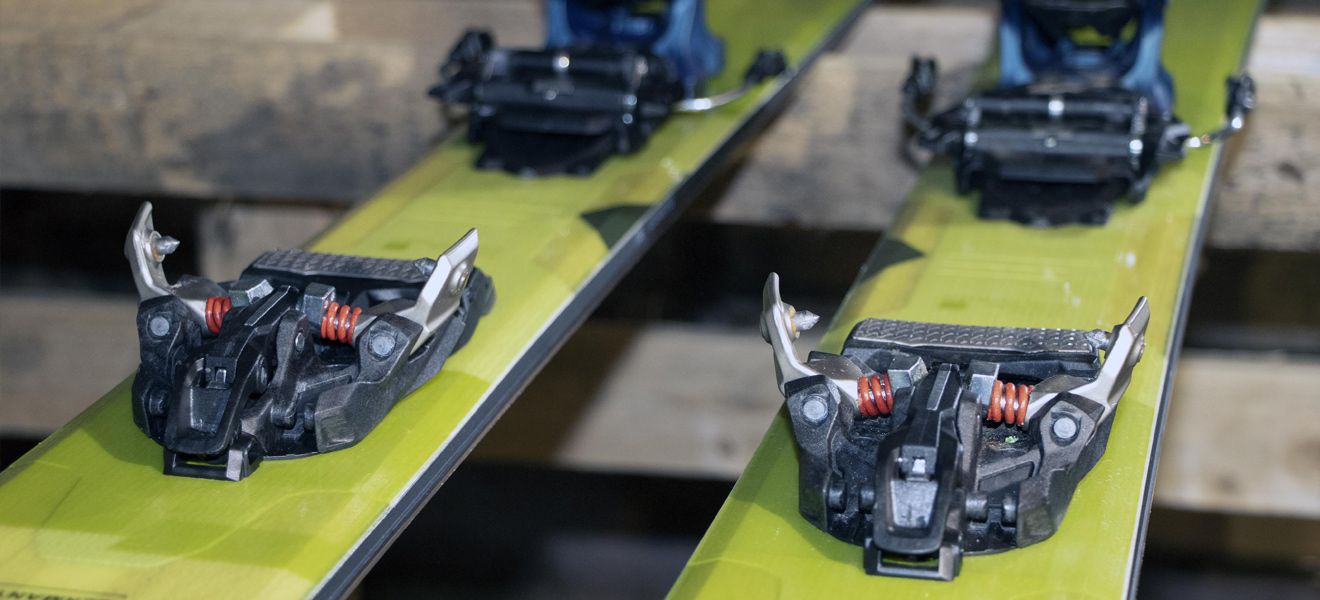
So, how does it feel when you’re skiing? When ascending, it feels smooth and efficient. It’s important to note that the Duke PT 16 comes in at 1,280 g with the toe attached and 1,000 g with it removed. That’s for a single binding, or ½ a pair. The Shift, which is the most obvious competitor, comes in a little lighter at 860 g. The Duke PT 12 is more comparable at 850 g without the alpine toe piece attached, but you don’t get the Inter Pivot 3 heel on the 12 version. In other words, the Duke PT 16 isn’t going to be quite as efficient as the Shift when ascending, but that’s okay. The world would be a pretty boring place if everything was the same. What’s nice about the Duke PT 16 is that it’s much, much more efficient than the frame bindings it’s replacing, and it’s very strong overall.




No one is going to buy this binding for randonnee racing. That’s not its intention. This binding is for skiers who are willing to carry some extra weight for the confidence and performance it provides for the descent, and that’s where this binding really shines. It genuinely feels like you’re skiing a Jester when you’re in alpine mode. It will likely become the go-to binding for skiers looking for the highest level of alpine performance, while still retaining touring capabilities. The CAST touring system, which utilizes the Look Pivot 18, realistically is probably the closest competitor in this sense. Ski it as hard as you want, there’s absolutely no reason to worry about the binding not supporting aggressive skiing, big airs, and cliff drops.
The alpine touring segment is growing, and the products are improving at a similarly rapid pace. We’re in a really good spot in the AT world right now. The Shift was a hugely innovative binding that basically changed the way we think about touring equipment, and this Duke PT is basically just expanding that category. You now have options within the non-frame/DIN certified touring binding world, and that’s awesome in my opinion. If you’re the type of skier who is planning on spending a lot of time at the resort on your AT skis, this might be the best choice for you. For the 2020/21 season, it’s going to be all about what you value more and how you’re planning on using the bindings. The Shift certainly won’t go away, because it offers a different level of performance. It’s lighter, and it feels like more of a blend of alpine and AT performance. Let’s consider the other popular touring binding from Marker, the Kingpin. You can essentially draw a spectrum of performance that goes something like Kingpin, Shift, Duke PT with one end leaning more towards efficient ascending and the other leaning more towards power and descending performance. Where do you personally fall on that spectrum? That’s going to be the most important consideration when choosing a touring binding in years to come.