Nordica 2027 Promachine 3 130S Introduction & First Impressions
It’s no secret or surprise that we feel that boots are the most important piece of ski gear. While skis tend to get top billing when it comes to marketing, advertising, and even sales, any ski enthusiast worth their salt will agree that if your boots don’t fit, then nothing else matters. For 2027, Nordica is introducing their latest Promachine 130, a new boot from the ground up. After a two-year development program, and countless lines of feedback from boot experts across the industry, the Promachine 3 130 S represents high performance, a snug low volume fit, and a friendlier overall character that will entice advanced and expert skiers who are looking for direct connection and predictable response.
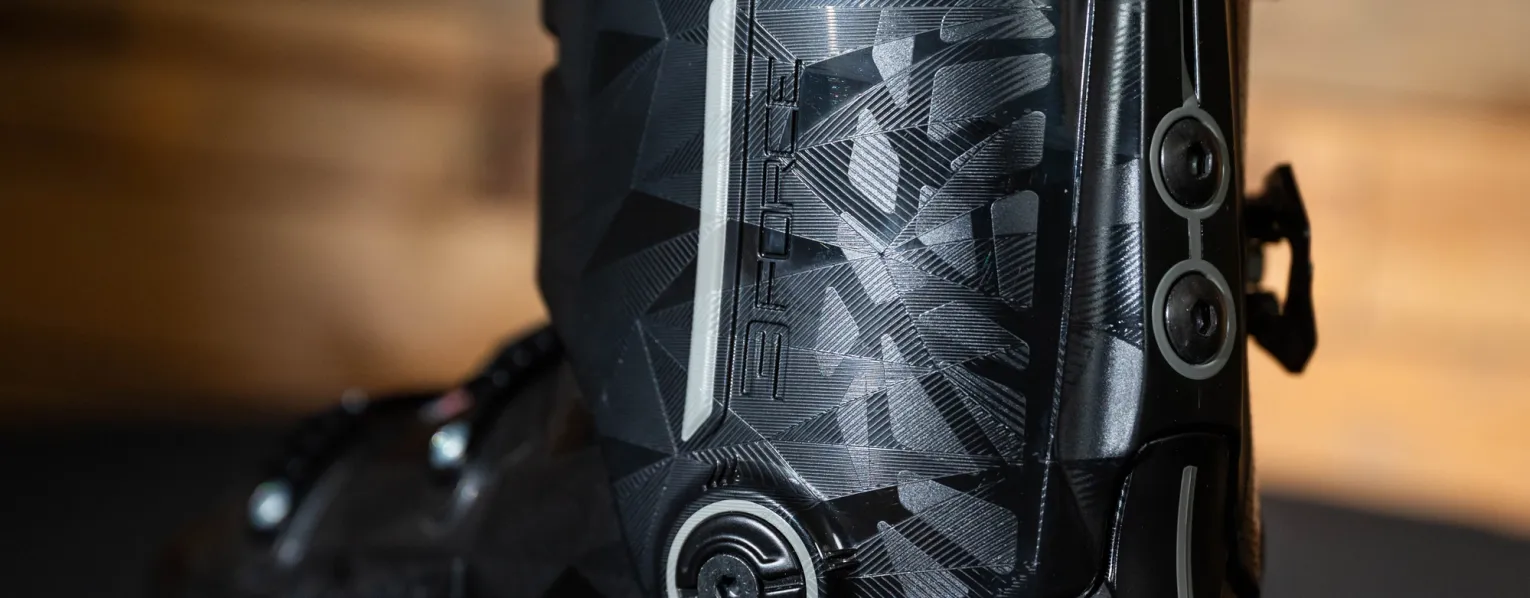
When it comes to performance, a 130-flex boot is what most experts are looking for. The boot uses a Tri Force Frame, not dissimilar to the Speedmachine boots that currently exist, in order to provide direct transfer of energy from your foot to your ski. This frame is more rigid than the rest of the shell and cuff, providing a strong platform and base from which to push off. The frame serves as a chassis and allows Nordica to play with different forces and levels of pressure throughout the boot’s flex pattern. The forward flex feels consistent with comparable 130’s, but the lateral stiffness is noticeably precise and energetic. The rear spine is also comprised of this frame, so there’s stiffer plastic adhering the shell to the cuff, rather than a mono-injection with less sophistication. Both shell and cuff are made from bi-material Polyurethane and the liner is a 3D Cork Fit with a speed lace tongue. The cork lends both to fit and performance, as the material does not deform or pack in like foam, and the tongue is able to cinch closed and bring the whole boot tighter and closer to your shin. At 1890 g/boot, the plastic is thick enough and stiff enough to provide ample performance for aggressive expert skiers.
In terms of fit, the boot’s 98 mm last places it squarely in the low volume division when it comes to forefoot width. Similar to how the construction of the boot borrows technology from the Speedmachine, the instep height and ankle volume also take notes here. It’s still lower and snugger than the mid volume counterpart, but it’s nowhere near as crushing as the previous Promachine was. This opens the door for skiers who felt like the Speedmachine was a bit roomy and those who found the old Promachine to be too tight to slide in nicely with the new boot. The liner takes up a good amount of volume, so the shell doesn’t need to be vice-grip tight. This is a move to more of an all-encompassing fit rather than a very specific, one of a kind, super-LV fit that very few skiers can actually handle. At that point, those skiers are frankly better off visiting the Dobermann world and getting a full-on race/plug boot. The fit of this boot is more open-minded and will fare much better in the boot shop and fit well out of the box. I have a relatively wide forefoot, and did feel a bit of a squeeze, but nothing I haven’t dealt with before—I'll need to stretch the medial bunion area, but that is probably all the modifications I’ll have to do.
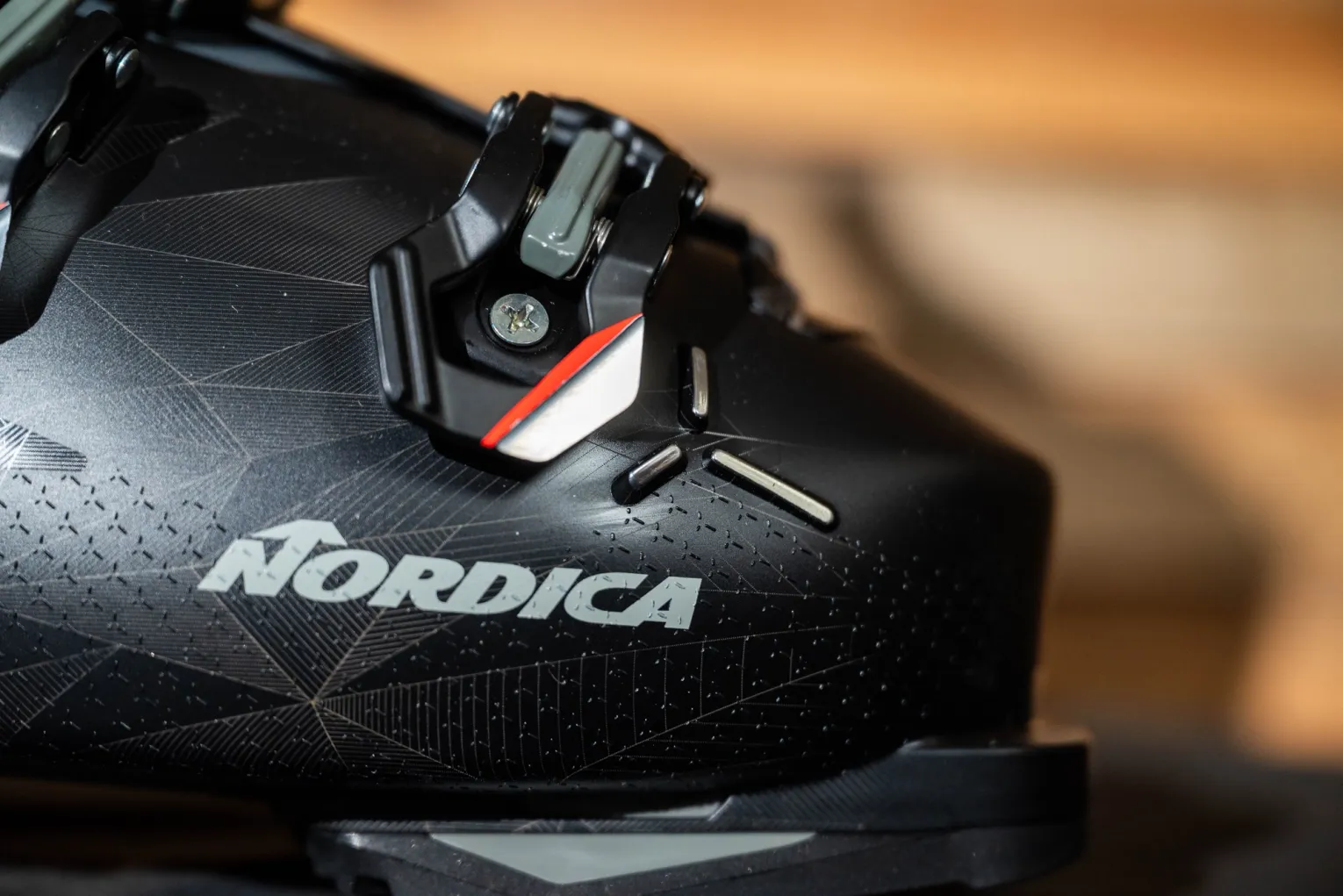
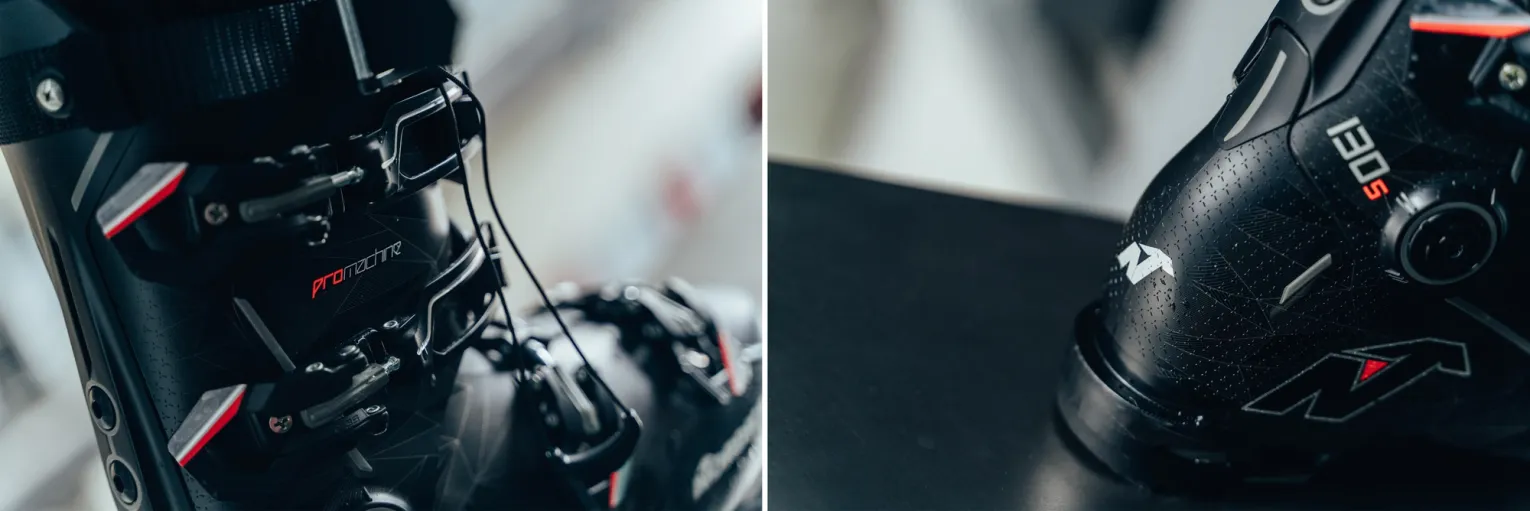
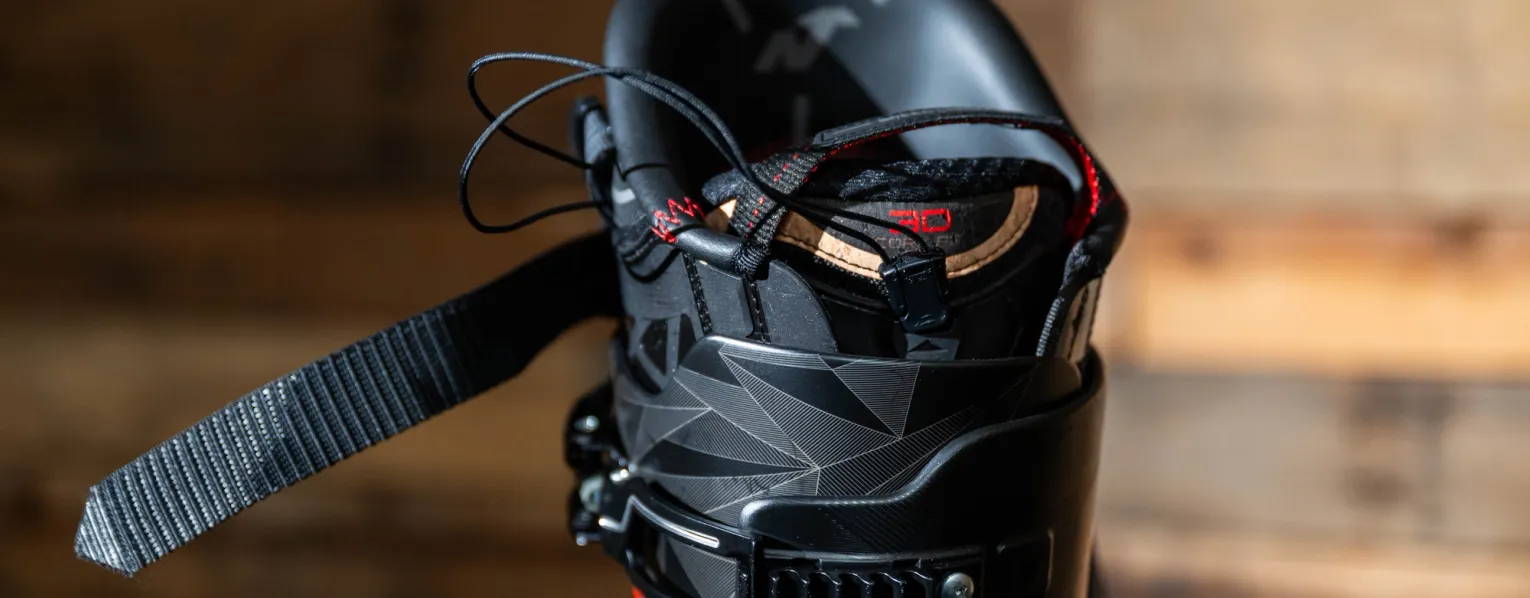
Boot shoppers are always looking for features, bells and whistles, and the various whatnots that make skiing just that much more fun and exciting. While it’s a traditional four-buckle boot for the most part, there are some fun features worthy of note. In a world of multiple BOA’s, lower hinge points, and fully bakeable shells, this Promachine is a welcome traditionalist. In the shell, the first thing I noticed was the implementation of the Easy Entry Soft Flap material over the instep. This equates to easier entry and exit without compromising performance. We get four micro-adjustable aluminum buckles, dual cuff alignment, Gripwalk soles, and a dual-riveted spine—all of these attributes lean to the proven methods of expert boot construction. The liner features the cork, which is 100% heat-moldable and customizable. The tongue can be moved up or down to accommodate different instep heights, and the Speed Lace system ensures proper fit and performance without having to lace a liner or step in racer-style. Nordica also uses a rubberized, but very static/stiff 50 mm power strap with a metal cam clip. This adjusts the tension easily and makes the boot more responsive and powerful. Due to the rubberized material, it does not slip or move around, delivering consistent results throughout the day. We get a rear spoiler and pull loops in both front and back to round out the features.
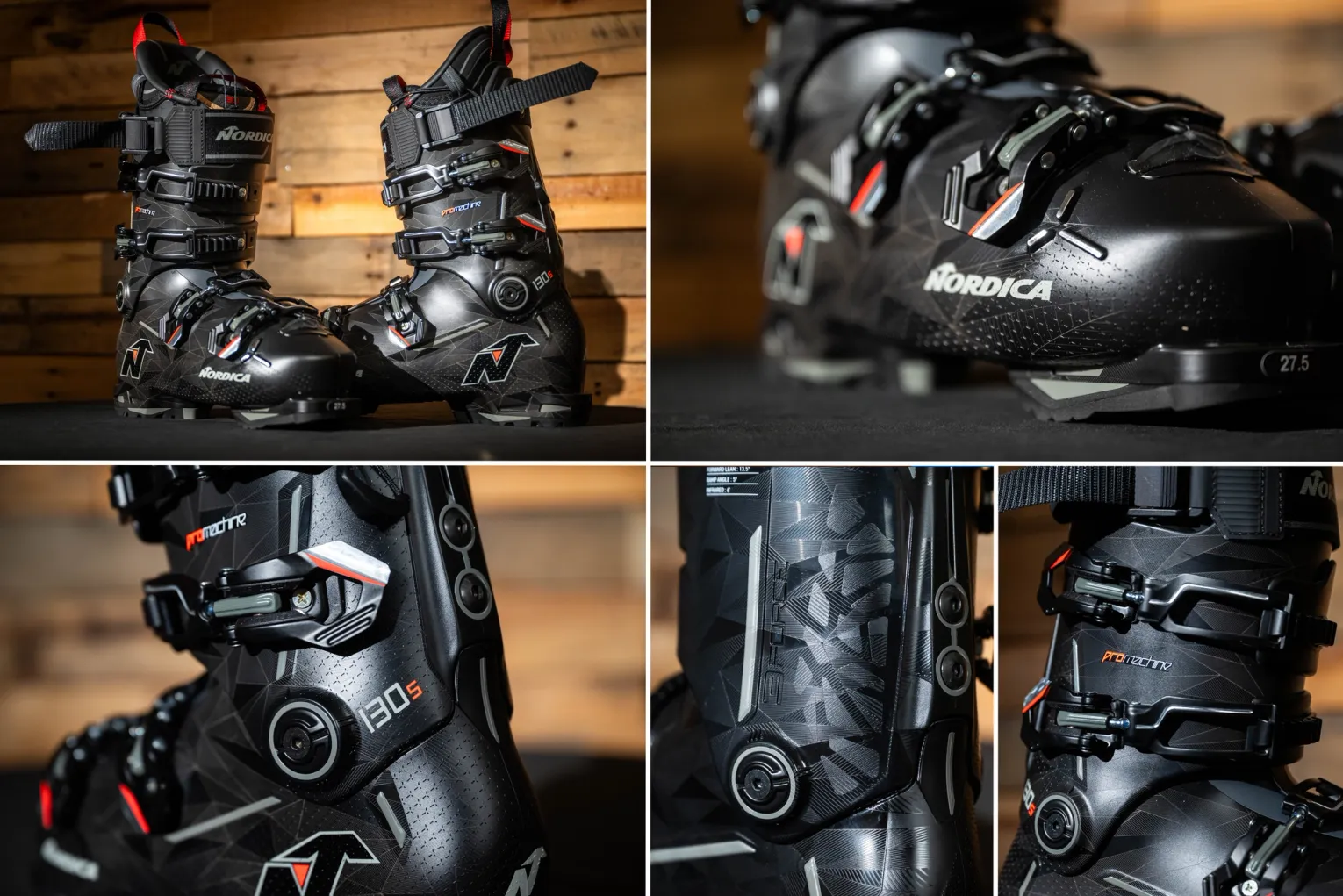
On snow, after initial impressions, this boot is all there. It’s supportive, energetic, and consistent. The flex is progressive but certainly not overbearing. Laterally, this boot is very reactive and quite fun to zip short to medium radius turns in. We skied in relatively dense and heavy snow, and warm—the type of snow that makes your boots feel very wobbly and loose. Even on the first buckles, these boots held my feet in place very nicely. We skied woods, bumps, and powder, and all of these zones were right in the Promachine’s wheelhouse. While this initial test did not include groomers or on-piste activities, I can only assume it’ll have wonderful edge grip and a secure overall feel.
It’s safe to say that this Promachine will be more welcoming to more skiers. The old one was great, but only for a few, as the fit was pretty darn tight and the overall performance was on the rugged side of the spectrum. This new boot is quite a bit more poised and sophisticated, with an updated construction and a slightly roomier and easier fit. It’s still low volume, and it’s still high performance—two things that Nordica was clearly unwilling to change with their flagship performance boot.