

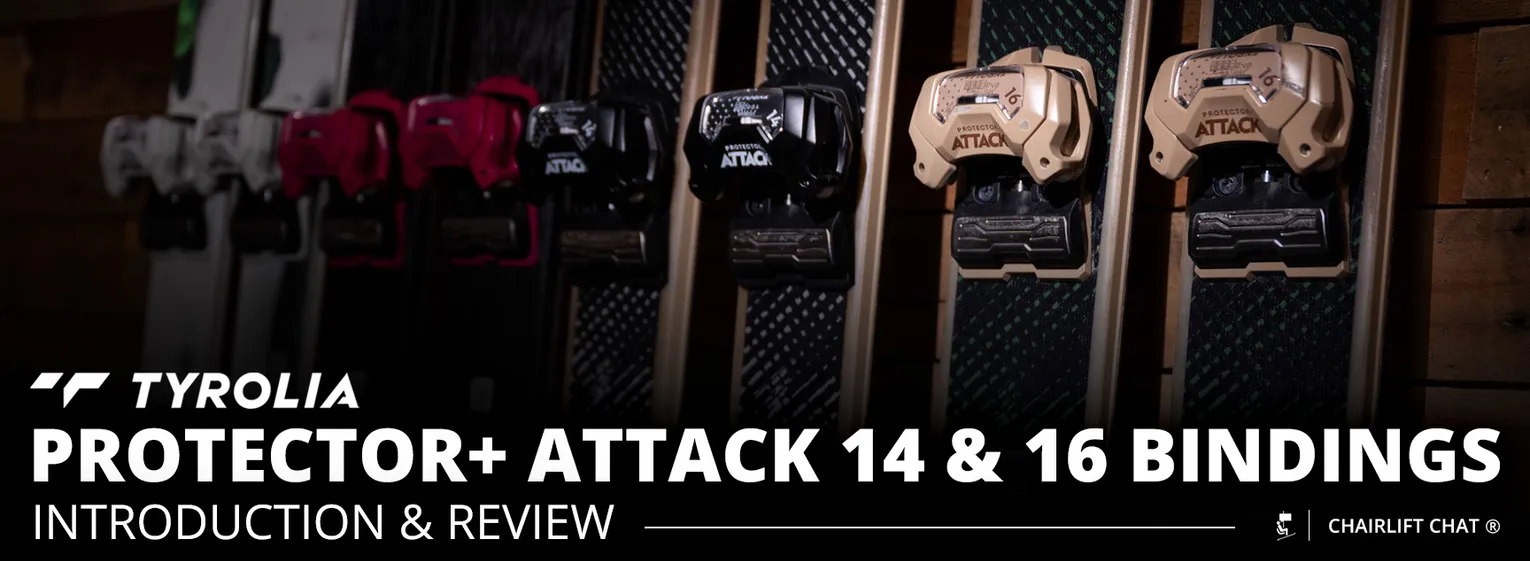
Tyrolia Protector+ Attack 14 & 16 Bindings Introduction and Review
Ski bindings are an interesting set of gear within the sport. On one hand, it's the only piece to connect your body to the ski, giving it a sense of utmost importance. On the other hand, bindings are oftentimes the last thing skiers think of when it comes to completing the ski ensemble. Additionally, the bindings are basically the only part of the hardgoods triumvirate that function as safety devices. This puts them in an almost totally different realm of gear—the only one that actually acknowledges that this is an inherently dangerous activity and actually is held to standards about it.
This is where the Tyrolia Protector+ Attack bindings enter the chat. By sticking with a wider toe platform, and a known housing, Tyrolia adds their Protector heel for an unprecedented combination of performance and safety. Up until the Protector+ Attack, we had the Protector mostly as part of a system binding with more frontside use. Now, the Attack versions open up freeride, freestyle, and more aggressive all-mountain skiing to the mix. Thanks to a lower stand height and higher DIN values, the Protector+ Attack, both 14 and 16 versions, offer something that just hasn't been done before.
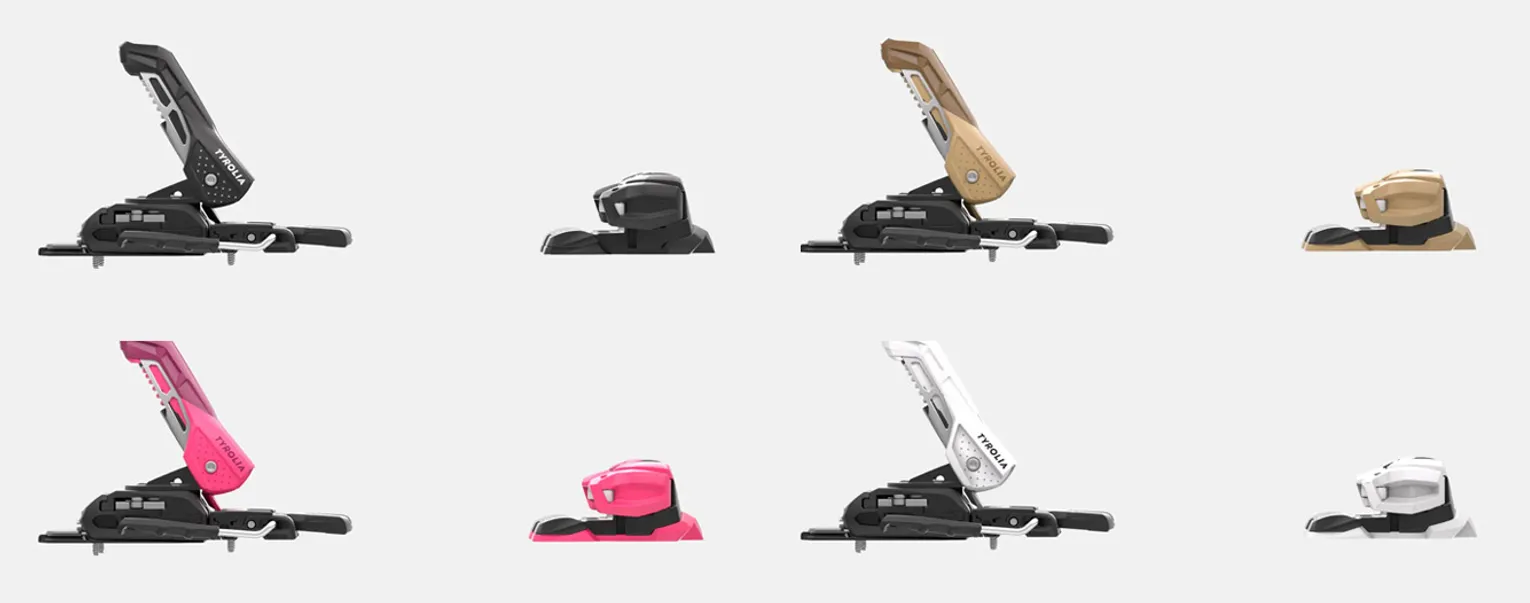
For all intents and purposes, the 14 and the 16 operate the same way but with different springs for release. One of the best parts of these bindings is that they come with brake widths of 85, 95, 110, and 120 mm so you can put them on just about any all-mountain, freestyle, or freeride ski on the planet. With the Attack toe, you can generate enough leverage to steer these bigger skis and makes for easy transitions between turns. The stand height, although lower than the Evo or Freeflex Protector, is still in the reasonable range at 22.5 mm in the heel. It's even slightly lower than the Attack 14 MN bindings. The normal Attack has a 17-mm stand height, so it's not an enormous difference here given the technology. Our toe piece remains the same, with the FR Pro Toe that has a horizontal spring release to center the mass over the middle of the ski. The heel is where we see the main differences with Full Heel Release Technology. This provides a full 180-degree heel release to maximize safety in forward and backward twisting falls. Tyrolia notes that "The FHR function can reduce ACL strain by more than 50%" based off simulations by the University of Innsbruck in a study called "Lateral Heel Release Reduces ACL strain in Simulated Backward Twisting Falls." All of this to say that the Protector heel piece is claiming to be a safer option for skiers who are concerned about the risk of knee injuries. It seems impossible to say that any binding is "safe" and that there's a no-ACL-tear guarantee, but Tyrolia is at least putting quite a bit of research behind these new bindings.
Functionally, the heel piece is very interesting. You're basically getting two release settings to adjust in the binding. The heel spring is normal and operates in a tower format, but then the next spring is involved with the lateral release along the base of the binding platform. If you chart out to an 8 on the DIN scale, then your setting along the base will also be an 8. With additional hardware in the HR Pro heel also comes additional weight, with the 16-DIN Protector+ Attack sitting on the scale at a stated weight of 1290 g/binding. Since a good portion of the weight sits in the heel, it can feel a bit different from a balance perspective, especially when compared to a 1025 g/binding weight with the normal Attack 14. As with anything, there are certain tradeoffs, and it's up to the skier whether they want an increase in safety to go along with an increase in weight.
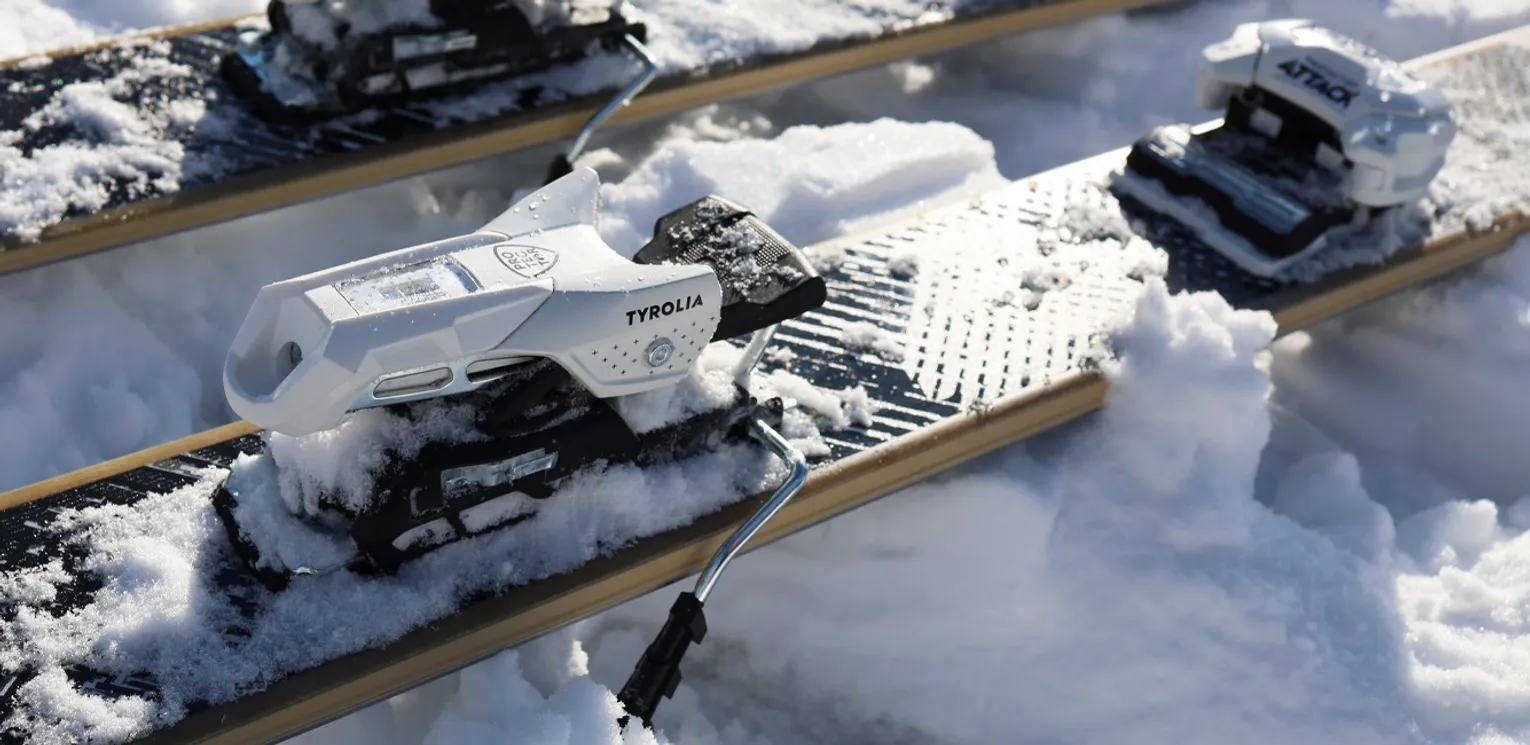
On snow, we didn't notice it all that much. For the most part, these ski and feel like normal alpine bindings. In fact, for skis that are more directional in nature, like your Kores, the added weight in the heel feels almost a bit more natural and encouraging of strong carving with a slightly damper feel. If you are skiing through softer and more broken snow, this extra weight will help plow through and mitigate deflections. At the same time, sure, you do lose a bit of mobility, especially with more freestyle-oriented skis. Again, we're dealing with a relatively new technology, and that's going to come with some quirks and differences that are notable in an on-snow format. We put these to the test in all sorts of conditions and terrain. In the bumps, it was hard to tell a difference performance-wise, but there was a nice sense of security knowing that a potential strain could be reduced. In the trees and other technical areas, the skis and bindings worked flawlessly, again adding a bit of a safety blanket to the entire situation. Even in the park, where you do need your skis to stay on in the air, the performance was right there with other top end bindings.
As with any binding, but especially with these, make sure to have them calibrated, adjusted, AND tested by a certified binding technician. All of the safety mechanisms in the world won't keep you out of harm if they are not set up properly. Your seatbelt won't work if you're not wearing it. The brakes on your bike won't function if they're not adjusted. An ill-fitting helmet will not protect your brain nearly as good as the one that fits. Bindings are the same way, and it's especially important with the Protector as there are multiple release values that all need to be adjusted. If you are the type of skier who gets a bit nervous about knee safety, and you are an all-mountain, freestyle, or freeride skier, then the Tyrolia Protector+ Attack bindings will assuage those fears and allow you to ski with more confidence and drive than ever before.
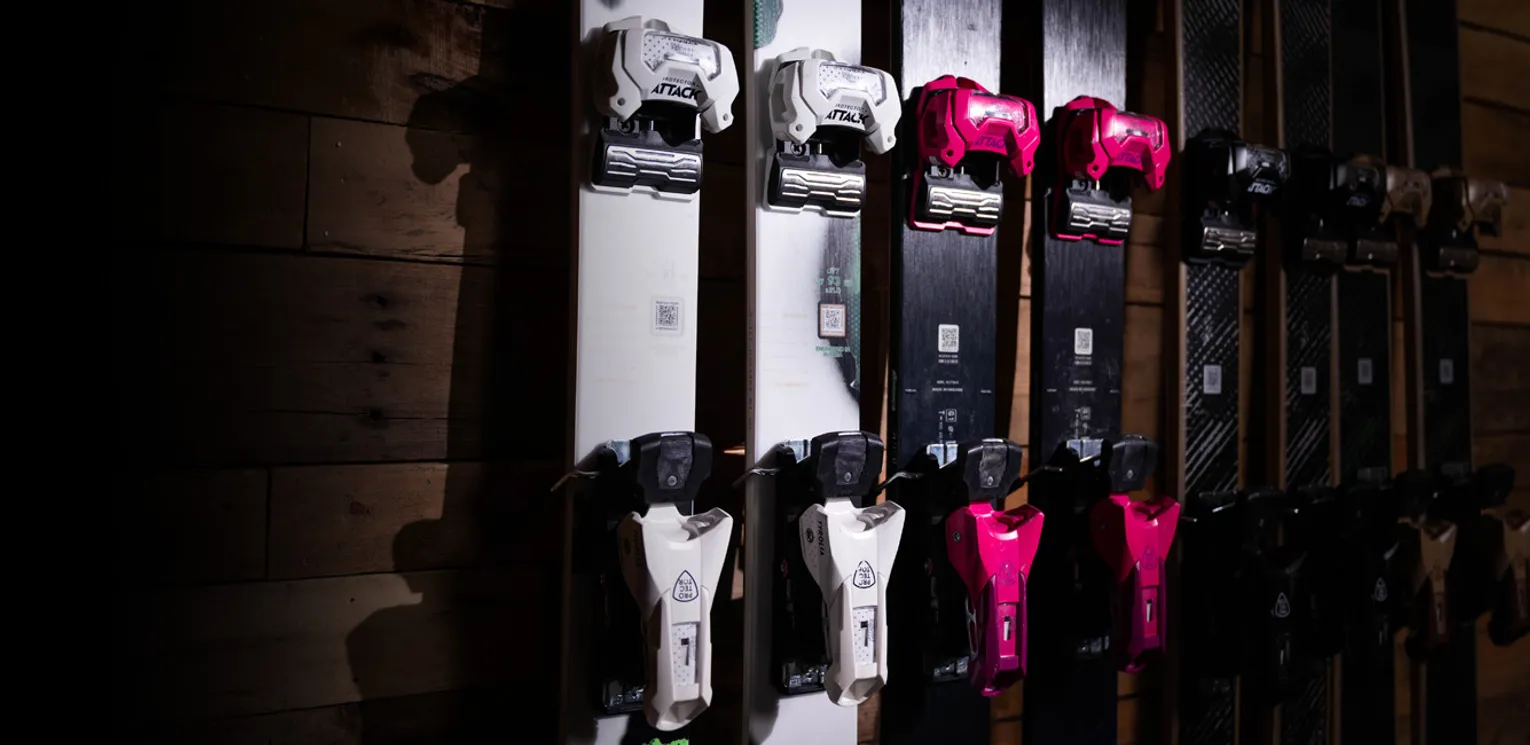
Jeff here. I thought I’d add my 2 cents to this article from a park skiing perspective. Like most skiers who have spent considerable time in the park, I’ve torn my ACL and have experienced the challenges that come along with the injury. In fact, for the last 19 years of my life, my right knee hasn’t been anywhere close to what it was the first 21 years of my life. In other words, knee injuries hit home for me, and I’ve also been around a lot of ACL tears among my friends and peers in the park skiing community. The concept of a binding that reduces the risk of ACL tears is quite intriguing to me.
Bob and I talk about it quite a bit in the video that corresponds with this article, but it’s a pretty hard concept to test in real life. It’s not like you can go out and try to tear your ACL and then say “hey look, I didn’t tear it!” Not only is that not a measurable way to test the binding, it’s also just about the definition of unsustainable. In other words, you kind of just have to take the testing Tyrolia has done and trust it. The claim from University of Innsbruck that it reduces ACL strain by up to 50% is just something we have to take at its word, and I have no reason not to trust that data. It also makes sense when you see how the binding works in person, which for me, helps to validate the whole situation.
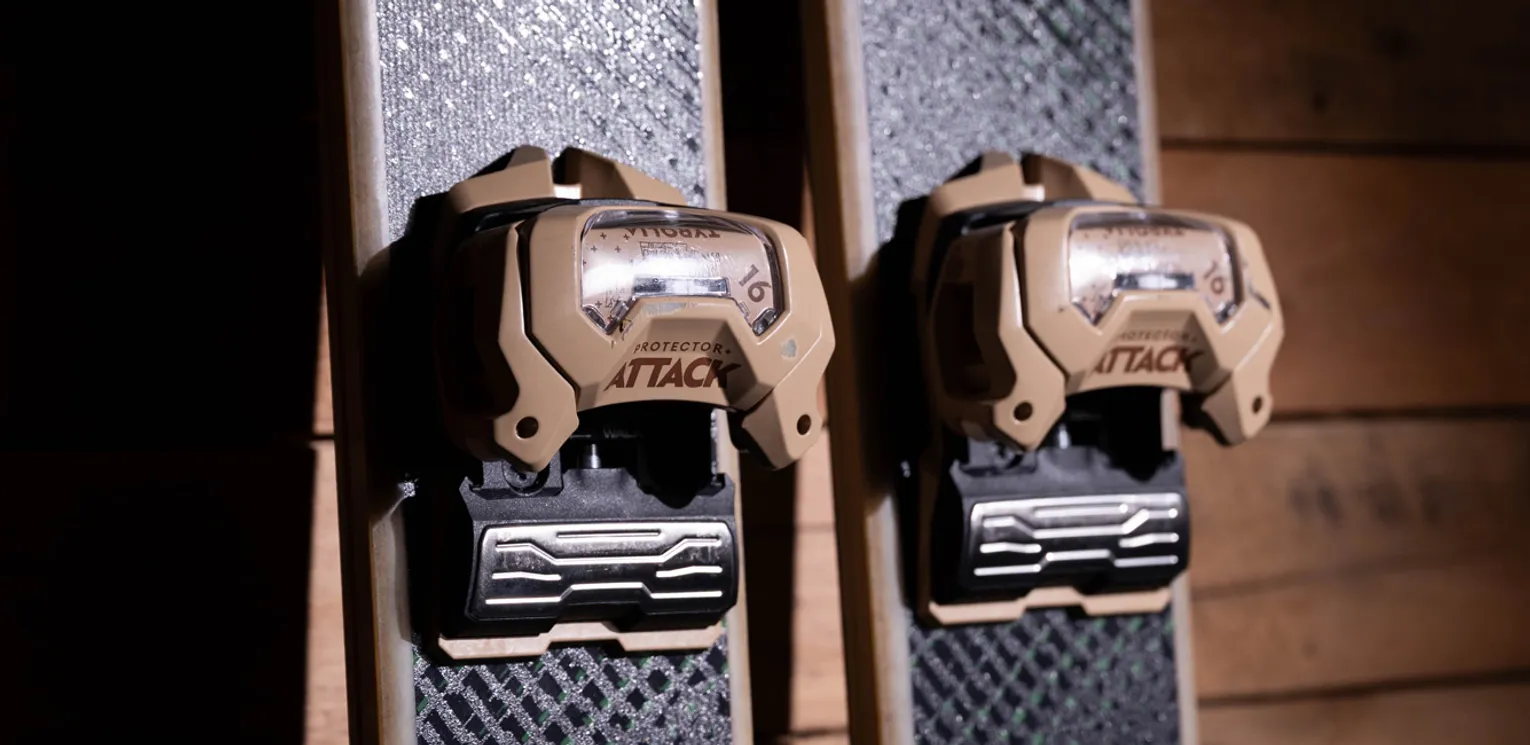
When it comes down to assessing this binding on snow, given this situation, it ultimately comes down to its general performance and the given trust in the increased safety. From that perspective, it’s great. In a perfect world, would I like the stand height to be a little lower? Sure, but it’s not so high that it creates problems in park or freeride applications. It’s also lower than a Strive 14, so it’s not like the stand height is excessively high. It probably just looks a little higher than it would if we didn’t recently get the Griffon X and Jester X from Marker. Simply put, I have no issues with the stand height whatsoever. The 3 mm ramp feels good from a park perspective too. A lot of skiers like the more neutral ramp the Pivot provides, but 3 is relatively neutral too. I personally prefer it over the 5 mm ramp in the Griffon X/Jester X, so it’s kind of a wash between the two bindings with the lower stand height, higher ramp cs higher stand height, lower ramp. This is all pretty subjective, of course.
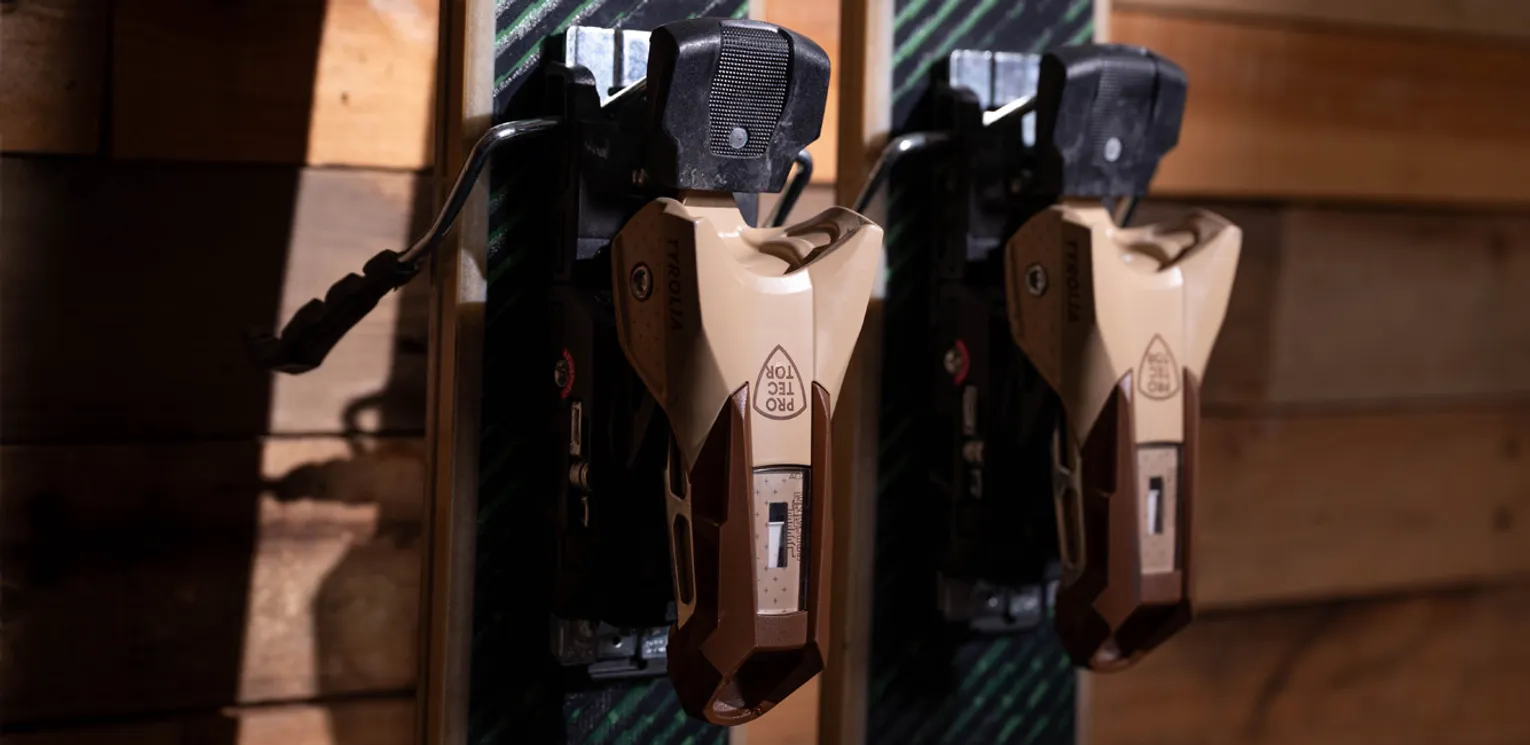
When you’re skiing the Protector+ Attack on a directional ski and especially when you’re carving, you really notice an increased smoothness and more vibration damping from the heel piece, which is kind of a bonus on top of its safety aspects. This is something we distinctly felt when doing back to back testing on the Supershape Rally with either a PRD heel or a Protector heel. In the park, or in most soft snow freeride applications, you don’t notice that as much, but it’s still there a little bit. It is, without a doubt, a very smooth binding in how it performs.
I’m excited to spend more time on these bindings and I’m excited for what it means for park skiers. The rate of ACL tears is so ridiculously high in our sport, it’s really nice to see a manufacturer put real effort into countering that phenomenon. I think this binding is here to stay and I could easily see it being adopted by a lot of park and freeride skiers around the world.
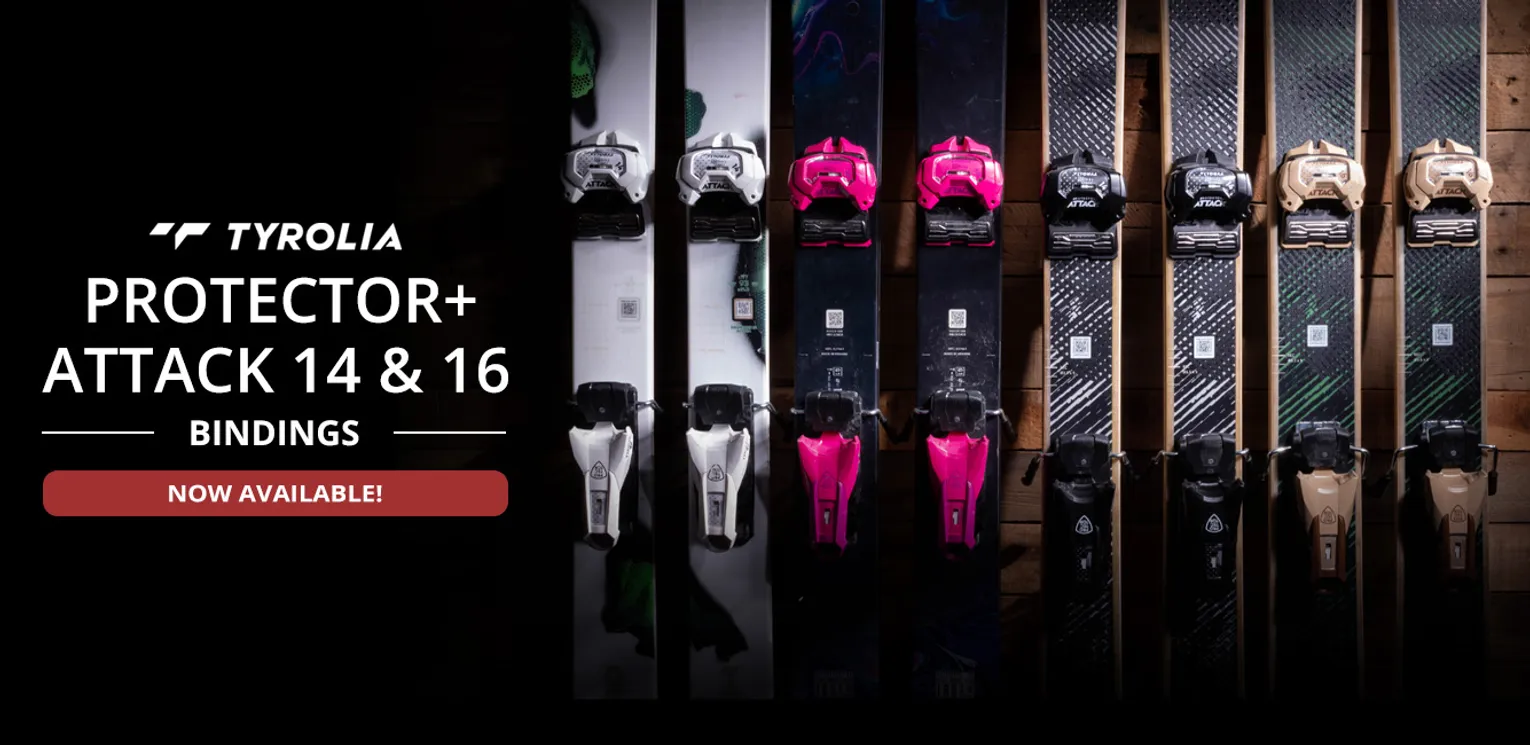
Shop Tyrolia Protector+ Attack Series: