


Visiting Boa HQ with Salomon and SkiEssentials
This past October, I had the opportunity to visit BOA headquarters for a Salomon-sponsored alpine innovation symposium. Going into this experience, I did not have much knowledge about BOA as a system or brand. Although I see it all over the place on bike shoes, hiking shoes, helmets, snowboard boots, and ski boots, my only personal experience thus far has been mountain bike helmets. So, this experience was a great way to see why and how BOA has found its way into so many industries, sports, and disciplines. When I first heard of BOA going on ski boots, I honestly thought it made sense as it is a well-known and trusted closure system for so many other products, so why not ski boots? However, to be honest, I fell into the group that was like “Cool, they just slapped a BOA dial and a cable on the boot and called it a day.” Of course, I knew there was way more to it than just that, but it’s easy to fall into that thought process. I wouldn’t say I was skeptical, but how could this be better than a simple buckle system and why is it that a BOA is that much better? Turns out there are many advantages, and a lot of time, money, effort, and ingenuity went into this first iteration of BOA powered ski boots. All is to say, I was blown away and impressed by BOA’s professionalism, precision, attention to detail, and rigorous design process. It was quickly evident that the three main pillars of this project were Performance, Fit, and Durability, so that will be my focus for this article.

A dedication to improving performance along with comfort was extremely evident throughout my time at the BOA headquarters in Denver, Colorado. It is very evident that increased performance is the main priority of BOA being in ski boots through equal pressure along the closer zones, which ultimately adds comfort as well. BOA’s hypothesis is that buckles create pressure points that clamp nerves, arteries, and veins which decrease neuromuscular function and circulation. From this, they also hypothesized that the BOA wrapping leads to a more even pressure distribution with fewer pressure points while locking the heel and connecting the athlete to the boot. This was their hypothesis, so during the research and design process, this had to be tested to ensure that performance and comfort were both going to be elevated for the skier to make it a viable product to integrate into ski boots.
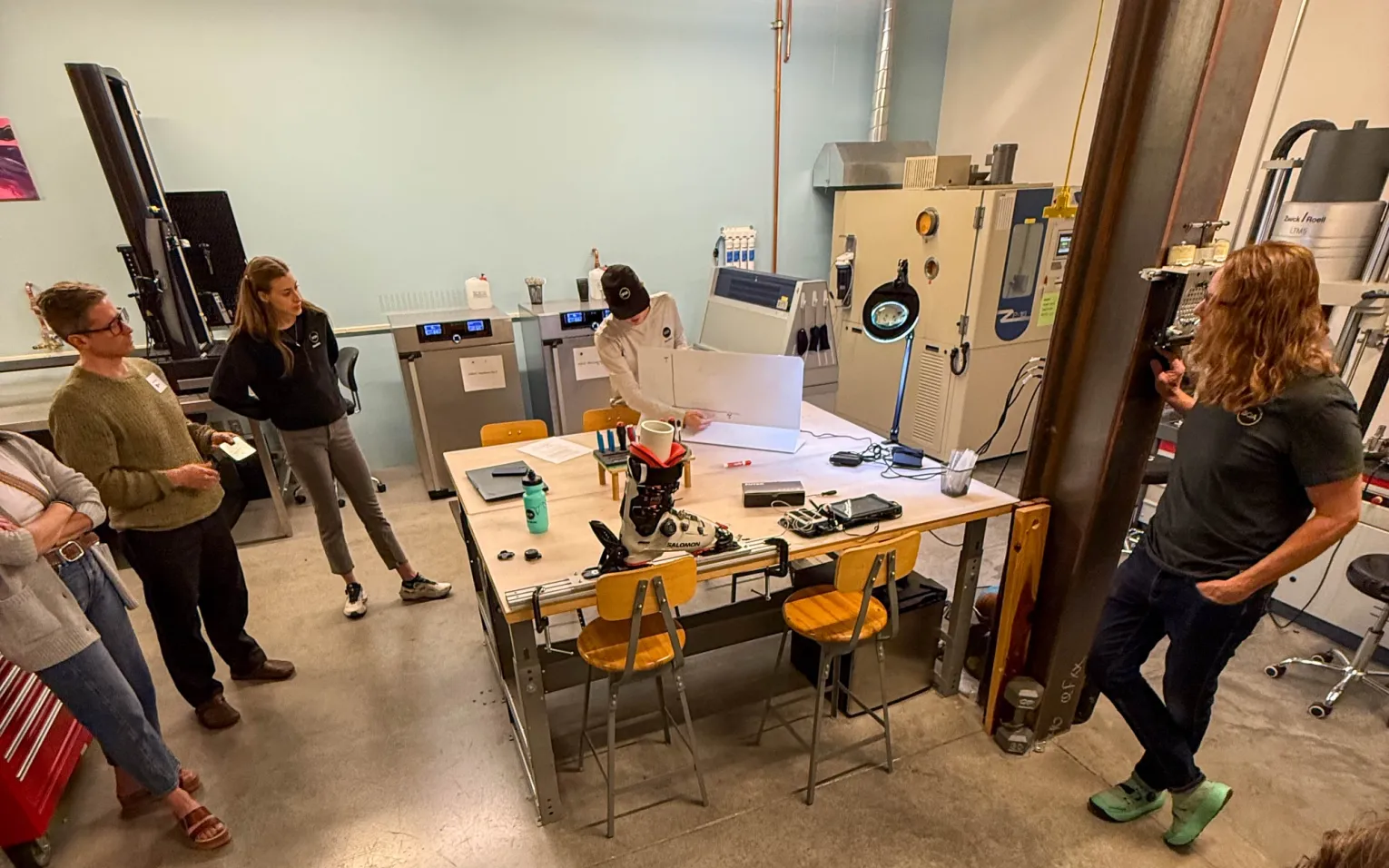
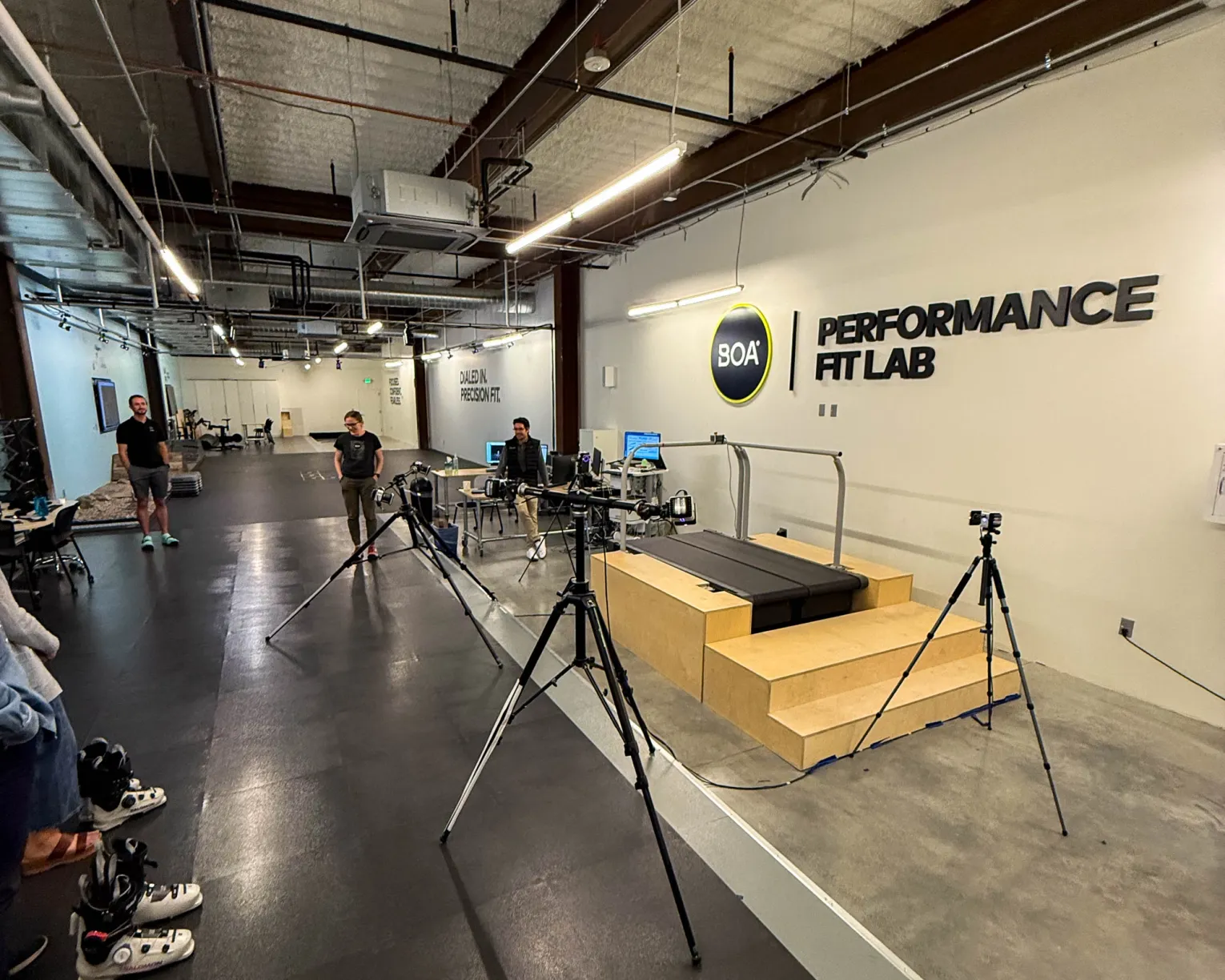
To test their theories, they had over 20 amateur and professional skiers testing BOA and buckle boots back-to-back both in BOA’s Performance Fit Lab and on the mountain with various data points to measure the differences in performance. These data points included pressure mapping of the foot and leg, edge angles, chatter, and timing of turns to test precision. That, along with over 200 runs with race athletes as well and multiple tests with other athletes using single cuff, single shell, and double BOA boots. All this led to a published scientific study that you can read for yourself that shows that there are both performance and comfort increases compared to traditional buckle boots. Results show that there is a reduction in peak pressure on the top of the foot, increased connection around the calf, an increase in power transfer, stability, and control, along with slightly faster times in timed runs. To top it off, testers found that there were fewer pressure points. It certainly seems like BOA’s hypothesis seems to be proven.
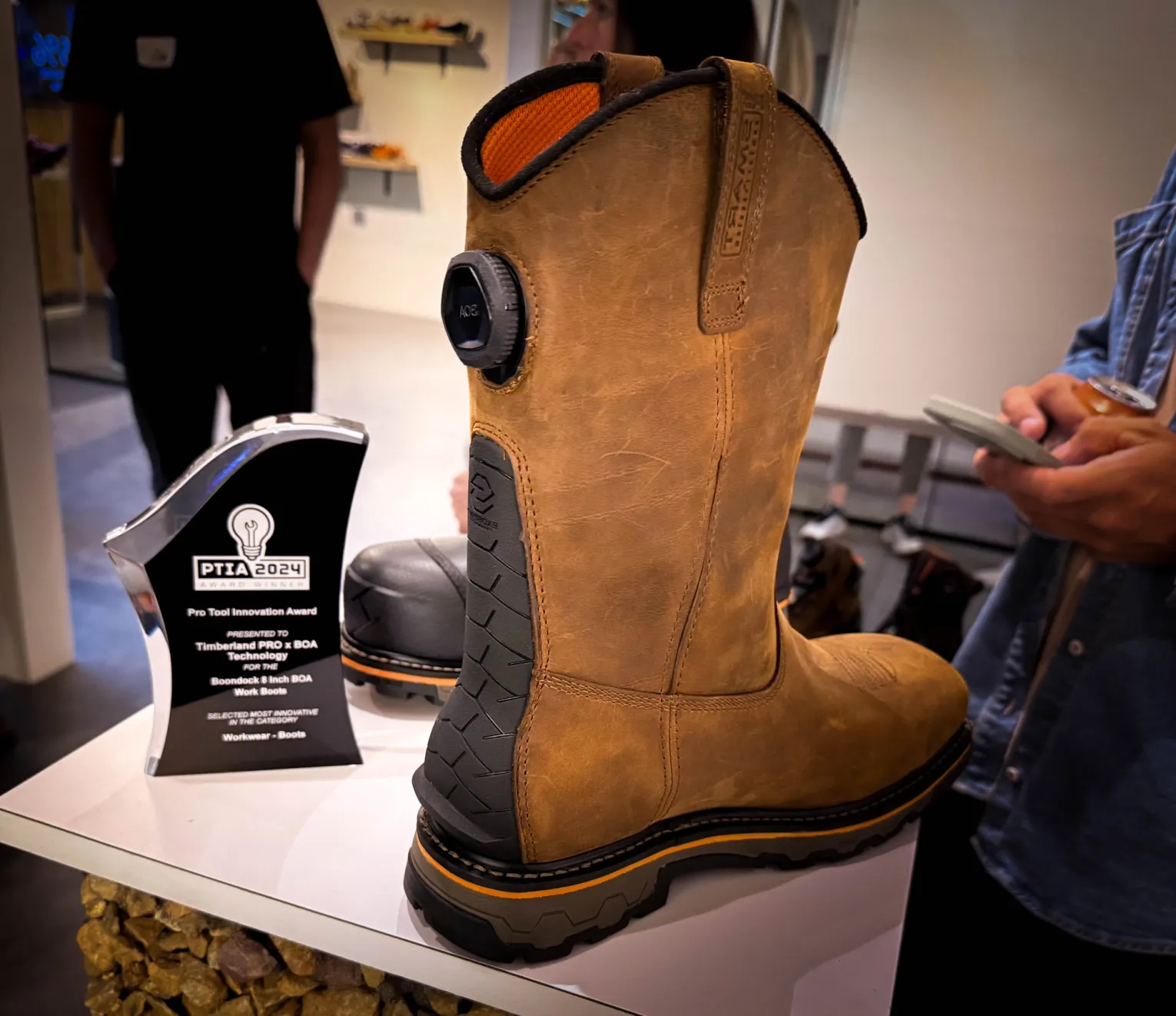
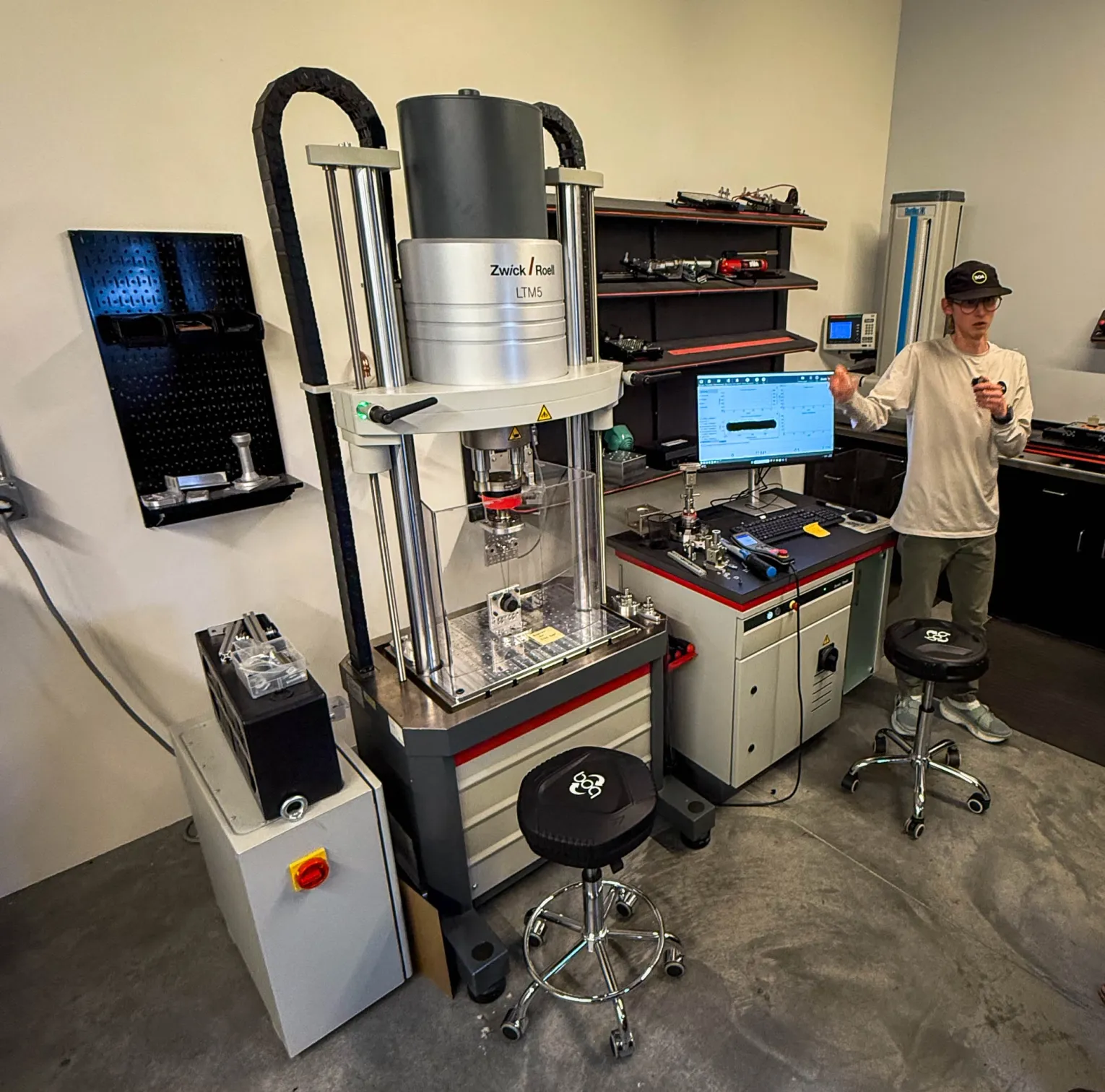
Durability—it's something that people have been questioning from the start. But BOA has strived to make this a top priority along with performance and comfort as they believe their system to last as long or longer than the product that it integrated into. Through countless integrations of the dial itself, the cable, the housing, and the mounting joinery they have made their system able to withstand just about anything that not only us mortals will put it through but even all the professional athletes out there. Now you’ve all seen the videos of people smashing BOA boots on their desk until the dial pops off; we’ve done the same. This is the intended effect as the dial is supposed to pop off with less force than it takes to break the system. The dial can then simply be put back on to keep you skiing all day long. The force it takes for the dial to break under tension from the cable is engineered to be far and away more than what the average person can get to, and we had our own chance to all try to turn a dial under as much force we could muster. The best anyone could do was less than half of what its failure force is. In terms of cable durability, they have a machine to test real-world simulations that run over a million movements over 4 days straight. The cable, and dial for that matter, come away unscathed. Safe to say, they put this system through the wringer, and they have a less than 0.2% warranty rate, which is incredibly impressive.
With over 5 years and 50,000 hours of design, and testing, I believe BOA ski boots are here to stay. For me personally, I have not had a load of success with BOA boots so far, although I have not had a bunch of time on them. I had spent some time on Salomon’s Shift Alpha BOA 130 this past season which has one BOA on the lower shell and experienced some problems with lots of instep pressure and uneven pressure across the top of my foot and heel lift. So, I think increased comfort and better fit is going to be heavily dependent on foot shape and skier preference. As someone with a size 13 shoe and using a 28.5 boot, I like my boots extremely tight, so maybe this played a role in the instep pressure? But for people like me, who like a tight fit and don’t have this same experience with buckles, it leaves some skepticism on the table. Coming into this season, I have been given the opportunity to test some more BOA boots like the Salomon S/Pro SUPRA Dual BOA 130 as well as the Nordica SpeedMachine 3 130 Cuff BOA which covers the bases for the current range of BOA options. During my time at the BOA Headquarters, I was fortunate enough to get a boot fitting done on the S/Pro SUPRA which felt great right away. I have only spent about half a day on snow with them, so I don't think it would be fair to provide any notes until we do a full review. The same is true for the Speedmachines. I’ll get back to you on both of those this season for sure.
With the ski boot market becoming somewhat stagnant with innovation and new technologies becoming less apparent, are ski companies forced to find the next big thing to shake things up and add a new gadget to the mix? Sounds like the perfect time to bring in a company like BOA to me. But who knows, maybe that is the next actual innovation in the ski boot world. I mean, it has been proven in a scientific methodology that the system increases both performance and fit. There’s a lot of directions that BOA can go here, maybe we will see boots covered in dials to get the most precise fit possible, or maybe there will only be one that does everything just right. Only time will tell. It was clear that Salomon and BOA truly value Performance, Fit, and Durability but also that each of those aspects works together to provide the best skiing experience possible. Finally, I want to give a huge thank you to both Salomon and BOA for providing me with this amazing experience at BOA headquarters. It was such an interesting and informative experience that certainly has given me an incredible look inside such a unique company.
Explore BOA Products: