


Zipfit Gara LV & Workhorse Ski Boot Liner Review
While most of the boot world has been hyper-focused (and perhaps a little distracted) by the onslaught of BOA and Double BOA closure systems, ZipFit seems to have the right idea. They’re plodding right along, creating an amazing product that not only changes how the boot fits for the better, but also skis. Their lineup of aftermarket boot liners, of which we ski two of the models, has more influence on the fit and performance of a boot than any buckle or cable closure system could ever have. So far, we’ve been more than impressed with the real-world application of these liners, noting that they are absolute game-changers when it comes to ski boots.
Based on recommendations from ZipFit, we were guided towards three different liners. Allison Kozar, our Inner Bootworks manager and pro bootfitter got the Gara HV, Jeff Neagle the Gara LV, and I (Bob St.Pierre) got the Workhorse, another HV liner. The volume of the liner is indicated by how much cork comes in the liner to start, so the HV’s have more cork while the LV’s have less and can therefore fit in lower volume boots better. Cork can be added to any liner, so if you don’t get it right the first time, there are adjustments that can be made.
Bob’s Review: ZipFit Workhorse
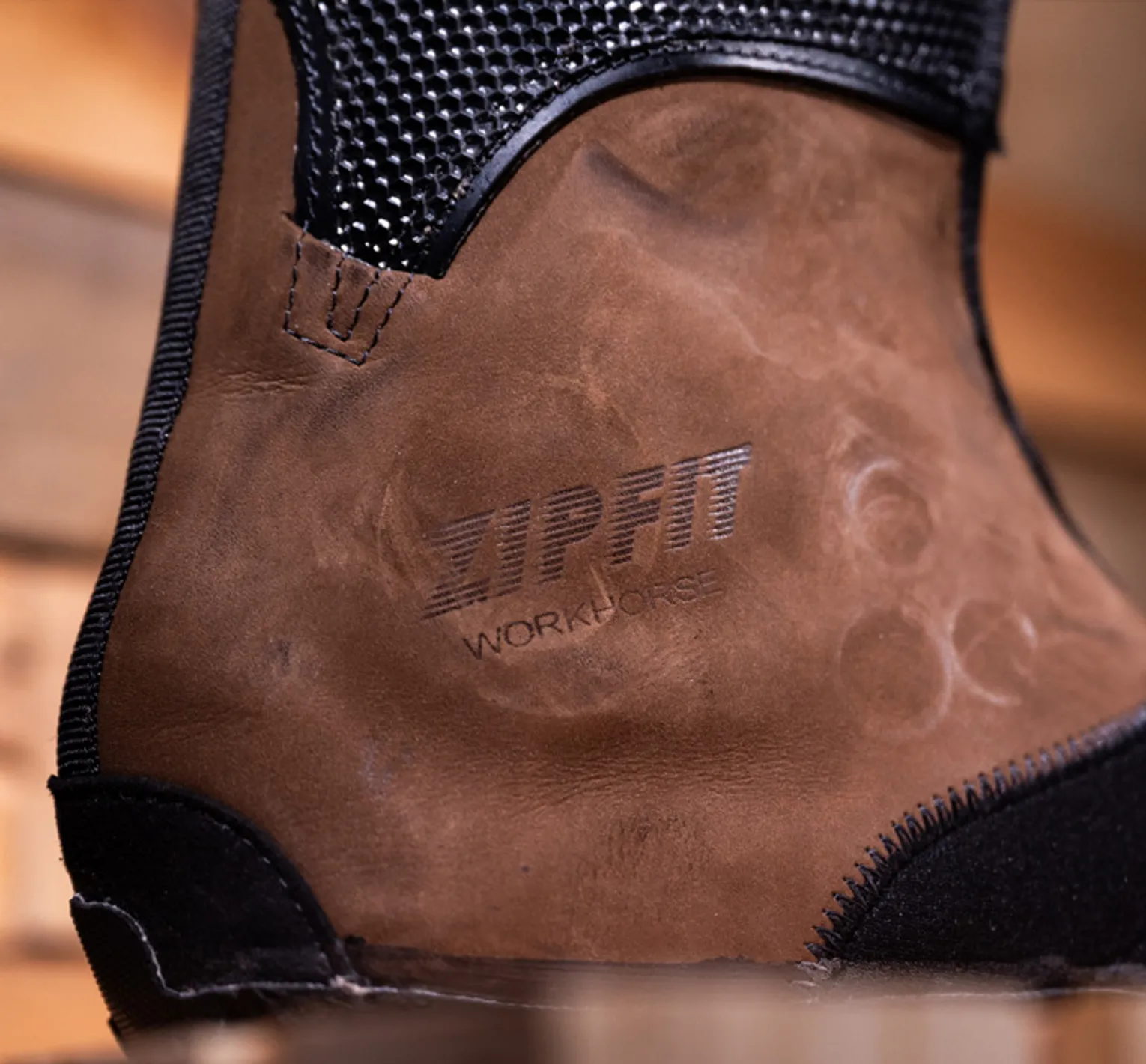
For me, I happened to have a 2025 Dalbello Veloce 130 here at the office when the Workhorse showed up. I simply took it out of the bag, put my footbed in, laced it up, and dropped it into the shell. Instantly it made sense. The Workhorse has leather both on the inside and outside of the liner, making it on one hand, a bit sticky to get into, but on the other, keeps you totally connected to the boot—zero sliding around. Versus the Veloce with the stock liner, the Zip boot became stiffer, quieter, and considerably more comfortable especially in the forefoot. We’ve all settled on one similar attribute so far—the forefoot zone of the liner is easily the best part, and we cannot understand why other stock liners haven’t figured this out yet. They’ve all got a decent grasp on the heel and ankle pocket but are wildly off on their takes on the forefoot zone. More on that later. Soon thereafter we got on snow. Even on day one, skating over to the lift, I noticed a huge uptick in connection to the snow. With each push off, I could feel the ski engage more. Even skating, you can feel the difference. The first turns were eye-opening, but not 100% in a good way. It’s tough the first day out of the season, as you’re trying to get your bearings and work your legs back, but the connection was so darn precise I really had to push it in order to keep up. I know that it was a me problem, not a liner/boot/ski issue.
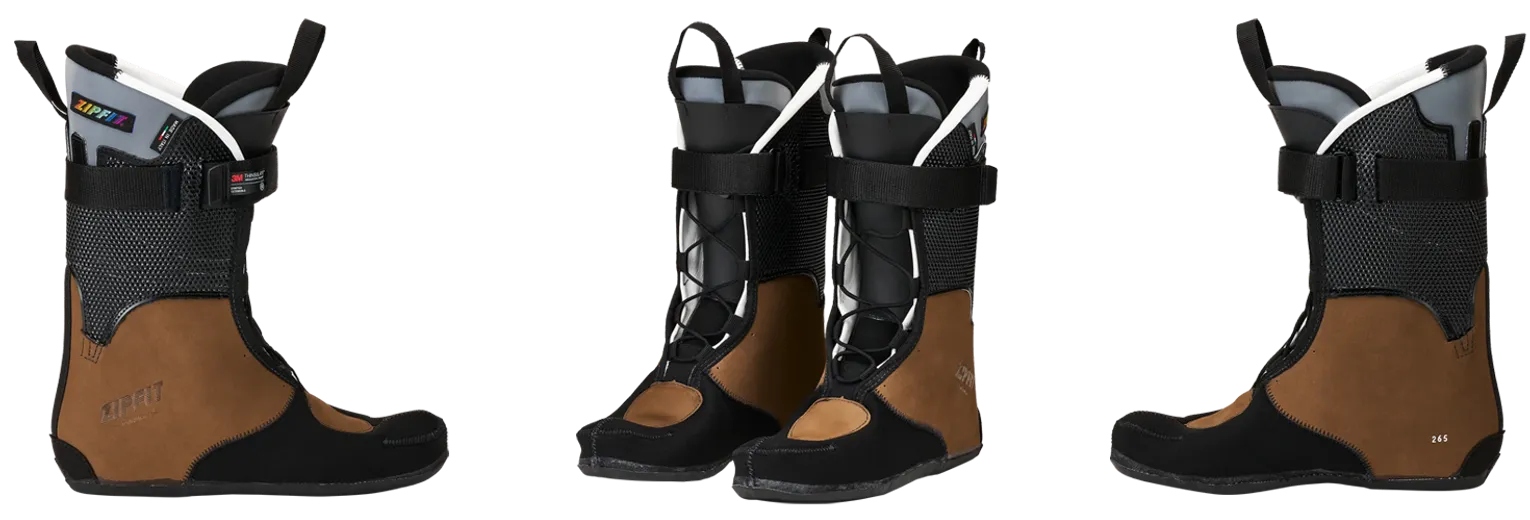
ZipFit Workhorse Boot Liner Overview:
| LINER VOLUME | FEEL | DESIGNED FOR | LINING | PRICE |
|---|---|---|---|---|
| High | Responsive | All-Mountain | Leather | $549.00 |
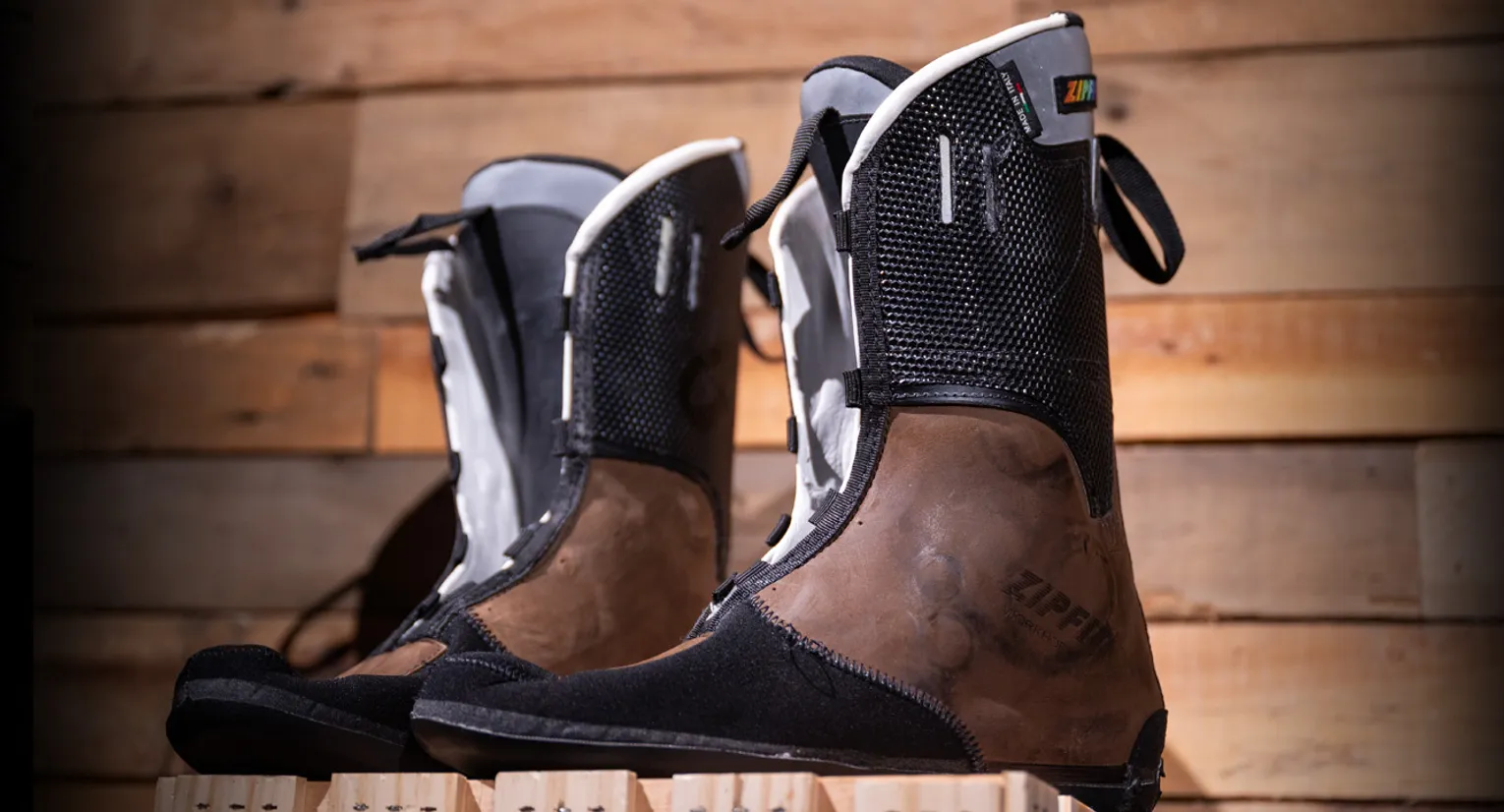
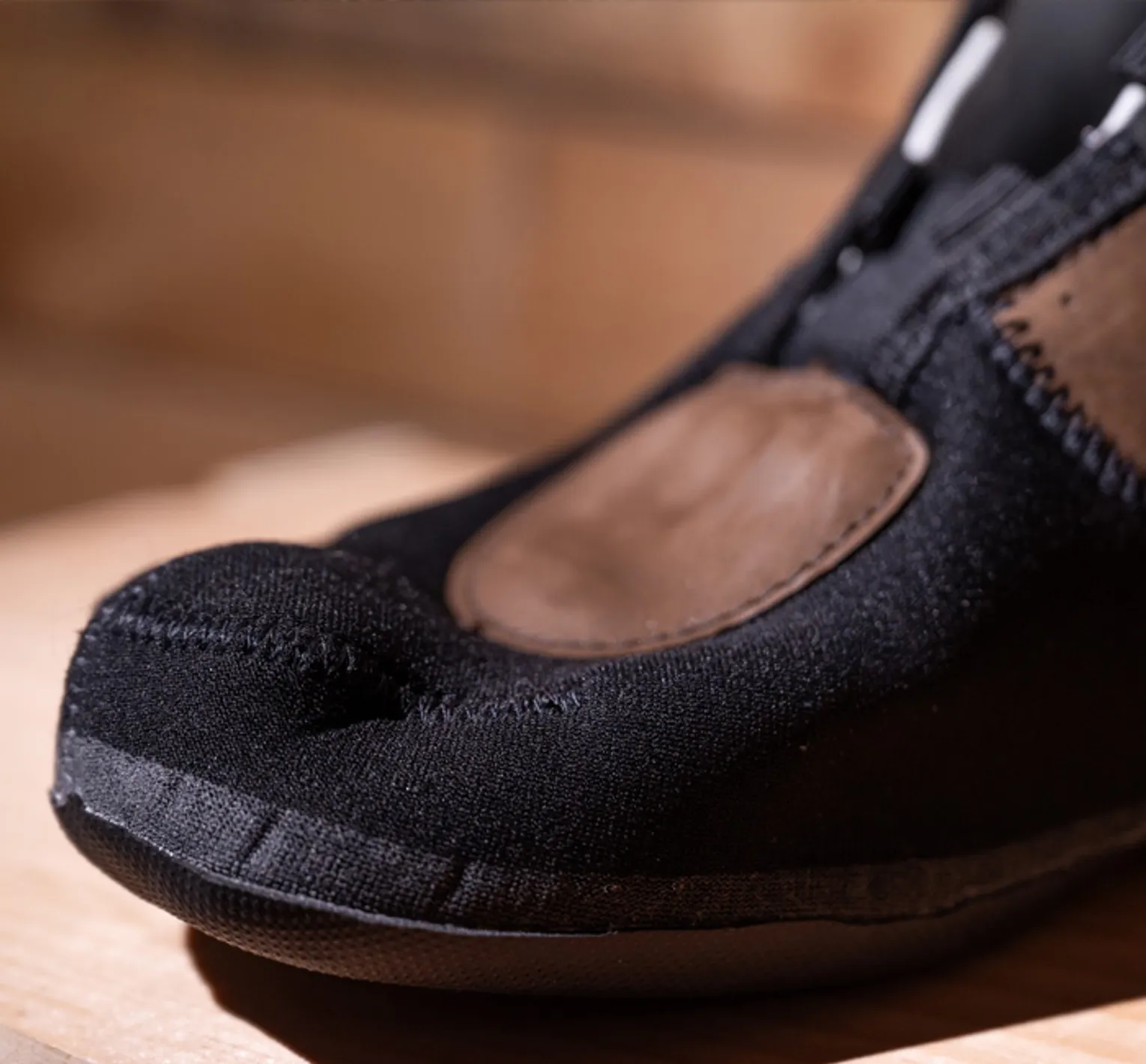
Since then, I’ve tried the Workhorse in a number of different shells, finding that it works best in a mid-volume boot. Most recently, I’ve been skiing it in a 2026 Tecnica Mach 1 130 LV, and while the performance is off the charts, it’s pretty darn tight. So far, the fit into the MV Veloce is the best. From a usability standpoint, it’s not as seamless or easy as a stock liner. The leather is indeed sticky and getting in and out is about 20% harder than with the normal liner. That said, I (and am willing to bet most others) would be thrilled to have this trade given the resulting performance and comfort when you’re in there. While ZipFit, and many users, have advised the “Racer” style of putting the liners on first and then sliding that into the shell, it just doesn’t work for me. The downside here is that I’m missing out on lacing up the liners, and we’ve also heard that by pushing your foot into the liner while it’s in the boot can move the cork material, but I haven’t noticed that as too much of an issue. Re-molding the liners is a snap, so if it ever goes awry, I’m confident that I can get it back. Basically, the liner holds your heel and ankle perfectly solid and still, to the point where you can’t really believe that you’ve never had this in a boot before. But then they balance that with a wool-lined neoprene forefoot zone that’s 100% comfortable. While stock liners tend to put in tight stitching, thicker neoprene, and more foam in the forefoot, the ZipFit allows that forefoot to spread out and evenly fit the plastic of the boot. This is a HUGE advantage from both a comfort and a warmth perspective. Also, being able to articulate your toes ultimately gives you even more control over the ski. Most boots offer a blend of comfort and performance, but ZipFit allows for increases of both, and that’s a crazy thing in the ski boot world. I’ve seen no need to add cork to either the tongue or the sides but have re-molded once to fit better in the Mach 130 LV since it was initially molded to the MV Veloce.
Jeff's Review: ZipFit Workhorse
Hey everyone! Jeff here. I’ll start by saying I didn’t realize there was something so significant I was missing out on. I test a lot of boots, ski a lot of different skis, and generally am very happy with my equipment and its performance. The ZipFit Gara LV liner I’ve been skiing in completely truly opened my eyes to another level of performance, precision, and comfort in a ski boot. It’s quite impressive.
I’ve been using it predominantly with the Nordica Speedmachine 130 BOA and the newest Speedmachine 130 DD (Dual Dial). That said, I’ve also used it in my Lange Shadow 130 LV, the Armada AR One 110, a K2 Cortex 140, and basically any time I’m using a new boot, while I think testing the stock liner is important, I quickly reach for the ZipFit. My experience has been interesting. I wasn’t sure I was ready to dive head first into lace up liners and the whole process of putting your liners on first and then the shell. In my head, that is what ski racers do, and I don’t exactly identify as a ski racer. My first attempt at making the Gara LV work for me, after molding at home in my microwave, which is laughably easy, was removing the laces and the upper strap and trying to use them like a normal liner. This proved challenging. Not impossible, but extremely challenging to get on my foot, especially with the lower BOA and the limit to the cable length. I probably went through that for a week before I realized I was just doing it wrong. Then I put the laces back on and the upper strap and adopted liner-first life. While it has its drawbacks (takes significantly longer to get ready to go skiing), I believe I am fully converted to this method. That said, I’ve since decided that the best application for me is using this method, but I have ultimately removed the top strap. I have mixed feelings about it. On one hand, it does provide a nice level of support and does increase precision overall, but I’ve found that it also created a little bit of a hot spot on my shin, or rather didn’t spread out the pressure nearly as well. Laces, no upper strap, liner first is now my go to and there’s no looking back.
ZipFit Gara LV Boot Liner Overview:
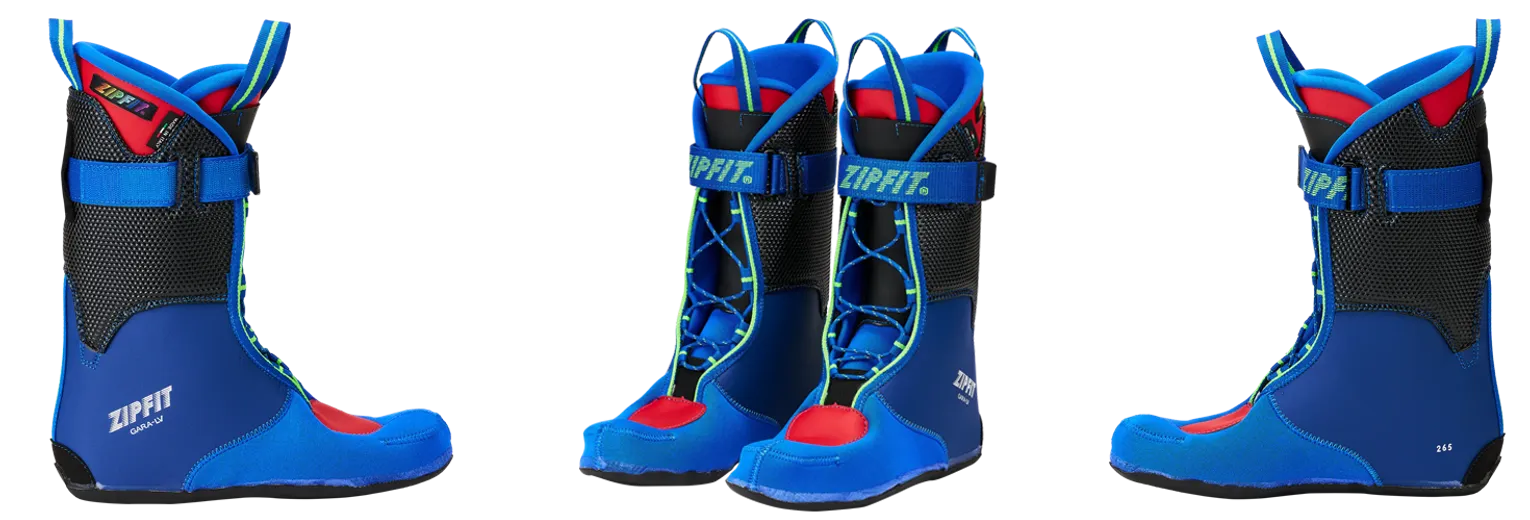
| LINER VOLUME | FEEL | DESIGNED FOR | LINING | PRICE |
|---|---|---|---|---|
| Mid | Aggressive | All-Mountain | 3mm Neoprene | $499.00 |
The performance is what’s really impressive here. It’s made me question why ski boot liners aren’t made this way across the board. The way the cork locks you into the heel pocket of the boot is unlike anything I’ve ever experienced. Shout out to the Atomic Mimic liner for being close, but it’s still not the same. Having your ankle locked so securely into the heel pocket means a couple things. One, it gives you the ultimate control over your skis. You move, your skis move. Two, it allows the front of your foot to be a little looser in the boot because you’re really not driving any forces through your forefoot. The comfort that the neoprene toe box provides is out of this world. It’s like your boots are as tight as they could possibly be where you want them to be, but then loose where you wish they could be. I didn’t know skiing could feel like this, and boy am I happy it does. I also enjoy the stiffness of the upper cuff and the power transfer it and the robust tongue provides. I do think it increases stiffness overall, but it also provides more uniform pressure across your shin and if anything feels like it gives a 4 buckle overlap boot a slightly more progressive flex.
The last thing I’ll say here is I am always struggling with cold toes. Too much frostbite, too many bitter cold nordic ski races... my toes just don’t stay very warm. The merino wool and Thinsulate in the toe box is SO warm and SO comfortable. Even just reaching your hand into your liner, it feels like a really nice place to put your foot. I would buy slippers with the same feel on the inside. It’s just SO nice. The idea that ZipFit can provide the best precision and power transfer I’ve ever felt, while also making it feel like my forefoot is in a slipper, is truly something I didn’t think was possible. I suppose one more thing to add... they’re not cheap. Should everyone rush out and spend $500 on a liner? No, I don’t think so by any means. Boots are already expensive and that’s another considerable cost. Do I think there are plenty of other skiers out there who are like me and didn’t realize the improvement they could make on their boots and overall skiing experience? Yes. 100% yes.
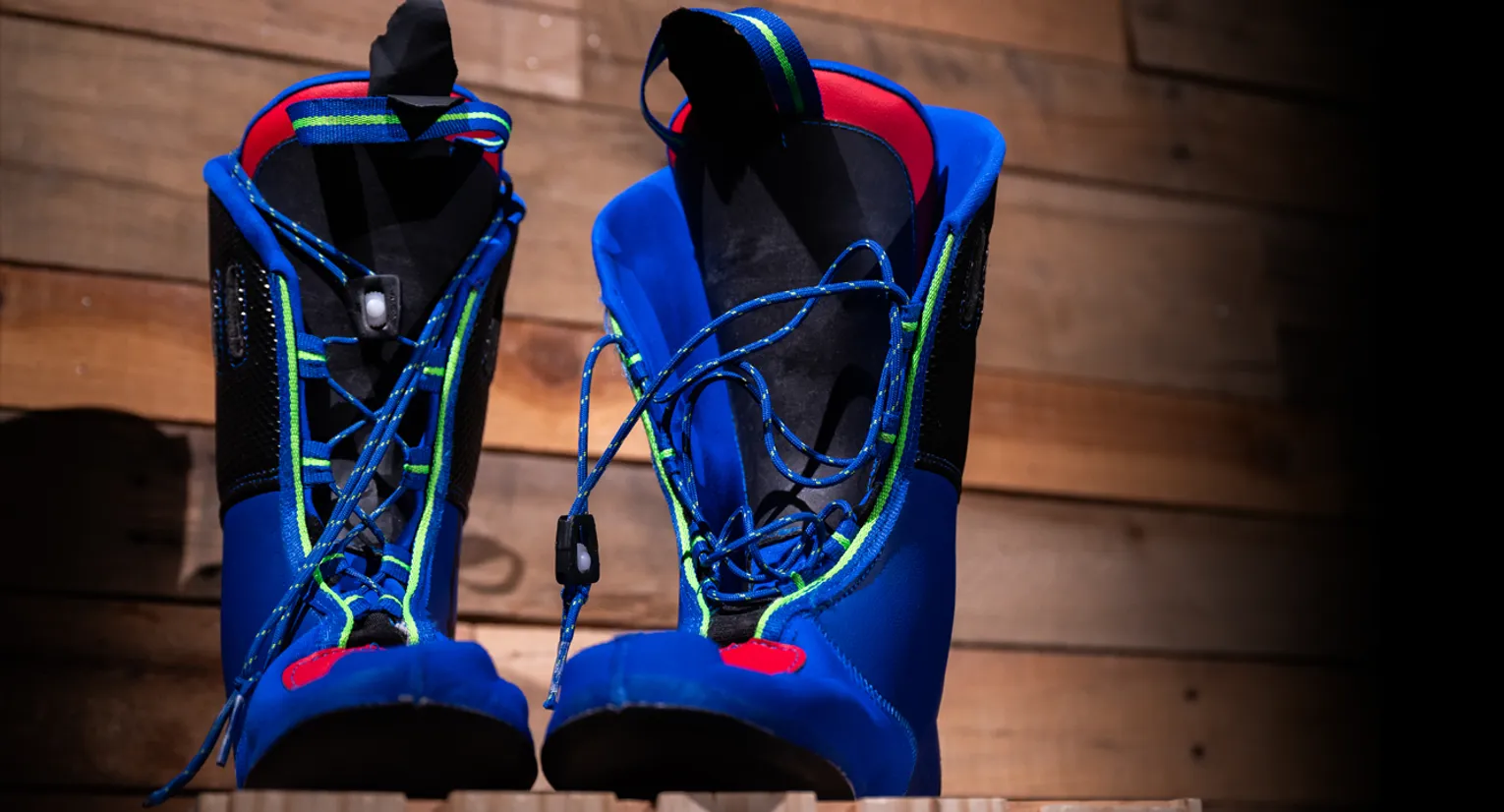

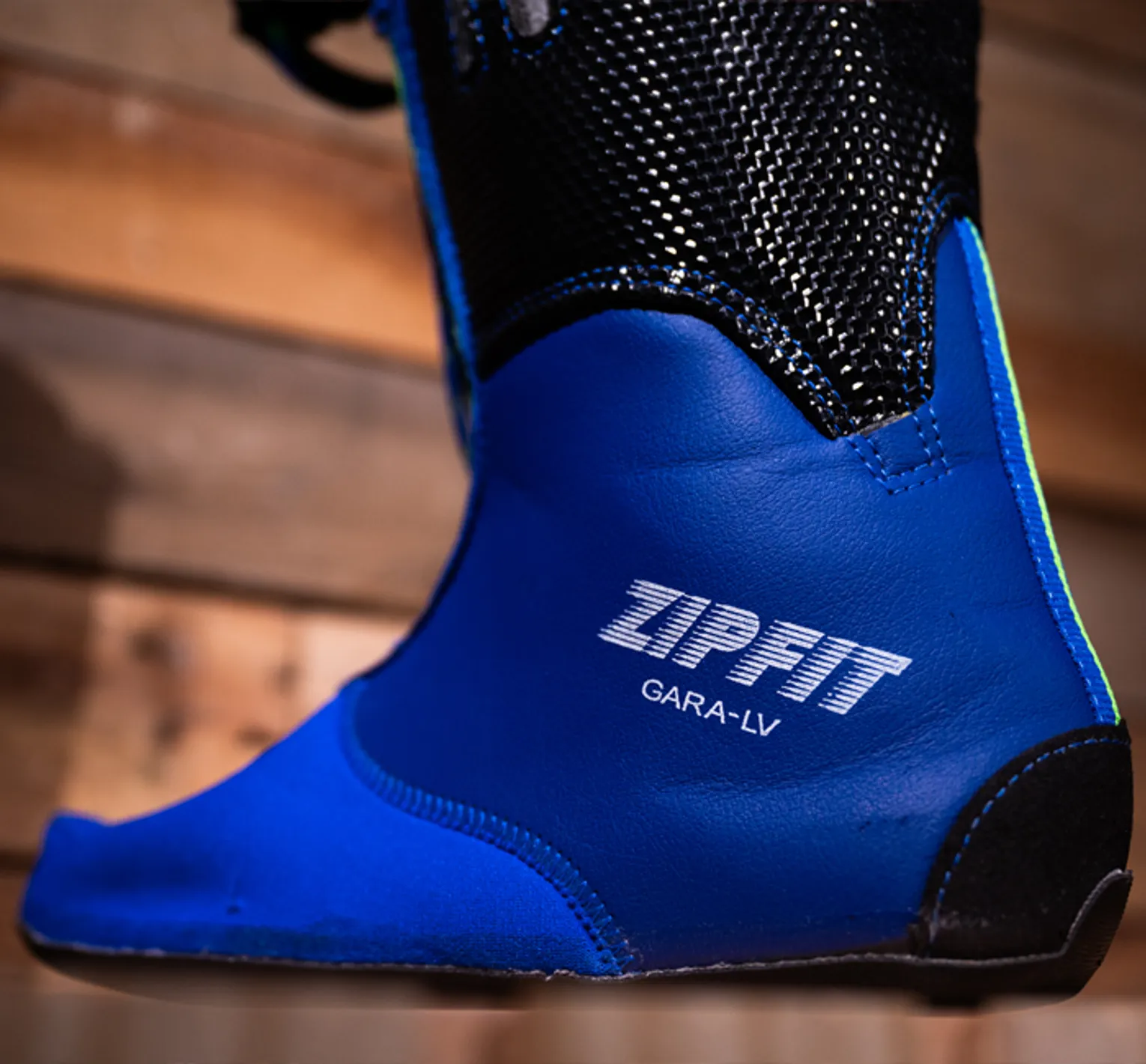
Allison, who’s an expert boot fitter with years of experience, shares her story: “The addition of the ZipFit liner to my current boot set-up has been an experience unlike any other. I’ve never been able to lean into a boot as much, and still have my heel super locked in. The connection from the liner to the boot to the ski is absolutely incredible. So many of our Inner Bootworks customers that have purchased this liner have come back saying the same thing: the connection is unreal. I have a particularly small foot; not only that, comparatively I also have a very small heel step parameter measurement. To get my rear foot more locked, I downsized to a 21.5. After 14 days I felt my heel moving around again. I was excited to try the zip fit Gara HV liner to see if it was the solution to stop heel movement. I’m happy to report that I feel like this liner has really helped. I’m 12 days into skiing the liner, and I did add a little more cork on each heel side of each liner, just to solidify myself even more. I’m intrigued to see how the liner will continue to perform throughout the remainder of the season.” Having this type of feedback from a boot shop manager and pro fitter is pretty resounding. The fact that the liner can alter and improve an entire experience is remarkable.