2027 Black Crows Vena Cor Introductions & First Impressions
At a Glance:
2027 VENA COR


| AVAILABLE SIZES | TURN RADIUS | SIDECUT | WEIGHT | PRICE |
|---|---|---|---|---|
| 160.1, 167.1, 174.1, 181.1, 188.1 cm | 17 m @ 174.1 | 12.9 / 10 / 12 cm @ 174.1 cm | 1650 g @ 174.1 cm | $999 |
Black Crows continues its progressive shaping and ski design with the all-new 2027 Vena Cor. In response to the resounding and overwhelming response to the unique, creative, and individualistic Mirus Cor, the new Vena Cor continues that trajectory, although on a surfier and smearier path. Vena Cor, coming in at 100 mm underfoot, uses an innovative shape and profile to go along with a relatively simple construction (sound familiar?) to create a one-of-a-kind ski experience for advanced and expert skiers looking for high-performance all-mountain and freeride flair.
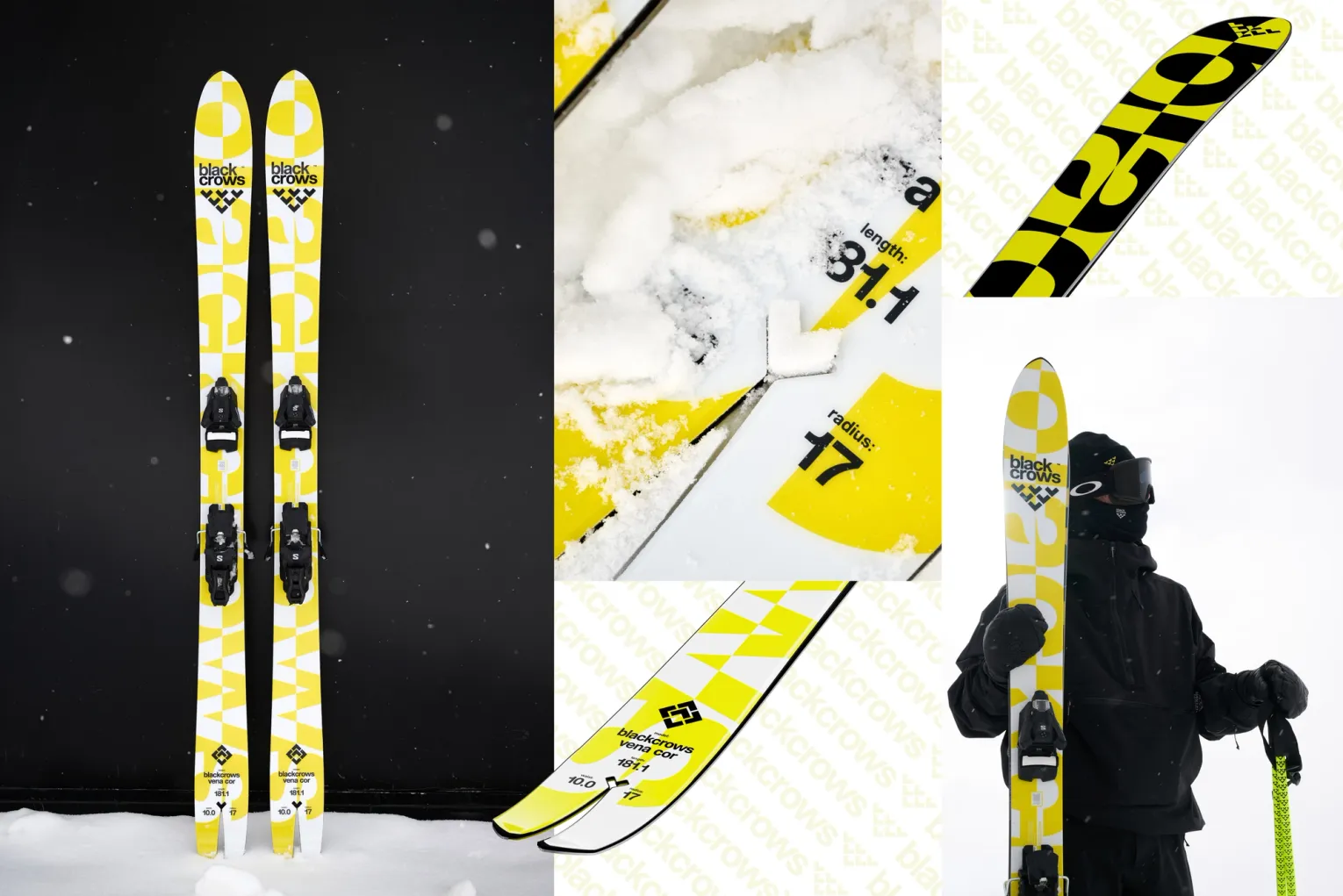
Featuring a swallowtail like the Mirus Cor, a totally pointy tip, and a playful flex pattern that encourages creativity, these skis are unlike anything else. The Vena Cor certainly charts its own path. While the Mirus felt like a mix between a slalom race ski and a twin tip, the Vena Cor is more like a mid-radius carver mixed with a soft snow ski that also has a freestyle-oriented twin tip. It’s a rare combination, but for those who love skiing groomers at high edge angles and the ability to ski slash turns with ease, and spend a day in the park, this ski is sick. Like the Mirus, the Vena Cor skis quite centrally and balanced, complete with a –5 cm from center mount point. For reference, this puts it at 1 cm more forward than a Camox and 1.5 cm behind the Mirus Cor.
Built with a poplar wood core and fiberglass laminates (no metal), there are no real surprises here when it comes to the construction. Interestingly, and somewhat inexplicably, the sidewall ABS material extends past the topsheet into the very tips and tails of the ski. This has no notable performance characteristic, and does seem to be a potential trouble spot, especially in the tails if they’re standing on a hard surface or if you put them into a gondola ski holder repeatedly. Black Crows is doing this on a few skis this year, so it’ll be interesting to see some longer-term feedback on this method. The skis are on the lighter side, with the 181 sitting on the scale at 1817 g/ski and the 188 slightly heftier at 1872 g/ski. In terms of flex, the tips and tails feel slightly more flexible than the underfoot zone, which we found to be pretty stiff and responsive. Overall, the construction falls more to the precise and responsive in terms of feedback rather than to the damp and powerful.
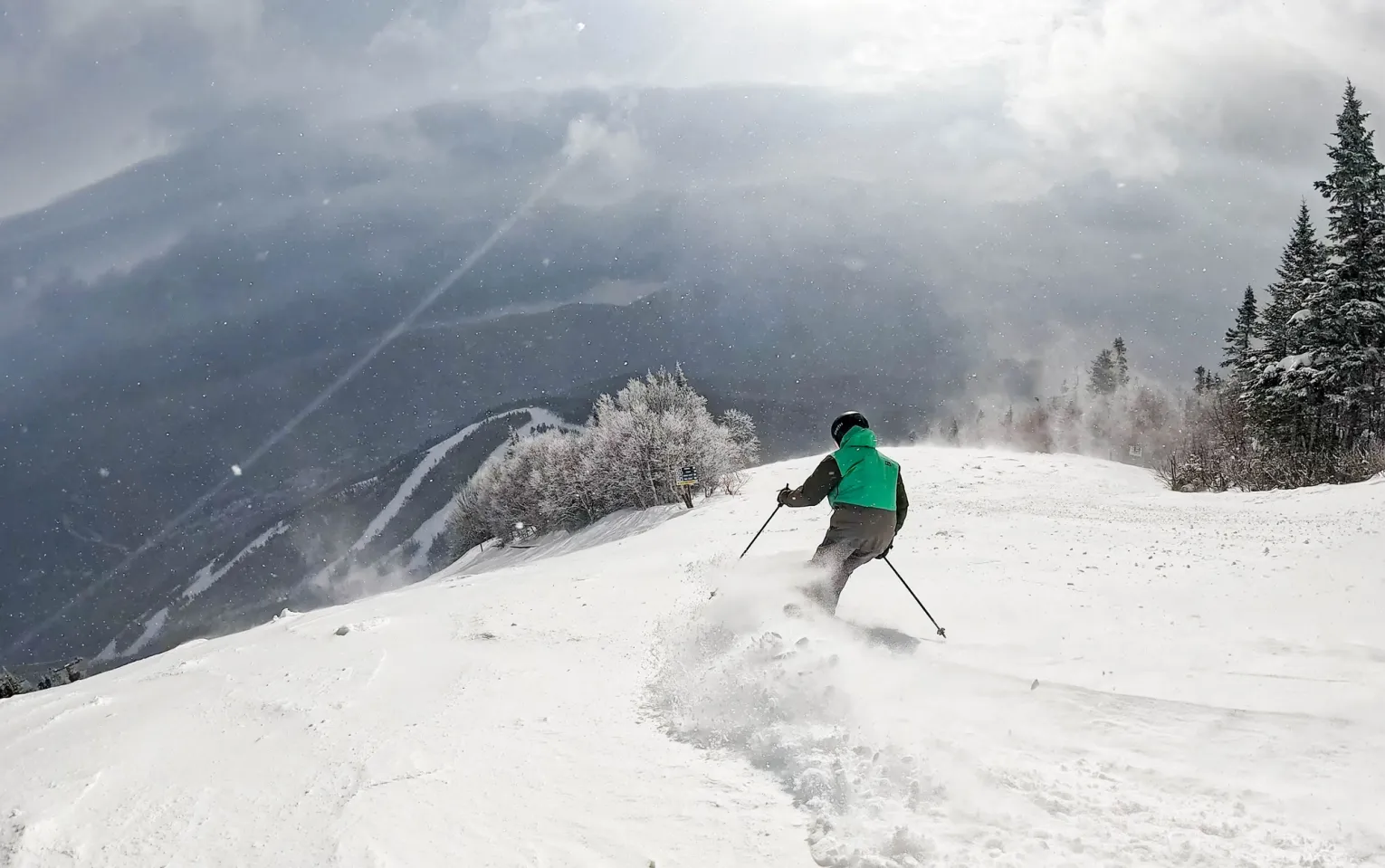
As per usual, the shaping and profiling of a Black Crows ski is more of an indicator of character and performance than the construction. This is abundantly clear here with Vena Cor. With a sidecut split of 134/100/125, the skis generate a 17-meter turn radius. This arc is consistent through all lengths, from 160 to 188 cm. Interestingly, and likely coinciding with the more forward mount point, this radius feels short in a carved turn for a ski this wide—something we also noted when discussing the character of the Mirus Cor. While progressive rocker and taper shapes exist on this ski, with notable splay in both tips and tails, there’s actually a longer rocker profile than you may expect. This not only helps with grip and energy in a carved turn on groomers but also makes the ski peppier and more reactive in softer and deeper snow. We’ve been back and forth with the swallowtail, and whether it retains any functionality, and I do think there’s something there at the finish of the turn, both on groomers and off. With a ten mm drop in tip to tail taper width, and a more central mount point, the shape of this ski encourages creativity without losing focus of a strong and energetic carved turn.
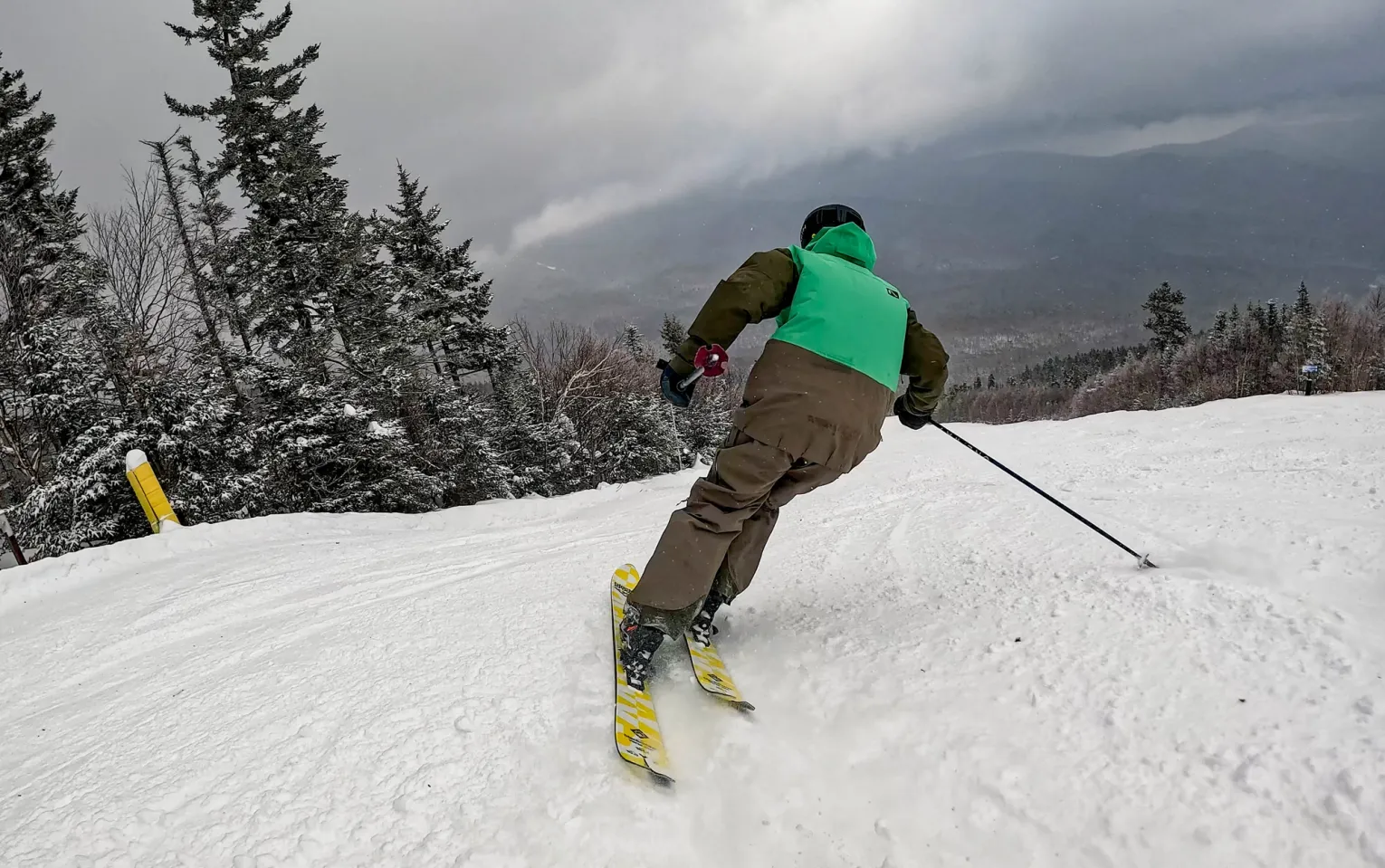
When it comes to on-piste skiing, we don’t normally think about 100 mm twin tips with no metal. However, with the Vena Cor, that just so happens to be the attribute that stands out quite strongly. In the 188, I feel incredibly confident and comfortable in a carved turn—more so than many other skis in this range, and there are a lot of them—this is a crowded field. The ski loves to get right up on a high edge angle, almost to the point that you have to stay back a bit on the ski rather than driving the shovels. From right where the camber starts, this ski just rips into the fall line and hooks into the snow. You can find the 17-meter arc of the ski pretty easily, and that’s certainly where it’s at its happiest. This characteristic is very similar to that of Mirus Cor and Octo, where the shorter, stated radius is certainly where the ski likes to live. Even on firm snow, the Vena Cor stands tough—tougher than a lot of competing twins—and finishes a turn with vigor. We always think back to the swallowtail, and what would happen if it wasn’t there. In the case of Vena Cor and Mirus Cor, it seems like the ski would be too harsh if the tail wasn’t allowed the same torsional flex. This gives the skier more input and impact as to the release point of the carve—something that I think instills comfort and confidence. At below 1900 grams, and with no metal, there’s a speed limit here for sure in a carved turn, but we found that it was faster than we expected. On-piste, it’s not just a fun carver, though. The best part that we found is the ability of the ski to make a quick slash or smear even at higher speeds. This way, if you’re laying down carves and want to choose a different direction or style of skiing, the Vena Cor is amenable. Other skis, especially heavier ones with metal, would balk at this type of movement and make its intent to stay the course squarely known. It’s an approachable carver with more energy and feedback than one may expect.
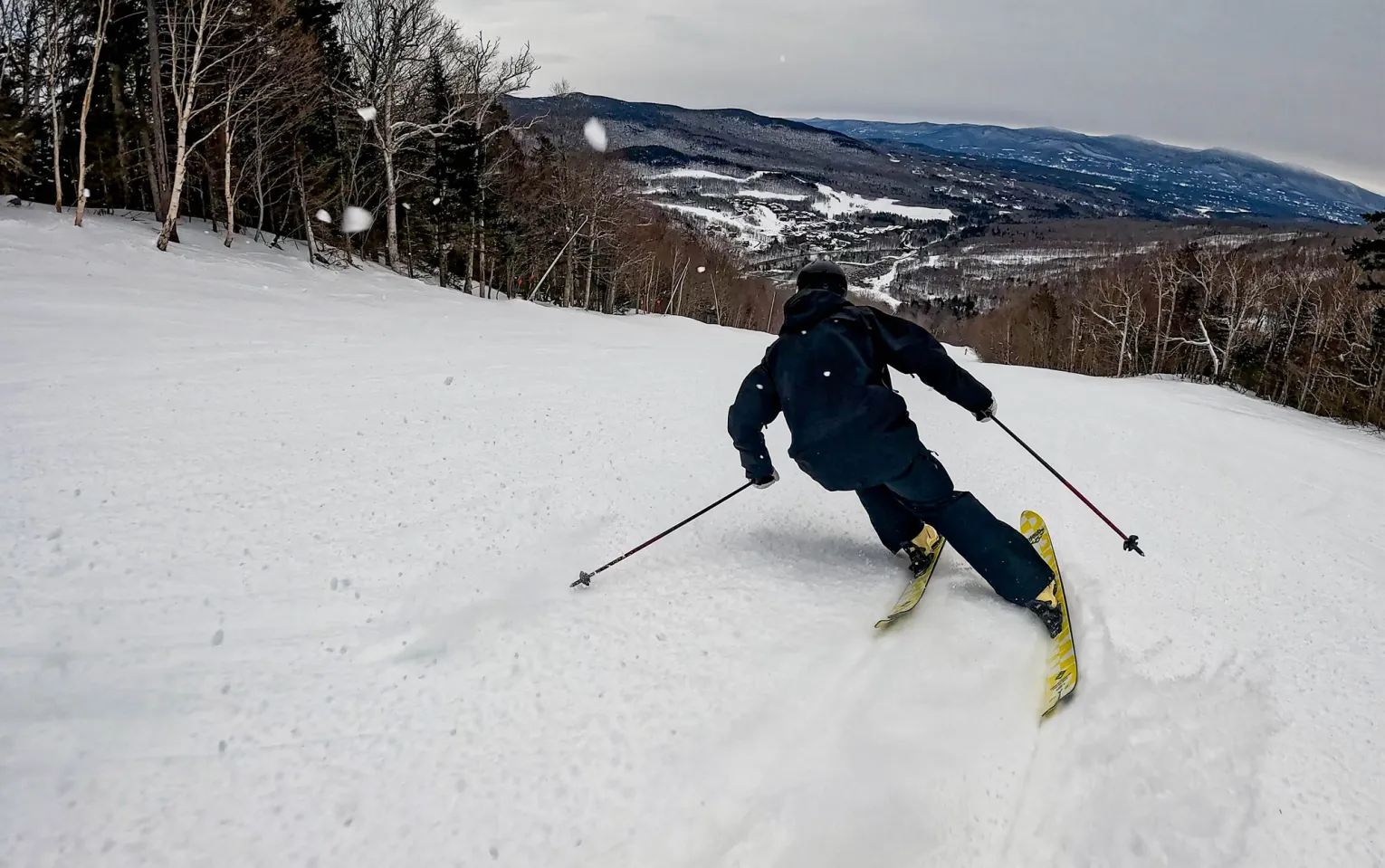
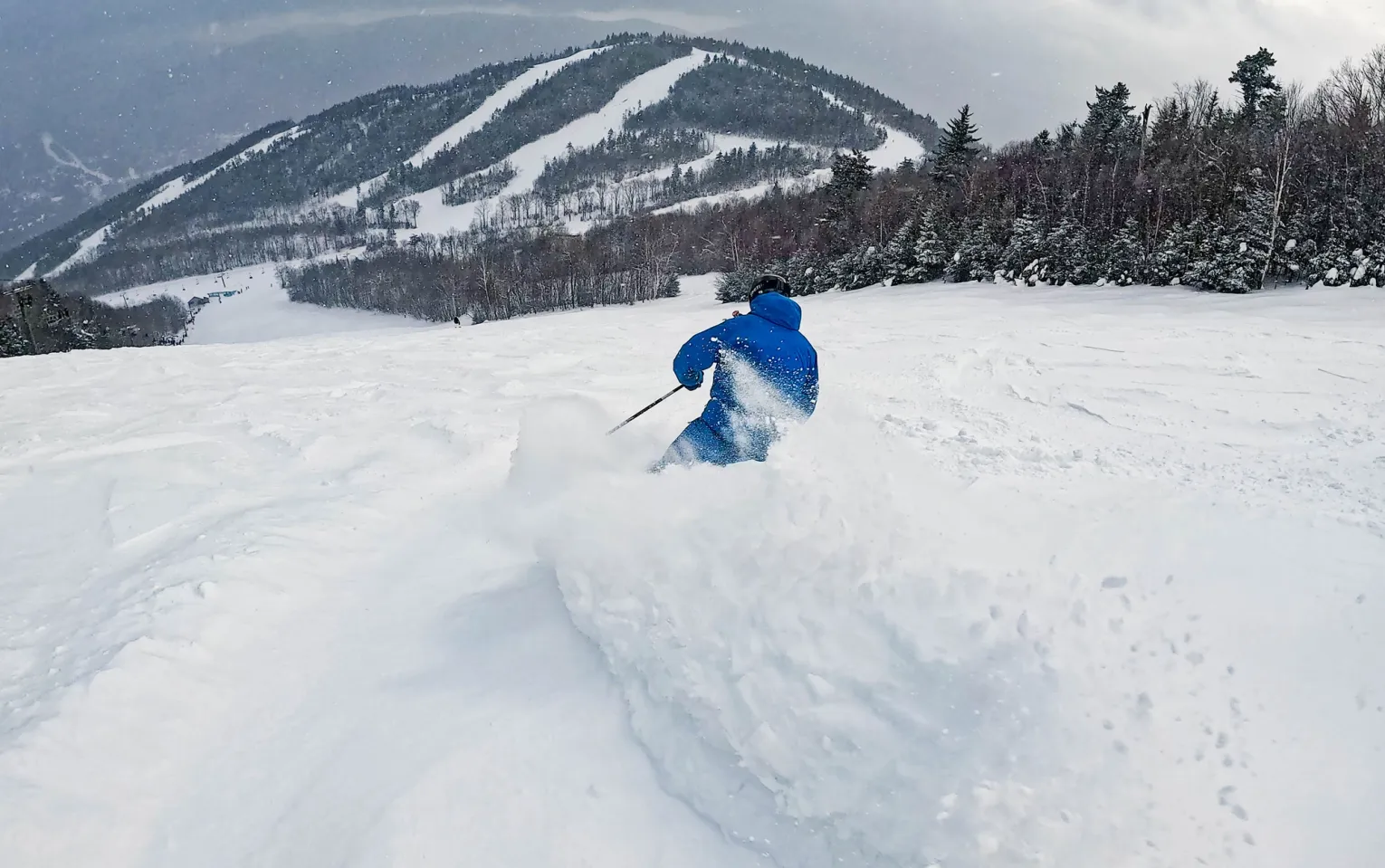
It gets a bit more interesting and somewhat convoluted when off-piste and softer snow comes about, as those precise starts and finishes to the carved turns want to carry over to the deeper stuff. Skier style and preference is a big part of the conversation here, as the Vena Cor likes to be skied in more of a two-footed format—that is, keeping your feet closer together and pretending that the two skis are one cohesive unit is very helpful. This seems to be more of a nod to modern swerve skiing as well as traditional styles that don’t rely on heavy downhill edge pressure. We’ve found that if you’re really pressing the downhill ski in softer snow, the uphill ski can wander as it seems to want to start a turn of its own. Using equal weight and pressure in softer snow works better, from what we can tell so far. It does prefer shorter and more measured turns in off-piste zones rather than longer and more aggressive arcs. We’ve had them in both softer and firmer snow, and they do seem to get along better with harder and more predictable surfaces.
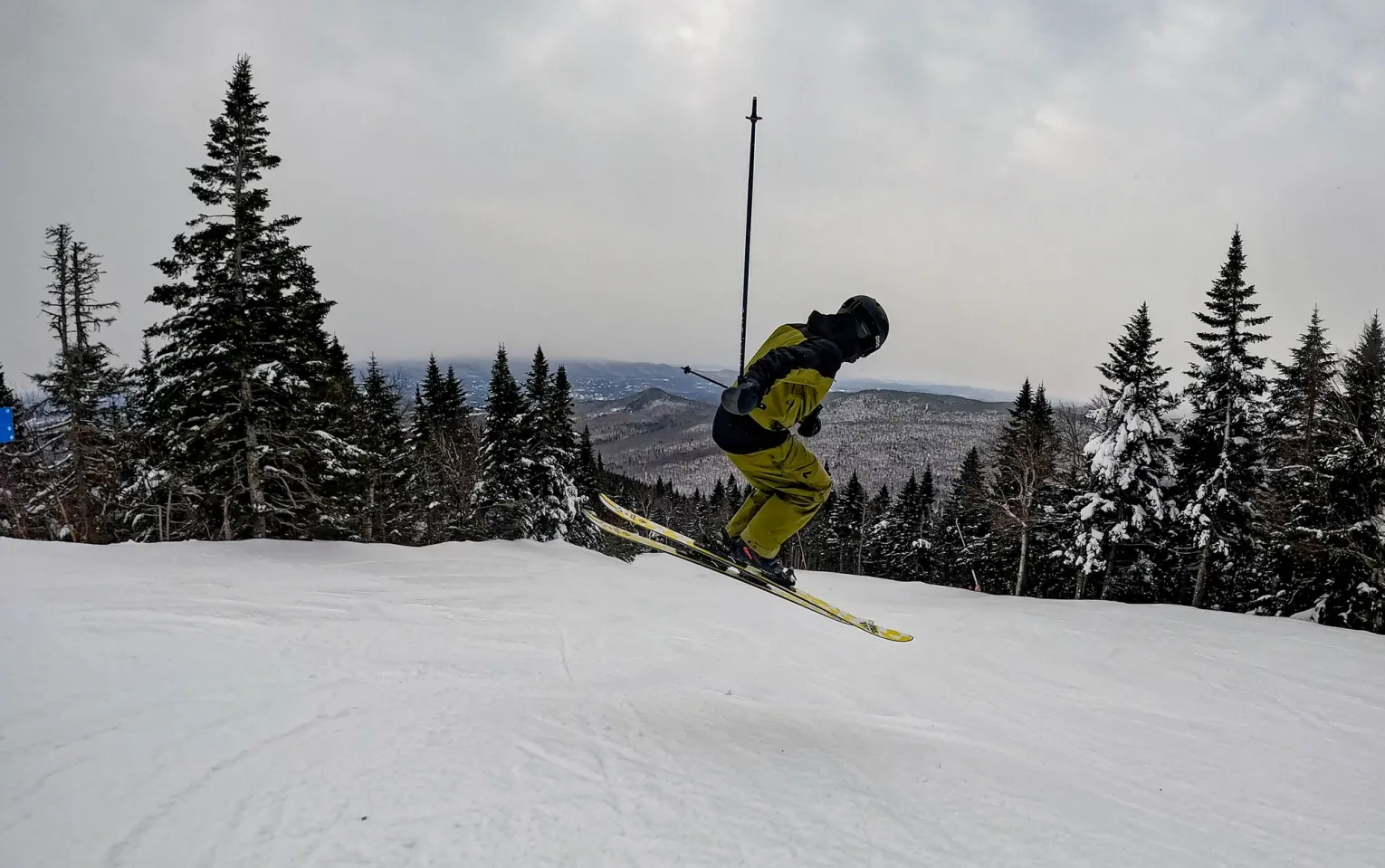
Like the Mirus Cor, it’ll be interesting to see where this ski lands in terms of who’s going to get one. I feel that it will work very well for a new school, creative, and progressive skier who wants to mix playfulness and crispness. At the same time, oddly, I’m not really that type of skier, but I get along with this ski very well, so I’m sure there’s some wiggle room here, just as we’ve found with the Mirus Cor. It’s one of those skis that the slightly more mature and experienced generation of skiers will probably overlook, but they’ll miss out on some very precise and engaging carving with a balanced platform to stand on. If you do have a freestyle background or focus and want a ski that will take other aspects of your skiing to the next level and beyond, the Vena Cor may just be the one to do it.