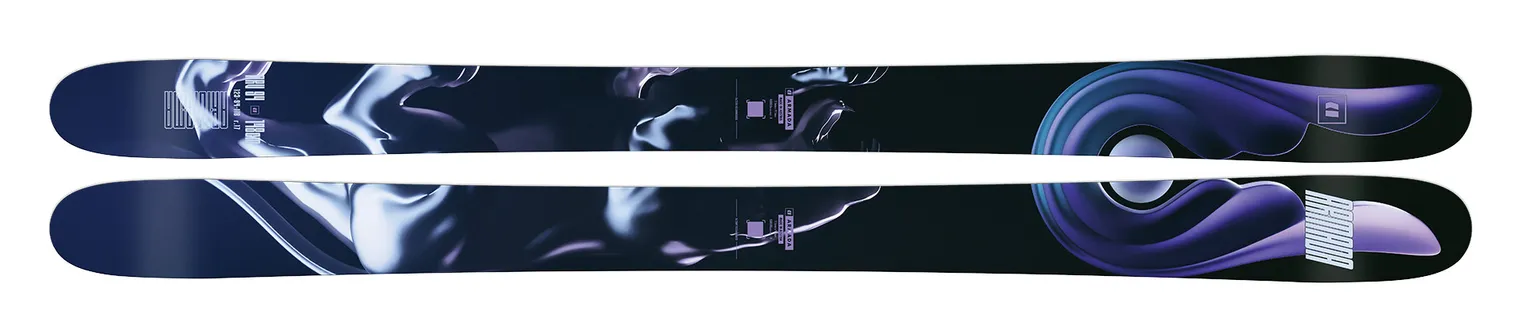
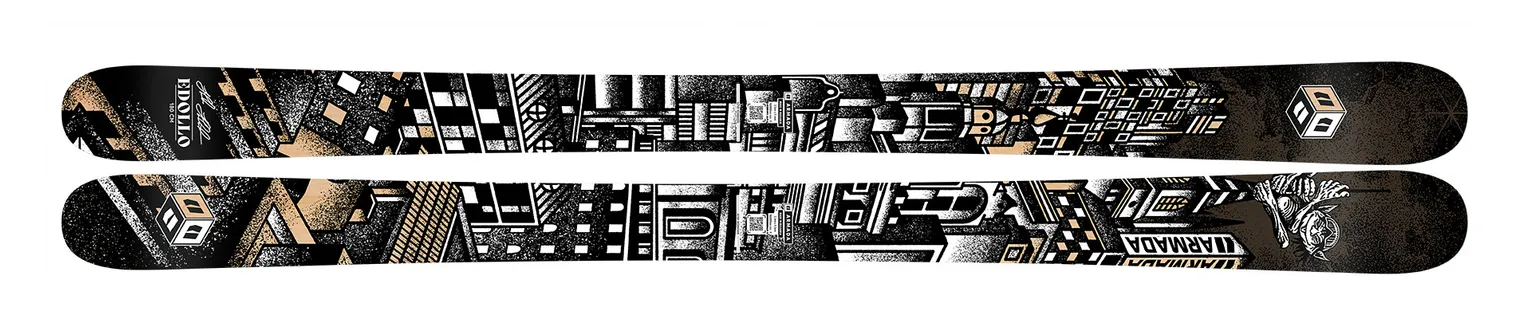
2025 Armada BDOG

- Recommended terrain
- Park, Freestyle
- Ability level
- Advanced, Expert
- Rocker profile
- Rocker/Camber/Rocker · Armada Freestyle Rocker
- Construction
- Poplar/Ash Wood Core, CircleFlex, W3DGEWALL, 2.5 Impact Edge, AR75 Sidewall, Sintered Base
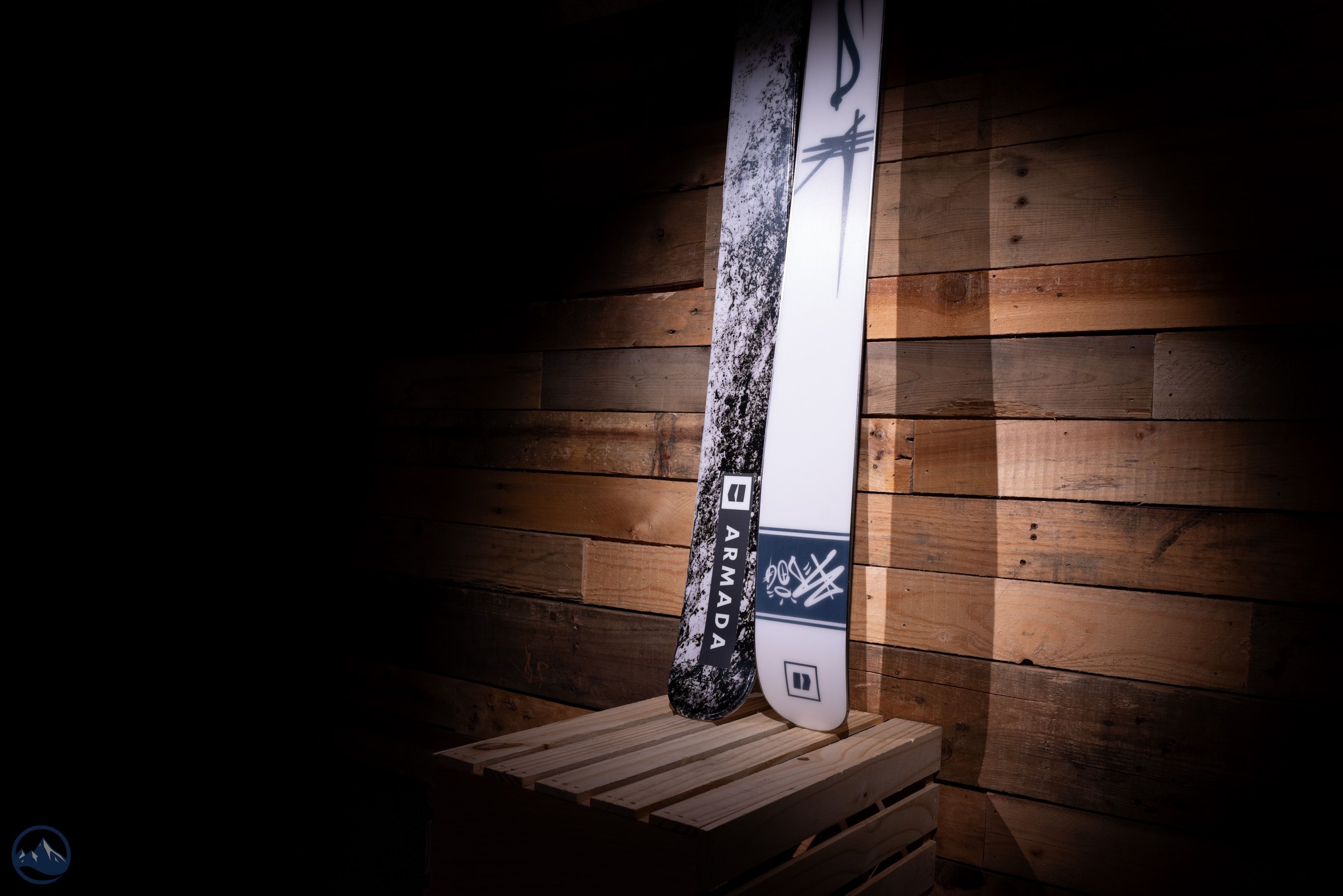
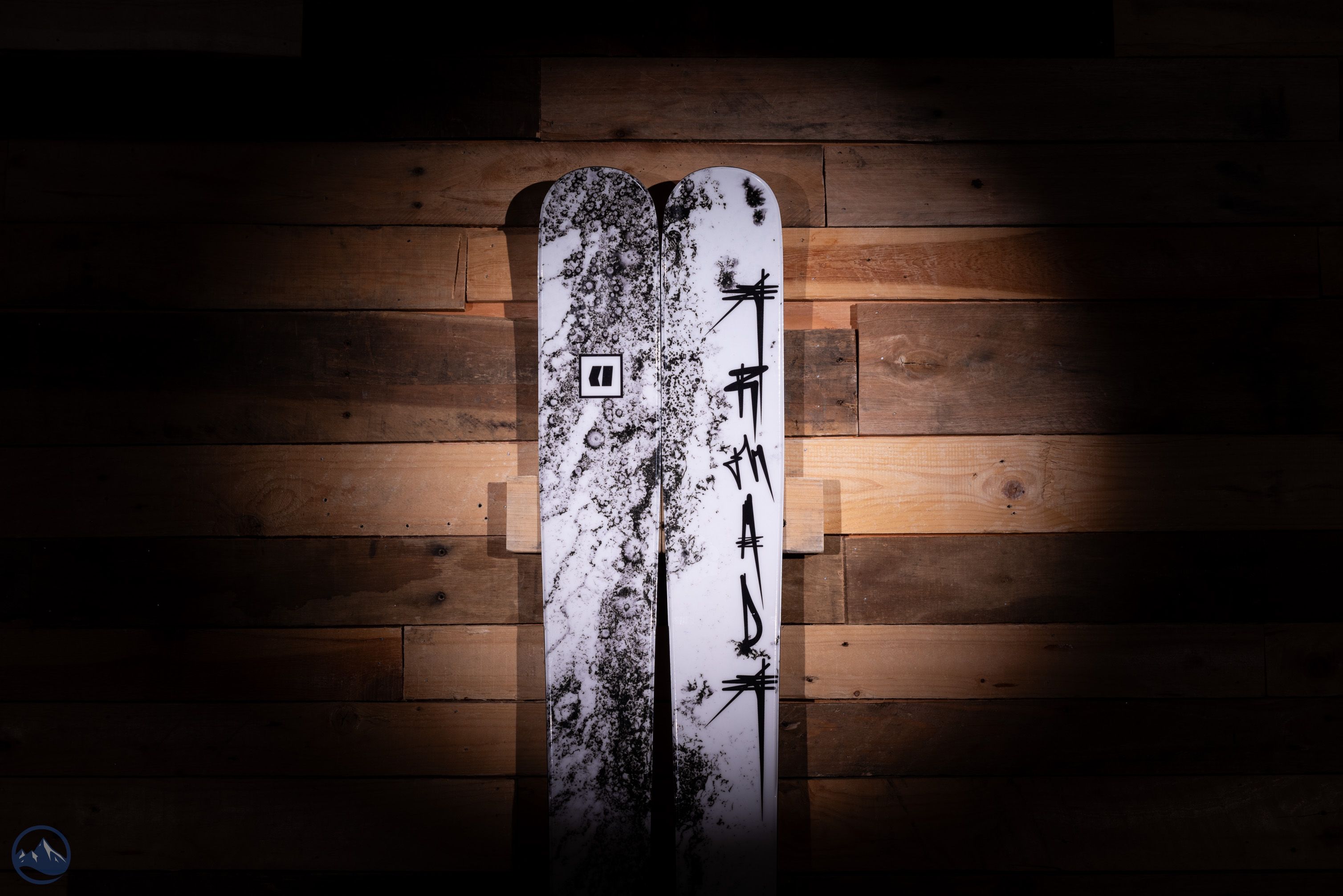
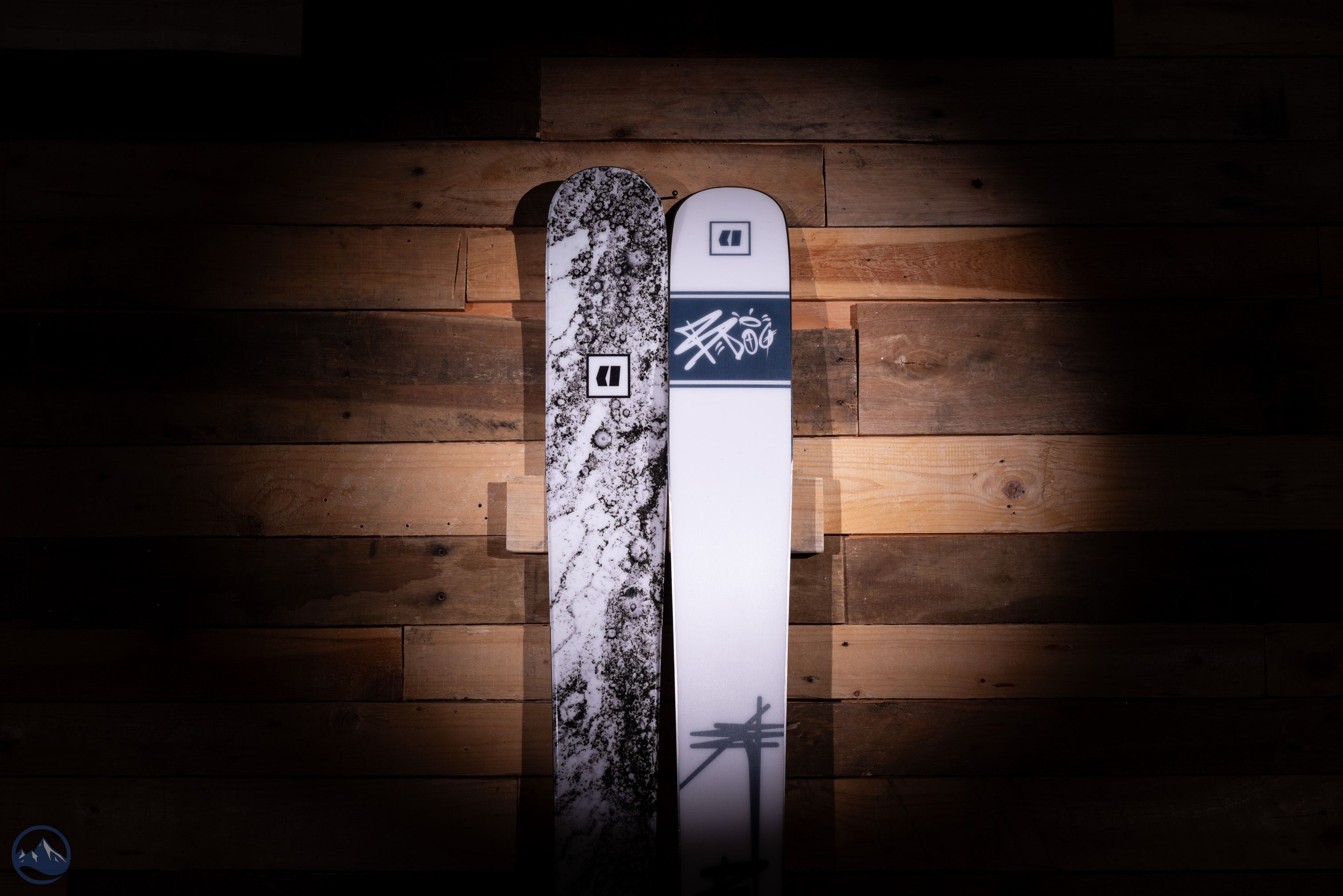
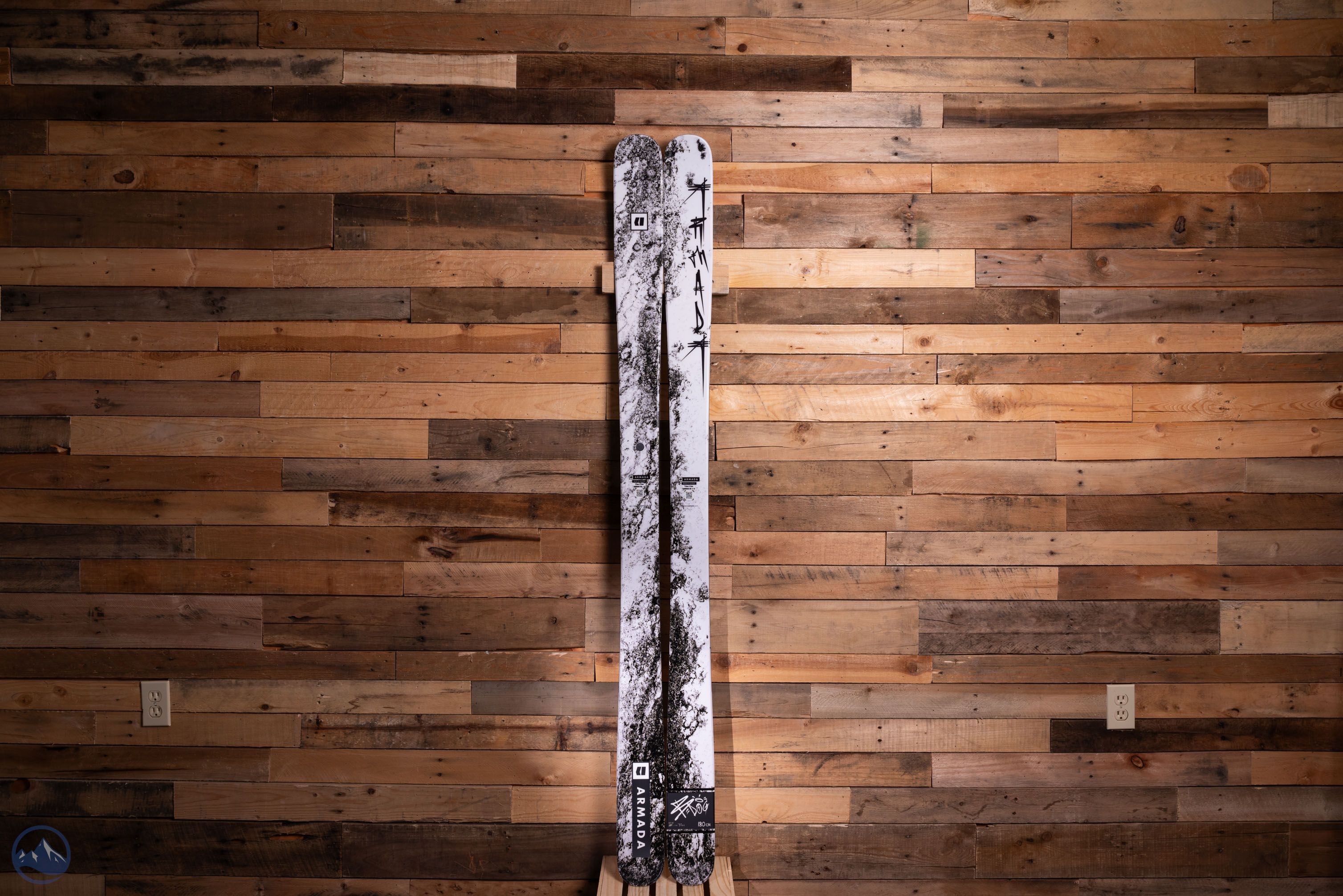
The 2025 Armada BDog returns unchanged except for graphics this year. As Phil Casabon’s pro model, the BDog has a very specific build and shape to cater to Phil’s unique style as well as his personal technique. As a result, this isn’t an every person/everyday ski although those who wish to emulate Phil will likely at least want to start here. This ski is very interesting in the shaping, as it borrows a lot of technology from Phil and his style of pressing and popping as well as urban settings and park skiing. While there’s not a whole lot of non-freestyle application here, those that are looking for a flexible and playful ski to the utmost degree will find something to like here with the BDog.
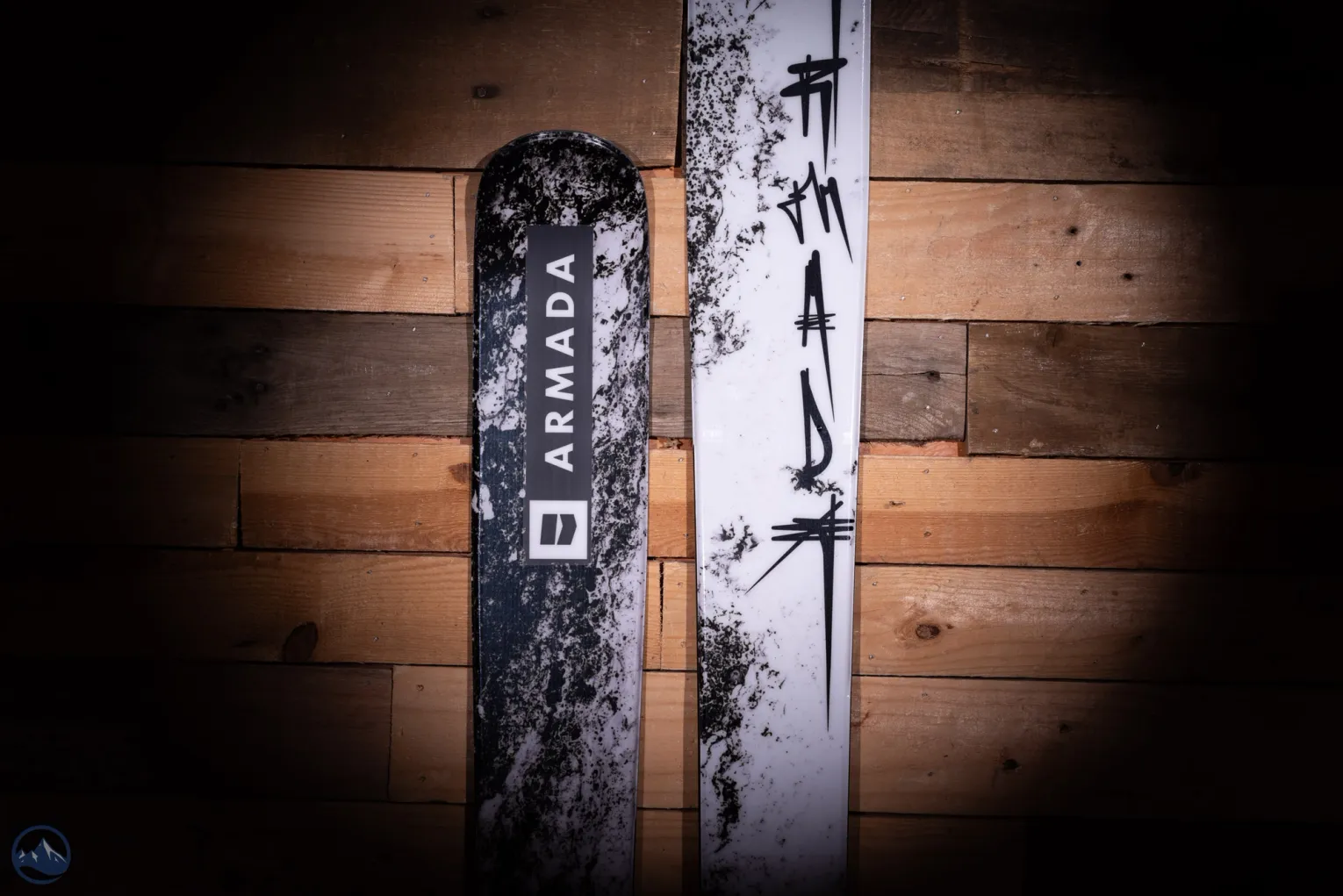
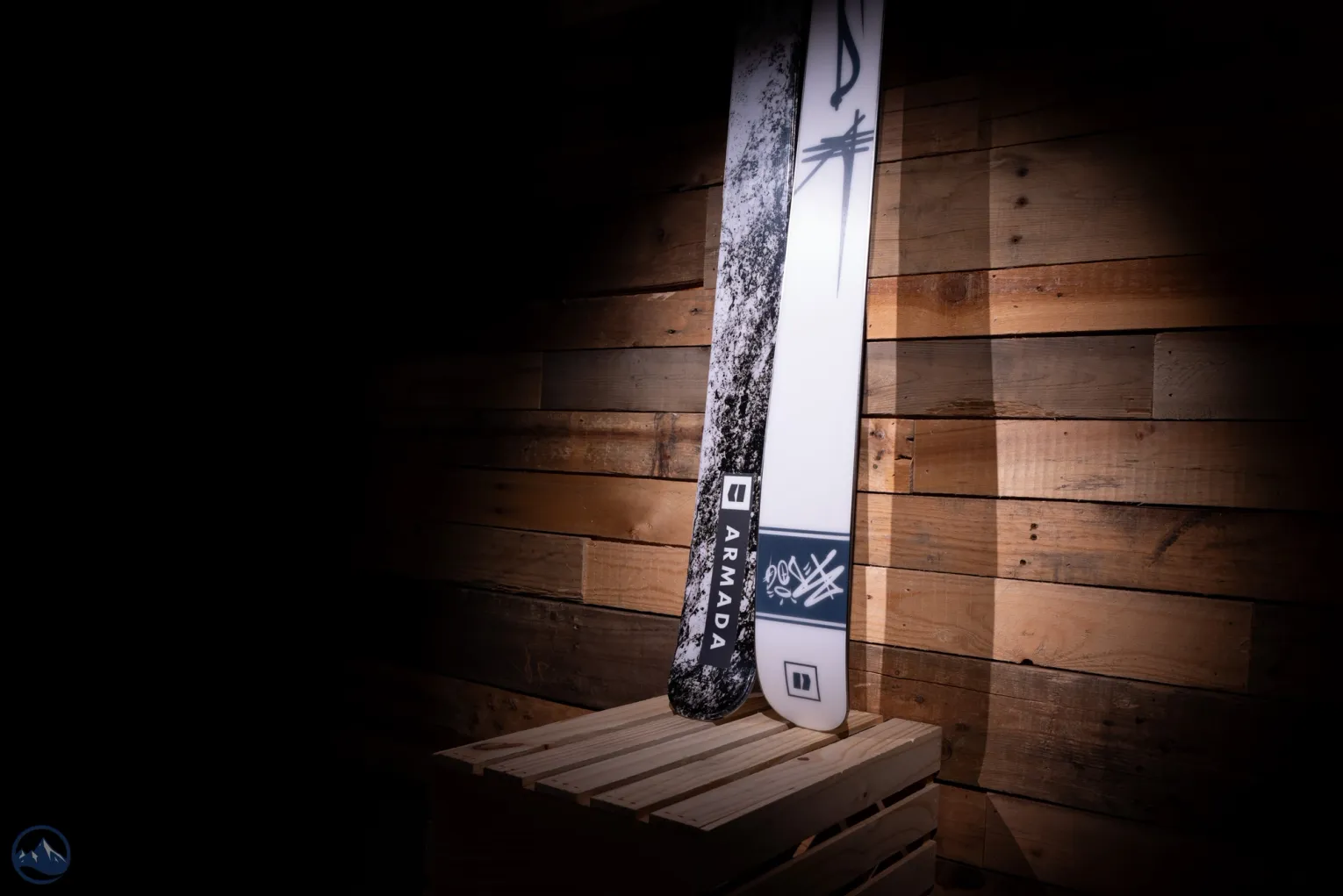
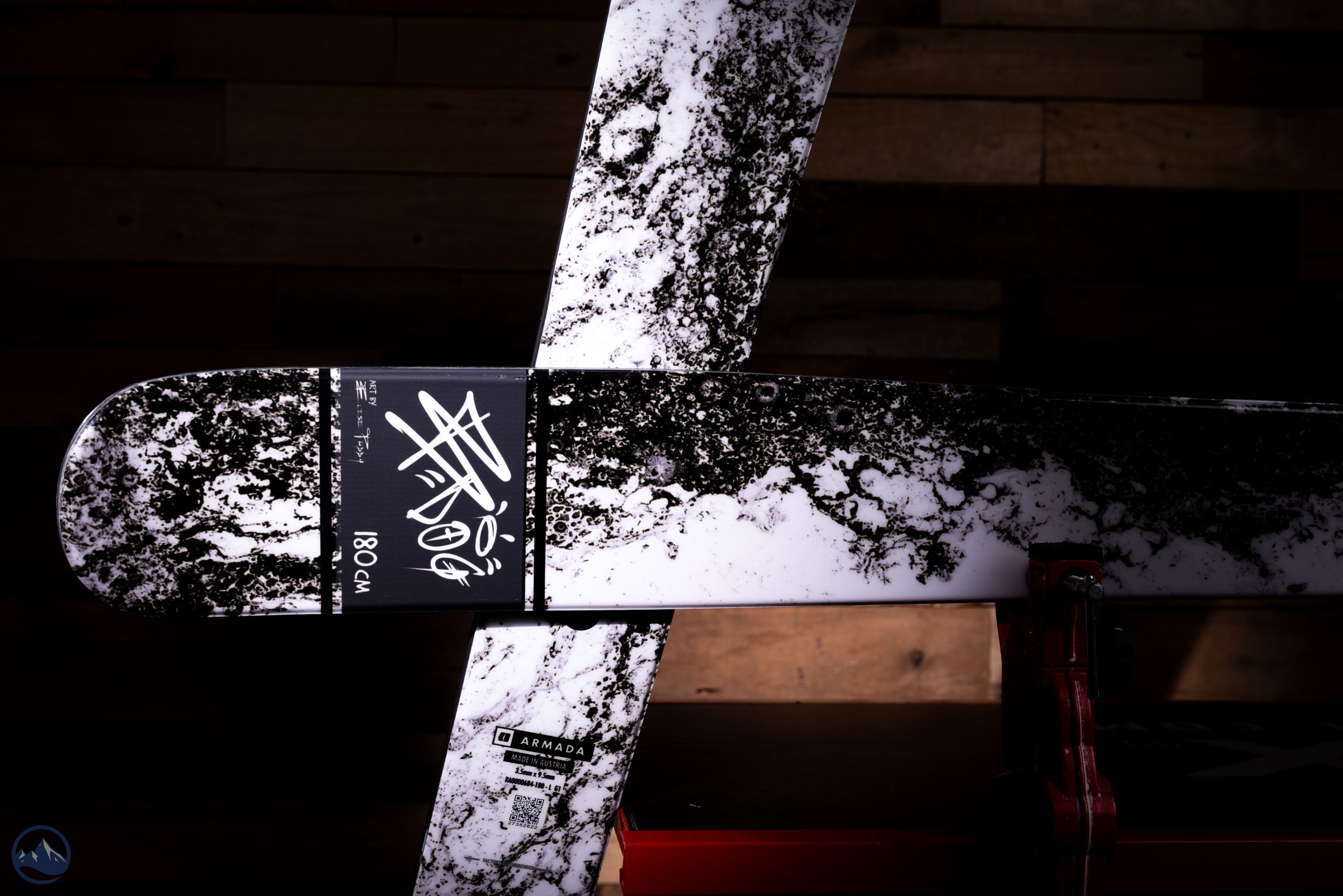
Similar to Henrik’s Edollo, Phil’s BDog uses a blend of poplar and ash in the core. These high-end freestyle skiers do seem to need a bit of heft in the ski to stand up to the rigors of aggressively playful style. The ash delivers stability and power while the poplar ensures that flexibility is found when asked. We get Armada’s AR75 sidewalls that leave the tips and tails capped and shiftier while keeping the underfoot sections stronger and more connected to the snow. This allows skiers like Phil to take full advantage of the thinner core profile at the ends of the ski and fully maximize the flex. From nose blocks to butters, the BDog is built to bend and not break. For such a flexible ski, it’s impressive how sturdy it feels, weighing in at 1950 grams in the 180 cm length. While the build is not terribly unique for a ski like this, we start to see more differences in the shape.
 The Rocker / Camber / Rocker profile of the 2025 Armada BDOG
Twin tips in the mid-90's are normally some of the most versatile and useful skis on the planet. The BDog is somewhat of an outlier. At 94 mm underfoot, the 121 mm tips and 116.5 mm tails generate a short 15-meter turn radius. The Circle Flex shape is the culprit here as there’s a ton of taper and almost a five-point sidecut to the ski that allows for that total creativity and groundwork specialty feel. The tips and tails are very spoony, and if you think about how this applies to the snow, it all makes sense. Phil is putting a lot of emphasis on the forebody and the tail of the ski to gain surface area and smoothness in a drifty sense. Most of the sidecut is found in the central third or so of the ski, so don’t expect true tip to tail edge contact—this is a very non-traditional shape. We get fairly symmetrical rocker in the tips and tails with not a ton of camber underfoot. Again, this leads to the BDog having a saucer-like feel and allows for ultimate creativity and style.
This is not a ski for normal skiers. Those who are interested in the BDog should know what they’re getting into. The flex is such that if you’re not ready or balanced, you will simply fold the ski in half. The shape is so dramatic and different that this ski simply turns on a dime and basically spin around on the ground without too much input. As a pro model, this is a specific and unique ski to a normal skier so beware if unsure.
Explore More