

2027 Black Crows Navis Freebird


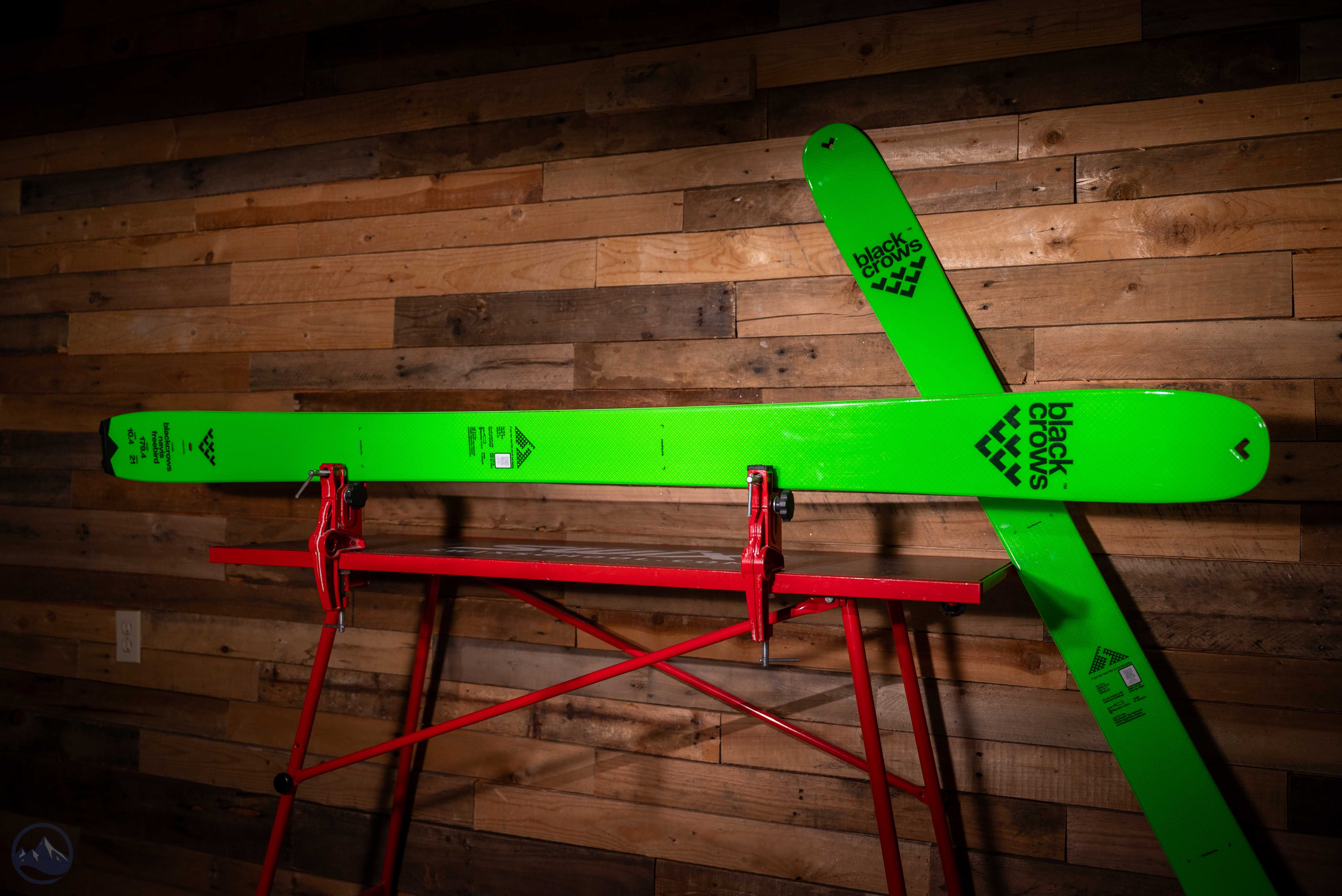
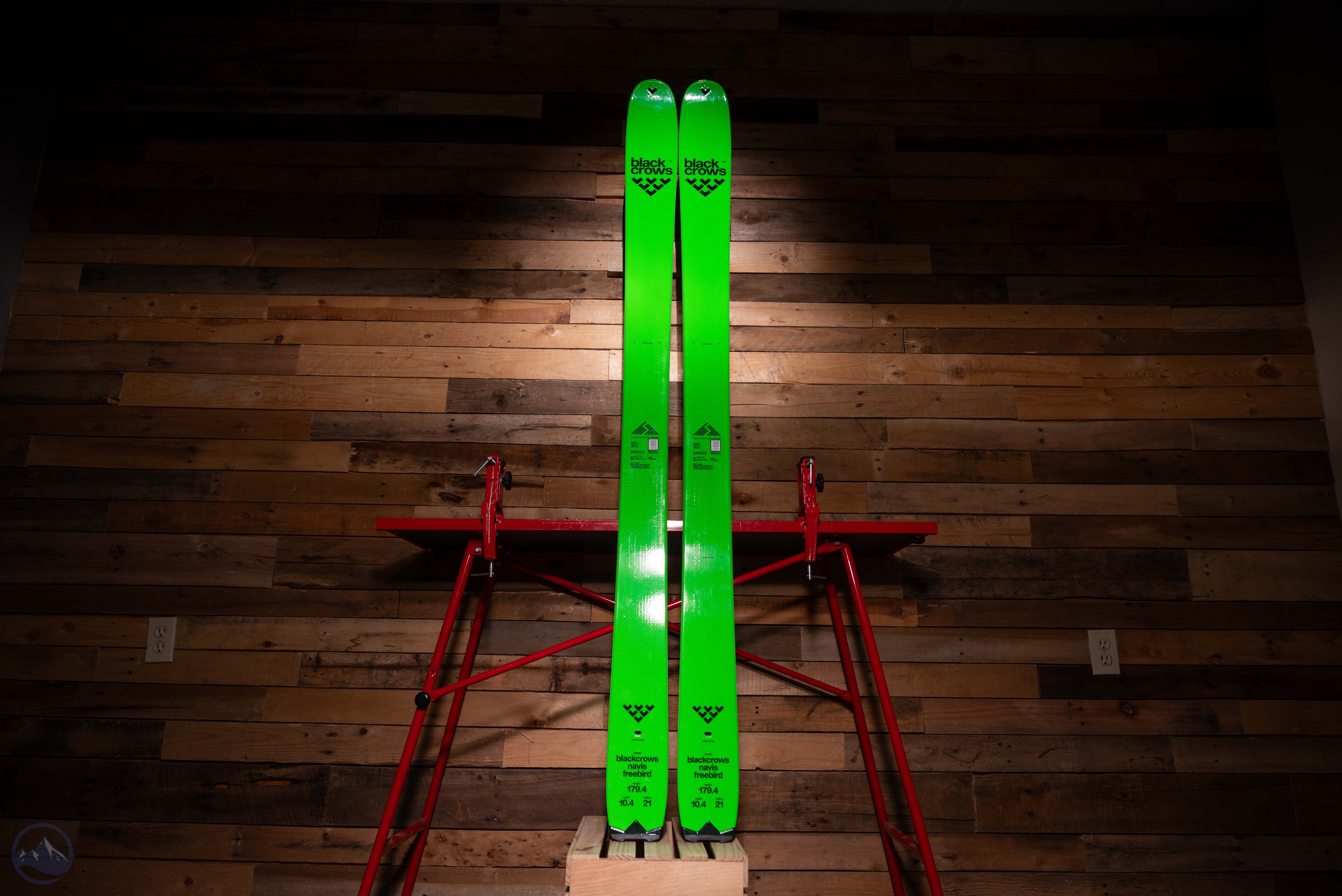
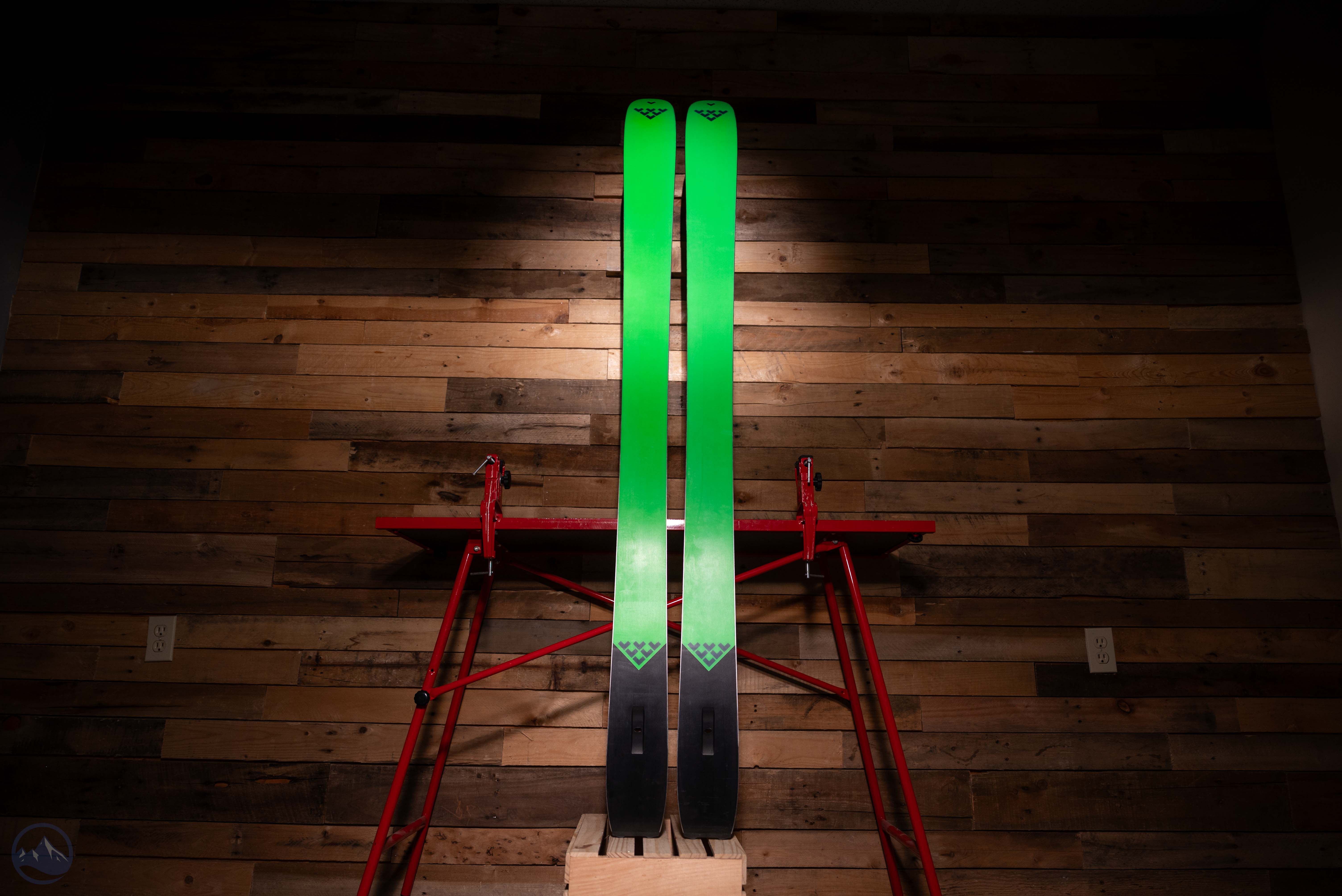
The all-new 2027 Black Crows Navis Freebird is a freeride-oriented touring ski that is both efficient and fun. This ski makes a lot of sense for backcountry enthusiasts who spend more of their time searching for softer and deeper snow while keeping resort use on the back burner. This ski has a lighter weight, a stiffer flex, and some boosted construction materials that make it stand up to aggressive big mountain skiing without losing uphill efficiency.
- Recommended terrain
- Touring, Big Mountain, Freeride
- Ability level
- Advanced, Expert
- Rocker profile
- Rocker/Camber/Rocker
- Construction
- Poplar/Paulownia Wood Core, Carbon, Fiberglass, Titanal, Sintered Base
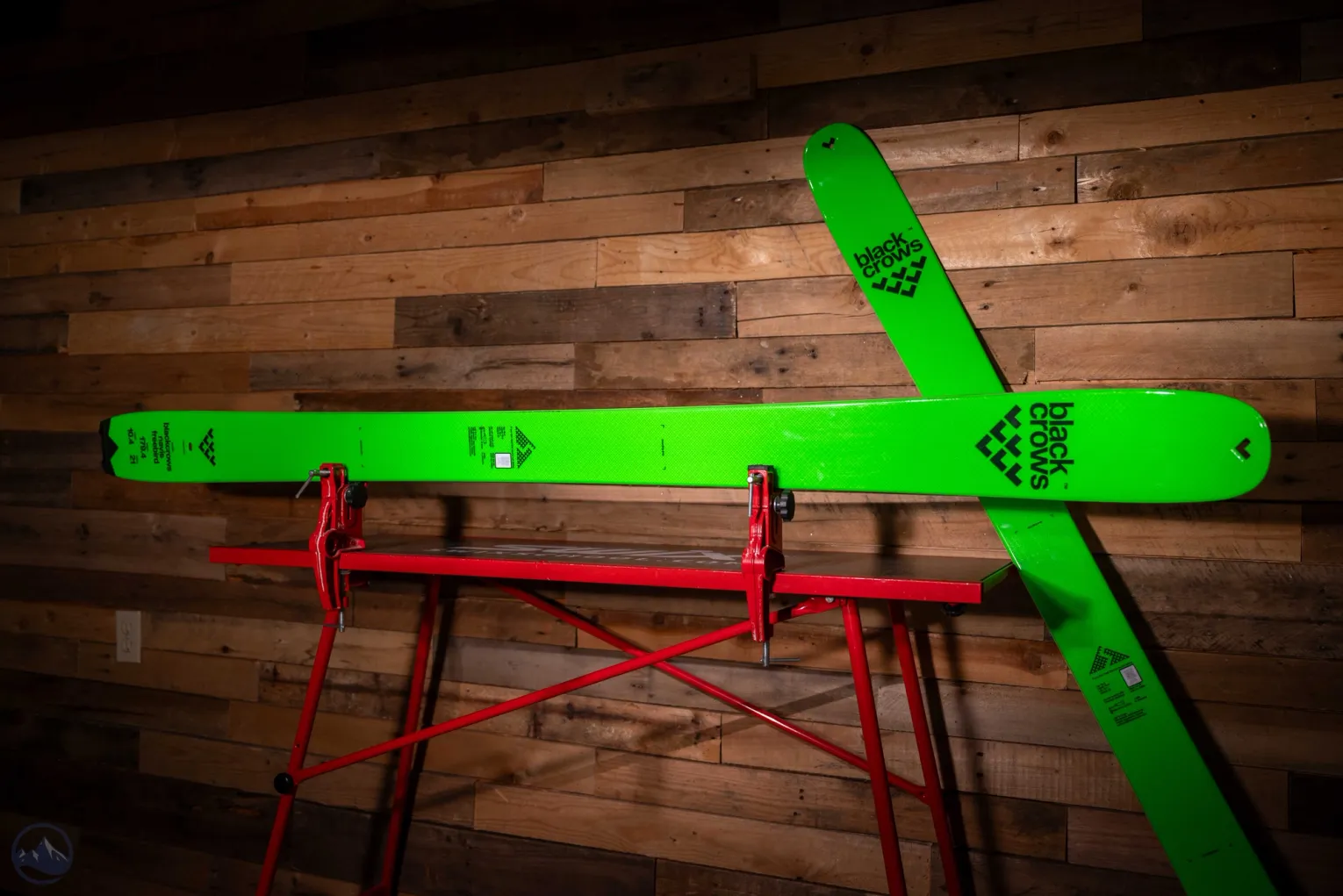
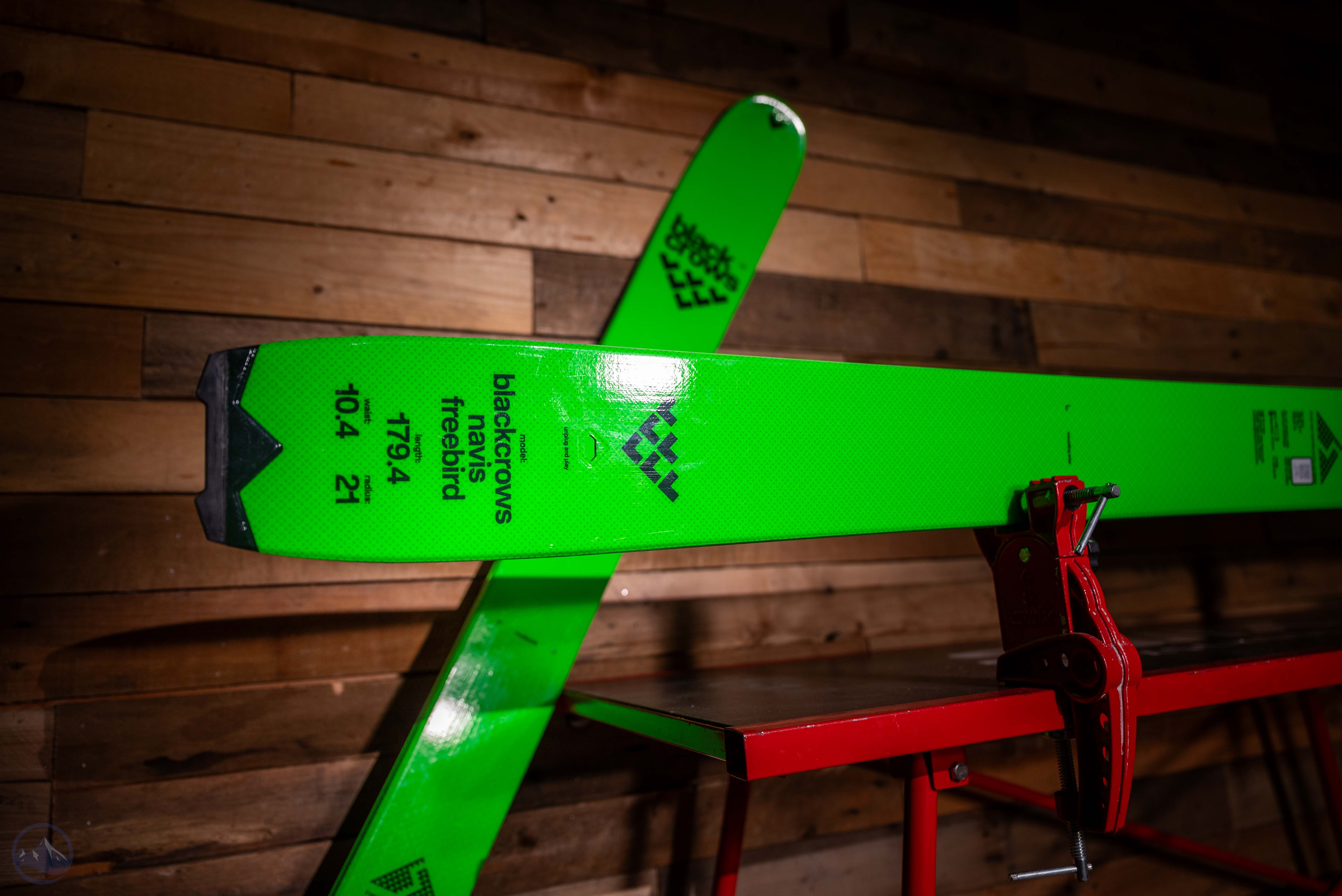
Built with a light wood core, fiberglass laminates, and a titanal plate under the bindings, the Navis Freebird has some big mountain and aggressive vibes for sure. While it feels a bit lighter from a downhill perspective versus the outgoing model, it retains a lot of the shaping principles that made it so successful. We also get new sizing for this ski, with lengths ranging from 165 to 186, making it more useful for a wider range of skiers. In the 179, we’re seeing a stated weight from Black Crows at 1575 g/ski. That’s a bit heavier than a super light touring ski, but we are dealing with added mass overall and some metal here. While some skiers will want the lightest possible touring gear, there are a bunch of others who prefer having a sturdier feel for the downhill side of the mountain. The new Navis Freebird also uses specific skin attachment points for their Pilus skins, making a cohesive setup for touring aficionados.
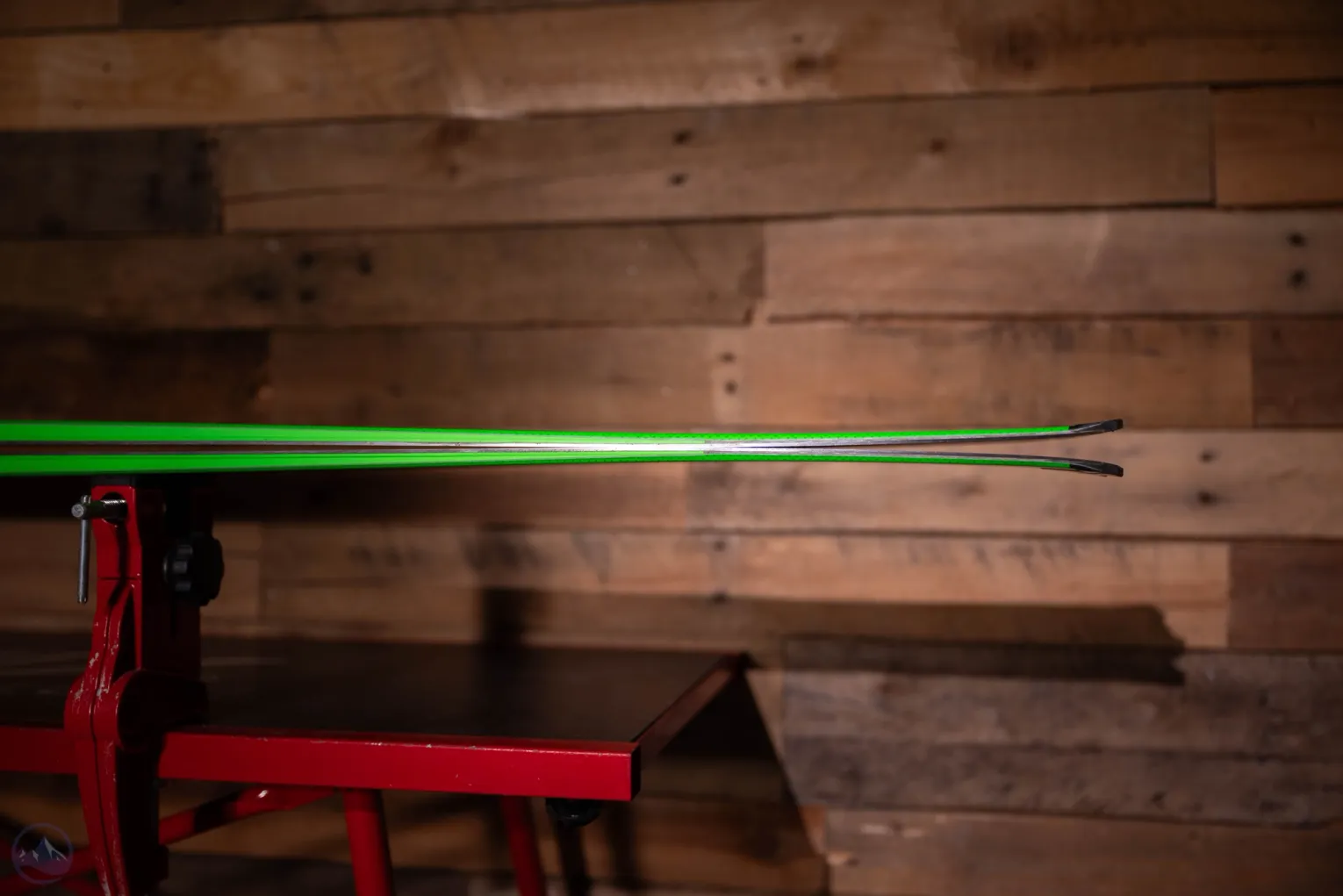
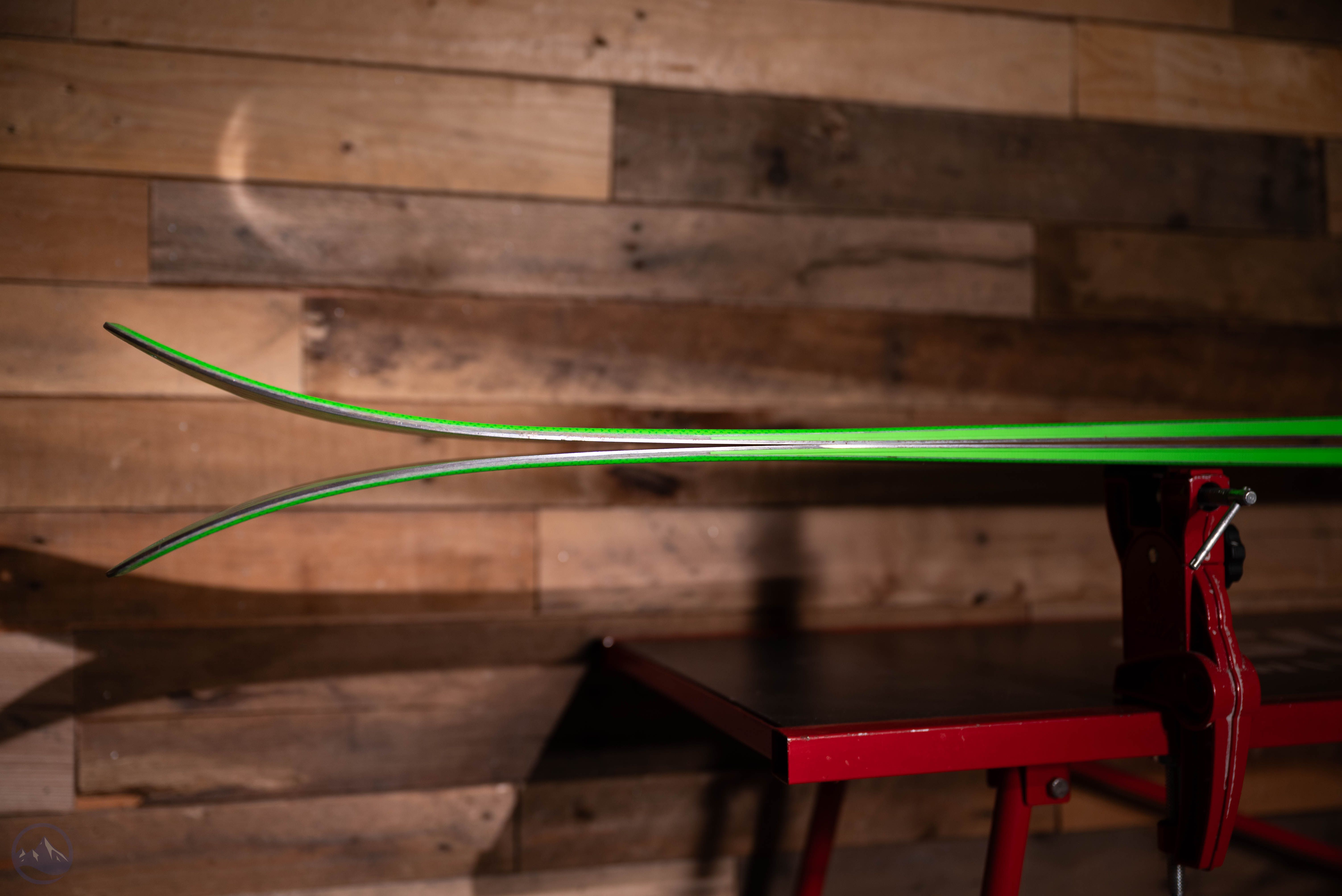
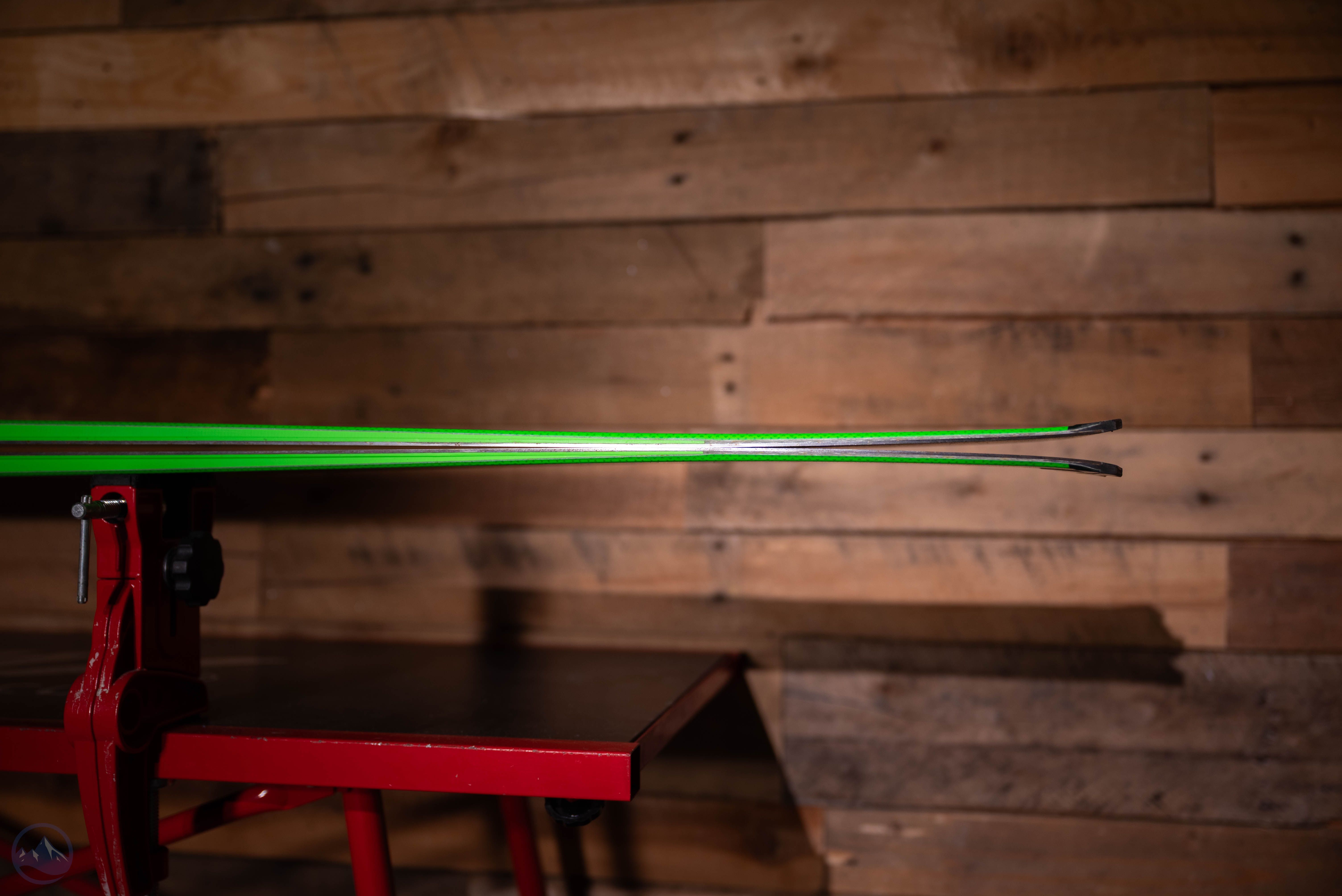
 The Rocker / Camber / Rocker profile of the 2027 Black Crows Navis Freebird
At 104 mm underfoot, these skis fit right into the floaty side of the touring category. We see extended shovel rocker and taper for flotation while keeping the tail flatter for increased efficiency in the climbs, keeping the skin more firmly affixed to the ski and the snow. The Navis Freebird also uses a slightly longer turn radius of 21-meters which gives skiers more freedom to choose their turn shape and style on the way down. These skis use a medium camber height underfoot for energy and edge grip—many athletes and adventure skiers not the need for grip when they’re in more technical terrain, so it makes good sense to see it here in this ski.
We find the Navis Freebird to be more of a touring-specific ski, but that can be flexible. There’s some pop and power here which allows the ski to be able to vacillate between on and off-trail capabilities. While I don’t see many resort-based skiers using this as a daily ski simply because they’re looking for something light, I also don’t think it’s out of the realm of possibility.
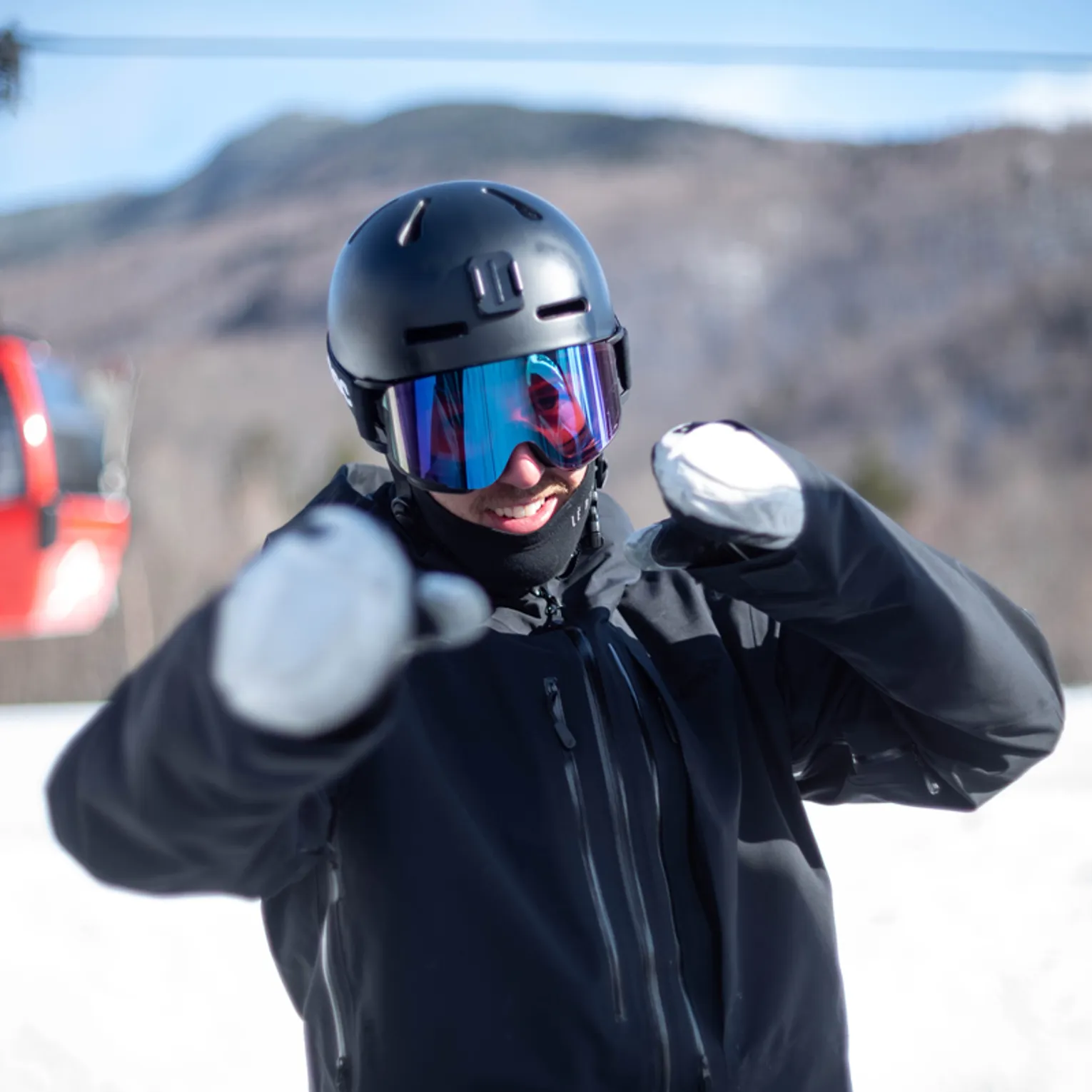
- Ability
- Expert
- Height
- 6'2"
- Weight
- 195
- Days / Year
- 140
- Age
- 27
- Years Skiing
- 26
Explore More



