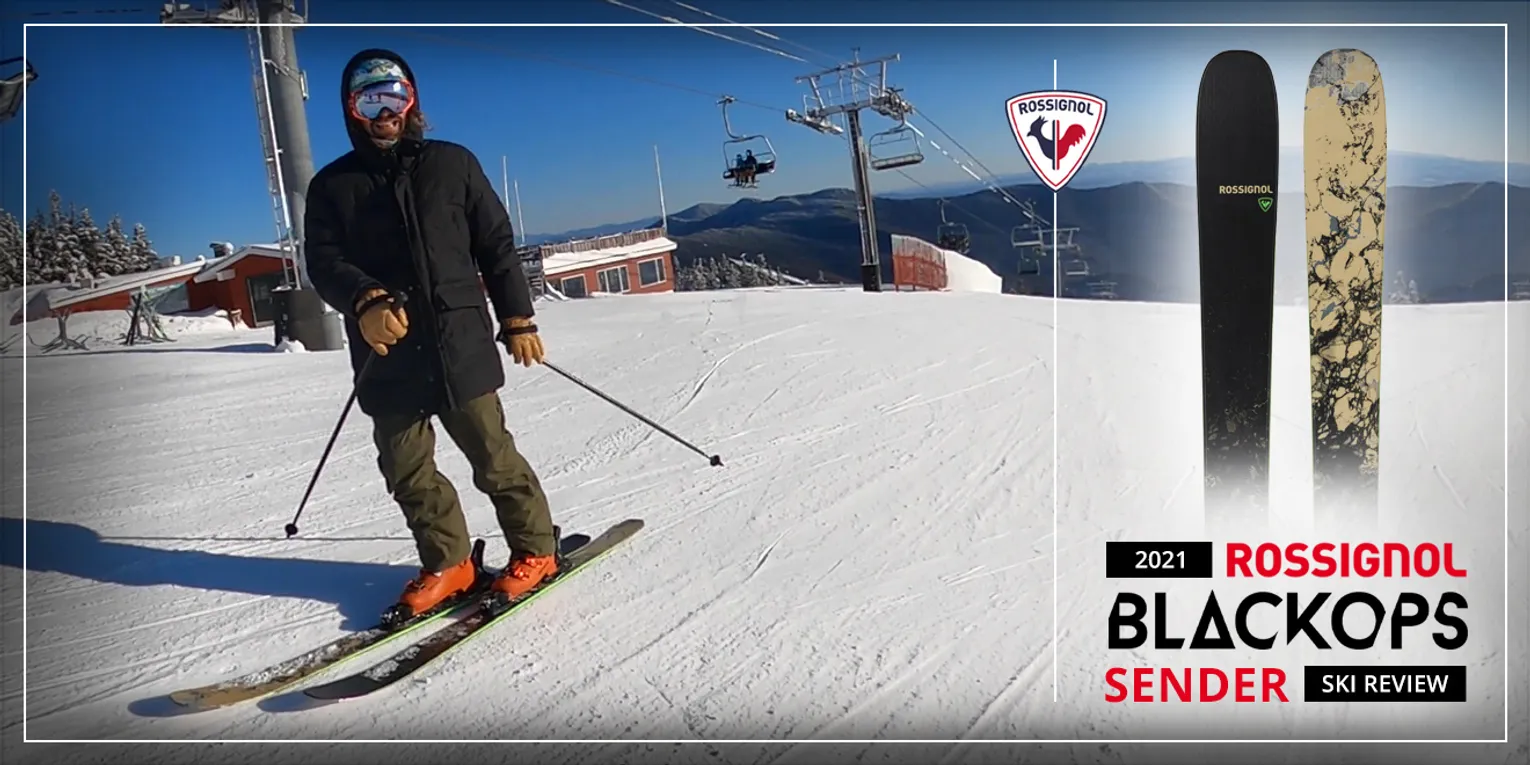
2021 ROSSIGNOL BLACKOPS SENDER SKI REVIEW
About a month ago, we released our introduction and review of the new Rossignol Sender Ti. Since then, a lot has changed in the world. Most all of us are practicing social distancing, ski resorts are closed around the world, and needless to say, it’s a relatively unprecedented time. Before we get into this review, we wanted to share something fun. April has been scheduled as the Rossignol month in our #SkiHappy photo contest. As skiing comes at a premium these days, we’ve changed the contest to #StayHomeHappy. Follow this link to learn more, but we’re excited to see how you’re all staying happy, healthy, and positive at home right now. The winner will walk away with a pair of the skis we’re talking about today, the Rossignol Sender.
As we mentioned in that last review, Rossignol is taking a huge step going into the 2020/21 ski season with a new collection of freeride skis. Gone is the iconic 7-series, home to the Soul 7, which became one of the most popular skis in its category over the past decade or so. Those skis, and particularly the Soul 7, were known for their maneuverability and soft snow prowess. Some skiers, however, wanted a more powerful, stable feeling ski. Enter the Black Ops collection. The Black Ops started as burly twin tip freeride skis, and the introduction of the Black Ops 98 started to satisfy some of those demands. Now, however, Black Ops has been expanded into an entire collection of skis, which is home to the non-twin-tip, directional replacements to those 7-series skis.
The Sender Ti is getting a lot of attention and focus right now with its somewhat-crazy 180-194 cm length range and the fact it has a lot of metal. That’s pretty common in the ski world, we are often quick to look at the biggest, strongest, ski. This Sender, however, has many of the same characteristics as the Sender Ti, and if anything is going to replace the sheer volume of how many Soul 7s were on the snow, it’s this ski, not the Sender Ti.
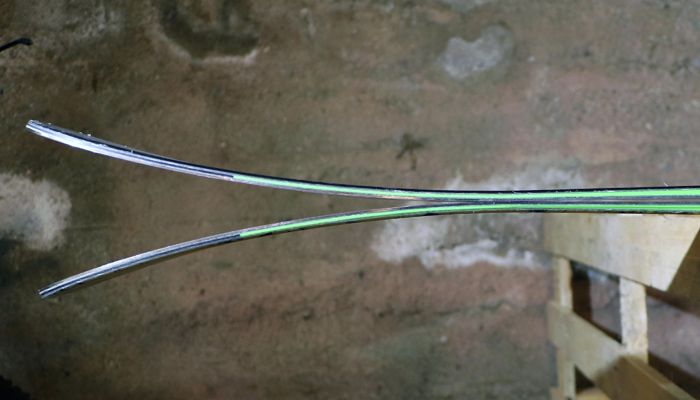
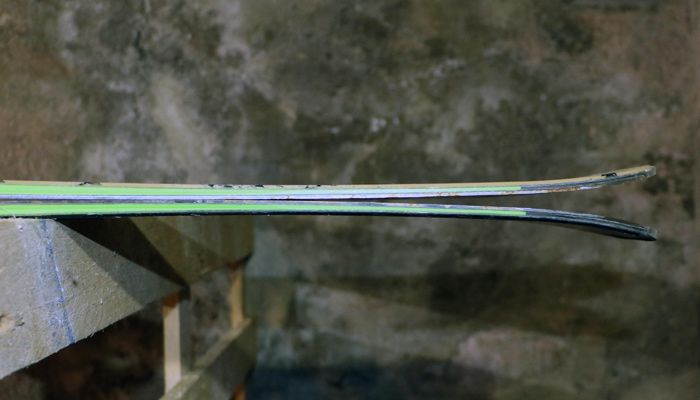
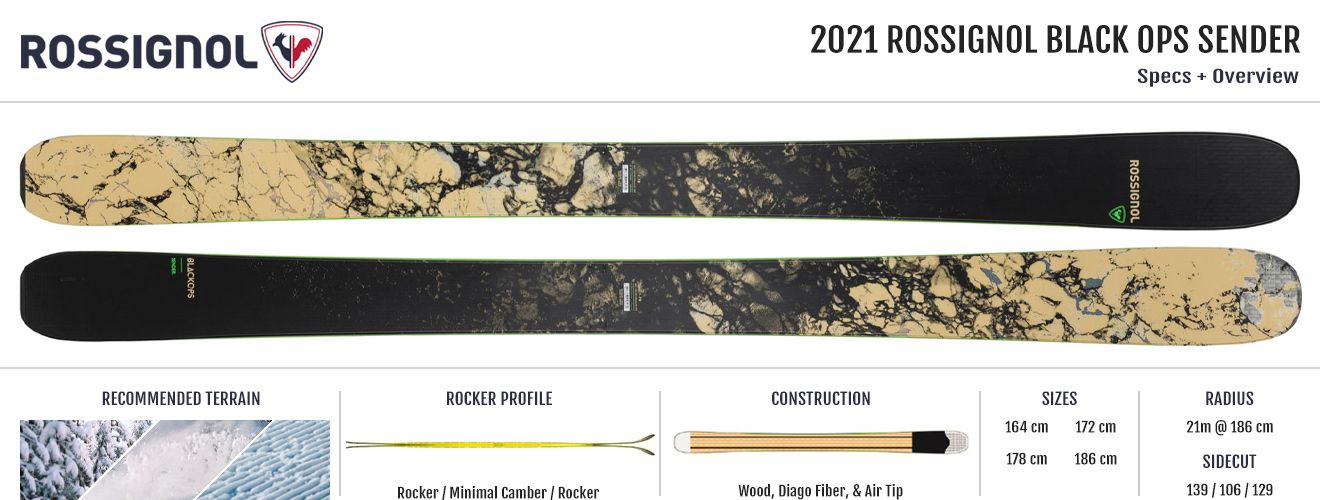
The skis practically look identical, with the Sender using green sidewalls and accents and the Sender Ti using yellow. The recipe is similar, but it is different, so let’s talk about that. The Sender uses a paulownia wood core instead of poplar. It also uses Visco rubber line control technology instead of ABS material. As a refresher, line control technology (LCT) refers to vertically laminated strips running through the core, along the longitudinal axis. It also has less metal, with just a partial sheet of metal underfoot. Like the Sender Ti, that metal actually varies from length to length to help ensure a consistent flex pattern throughout the length options. The rest is just about the same. The Sender has the same Damp Tech (rubber) in the tip and also the same Air Tip insert. These changes make the ski feel slightly softer flexing and also quite a bit lighter. In fact, the Sender sheds about 300 g off the Sender Ti in comparable lengths.
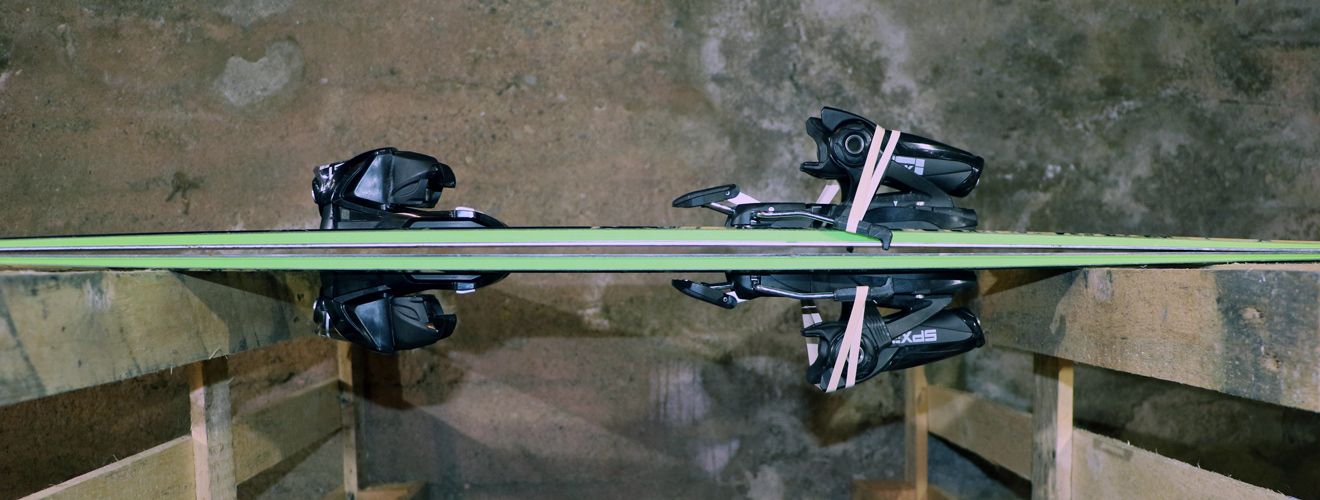
The shape is exceptionally similar, but it actually is a different mold all together. Kudos to Rossignol on that one. It would have been significantly cheaper for them to use the same mold, undoubtedly. The fact that they didn’t is a testament to their commitment to proper performance. Most notably, we have a different range in lengths. The Sender features a 164, 172, 178, and 186 cm range. Remember, the Sender Ti is just 180, 187, and 194 (I still can’t get over how long 194 cm sounds). Beyond that, the same overall principles hold true. It has longer tip rocker than tail rocker, but that tip rocker is less pronounced than it was in skis like the Soul 7. Tail rocker is relatively minimal. The taper angle on the Sender is just about the same as the Sender Ti, and both are far less abrupt than the 7-Series skis.
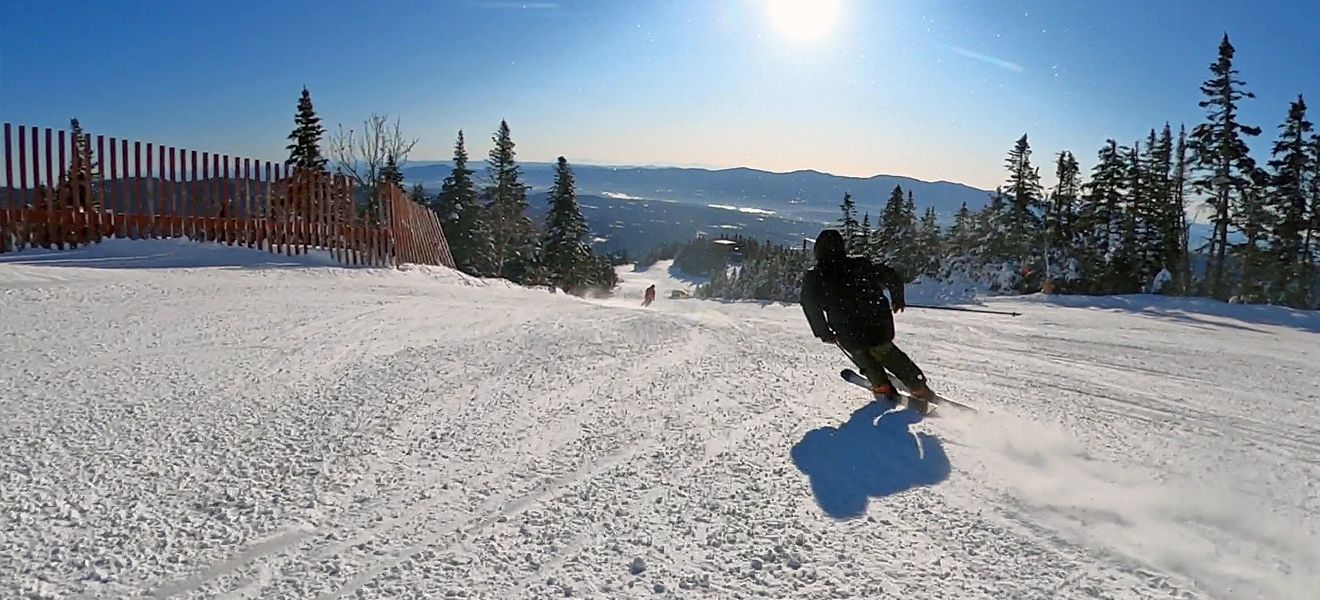
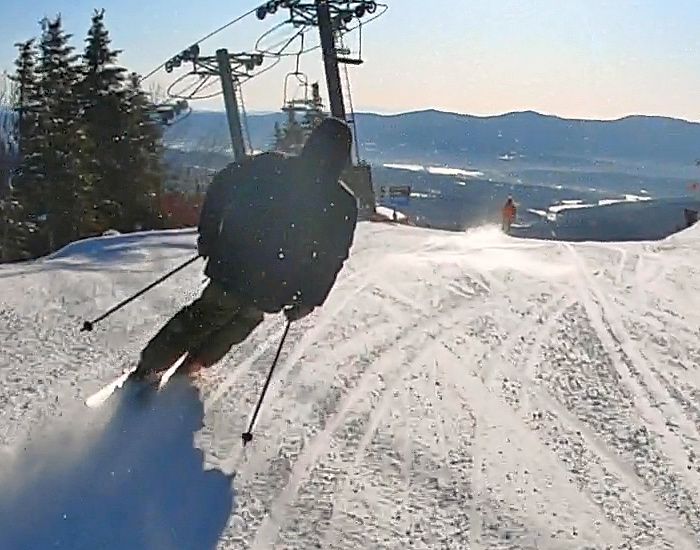
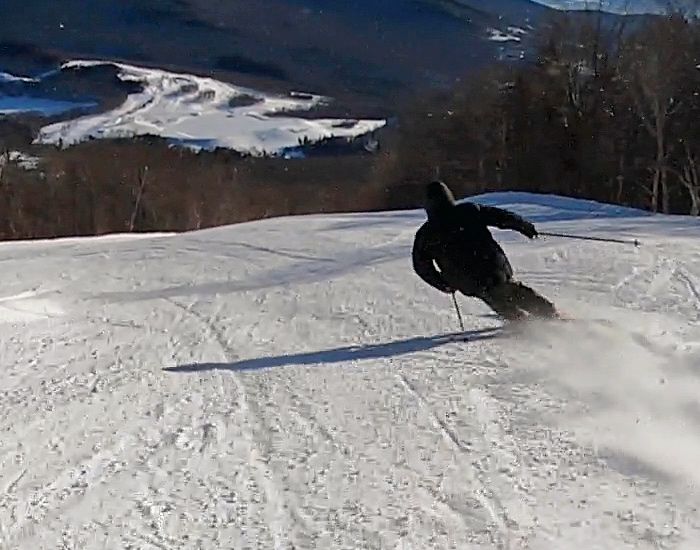
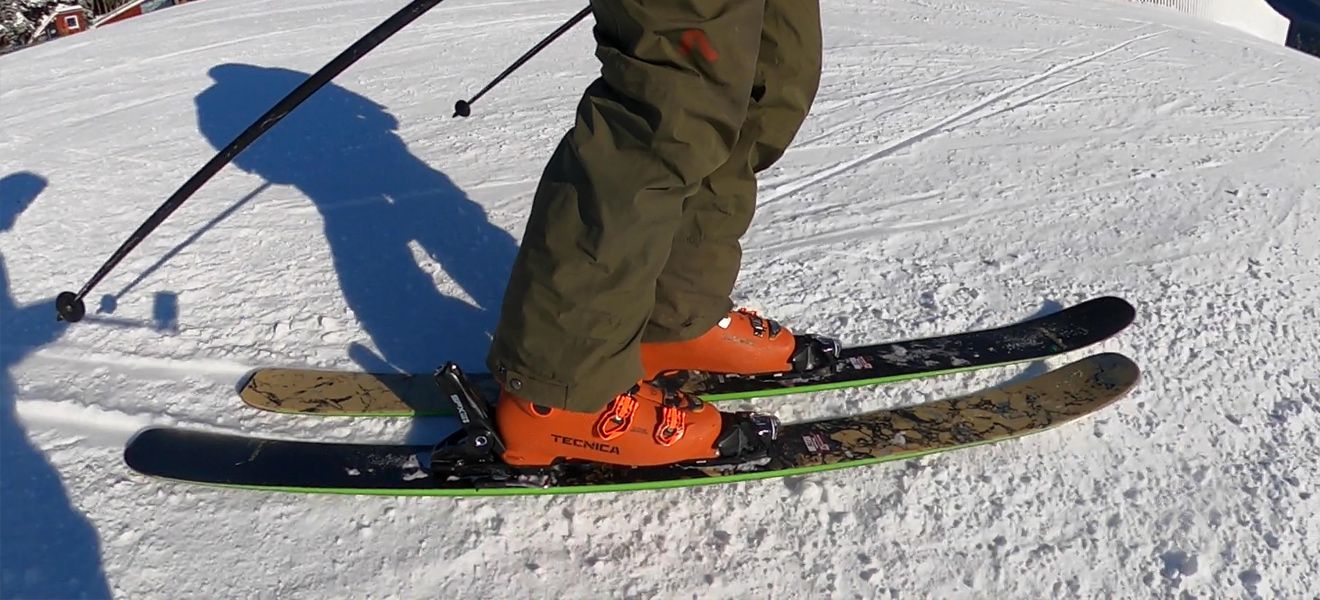
So, those are the major differences between the Sender and the Sender Ti. How does that translate to performance? Well, overall, they have a similar attitude. These skis are damper and have superior edge grip to the skis they are replacing, hands-down. Using rubber for the Line Control material in the Sender makes it exceptionally smooth and damp. If you’ve skied the Black Ops 98 (which is now the Holyshred for 2021), it has a similarly quiet, damp, and smooth feel. Although the Sender Ti feels stiffer overall, you still get really good energy out of the tail of the Sender. It’s far more responsive out of a carving turn than the Soul 7 was. It might not have the raw power of the Sender Ti, but for most skiers, that’s probably a good thing. At 150 lbs, I have an easier time flexing the Sender into a shorter radius turn than the Sender Ti. The Sender Ti lets you ski like a missile, straight-lining whatever you want and mobbing through choppy snow, but it doesn’t allow for different turn shapes as easily as the Sender. It makes very round, relatively quick turns, and overall feels a little more forgiving too.
That forgiveness and the lighter weight helps in tricky terrain, too. Between the fact that there are shorter lengths to choose from and the fact that it’s lighter, the Sender is going to be the better tree ski, at least for more skiers and in most trees. Heavy or particularly aggressive skiers in wide open western tree runs would be the only situation where I don’t see that claim holding true. It’s quicker for east coast trees for sure, which makes it feel like a better one-ski-quiver choice for the general public. And that likely holds true for western skiers too, even though that quickness isn’t as valuable. If you’re not charging down aggressive terrain, the lightweight feel and slightly softer flex pattern of the Sender is probably a better choice for you. The Sender is also the better alpine touring ski, mostly because of the weight, but also because of its compliance for variable snow conditions and super-smooth feel. Of course, there will be exceptions to this. Some skiers will want the extra metal, the stiffer wood, and the more powerful feel of the Ti and they will be willing to sacrifice some weight.
Overall, both the Sender and Sender Ti are fantastic skis. They’re both improvements over the Soul 7 that they’re replacing too. There’s a place in the world for both of them, that’s for sure, but we guarantee you’ll see more green sidewalls than yellow sidewalls next ski season. It’s a highly rewarding ski, and one that can be enjoyed by a huge range of skiers.