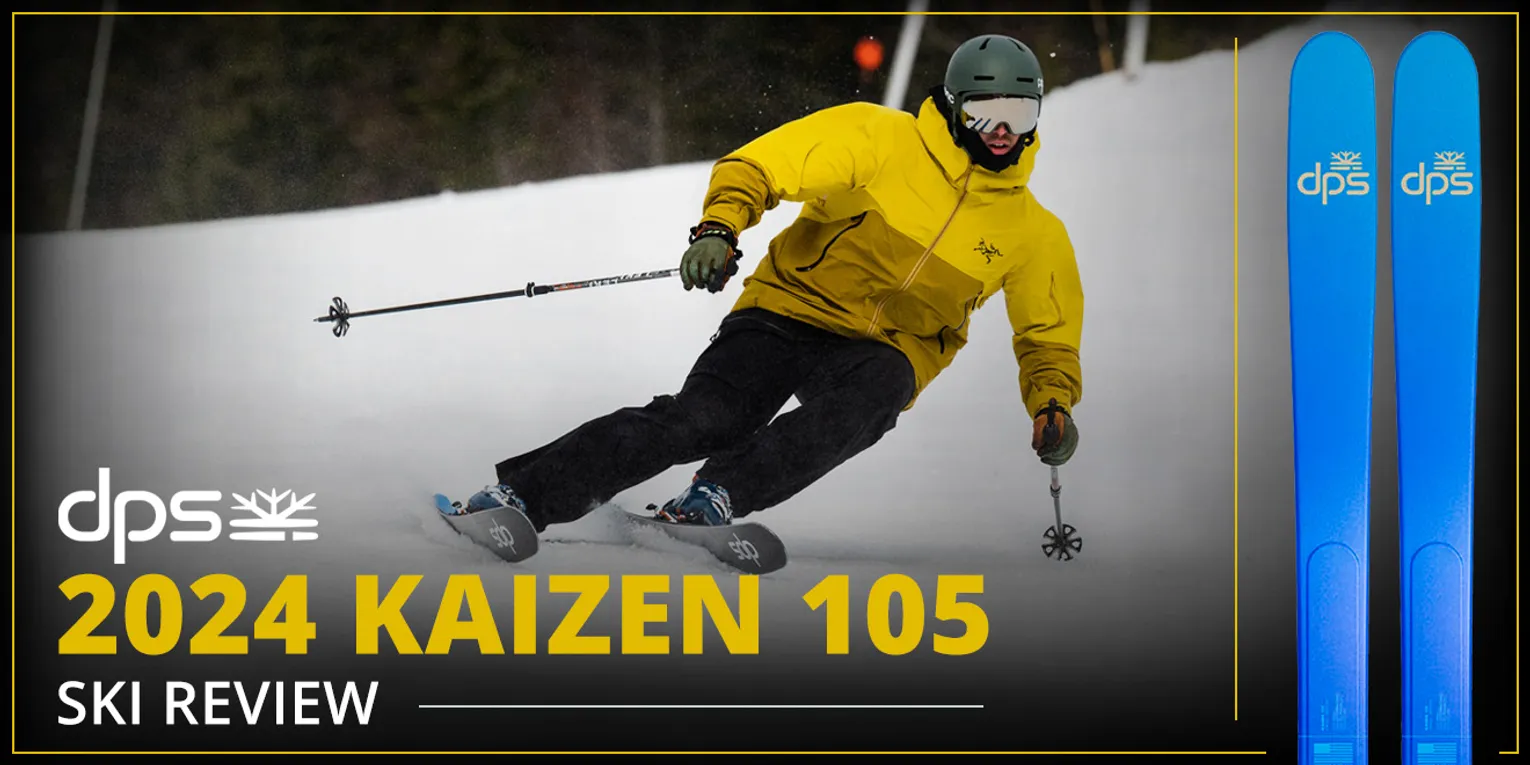
2024 DPS Kaizen 105 Ski Review
Handmade in the U.S.A, and at the forefront of shaping and construction innovation, DPS has quietly been an industry leader for over a decade now. It’s not that they have their system dialed in more than anyone else, it’s more that they are not afraid of creativity or experimentation. In that light, the Pagoda skis from the past few years have been replaced by Kaizen, and the 2024 Kaizen 105 is the benchmark ski in this category of directional freeride skis. While some of what follows may sound familiar, there’s quite a bit of subtlety going on here that makes Kaizen 105 stand out and separate itself in a creative and performative manner. The move to Pagoda was a big one for DPS, creating skis that excelled both on and off-piste, but it’s fair to say they ran into a wall with those skis, for better or for worse. I, for one, was a huge fan of the Pagoda 100 RP—I loved the shorter turn radius, the light and stiff build, and the overall energy coming out of the ski. Happy to report, the Kaizen 105 keeps a lot of those same characteristics and adds some new twists of its own to ensure proper ski happiness for a variety of skiers. Since inception, DPS has experimented with wild shapes for powder-specific skiing. Those banana-esque profiles have diminished somewhat, but you can tell the flavor and inspiration is still very much intact. They moved from the RP (Resort Powder) and C2 (Chassis 2) monikers to Rocker and Directional, clearing the air somewhat while keeping the principles the same. This Kaizen follows closer to the Pagoda 106 C2 than any other ski, so it stands to reason that Kaizen 105 falls into the Directional realm of the shaping names. Whichever way you want to call it, it’s a fun, light, versatile ski for strong skiers who, above all else, value
Precision and Quality. The build of the DPS skis has always been heavily reliant on carbon, and that has not changed in 2024. DPS has been right at the forefront of full carbon laminates, and it’s served them well over the years. Skiers get an amazingly strong and energetic ski at a pittance of the weight. For deeper snow, poppy groomer performance, and agile maneuverability, this has always been a big upside for the DPS ski engineers. The fact that they use legitimate dual-carbon laminate has always been impressive, and that carries forward into Kaizen, but with some upgrades to the carbon fiber. It’s always been aerospace grade, so improvements on this would seem tough to come by. While the details on the updates seem secretive, DPS is claiming that the new carbon is constructed to harness more energy. For the wood core, DPS is taking their Pagoda build to the next level. They were quite innovative by layering horizontal and multiple blends of wood in order to create an effect, and they’ve upped their level of sophistication for Kaizen. We’ve seen some intriguing uses of horizontal wood laminates recently, most notably from Dynastar in their M-Cross series and Nordica in their Spitfire and Steadfast skis. By pressing these lateral laminates together, ski companies are able to blend different properties in a more macro-sense rather than using vertical stringers. Overall, this horizontal laminate seems to jive well with the carbon layers insofar as keeping the ski damp throughout without being too stiff. Vertical stringers of wood combined with two lateral carbon layers could make the ski unreasonably stiff. Kaizen, as a result, features a World Cup race base followed by a full carbon laminate. Then they use a horizontal ash wood layer below a poplar laminate. Milled into the cental portion of the poplar is a binding reinforcement and then the ski’s second carbon layer. DPS has long used a textured polyamide topsheet, and that does not change for 2024. In the ash layer, we also see a full-wrap integrated sidewall that extends slightly into the core for more cohesive of a feel. The sidewall material thins and narrows as it gets closer to the ends of the skis, but it never truly ends, again leading to the cohesiveness of the build and smoothness of character. All told, the 184 that I skied came in at 1910 grams per ski, and a lot of that is due to the ash wood. Otherwise, it’s pretty darn maneuverable, and that’s pretty much all the responsibility of the
At a Glance:
2024 DPS Kaizen 105

| AVAILABLE SIZES | TURN RADIUS | SIDECUT | WEIGHT | PRICE |
|---|---|---|---|---|
| 155, 163, 171, 179, 184, 189 cm | 18 m @ All Sizes | 134 / 105 / 118 mm | 1,800 g @ 179 cm | $1,549.00 |
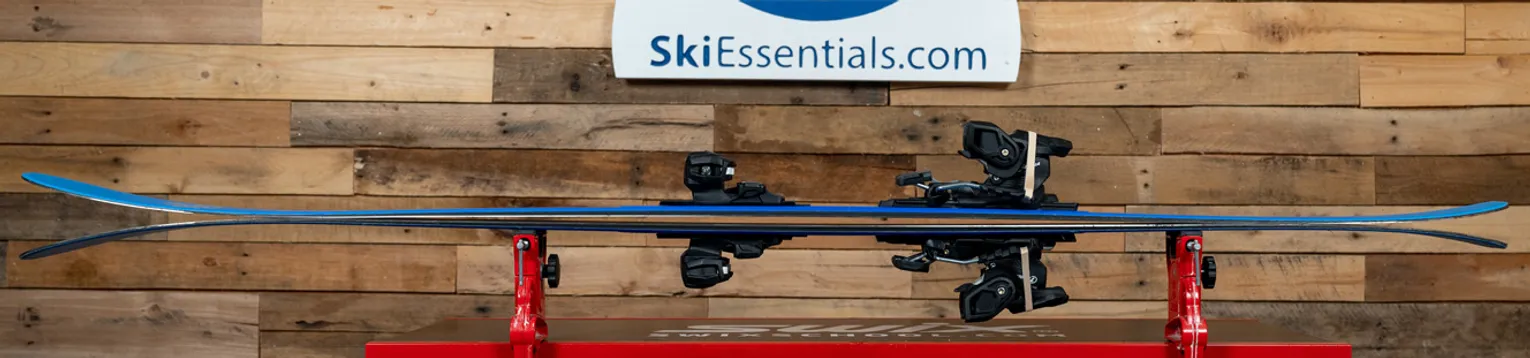
Shape. This is where the ski really starts to separate itself from the rest of the pack. By utilizing their new directional footprint, Kaizen 105 settles into an 18-meter turn radius rather nicely. The 105 mm underfoot width stays the same through the sizing, with the tips and tails changing to achieve that arc. In addition, and like we’ve talked about with RP shaping specifically, the taper and rocker adjust to meet this radius criteria as well. The Directional shape is more of a blend of RP and C2, resulting in about a 60% effective edge and 40% rocker. These numbers will change per length, so the longer the ski, the greater the rocker and deeper the taper. From a sizing perspective, this can also affect how you choose a length. At 6’2 225, I could ski the 189, but generally prefer the 184 in this style of ski. That holds true for Kaizen 105—my experience on the 184 led me to believe that the longer or shorter lengths would add nothing to the performance or overall feel. If anything, I’d go to the 179 over the 189 due to the sturdiness of the build and the stiffness of the ski. Versus Pagoda 106 C2, the new Kaizen 105 has a flatter tail profile with fairly dramatic taper. The old ski carved great for a 106, and this new one does as well, but Kaizen is not nearly as locked in at the tail. This one is smoother, more fluid, and easier to use overall as a result of that taper. In softer snow, the Pagoda wanted to stay somewhat stuck in that turn while Kaizen’s shape allows for easier manipulation. Since the taper brings the widest point of the tail up towards the middle of the ski, we do get that 1-meter drop in turn radius as a result. Interestingly, because it’s not as hooky, it feels more stable at speed, and that brings us to
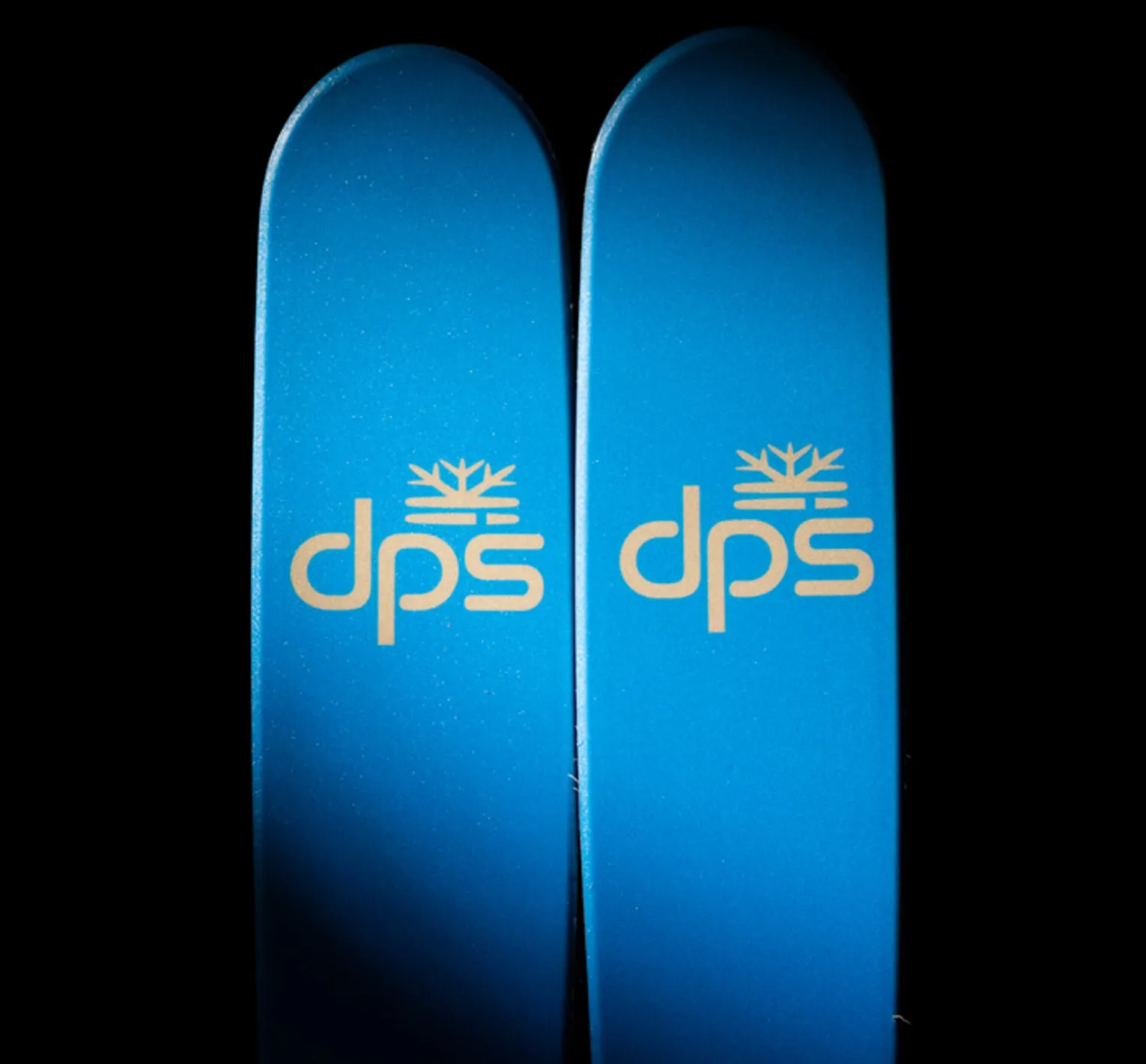
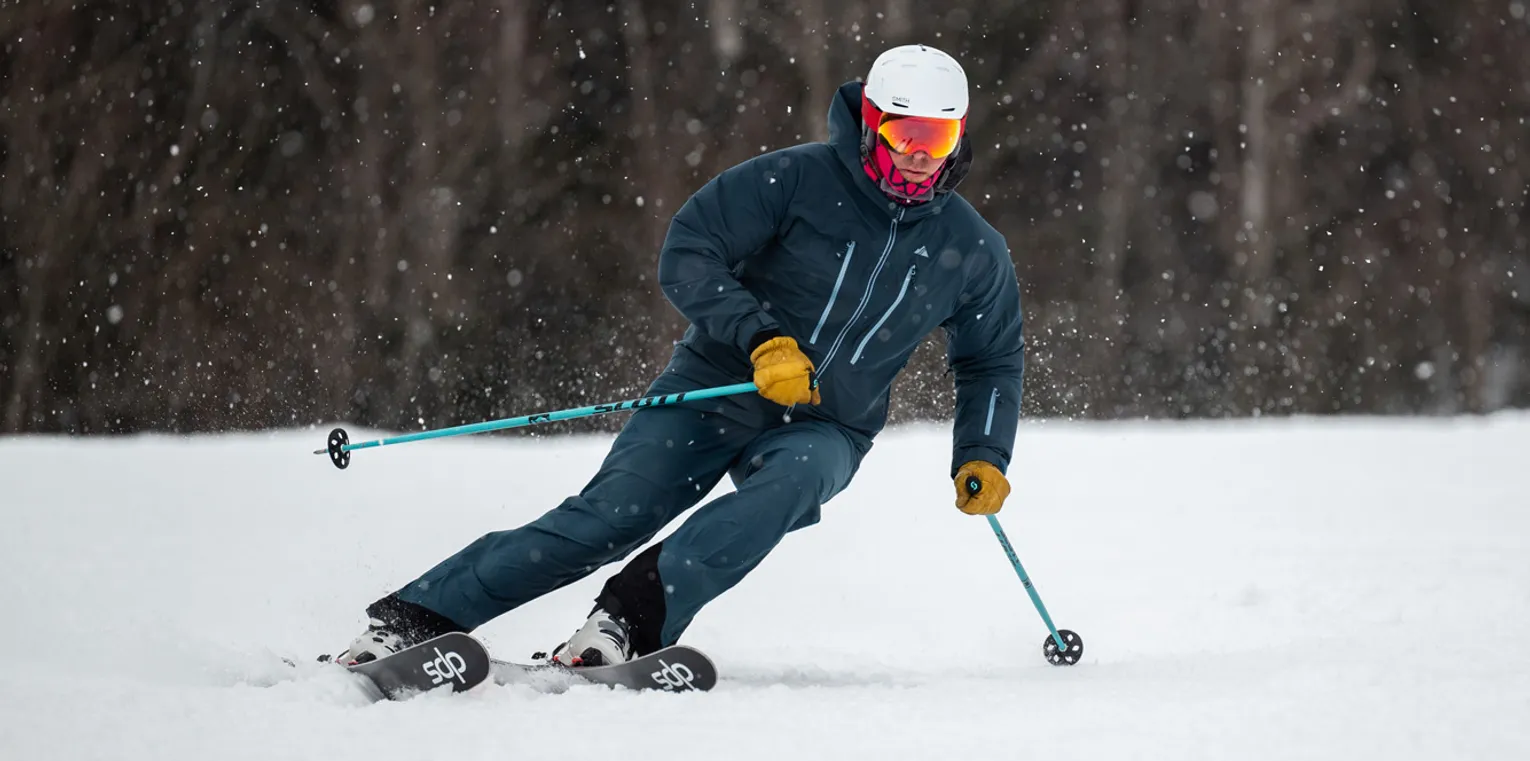
Performance. This thing is sharp, precise, reactive, and exacting. On-trail, it’s simply amazing how much DPS gets this ski to light up. While most of our time filming was spent in off-piste scenarios, I was able to sneak in some high-speed solo laps while the camera wasn’t running. In this realm, the ski holds a very impressive edge at very high speeds and does so with the smoothness and composure normally reserved for a dual-metal laminate build. What DPS does with carbon is amazing. The blend of those two laminates with the ash wood is a comprehensive match. The density and stability of the wood perfectly plays against the volatility and reactivity of the carbon to foster a balanced, symbiotic relationship. The poplar acts as a mediator in this scenario, giving the ski a much-needed middle ground on which to find your home. Initiation, in a word, is crisp. The thinness of the forebody hooks right into the snow, and it behooves the skier to be prepared for this movement. The midbody of the ski is eager to follow, and if you’re ready to get the ski onto a high edge angle, you’re going to be rewarded with ample edge grip and a solid release from the tail. Finding the middle of the ski is not entirely innate—it does take some work to find the sweet spot, but that’s kind of the way it goes with carbon-powered skis that are this light. We’ve found this to be true with the Head Kore skis as well, so first impressions may not be fully indicative of future results. Similar to the Kore, we also found that the expectation of soft snow performance does not meet reality, mainly because the ski is light and agile enough to overcome the stiffness involved.
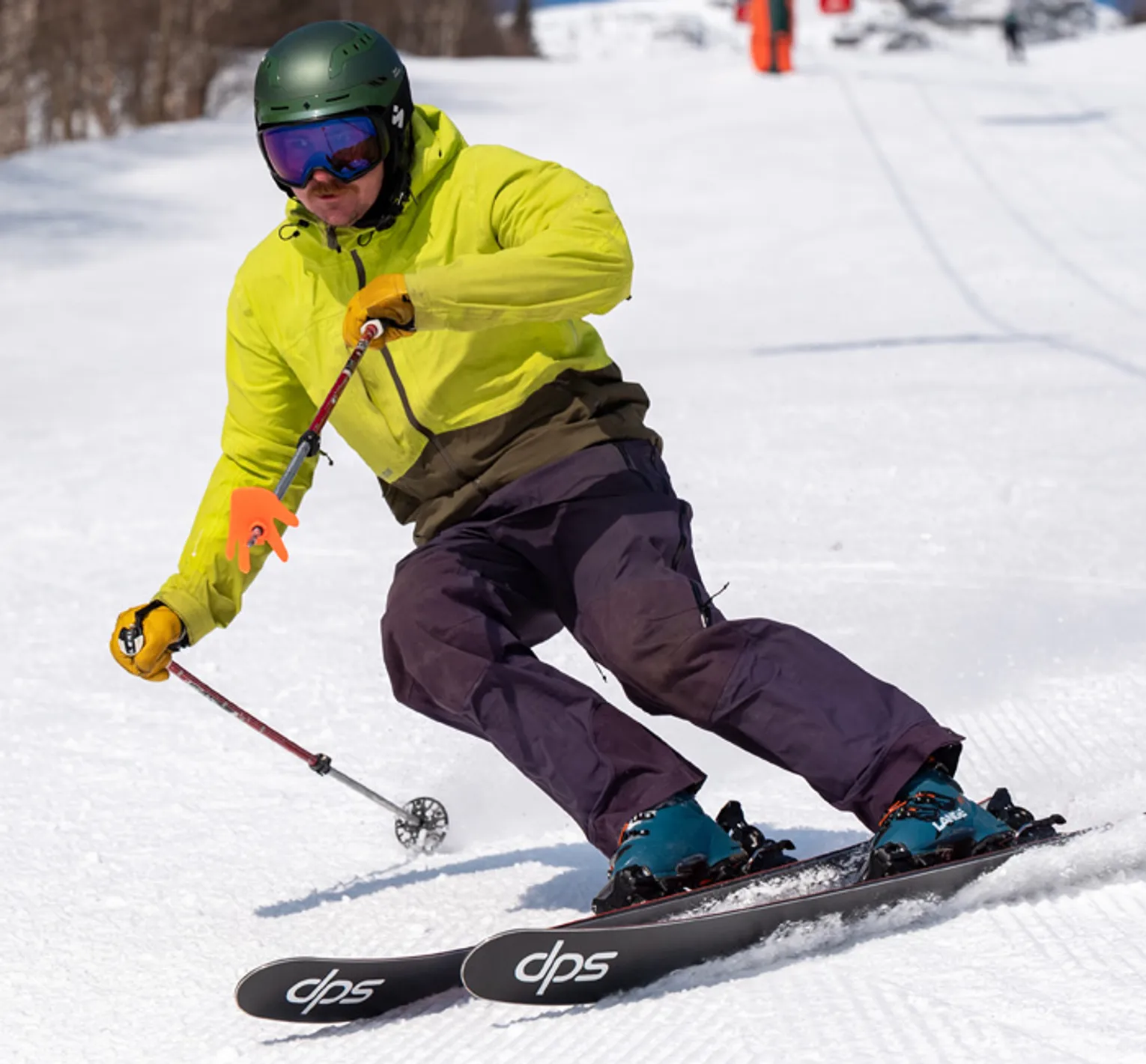
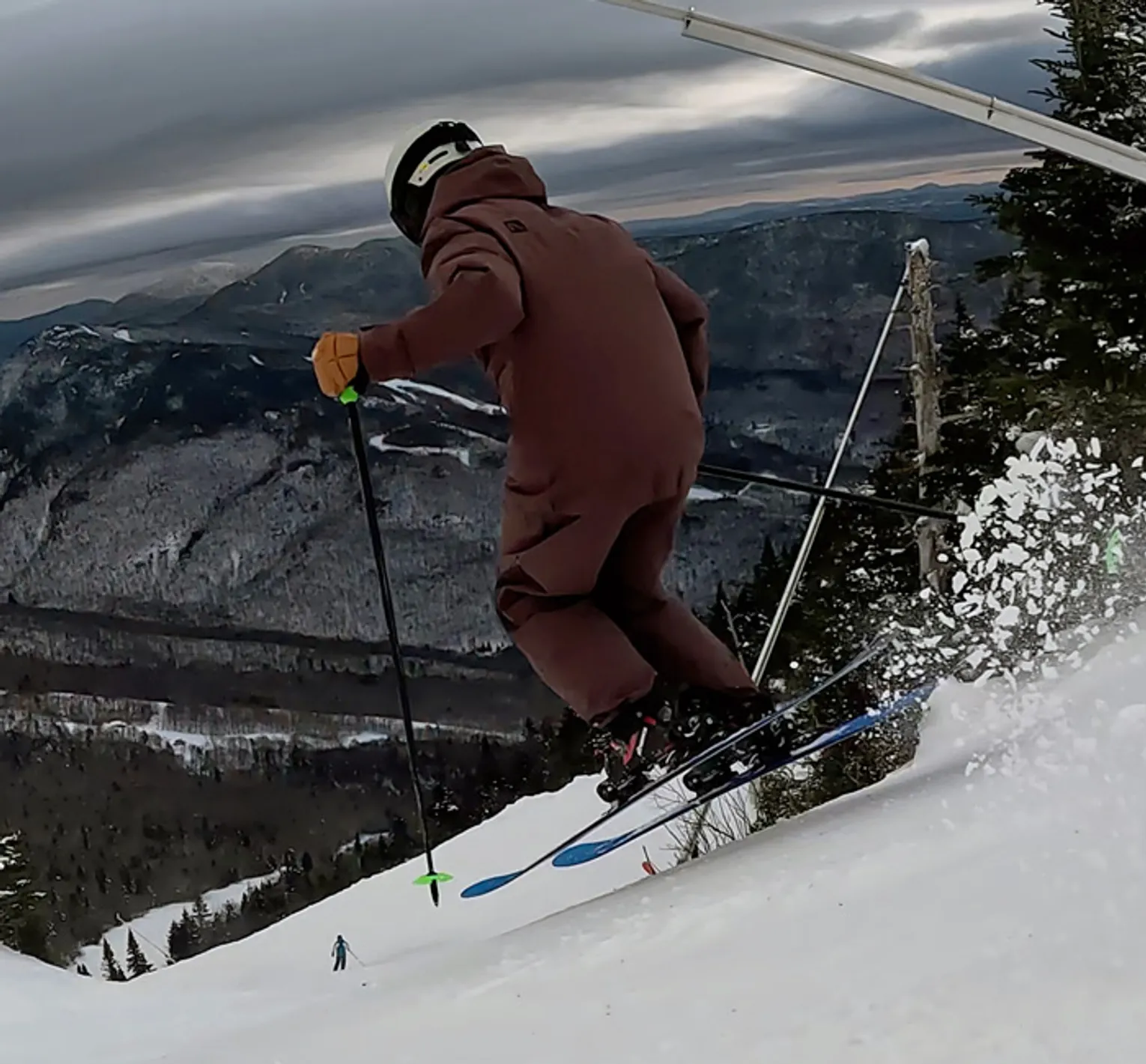
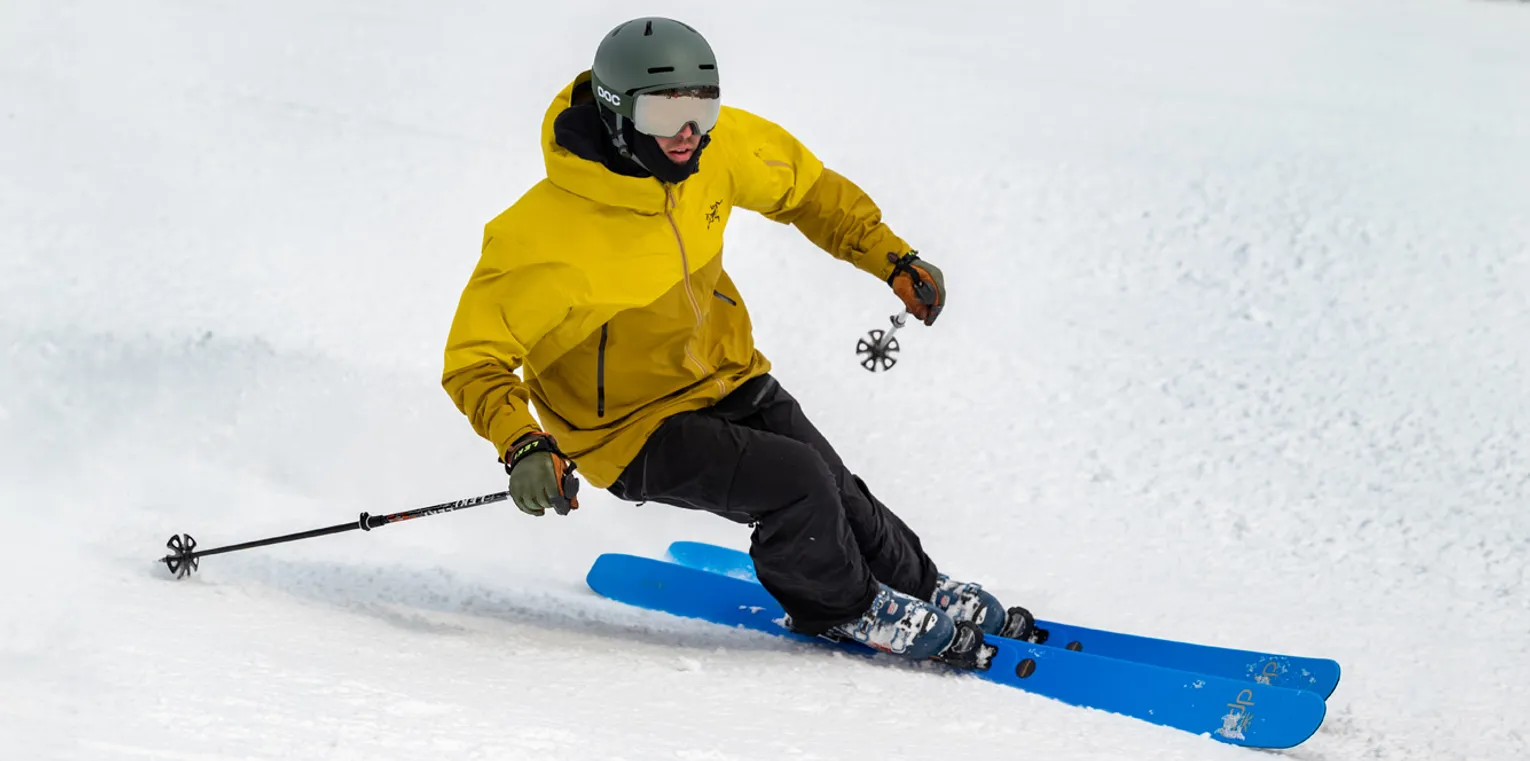
In a vacuum, softer skis prefer softer snow, but there are certainly exceptions to be found here, with personal preference coming out on top of all of them. Heavier skiers like me have an easier time getting the ski to bend, so in deeper and softer snow, I have more success than a lighter skier like Jeff. The shovel is wide enough and light enough to stay afloat, and the taper makes it smooth and simple when cutting through the fluff. If skiers stay light on their feet, they’ll be rewarded with more appropriate performance. If you try to dig in the edges and push in the powder, the ski doesn’t like it quite as much. It’s a good thingthey’re light and agile and welcoming of the defter touch, but that does make the ski a better option for more advanced and skilled skiers. You don’t have to be aggressive, but you should be pretty comfortable with the unweighting phase of the turn.Additionally, center is better on these skis, rather than driving through the tips to get to the power band. That particular technique doesn’t work quite as well on Kaizen, just as it wasn’t Pagoda’s favorite thing to do either.It’s fair to say that there are floatier and more playful 105’s out there, but there aren’t many with this blend of on-trail performance and light weight maneuverability. Again, heavier skiers will find more success in the moguls and trees, as lighter skiers may have difficulty getting this ski to bend in the bumps. If you are lighter and like the sound of the ski, it’s okay to size down.
By refining shape, construction, and profile, DPS brings their freeride directional skis into the next phase. Strong, sturdy, and insanely precise, these skis have a lot going for them in terms of performance as well as quality. We haven’t touched on price just yet, as it’skind of a tough conversation to be had. These skis are retailing for $1549 per pair, putting them at the top of the price range for anything we’ve seen and skied. A big reason for that tag is the Handmade in U.S.A. label. There aren’t many skis that use this amount of high-end materials that are U.S. built, and it shouldn’t be shocking to anyone that smaller production batches equal higher price tags. This type of technology, engineering, and construction is rare within our borders, making that price go up and up. Is it three times better than a $500 ski? Not likely, but if you are the type of skier who is looking for top-end performance and quality andyou’re looking to buy a U.S.A. product, this is a top choice. It’spretty crazy that in our world these days, sourcing local products, using local labor, and keeping things on our shores is that much more expensive, but that’s the cost of doing business in a global economy. The dual carbon laminate is a huge source for the overall expense, and the quality of the product that they use definitely puts a huge dent in the total cost. It does translate to performance, so if you’re looking and searching for a reason to get a Kaizen 105, it will live up to the hype. Pricewise, though, that’s a conversation for you to have with your bank account. If you choose to go this route, you’ll be rewarded with a long-lasting, high-performance ski that can quite literally do it all.