

2026 Atomic Maverick 88 CTi & Maverick 96 CTi On Snow Comparison
New for 2026, both the Atomic Maverick 88 CTi and 96 CTi replace their outgoing models and bring forth increased mobility, accessibility, and versatility. These two skis are true all-mountain skis in the purest essence of the term. Featuring the same construction and nearly identical footprints and profiles, the 88 and 96 CTi are quite similar, except for the width. That’s what we’re really comparing here, with the hope of assisting skiers to find the right width for them and their intended use and application.
At a Glance:
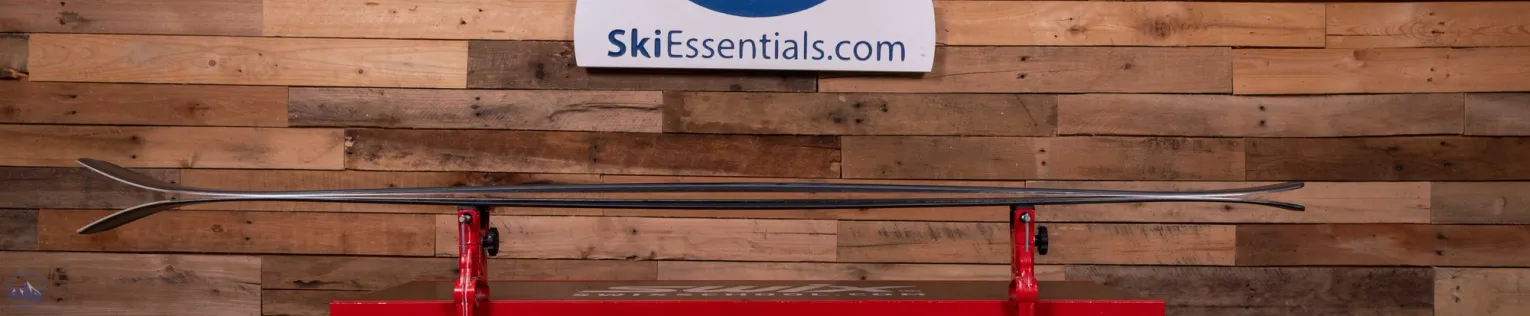
2026 Atomic Maverick 88 CTi

| AVAILABLE SIZES | TURN RADIUS | SIDECUT | WEIGHT | PRICE |
|---|---|---|---|---|
| 159, 165, 172, 179, 186 cm | 16.5 m @ 179 cm | 125/88.5/110 mm @ 179 cm | 1770 g @ 179 cm | $699.95 |
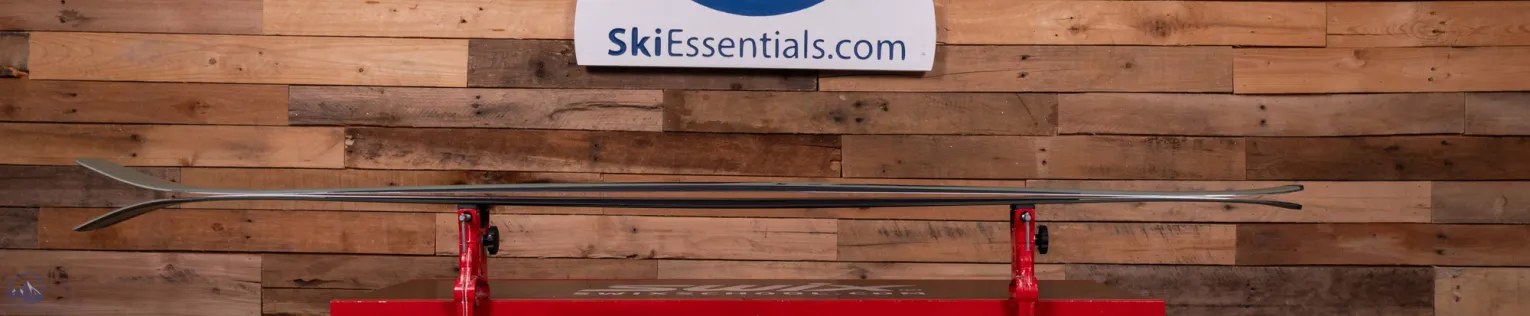
2026 Atomic Maverick 96 CTi

| AVAILABLE SIZES | TURN RADIUS | SIDECUT | WEIGHT | PRICE |
|---|---|---|---|---|
| 165, 172, 179, 186 cm | 18 m @ 179 cm | 129/96/114.5 mm @ 179 cm | 1900 g @ 179 cm | $749.95 |
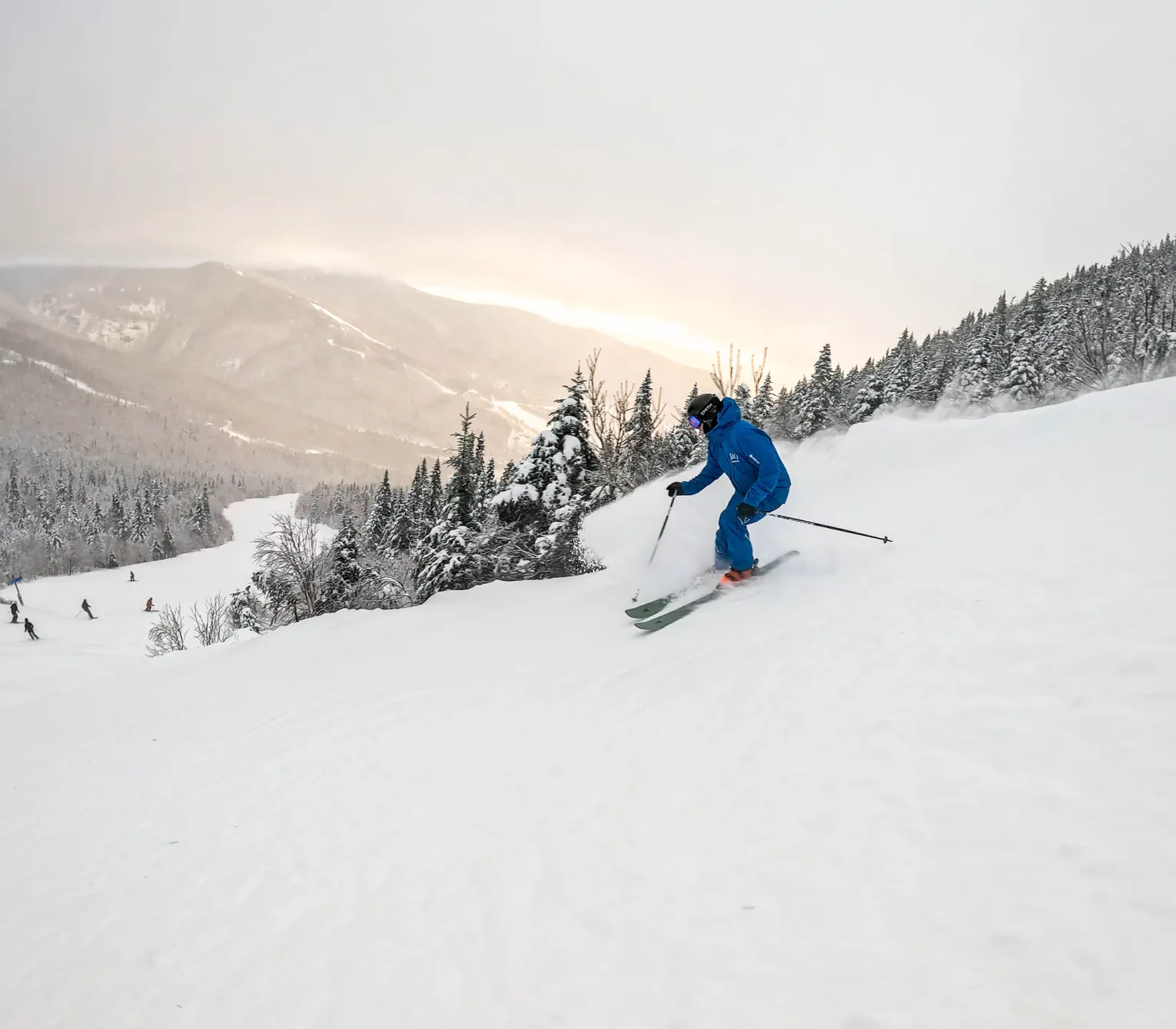
Many companies have all-mountain skis with similar width differences. We refer to the Blizzard Anomaly 88 and 94, the Nordica Enforcer 89 and 94, the Volkl Mantra 88 and 96, and even more freeride-oriented skis like the Line Optic 88 and 96. All of these skis feature similar builds, shapes, and profiles but differ in width, and therefore application. In general, and perhaps obviously, the narrower ski is likely going to be used in firmer snow conditions, tighter terrain, and in quicker turns while the wider version will prefer softer snow, wider zones, and at generally higher speeds. We’ve found that with the Maverick, in particular, the 96 CTi does take advantage of its extra mass to provide a more competent feeling at speed, while retaining a lot of the mobility that the 88 CTi is very much known for.
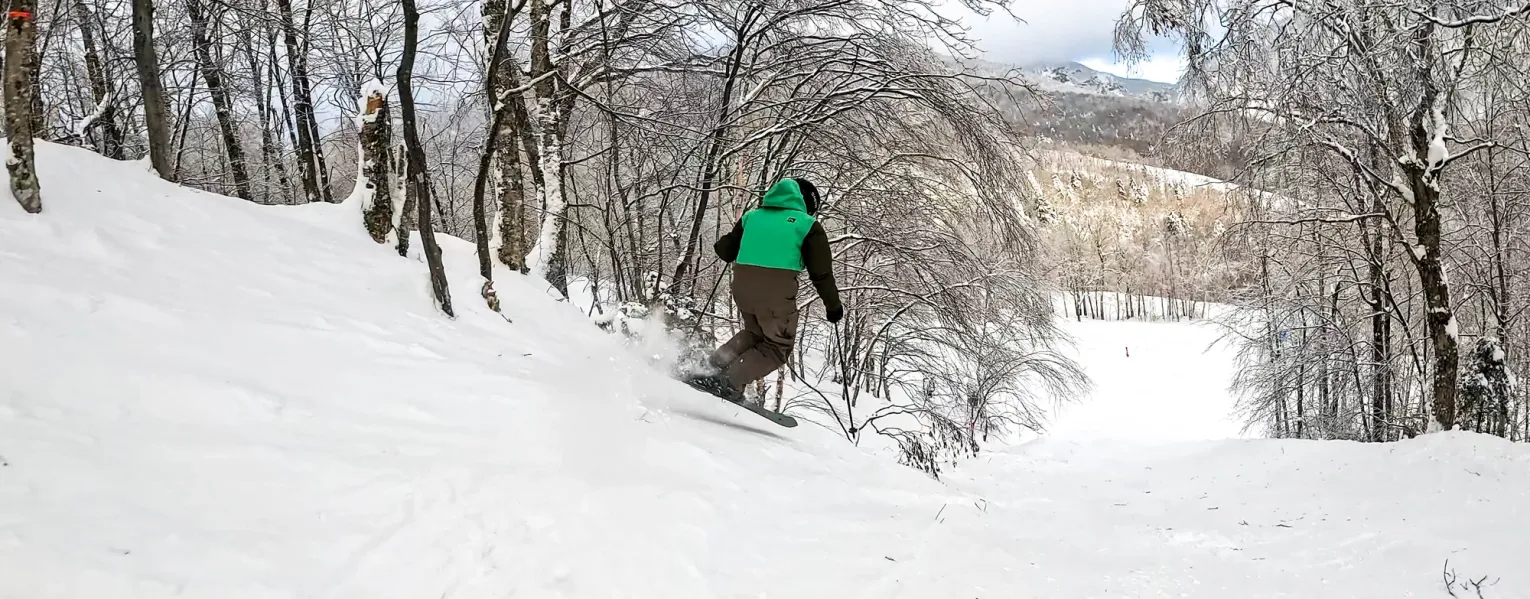
Both skis are built with a poplar and ash wood core. Both use a mix of titanal and carbon for power and damping. Both fall more on the directional side of the spectrum with minimal tail splay to play off of a very freeride-inspired shovel. In the 179, respectively, the 88 CTi boasts a rocker split of 15/75/10 while the 96 CTi ups the rocker in both tips and tails to a break of 20/65/15. It’s a bit different, but not game changing. The 88 CTi has sidecut measurements of 125/88.5/110 to generate a rather short 16.5-meter turn radius while the 96 CTi boosts those numbers to 129/96/114.5 and an 18-meter arc. The 16.5-meters of the 88 CTi is more alarming than the 18 of the 96 in that the 88 is quite responsive and eager to finish a turn. This does limit its top speed carving capacity, but also dramatically boosts its mobility and agility. This 88 wants to turn. If you are a fan of high-speed GS arcs on groomers, it’ll take you there up to a point. The 96, with its added mass and radius, does fare slightly better in that carving format. There’s about a 130-gram difference between the two, with the 96 coming in at 1900 g/ski while the 88 hits 1770. That lighter weight does make a difference when it comes to that stability at speed.
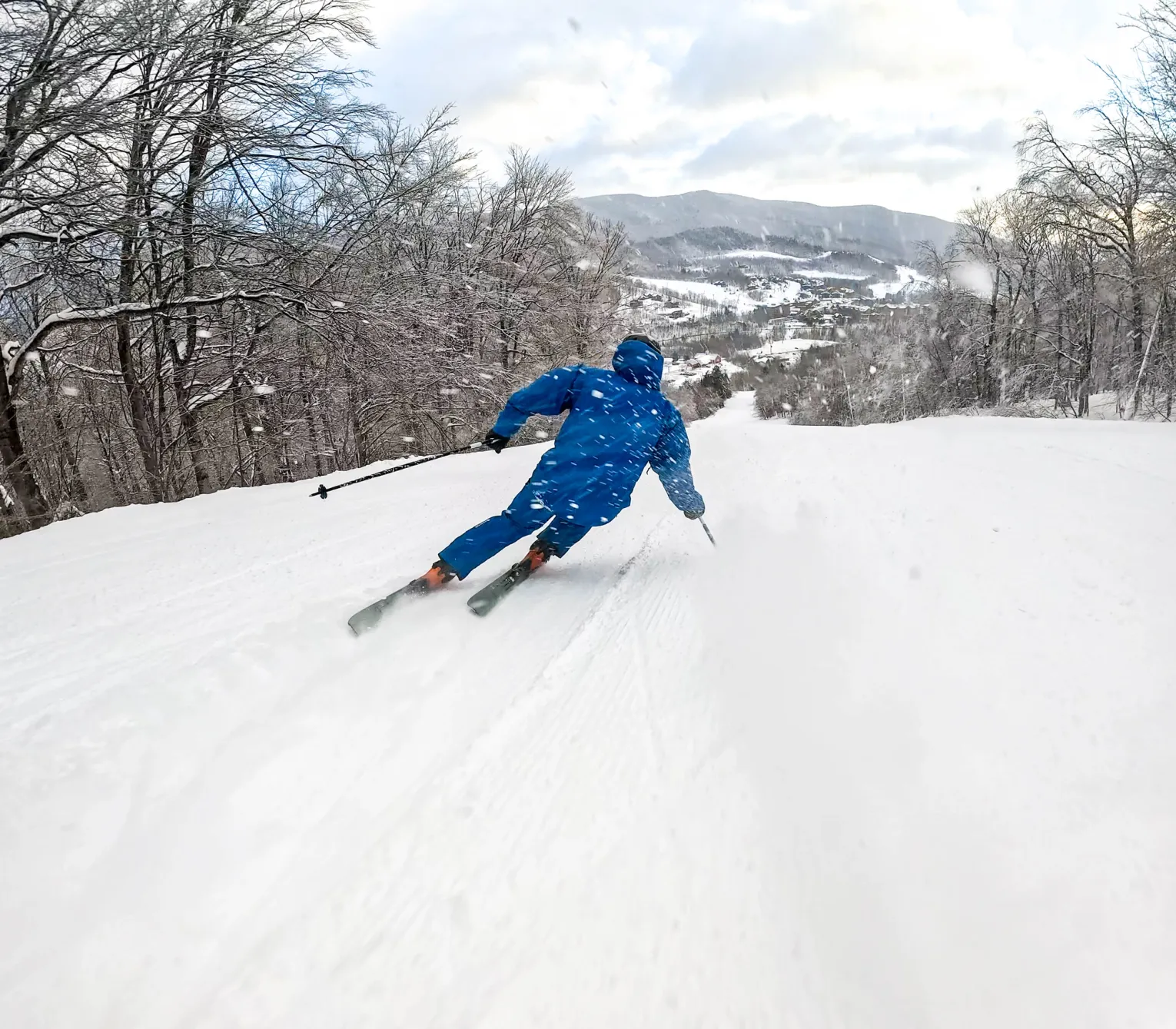
Skiers who are looking for quickness, agility, ease of use, and more precise short turns will likely gravitate to the 88 CTi, while those who prefer a bit more speed, power, and certainly flotation will align better with the 96 CTi. We also think there’s a lot to be said for location, or ski resort type. If you ski most of the time at a place which is mostly groomed and smooth, the 88 makes more sense.

Even here at Stowe in Vermont, we get a lot of smaller snowfalls, which makes the 96 a bit more attractive. It’s an interesting conversation because both of these skis can be used as an all-mountain ski as a single ski or could be part of a larger collection of skis. If you ski in Colorado, Utah, or places that get a bit more natural snow, it will certainly make logical sense to use the wider ski for most days. Most other ski resorts in New England, the Northeast United states, Eastern Canada, and the Midwest likely call for the 88.
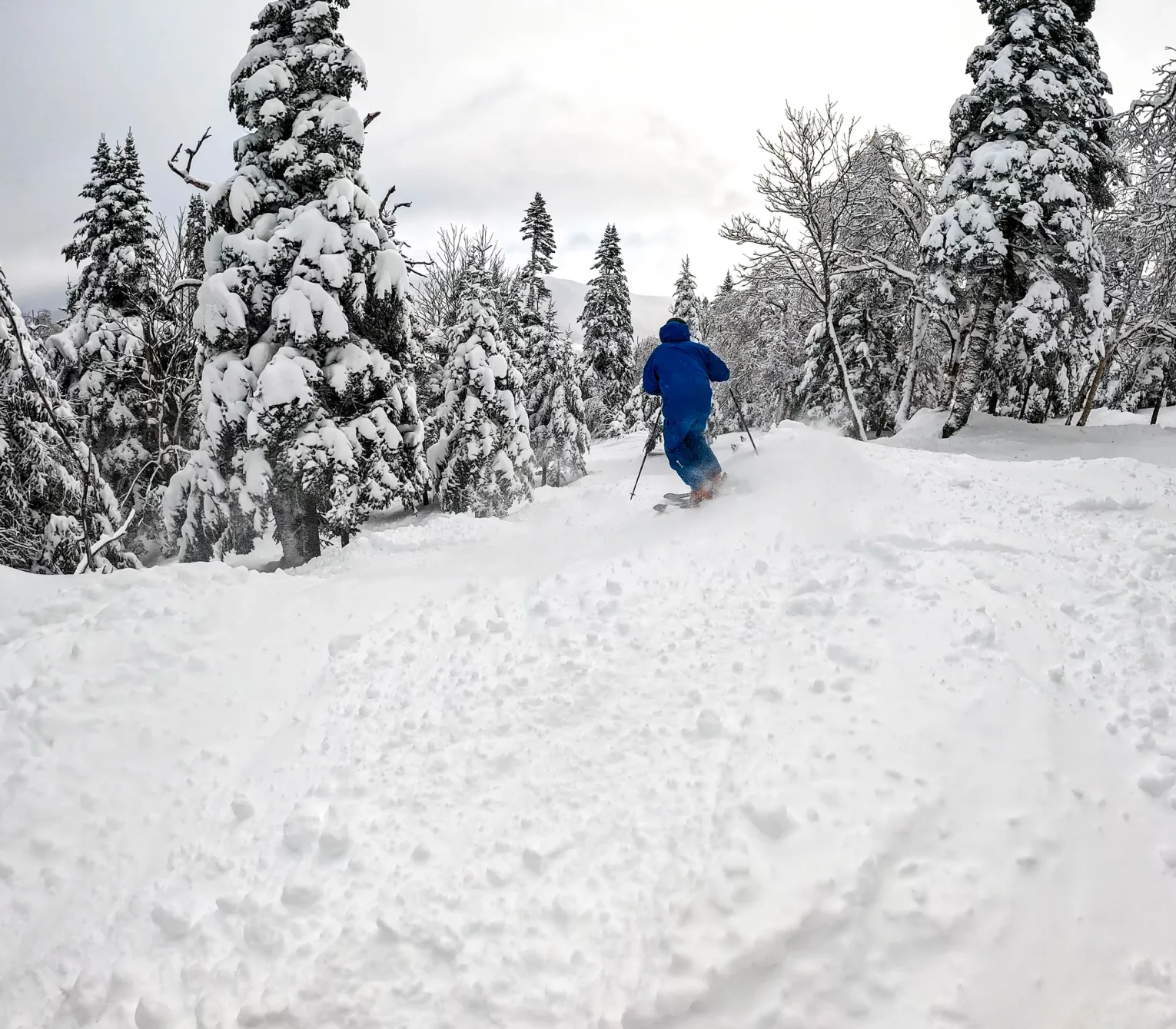
The choice of width comes down to mainly style and preference, but do not discount terrain and conditions, as these skis are very similar overall, but when you get on them and put them through various tests, the differences do start to pile up. The 96 CTi feels more substantial, more stable, and more powerful in all snow conditions while the 88 CTi is quicker, more agile, and lighter. This makes the 88 more amenable to skiers who find themselves in tighter spaces and who prefer a shorter turn radius. Both are very fun and enjoyable skis with easy turning capabilities and high-end ceilings.
Order a pair of Mavericks today!