

Top Five Fridays: February 9, 2024
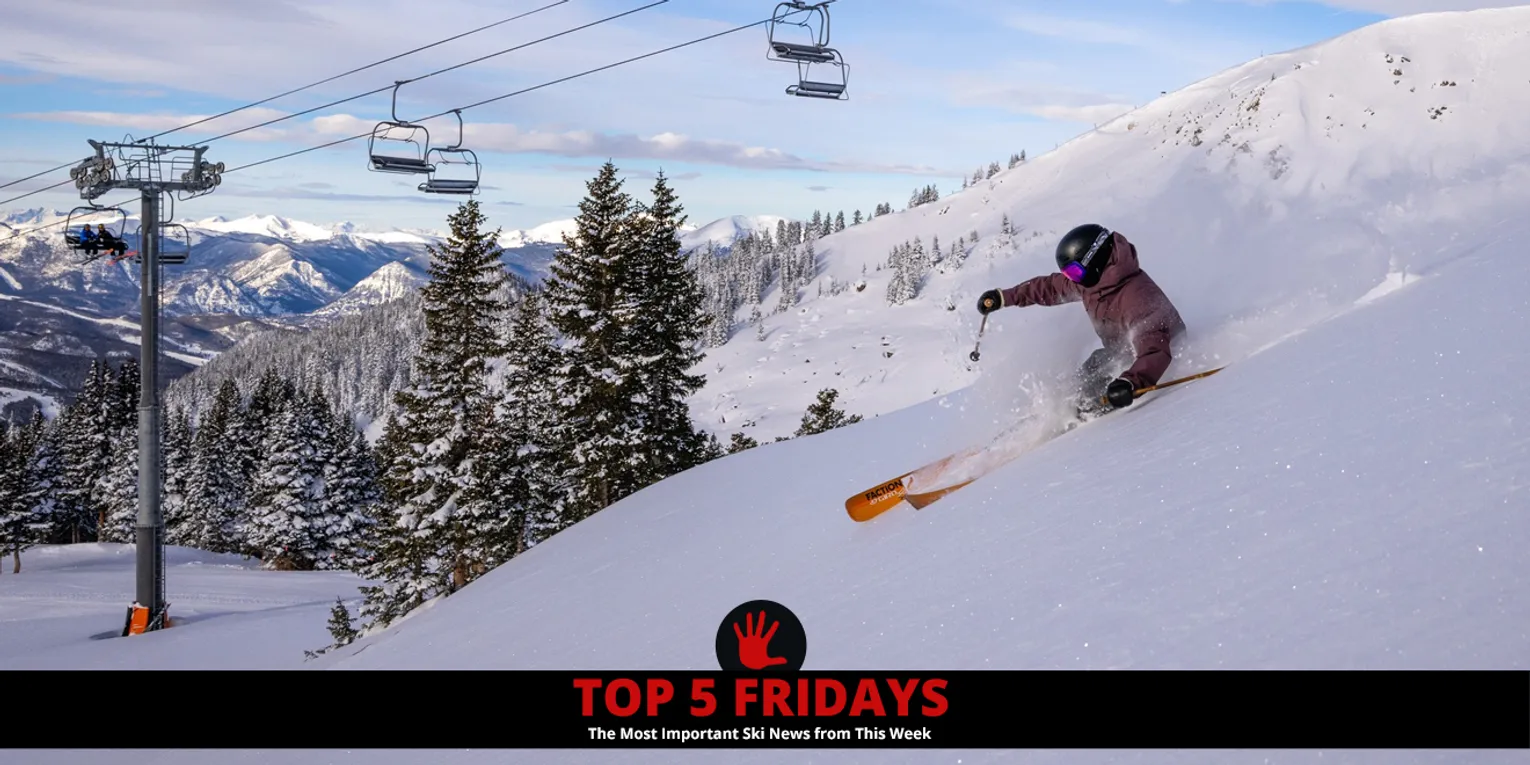
Lead Image: A skier enjoys a nice peaceful powder turn under a lift at Arapahoe Basin. Now that the resort has announced plans to be acquired by Alterra, many fear scenes like this will be Image: Arapahoe Basin on Facebook
#1: FIS World Cup Alpine Update - The Injury Bug Strikes Again, Raising Questions Regarding Fatigue:

In the last few weeks, Mikaela Shiffrin, Aleksander Kilde, and now Sofia Goggia have all been sidelined with injuries, calling into question the demanding schedule required of all top athletes. Image: Mikaela Shiffrin on Instagram
Hello, and welcome to Top Five Fridays, the February 9, 2024 edition! This week, we’ve got a grip of financial news as it relates to the ski industry, as well as a different type of FIS Alpine racing recap. With much to discuss, let’s jump right in!
First things first, we’ll start by reminding you that there was very minimal racing this week, as a combined four out the five races planned had to be canceled due to weather conditions. The one race which was held, was a men’s slalom race in Chamonix, in which U.S. athlete Jett Seymour snuck into the points, taking 28th. Without many results to cover this week, we turn our attention to the other headlines dominating the world cup season: injuries.
This week, Italian speed racer Sofia Goggia, and 5th place athlete in the overall World Cup standings, suffered a crash in training that resulted in a fractured leg. As you already know, Mikaela Shiffrin is also currently sidelined with a knee injury, while her boyfriend and elite ski racer Aleksander Kilde also suffered a crash that caused severe nerve damage in his leg. The result of all this is that three of the sport’s top athletes are sidelined this season, leading many to wonder what exactly is happening that’s causing the streak of injuries. All three incidents happened in different locations, and Goggia’s wasn’t during an FIS race, reducing the commonalities between the three events. So, if the courses themselves aren’t the culprit, what’s the issue? Well, in Mikaela Shiffrin’s mind, the answer is somewhat straightforward: fatigue.
In a post made to her Instagram this week, Shiffrin pulled back the curtain ever so slightly to describe the gauntlet of activities that athletes face during the World Cup season. In that post, Shiffrin describes the litany of appearances required of FIS athletes, which extends far beyond simply showing up for the race. After each race, athletes are tasked with showing up for media appearances and awards, followed by what she calls a “full evening program” which occupies what would be her only free 60-90 minutes each night. Then, it’s rinse and repeat the next day if there’s a race, or some sort of travel if it’s onto the next event. In other words, the circuit is a grind, and at this point in the season, there’s an element of fatigue that sets in. That fatigue, she believes, is the culprit for the recent stretch of accidents. While her post doesn’t conclude with a solution, it does include the statement, “It’s really too much.” With that in mind, the ideal solution feels like a shortening of the FIS Alpine Race calendar, possibly avoiding issues with early season races as well. That, however, would cost a lot of people a lot of money, and so we simply don’t foresee it happening. For now, the injuries themselves are the news, while the fatigue issue remains in the background. If these types of injury riddled seasons continue, the fatigue issue may arise again. If it does, we’ll keep you posted. For now, turn your attention to Mikaela’s recent Instagram post.
#2: Plot Twist: Arapahoe Basin Set to Be Sold to Alterra:
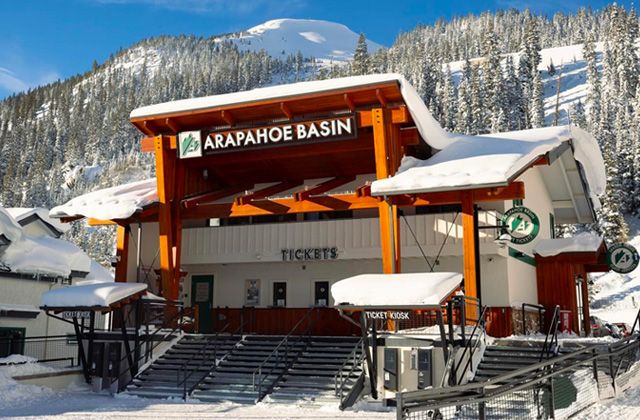
Arapahoe Basin, once an icon of “independent” ski resorts, is now set to be sold to Alterra. Image: Arapahoe Basin on Facebook
In other big news this week, it was announced that Colorado’s Arapahoe Basin will be sold to Alterra. Now, generally these stories are all pretty similar: a ski area that’s beloved by its local community gets purchased by one of the big dogs and locals bemoan the entire thing. We don’t mean to downplay that storyline, but this time, it’s that story times a million. This isn’t just any ski resort afterall: it’s Arapahoe Basin. The resort that bailed on the Epic Pass back at the end of 2018/2019 season and was seemingly thriving because of it. When we last reported on the story in April of 2022, A-Basin was experiencing an increase in revenue despite a (intentional) 40% drop in visitation. In other words, it seemed like they had it figured out - they managed to avoid overcrowding their trails while still increasing revenue. So, what happened?
The answer to that question isn’t exactly clear, but one thing we do know is that this week’s news is a natural progression of agreements that have been in place ever since A-Basin left the Epic Pass. When that happened, A-Basin didn’t go fully independent, they partnered up with Alterra to join the Ikon Pass, giving pass holders between 5-7 days of access. In other words, in some ways, Arapahoe Basin has already been under the umbrella of Alterra. Still, there’s a world of lingering questions coming out of this announcement, with the two primary ones being “how will this change the mountain?” and, “will access to the resort for Ikon Pass holders change at all?” While we don’t know the answer to the second question as nothing has been made official, we do know that longtime Arapahoe Basin COO Alan Henceroth will be retained moving forward. This should hopefully keep the pitchforks at bay for at least the foreseeable future. Finally, before we wrap this highlight up, it bears mentioning that the sale of Arapahoe Basin to Alterra is not yet official, so there’s a chance none of this will happen at all. That said, it’s everyone’s expectation that this deal will close in the next few months, and that Arapahoe Basin will become part of the Alterra family ahead of the 2024/2025 season. For now, know what we know by checking in with Ski Mag.
#3: As Colorado Looks to Quadruple Taxes on Short Term Rentals, Property Owners Fight Back:

Just a few out of thousands of short term rentals available in Colorado ski towns. Image: Airbnb
Next up in Colorado Ski news is a story that’s intimately related to an article we covered a few weeks back, when we brought up the topic of housing prices in the state’s mountain towns. While that article and coverage focused primarily on people either moving to the region or second home owners as being the cause for the shortage in housing supply, there’s another type of home owner involved in this story: those who own short term property rentals. As you’re undoubtedly aware, while great for vacationers, short term property rentals are known to wreak havoc on local housing economies, particularly in destination locations such as mountain towns. Ultimately the issue comes down to this: if a property is being used for short term rentals, then it can’t be used to house a local resident full time. When one short term rental becomes a hundred short term rentals, well, you see the issue here.
Enter this week’s news out of Colorado, where a Senate Bill is proposing a roughly 400% increase in property taxes for short term rental units that are rented out for more than 90 days per year. To be fair, the number isn’t an arbitrary tax hike. Instead, the bill would reclassify these properties from homes, which are taxed at a rate of 6.7%, to that of a commercial lodge, which is taxed at 27.9%. Interestingly enough, the move doesn’t seem to be primarily driven by the housing shortage issue, but rather by members of the legislature and hotel industries who see this as a way of leveling the competitive playing field while also increasing tax revenue. In other words, the goal here isn’t to encourage owners of short term property rentals to sell their units and add more availability to the real estate market, but to treat them like hotels in order to keep the hospitality industry happy while also generating funding for public programs.
Regardless of the motivations, short term property rental owners aren’t happy, as you can imagine. In resistance to this bill, they’ve pledged a number of actions to show their displeasure and undermine its intentions. In the coming weeks, they plan to organize and protest at the state capitol. As far as finances go, they’re vowing to either reduce their nightly rates dramatically to avoid paying high taxes, or to simply rent the unit for less than 90 days a year in order to avoid the new tax category. Generally speaking, the first option would be ideal for both tourists and local economies who rely on affordable short term rentals, while the second option could ultimately prove unfeasible for home owners who rely on rental income to pay their mortgage. In that case, it’s likely that they’d ultimately throw the towel in and sell the unit, providing a boost for the real estate market. All told, there’s a lot to this story, but this last point is the one that we find most interesting. While the intentions of this bill were not at all to help tourists find affordable rental units or to add inventory to the real estate market, the reaction of short term rental property owners to the news could inadvertently do just that. To learn much more about this story, and the political elements in particular, check out the full recap from Jason Blevins at the Colorado Sun.
#4: While Skiing Doesn’t Have to Be Expensive, it’s Price Tag is Sure to Turn Away Would Be Skiers Who Dream of a Perfect Ski Vacation:
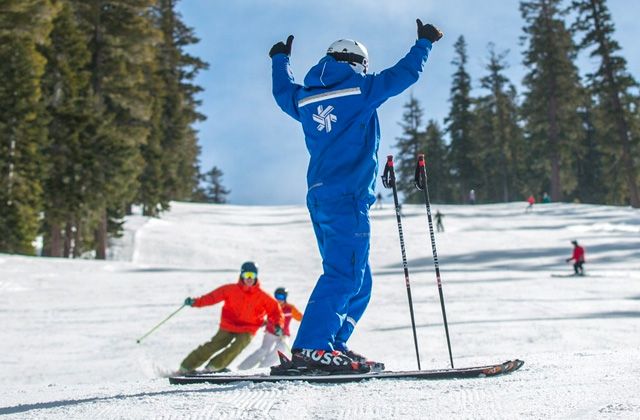
Learning to ski at Northstar Tahoe certainly looks fun… if you can afford it. According to the author of the SF Gate piece, a day of private lessons plus lift ticket and equipment could cost over $1,700/day. Image: Northstar Ski Resort on Facebook
Finally, we end this week with an article from SF Gate that takes on the topic of the high cost of skiing. Now, to be fair, when we started our weekly round up of ski news, we almost dismissed this article as yet another example of a mainstream publication that doesn’t understand the full picture. While there certainly is an element of that to it as it fails to mention the countless affordable ways to learn to ski, we also found ourselves impressed as we read the article, noting that it raises some strong points from an “outside” perspective. As such, we find it worth sharing with you all as at the very least it helps tell the full story of the state of skiing in 2024. Let’s discuss.
First and foremost, let’s get the obvious out of the way: the thesis of this piece is quite simply that skiing is prohibitively expensive. To kick things off, the author laments the fact that gone are the days of clipping tickets in the parking lot, jumping right into the $200 plus day tickets that have become far too commonplace. At this point, we almost closed the window as we’ve heard this story a thousand times, even with the author calling attention to the much more affordable season passes offered by Ikon and Alterra. But then, we read this sentence: “It may come as a surprise to learn that beginners will likely spend the most money on ski trips, which could create a financial hurdle for first-timers.” From there, our mentality shifted, and we read the article through a new lens: how high lift ticket prices can be a huge barrier to entry for people looking to join our sport.
In recent months and years, we’ve talked a lot about how the ski resort industry is diversifying, ultimately creating more resort experiences to fit each type of skier’s needs. There are the oversized resorts that belong to multi passes, the much smaller independent resorts which make up most of the resorts in the U.S., a growing number of private or semi-private resorts, and there’s even a number of exclusively human powered ski resorts. Amidst all of this though, there’s a category of would-be skier that gets overlooked: the suburban or urban dweller who’s never gone skiing but is very attracted to the idea of a ski vacation. It’s for that demographic that this article was written.
Typically when this topic comes up, our counter argument is, “if skiing at a mega resort is too expensive, just get started at a small, independent ski area.” While we still support that path to entry, this article forced us to acknowledge that for a lot of people, that’s not the draw. For countless people who live nowhere near a ski resort, not even a small local one, their first expedition isn’t going to be a multi hour drive or flight to a small family ski resort. For this person, they’re dreaming of going to one of the bigger resorts to take in the whole lifestyle. Unfortunately, in this day and age, that dream is very expensive. As this article points out, not only are the day tickets expensive, but so too are lessons and rentals, a full package which the author estimates as costing between $1,100 - $1,747 per day depending on destination. While there are absolutely numerous ways to get into skiing for a fraction of the cost, the fact of the matter is, not every would-be skier wants a bare bones rental setup, a group lesson, and a rope tow for their first experience. For this category, their research will quickly show the sport to be prohibitively expensive, likely causing them to cancel the idea before ever exploring it further. And that, is a shame. To learn more about this story, and why the seemingly prohibitive cost of skiing could be really bad for the sport in the long run, check out this article from the SF Gate.