TOP FIVE FRIDAYS: SEPTEMBER 11, 2020
#1: First Seasonal Snow Coats Colorado Mountains, Days After Denver Hits Triple Digit Temperature:
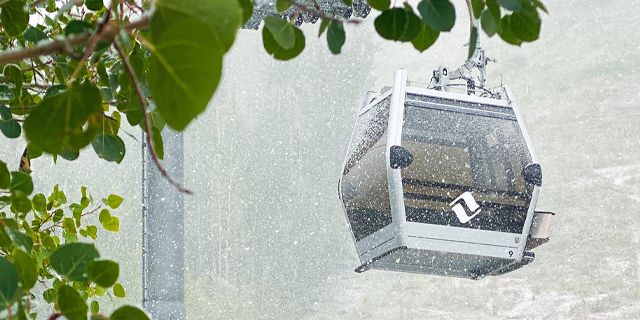
The first snowfall of the season at Vail Resort. Image: Vail Resort on Facebook
Well, it’s finally here. After what seems like, and really actually was, the longest Summer season in recent memory, mountain tops in Colorado finally ushered in the first signs of winter this week, although not in your typical fashion. Last Saturday in Denver, the temperature hit 101 degrees Fahrenheit. Two days later, on Monday, the temperature remained in the 90’s, hitting 93 degrees. Then, on Tuesday, the temperature plummeted to 31 degrees, a record low for that date. As even those with a slight awareness of weather patterns know, a drastic shift in temperature often means a front has come through, often bringing exceptional moisture. In this case, that dramatic weather event meant snow in many areas. For Central Colorado resorts such as Vail, Arapahoe Basin, Keystone, and others in the area, the storm resulted in anywhere from 2-10” of snow. For mountains further South however, the storm brought even more snow as Monarch Mountain reported receiving a full 18”. So, while the way in which this storm came to be is rather bizarre and keeps quite well with the theme of 2020, the good news is that for skiers, reprieve does seem to finally be just around the corner. Of course, as we cautioned in last week’s news, please don’t let that eagerness result in poor decision making. If you’re jonesing to get out into the backcountry, we urge you to be patient and wait for appropriate conditions. While the tide remains low, numerous dangers lurk just beneath the snow’s surface and we’d hate to see anyone’s season end before it even begins. For a quick overview of where the snow hit during this first seasonal storm, check in with Out There Colorado.
#2: Wildfires Encroach Upon Western Ski Resorts, Forcing Closure of Summer Activities:
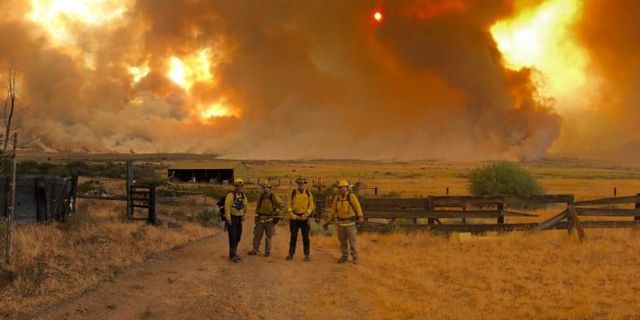
Uncontrolled wildfires in California and Oregon have forced a number of ski areas to suspend Summer operations. Image: Mammoth Lakes Fire Department on Facebook
In other, far less exciting news this week, we’re compelled to share news regarding how the wildfires currently taking place in California and Oregon are affecting ski resorts. While you’ve almost certainly heard about the terrible situation unfolding and seen the apocalyptic images of orange skies in cities such as San Francisco, you may not have heard about how it’s impacted ski resorts. That’s reasonable of course, as the story itself is much larger than skiing, but as reporters of ski news, we feel it’s important for us to share how the catastrophe is impacting our industry. With that in mind, it’s with regret that we tell you that a number of ski areas, including Mammoth Mountain, Big Bear, and Timberline Lodge, have suspended their summer operations as a result of the fires. While none of these resorts have been directly impacted by the fire as of the time of this writing, the unpredictable nature of these events have led to the resorts preemptively closing out of an abundance of caution. Put succinctly, the fear is that if guests continue to visit these resorts, there’s a chance that the fires could cut off access, leaving them stranded. Additionally, in the case of Big Bear and Mammoth, the USFS has officially closed all California State Forests. In related news, New Mexico’s Ski Santa Fe also recently battled a wildfire threat, while Idaho’s Soldier Mountain was directly impacted by a wildfire earlier this Summer, which could ultimately prevent the resort from opening this Winter. Fortunately, at least as of this moment, it seems as though Mammoth and Mt. Hood should both be spared from the current fires. For more on this, check out the recap from Oregon Live regarding Mt. Hood, as well as this article from Planet Ski regarding Mammoth.
#3: In Opposition of Reservations, Some Resorts Opting to Limit Season Pass and Ticket Sales:
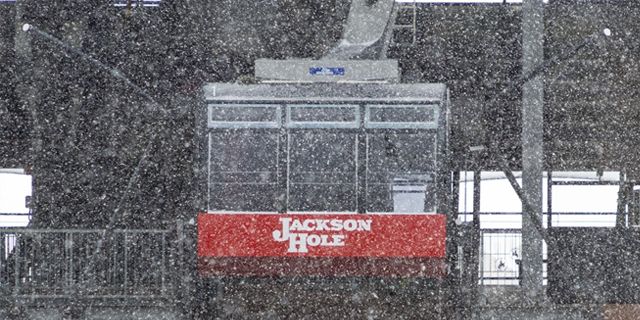
At Jackson Hole, the sale of season passes has been temporarily suspended in an effort to manage crowds without the use of a reservation system. Image: Jackson Hole Mountain Resort on Facebook
Now that we’ve got both hot and cold weather news taken care of, let’s get back on track with a familiar topic: the upcoming ski season in the midst of Covid-19. Just a couple of weeks ago, Vail Resorts announced their official Covid-19 operating plan which involves the use of a reservation system to manage traffic at the resort. That policy was of course met with mixed emotions as skiers, while understanding of the situation, are by and large feeling unsure about how it will affect their intention to buy an Epic Pass this season. For many, that decision will be influenced by announcements from other resorts regarding their own Covid-19 policies. Obviously the biggest player on that front is Alterra, who has yet to make an official announcement of their own. Despite that delay, we are starting to learn more about how some other resorts are handling the situation, and not all of them plan to implement a reservation system.
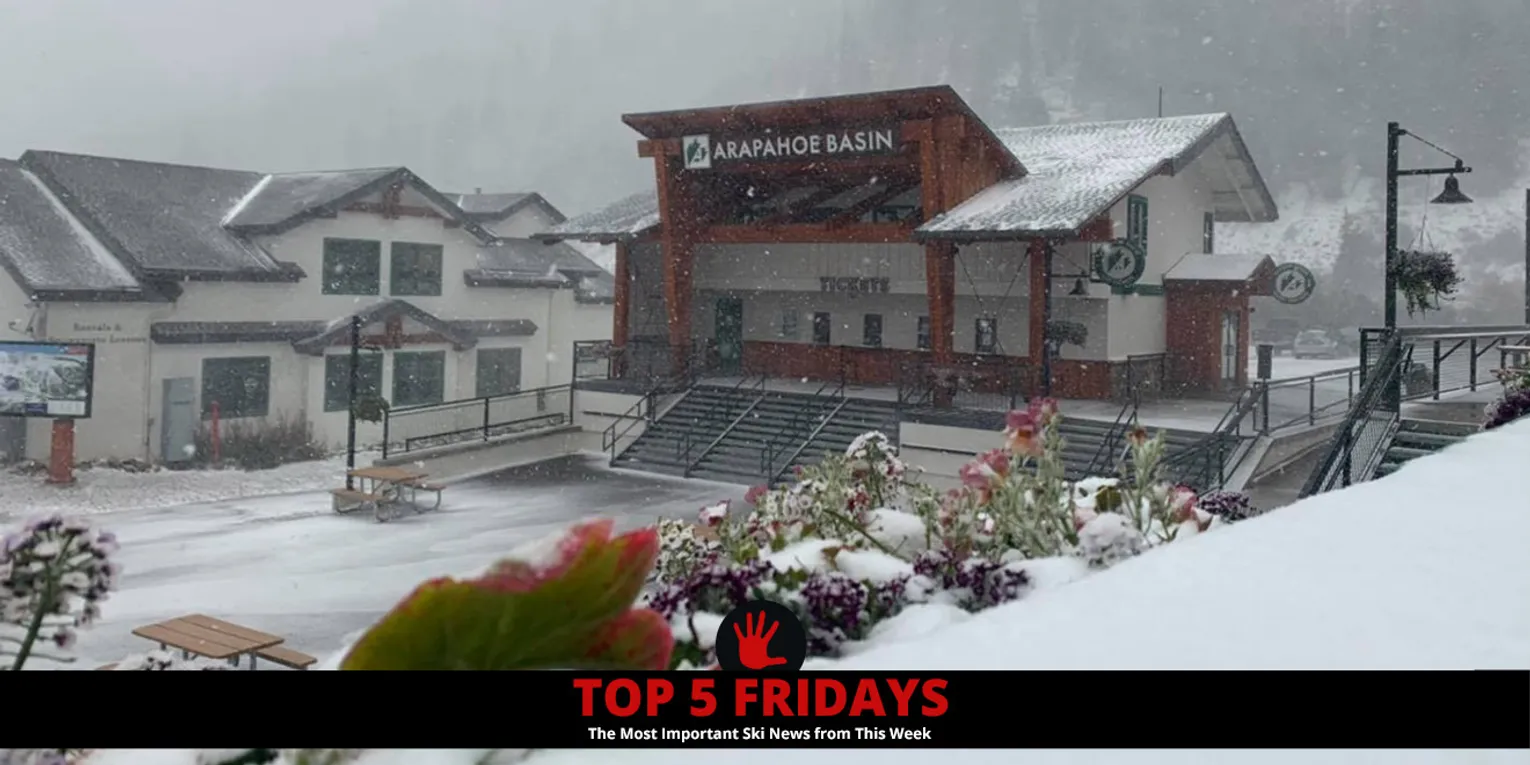
This week, a number of resorts shared operation plans in which they’ve elected to manage capacity through limiting the sale of passes. On that list are large resorts such as Killington, Arapahoe Basin, and Jackson Hole, as well as smaller resorts like California’s Sugar Bowl Resort and Montana’s Red Lodge. While each of these resorts have their own unique policies, the overall approach they’re taking is the same: by limiting the sale of season pass products as well as monitoring daily lift ticket sales, they hope to be able to limit the capacity at the resort on any given day. For some of the resorts on this list, such as Jackson Hole and Sugar Bowl, that means they’ve already had to suspend season pass sales in an effort not to oversell. While this method of crowd management seems preferable for eager skiers, it does seem a touch more risky as one must assume that resorts are only expecting a portion of their season pass holders to show up on any given day. While this is likely to work out just fine on a majority of days, it could make for interesting and potentially problematic powder days. Or, it could come to pass that this method is actually effective at limiting capacity while being the best possible alignment of the interests of skiers and resorts alike. As with all things during these weird, unprecedented times, only time will tell.
#4: Mad River Glen Raises $81,000 for Official Trail Map by James Niehues:
Finally, let’s round out this week by changing gears a bit. In recent years, legendary ski resort map painter James Niehues has finally been getting the recognition he deserves. Despite painting his first ski resort trail map in 1988, and painting over 430 maps since, it’s only been in recent years that Niehues has become a more commonly recognized name in the ski industry. Thanks to a series of interviews with online blogs, followed by a successful Kickstarter campaign in which he sold a coffee table book containing almost 200 of his iconic paintings, Niehues is finally generating the type of brand recognition he deserves for his unique style of map making. This week, we learned of a new effort between Niehues and another iconic ski brand: Mad River Glen. Despite being two legendary figures in the industry, somehow it’s come to pass that Mad River Glen doesn’t have a Niehues map. That is, until now.
Once again leveraging the Kickstarter platform as a way to generate funding, Niehues and Mad River launched a campaign on September 3rd in hopes of raising enough money to fund the cost of the painting, as well as the production of new marketing materials featuring the painting. To achieve that goal, the campaign needed to raise $7,500. Just over one week into it, it’s raised over 10x that amount, having already accumulated just under $84,000. With 21 days remaining in the campaign, the question now isn’t whether or not this Niehues x Mad River Glen trail map will become a reality, it’s how much more the campaign can raise to support The Stark Mountain Foundation, the non-profit group whose goal it is to preserve and protect the wilderness area in which Mad River Glen is located. To learn more about this project, and to potentially pledge your support for Niehues, Mad River Glen, and The Stark Mountain Foundation, visit their Kickstarter campaign here.
#4.5: Don't Forget, Our 2021 Ski Test is Now Live!