2025 DPS Koala 111


- Recommended terrain
- Powder, All-Mountain
- Ability level
- Advanced, Expert
- Rocker profile
- Rocker/Camber/Rocker
- Construction
- Hardwood Core, Carbon, Sintered Base
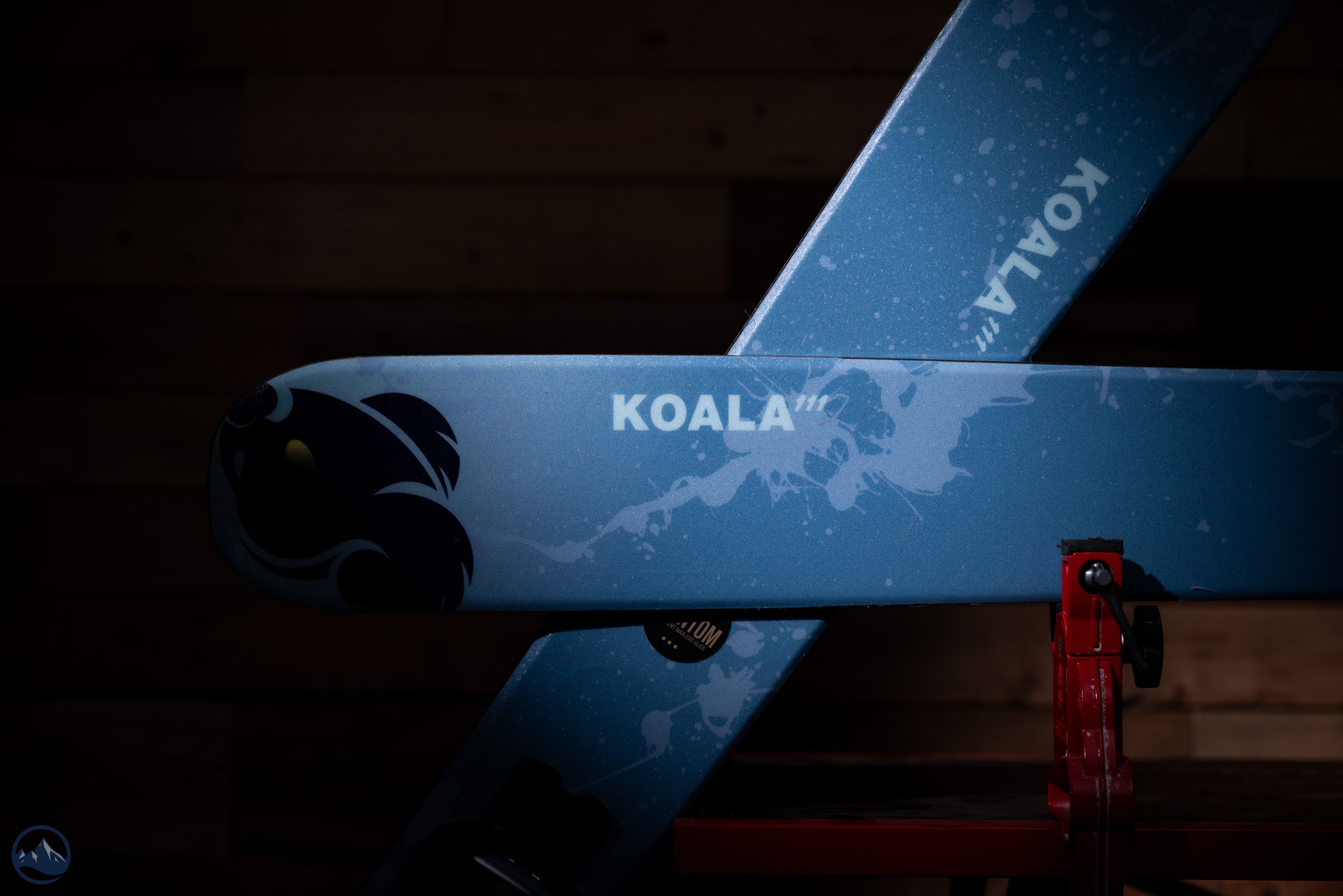
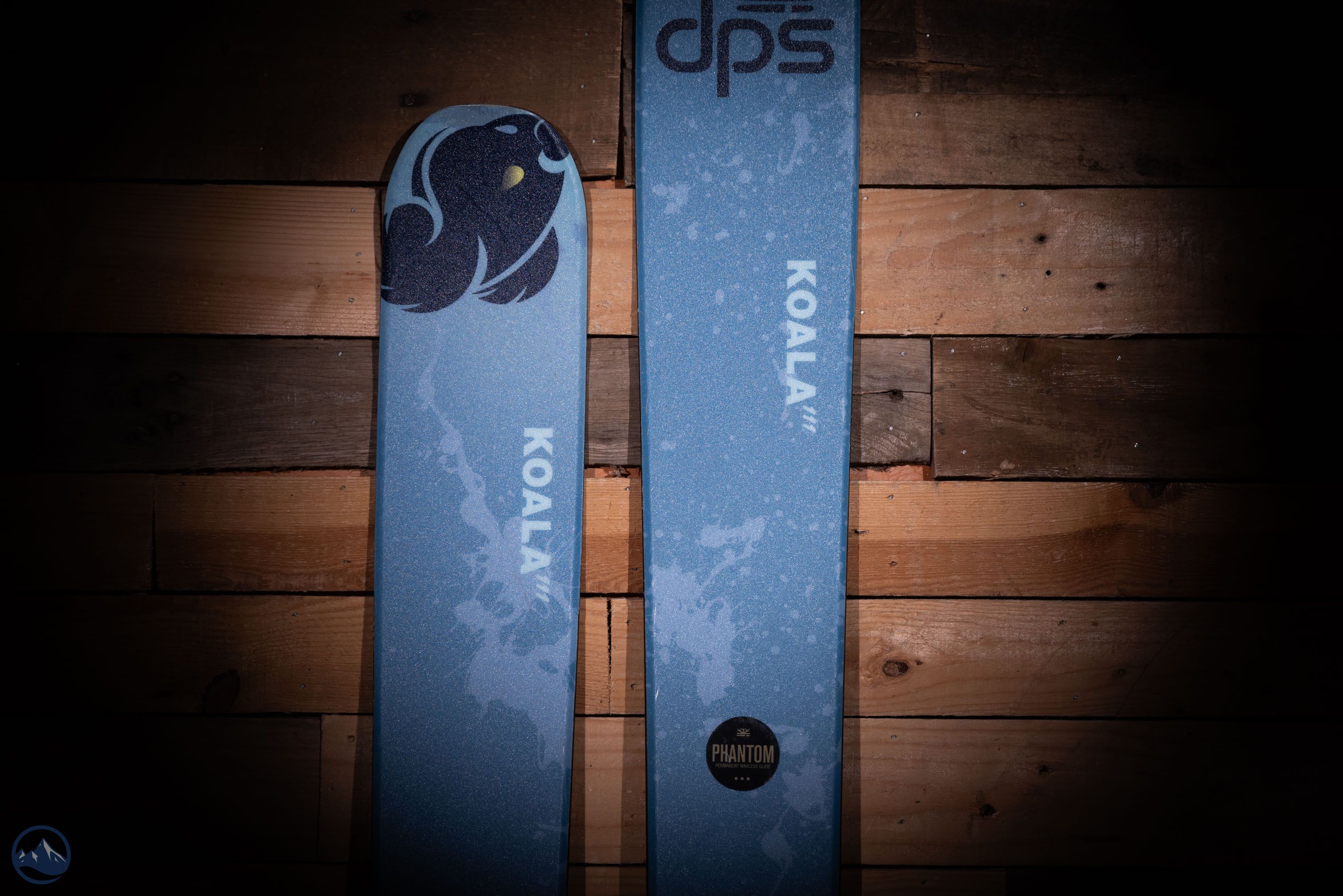
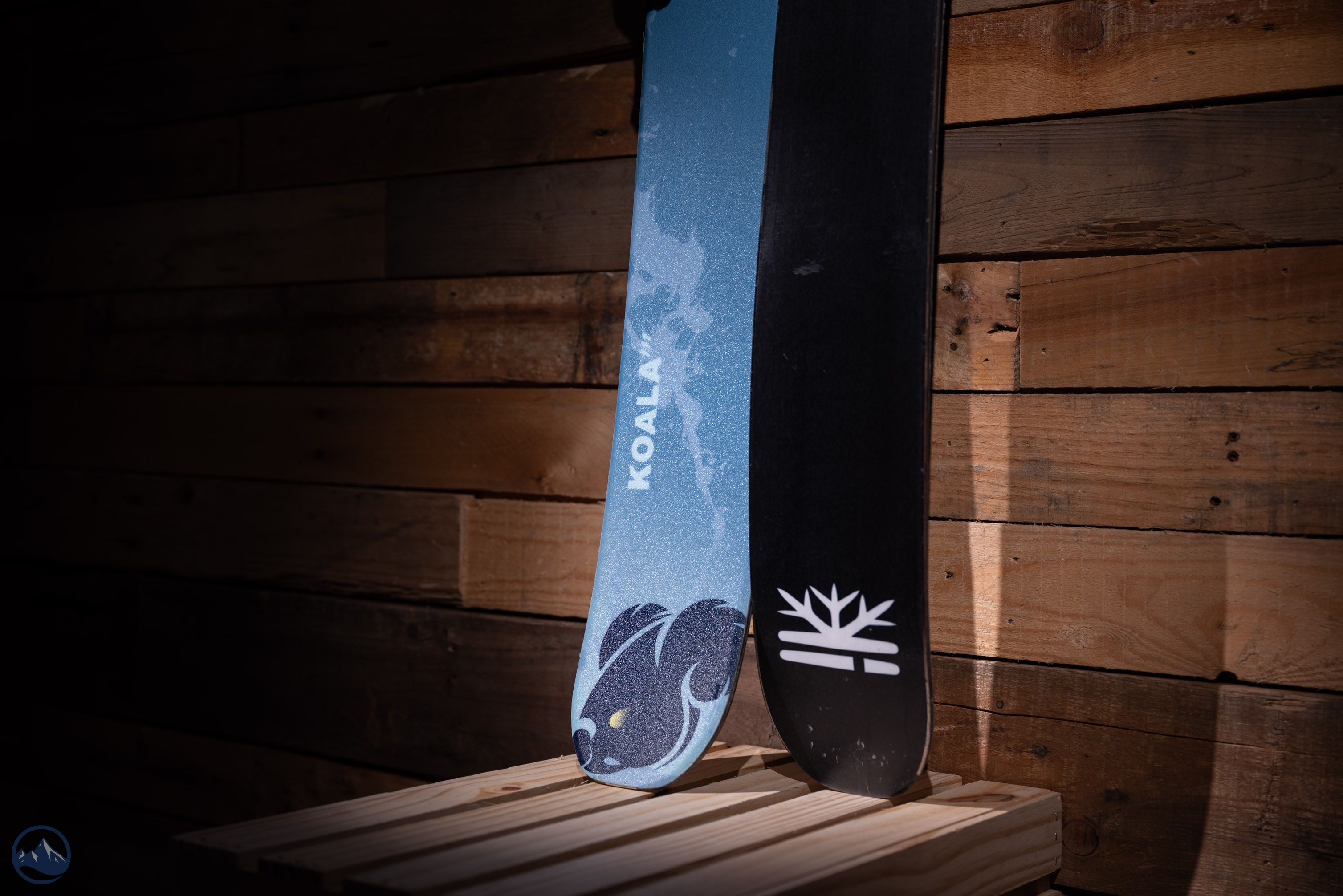
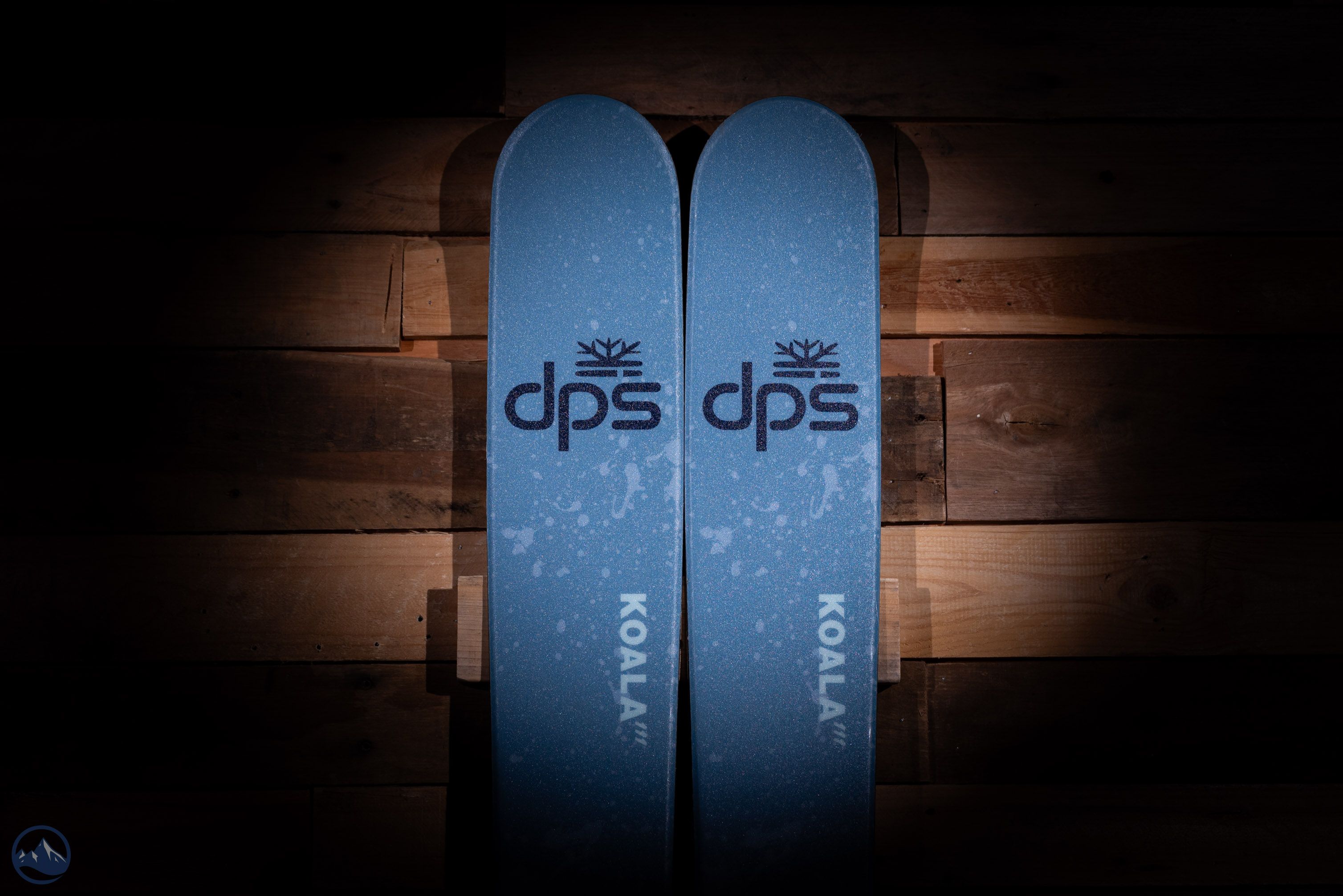
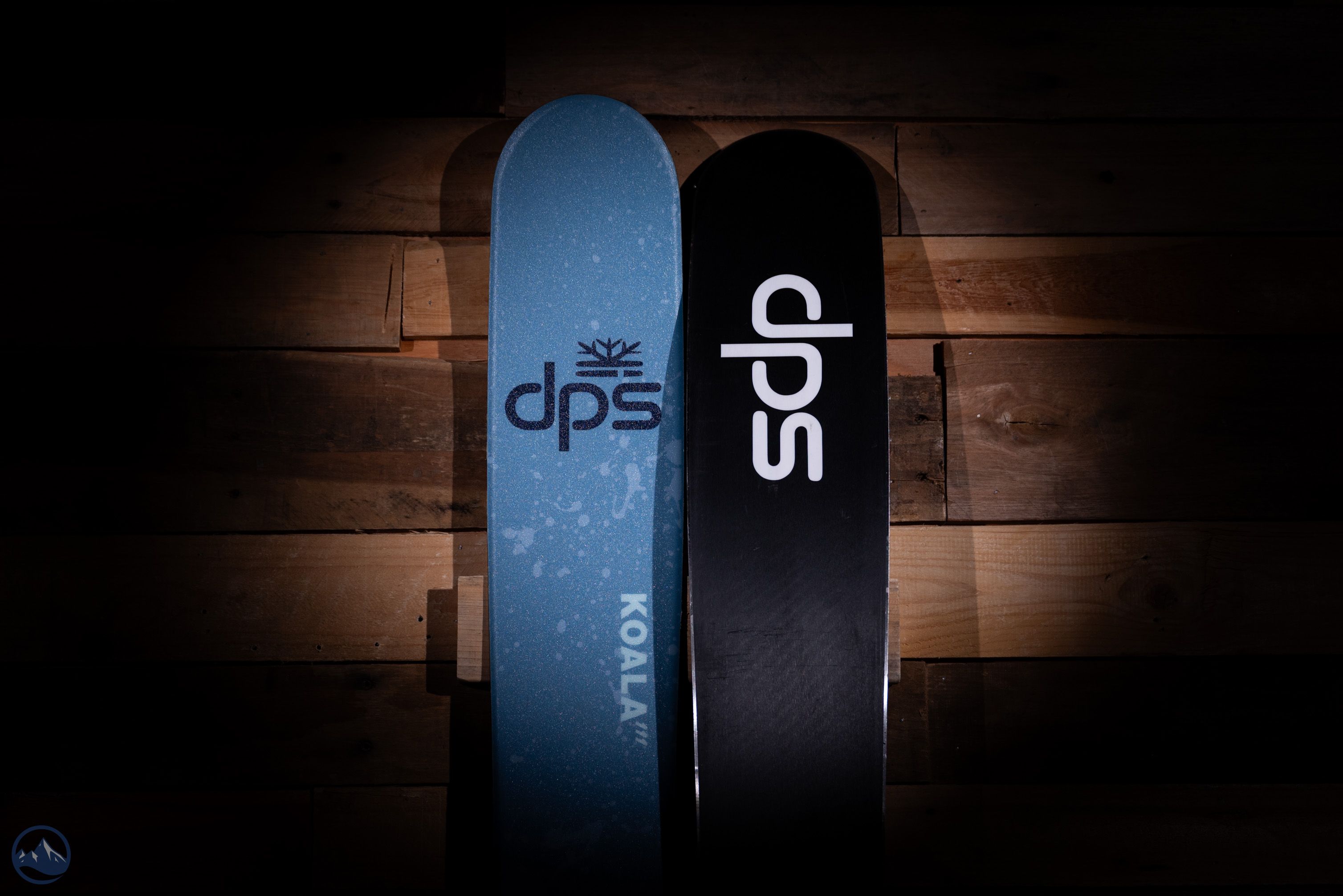
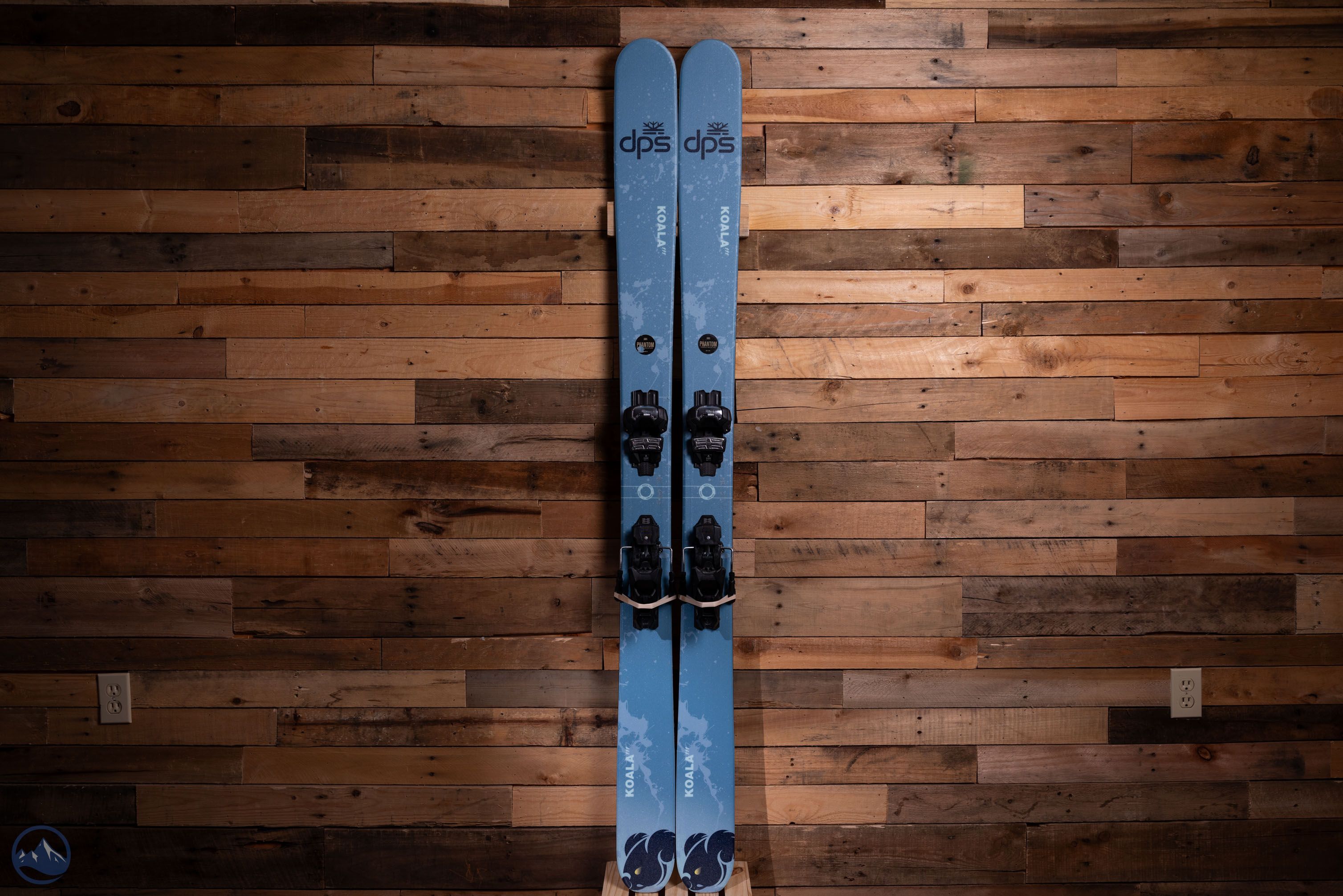
The DPS Koala 111 gets a construction upgrade for this year, bringing sustainability and energy to the mix. We’ve always felt that there is a lot of room for ~110 mm twin tip freeride skis out there, and the Koala 111 is a shining example of this fact. Built in the USA and designed specifically for the deep mountains of Utah, the Koala 111 has a lot of freestyle and freeride influence. The profile and shape are very progressive and unique, putting this 111 in rare company in the ski world today. They are Handmade in the USA, use sustainable materials, and are ready for action in the steep and deep.
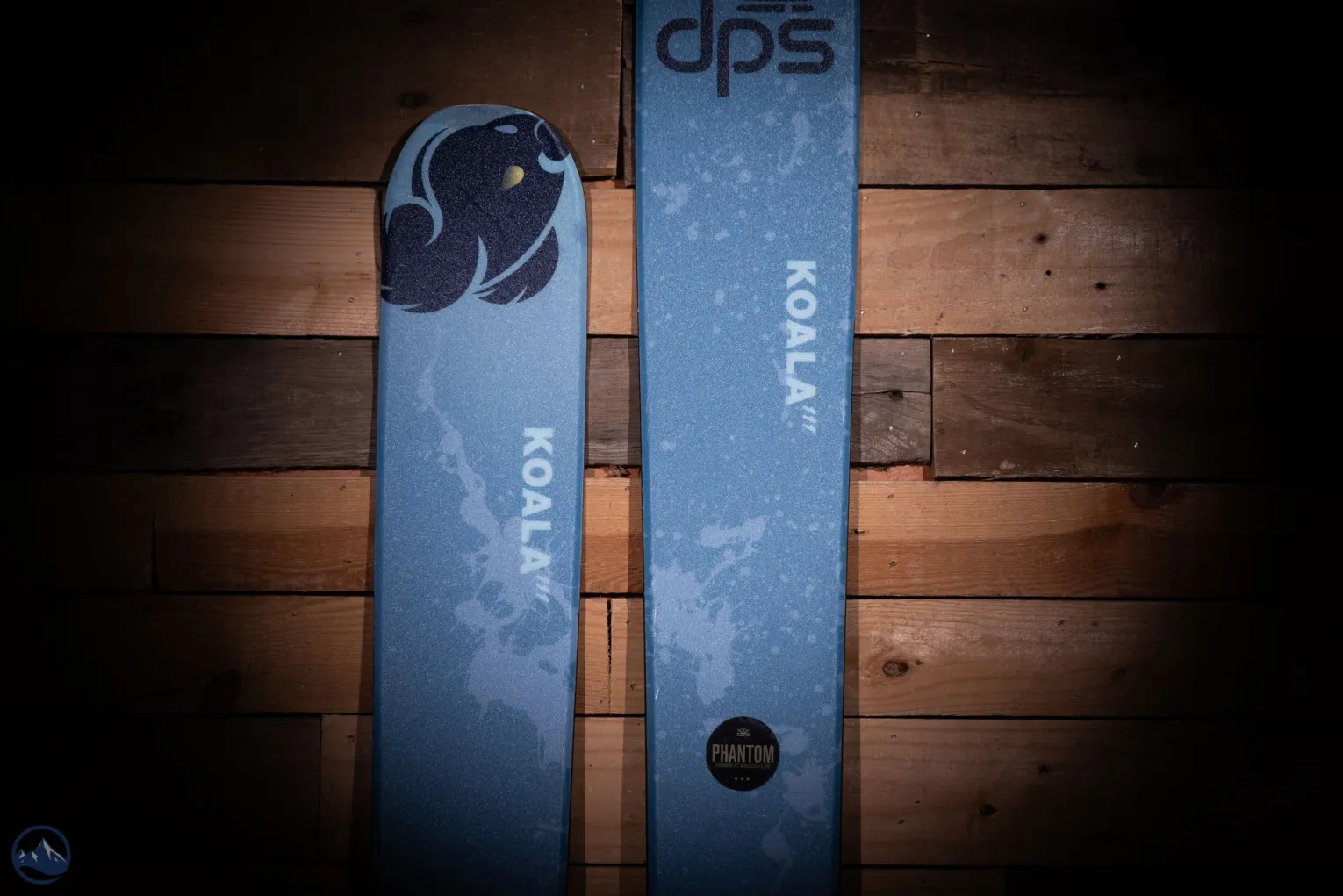

Built with DPS’s Hybrid Carbon Laminate, the skis start with a hardwood core. On top and bottom, we get two fiberglass lamiantes infused with carbon strips. These layers add energy and pop to the mix and make the Koala one of the zestier skis in this width range. Tester Steve McKenzie realizes that “The spirit of the Wasatch is strong with this ski. I could immediately feel this was not forged in the East Coast and to be honest can’t really tell ya why. There was something in the feel that this ski is not used to the variables of east coast skiing. Granted the 10” of fresh snow that fell, this ski was a bit hesitant on the high trafficked areas. However- that shortcoming was quickly overlooked once I dropped into some steep and fresh snow. These things handled and then some. They skied shorter than expected which worked in the tighter sections but didn’t drop an inch in terms of flotation. This ski has subconscious roots to tight steep east coast skiing but is obvious most at home in those wide-open steep and deep Wasatch lines.” The ski's ability to be agile in tighter spaces has more to do with the shape for sure. In the 184, we’re seeing a 2200-gram weight per ski, which is not featherish.
 The Rocker / Camber / Rocker profile of the 2025 DPS Koala 111
With an 18-meter turn radius, this ski can vacillate between longer and more direct turns and shorter carves that make for an exciting feel. There’s dramatic rocker here too, keeping the ski firmly out of the snow and allowing it to be surfy and smeary. While the twin tip shape isn’t really meant for the park, there’s no denying the backcountry booter application here, incorporating freestyle character into a wider-bodied ski. Noah Novotny picks up on this rather specific intent to the shape, stating that “This is strictly a powder ski. It wants to ski powder because of its width and large rockered tip.” Pretty simple, yet very effective commentary there.
Since the ski is a specific tool for a particular job, the range of skier is more pointed than broad. Skiers should know what they’re getting into here, with the wide-bodied twin tip that stays afloat no matter what. There’s some weight here, too, making this a great option for advanced and expert skiers who know how to move a ski around.
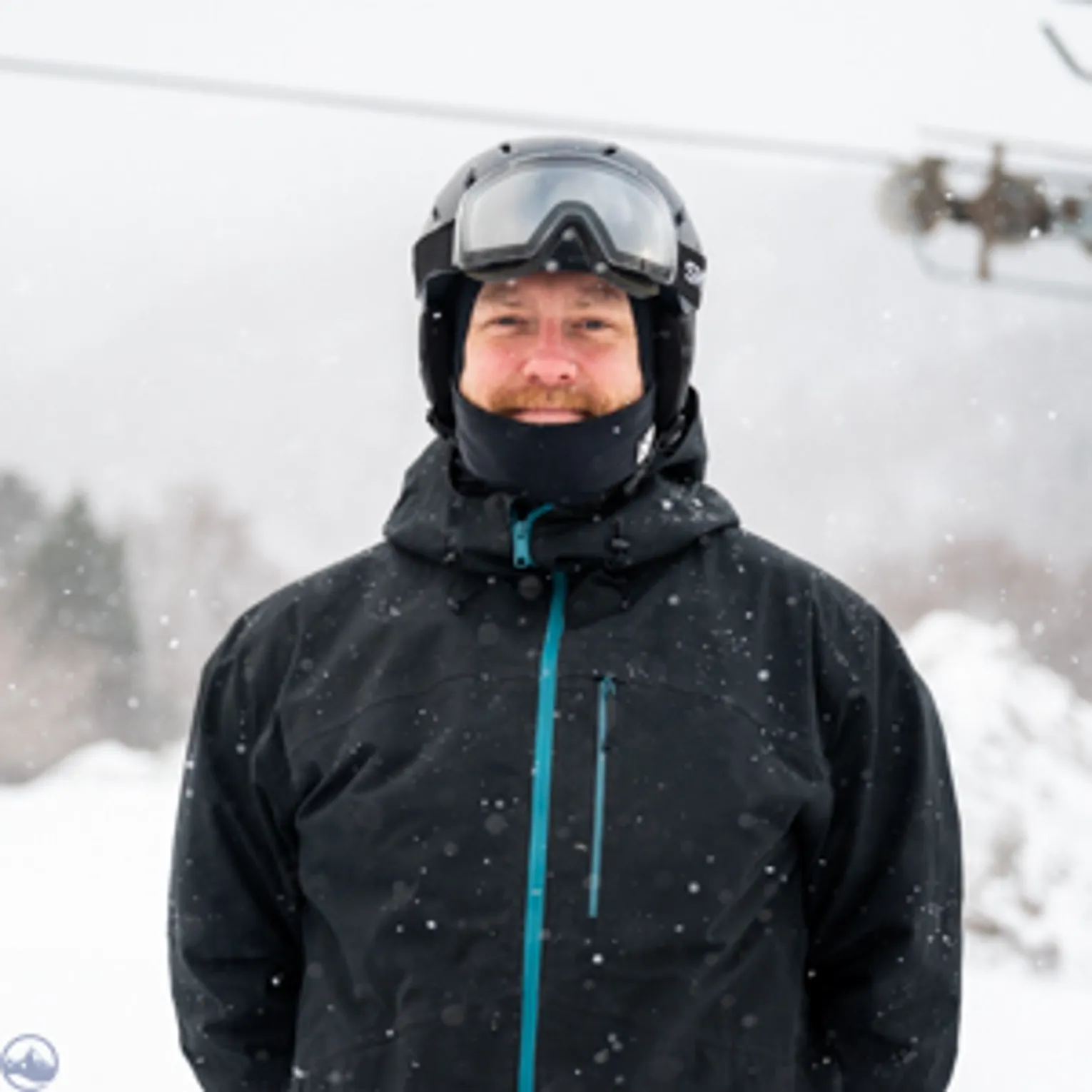
- Ability
- Expert
- Height
- 6’1”
- Weight
- 225
- Days / Year
- 30+/-
- Age
- 32
- Years Skiing
- 30

Explore More