

2025 Volkl Peregrine 76



- Recommended terrain
- Groomers
- Ability level
- Advanced, Expert
- Rocker profile
- Rocker/Camber/Rocker
- Construction
- Poplar/Beech Wood Core, Fiberglass, Titanal, Carbon, MultiLayer Woodcore, 3D Glass, Full Titanal, Tailored Carbon Tips, Full Sidewall, Sintered Base
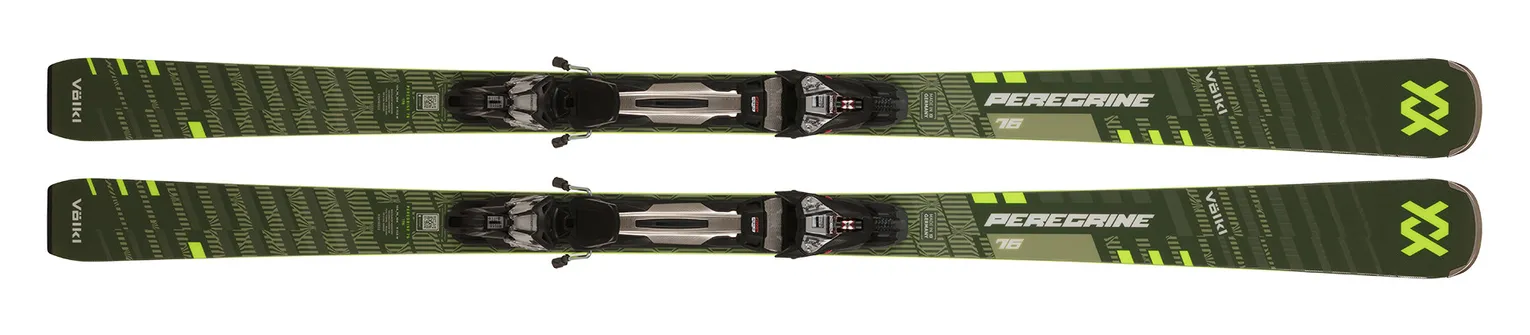
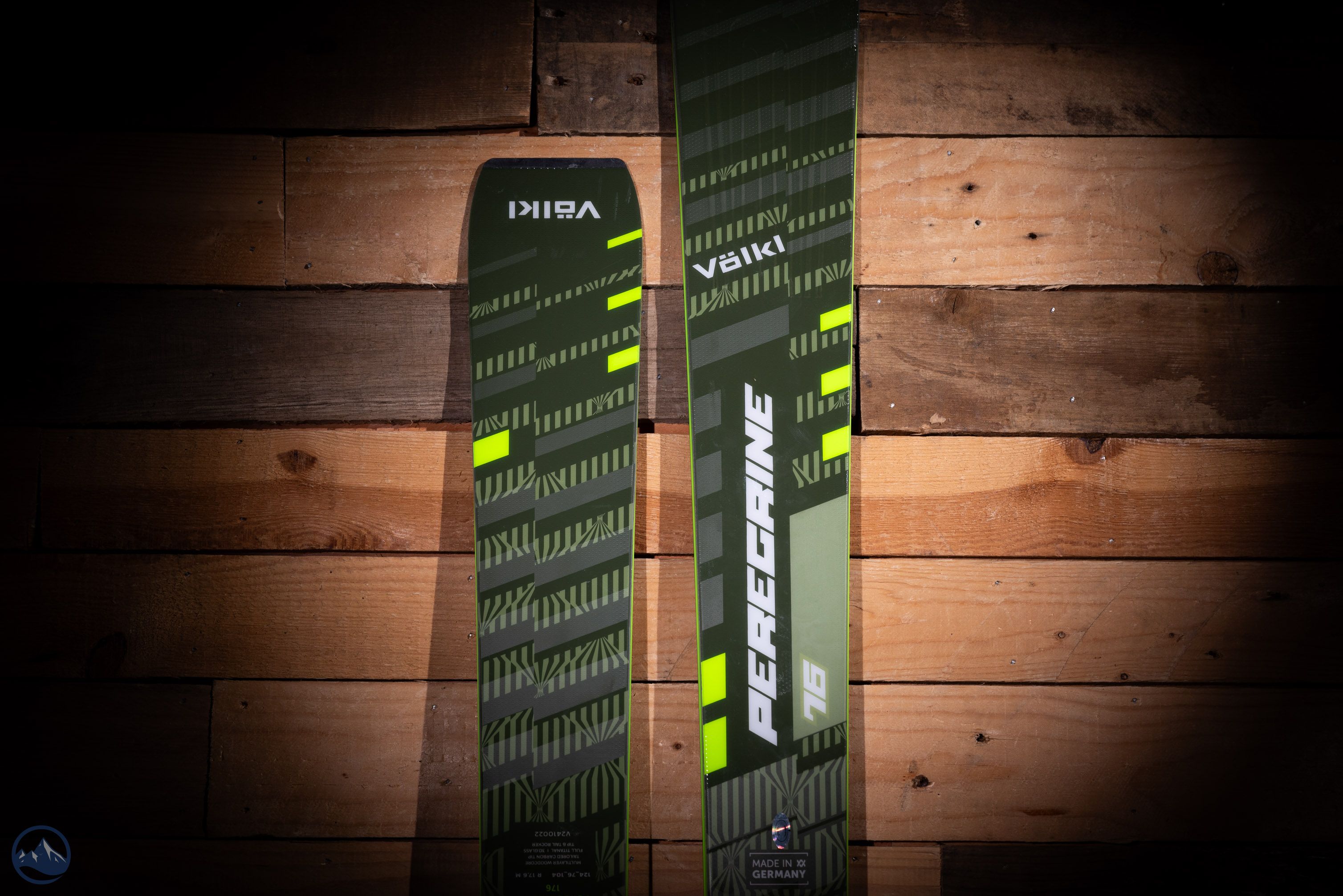
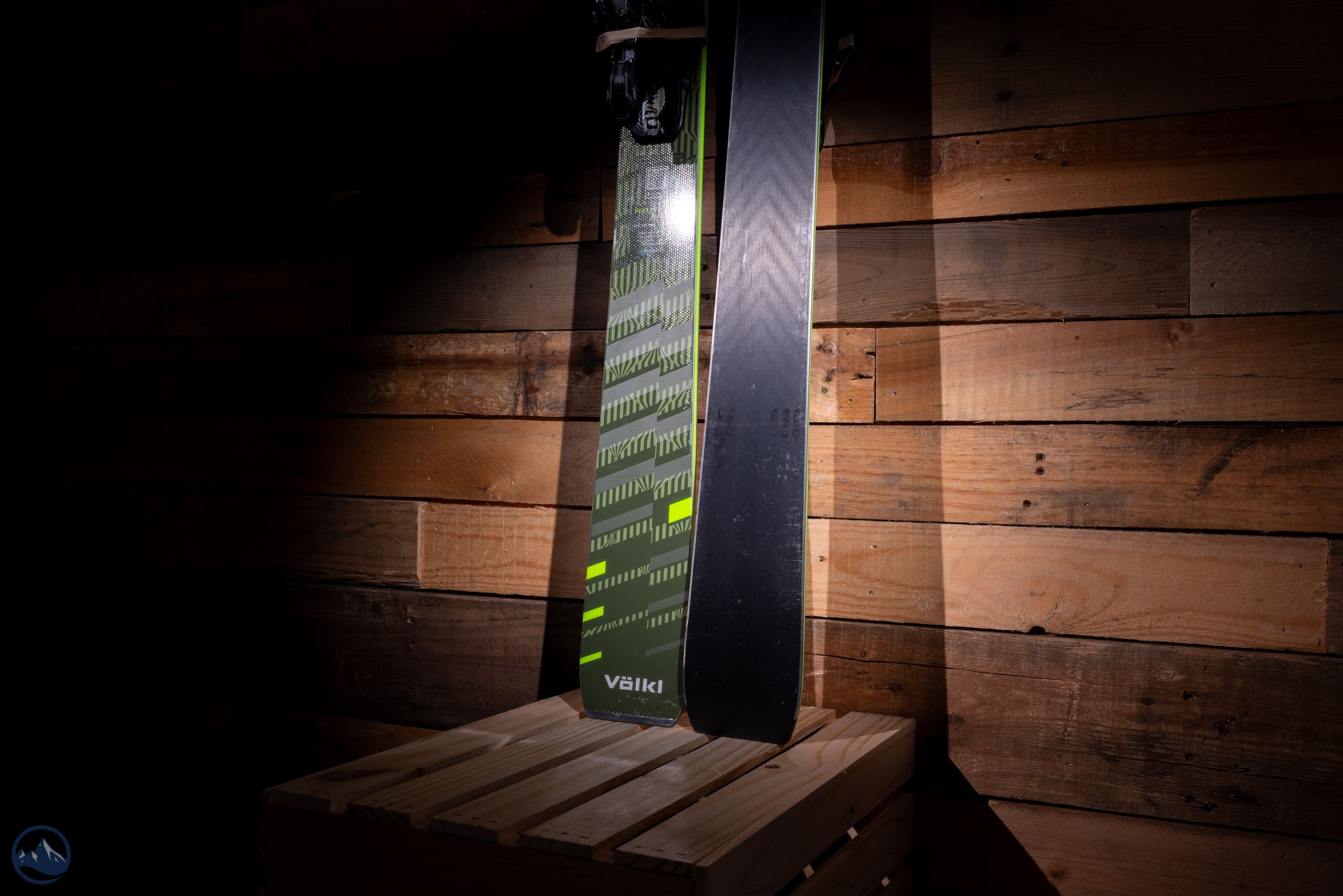
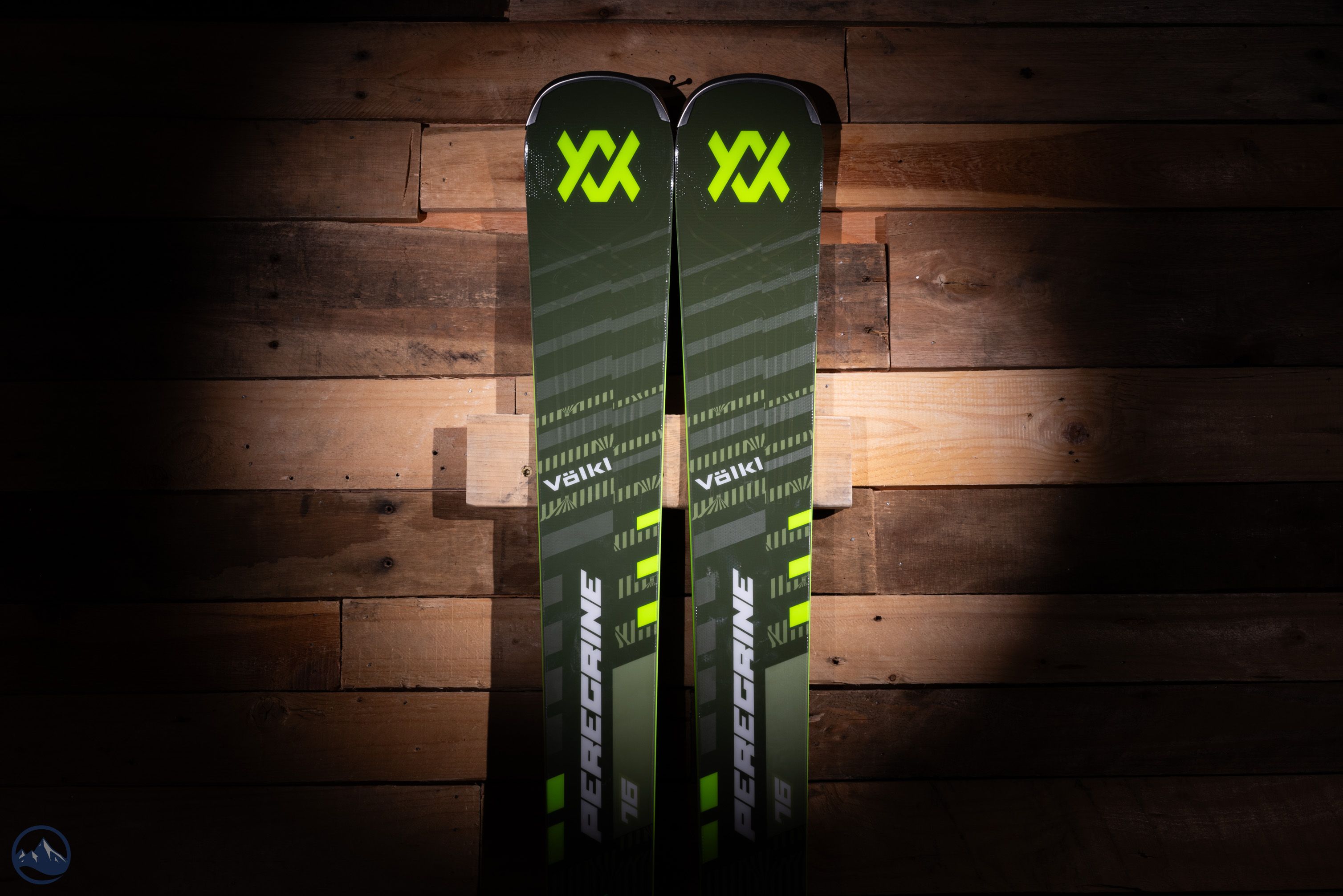
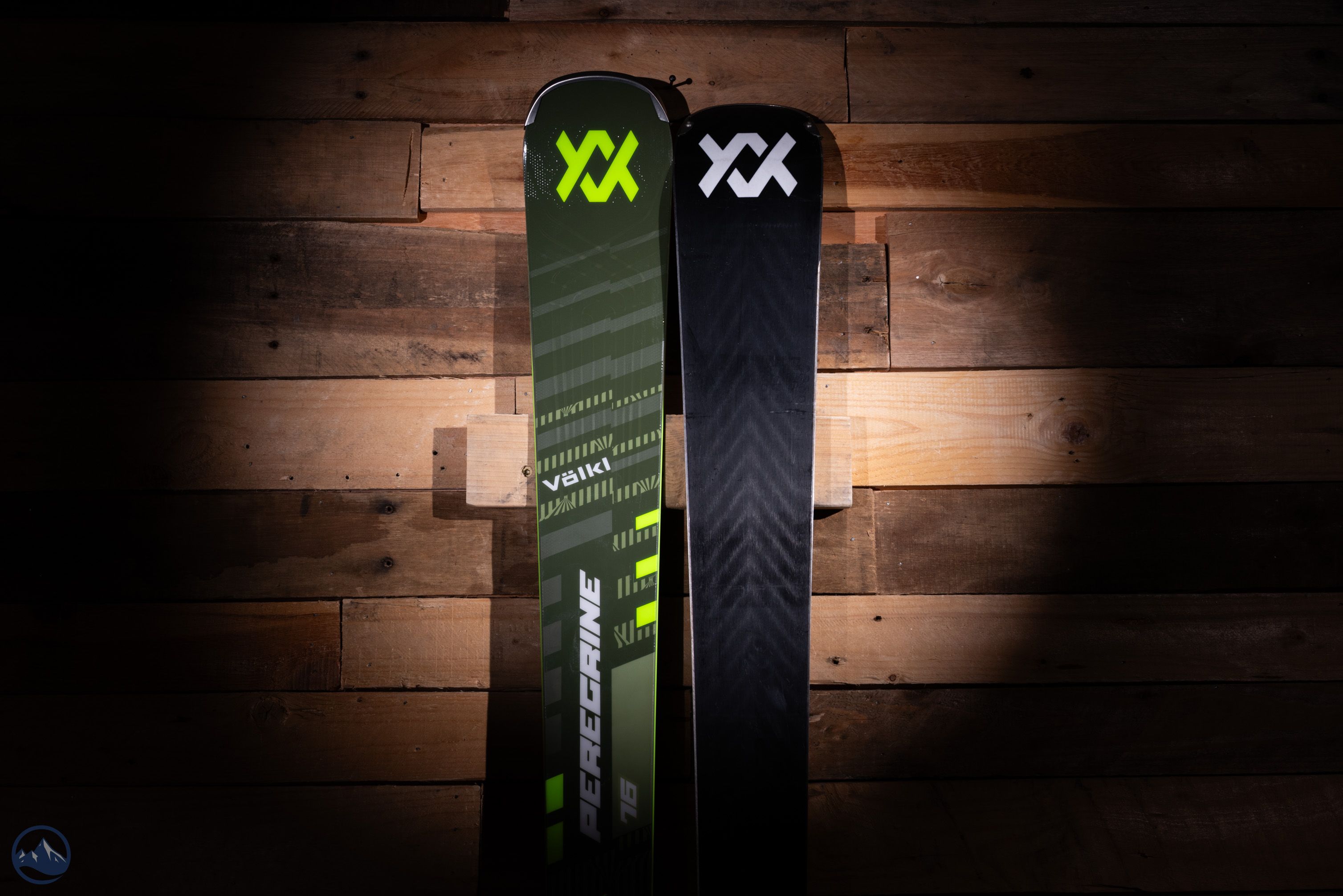
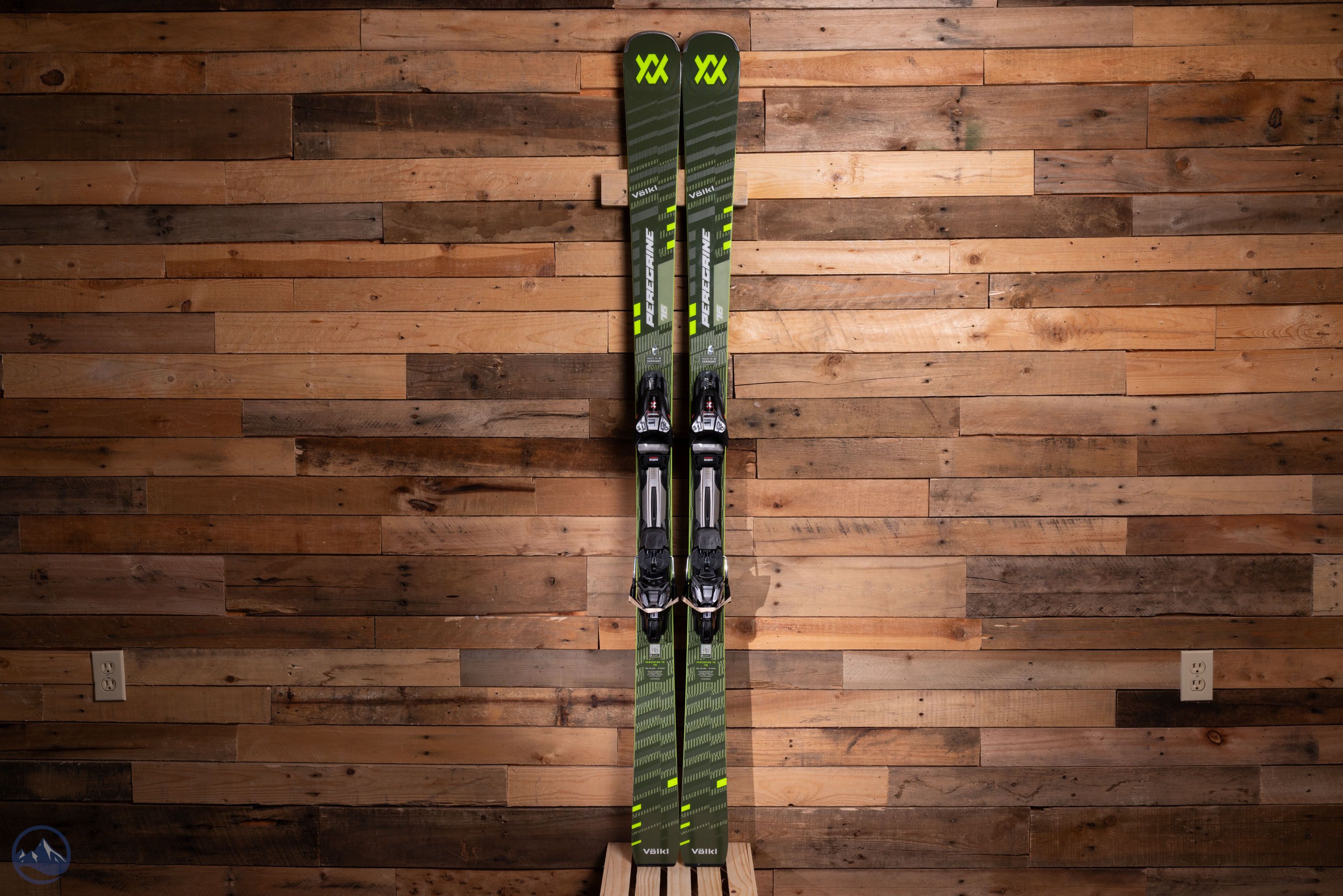
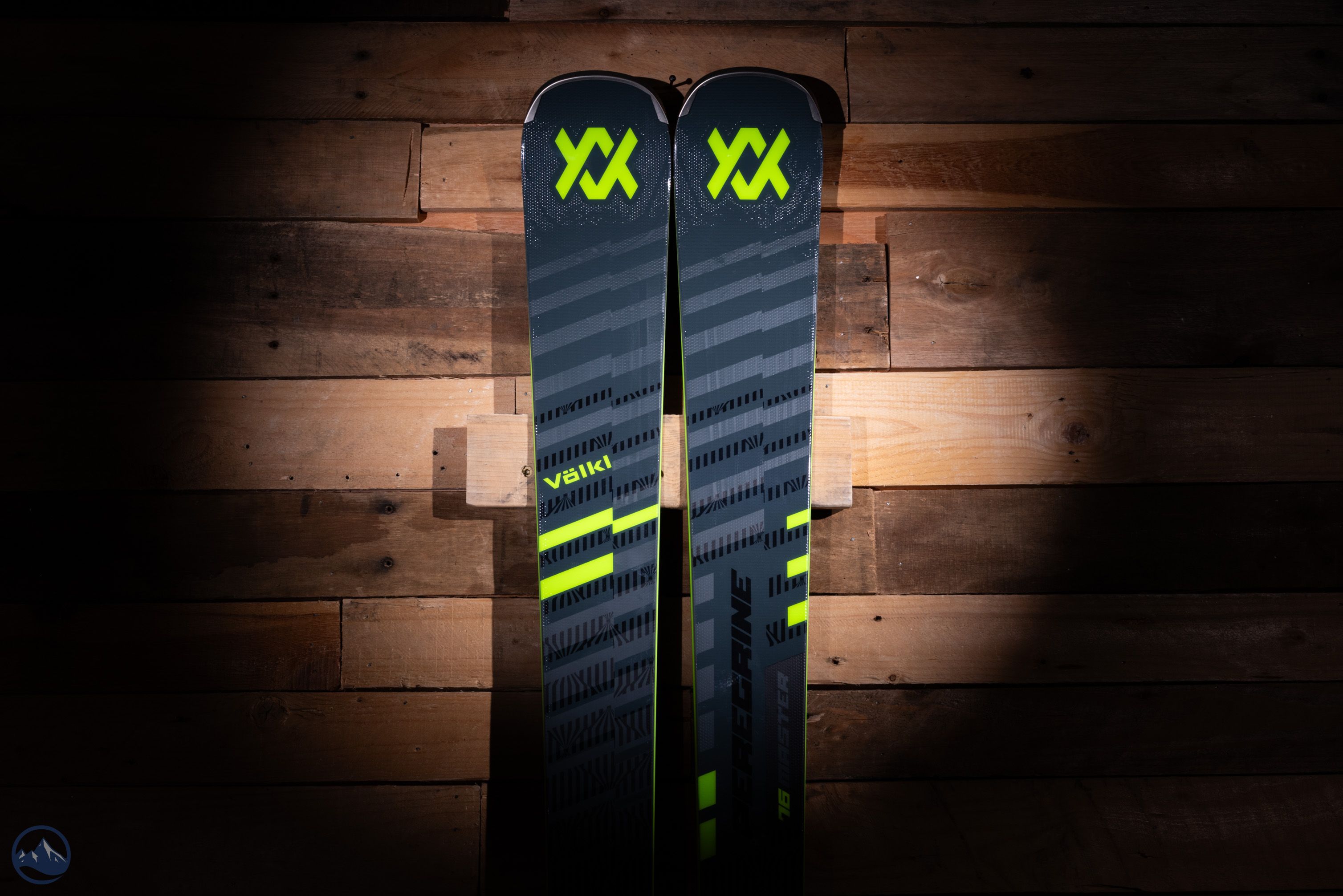
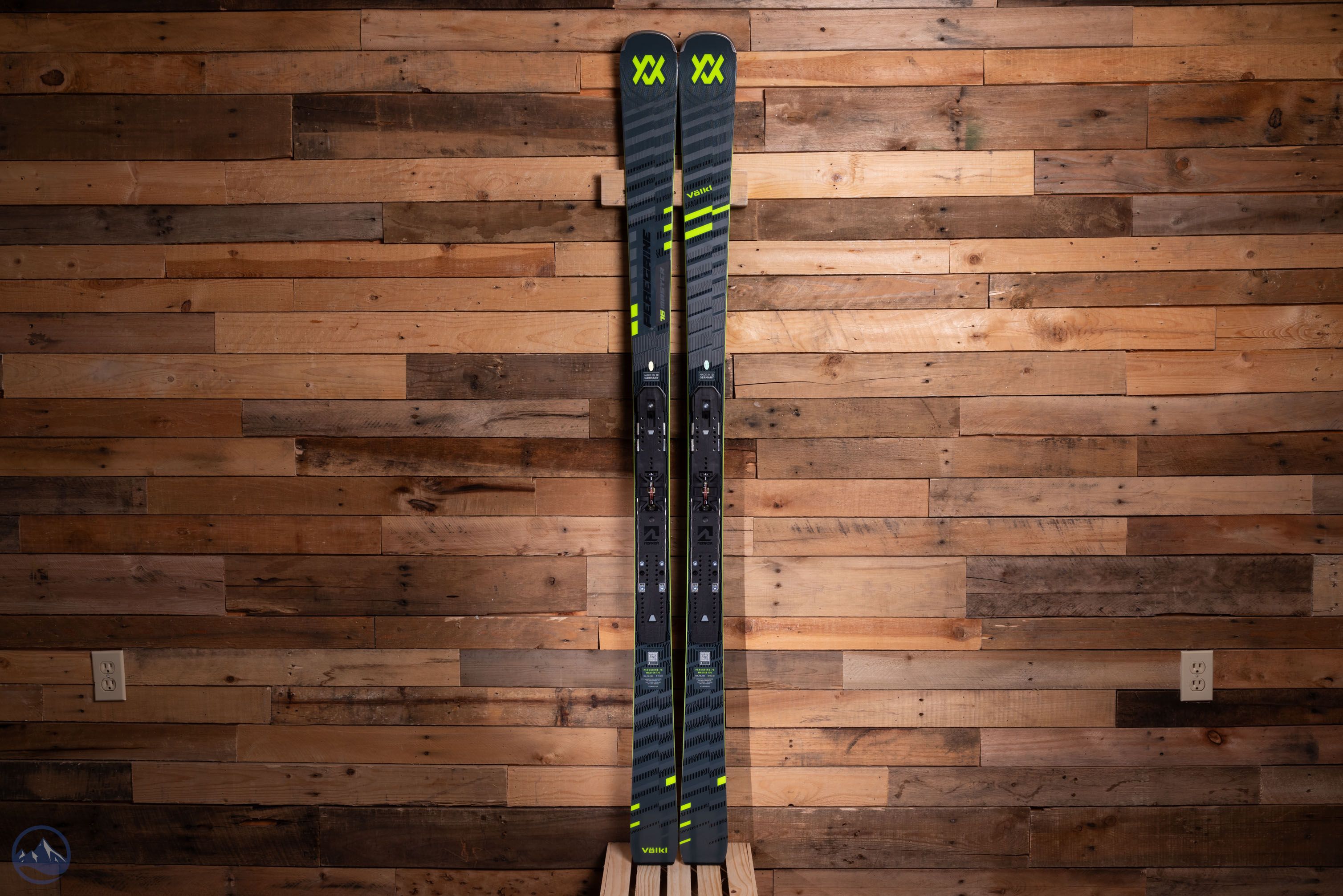
With Volkl moving Deacon to the Peregrine moniker, the 76 remains one of the more versatile high-performance carvers of the group. For fans of carving high-speed turns with tons of power and stability, the 2025 Volkl Peregrine 76 should be at the top of the list. It’s a wider-bodied front side ski that loves to be on edge, but still has a few attributes that point its needle to the mid-range of the versatility spectrum. While still falling squarely on the front side side, the Peregrine 76 has a nice platform to stand on, a sturdy build for high-end skiing and racing, and even a bit of rocker in the tips and tails to give the ski a bit of approachability as well as smoothness in softer snow. We get a new graphic and name for 2025, but other than that, the ski returns unchanged, which is great news for those looking for that mid-70's underfoot front side ski that can handle some adversity along the way. While it may take some skiers a minute to get used to the change, it does keep Volkl’s consistent message of precision and power.
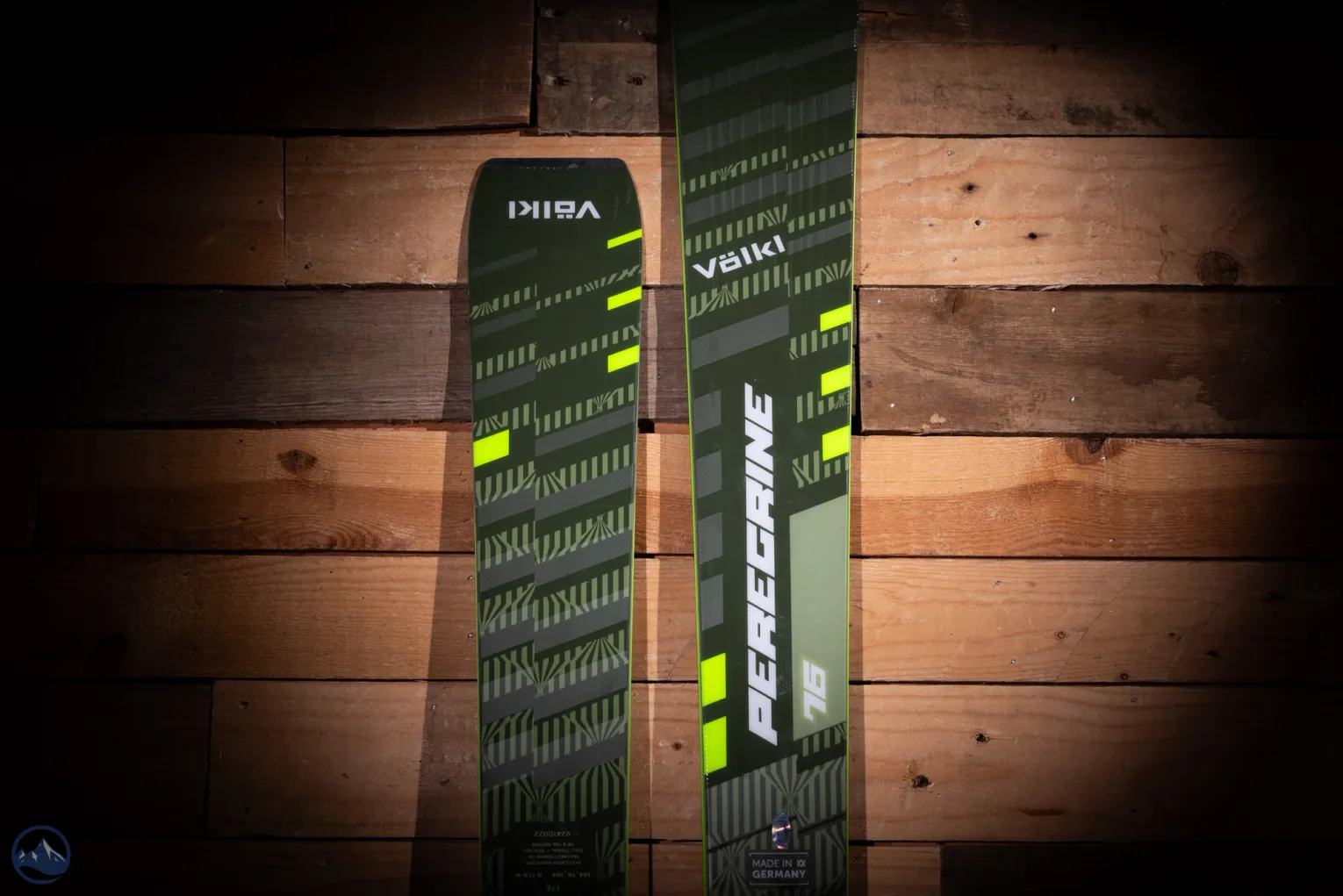
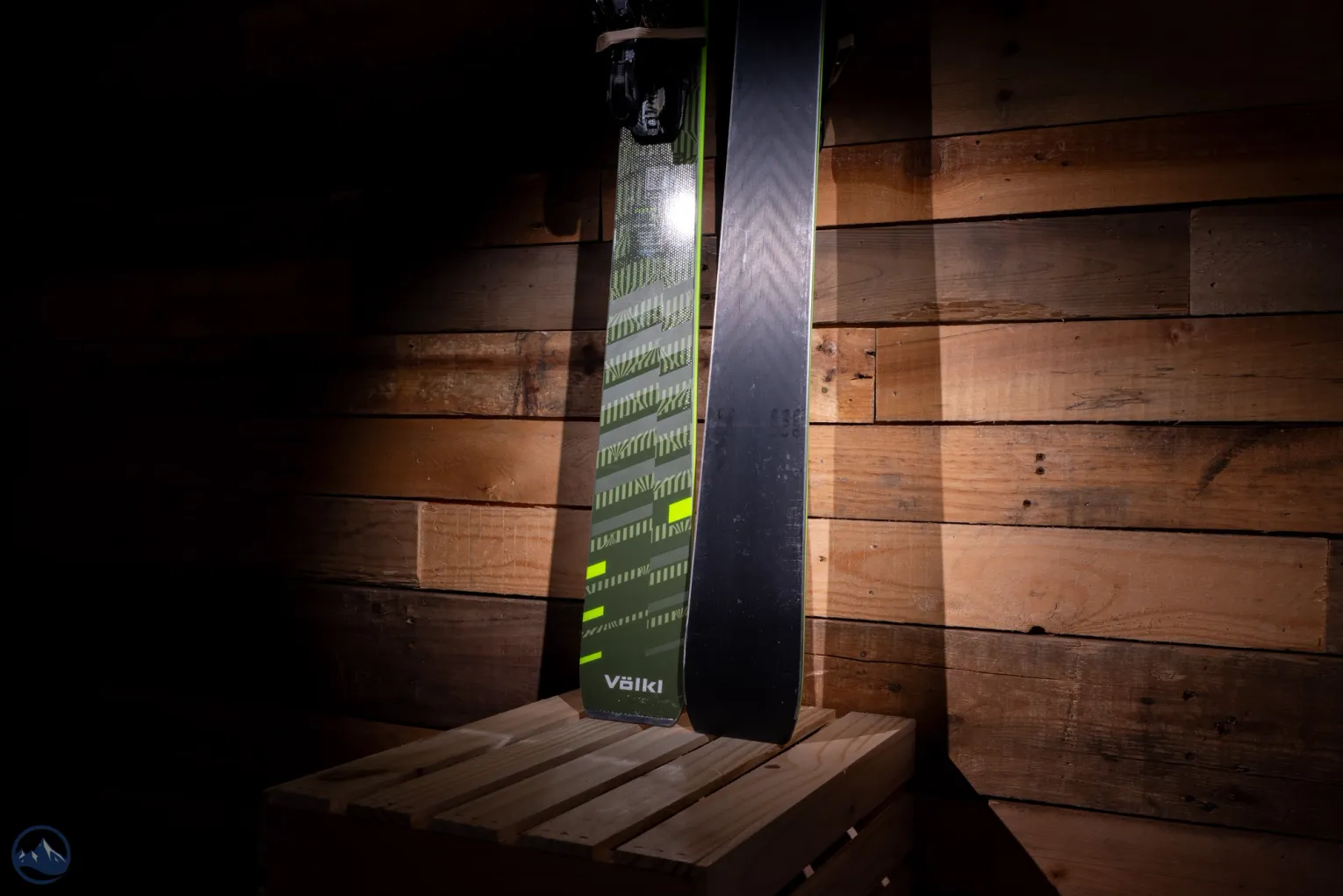
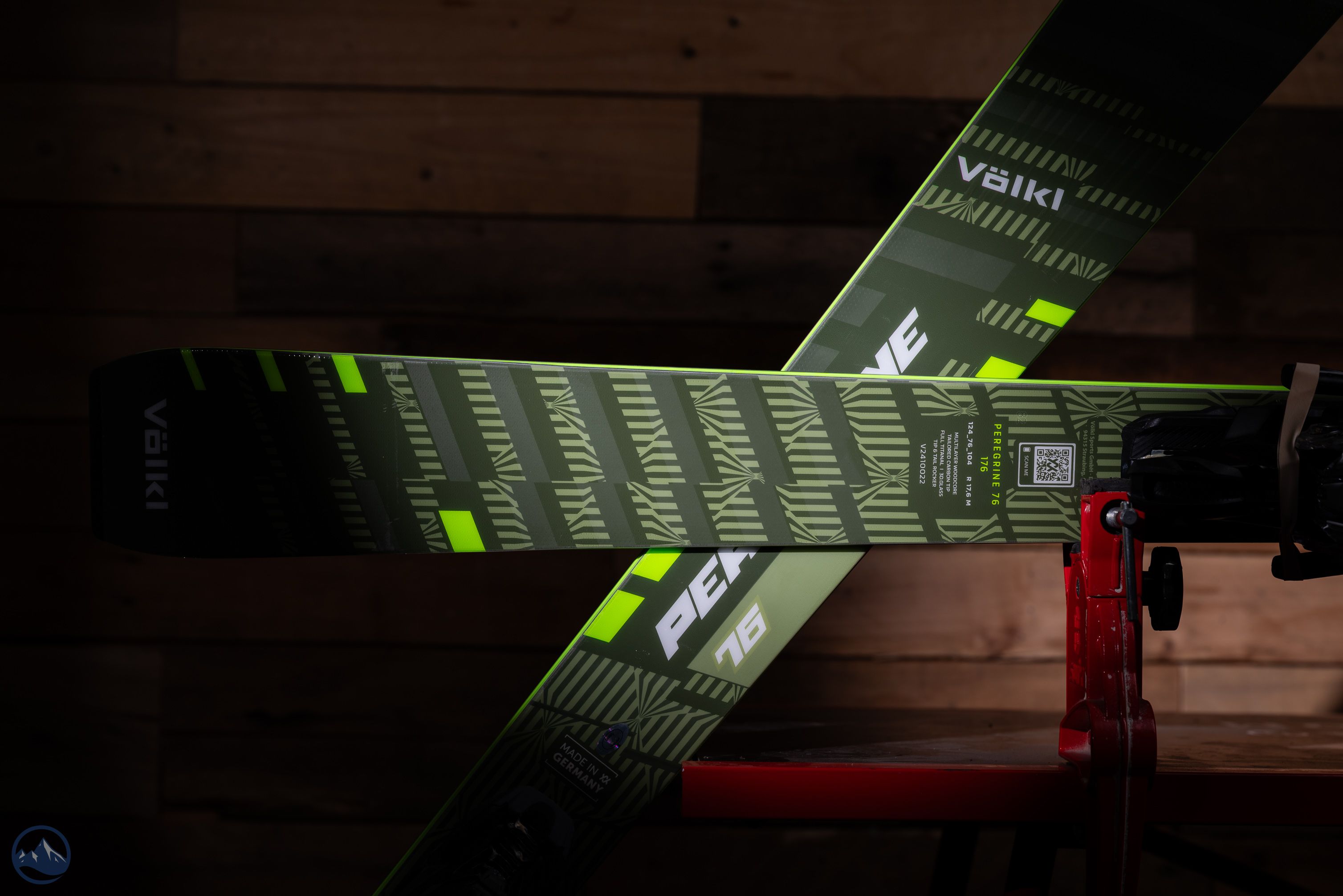
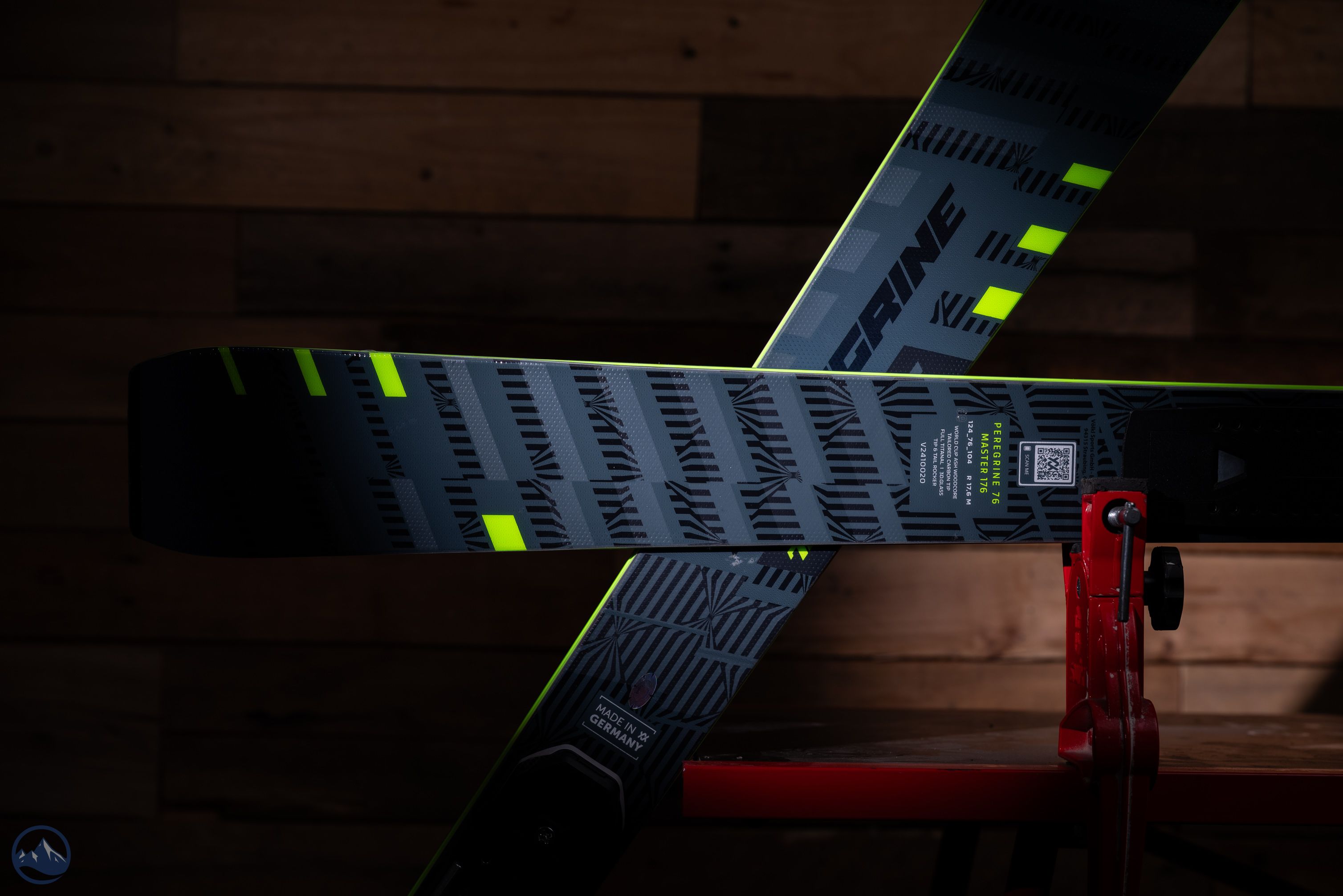
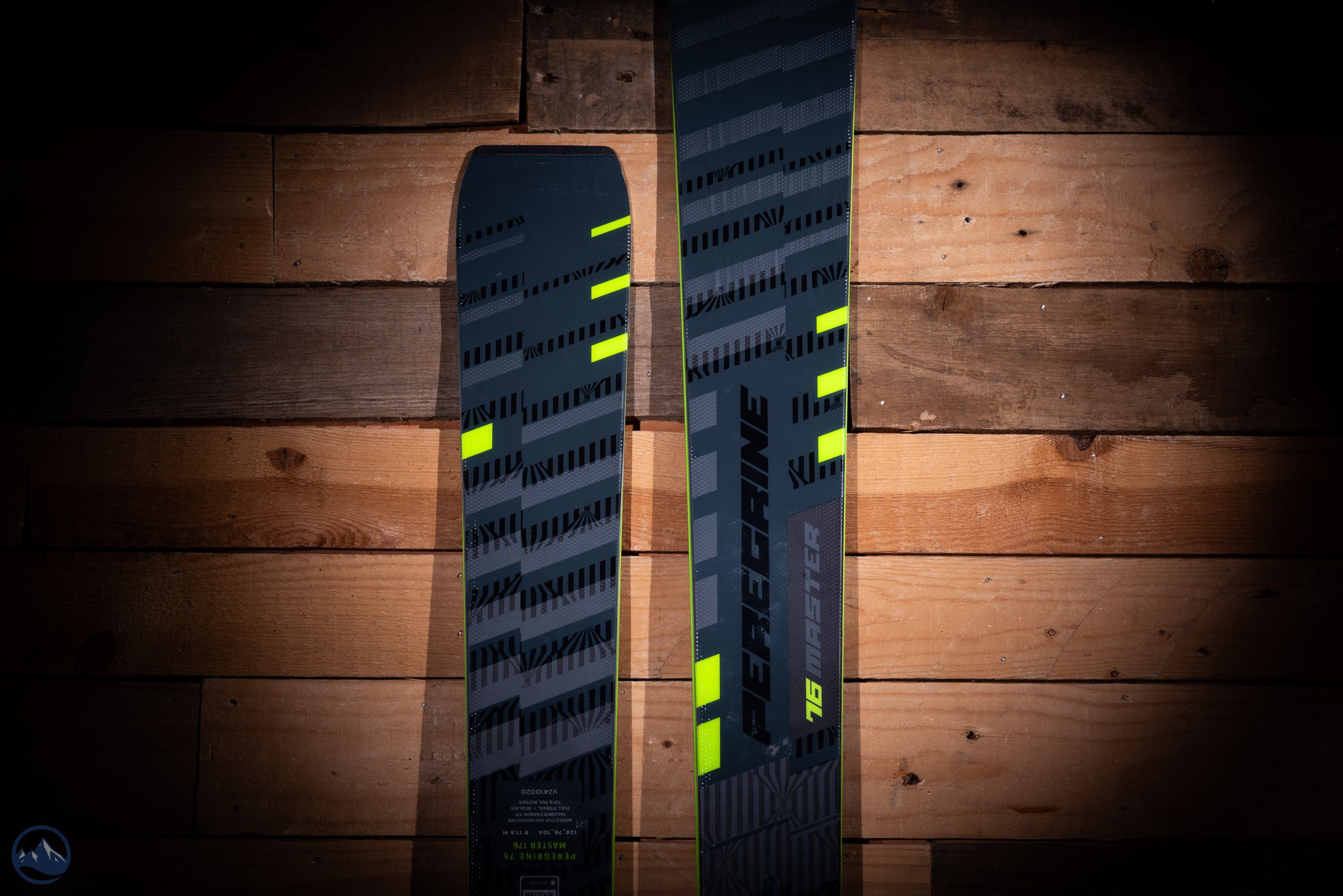
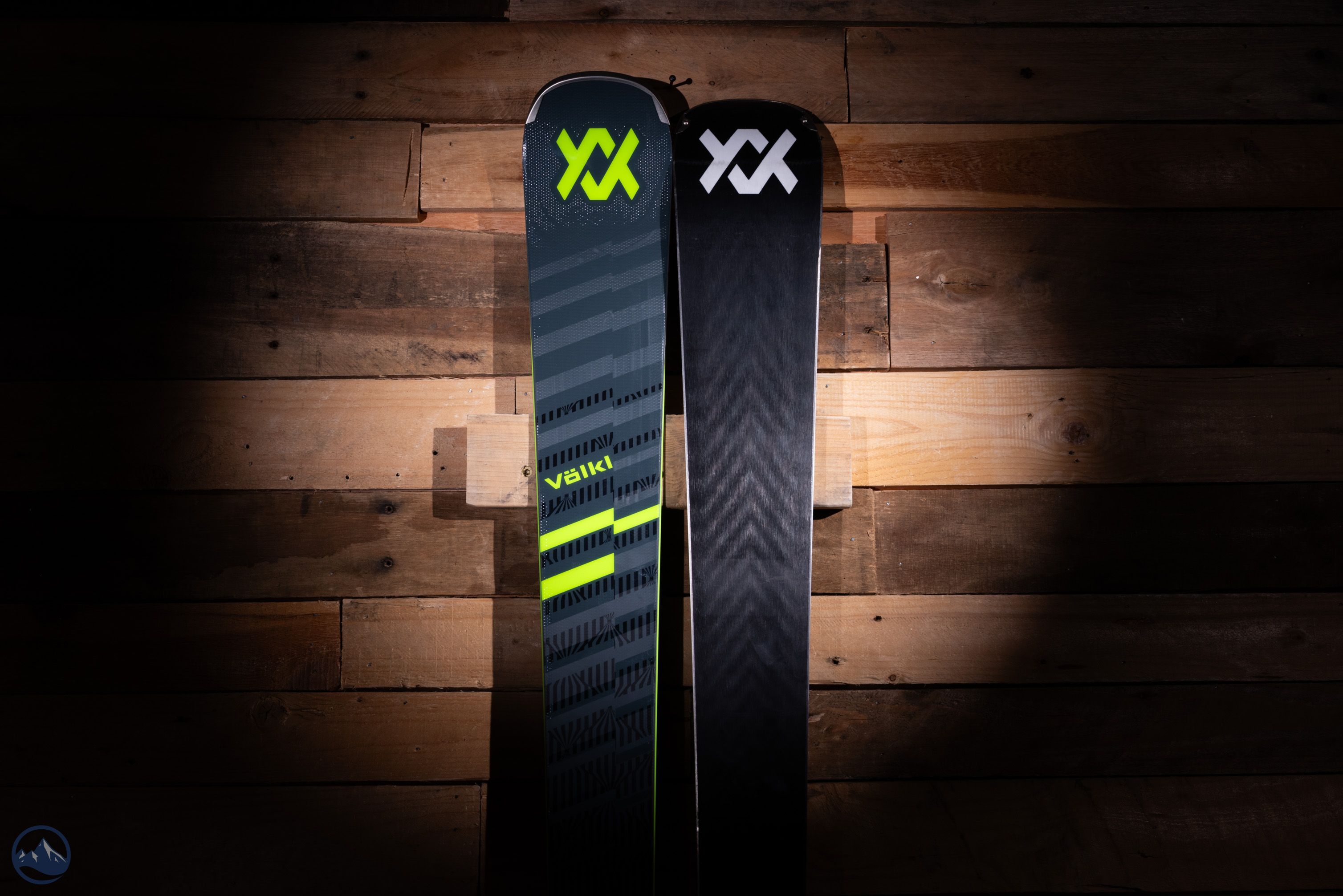
While the Peregrine Master series of skis uses a full ash wood core, just like they use in the race room skis, the regular Peregrine 76 uses a blend of 33% poplar and 67% beech to be the basis of power. This adds more zip than in the Master, so skiers can generate more energy with less work. While not quite as sturdy or stout as the full ash, the Multilayer wood core works just fine, especially when sandwiched between two full laminates of titanal. Add to that the use of 3D Glass and Tailored Carbon Tips, and you’ve got extra ingredients that combine to increase the stiffness and responsiveness of the ski from tip to tail. The fiberglass laminate is angled to curve alongside the sidewall, and any time that materials such as this are used in a 3-dimensional format, it makes them considerably stiffer. With carbon in the tip to adjust the torsional stiffness of the shovel, skiers will get a more precise initiation sequence that makes the Peregrine 76 very agile for having a bit of heft to it. One of the coolest parts about this ski is that it has an rMotion 3 12 GW binding system on it, and this is probably one of the best systems out there. Feels like a race plate and is also adjustable. Tester Marcus Shakun notes that the ski is “Fast and furious!! This thing rips high speed and needs speed to really appreciate. So stable and solid on edge. It’s not the fastest edge to edge in the group, but the one with most horsepower for a strong bigger skier. Weakness is versatility on anything other than groomers.” That’s to be expected given the slight rocker yet super-sharp shape.
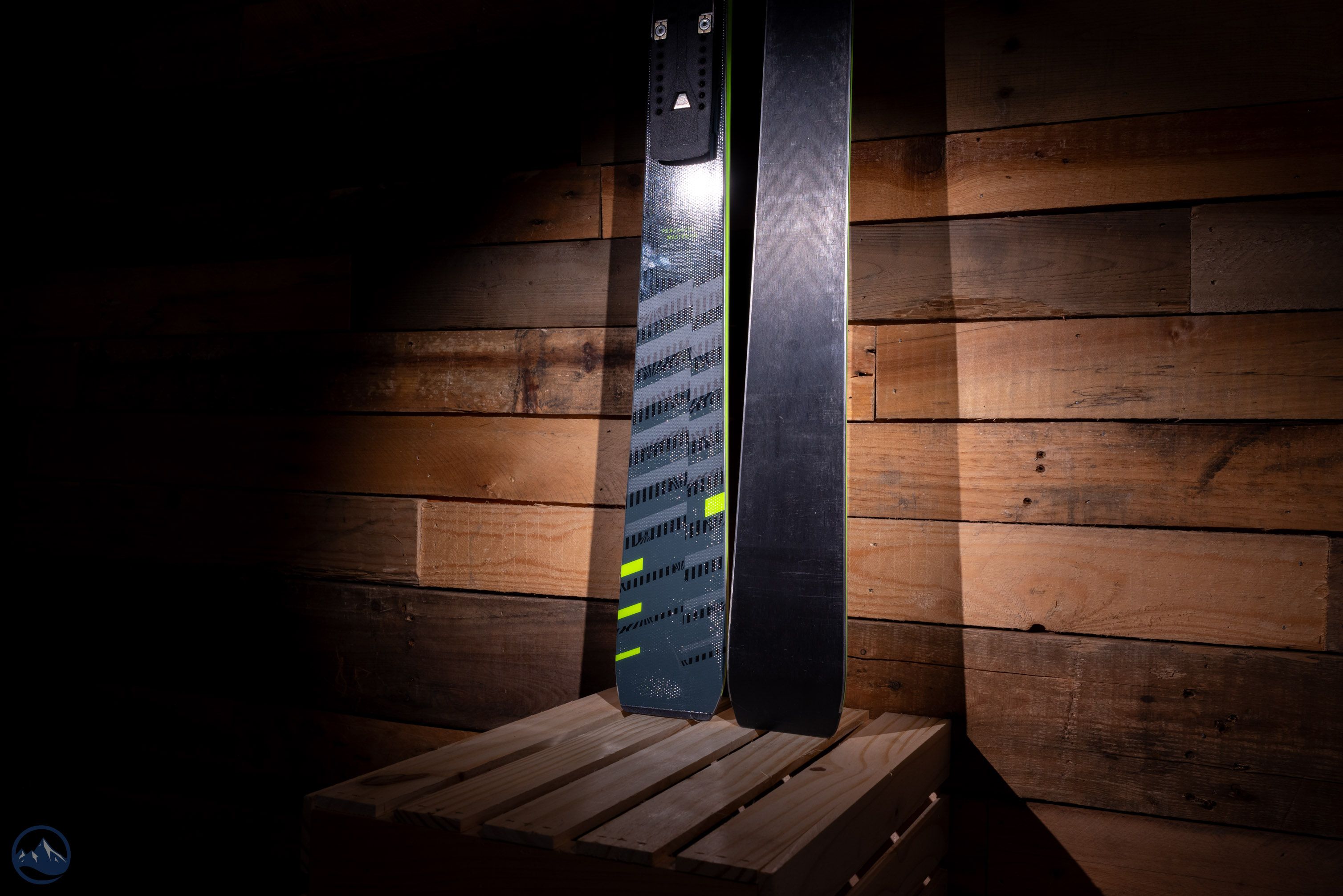
 The Rocker / Camber / Rocker profile of the 2025 Volkl Peregrine 76
That shape allows for excellent on-trail performance. At 76 mm underfoot, the ski is a wider-bodied front side ski that still retains its race-like heritage. We’re seeing a 17.6-meter turn radius in the 176, and that’s a great number for railing GS style turns on groomers or entering a local citizens race. We see a ton of these skis in our local race series here in Stowe, and the best part is that skiers don’t seem to mind skiing on them before and after the race as well—can't quite say the same thing for some narrower, more race-specific skis out there. A big part of the appeal is the use of tip and tail rocker. This takes the demand of the ski down a notch or two, but it’s a whole lot more fun and usable this way. Since it’s not a race ski in totality, there needs to be some type of give when it comes to the agility of the ski. While this type of rocker is not there to promote excellent flotation in waist-deep snow, it is there to accommodate mortal skiers who don’t need or want a full-on rugged ski. Greg Petrics states that “This ski is another entry in the Volkl Peregrine line that offers all sorts of on-piste performance, while also giving you versatility to head into the bumps and trees. At--you guessed it--76mm underfoot it's not too wide, not too narrow, but it's JUUUUUUSSSSTTT right. As such, the ski is good at almost everything. Its only weakness is that it isn't really designed for deep powder. You can ski all over the whole mountain on this ski and have fun.”
This ski suits a lot of strong skiers with skilled backgrounds. We’ve loved the Peregrine 76 build and shape since inception, and those feelings continue moving forward. There’s a lot to like about this ski if you’re an advanced or expert skier who’s needing something to hold up to rigorous carving as well as more broken snow. We’ve had it out in both scenarios, and as good as it does in ice and hard pack, we’ve also noticed how compliant it is when it comes to softer snow as well. It’s nice to have the extra width underfoot to create a more stable platform, so if the conditions degrade, you’ll still have enough surface area to keep you moving forward. It’s a very useful shape and style for experienced skiers who know how to carve.
Explore More



