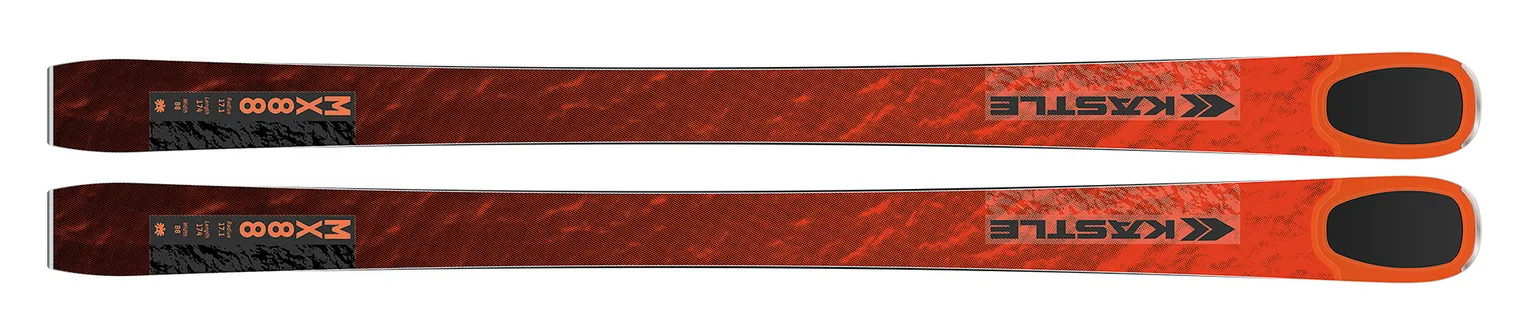
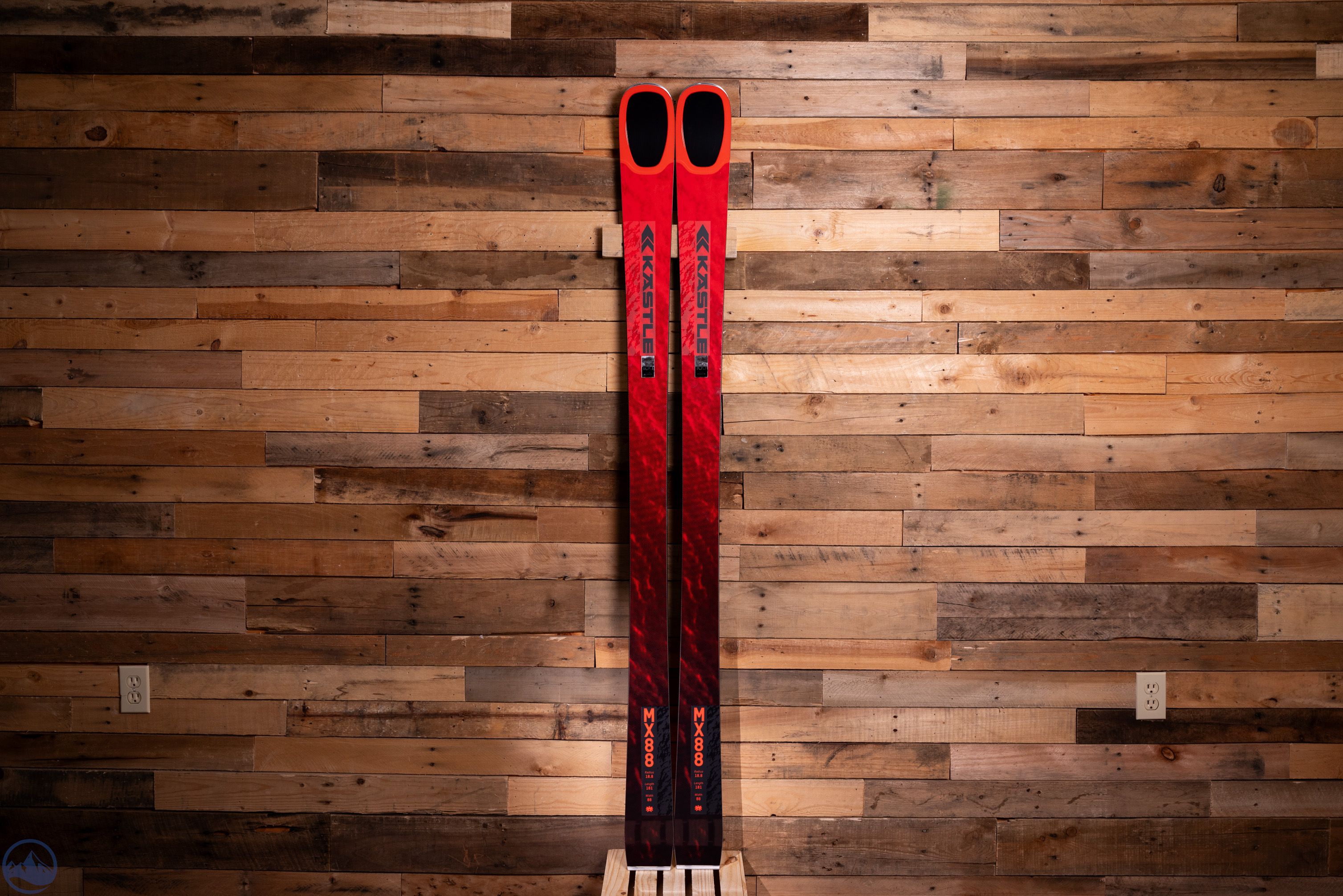
2025 Kastle MX88

- Recommended terrain
- All-Mountain, Groomers
- Ability level
- Advanced, Expert
- Rocker profile
- Rocker/Camber
- Construction
- Poplar/Beech Wood Core, Titanal, Infinicore, HollowTech EVO, Fast Grip Shovel and Tail
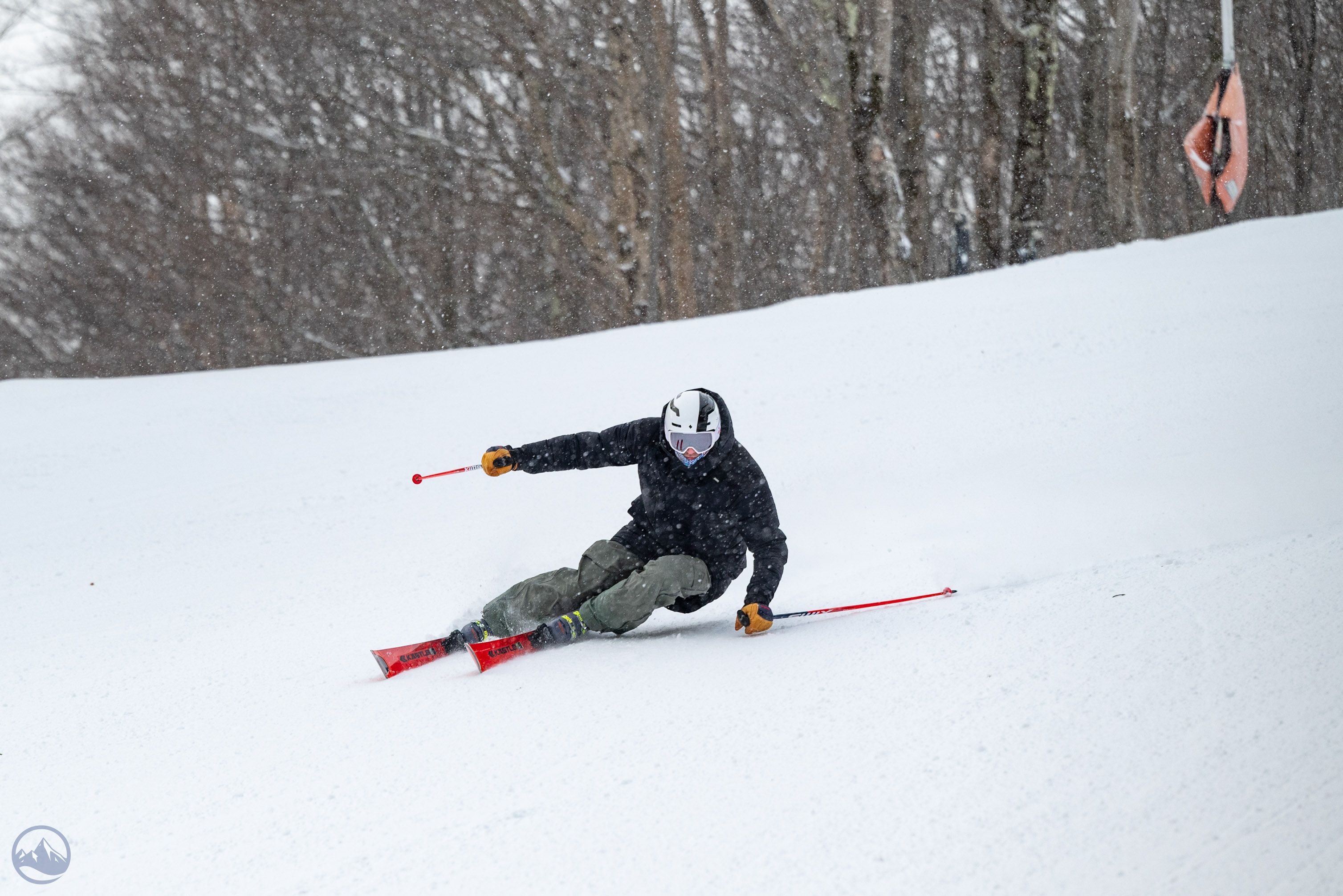
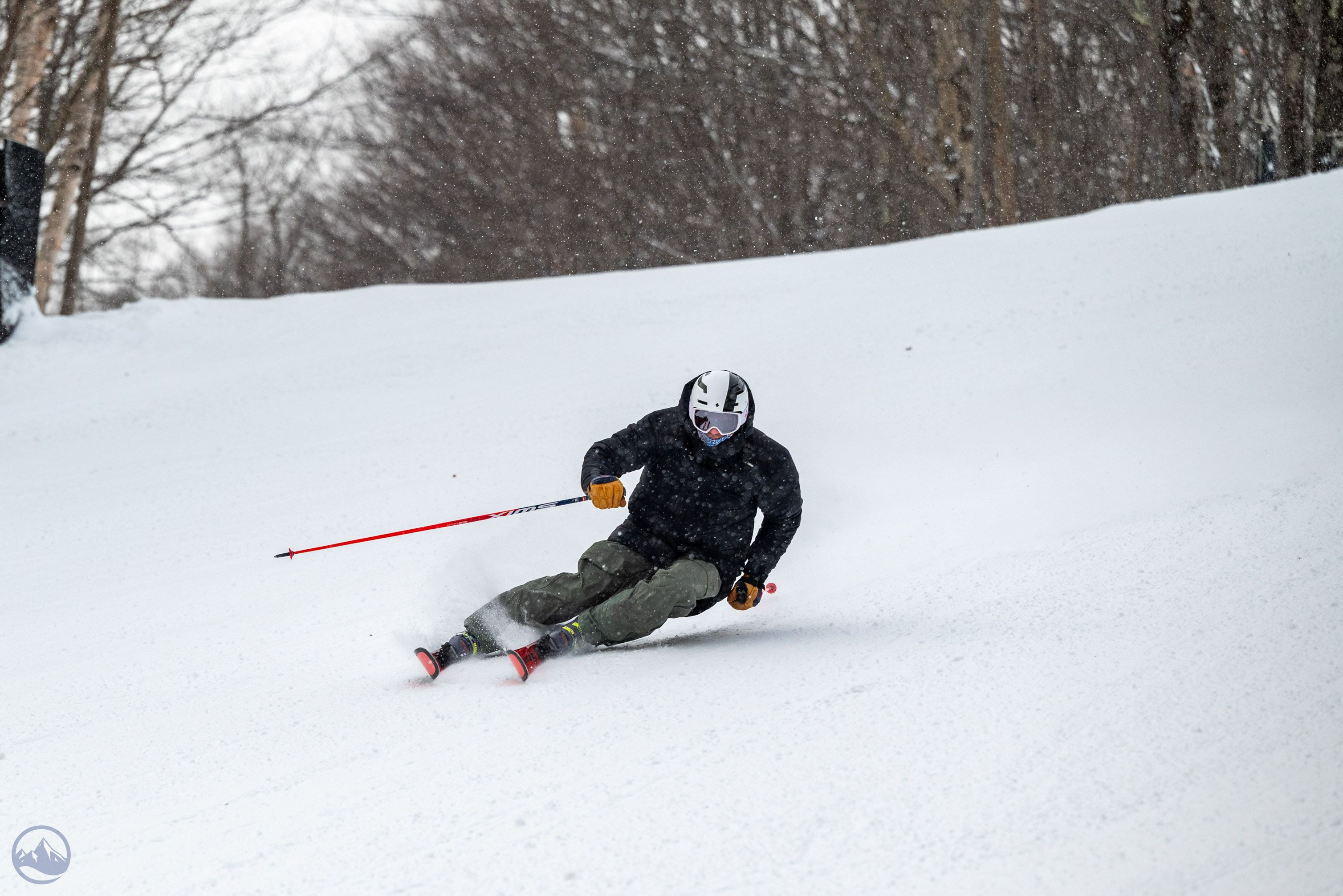
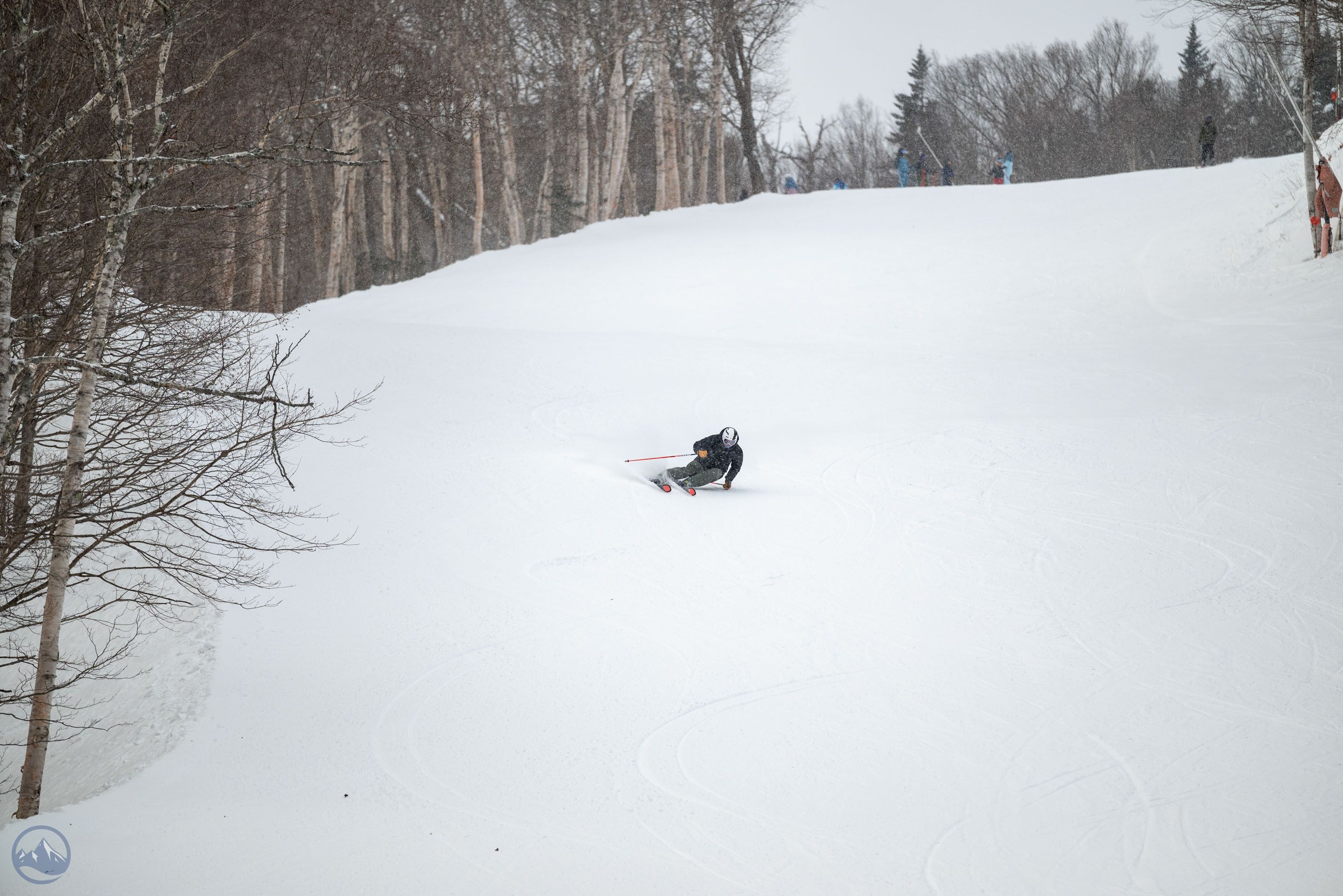
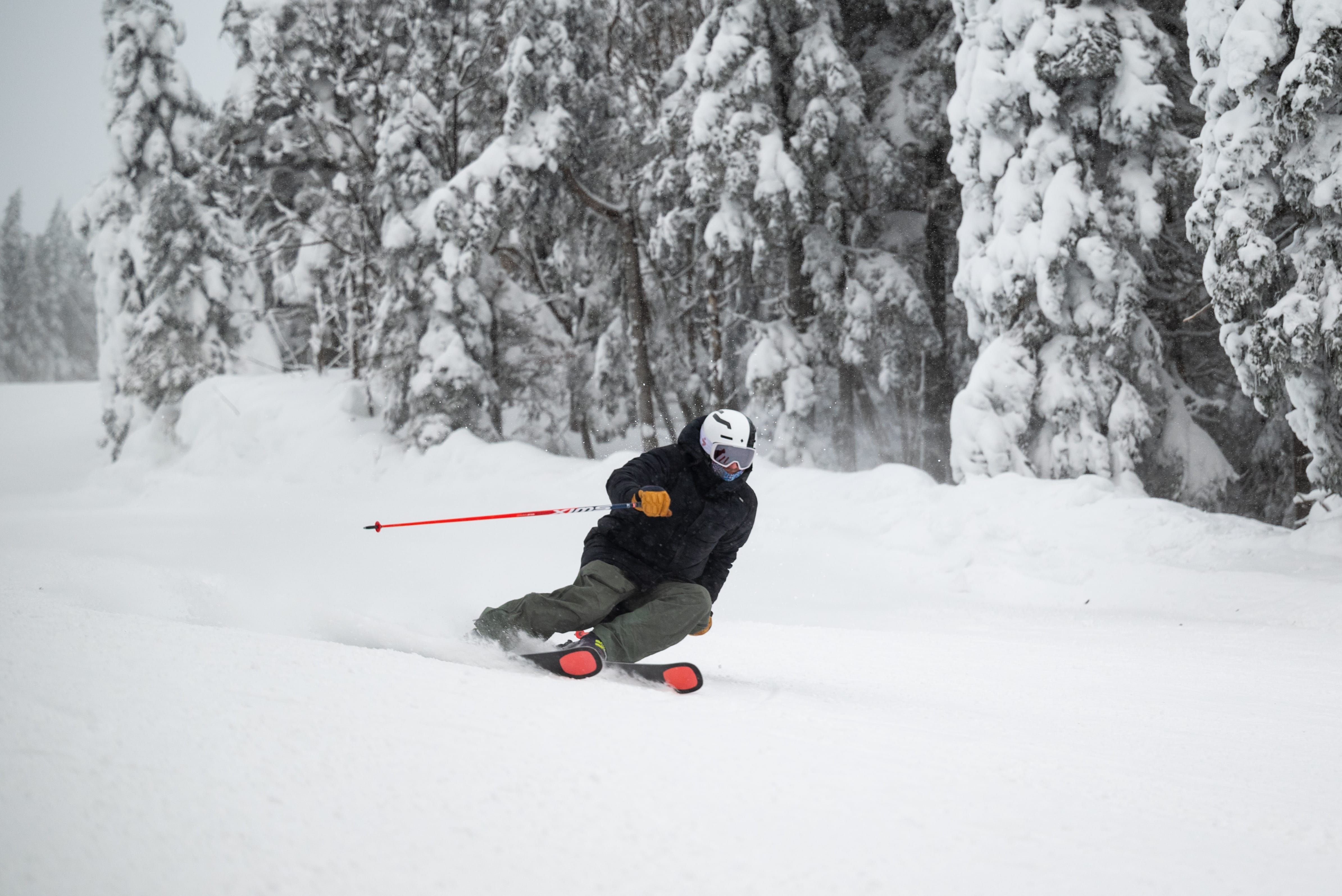
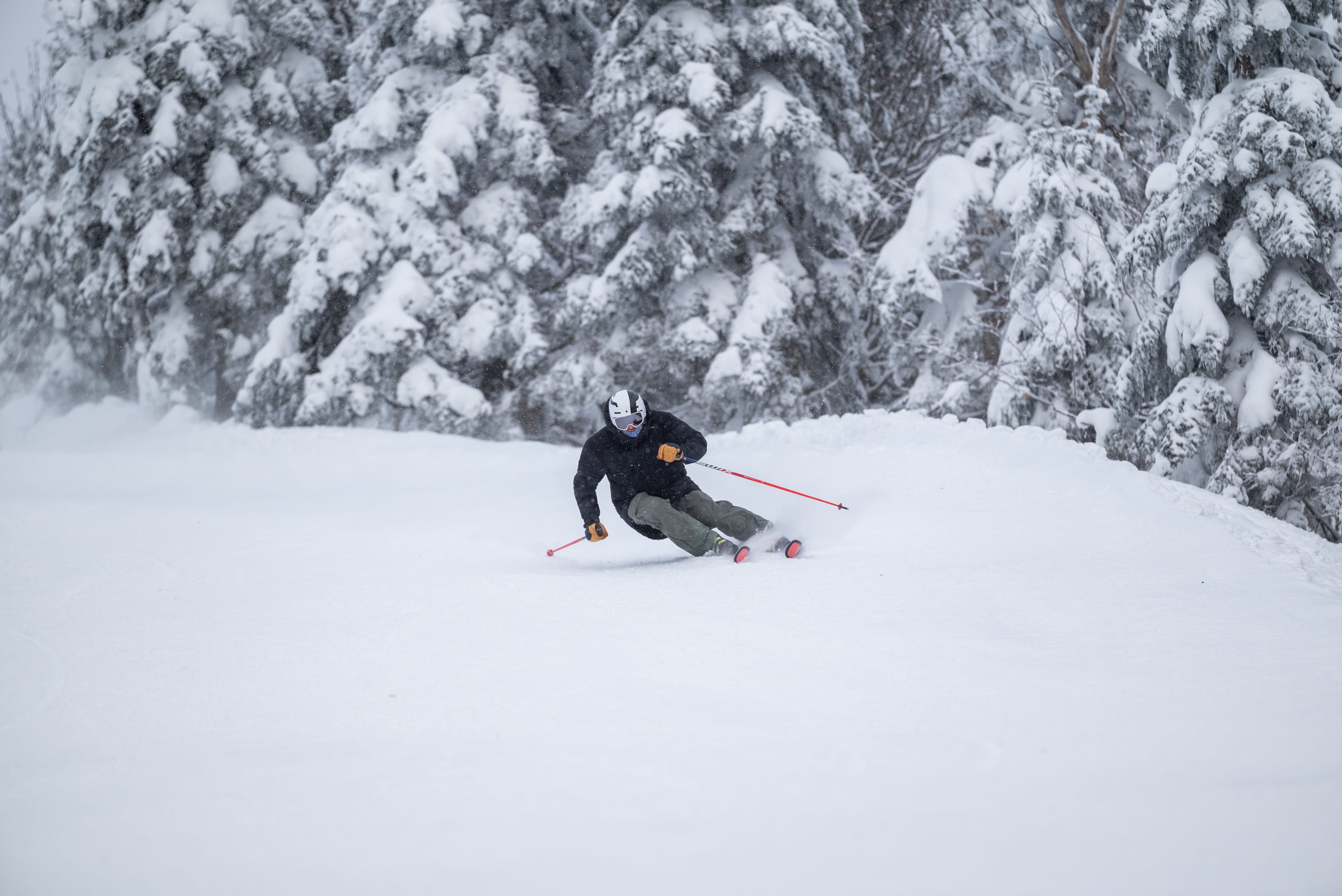
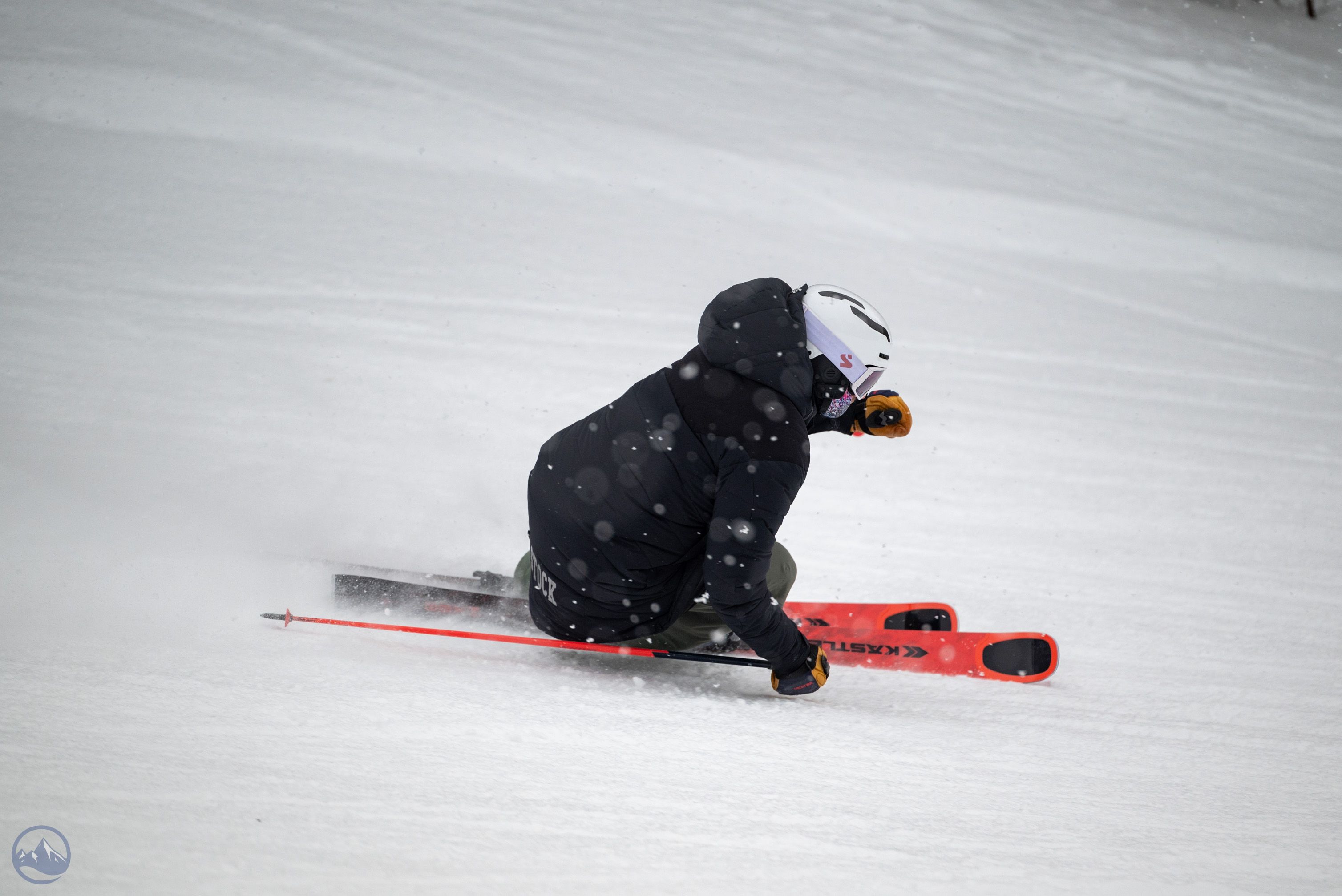
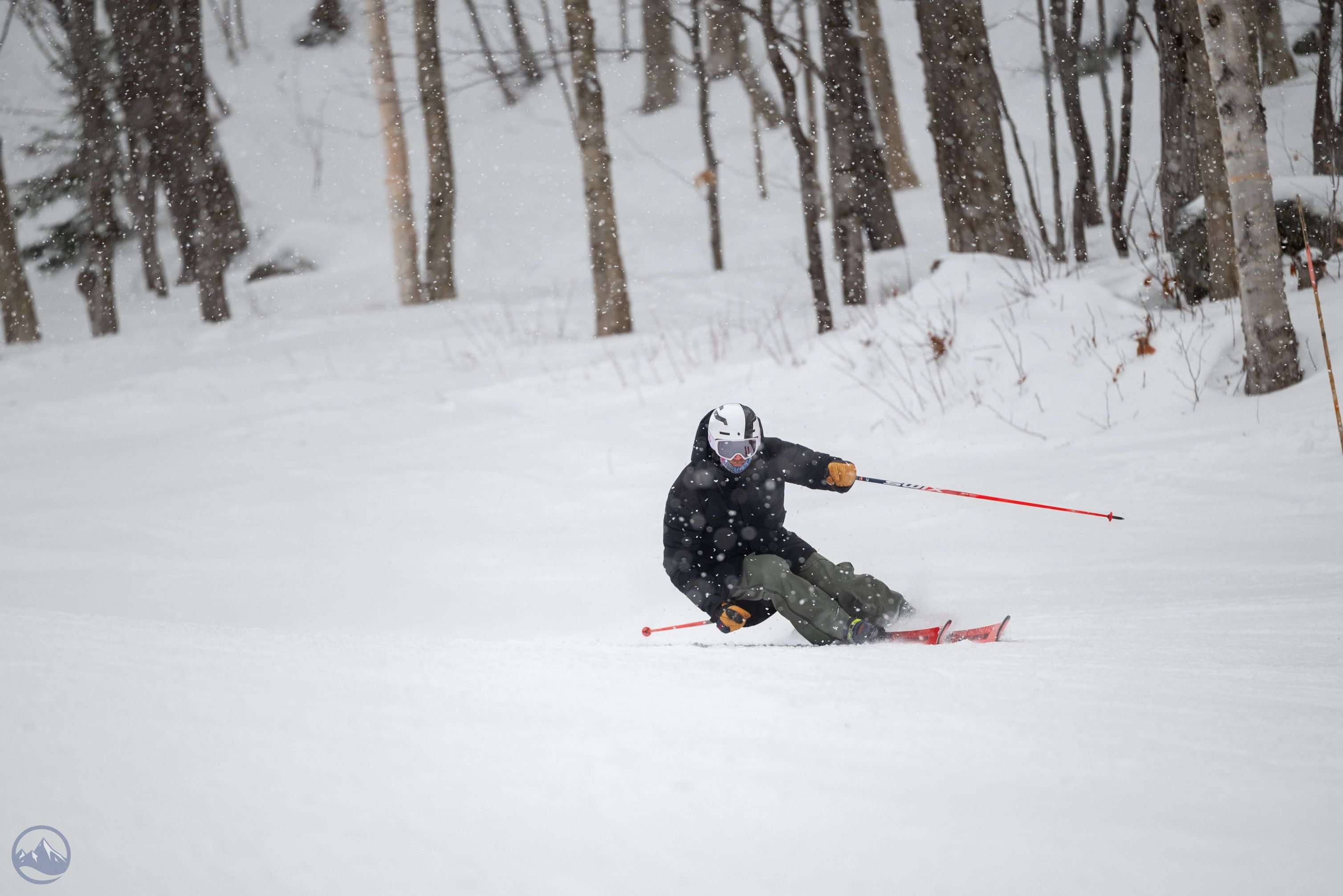
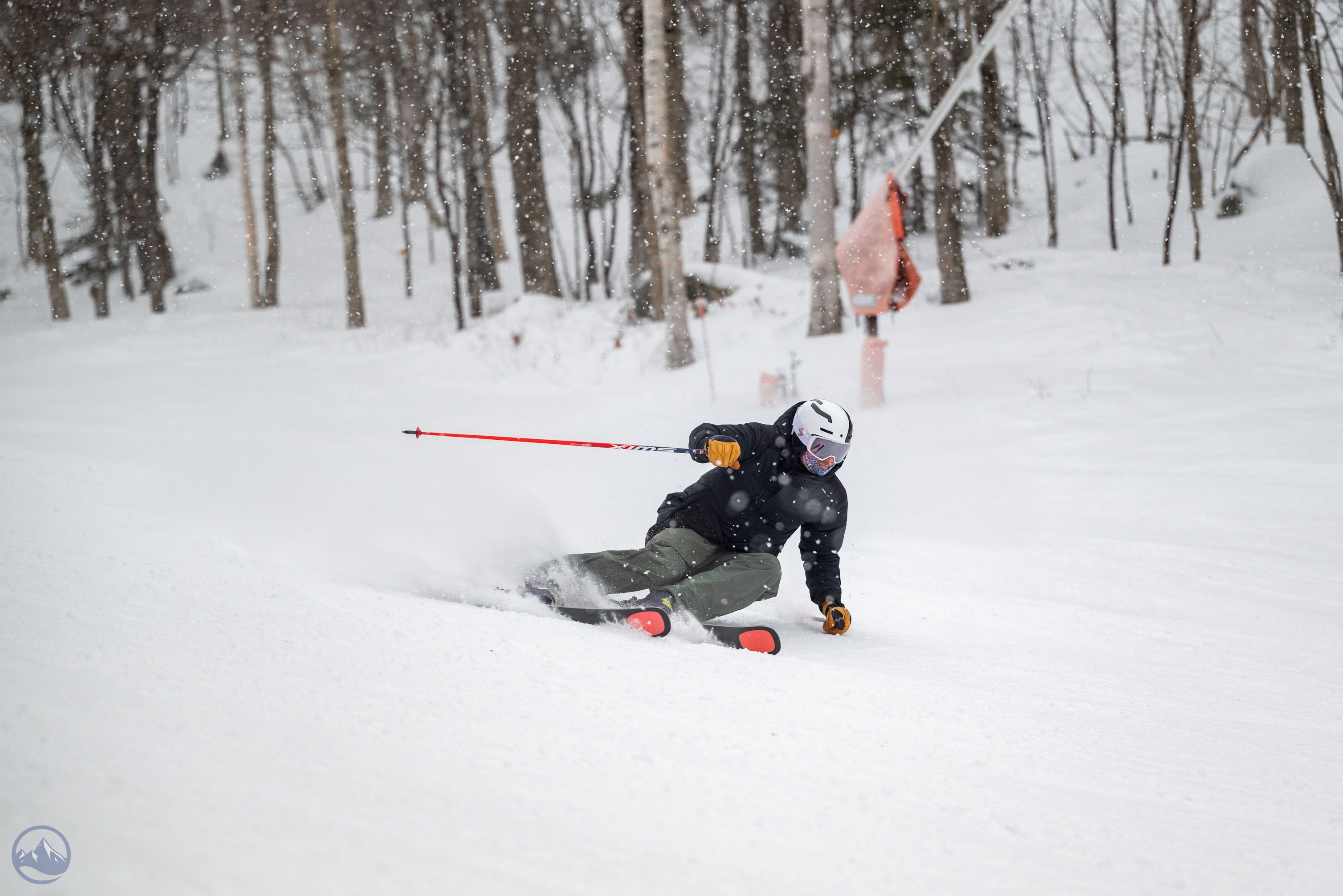
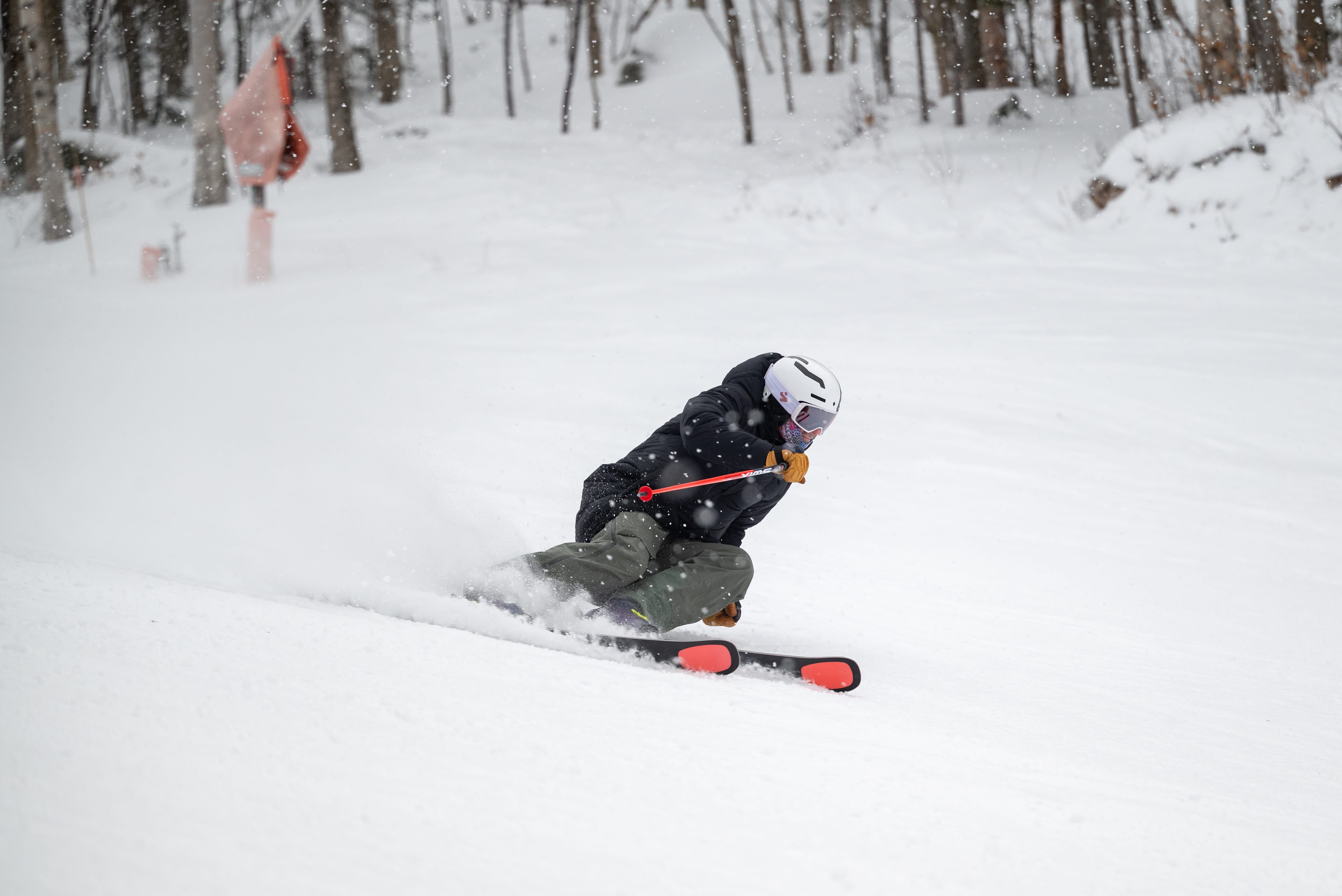
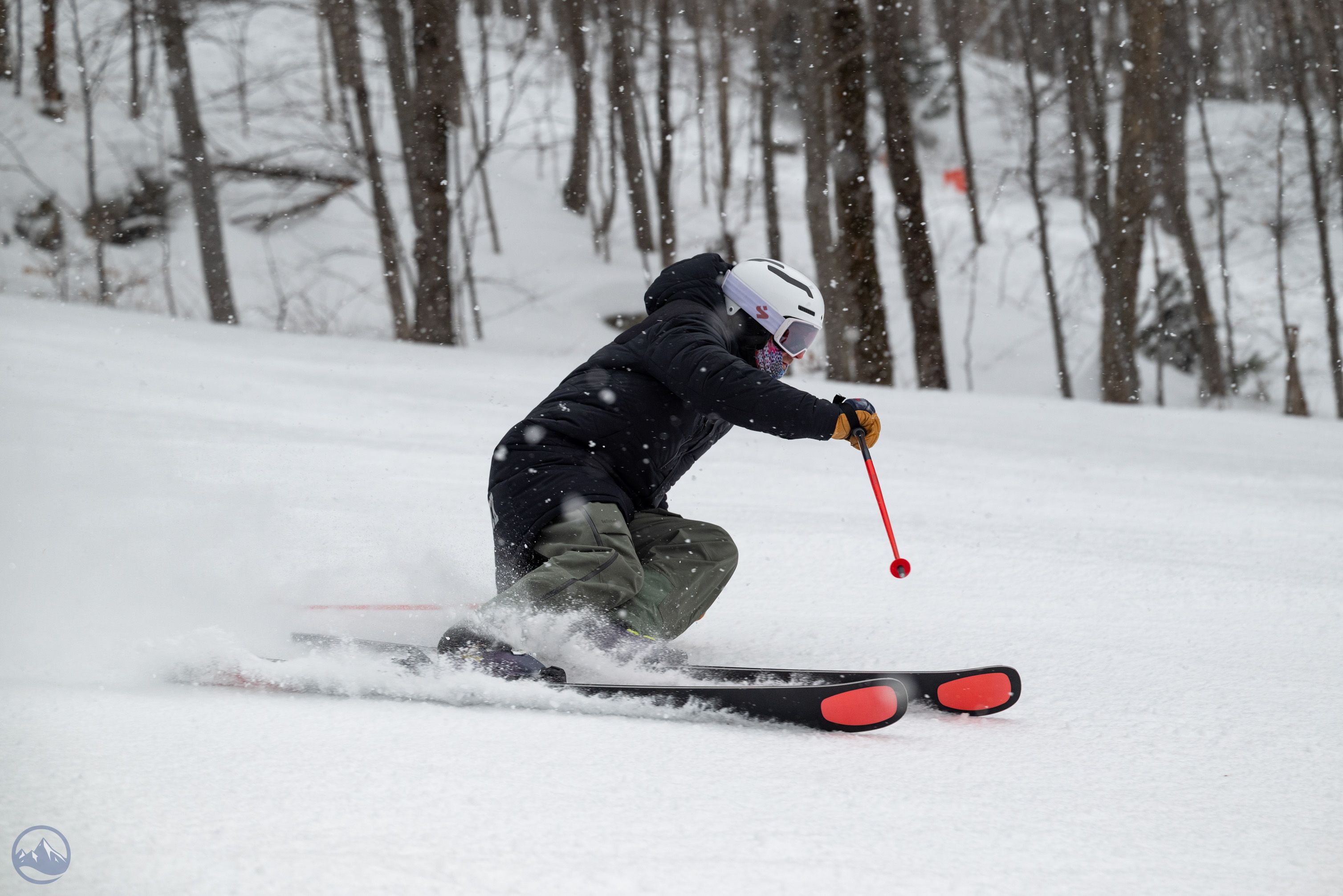
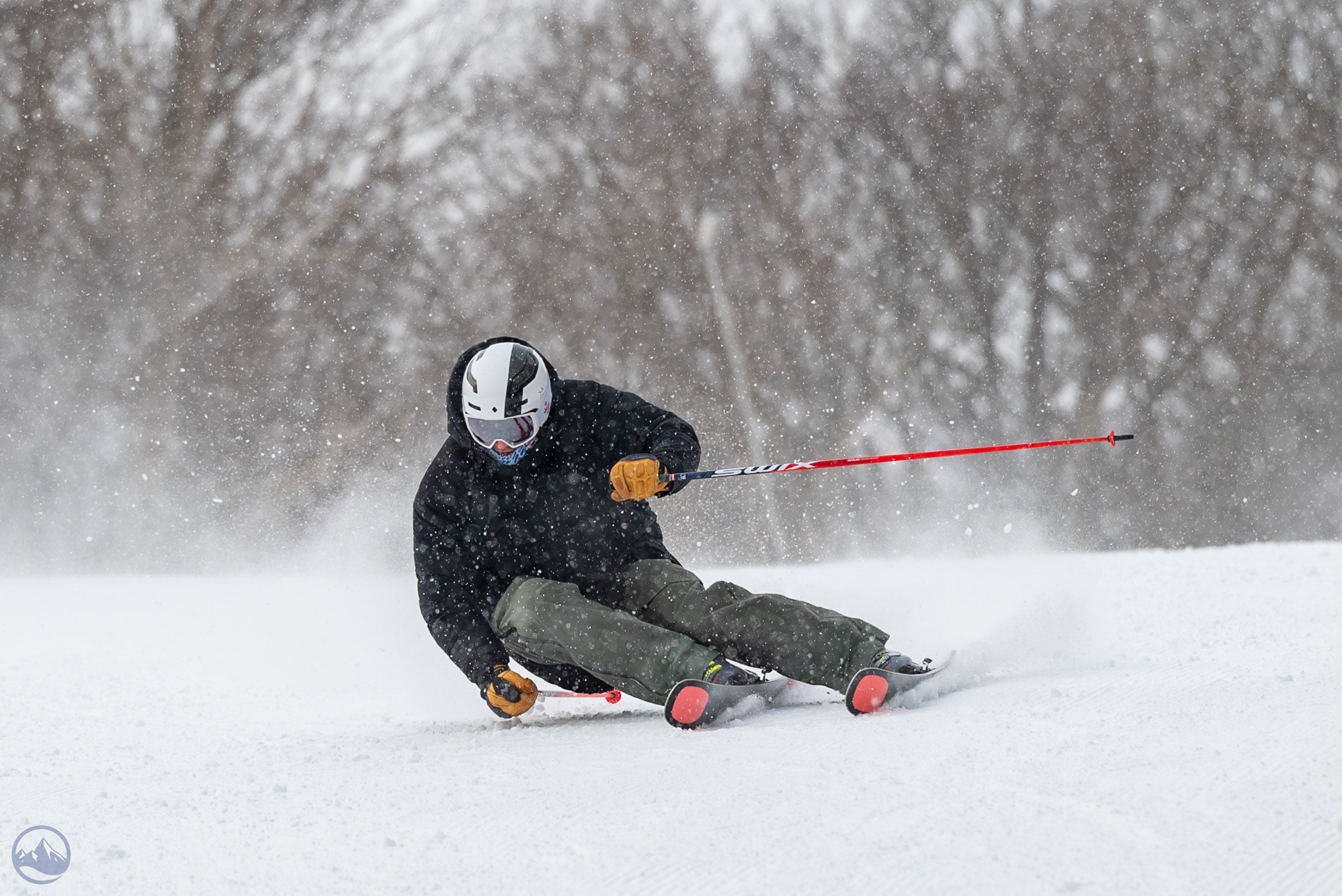
Now the widest of the MX line, the 2025 Kastle MX 88 gets an update and a refresh that make it even more appealing to all-mountain carving enthusiasts. While the outgoing MX 98 had a special place in many skiers hearts, it apparently wasn’t enough to keep the ski going. Now with the 88 leading the charge, Kastle emphasizes versatility and energy with these new skis. Skiers can expect a very similar overall application to the previous MX 88, but with a more sophisticated build and increased smoothness. At the end of the day, this is still a workhorse of a ski, capable of unleashing GS turns at inconceivable speeds with incredibly smoothness. The MX 88 is best when used by accomplished skiers who love the feeling of a purely carved turn. We’ve found that going fast is where this ski likes to be the most, and while mid-speed performance is boosted with the new tech, it’s still happier at higher velocities.
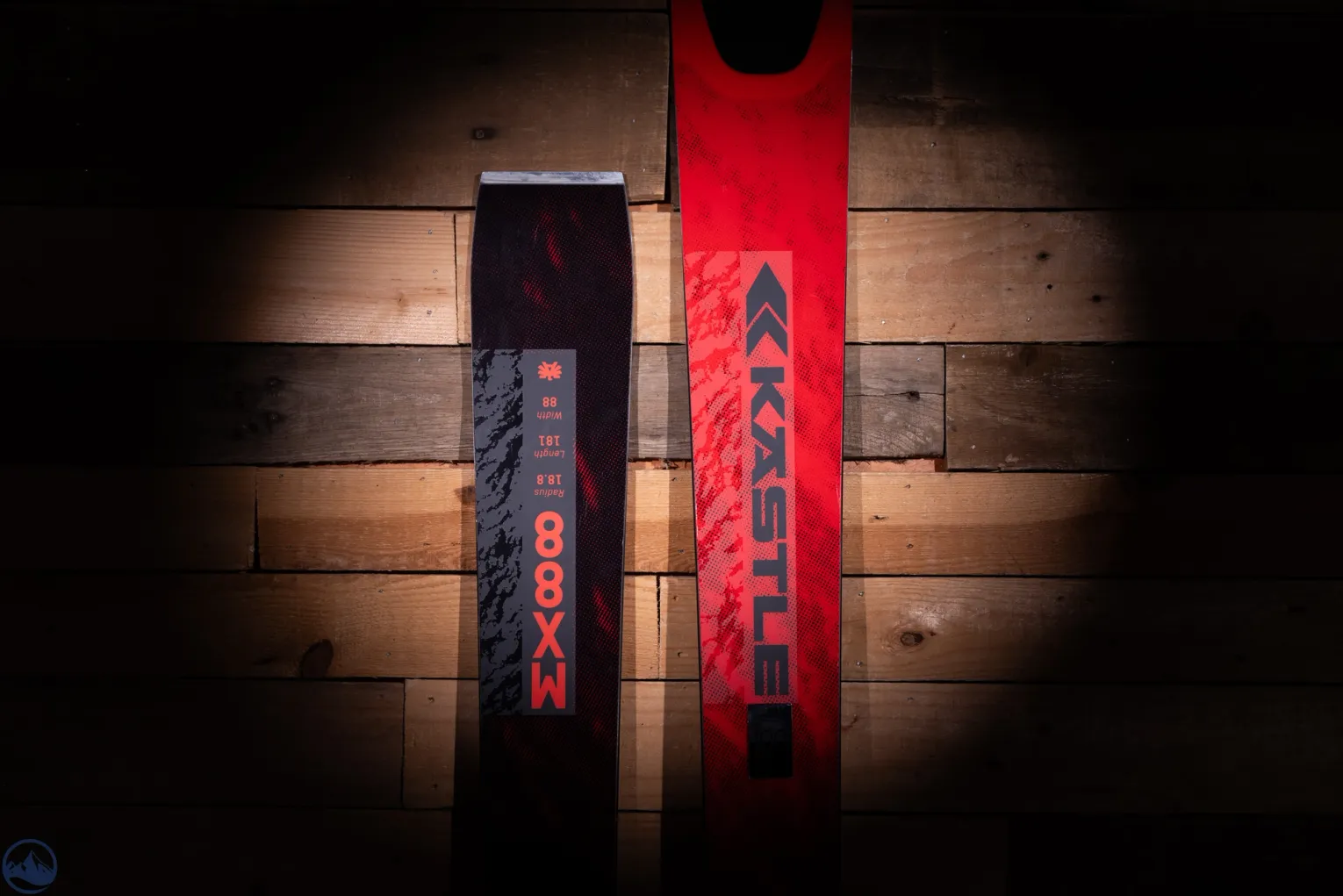
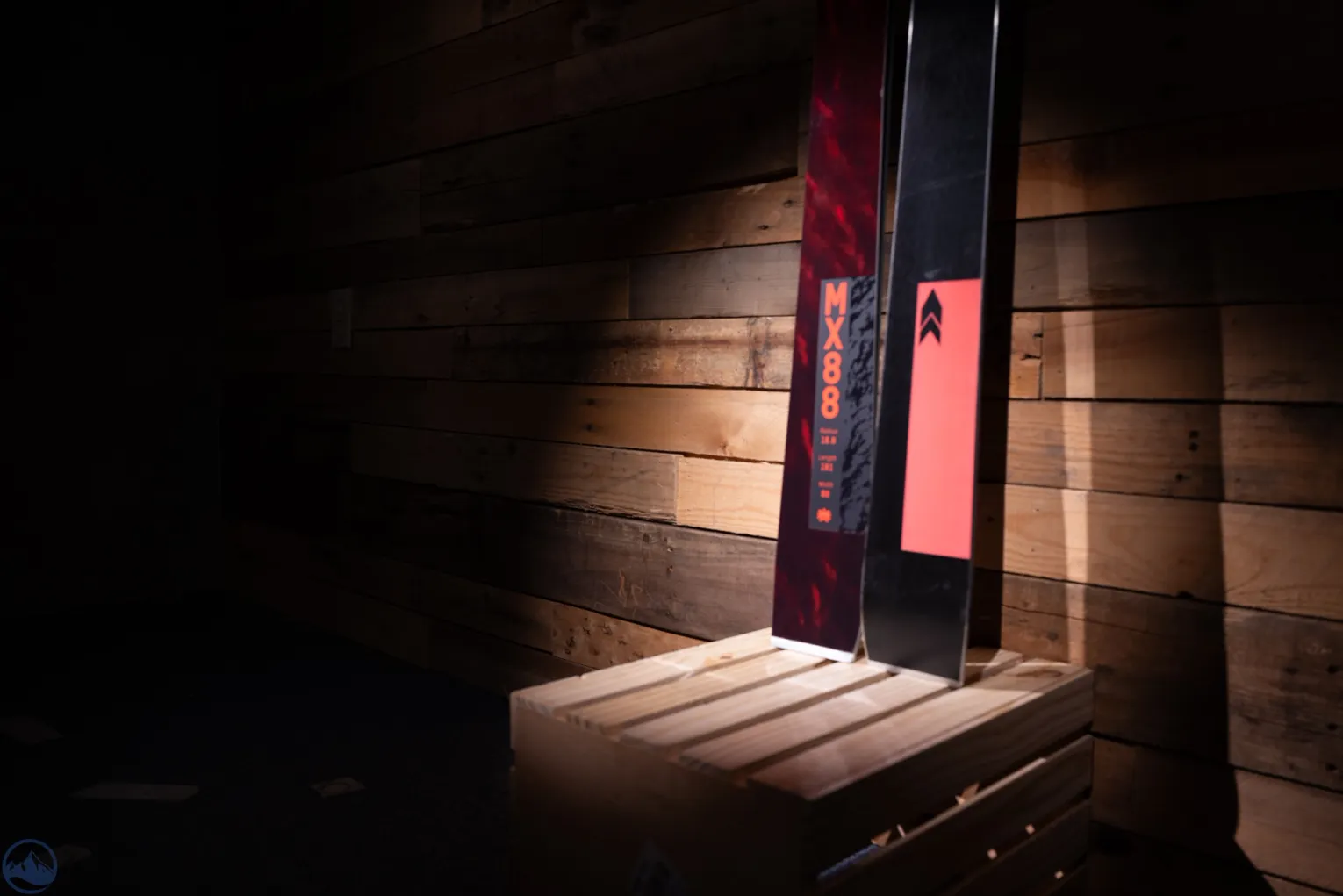
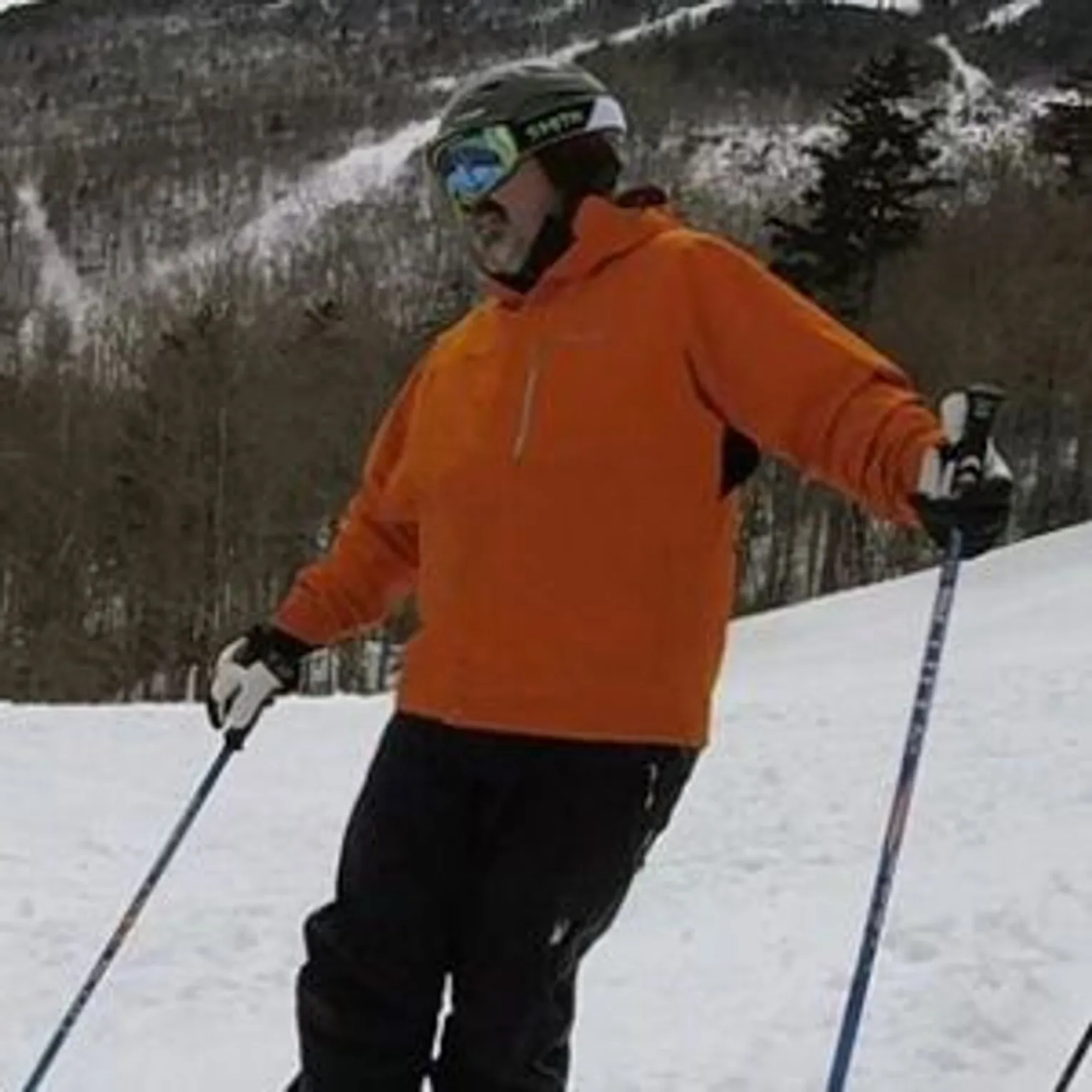
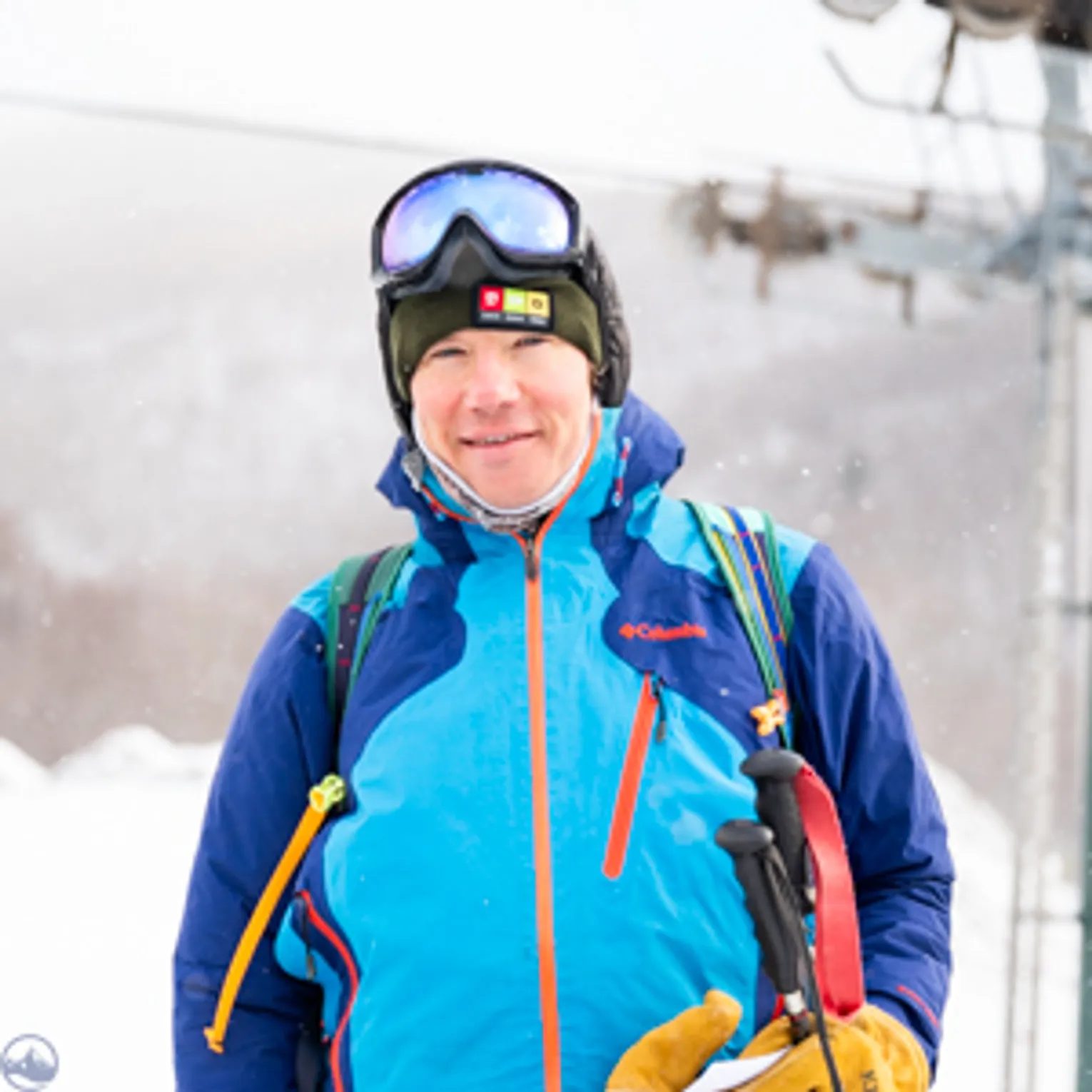
Built with Kastle’s new InfiniCore, the MX 88 gets a sophisticated start. We get a blend of poplar and beech, as we have before, but the new core allows the engineers to be more deliberate with the placement of the wood stringers. In this ski, the central portion consists of mainly beech while the outer sections are lighter and more mobile poplar. This puts more emphasis on central power and stability while keeping the edges of the ski remotely easy. Overall, it’s an incredibly sturdy build with two sheets of metal for ultimate damping. The other change is to the HollowTech. With The EVO designation, Kastle basically extends the light/thin zone to the whole tip, making it lighter in swing weight and more efficient at reducing vibrations. The rest of the ski is all there, functioning as a complete on-trail crusher. Tester Jamie O’Brien states that his “first impression was that the new MX88 was more rugged than its predecessor and it skis like it too. Still plenty versatile and playful but with a newfound ruggedness of its 100-year heritage.” That ruggedness comes at the price of weight, with the 181 hitting the scale just under 2000 grams per ski.
 The Rocker / Camber / Rocker profile of the 2025 Kastle MX88
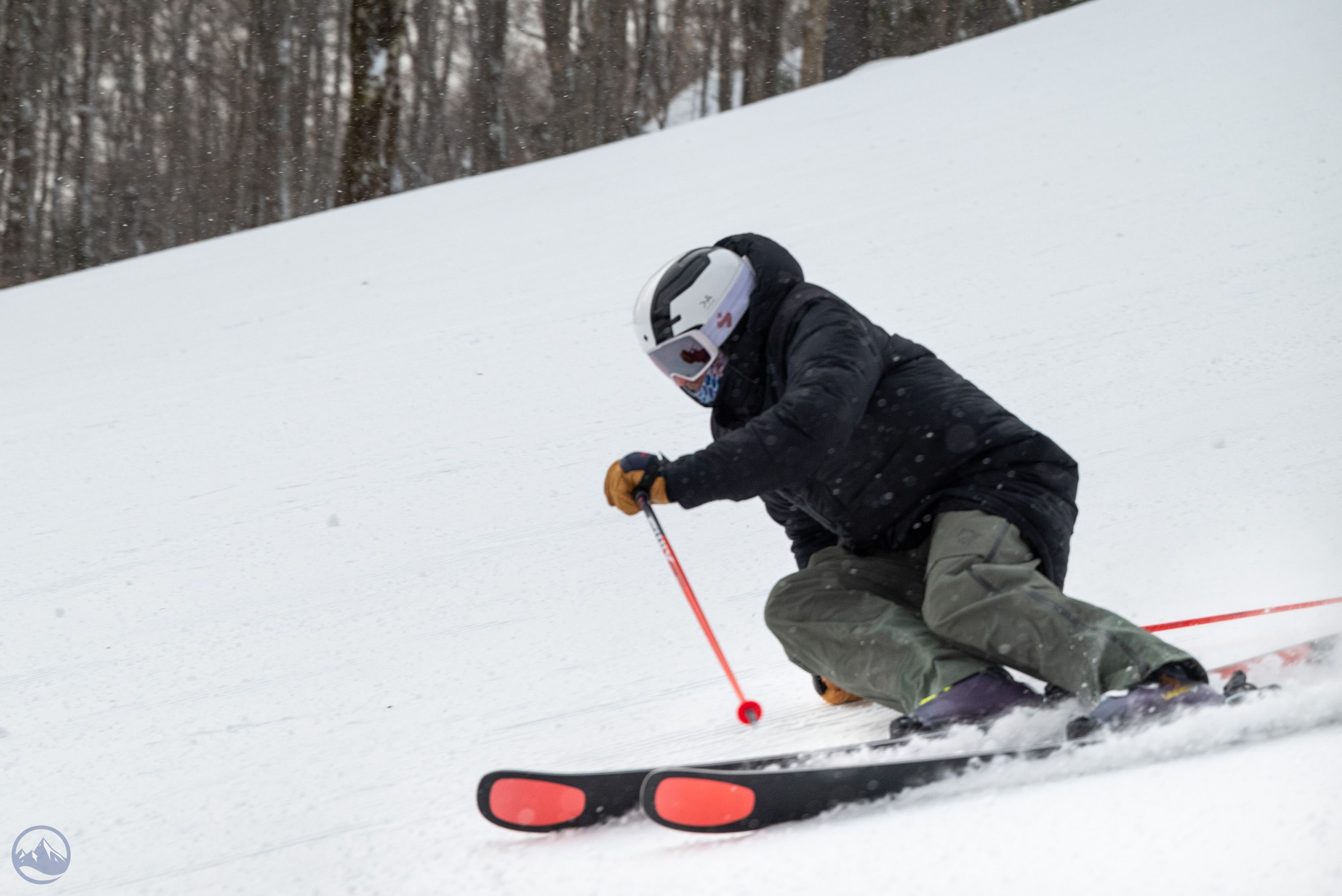
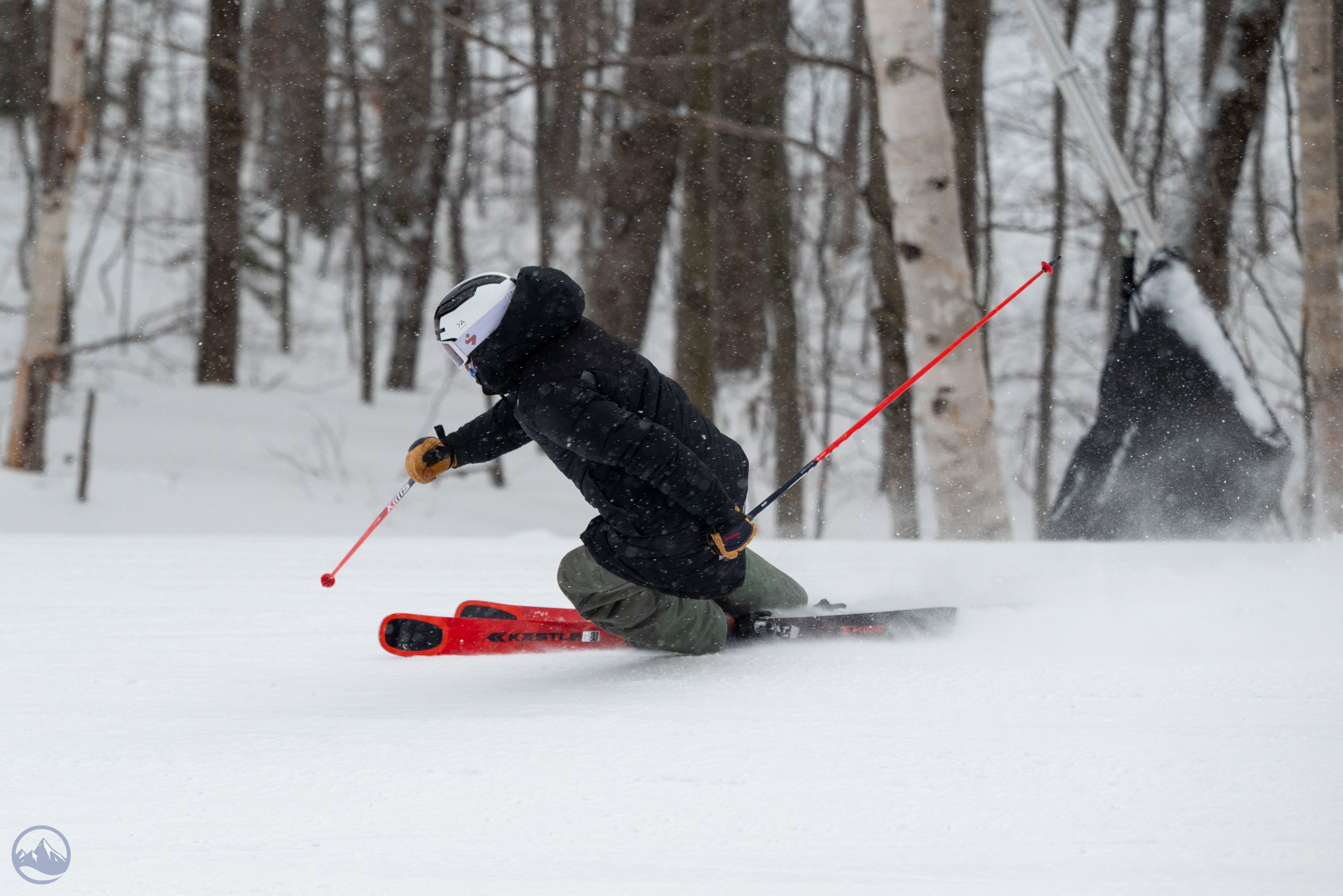
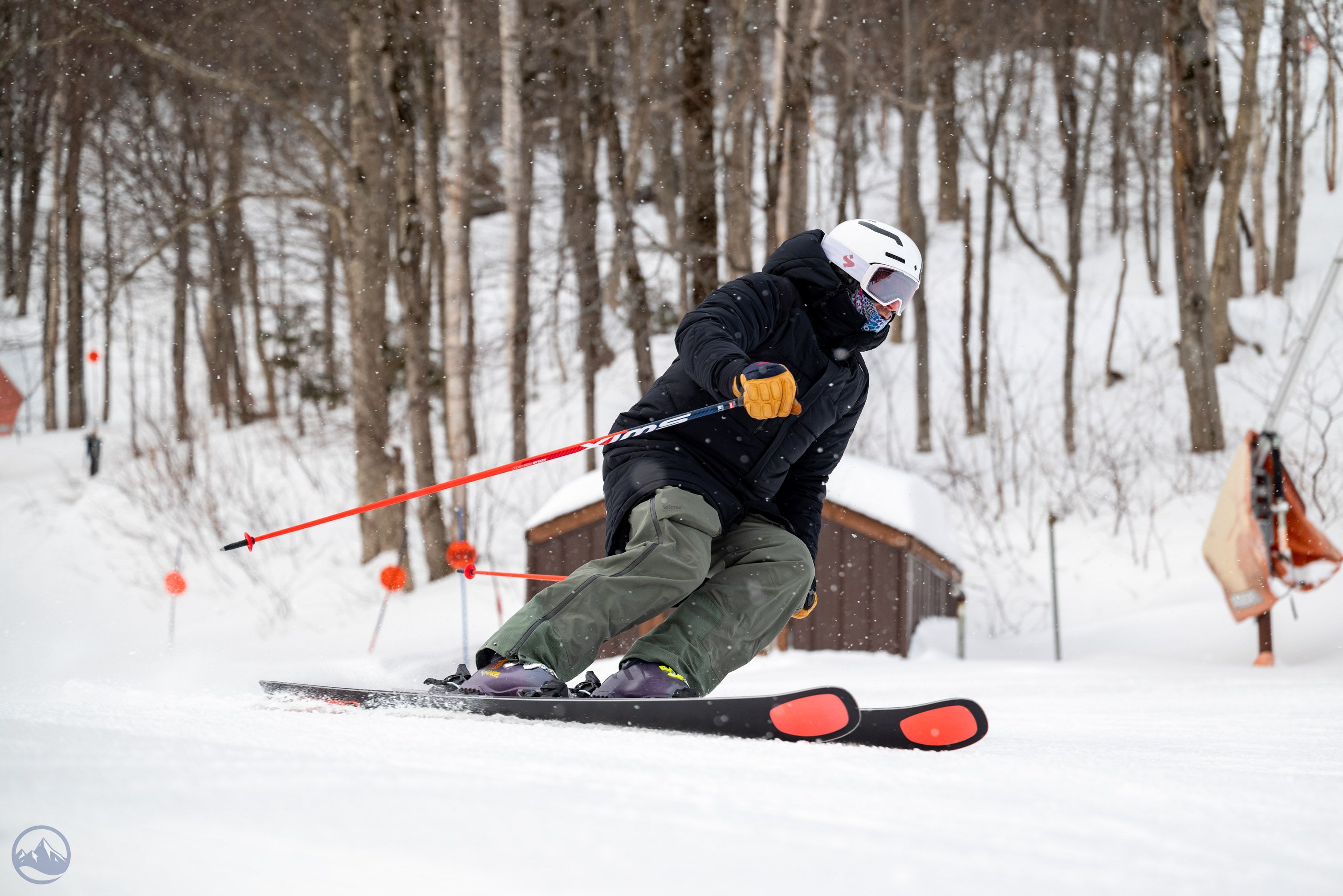
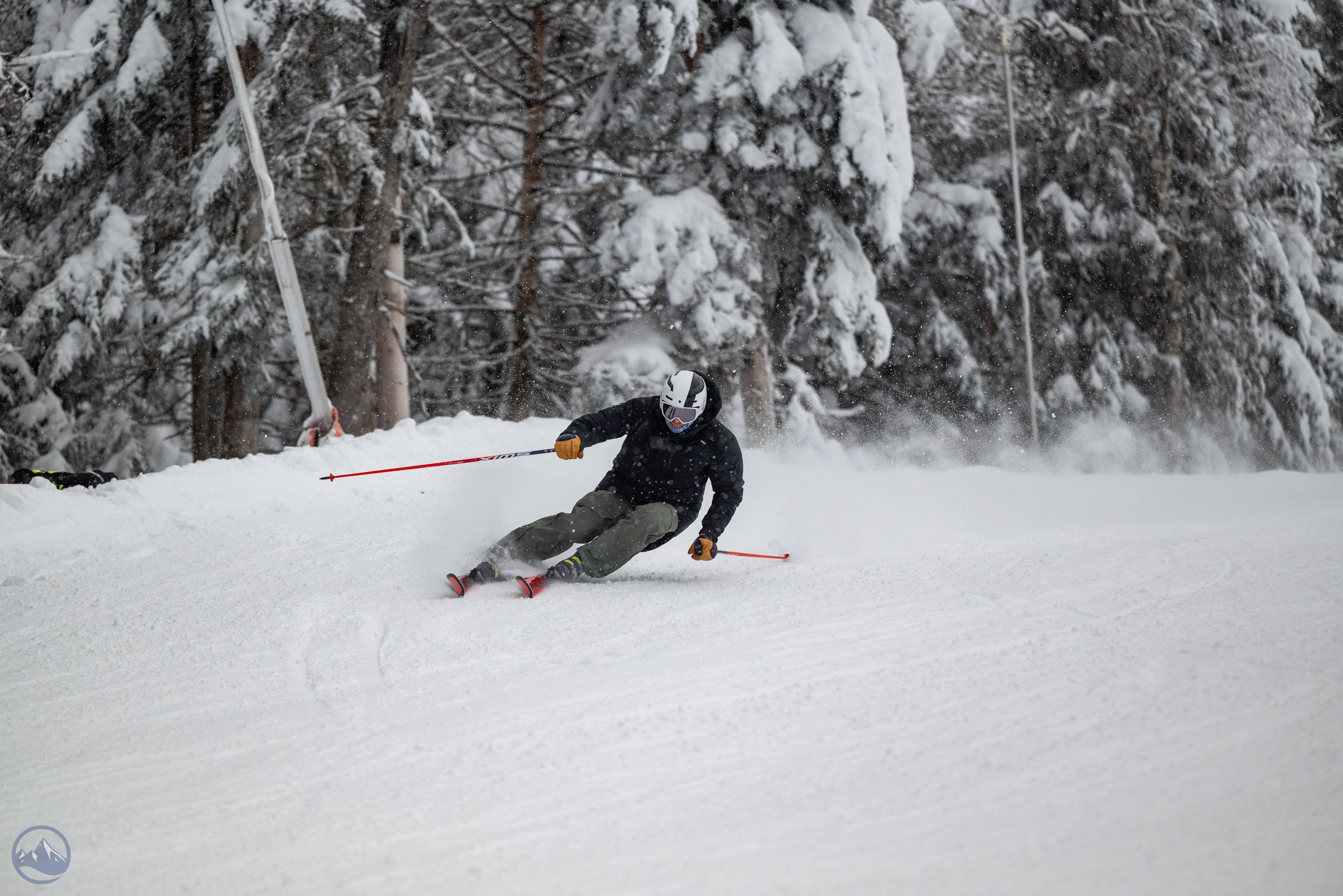
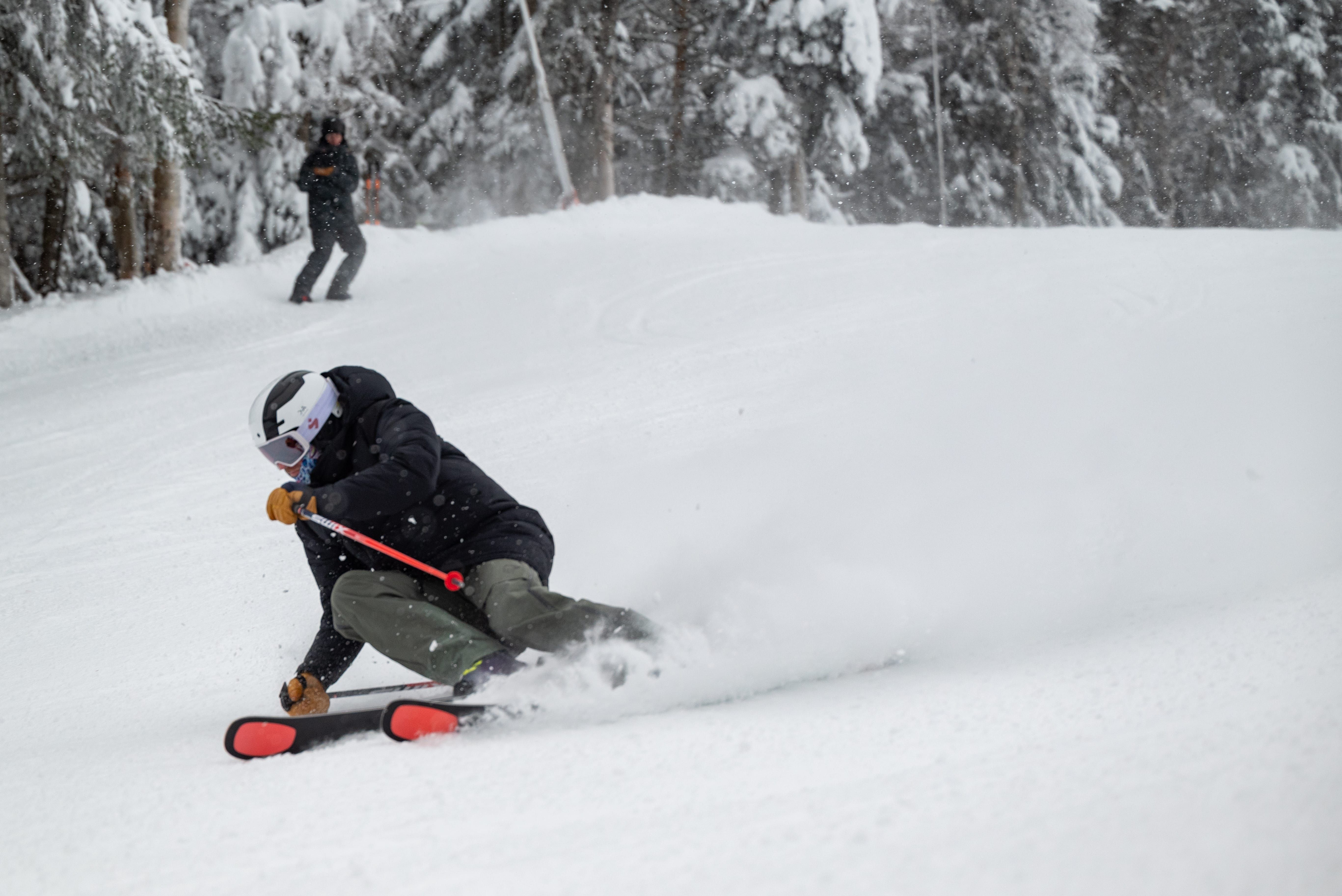
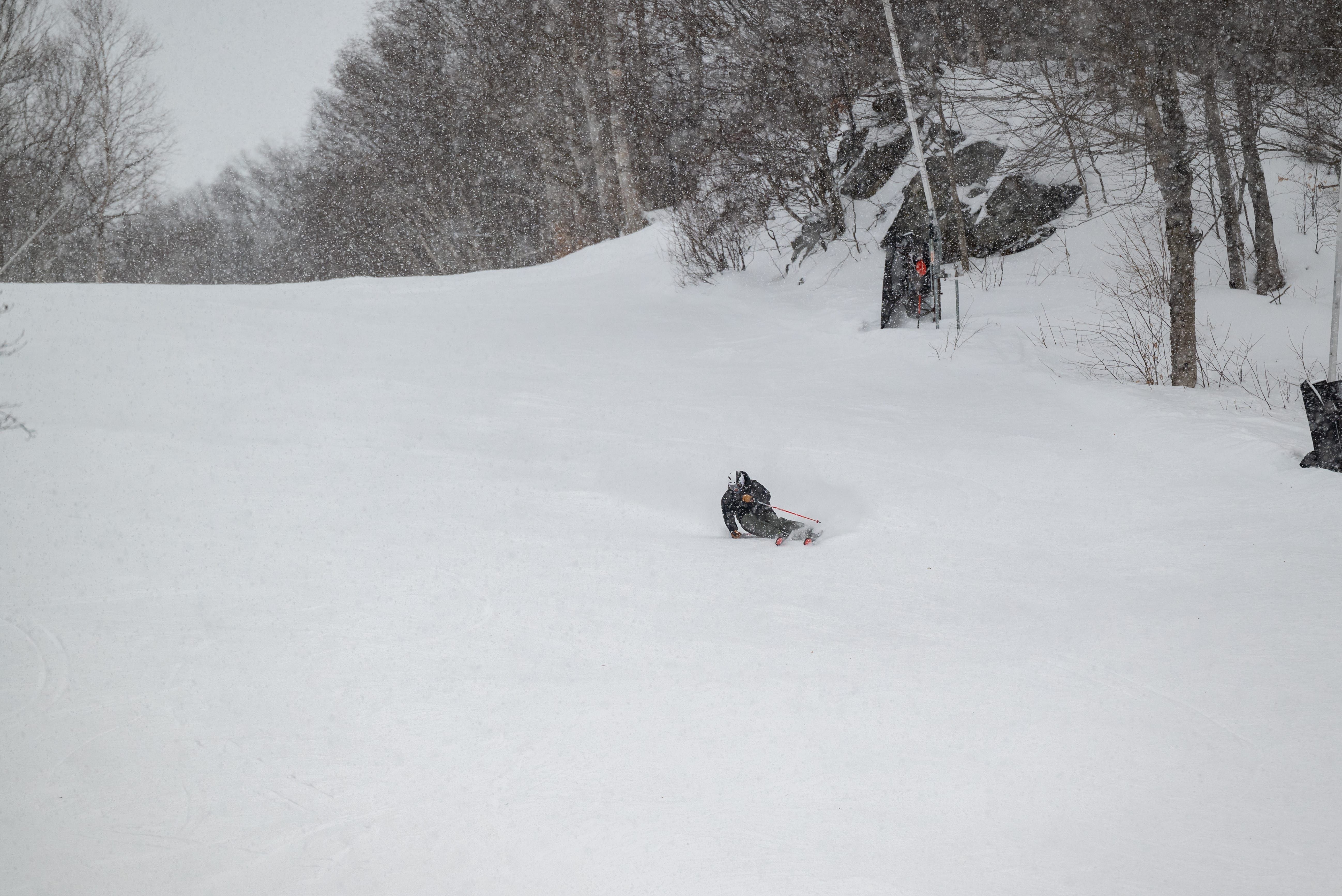
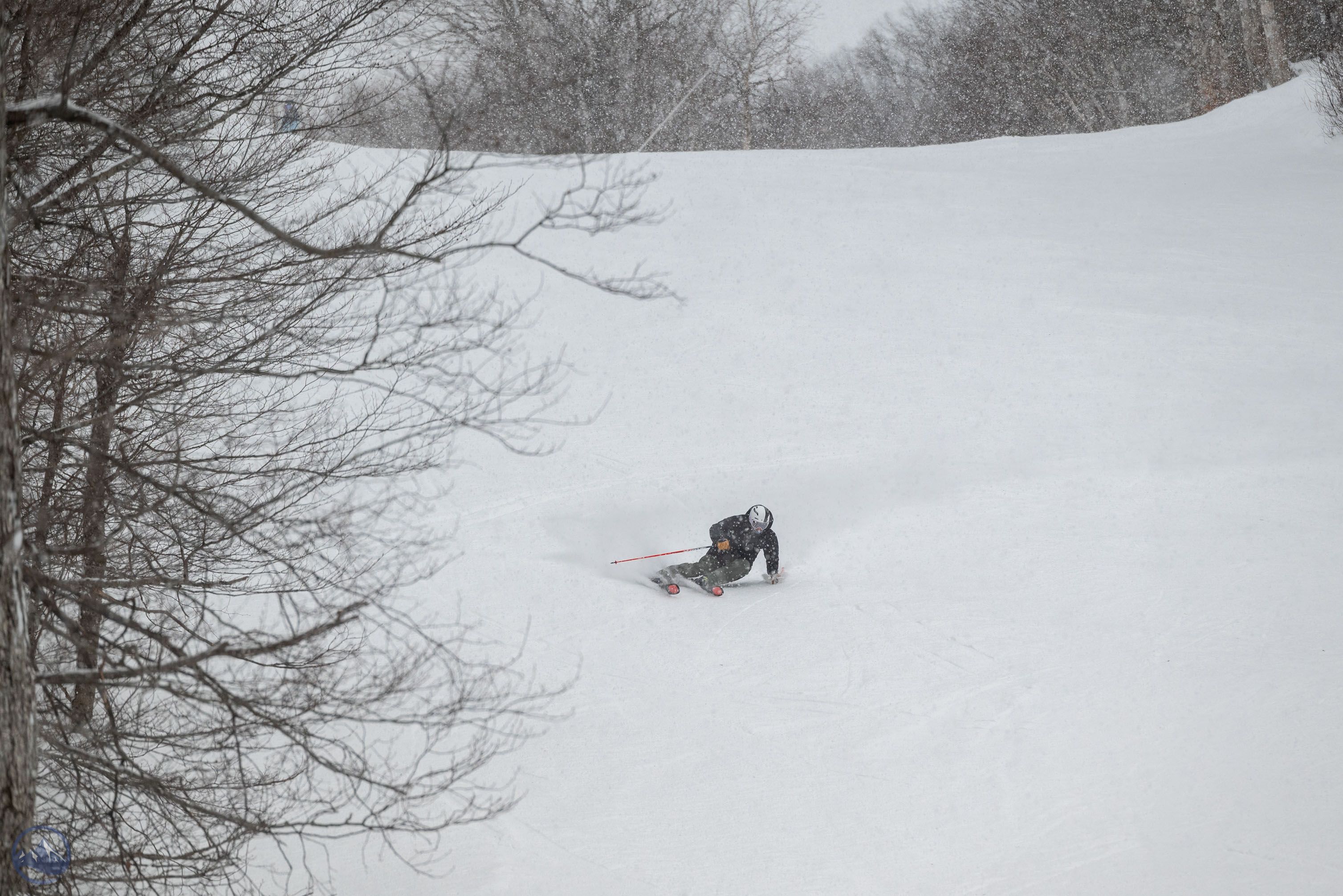
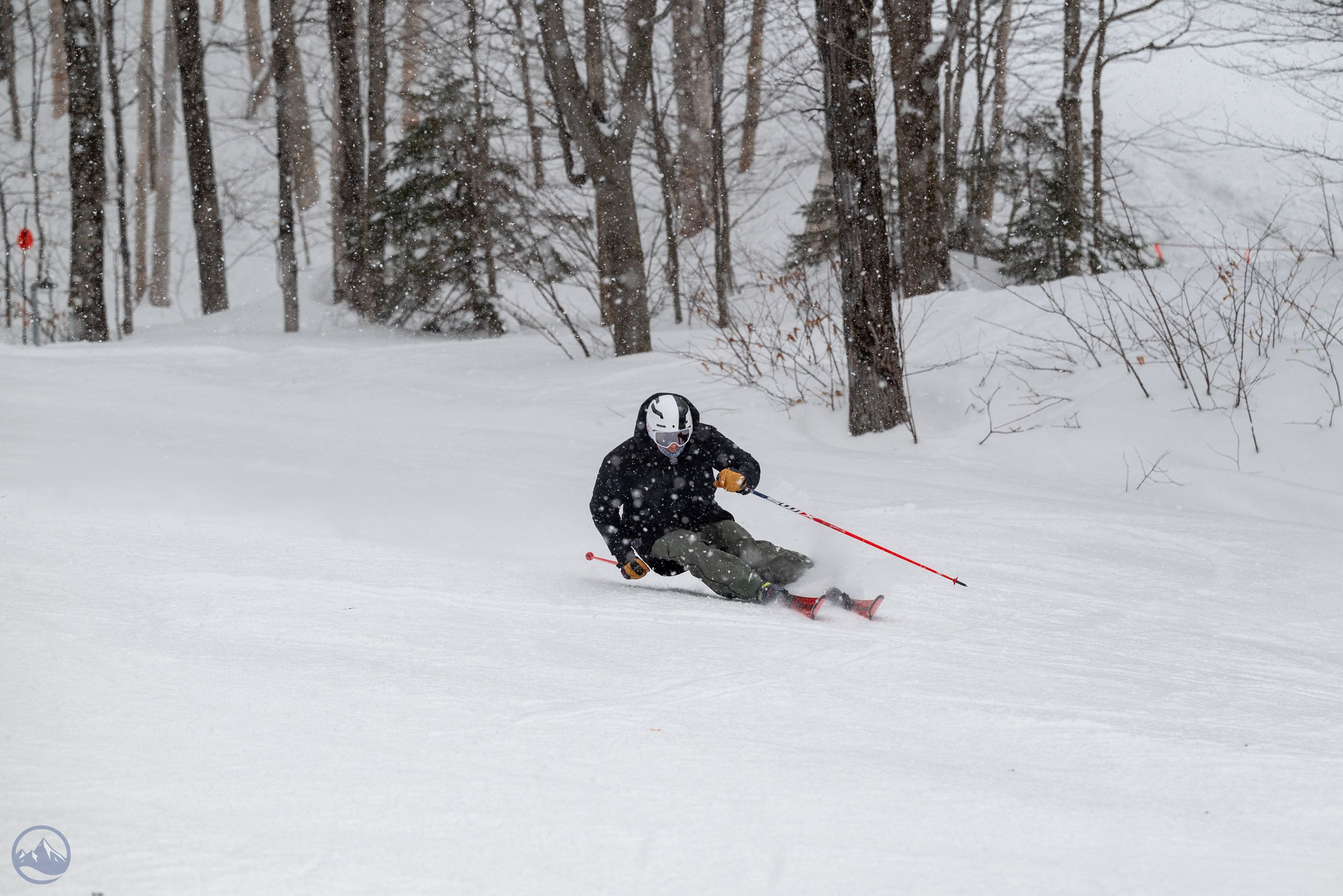
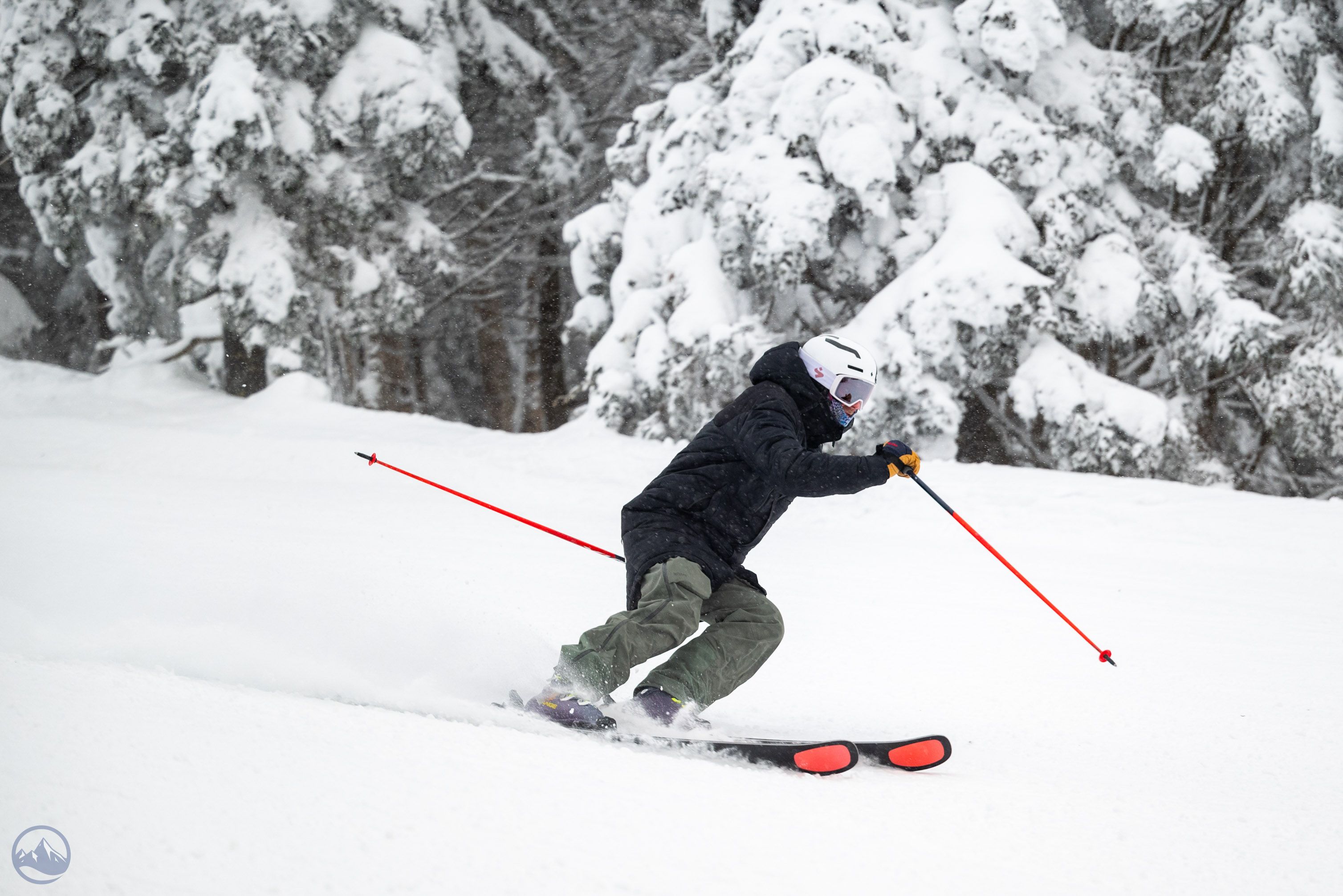
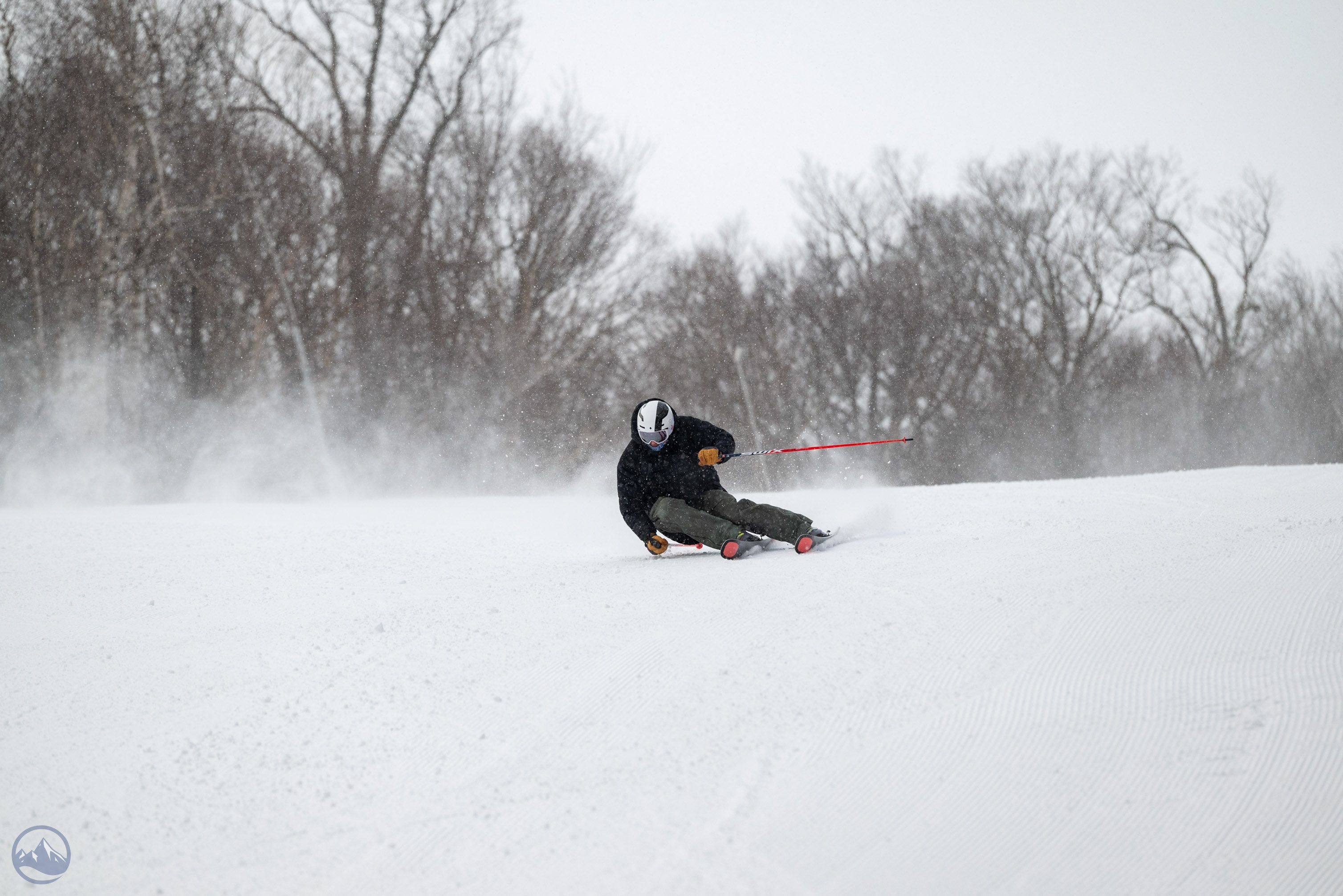
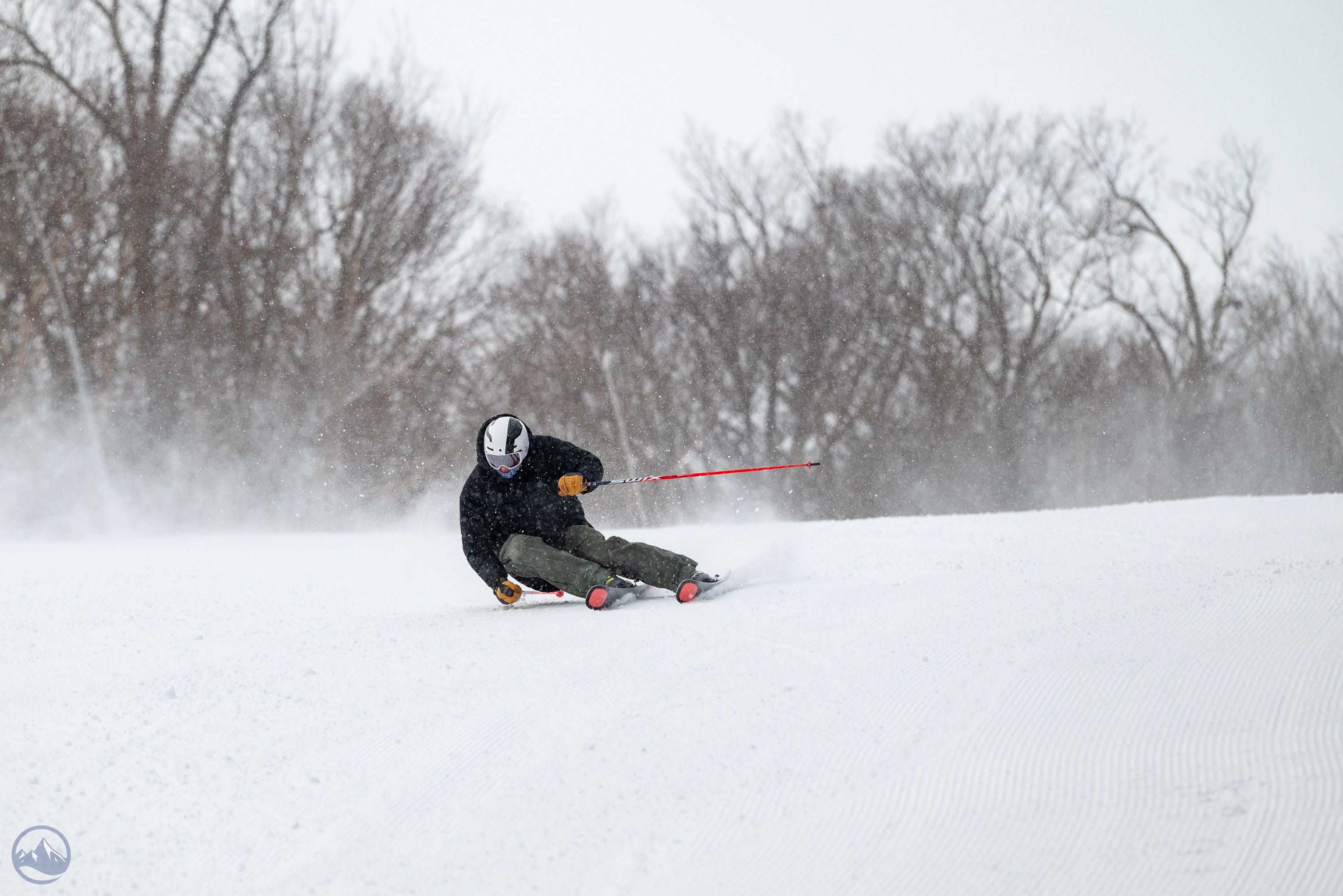
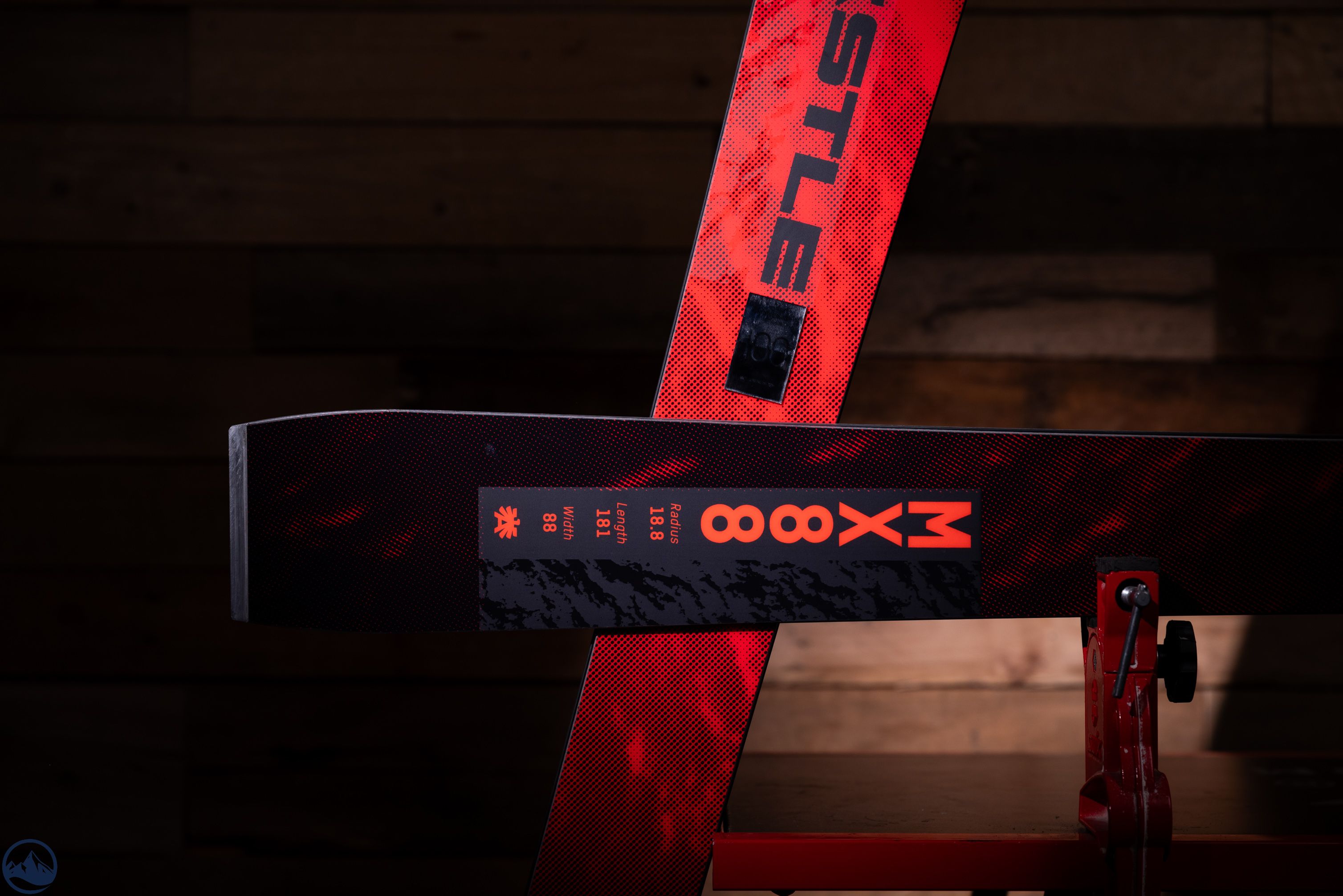
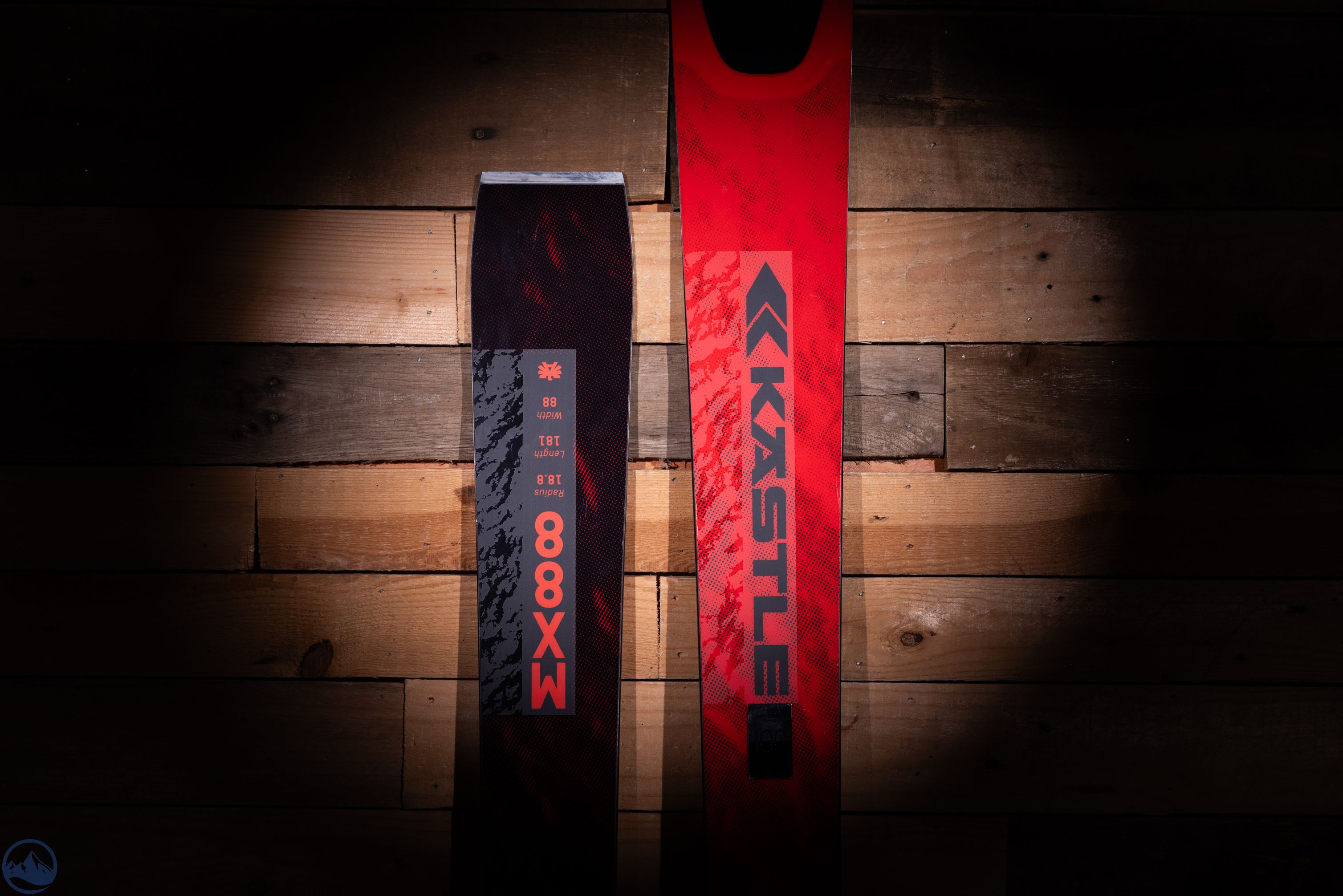
Not much has changed with shape. This is still a pure tip-to-tail carver with a long effective edge and not much to speak of in terms of rocker. In the 181, we get a slightly longer turn radius than the other MX skis, hitting 18.8-meters. This allows for more direct access to the fall line and smoothness and stability at speed. The square tail holds tight to the turn while the fast grip shovel hooks right in to the carve. Jamie also notes that “from groomers to trees, the MX 88 crushes it all. It’s like a bulldozer but handles like a rally car.” We did find that the lighter tip did make it more agile and nimble when entering a turn, and while we’re not going so far as to call it floaty, it does help make the MX 88 feel a little bit versatile. Tester Greg Petrics “loved this new incarnation of the MX88. It felt so much more playful than last year's MX88. The new core layup really has done wonders to make the ski feel a little less racy, and a little more forgiving, but somehow while keeping the performance that the MX88 was always known for. This ski really gives a Stockli Stormrider 88 a run for its money, and folks should take a serious look at this ski for their one ski quiver. I was super impressed from start to finish.” We love seeing these comparisons to other top-shelf skis on the market.
As such, the MX 88 is a bit pricier than others in this range, but you are getting the according performance, quality, and finish. The engineering behind the ski counts, and it is reflected in the cost. Advanced and expert skiers who know what they’re looking for in a ski will love this new MX 88. It’s on the stiff and rugged side for progressing intermediates, making it a bit more unique and purpose-built. If you’re in the right zone as far as skier type goes, and you don’t mind dropping an extra couple hundred, you’ll be rewarded with very strong and consistent performance.

- Ability
- Expert
- Height
- 5'9"
- Weight
- 195
- Days / Year
- 70-90
- Age
- 42
- Years Skiing
- 40+
Explore More