2023 HEAD SUPERSHAPE E-RALLY SKI REVIEW & TYROLIA PROTECTOR 13 BINDING REVIEW
Here in Vermont, and for most of the rest of the Eastern US ski scene, we deal with a lot of firm snow. From Maine on down to North Carolina, it seems like a lot of ski seasons consist of perpetual hard pack. As a result, we here at SkiEssentials.com have become big fans of conditions-appropriate skis for these types of situations. This is not to say that other regions of the ski world do not have icy ski days, but since we’re based here, ski here, and see what’s on the plate from a day-to-day perspective, skis like the 2023 Head Supershape e-Rally jump out to us as making a whole lot of sense. At 78 mm underfoot, with a race-like build, and a high-tech mentality, the e-Rally takes all-mountain carving performance to the next level. We put quite a few days on these skis in the young 2022/23 ski season so far here in Stowe, VT, and we love the composure, stability, and flat-out power of these awesome skis. As an added bonus, we got one pair with the existing Tyrolia PRD 12 system binding, and another with the new Tyrolia Protector 13 setup. We’ll get to the binding a bit later on, as we both noticed some interesting differences in both practicality as well as performance between setups.
AT A GLANCE
|
|
2023 Head Supershape E-Rally Skis |
|

AVAILABLE SIZES |
TURN RADIUS |
SIDECUT |
PRICE |
|---|---|---|---|
156, 163, 170, 177 cm |
14 m @ 170 cm |
132 / 78 / 114 mm |
$1,149.00 |
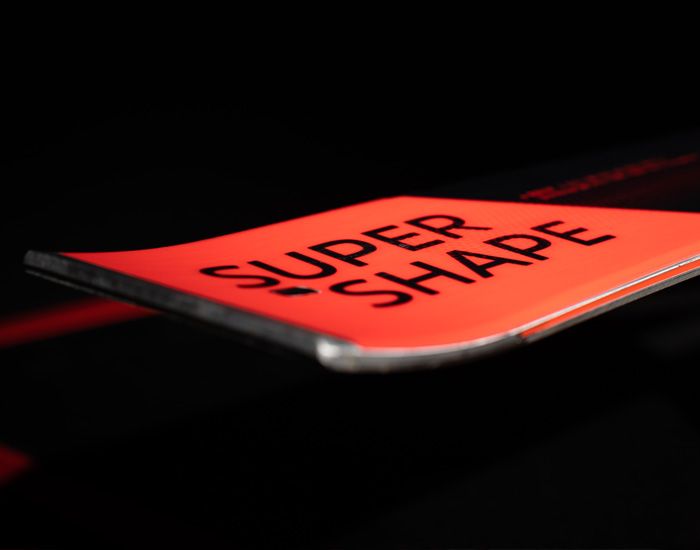
While the Rebel skis in Head’s lineup take up most of the actual race performance, the Supershape series takes a lot of those same technology and concepts and employs them in a more user-friendly format. The Rally, within Supershape’s lineup, is the second-widest ski in the series behind the Titan, blending the needs of on-piste specific skiers, instructors, and all-mountain experts who are looking to step up their carving game. Built with Head’s World Cup Sandwich construction, we start with a wood core that’s in the middle of two sheets of titanal, two layers of fiberglass, a few damping laminates, and a strip of graphene. This is a strong build, and a great foundation for an on-trail carving machine. The graphene is very light and stiff, so it keeps the ski on its intended course without much effort, and if the technology of the ski ended here, it’d still be a fantastic front side choice. However, Head did not stop there, rather they’re taking the tech to the next level with their Energy Management Circuit. It’s a bit complicated, so I’ll take Head’s explanation in the rawest form: “Found in the front and rear of the ski, EMC converts kinetic energy into electrical energy which is used to harmonize the ski. Carving, gliding and impacts cause the ski to bend and vibrate. The ceramic piezoelectric element in the EMC converts this kinetic energy into electrical energy. Electricity generated from the piezoelectric plate passes through a circuit consisting of a resistor and a Graphene infused carbon layer embedded in the ski's construction. The circuit harnesses the electrical energy and filters out negative vibrations, harmonizing the ski. Fewer vibrations equals more stability and better grip for the skier." Sounds good to us! Whether it actually does what it says or not isn’t a very big concern to us—the big thing is that the ski feels incredibly smooth and stable. It’s interesting because the past few reviews we’ve done, there has been one or two interesting technology features that make the ski stand out—the carbon tubes in the Elan Ripstick, the Edge Amplifier in the Salomon QST 92, the curved carbon laminate of the Head Kore 93, the rubber dust used in the Stockli Montero skis, and now the EMC of the Supershape e-Rally. We’ve noticed that these skis all feel a specific way, and it’s not a big stretch to bring that character back to a technological aspect of the build. In this case, the EMC seems a bit more voodoo-like than the others, but the bottom line is that the ski feels smooth and damp, and we’re going to go right ahead and attribute that to EMC.
 =
=
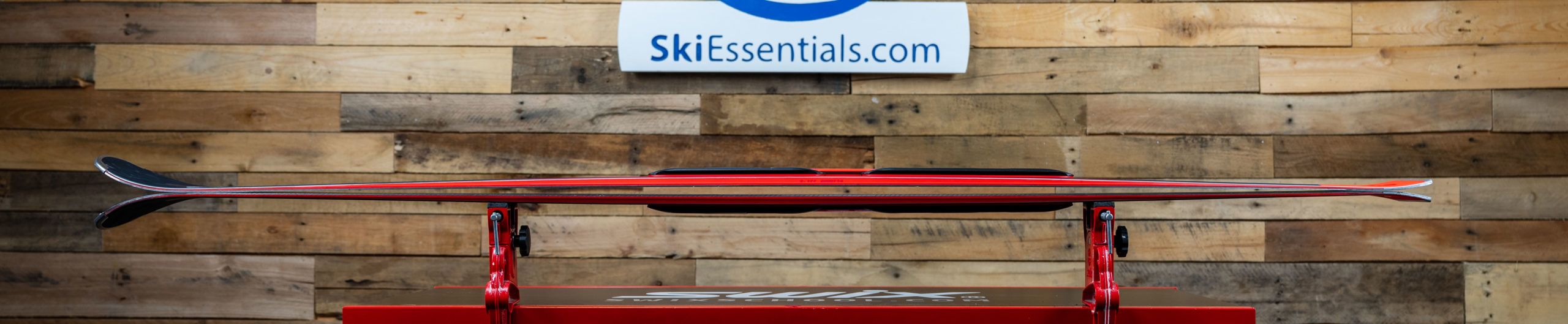
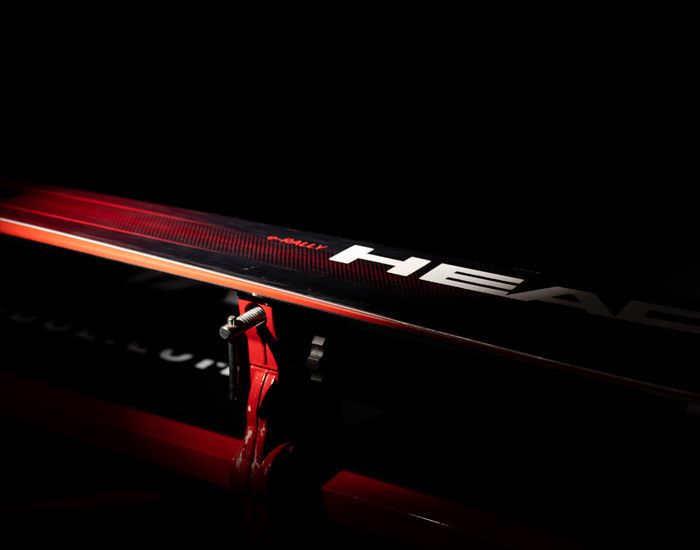
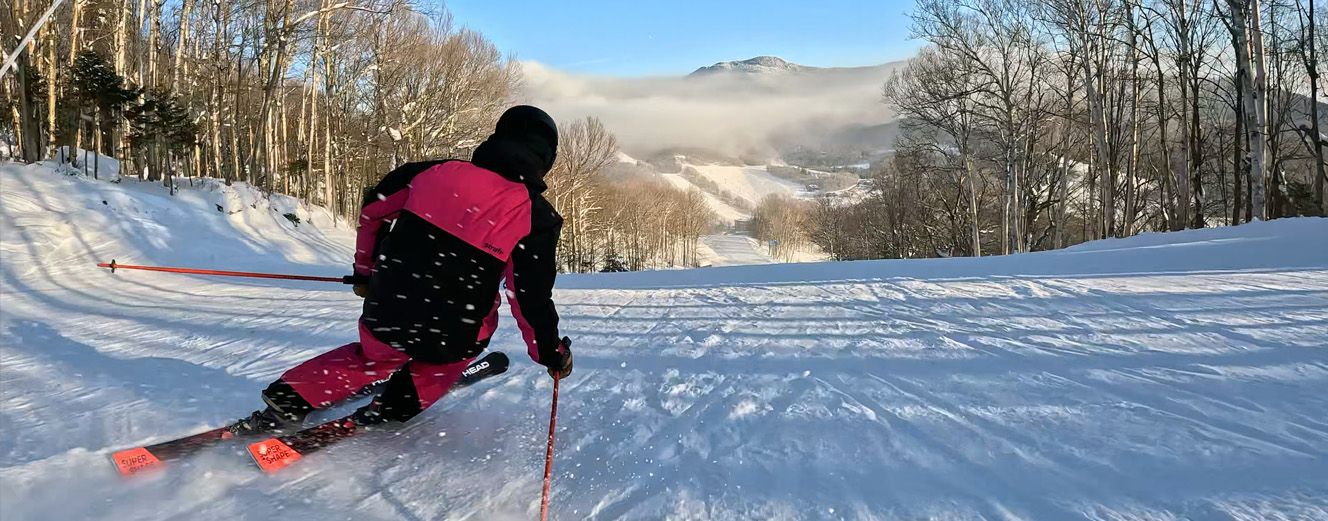
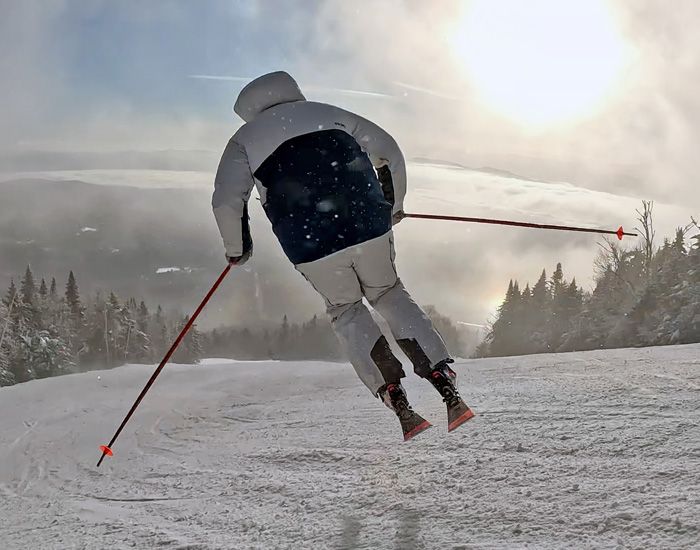
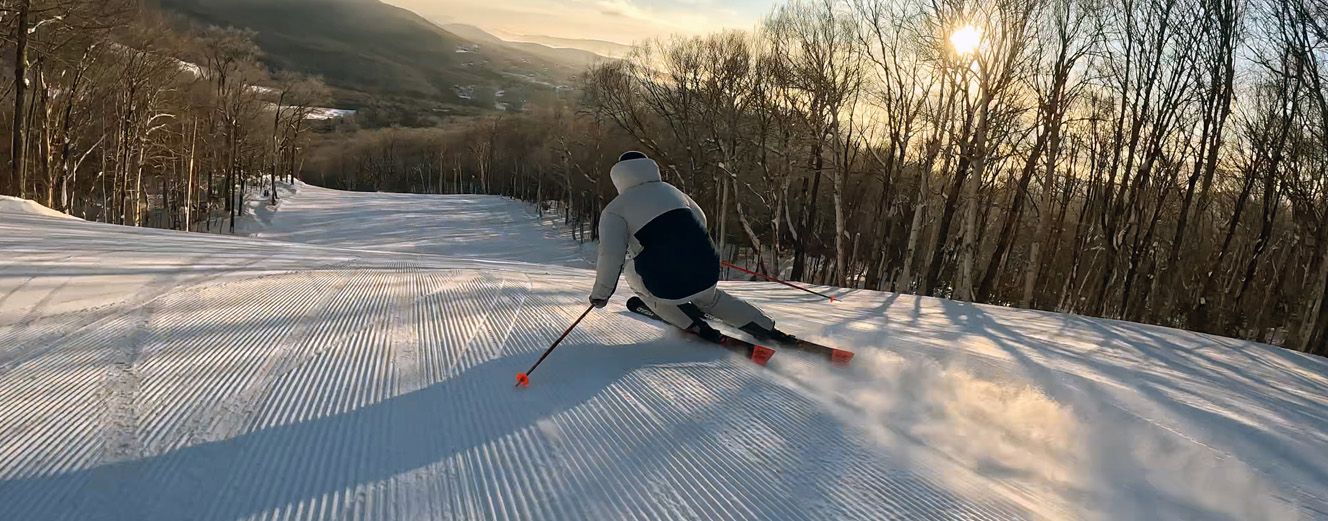
We’ve really come around to these mid to upper-70's underfooted skis over the past two years, and have definitely grown to not only see their place in the industry, but also to genuinely enjoy skiing them. From our experience with the Blizzard Thunderbird R15 WB (76 mm underfoot) last year, we’re becoming bigger and bigger fans of these narrower skis. Purists will say that 76-78 mm is still too wide for true on-piste skiing, and they have their points for sure, but I personally enjoy having a bit more width underfoot for balance and stability—the narrower skis (Supershape e-Speed, for example) can be a bit twitchy for most skiers, so the 76-78 range seems like a good sweet spot for us. We both skied the 177, and that ski generates a 15.3-meter turn radius. With zero taper and rocker, it’s a very true tip-to-tail feel, as the ski loves to hook into the turn and stay engaged through the end. Whether you’re rolling on the ski or really jamming it, you can feel the long effective edge deliver smooth and predictable power through the duration of the carve.
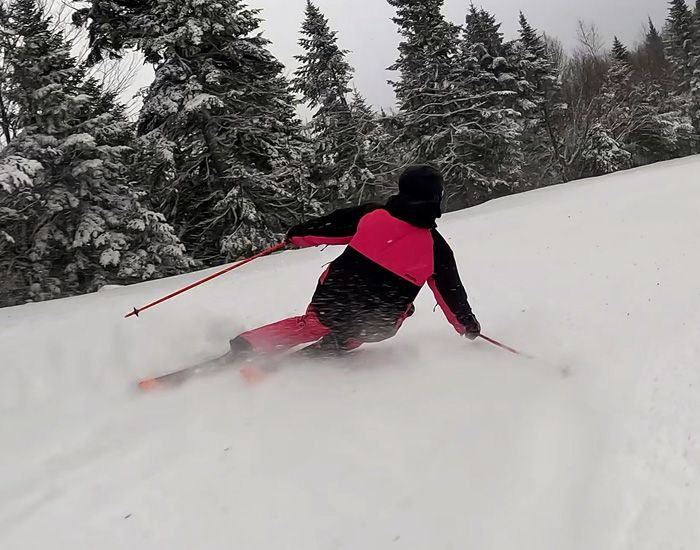
As on-trail specific skis, there’s not a huge need to focus on mogul, tree, powder, or playful performance, but it is fun to talk about different turn shapes and styles that the e-Rally is capable of making. Since the radius hovers around 15-meters, it’s certainly willing and capable of making short and powerful carved turns, but what about when you push harder and try to make it skid? Or how about when you want to go faster and make longer, more GS-friendly arcs? The e-Rally is up to the task, even without 3D or Triple Radius technology like we see in some other companies. For shorter turns, it’s difficult, but not impossible, to make cleaner carves than the radius likes, but you can still take a shallower edge angle in order to skid it out a bit—that's one of the big differences with the slightly wider waist of the Rally versus narrower Supershape models as well as Rebels. While the ski doesn’t chatter or shake when you go more slalom-ish, the overall weight and tail flare to a bit of balking and balk-talking. I did not find this to be the case for longer turns. One on of the mornings here at Stowe, I took a few camera-free runs and put this to the test. While you can’t purely carve those 30 to 35-meter true GS high-speed turns as well as some longer-radius skis, e-Rally is mainly at home at speeds around 35-40 mph, even in the 177 cm length. While I’m guessing a longer length ski would perform better in this regard, I still had no complaints about the shorter size at higher speeds. Mid-radius and mid-speed is where these skis really enjoyed to live, though. Creating high edge angles and skiing across the fall line is insanely fun and rewarding on e-Rally, and linking carved turns on firm snow on these is as awesome as it gets.
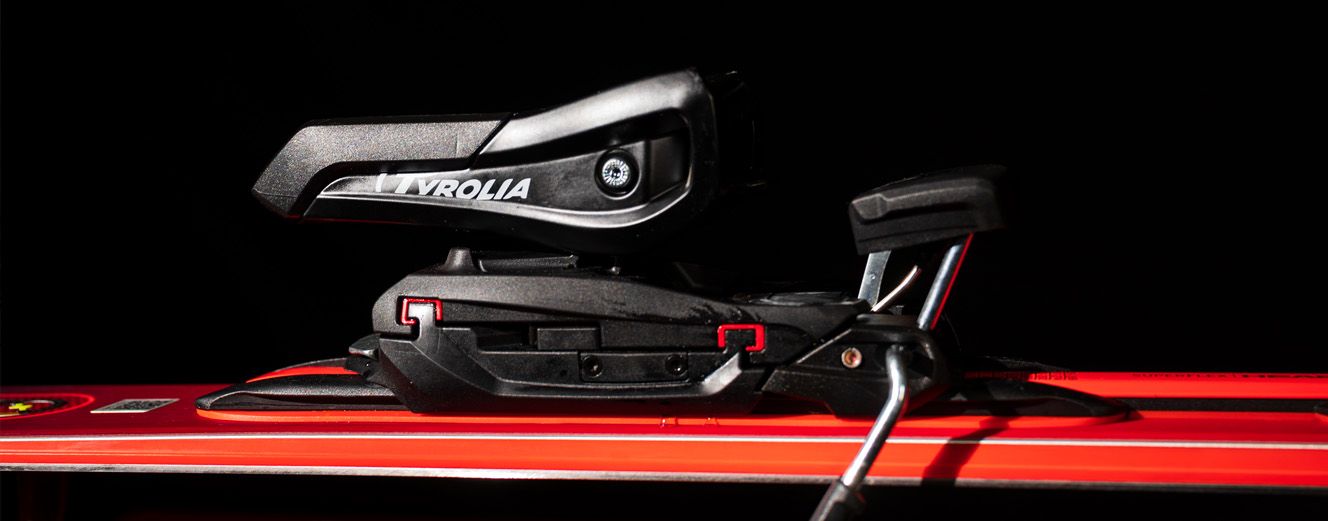
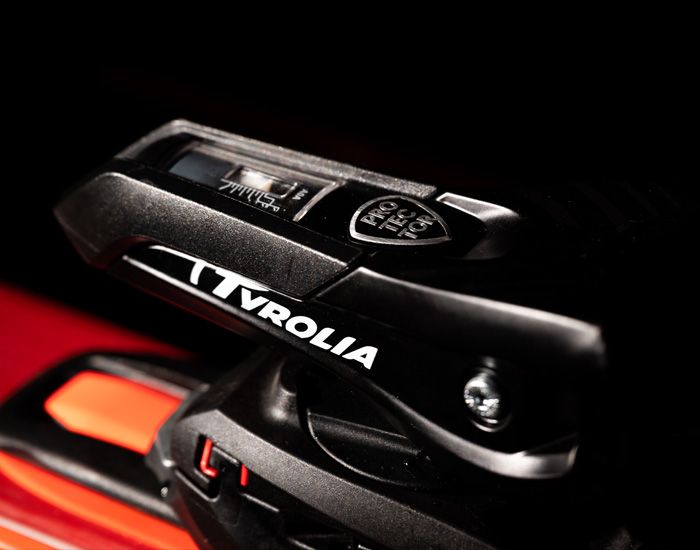
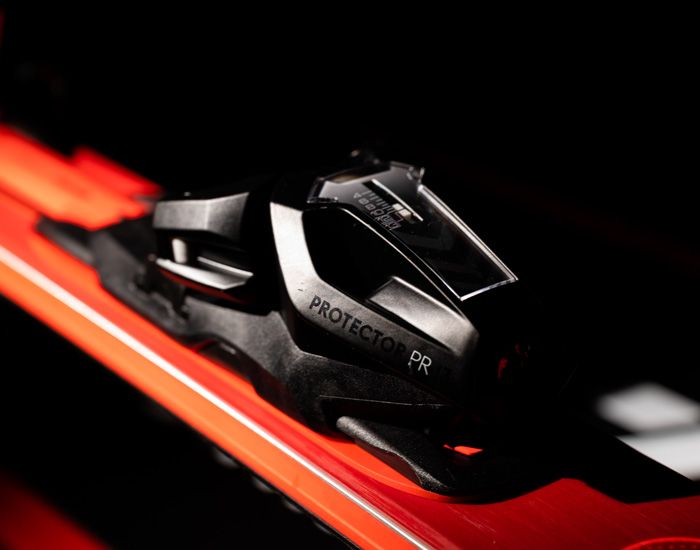
While the skis themselves are interesting for sure, the addition of the Protector system binding option has really amped up the conversation on this setup. The Tyrolia PRD 12 system has been a fantastic, durable, and reliable binding for skis like this, and they go with the Superflex Base quite well. We see this binding on Elan Wingman and Fischer RC One skis to name a few, and for years, it’s been more than adequate. Now with Protector, Tyrolia and their affiliated brands are taking the safety of skiers’ knees to the next level. While Knee Binding has mainly had the corner on the ACL tear prevention market, Tyrolia has effectively jumped in and blown that up. Protector combines a lateral heel release without an AFD (the whole heel piece slides 7mm either way to absorb low, short-term forces) with a 30-degree rotation to release the boot upon ejection. This basically combines the turn-table heel of the Look Pivot with Knee’s lateral release to create, what they call, “The safest bindings we’ve ever made." The claim is that, given the same backwards or forward twisting fall, Protector’s Full Heel Release reduces the strain on the ACL by 50%. It’s a pretty slick system, and even more interesting is that for this ski, we found a bit of a performance boost as well, whether intended or not, it’s a nice little bonus. It does come at the cost of weight, so the PRD heel is 656 grams while the Protector is 846. That 190 extra grams per piece actually gives the Protector on the e-Rally a bit more stability underfoot and through the tail. It’s not nearly a night-and-day difference, and if you’re not skiing them literally back-to-back, I don’t think anyone’s actually going to notice. But combined with the increase in safety, it’s worth noting, and if you’re given the option of a PRD and a Protector, it’s definitely something to consider. As of now there’s a decent price gap between PRD and Protector, about $200, but we expect that difference to decrease over the upcoming years as production of Protector increases. Overall, it’s a fantastic addition to the Head line, and is filtering in to the Shape series systems and the Attack alpine bindings as well. If the product works, and doesn’t affect performance in a negative way, we should see a lot more of these types of bindings moving forward.
There are so many skiers out there who don’t need or want an 85 mm or above ski for mostly groomer and front side skiing. Most of us, most of the time, spend most of our ski time on groomed terrain and trails. At least some portion of the day, we’re found on corduroy, and if you’re lucky like we are in Vermont, that surface is hard, firm, and wonderfully predictable! It’s all about having conditions-appropriate skis that excel in given scenarios. It’s just as important (albeit less sexy) to have a groomer-focused ski for front side skiing as it is to have a 115+ bowed-out powder ski for deep days. Perhaps it’s more important to have that narrow option, especially given the fact that most mountains are totally groomed out every night here in the eastern United States. For skiers looking for a smooth, stable, and strong performer in that arena, Head’s Supershape e-Rally is an amazing option and a wonderful carving companion.