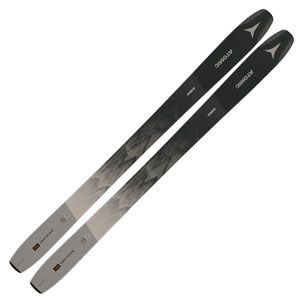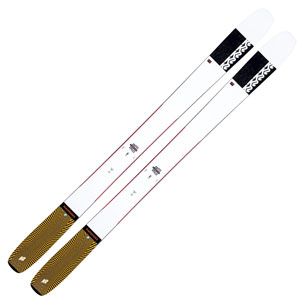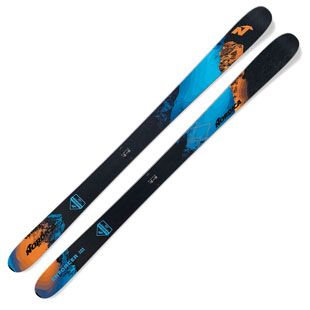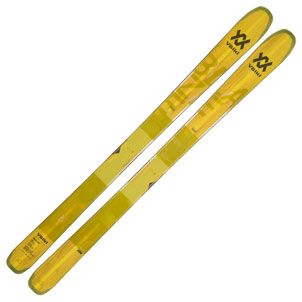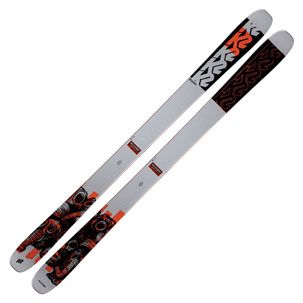


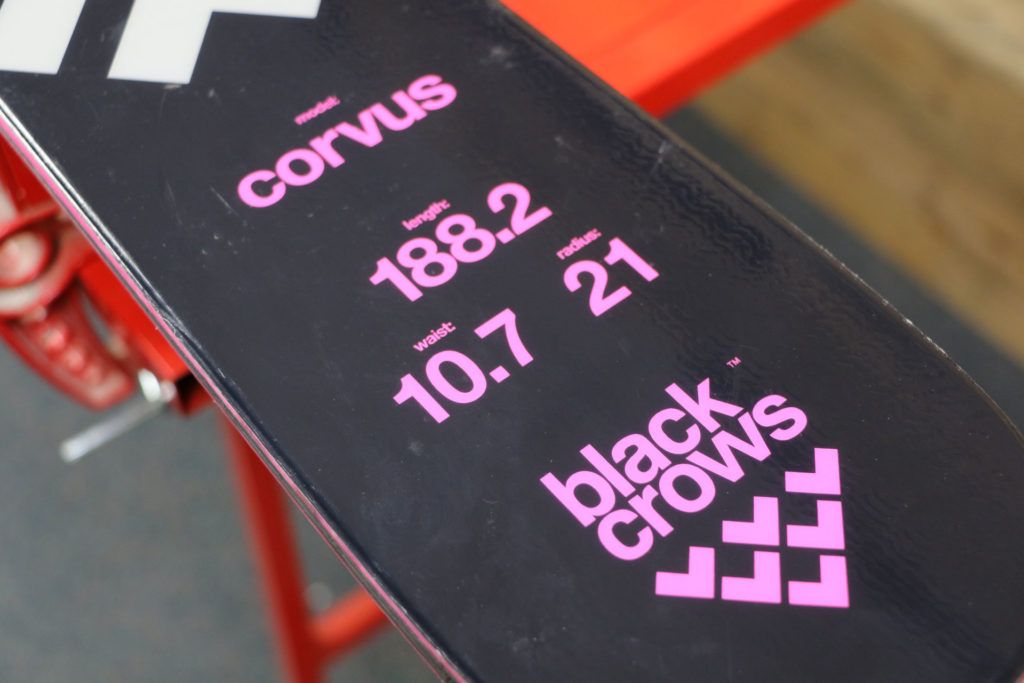
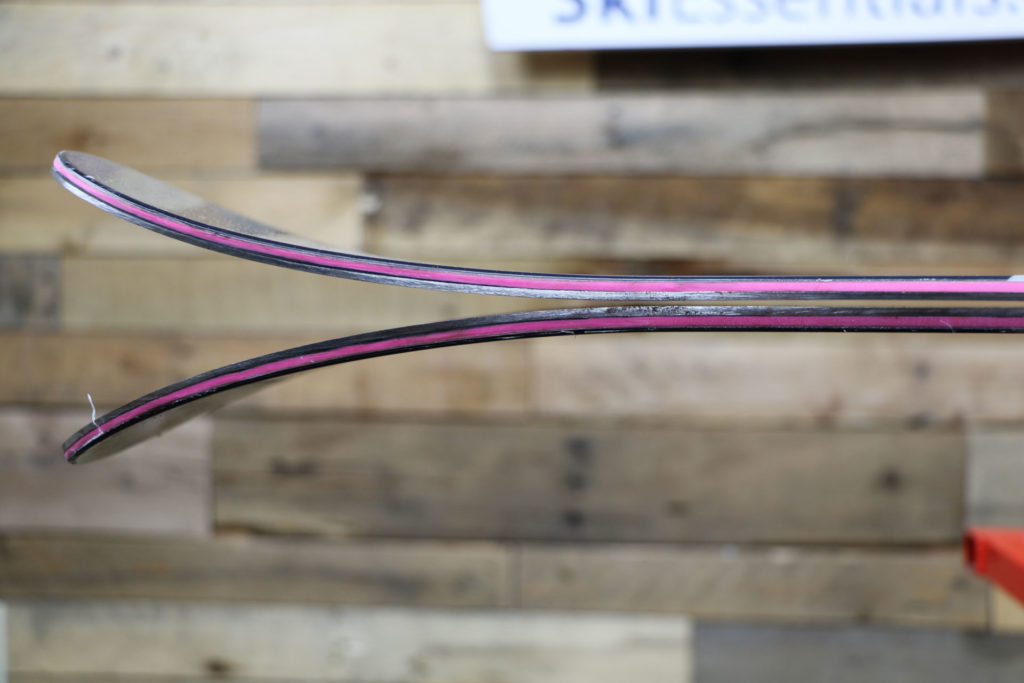
Over the years, the Black Crows Corvus has become somewhat of an iconic ski, or at least an icon within Black Crows' own collection. As the company says, it is the "guardian of the nest." Quite a responsibility, but if any ski is up for the challenge, it's the Corvus. Think you know skis? Think again. The reverse camber shape, two sheets of full length and full width metal, 107 mm waist width, and a 21 m turn radius gives this ski a level of performance and an overall feel that's all its own. Simply put, it rips through any snow conditions. It's battle-hardened, provides unflinching confidence at speed, but based on our testing over the past few seasons, it's not for the faint of heart. Even some advanced/expert level skiers might not find it works well for them, but we are 100% sure that a lot of skiers will love its characteristics, and it's also a valuable ski to exist in the industry in general. Not everything should be the same, so thanks for making your skis a little different, Black Crows.
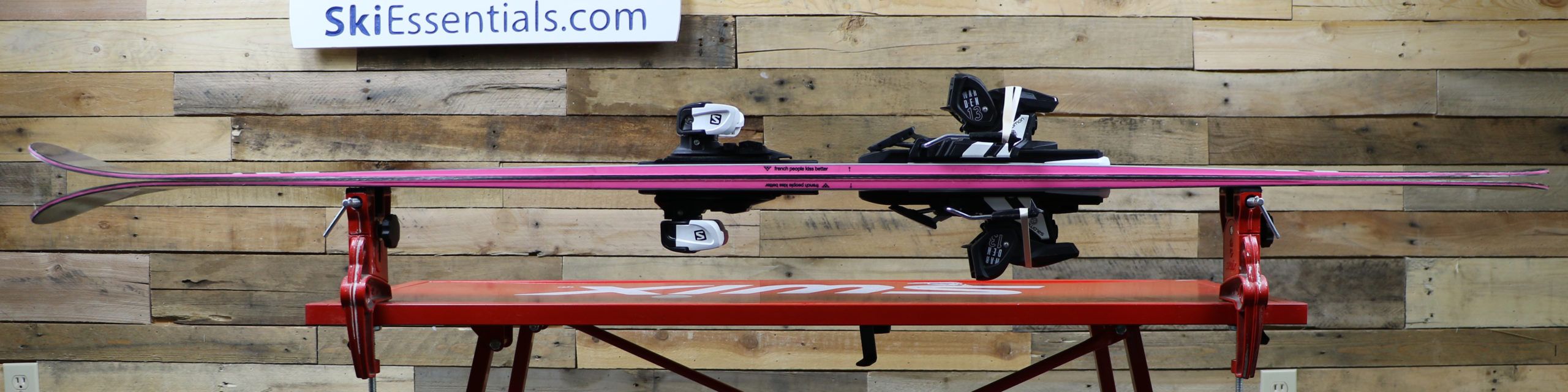
ROCKER PROFILE

Flat
CORE MATERIALS
PREFERRED TERRAIN


Big Mountain, Powder
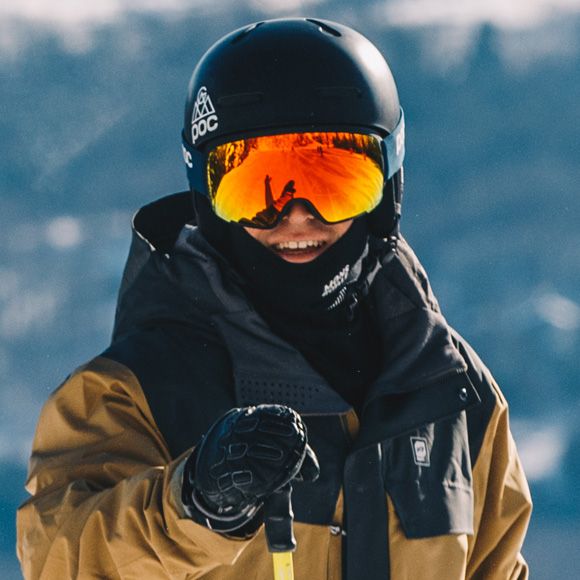
Marcus Shakun appreciates what makes the Corvus a special ski, which is reflected in both his written feedback and how he scored it on out range of criteria. Scores of 5 out of 5 for flotation, stability, torsional stiffness/edge grip, and overall impression after his test runs on the 188.2 cm length. "Big mountain slayer! If you need a ski to charge through the slop, pow, and chunder at any speed, this is it. If you can roll this monster on edge, it will hold. Long, long, long radius turns." Stability at speed is no problem for the Corvus. Variable snow conditions? Pssh. No problem. The only thing challenging about the Corvus is having the actual ability to ski it. Intermediates need not apply. This ski demands a high edge angle at times and a lot of skier input. Note how Marcus described a long turn radius. 21 m isn't huge, and in skis with camber it can feel pretty quick, but the Corvus isn't a very quick ski. It prefers big, high speed turns. If you do want to shut it down and ski slower, you can do so, but need to ride a flatter ski and utilize the rocker profile to get it to pivot. "Able to wiggle through the tight woods and slush bumps," is how Marcus described the feeling. He ended his feedback by noting, "potential negative is it's an expert only powder ski, not really anything other than that."

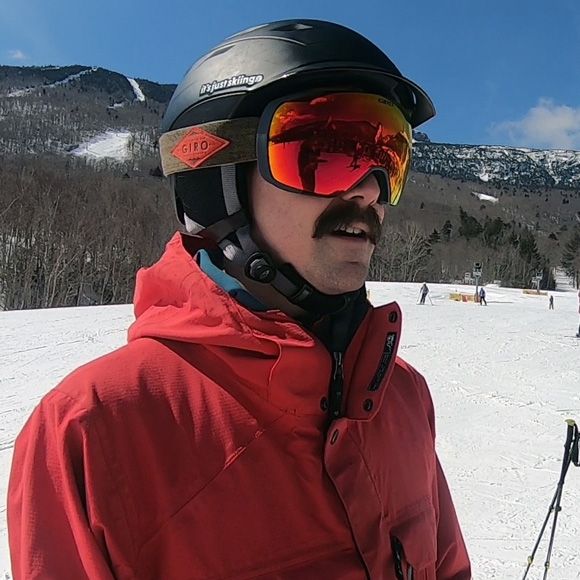
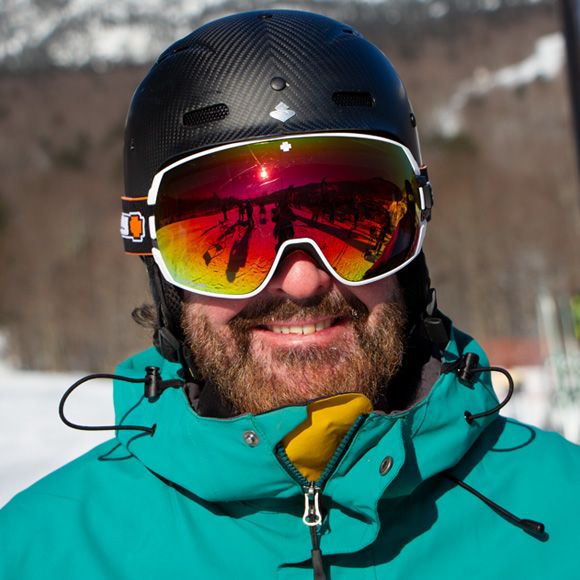
Connor Gorham understands the best application of the Corvus quite well after testing the 183.4 cm length. "This hog is a whole lotta ski. THICC waist was tough to get side to side, but when rolled at higher speeds, they cut ruts 2,000 leagues below the ski. I think a bigger dude (Marcus) could move these well, but I'd be hesitant to take these between the trees. It's got length and strength, but not built for every day." That's great feedback and the last sentence really hits the nail on the head. The Corvus likely isn't going to be anyone's daily driver ski, it has a more specific focus: big mountain charging. Mike Thomas also skied the 183.4 cm length and admitted that "it took a few turns to come to terms with this ski." That's not surprising considering the unique shape and nature of the Corvus. "Lack of camber and lots of metal feels off at first, but it made sense after ½ a run. Steer into the turn then let them rail… or just let them rail. I really enjoyed these." Turn initiation definitely feels different than on a cambered ski. It requires a little more skier input, or as Mike called it, steering into a turn.
Overall, the Corvus is a big, bad, burly ski that's ready for the most aggressive skiers on the planet and the gnarliest, steepest terrain. Don't be reaching for these if you're headed out for a cruiser day on gradual groomers. Don't reach for them if you're an intermediate. Don't even really consider them if you never get a chance to ski soft snow or big, open terrain. On the other hand, if you're looking for a hard-charging, soft snow, big mountain ski… does it really get any better than this?