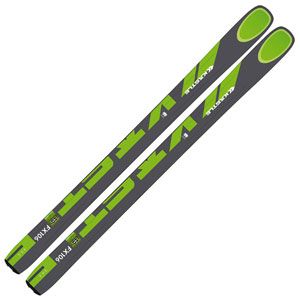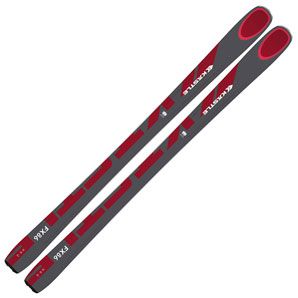


There are some grumblings around about how Kastle took the metal out of their HP skis. While yes, it changed the essence of the origins of the FX series skis in that mid-90's width, it also created a lot more possibilities and options for an already incredibly versatile ski. By removing metal, they save weight. This comes at the cost of stability for the most part, so ski companies have to be creative in finding ways to counter-act this removal of mass. In this case, Kastle took their wood core and wrapped it in a sock of fiberglass and carbon. When these materials are two-dimensional, they can be flimsy or bendy, but when their used in a three-dimension application, they get quite stiff and responsive. Additionally, fiberglass laminate requires a good amount of epoxy, which is heavy, so they don't feel like simple feathers. It's the combination of these materials and the way their used that give the FX 96 HP its unique feel and personality. They have high-end poise and precision, and now with the lighter weight, these skis are opened up to a larger number of skiers in a variety of applications. Now a good touring option, the FX 96 HP shows more versatility as a true 50/50 ski in all senses of the word.

ROCKER PROFILE

Rocker / Camber / Rocker
CORE MATERIALS
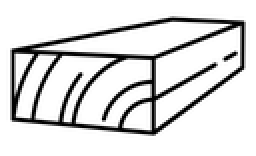

TRI-Tech
PREFERRED TERRAIN


All Mountain, Powder
Justin Perry didn't see much drop off in terms of performance in the build of the 96. On the 180, his top score was a 5 out of 5 for quickness and maneuverability while his low score of 3 is evidenced by his quote. "This was a little stiffer than the MX 99 but skied very well. Quick and stable at all speeds!" This is very nice to hear, that the 96 feels stiff-that's usually a potential issue for expert-level skiers who think that stiffness is a simple matter of hand-flexing the ski. The fact that the tail is stiff and the internal material can handle hard-charging shows the ski still has some sharp teeth. Mike Thomas agrees, as his 180 (he found it short) scored 4.5's out of 5 for stability and overall impression. Lots of 4's otherwise, with the exception of a 2.5 for forgiveness, again showing that this ski, even without metal, is a pretty burly skiing stick. "A return to the feel of the first FX skis. Much more ski than the outgoing series. More powerful, better edge engagement, still nimble, but it now can access more effective edge." Good for Kastle for being able to maintain that high performance while reducing weight-that's a pretty common goal for a lot of ski companies out there.


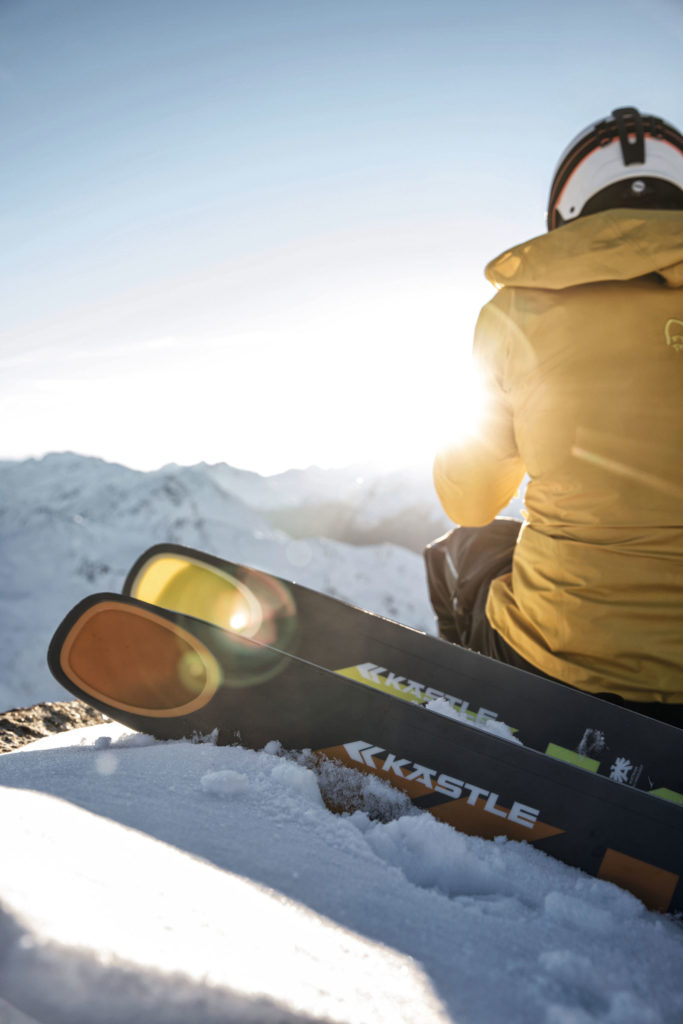
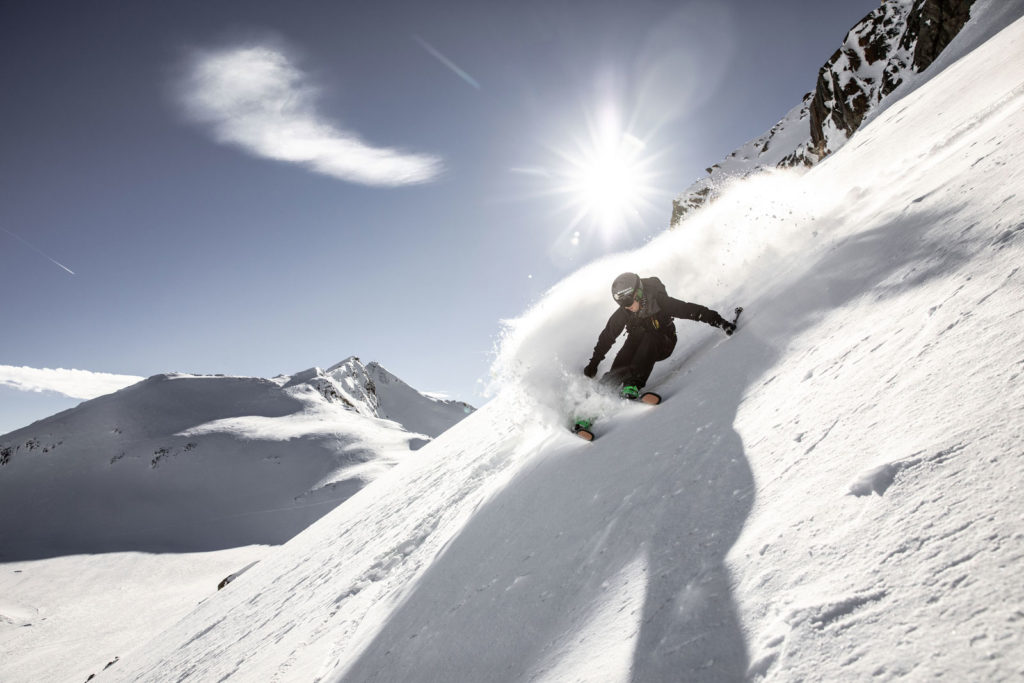
In terms of versatility, Josh Wolfgang was a big fan of the 96. Skiing the 180, Josh scored the ski 4.5's out of 5 for versatility and overall impression. He picks right up on that high-end build and echoes Mike's sentiments that the ski is on the unforgiving side, with that being the low score of 3 on the card. "This is a fun ski. Feels versatile as it likes to be both on and off-piste. Very stable but definitely has a speed limit as it will begin to chatter on hard snow. You basically take away a bit of the dampness from the MX 99 and add more off-piste versatility." And that's what the ski business is all about-compromise. If you take a bit off the top, you have to add some to the bottom, and it's all about deciding what priorities you have as a skier and whether you need all that metal or if you can get away with less in order to have a lighter setup. So many choices!
So that's life for a high-end all-mountain ski. Some people are metal traditionalists and can't stand the idea of a ski with an HP badge being metal-free. Others will appreciate the lighter weight and stiffer flex. Whichever side of the compromise you fall on, it's certainly worth noting that Kastle builds some high-end skis, and the lack of metal doesn't knock it down a peg-we assure you of that.