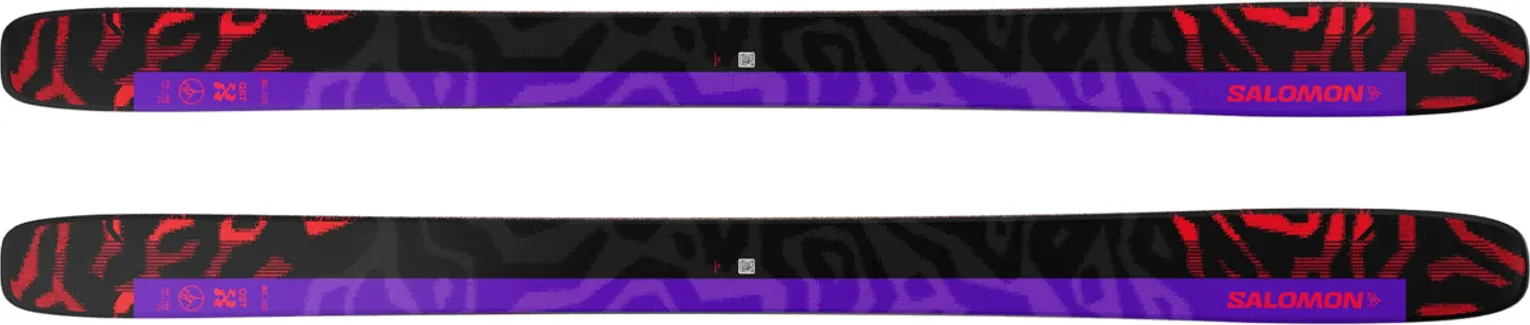
2027 Dynastar M-Free 112 F-Team


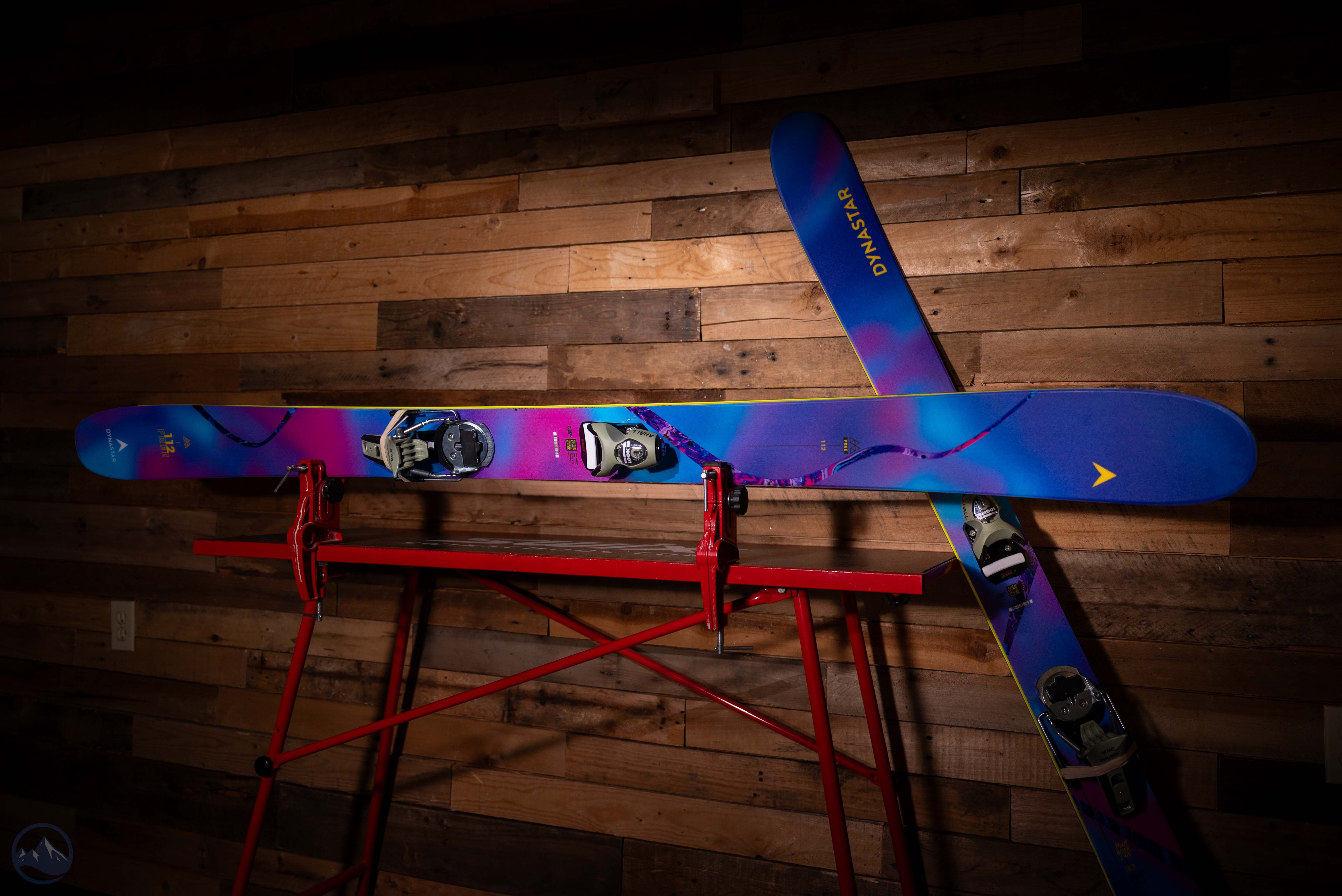
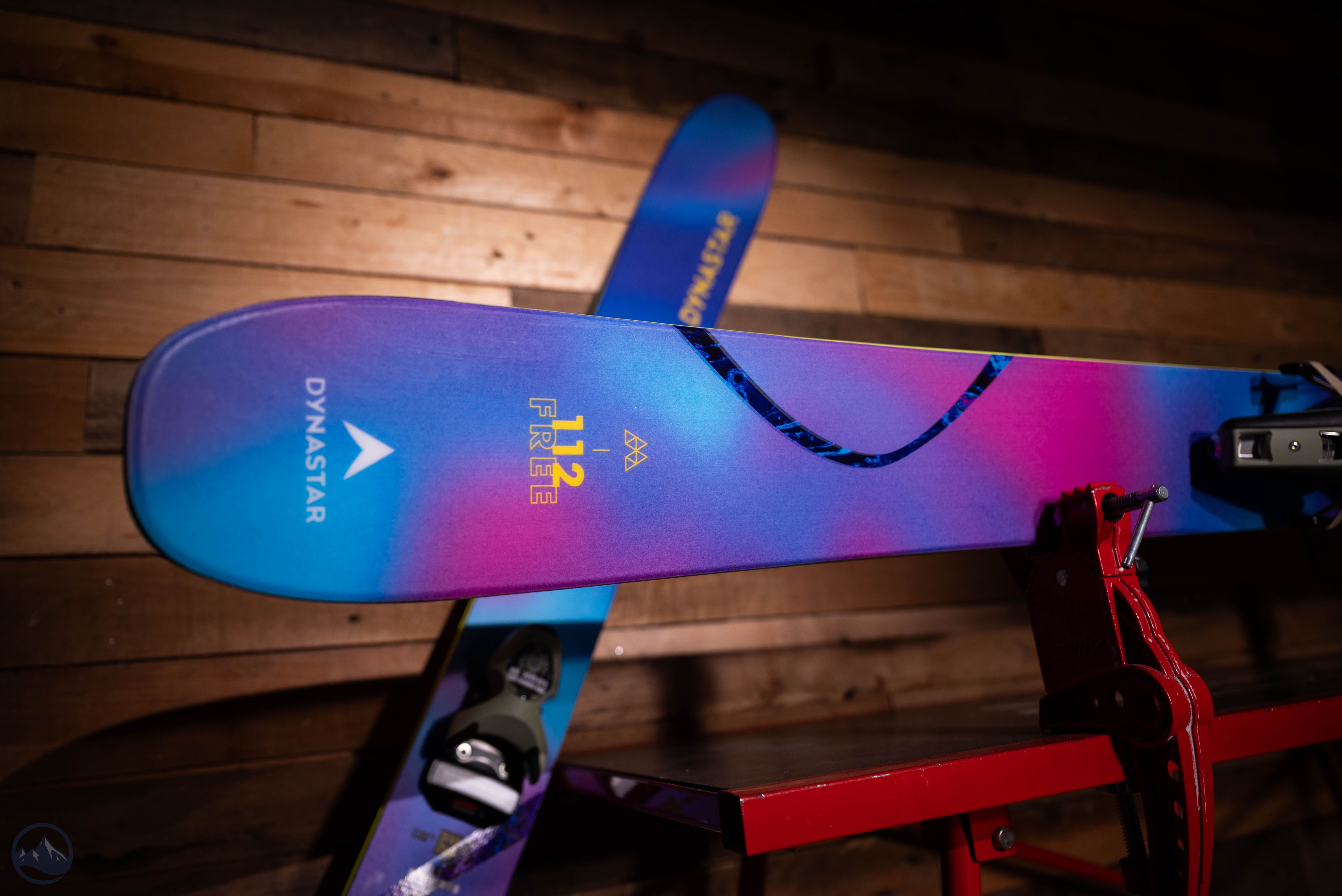
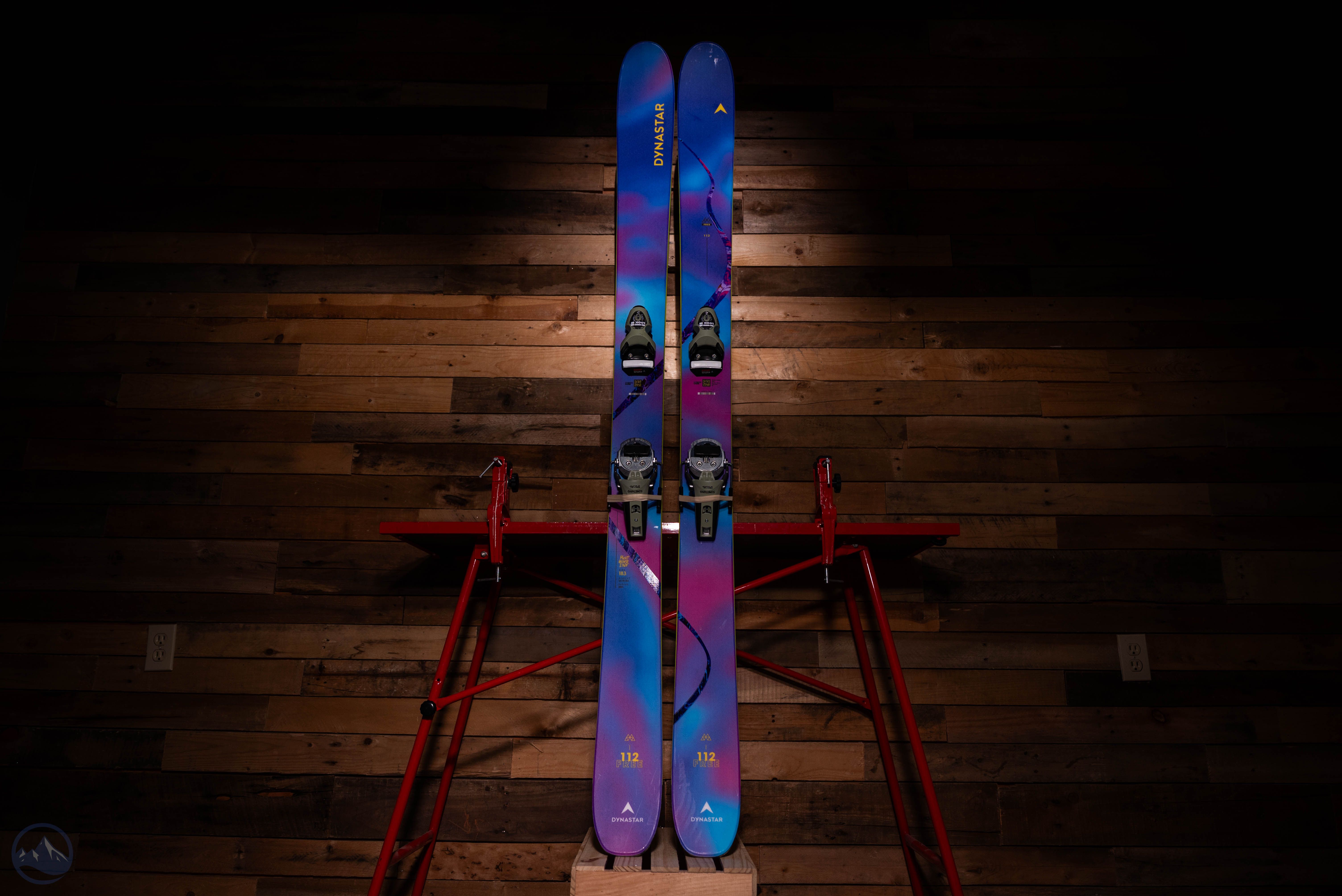
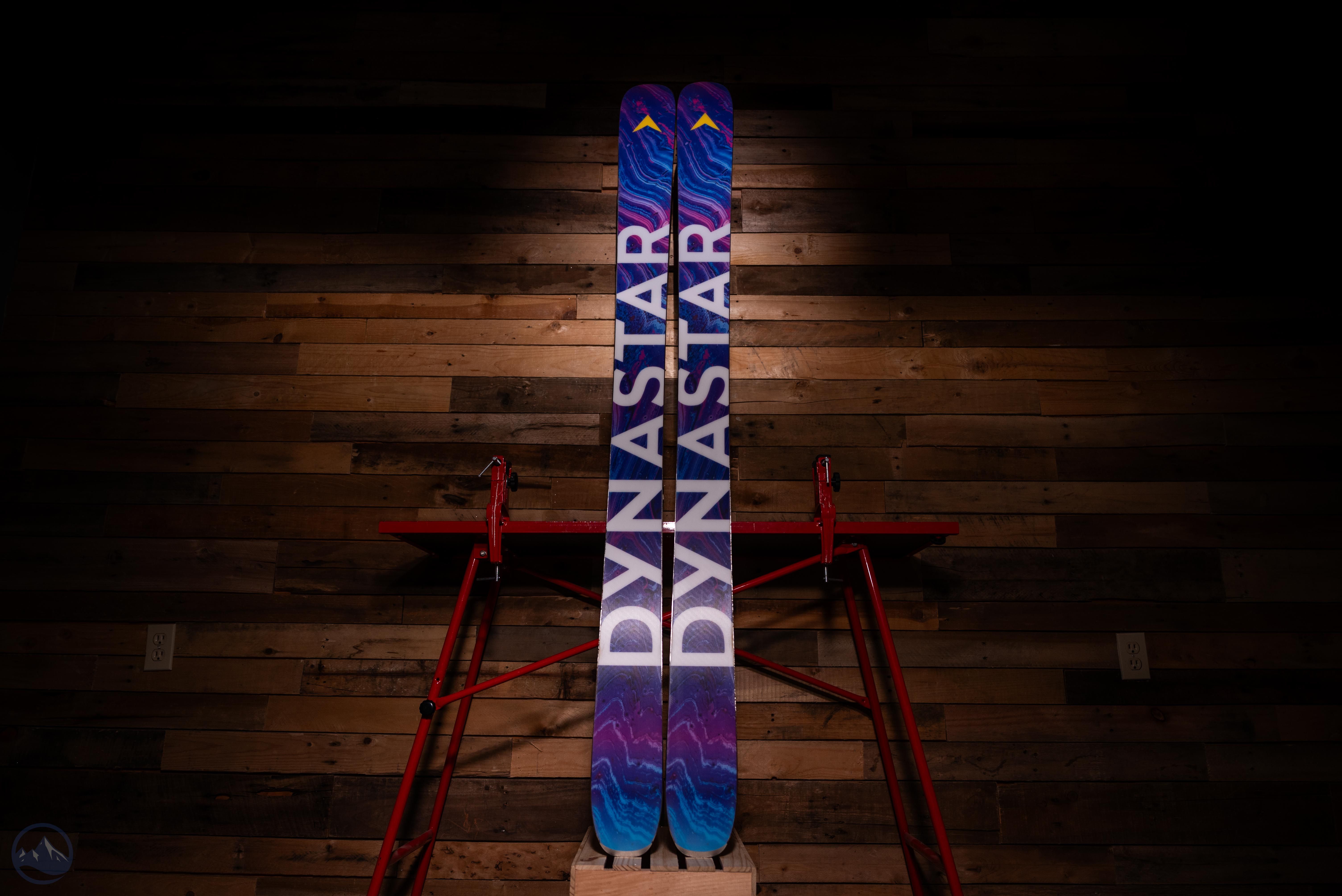
Dynastar has placed a big emphasis on graphics for 2027, and the M-Free 112 may be the sharpest looking of the bunch. The 112 fits in with the rest of the M-Free skis in terms of build, shape, and style, just with a wider overall footprint and a more central character. Like most of Dynastar’s lineup this season, the 112 gets the Hybrid 2.0 core to boost energy and performance with stiffer flex, less adhesives, and increased sustainability. When it comes to soft snow compliance, creativity, and freeride fun, you’d be hard-pressed to find a better overall option than the Dynastar M-Free 112. Now with a fun look, the character extends to the style as well.
- Recommended terrain
- Powder, Big Mountain, Freeride
- Ability level
- Advanced, Expert
- Rocker profile
- Rocker/Camber/Rocker
- Construction
- Poplar Wood Core, PU, Fiberglass, Sintered Base
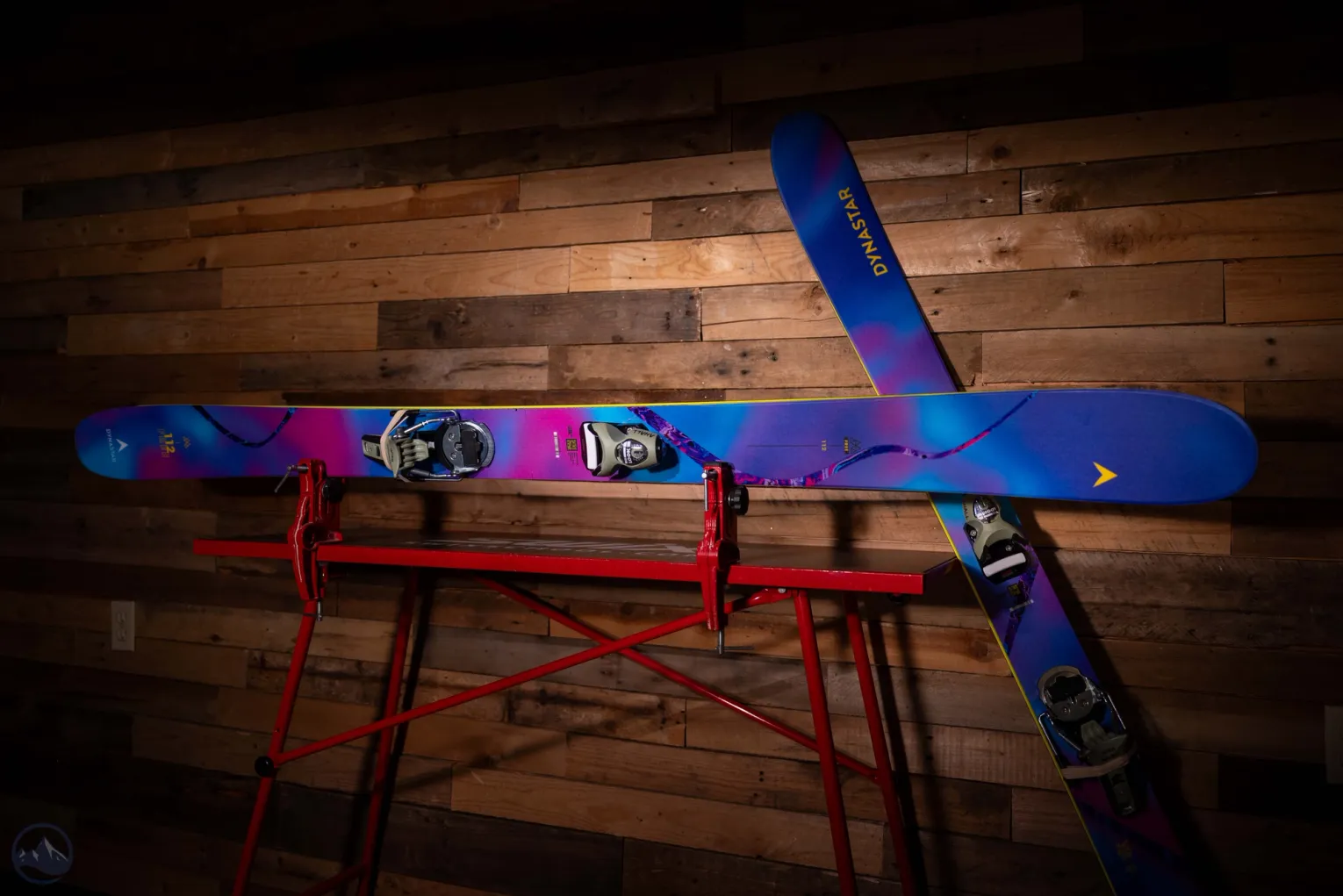
Smoothness has been a hallmark of Dynastar skis for a while now. By using three layers of wood and polyurethane along the sides, Dynastar makes their skis incredibly smooth and energetic. The middle two layers of wood in this ski are milled and then joined together in the pressing process to avoid the use of adhesive. Since the bond is so strong and held together, the skis are uncommonly sturdy and strong. The polyurethane that runs along the sides of the skis does a phenomenal job at creating a quiet overall feel. It effectively mimics metal but without the demand. This ski comes in either a 176, 183 or a 190, and none of them are light. We’re looking at between 2100 and 2300 g/ski respectively. For a playful freeride ski, that’s a lot of grams, but due to the shape and profile, it simply does not feel that way. There’s comfort in weight, especially when you’re skiing aggressively in a big mountain environment.
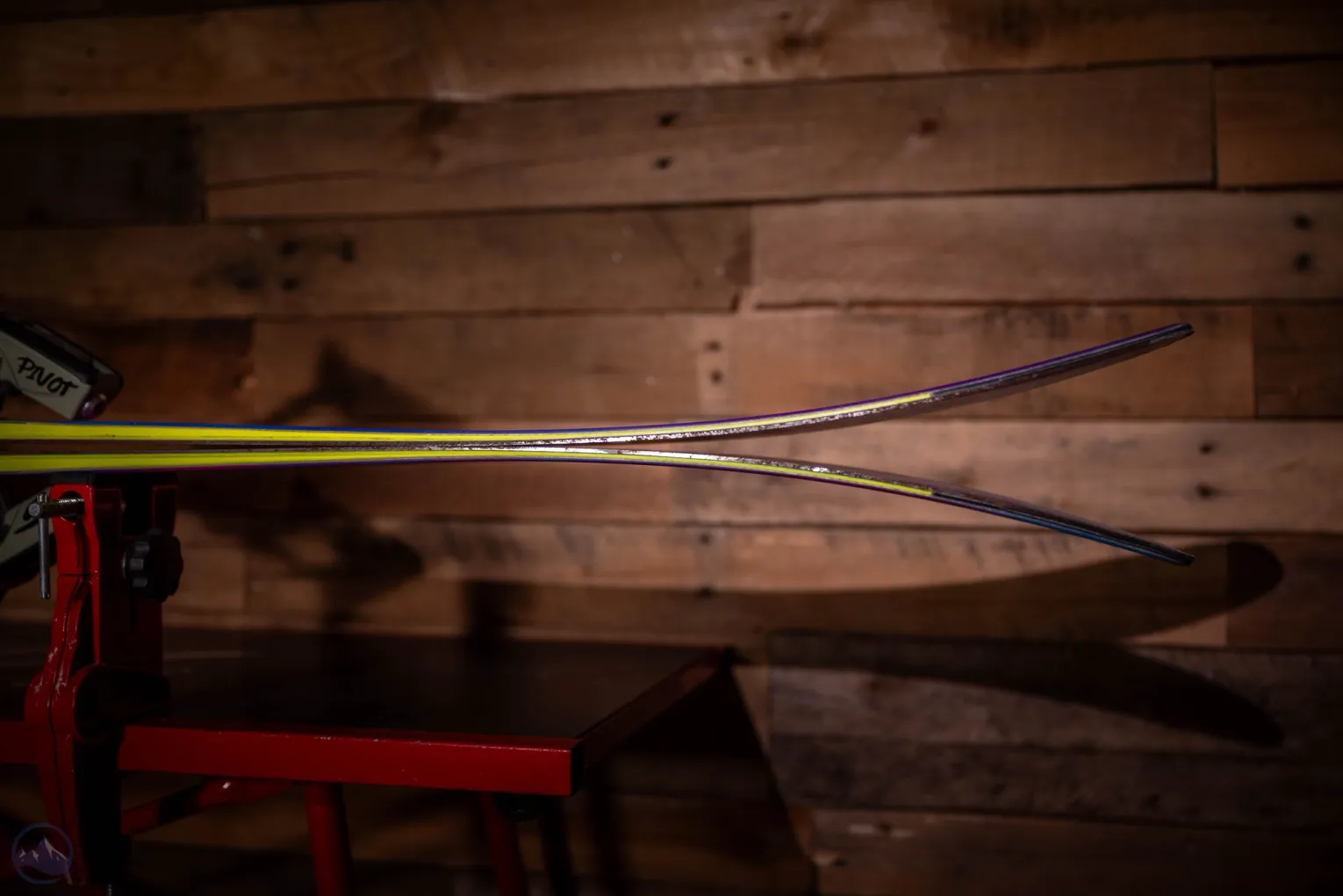
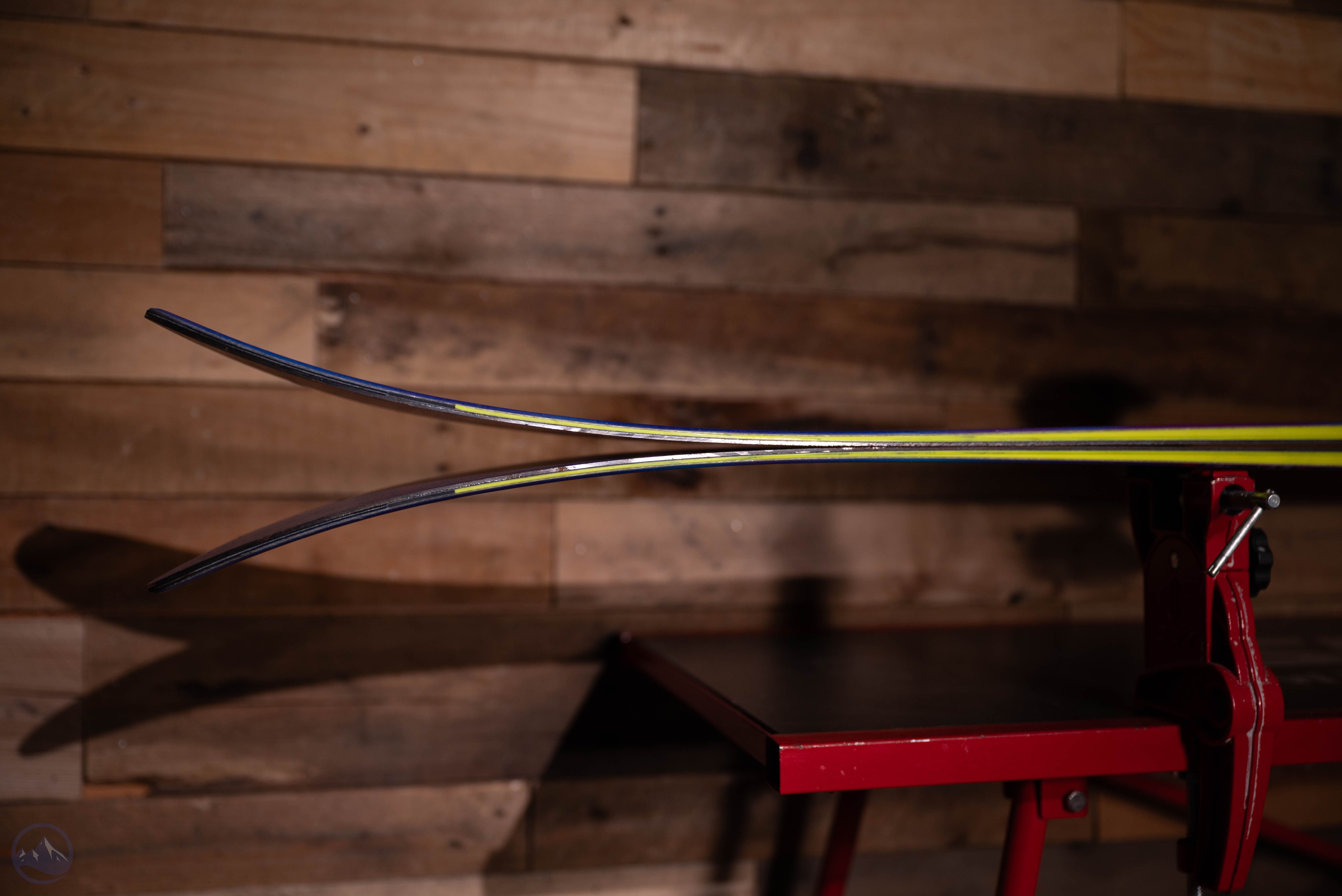
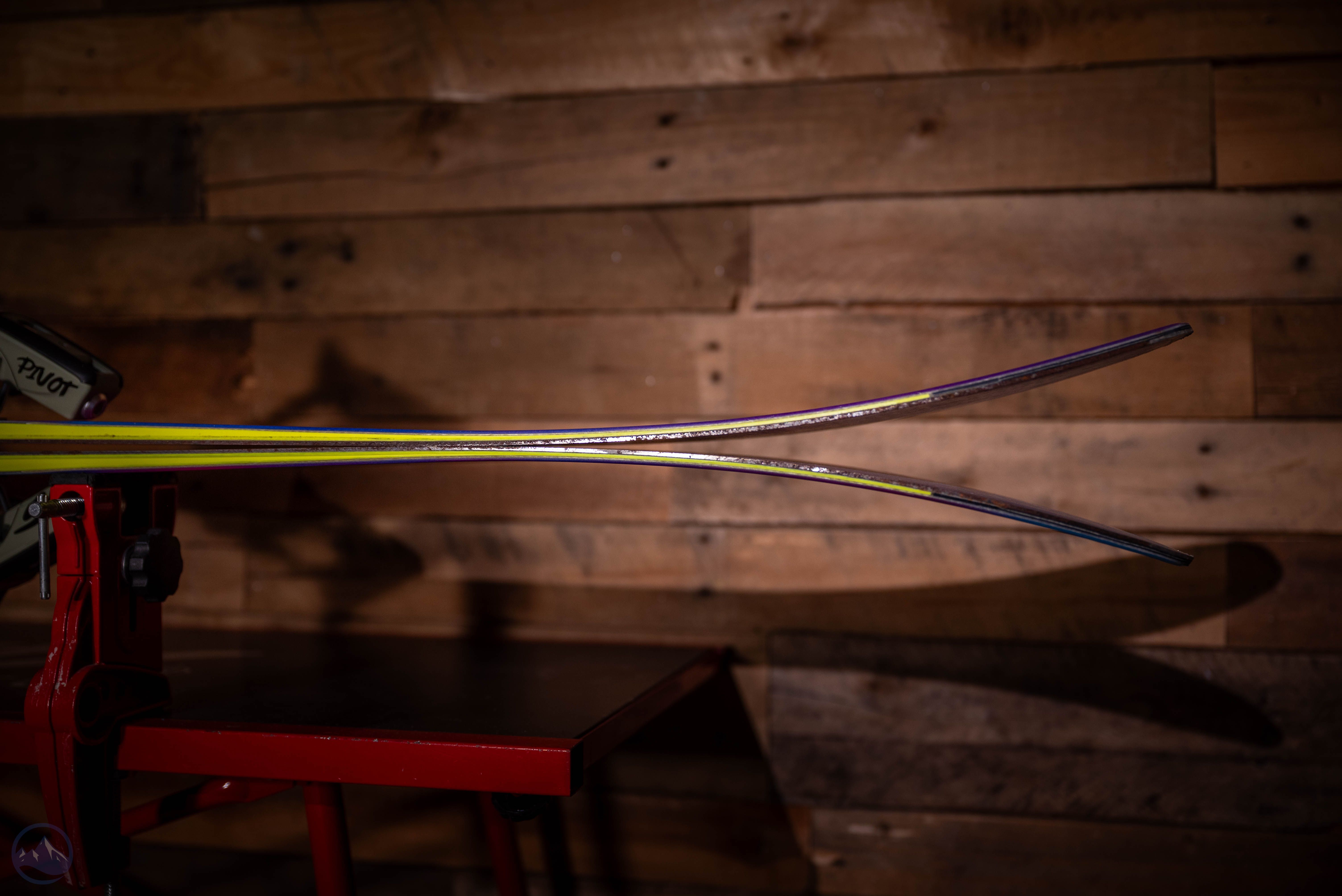
 The Rocker / Camber / Rocker profile of the 2027 Dynastar M-Free 112 F-Team
The shape and profile stand out with a soft snow emphasis. There’s a lot of rocker and drama here, much like the 108 and the 100. The skis have a very mustachioed shape to them, with gratuitous bends at both ends. The camber underfoot keeps you planted when encountering more technical terrain as well as the random groomer, but overall, this ski is shaped to be bouncy and playful in deep and soft snow. The 112 also has a straighter cut than the 108, with the 183’s 20-meter turn radius aligning with the 192 in the 108. As a result, the 112 has more in common with a wider and more directional freeride ski in terms of being a more fall line-oriented and aggressive ski. The taper features a rounder shape in both tips and tails. This 112 falls more to the playful freeride side of the spectrum rather than a Freeride World Tour competition character. It also has a more central mount point than the 108, giving it a more centered stance.
Due to the weight and waist, it’s still a very advanced ski, meant to be on the feet of highly accomplished skiers. We’re not sure the weight makes it all that accessible for progressing intermediates—it's a heavier ski. It’s also quite specific to deeper and softer snow, so unless you ski in a very snowy area, it’s just not going to be that useful all the time. That said, many skiers go to Utah and other snowy zones, so it’s all about what works for you and what you’re doing with most of your ski time. If you have your sights set on big mountains and higher speeds and more creative skiing, this is the place to be.
- Ability
- Expert
- Height
- 6'2"
- Weight
- 195
- Days / Year
- 140
- Age
- 27
- Years Skiing
- 26
Explore More